
Reviewed · PADI COURSES & CERTIFICATION
2 Days PADI Advanced Course from Phi Phi
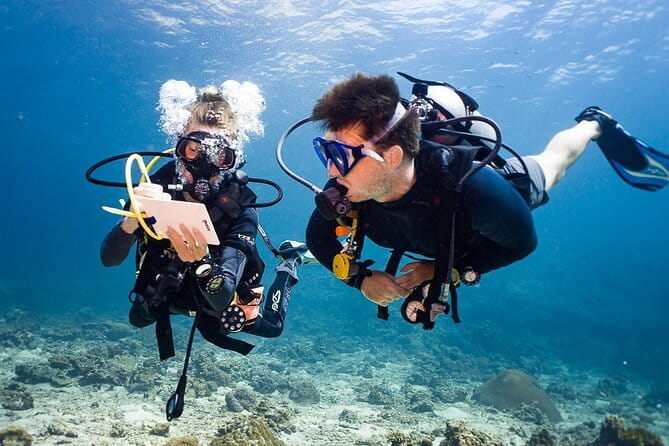
The most useful part of this two-day PADI Advanced course is that it combines formal training with real underwater exploring around Ko Phi Phi. You work toward certification while visiting sites such as Ko Bida Nok and Ko Phi Phi Le, with a maximum group size of 10.
I like the small classes and the strong safety focus. I also like that the price includes PADI e-learning, certification fees, equipment, a dive computer, lunch, and basic insurance. The main catch is the extra Phi Phi National Park fee, which is 800 THB for two days and payable to the rangers.
Key points at a glance
- Official PADI online program: Complete the learning work before your practical sessions, then meet your instructor to review it.
- Two notable Phi Phi sites: Ko Bida Nok and Ko Phi Phi Le give the course a scenic setting as well as room for skills practice.
- Small groups capped at 10: This can mean more instructor attention and less time waiting for others.
- Possible night-dive training: The course has included a first night dive for some students, but the exact schedule depends on conditions and course planning.
- Useful inclusions: Equipment, lunch, dive computer rental, certification fees, and basic insurance are covered.
- Extra cost to plan for: The national park charge is not included in the advertised price.
What you are really buying for $417.93
At $417.93 per person, this is not a cheap way to spend two days in Phi Phi. But it is also more than a sightseeing trip with a mask and fins. You are paying for an official PADI course, instructor time, online study, certification, equipment, a computer, meals, and two full days built around practical underwater training.
That bundle gives the price real value if you already hold the PADI Open Water certification and want to progress properly. You avoid paying separate fees for the course materials and certification. You also do not need to arrange a separate equipment rental package.
The fee does not cover the Phi Phi National Park diving charge. Budget another 800 THB for two days, paid directly to the park rangers. That cost is easy to overlook, so include it when comparing this course with other options on the island.
The course also includes basic insurance, described as a basic redemption-only policy. You should read the insurance terms carefully rather than assuming it covers every medical or travel situation. A standard travel policy may still be sensible.
More PADI Courses in Thailand
- Full-Day Beginner Scuba Course with Private Tuition, Racha Yai
★ 5.0 · 368 reviews - La Bombona Diving Koh Tao Open Water Course
★ 5.0 · 172 reviews - Padi open water diver course, become a diver in 3 days
★ 5.0 · 113 reviews
Starting at Blue View’s hillside base
You meet at Blue View Divers near Phi Phi Pier, at Scuba Diving Phi Phi Viewpoint Resort. The centre has a training pool and views over the island, which gives you a useful place to review skills before heading offshore.
The day before the course begins, you meet your instructor to go through the e-learning chapters. This is a good arrangement. You can complete the academic work online, then use the face-to-face time to clear up questions and prepare for the practical sessions instead of sitting through every theory lesson on a boat.
The instructors named in course feedback include Becca and Michael, with Caroline also praised for clear communication and flexibility. Your exact instructor is not guaranteed, but the consistent pattern is a professional, friendly teaching team that pays close attention to safety.
On each morning, you meet around 30 minutes before departure near the pier. Allow time to get settled, listen to the briefing, check equipment, and understand the plan. The first day lasts about five hours, while the second can run about eight hours. Those are substantial days, not quick excursions squeezed between beach visits.
Day one: skills and sea time at Ko Bida Nok
The first practical day focuses on getting comfortable with advanced-course work at Ko Bida Nok. The site is part of the Phi Phi area known for clear water, coral scenery, and marine life, but your exact route and conditions can change.
The course is not simply about reaching a new certification level. You will be asked to apply skills in a controlled way, follow instructions, and become more independent underwater. The value of the small-group format becomes clear here. With fewer people around you, an instructor can watch your technique more closely and spend time explaining what needs improvement.
This is also where the centre’s safety-first approach matters. Advanced training should stretch your ability without turning the session into a contest. A calm instructor can help you manage new tasks, equipment checks, buoyancy work, and navigation exercises without making you feel rushed.
There is a practical benefit to the team’s stated effort to avoid the busiest periods and find quieter sites when possible. You cannot expect an empty reef every time, since weather, boat traffic, and local conditions control much of the day. Still, a plan aimed at reducing crowd pressure can give you more space to focus.
Bring patience. Training can mean repeating an exercise when you would rather look at coral or search for animals. That is part of the deal. You are using a beautiful setting as a classroom, not simply taking a scenic boat ride.
Day two: deeper water around Ko Phi Phi Le
The second day begins with another pier briefing before the deep-water session. One first dive reaches a maximum of 30 metres, allowing you to compare colours and observe how depth affects your perception.
That 30-metre limit is important. It is a serious step beyond beginner-level limits, so you should feel comfortable with your basic certification and be ready to follow your instructor closely. The purpose is not to chase depth for its own sake. It is to learn how your body, equipment, vision, and air use can feel different farther below the surface.
Ko Phi Phi Le gives the second day a dramatic setting, with the chance to visit attractive underwater areas as well as practice course skills. Marine life mentioned in connection with the course includes turtles and sharks, though sightings are never guaranteed. You may see plenty of coral and fish, but nature does not work to a timetable.
The second day is longer, about eight hours, so expect more than one session and a full day around the water. Lunch is included, along with coffee or tea at the centre. You should still bring anything you personally need for a long day outdoors, especially sun protection and drinking water if advised by the operator.
Some course participants have completed a first night dive as part of their advanced training. That can be one of the most memorable steps in the program, but the supplied schedule does not promise a night session for every booking. Ask Blue View to confirm whether it is included in your particular course plan.
Another way to get in the water in Thailand:
- Ko Tao: Try Scuba Diving 1-Day Experience
★ 4.8 · 452 reviews - Phuket: Scuba Diving Maithon Or Racha Islands For All Levels
★ 4.8 · 245 reviews - Scuba Dive in Koh Lanta, Thailand
★ 5.0 · 212 reviews - Phuket: Discover Scuba Diving to Racha Yai Island
★ 4.9 · 173 reviews
Why the small group size matters underwater
The maximum group size is 10, but the actual instructor-to-student ratio may be smaller depending on the booking. Ask about that before you pay if individual attention is a top concern.
Small classes do not guarantee a private lesson. They do make it easier for an instructor to track your progress, spot hesitation, and answer questions between sessions. That matters most if you are nervous about deeper water or have not used a dive computer before.
The included computer rental is another practical plus. A computer helps you monitor depth and time during your training, and using the same style of equipment across the course can reduce confusion. You will still need to learn how to read and respond to it, rather than treating it as an automatic safety device.
The centre also describes itself as the longest-running longtail diving operator in Phi Phi, while offering larger-boat trips as well. Boat type can affect comfort, shade, movement, and boarding. The specific vessel for your course is not stated, so ask if you have mobility or seasickness concerns.
Marine life, conservation, and the human side
The centre places clear emphasis on eco-friendly practice and protecting coral. That is not just a nice extra in Phi Phi, where popular sites can face heavy pressure from boats, swimmers, anchors, and careless contact with the reef.
You should expect reminders about buoyancy, avoiding contact with coral, and watching your fins. These habits matter more than any slogan. An advanced course is a good time to become more self-aware underwater, since better control protects the reef and makes your own experience calmer.
The chance to see turtles, sharks, and other marine life adds excitement, but do not book this course on the promise of a particular animal. The site plan is chosen around conditions, safety, training needs, and conservation concerns. A good day may be less about one dramatic sighting and more about leaving with stronger skills.
The instructors also seem to put effort into confidence building. Becca is repeatedly singled out for making students feel safe and for explaining skills well. Michael is praised for guiding a successful advanced course and helping students enjoy their first encounters with sharks and turtles. These details suggest a teaching style that balances structure with encouragement.
What is included, and what is not
The package covers:
- PADI e-learning
- PADI certification fees
- Scuba equipment
- Dive computer rental
- Lunch
- Coffee or tea at the centre
- All listed fees and taxes
- Basic insurance
That list makes the price easier to judge. Certification fees alone can add up, and equipment rental would otherwise be another cost. Including lunch also saves you from arranging food during a long boat day.
The main required extra is the Phi Phi National Park fee: 800 THB for two days, paid to the rangers. A three-day course would have a 1,000 THB park charge, though this particular experience lasts two days.
The course requires a moderate level of physical fitness. It is not recommended for people with asthma. If you have a medical condition, doubt about your fitness, or an old injury, ask the operator before booking rather than waiting until the meeting point.
Who should book this course
This suits certified Open Water divers who want to gain the PADI Advanced Open Water qualification in a scenic island setting. It is especially useful if you value close instruction, careful briefings, and a course that combines online study with practical sessions.
It also suits people who want more than a standard recreational trip. You may work toward deeper-water skills, navigation, and possibly a night session, depending on the course plan. The structure gives you a reason to spend two full days underwater instead of simply collecting a few casual swims.
I would be more cautious if you are short on time, dislike early starts, or want a relaxed boat outing with minimal instruction. The second day can last eight hours, and the course requires concentration as well as stamina.
This is also not the right choice if you expect private guiding or guaranteed encounters with sharks and turtles. The group can include up to 10 people, and wildlife sightings depend on nature. Ask about the group size and exact training modules before booking if those details will affect your decision.
Booking rules and practical planning
Confirmation is provided at booking. The meeting point is Blue View Divers at the Phi Phi Viewpoint Resort, and the activity ends back there.
The experience is non-refundable and cannot be changed after booking. If poor weather forces cancellation, you should be offered another date or a full refund. The same applies if the minimum number of participants is not reached, with the option of another date or experience.
Those rules make travel insurance and careful scheduling worthwhile. Avoid placing the course on the final morning of a tightly timed island itinerary. Weather can affect boats, and the course itself already takes two substantial days.
Should you book the Blue View Advanced Course?
Book it if you want a serious PADI step-up with equipment, certification costs, food, and online study included in one price. The strongest reasons are the small-group approach, the focus on safety, the training pool, and the chance to practice advanced skills around Phi Phi’s better-known sites.
The $417.93 cost is fair when you count the included course and rental items, but remember the separate 800 THB park charge. I would also confirm your instructor, group size, boat type, and whether a night session is planned before payment.
For a certified diver ready to build confidence at greater depth, this is a well-structured choice. For someone seeking only a casual day on the water, it is more course than outing. Know which of those you want, and the decision becomes fairly simple.
FAQ
Where does the PADI Advanced Course begin?
You meet at Blue View Divers at Scuba Diving Phi Phi Viewpoint Resort, 107, Phi Phi Island, Koh Phi Phi, Krabi 81210, Thailand, near Phi Phi Pier.
How long does the course last?
The course lasts approximately two days. The first practical day is about five hours, and the second is about eight hours.
What dive sites are included?
The scheduled sites are Ko Bida Nok on the first day and Ko Phi Phi Le on the second day. Exact site plans can depend on weather, safety, and course needs.
What is the maximum group size?
The activity accepts a maximum of 10 participants. The exact number in your group may be smaller.
Is PADI e-learning included?
Yes. The price includes the PADI e-learning course and certification fees. You meet your instructor before the practical course to review the online chapters.
Is equipment included?
Yes. Scuba equipment and dive computer rental are included in the price.
Is lunch included?
Yes. Lunch is included, as are coffee or tea at the Blue View Divers centre.
Do I need to pay a national park fee?
Yes. The Phi Phi National Park diving fee is extra and payable to the rangers. For two days, it is 800 THB.
Can I cancel for a refund?
The experience is non-refundable and cannot normally be changed. If Blue View cancels because of poor weather or because the minimum number of participants is not reached, you should be offered another date, another experience, or a full refund.
More two-day trips in Thailand
- 2 Days Diving Trip to Koh Tao Including 4 Dives and Accommodation
★ 4.5 · 7 reviews - Learn to dive in 2 days Scuba Diver course
★ 5.0 · 5 reviews - PADI Advanced Open Water Diver course Two days one night included accommodation
★ 5.0 · 2 reviews - 2 Days Discover Scuba Diving in Nusa Lembongan – Scuba Initiation
★ 5.0 · 506 reviews
Newest dives added in Thailand
- Discover Scuba Diving in Koh Lanta, Thailand★ 5.0 · 72 reviews
- Phuket: PADI Discover Scuba Diving 1 beach dive★ 5.0 · 2 reviews
- Try Scuba Diving★ 5.0 · 11 reviews
- “Premium” Non Certified Beginner Scuba Diving in Racha Yai/Noi★ 5.0 · 10 reviews
- Scuba Diving Daytrip to Racha Yai★ 4.5 · 43 reviews
- Racha Noi and Racha Yai Dive Trip from Phuket★ 4.5 · 5 reviews
- SCUBA Diving tour Racha and Coral islands full day tour★ 4.0 · 4 reviews
- Private diving on shared trip at Racha Noi and Racha Yai from Phuket incl. lunch★ 5.0 · 12 reviews
PADI Courses & Certification, compared.
Tossa de Mar: PADI Discovery Scuba Diving in Costa Brava
Read our review →
Full-Day Beginner Scuba Course with Private Tuition, Racha Yai
Read our review →
Heraklion: Beginner Scuba Diving Lesson with PADI Instructor
Read our review →
Discover Scuba Diving with No Certification in St Thomas
Read our review →
Try Dive – PADI Discover Scuba Diving in Tenerife
Read our review →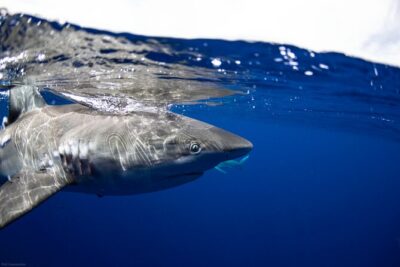
Browse the lists this dive appears in