
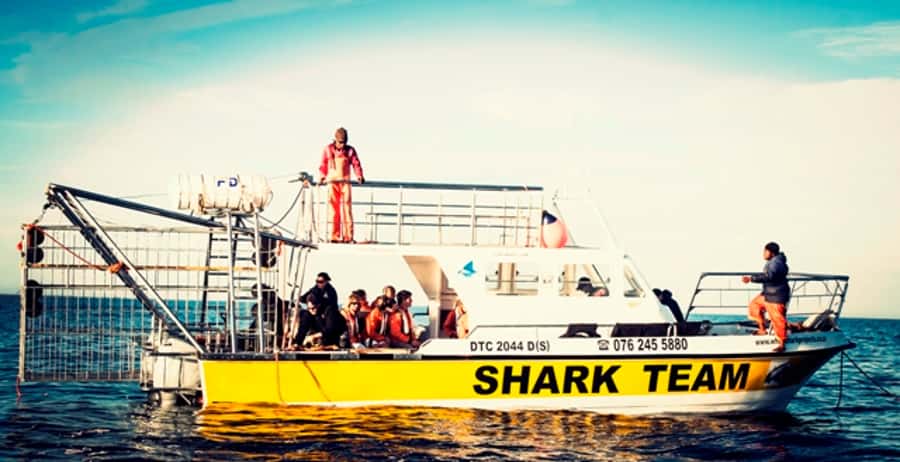
Reviewed · SHARK DIVES & CAGE DIVING
From Hermanus or Cape Town: Shark Cage Diving Experience
Seeing a shark glide within arm’s reach is the main event here, but the most useful surprise is how much care surrounds it. You start with breakfast at the White Shark Projects lodge, meet the skipper and marine team, then head into waters where bronze whalers, seven-gill cow sharks, seals, and sometimes whales may appear. I like the strong safety routine and the chance to learn about conservation, not just pose beside a shark.
I also like that you can choose hotel collection from Cape Town or Hermanus, or meet the crew in Gansbaai. The drawback is simple: shark sightings are wild encounters, not a guarantee, and great whites may not appear. The boat can also roll in rough water, so seasickness tablets are a smart bit of luggage.
Key points to know before booking
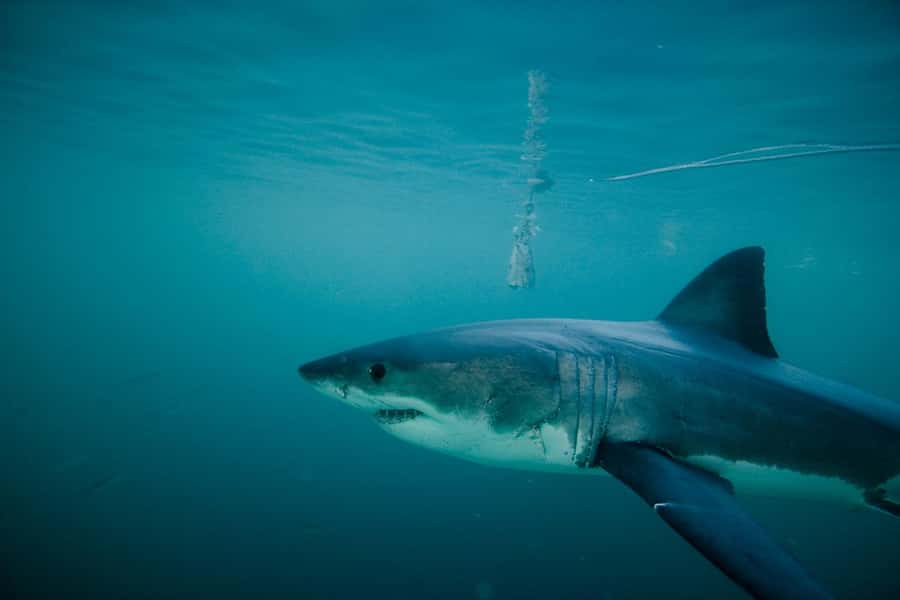
- Bronze whalers are the likely stars: Great whites are not guaranteed, and recent trips have often seen several bronze whaler sharks instead.
- Your cage time is about 20 minutes: Six people can enter at once, with viewing from the boat while other groups use the cage.
- Breakfast and lunch are included: Expect a continental breakfast, snacks, hot drinks, and a light meal after returning from the water.
- No scuba qualification is needed: The operator supplies a 7 mm wetsuit and the other equipment.
- Cape Town makes this a long day: The drive is about two hours each way, while Hermanus is roughly 45 minutes away.
- The sea can be cold and unsettled: Bring warm layers, take seasickness medicine, and expect the boat to move while it waits for sharks.
The real shark encounter near Gansbaai
This is not a polished aquarium show. You travel out from Gansbaai and wait for wild sharks to come close to the boat. That means the mood can change from quiet watching to sudden excitement when a dark fin appears beside the cage.
The area is known for several shark species, but the tour description puts special attention on great whites and seven-gill cow sharks. In practice, the most consistent sightings described on recent outings are bronze whalers. You might see four or five, or you might see many more. One outing recorded 15 to 20 bronze whalers, while another saw only brief passes.
That unpredictability is part of the bargain. If your only goal is a great white photograph, you may leave disappointed. If you want to see wild sharks and understand the marine setting, the experience offers much better value.
The crew also keeps an eye out for other animals. Seals have appeared close to the boat, and some trips have included whales in the distance. These sightings are extras, not promises, but they add interest during the waiting periods.
More Shark Dives in South Africa
- Shark Cage Diving and Viewing with transport from Cape Town
★ 4.5 · 576 reviews - Cape Town: Gansbaai Eco-Friendly Shark Cage Diving Cruise
★ 4.6 · 326 reviews - Half-Day White Shark Cage Diving from Gansbaai
★ 4.5 · 310 reviews
Breakfast, briefing, and the first hour
If you use the collection service, your day begins early and the exact time is confirmed at 4:00 PM the day before. That late confirmation is caused by tides and vehicle schedules, so do not plan a tight morning appointment afterward. The driver arrives in a licensed vehicle with branded clothing and meets you inside your hotel reception area.
From Cape Town, allow about two hours on the road. From Hermanus, the drive is about 45 minutes. The Cape Town option is convenient, but it turns the outing into a very full day. The road views help, and the route includes enough time for breaks, yet you should not mistake this for a quick half-day activity.
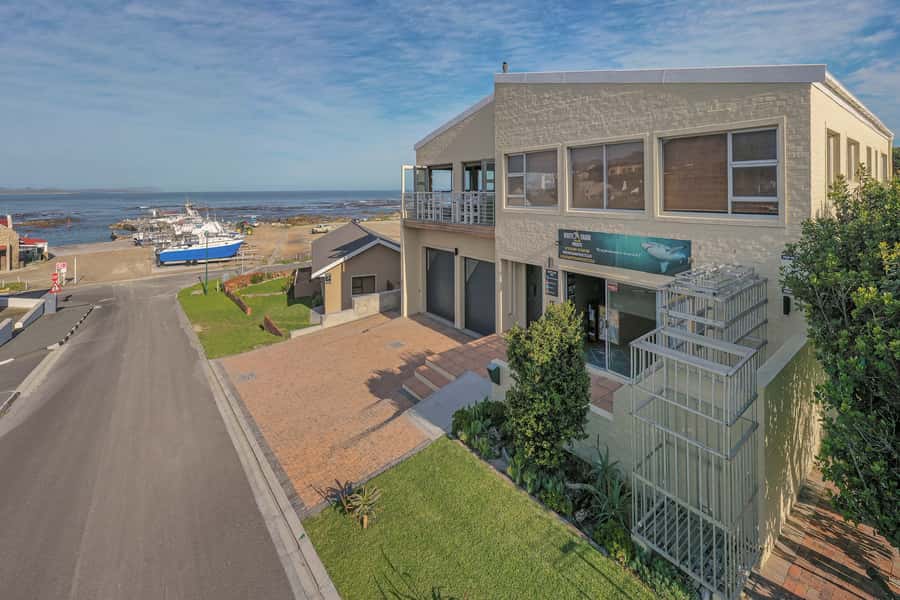
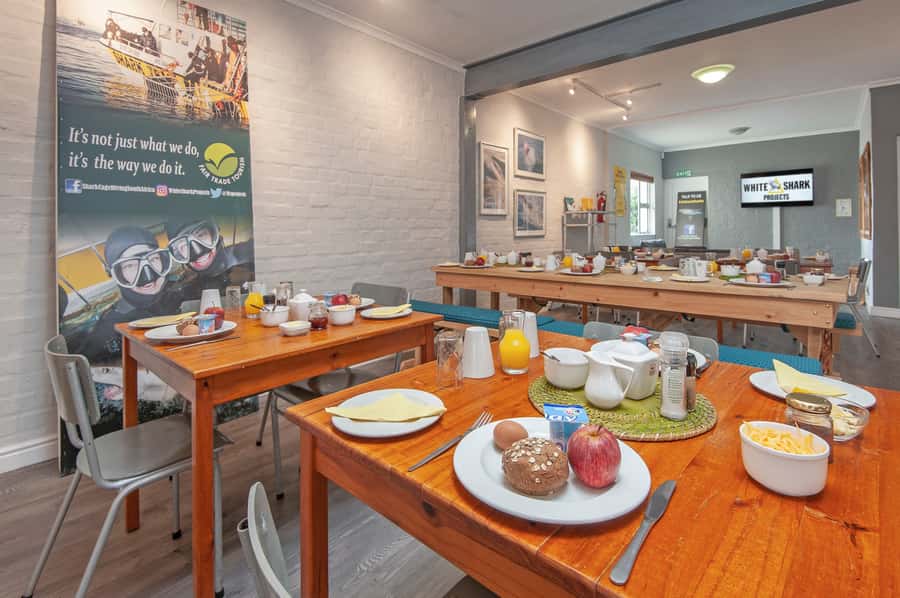
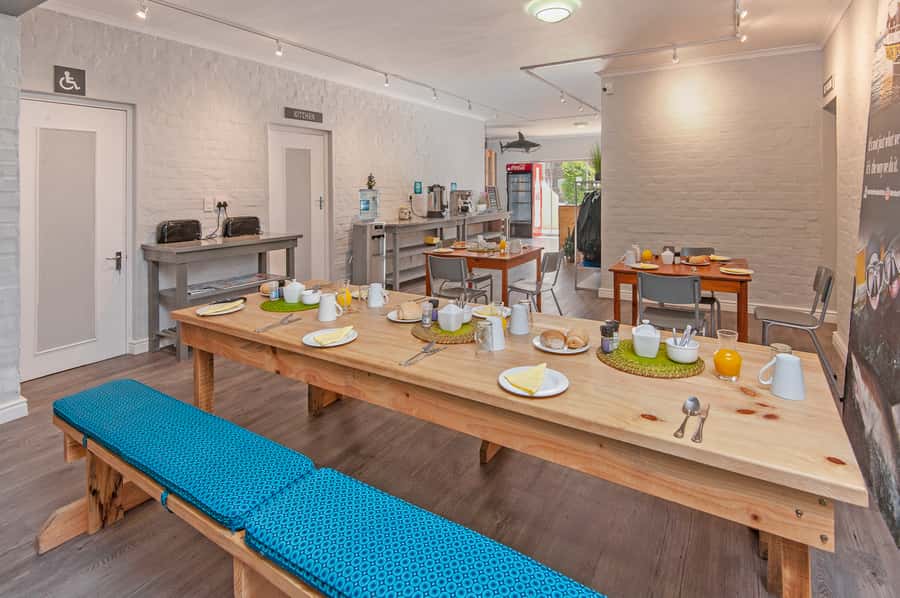
At the White Shark Projects lodge, you receive a continental breakfast. The spread includes fresh muffins, quiches, yogurt, cereal, toast, cold meats, tea, and coffee. It is practical fuel before the boat rather than a grand meal, but it is welcome when the day starts early.
The introductory talk covers great whites, local shark behavior, and the operator’s approach. You receive instructions for the cage, the equipment, and safe conduct around the animals. Staff members speak English, Afrikaans, and Xhosa.
The briefing matters even if you feel calm. You need to know how to position yourself, when to hold the cage, and how to respond when a shark passes close. A marine biologist may join the boat, giving you someone to question about species, behavior, and conservation.
The short boat ride and three hours at sea
After breakfast and the briefing, a short water transfer of about 15 minutes takes you to the shark-viewing area. The main time on the water usually runs from two to four hours, with many outings lasting about three to three and a half hours.
The boat carries around 12 to 15 people plus crew on some trips. That number can feel snug, especially when everyone moves toward the same side to watch a shark. One useful point is that you do not need to be in the cage to see the action. The boat gives you a broader view, and you can film from above while another group is in the water.
The waiting is the least predictable part. On one outing, sharks appeared after only 15 minutes. On another, the animals were reluctant and offered mostly quick looks at their tails. That is not a fault the crew can fix. The ocean decides the schedule.
I would treat the ride as wildlife watching rather than a guaranteed shark performance. Keep your phone or camera ready, but do not spend the entire trip staring at a screen. A shark can appear beside the cage and vanish before you have framed the shot.
The water may be rough enough to make you sick, even when the ride out feels fine. The boat’s movement can continue while it is stationary, since waves keep rolling beneath it. Take an anti-seasickness tablet before departure if you are prone to nausea, and bring a warm jacket for the ride.
What happens in the cage
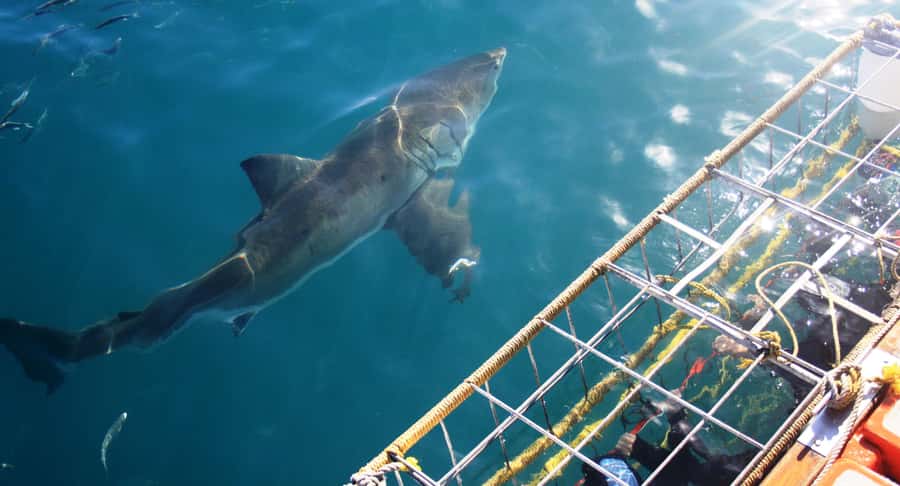
The cage holds six people at a time, and each person gets about 20 minutes in the water. Some groups have five people, and an outing may offer a second session when shark activity and timing allow. You remain near the surface and follow the crew’s instructions. No scuba license or previous underwater training is needed.
The operator supplies a 7 mm wetsuit and the required equipment. The suit helps with the cold, but do not expect tropical water. Even with thick neoprene, 20 minutes can feel like enough. Bring your swimsuit, towel, sensible shoes, and warm clothing for afterward.
The experience is built around close viewing rather than speed or technical skill. When a bronze whaler turns toward the cage, you may see its shape clearly through the water. The best moments can last only a few seconds, so listen closely to the crew and stay alert.
The crew rotates groups so everyone gets a fair chance. While you wait, you can watch from the boat, ask questions, and take photographs. This arrangement makes the group size matter. A crowded cage can reduce personal space, and some people would prefer fewer people at once. Still, the rotation gives you more than one way to enjoy the outing.
You should also know that the animals do not follow a script. A shark may pass close to one side and ignore another. One person may get a perfect view while another sees only a tail. That is frustrating, but it is also the honest nature of a wild encounter.
More Shark Dives in the world
- Oahu Shark Dive
★ 5.0 · 2,903 reviews - Oahu: Shark Cage Dive on the North Shore
★ 4.8 · 1,485 reviews - Shark Cage Diving on Oahu’s North Shore
★ 5.0 · 1,391 reviews - Swim with Whale Sharks in the Ningaloo Reef: 3 Island Shark Dive
★ 5.0 · 919 reviews
Bronze whalers, great whites, and conservation
The name of this experience can lead you to expect great whites. You need to adjust that expectation before booking. Great white sightings are not assured, and several recent outings have focused on bronze whaler sharks. These are still large, powerful animals, and seeing them move around the cage can be thrilling.
Seven-gill cow sharks are another species covered by the operator, but the information provided does not promise a sighting. The same applies to great whites. Ask the marine team what has been active in the area that day, and listen to the briefing instead of assuming the website wording guarantees one species.
The conservation talk gives the trip more substance. You learn about the sharks, the local marine area, and the need to protect these animals. The educational side varies by guide, but the presence of a marine biologist can turn a quick photo stop into a better understanding of behavior and habitat.
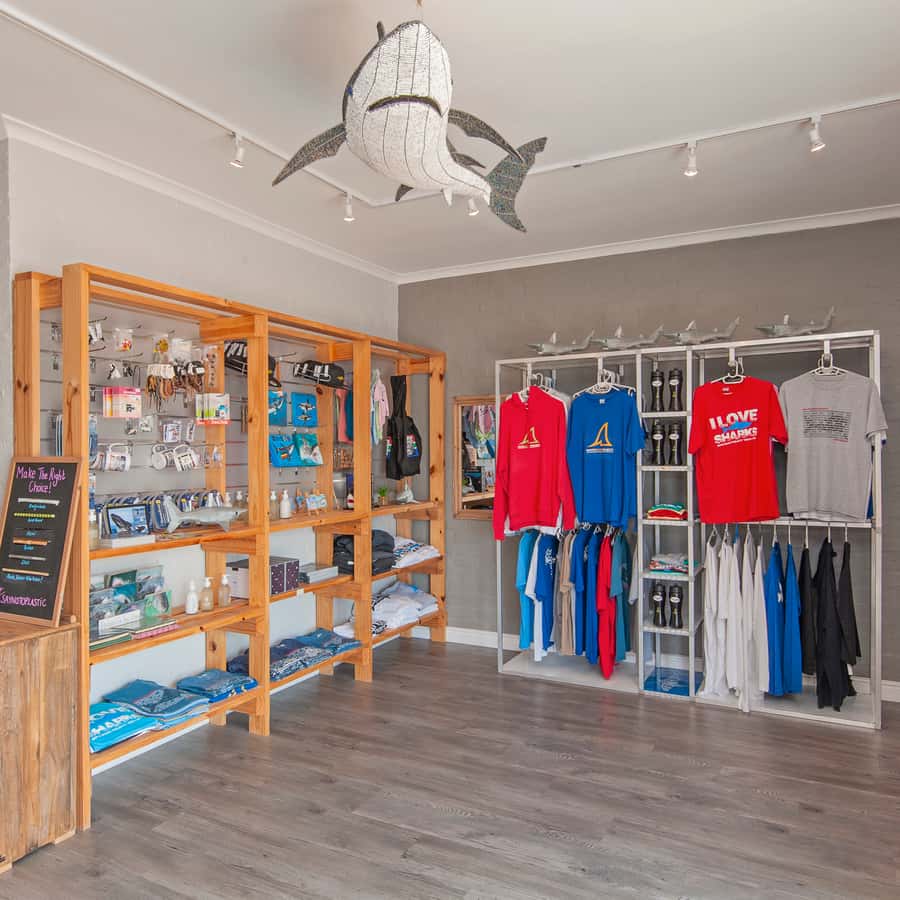
I especially value this part because cage encounters can easily become a simple thrill ride. Here, you are encouraged to ask questions and learn what the crew sees in the water. You can also find marine-themed merchandise at the lodge, with some items supporting conservation work.
Meals, showers, towels, and the return to shore
After the water time, the boat returns to shore and you go back to the lodge for lunch. The meal is described as light, with soup, bread, sandwiches, or a cheese and tomato toastie appearing on different outings. Tea, coffee, and orange juice are also available.
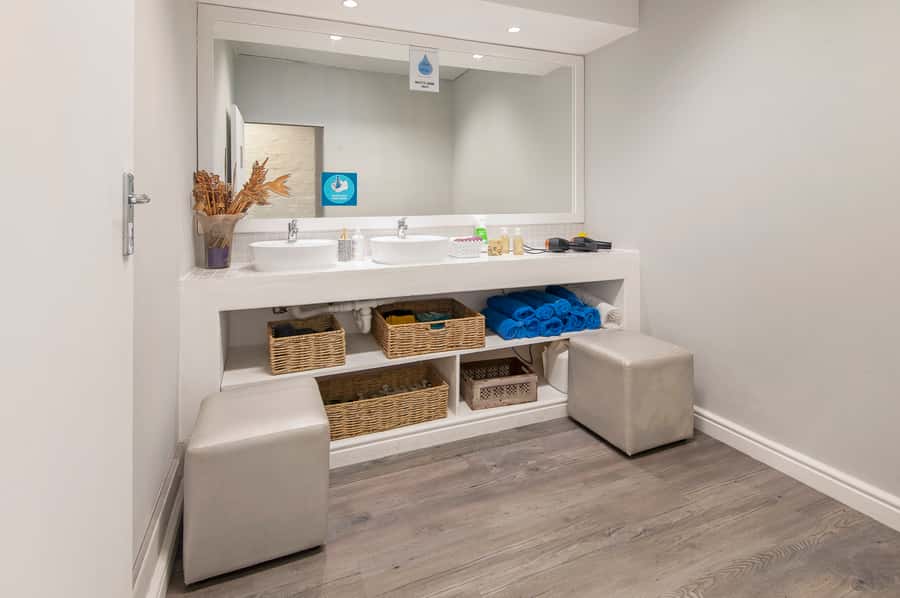
Do not expect a restaurant feast, but you should not finish the day hungry. The food is especially useful after cold water and a long drive. The lodge also provides showers, hot water, and towels, which can make a major difference after removing a wet wetsuit.
The service details are one of the strongest parts of this outing. Staff have helped people who arrived late, missed breakfast, felt seasick, or needed extra assistance. One driver even became part of the fun through the long road transfer, while lodge staff have helped return forgotten swimwear.
You receive a certificate after the cage session. A filmed package may be available as an extra, and that can be worth considering if you do not want to manage a camera in cold water. You can still use your own phone or camera from the boat, but protecting it from spray is your responsibility.
Is the $137 price good value?
At about $137 per person, the price covers more than the cage session. It includes breakfast, lunch, the boat, guide and skipper, wetsuit and other equipment, snacks, the certificate, and optional transport depending on the booking.
That bundle makes the cost reasonable for a full-day wildlife outing, especially if you are staying in Hermanus and can reach Gansbaai without a long transfer. From Cape Town, the value depends on how much you want the experience because the road journey adds several hours to the day.
Hotel collection is optional, and the supplied information indicates that Hermanus pickup can involve an additional charge. Confirm the exact pickup price before booking. Meeting directly at the White Shark Projects office can reduce the transport cost if you have your own car and prefer more control over the schedule.
The price is less attractive if you mainly want a guaranteed great white encounter. The activity cannot control shark numbers or species. It becomes better value when you count the marine education, food, equipment, showers, staff support, and the chance to see several wild species in one outing.
Who will enjoy this most?

I would recommend it to adults, couples, solo visitors, and families with older children who want a close wildlife encounter without needing scuba training. The staff can help nervous first-timers, and the cage procedure is explained before anyone enters the water.
Children under six are not permitted on the boat because the outing keeps you at sea for three to four hours. An in-house babysitting service is available for younger children at an extra charge.
You should think twice if you dislike cold water, rolling boats, or uncertain wildlife sightings. The experience is not ideal for someone who needs a fixed finish time, since tides, shark activity, and the return journey can affect the schedule.
If you are prone to seasickness, prepare seriously. Bring medication, eat breakfast, stay warm, and tell the crew how you feel. The boat crew has experience helping sick passengers, but no staff member can remove the ocean’s motion.
Booking advice and final verdict
Book this experience if you want a well-supported introduction to shark cage encounters and are happy to see bronze whalers instead of insisting on great whites. The food, equipment, clear instructions, marine education, and hot showers make the day easier than a bare-bones boat trip.
I would choose the Hermanus option if you are already in the area, since the shorter drive leaves more energy for the water. From Cape Town, book it only when you can give the entire day to the outing and accept a long road transfer.
The biggest practical tip is to take seasickness medicine and bring warm clothes. The biggest expectation-setting tip is to think wildlife watching, not guaranteed shark theater. With those points clear, this is a strong choice for a memorable South African marine experience.
FAQ
How long does the shark cage experience take?
The total duration is listed as 4.5 to 10 hours, depending on the pickup option, tides, road travel, and time at sea. The boat portion usually lasts about two to four hours.
Where does the activity take place?
The boat trip leaves from the Gansbaai area in the Western Cape. You meet the crew at the White Shark Projects office if you are not using hotel collection.
How far is Gansbaai from Cape Town?
The drive from Cape Town takes about two hours. The full day can be much longer once breakfast, the boat trip, lunch, and the return journey are included.
How far is Gansbaai from Hermanus?
The drive from Hermanus takes about 45 minutes. Pickup may be available for an additional charge, depending on the arrangement.
Do I need scuba or swimming experience?
No scuba license or previous cage experience is required. The crew provides instructions and the equipment needed for the cage session.
How long do I stay in the cage?
Each person spends about 20 minutes in the cage. The cage holds up to six people at a time, and you can watch from the boat while other groups have their turn.
What shark species might I see?
The experience focuses on great whites, bronze whalers, and seven-gill cow sharks. Great whites are not guaranteed, and bronze whalers are commonly seen.
Is food included?
Yes. Breakfast, snacks on the boat, and lunch are included. Breakfast includes items such as muffins, quiches, yogurt, cereal, toast, cold meats, tea, and coffee.
What should I bring?
Bring comfortable shoes, a swimsuit, towel, sunglasses, sunscreen, a hat, warm clothing, and an anti-seasickness tablet if needed. A warm jacket is especially useful after leaving the water.
Can young children join the boat trip?
Children under six are not permitted on the boat because of the three to four hours spent at sea. An in-house babysitting service is available for younger children at an additional cost.
Newest dives added in the world
- Fun Dives For Certified Divers★ 5.0 · 44 reviews
- Discover SCUBA Diving in Beautiful Unawatuna Bay★ 5.0 · 30 reviews
- Phuket Scuba Diving Maiton Private Island Small Group or Snorkel★ 5.0 · 9 reviews
- PADI Scuba Diver Course★ 5.0 · 30 reviews
- Fun Dives For Certified Divers★ 5.0 · 30 reviews
- Tulamben Diving Tour Shipwreck USS Bali★ 5.0 · 13 reviews
- Tulamben Diving USS Liberty Shipwreck Scuba Dive★ 5.0 · 186 reviews
- Bali: Tulamben Bay and the USAT Liberty Wreck Dive★ 4.9 · 58 reviews
Shark Dives & Cage Diving, compared.
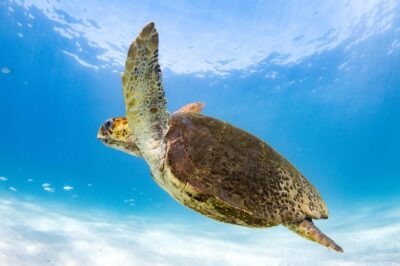
Swim with Whale Sharks in the Ningaloo Reef: 3 Island Shark Dive
Read our review →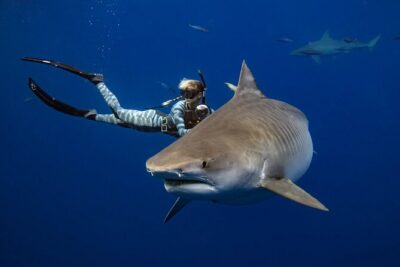
Safe and Educational Shark Dive from Haleiwa: Sharks Guaranteed
Read our review →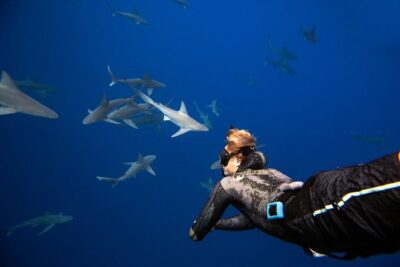
Dive with Sharks in Hawaii: Shark Tour from Haleiwa
Read our review →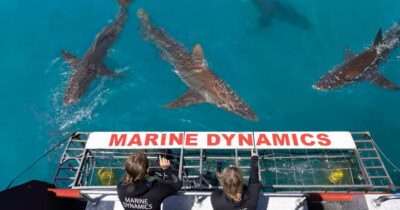
Gansbaai Eco-Friendly Shark Cage Diving Cruise
Read our review →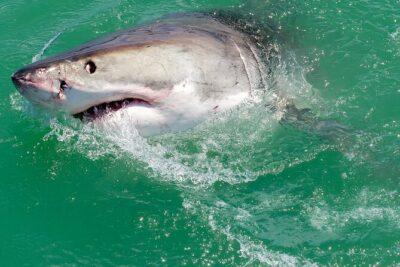
Half-Day White Shark Cage Diving from Gansbaai
Read our review →Browse the lists this dive appears in