
Reviewed · PADI COURSES & CERTIFICATION
Barcelona: PADI Discover Scuba Diving
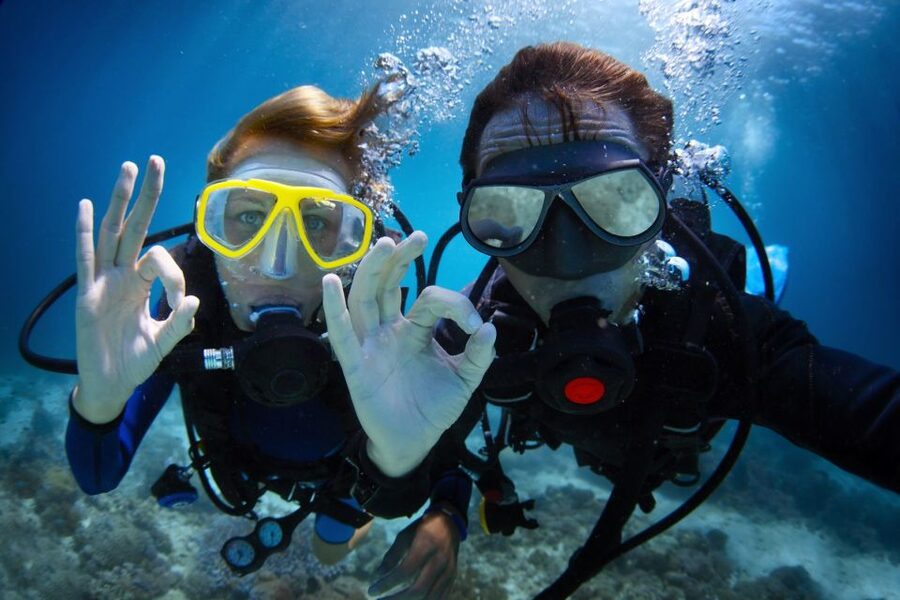
Barcelona’s coast offers a gentle introduction to scuba, with a beach entry that lets you take each step slowly. You learn the equipment, practice hand signals, and get used to breathing through the regulator before heading below the surface. Patient instruction is the strongest part of this experience, with guides such as Pau, Alex, Hugo, and Wanda repeatedly praised for helping nervous beginners stay calm.
I like the small groups of six or fewer, and I like that the instructors do not rush you into the water. You may see fish, octopus, sting rays, and other sea life, but visibility can be cloudy. The main drawback is that some people want more time below the surface, and one recent participant did not receive the promised photos and videos.
Key points to know
- About 35 minutes of instruction: Learn equipment basics, breathing, the route, and underwater hand signals before entering the sea.
- Beach entry: Starting from shore gives you time to adjust your ears and build confidence step by step.
- Small groups: A maximum of six participants allows the guide to watch nervous beginners closely.
- Marine life: Fish, octopus, crustaceans, sting rays, and coral formations have all been spotted, though visibility is not always clear.
- Photos and videos included: The team records the activity for you, but confirm that you receive the files before leaving.
- Strict health rules: Ear, lung, heart, back, neurological, stomach, intestine, diabetes, asthma, pregnancy, and prescription medication restrictions apply.
A gentle first taste of scuba from Barcelona’s beach
This is not a full certification course. It is a tryout for people who want to find out how scuba feels without committing to several days of lessons.
The experience takes place in Catalonia with iDive Barcelona Diving School. You receive equipment, diving insurance, an instructor, and underwater photos or video. The price is $81 per person for two hours, which is fair if you want a guided first experience and a keepsake afterward.
The setting matters. You do not begin from a boat or drop straight into deep water. You start at the beach, where the guide can break the process into small tasks. That makes the first few minutes less intimidating, especially when you are learning to clear your ears and breathe calmly.
You should still arrive with realistic expectations. Barcelona’s coastal water can be murky, and it is not guaranteed to look like a tropical aquarium. The real reward here is learning how your body reacts to scuba, then spotting local sea life with a guide who stays close.
More Discover Scuba Diving in Spain
- Mallorca: Discover Scuba Diving for Beginners
★ 4.7 · 805 reviews - Lanzarote Introductory Scuba Diving Experience
★ 5.0 · 766 reviews - Gran Canaria: Try Scuba Diving for Beginners
★ 4.9 · 403 reviews
The first 35 minutes: equipment, breathing, and hand signals
The session begins with a briefing of about 35 minutes. This is not filler. For a first-time participant, it is the part that makes the rest possible.
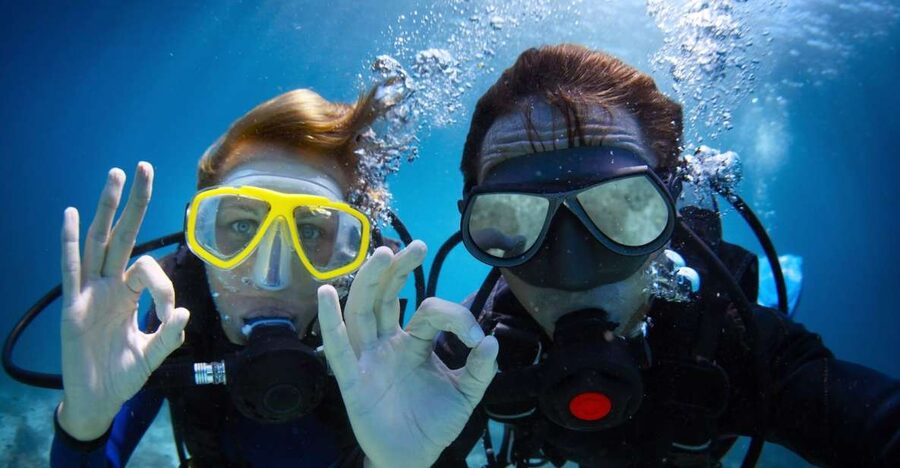
Your instructor explains how the mask, regulator, tank, and other equipment work. You also learn the hand signals used underwater. Since you cannot chat normally once you are below the surface, these signals help you communicate concerns, ask questions, and confirm that you are comfortable.
The guide also explains how the activity will unfold. That advance notice helps you know what is coming instead of trying to process everything while wearing a mask and breathing apparatus.
Several instructors receive especially strong praise for their calm manner. Pau helped one nervous participant settle after panic. Alex is repeatedly described as friendly and reassuring, while Hugo is praised for taking time with beginners. Wanda and Alex also guided a first-time participant who was worried before the session began.
That pattern is important. You may feel awkward at first. Breathing through a regulator can feel strange, and some people panic when they first put their face in the water. The instructor’s job is not simply to explain the equipment, but to help you regain control without embarrassment.
Getting fitted in the changing room
After the briefing, you put on the provided wetsuit and boots in the changing room. You need to bring your own swimwear and towel. A swimsuit is worn under the wetsuit, and the towel is useful before and after the water portion.
You also need a phone for digital registration, with one phone required per person. That is an easy detail to miss, so handle the registration requirement before you arrive if possible.
The equipment is included in the $81 price, as is insurance for the activity. You do not need to bring your own scuba gear. The package also includes the instructor and photos or video from the session.
The meeting point is in a private area. When you reach the fence marked with the company logo, call the provided phone number or wait for a guide to let you in. This is not the sort of meeting point where you should wander around looking for a public reception desk.
Arrive at least 15 minutes before the start time. Late arrivals are not allowed to participate, and there is no refund or rescheduling for arriving late. That policy is strict, so leave extra time for finding the meeting point.
Entering from the beach, one step at a time
The beach entry is one of the best features for a beginner. Rather than boarding a boat and dealing with open water immediately, you can get used to the equipment close to shore.
Your guide takes you through the process in stages. You may first work on breathing and staying comfortable at the surface. Then you can gradually move below the water as your ears adjust and your confidence grows.
This matters because ear pressure is a common concern for new scuba participants. Beginning in shallow water gives you more time to equalize. If your ears will not clear, do not force the issue. One participant had trouble adjusting pressure and ended up swimming on the surface with an instructor’s help. That is a good reminder that completing every planned step is less important than staying safe and comfortable.
The pace depends partly on you. If you are relaxed, the session can move along naturally. If you need more time, the guide can pause and help you work through the problem. Participants who struggled with breathing or felt panic were still able to enjoy the experience after their instructors offered calm reminders and close support.
This is a practical choice for a first attempt, but it is not a guarantee that everyone will feel comfortable below the surface. Some people may decide to remain near the surface, and that still gives you a useful introduction to the equipment and the sensation of breathing underwater.
More PADI Courses in Spain
- Tossa de Mar: PADI Discovery Scuba Diving in Costa Brava
★ 4.7 · 392 reviews - Try Dive – PADI Discover Scuba Diving in Tenerife
★ 5.0 · 214 reviews - Tossa de Mar Scuba Diving PADI
★ 5.0 · 175 reviews - Ibiza: PADI Discover Scuba Diving & Snorkeling Boat Trip
★ 4.6 · 154 reviews
About an hour below the surface
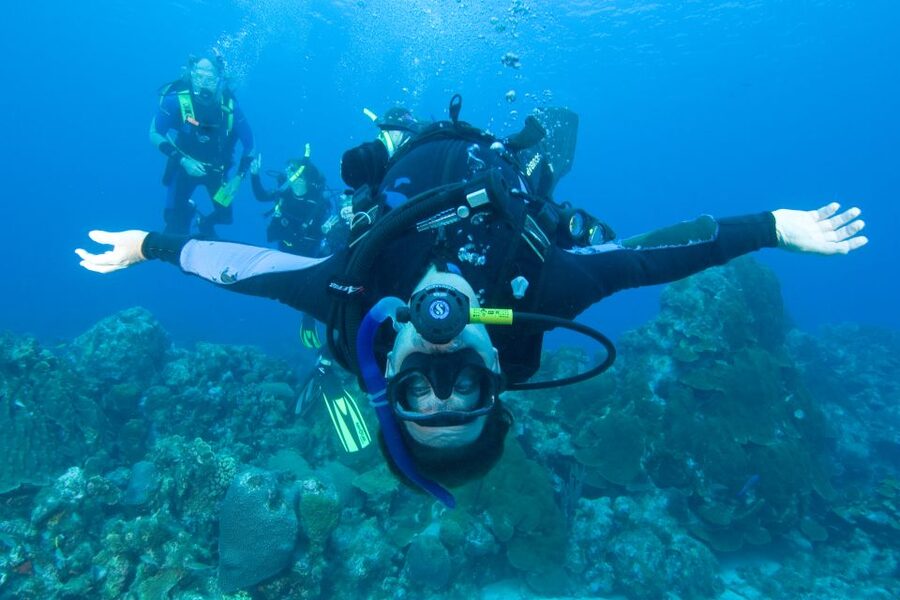
The activity allows roughly an hour underwater, although your actual time depends on your breathing rate and comfort. The faster you breathe, the sooner you use the air in your tank.
That variation is worth understanding before you book. The advertised two-hour duration includes the briefing, changing, preparation, entry, and return. You should not assume that you will spend the full two hours below the surface.
For a beginner, an hour is plenty of time to learn how your body responds. You have to monitor your breathing, position, ears, mask, and communication at once. A shorter session can still feel full because every new sensation demands attention.
Some participants wish they had stayed longer. If you already know you love scuba, this experience may feel like an introduction rather than a complete outing. It is best for answering one question: do you want to pursue a proper certification course?
The team takes photos and video during the activity. This is a nice extra because you can focus on the experience instead of trying to handle your phone underwater. Still, check that the files have been sent or explained to you before you leave. At least one participant finished without receiving the promised media.
What you might see beneath Barcelona
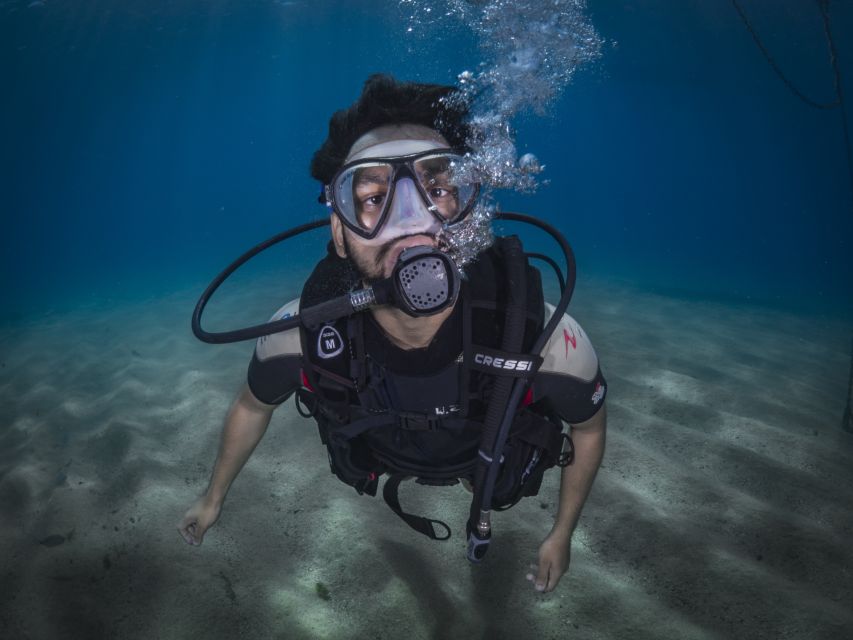
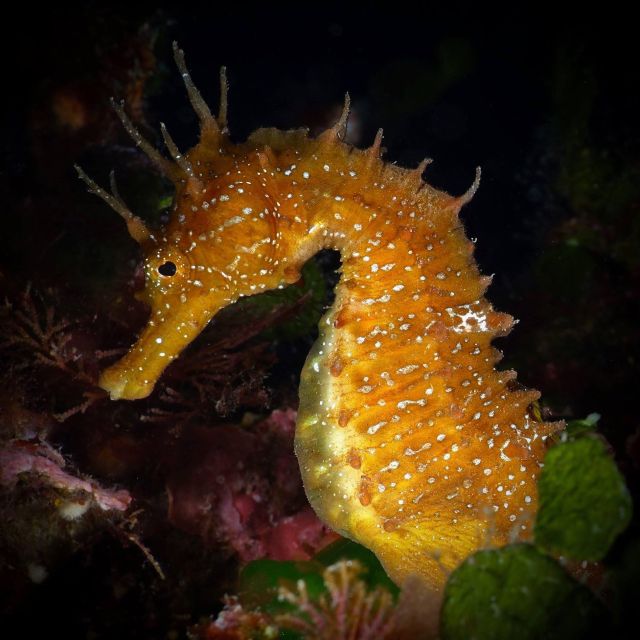
The sea life is a pleasant bonus, not a guarantee. Fish are common sightings in the accounts provided, and participants have also seen octopus, crustaceans, sting rays, and coral formations.
An octopus hiding among rocks can be more memorable than a long list of species. You have to watch carefully, and the guide can help point out things you might miss. The underwater setting is part of the appeal, but the quality of the view depends on conditions.
Visibility is not always clear. One participant found the water murky, while another still enjoyed seeing fish and coral even with limited visibility. If you are expecting bright tropical colors and perfect clarity, adjust those expectations. Barcelona offers a local coastal experience, not a resort aquarium.
The guides appear to make the most of the conditions. They keep you focused on moving calmly, spotting life, and staying comfortable. For many first-timers, the feeling of floating and breathing underwater is just as important as the animals themselves.
Why the small group matters
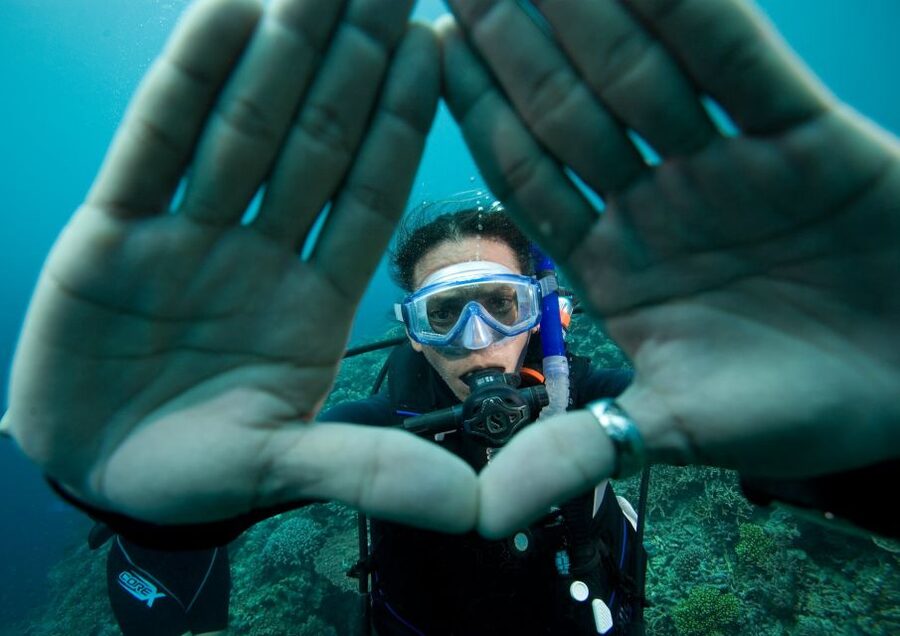
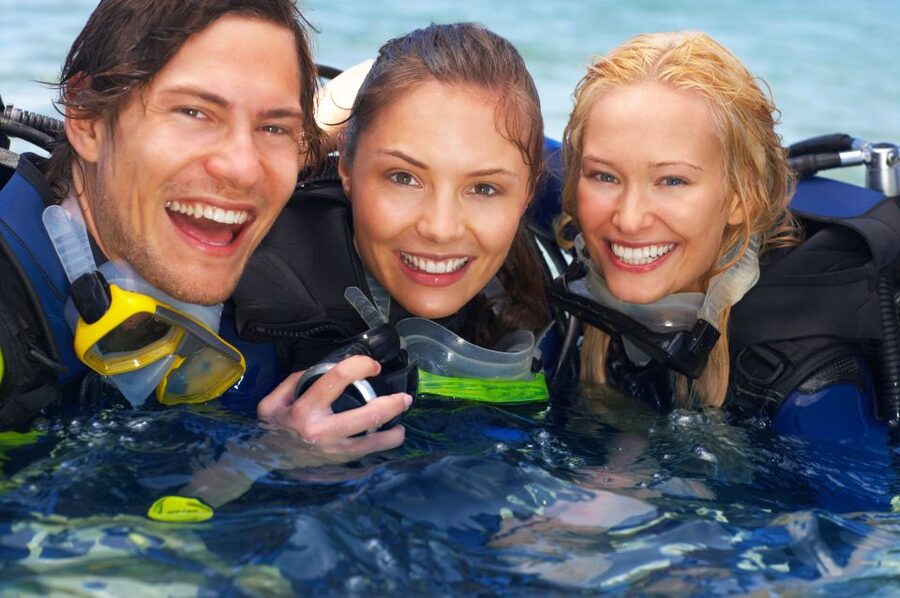
The group limit is six participants. That is a useful number for a beginner session because the instructor has a better chance of noticing when you are nervous, struggling with your ears, or breathing too quickly.
Some sessions may feel close to private instruction if attendance is low. One participant described having a one-on-one experience, while another group received very direct help from several instructors. You should not assume a private session, but the small-group format gives the staff room to adapt.
This matters most if you are anxious, have not swum for years, or are unsure how you will react to the equipment. One participant had not swum since childhood and was eased into the activity by the staff. Another described panic at the start but later enjoyed the session after the instructor stayed close and offered reminders.
You do not need to pretend you are confident. Tell the guide if you are frightened, need a pause, or cannot clear your ears. The experience works best when you communicate early.
The $81 price and what it covers
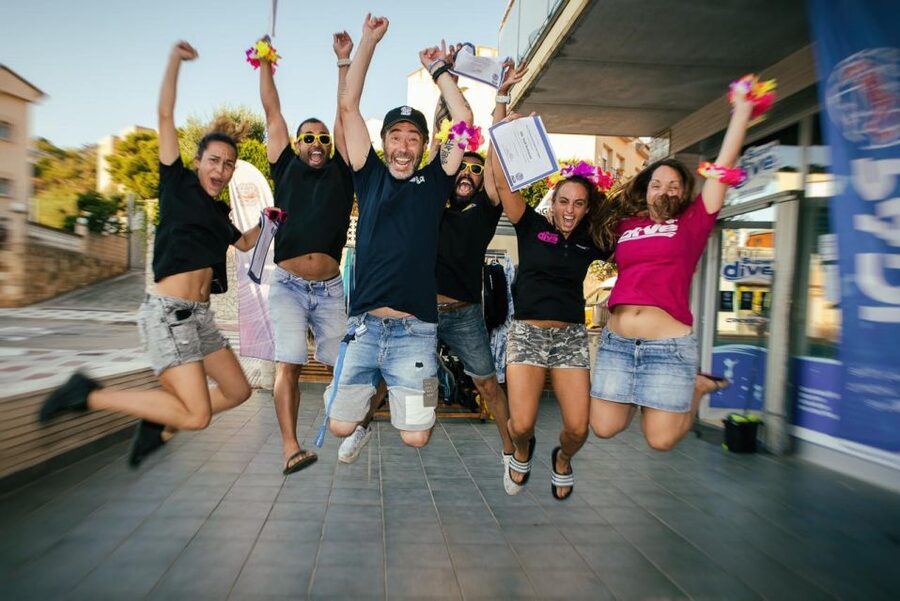
At $81 per person, this is not the cheapest way to spend two hours at the beach. It is also more than a casual swim because the price includes scuba equipment, insurance, instruction, and photos or video.
That package makes the price reasonable for a one-time introduction. You do not have to buy or rent separate gear, arrange insurance, or find an instructor. The small group also adds value because you receive more personal attention than you usually would in a large class.
The value is strongest if you are curious about certification but want to test the experience first. Several participants finished ready to pursue a scuba license. If you already know that you want certification, you may prefer to put the money toward a formal course instead.
The photos and video improve the value, but only if you receive them. Ask how the digital files will be delivered before leaving the private area. You should also remember that towels and swimwear are not included.
Health rules you should take seriously
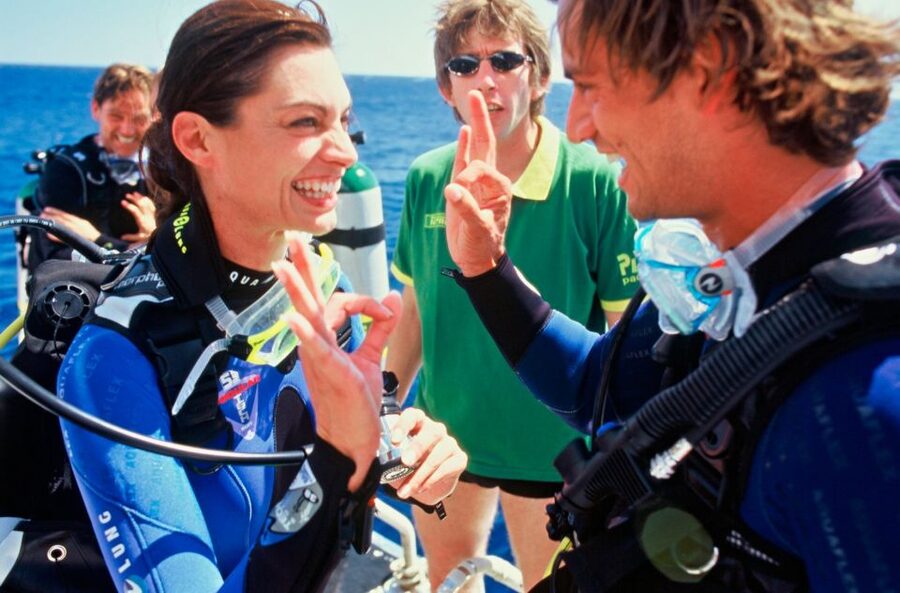
The operator requires you to be in good health. You cannot participate if you are taking prescription medication, according to the supplied conditions. The activity is also not suitable for pregnant women or people with certain medical conditions.
The listed restrictions include ear or lung issues, heart problems, diabetes, asthma, neurological disease or injury, back problems such as a hernia, and stomach or intestinal problems. If any of these apply to you, ask the provider directly before booking and follow medical advice.
These rules are not minor paperwork. Pressure changes, breathing equipment, and physical exertion can make health issues more serious. Do not hide a condition just to take part.
You also must not fly within 12 hours after the activity. Plan this carefully if Barcelona is the final stop on your trip. A flight the next morning may not fit the stated restriction, depending on the timing of your session.
The activity is listed as wheelchair accessible, though the supplied details do not explain every part of the route from the meeting point to the water. If you use a wheelchair, confirm the exact access arrangements in advance.
Who will enjoy this experience most
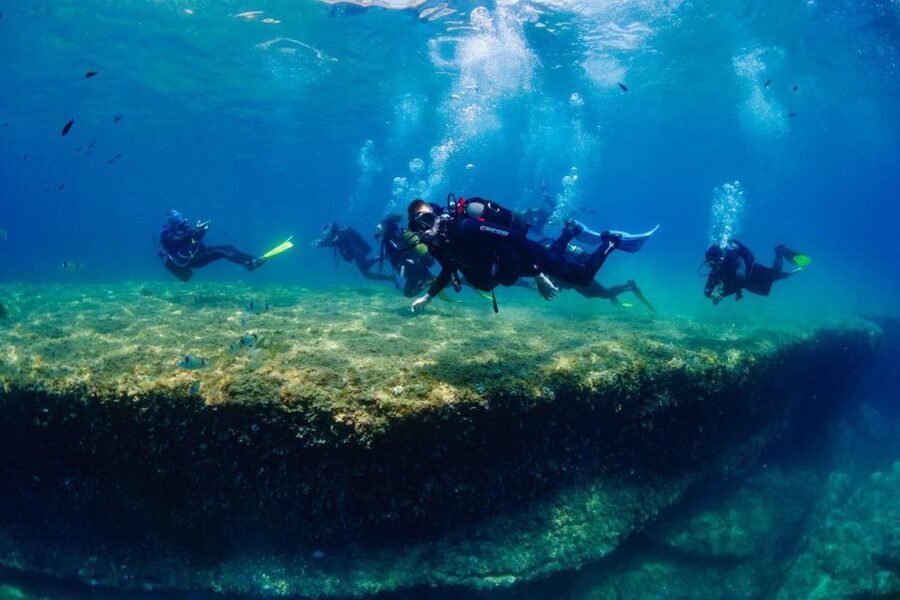
I would choose this for a first-time scuba participant who wants personal support and does not need a perfect underwater setting.
It suits you especially well if:
- You want to try scuba before signing up for certification.
- You feel nervous about breathing through a regulator.
- You prefer a beach entry to a boat departure.
- You value a small group and close instructor attention.
- You want photos or video to remember the experience.
- You can meet the health requirements and avoid flying for 12 hours afterward.
It may not suit you if your main goal is a long session below the surface, crystal-clear water, or a guaranteed list of animals. The water may be cloudy, and your time below the surface depends on your breathing and comfort.
The multilingual instruction is useful for international visitors. Guides can work in Spanish, English, French, Italian, and Catalan. That makes it easier to understand safety instructions and explain a problem quickly.
Booking details that can save you trouble
The activity lasts two hours, with starting times based on availability. You can cancel up to 24 hours ahead for a full refund, and the reserve now, pay later option keeps your plans flexible.
Bring swimwear, a towel, and your phone for digital registration. Arrive 15 minutes early and allow time to find the fence with the company logo. If you arrive after the starting time, you will not be allowed to participate and will not receive a refund or new time.
Do not schedule a flight within 12 hours afterward. Also, do not plan this activity if you are taking prescription medication or have one of the listed health conditions without first confirming your eligibility.
Should you book the Barcelona scuba experience?
Book it if you want a careful, low-pressure introduction with a strong chance of one-on-one help. The instructors are the main reason to choose it, especially if names such as Pau, Alex, Hugo, Wanda, and others are on the schedule. Their calm approach is well suited to people who feel nervous at the start.
The $81 price is sensible for equipment, insurance, instruction, and digital memories, provided you confirm how the photos and videos will be delivered. Go in expecting local coastal conditions, not perfect visibility, and treat the marine life as a bonus.
Skip it if you need a long underwater session, have medical concerns that conflict with the rules, or must fly soon afterward. For everyone else, this is a practical way to find out if scuba belongs in your future travel plans.
FAQ
How long does the Barcelona scuba experience last?
The activity lasts two hours. About 35 minutes are used for the briefing, and the underwater portion can last around an hour depending on your breathing and comfort.
Is this suitable for someone who has never tried scuba?
Yes. It is designed as a beginner tryout, with instruction on equipment, hand signals, and the steps of the activity before entering the water.
How many people are in each group?
The group is limited to six participants. Some sessions may have fewer people, but a private session is not guaranteed.
Does the activity start from a beach?
Yes. You enter from the beach, which gives you time to get used to the water and adjust to pressure gradually.
What equipment is included?
Scuba equipment, diving insurance, and an instructor are included. A wetsuit and boots are provided for the activity.
Are photos or videos included?
Yes. Photos or video from the activity are included. Confirm how you will receive the digital files before leaving, since delivery should be checked on the day.
What should I bring?
Bring swimwear, a towel, and one phone per person for digital registration.
What languages do the instructors speak?
Instruction is available in Spanish, English, French, Italian, and Catalan.
Can I fly after the activity?
You must not fly within 12 hours after the activity.
Who should not take part?
The activity is not suitable for pregnant women or people with heart problems, diabetes, ear or lung issues, asthma, certain back, neurological, stomach, or intestine problems, or other pre-existing medical conditions. Participation is also not allowed if you are taking prescription medication.
Newest dives added in Spain
- Lanzarote: Scuba Dive at Museo Atlántico for Beginners★ 4.8 · 86 reviews
- Tenerife: 2-Dive Private Scuba Discovery Course★ 4.3 · 22 reviews
- Tenerife: Costa Adeje Private Diving Lesson Experience★ 4.9 · 47 reviews
- Tenerife: Private Scuba Diving–Certified Instructor & Photos★ 4.9 · 65 reviews
- Basic Diver course for beginners with 1 dive in the Ocean★ 5.0 · 41 reviews
- PADI Discover Scuba Diving Course in Tenerife★ 4.8 · 64 reviews
- PADI Open Water Diver Course (OWD) – 2.5 days★ 5.0 · 98 reviews
- Private Beginner Scuba experience in Mallorca★ 5.0 · 117 reviews
PADI Courses & Certification, compared.
Tossa de Mar: PADI Discovery Scuba Diving in Costa Brava
Read our review →
Full-Day Beginner Scuba Course with Private Tuition, Racha Yai
Read our review →
Heraklion: Beginner Scuba Diving Lesson with PADI Instructor
Read our review →
Discover Scuba Diving with No Certification in St Thomas
Read our review →
Try Dive – PADI Discover Scuba Diving in Tenerife
Read our review →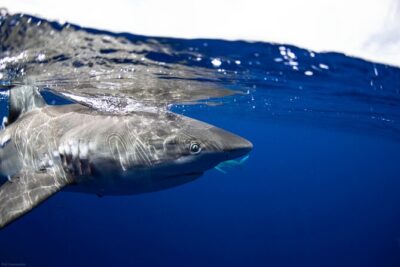
Browse the lists this dive appears in