
Reviewed · PADI COURSES & CERTIFICATION
Padi Advanced open Water Diver Courses (Start at Ko Kut)
The most useful feature of this two-day PADI course is its mix of required skills and personal choice. You will complete deep-water and underwater navigation training, then select three specialties that match your interests, from photography and buoyancy control to night training and search and recovery.
I like the small maximum group of four, which should give you more direct attention than a crowded class. I also like the practical extras: hotel pickup, a buffet lunch, drinks, snacks, and one additional recreational session to help you settle back into scuba or enjoy your new skills.
The main consideration is pace. Two days is efficient, but it leaves little room for delays, weather problems, or a slow start. The course is also subject to sea conditions, and the Koh Rang national park entrance fee is not included.
Key points at a glance
- Five focused training sessions: Deep-water and navigation training are required, while three more specialties are chosen by you.
- A useful extra session: You can add one recreational underwater session on the first day or the final day.
- Small-group format: The course accepts a maximum of four participants.
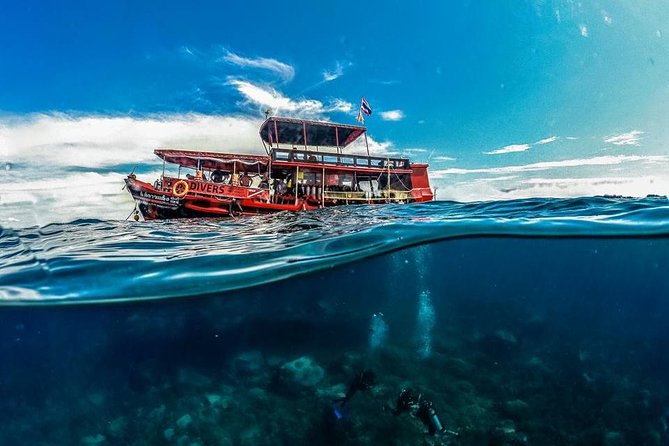
- Good onboard support: Lunch, bottled water, coffee or tea, snacks, and light refreshments are included.
- Several instructors have strong reputations: Marcus, Manu, Dany, Frank, and Kevin have all taught courses through BB Divers.
- Koh Rang costs extra: Any national park entrance fee is paid separately.
What the two-day course is really designed to do
The PADI Advanced Open Water certification is not simply a longer beginner class. It is meant to make you more comfortable managing yourself underwater, reading your instruments, controlling your movement, and adapting to different conditions.
You are not expected to become an expert in two days. The value is more practical than grand. You get structured practice in skills that can make future scuba sessions calmer and more enjoyable.
The course includes five specialty sessions. Two are fixed: a deep-water session and an underwater navigation session. The other three are selected from available options, giving you some control over the course rather than forcing every participant through the same program.
This choice matters. If you enjoy cameras, digital photography is a natural pick. If you use too much air or struggle to stay level, peak performance buoyancy may help more. If you like problem-solving, search and recovery could be the better fit. Other listed choices include naturalist, multilevel, and night training.
The exact mix should be confirmed when you book, since availability and conditions can affect which specialties are offered.
More PADI Courses in Thailand
- Full-Day Beginner Scuba Course with Private Tuition, Racha Yai
★ 5.0 · 368 reviews - La Bombona Diving Koh Tao Open Water Course
★ 5.0 · 172 reviews - Padi open water diver course, become a diver in 3 days
★ 5.0 · 113 reviews
Starting at BB Divers in Klong Chao
The meeting point is BB Divers Koh Kood, at 141 Moo 2, Klong Chao, Koh Kood, Trat 23000. The listed start window is between 8:00 and 9:00 in the morning, Monday through Sunday.
Hotel pickup and drop-off are included, which is useful on Koh Kut, where your accommodation may not be close to the shop. You should still confirm your pickup time after booking. Confirmation is sent within 48 hours, subject to availability.
The day begins with the practical preparation needed for a boat-based course. Expect equipment checks, paperwork, a briefing, and an explanation of the planned sessions. Safety is given strong attention by the staff, and that is especially important in a fast two-day program.
The small-group limit is one of the better details here. With no more than four participants, you should have a better chance to ask questions, receive corrections, and get help with equipment. It also makes it easier for an instructor to notice small habits, such as poor trim or imprecise fin movement, before they become routine.
The first day: getting comfortable again
The course includes one extra recreational session as a special addition. You can use it on the first day to get back into scuba mode, or save it for the final day after learning the new skills.
I think the first-day option is particularly useful if your last underwater session was some time ago. It gives you a chance to settle your breathing, check your equipment, and regain comfort before focusing on the more technical course work.
This session is not described as another certification requirement. Think of it as a relaxed opportunity to get your bearings. You can use it to rebuild confidence rather than rushing straight into navigation or deeper water.
The drawback is that two days can become full quickly. If you have not been underwater recently, the extra recreational session may feel essential rather than optional. Ask how it fits into the schedule before you arrive, especially if you want all five specialty sessions completed without feeling hurried.
Deep-water training and why it matters
The deep-water session is one of the two required parts of the course. It gives you a chance to work with the changes that come with greater depth, under the supervision of your instructor.
The purpose is not simply to reach a larger number on a depth gauge. You are learning how to remain calm, monitor yourself, and maintain control as conditions change. This can help you make better decisions during future scuba outings.
A good instructor will explain the skill clearly before you enter the water, then watch your performance and offer corrections afterward. BB Divers has been associated with instructors including Marcus, Manu, Dany, Frank, and Kevin. The staff culture is repeatedly described as professional, patient, friendly, and safety-focused.
That combination is valuable for this part of the course. Deep-water work can feel intimidating if the teaching is rushed. A calm instructor who explains each step in plain language can make the session more productive.
Another way to get in the water in Thailand:
- Ko Tao: Try Scuba Diving 1-Day Experience
★ 4.8 · 452 reviews - Phuket: Scuba Diving Maithon Or Racha Islands For All Levels
★ 4.8 · 245 reviews - Scuba Dive in Koh Lanta, Thailand
★ 5.0 · 212 reviews - Phuket: Discover Scuba Diving to Racha Yai Island
★ 4.9 · 173 reviews
Underwater navigation without guesswork
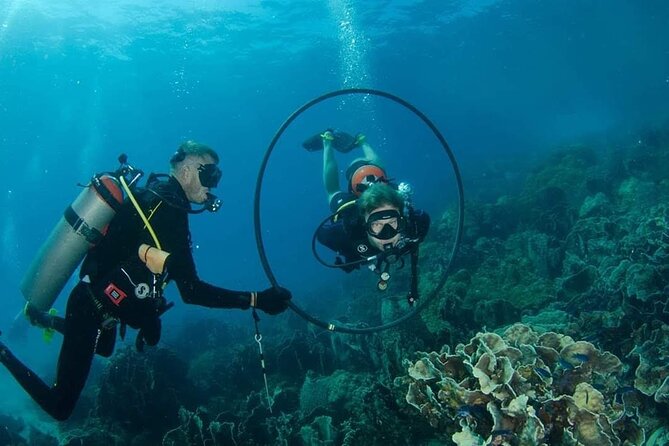
Navigation is the second required specialty. It is a useful skill because underwater visibility, currents, and familiar-looking terrain can make it easy to lose your sense of direction.
You will practise using a compass and natural references to plan and follow a route. The exercise is less about memorising a particular site and more about building a repeatable method.
This is one of the least glamorous parts of scuba training, but it has clear value. Better navigation can help you stay with your group, use your available air sensibly, and return toward a planned exit point instead of wandering.
The course format should allow your instructor to observe how you handle the task and then correct you. That personal feedback is one of the reasons the four-person maximum matters. Navigation mistakes are easier to fix when an instructor has time to explain what went wrong.
Choosing the other three specialties
Your remaining three sessions are where the course becomes more personal. The listed choices include:
- Digital photography
- Naturalist
- Multilevel
- Peak performance buoyancy
- Search and recovery
- Night training
Digital photography suits anyone who wants to make better underwater images, but it is not just about pointing a camera at fish. You will need to think about buoyancy, distance, lighting, and composition without disturbing the surroundings.
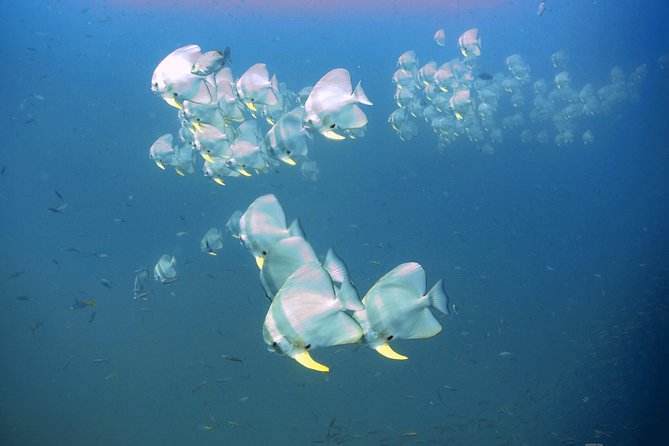
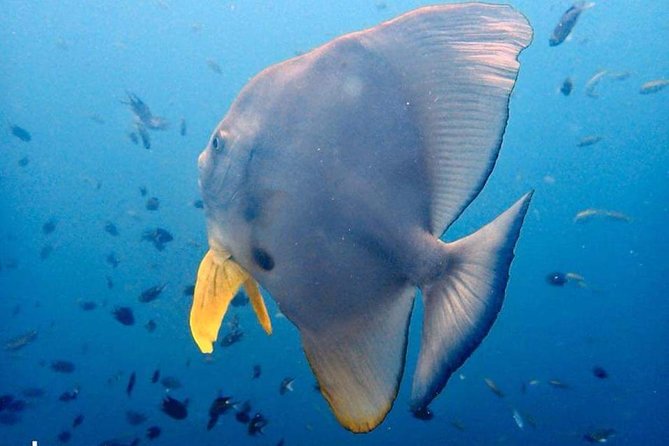
Naturalist training is a good choice if you want to pay closer attention to marine life and identify what you see. It can turn a routine underwater outing into a more observant one.
Multilevel training focuses on managing a session that uses different depths. It connects well with the deep-water requirement and can help you understand how to plan your available time underwater.
Peak performance buoyancy is perhaps the most broadly useful option. If you want smoother movement, better air use, and less contact with the bottom, this is a sensible pick. It also helps you feel less awkward while using a camera or watching marine life.
Search and recovery adds a practical problem-solving element. It is a structured way to learn how to plan a search rather than simply swim around hoping to find something.
Night training offers a different setting, but availability depends on the schedule and conditions. Ask specifically if this option is possible during your two-day course before choosing it.
You are not required to pick the most exciting-sounding option. Choose the specialty that answers a real weakness or interest. That is where this course gives you the best return.
Life aboard the boat
The package includes buffet lunch, bottled water, coffee or tea, snacks, light refreshments, and other beverages. These details matter because a full day on the water is tiring, especially when you are concentrating on new skills.
The food also reduces the need to arrange your own midday meal. You can focus on the course rather than worrying about where to eat between sessions.
The boat crew receives strong praise for being efficient and helpful. That support is easy to underestimate. An organised crew keeps equipment moving, helps with practical tasks, and allows the instructor to concentrate on teaching.
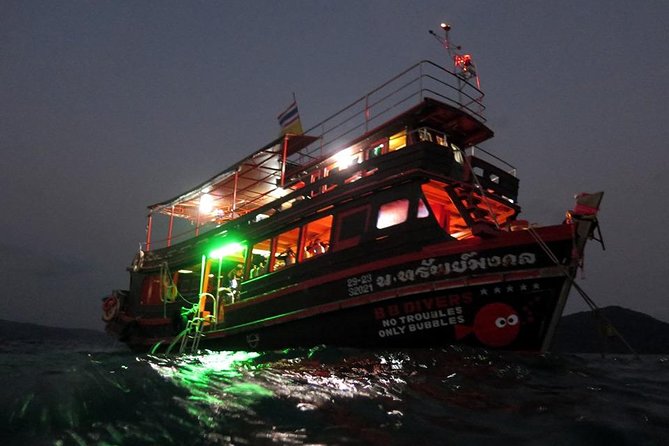
Still, boat conditions can vary. If you are prone to seasickness, bring any personal remedy you normally use, though this specific package does not describe a seasickness service. Snacks and drinks are supplied, but you may prefer to carry any special food you need.
The Koh Rang cost and what the price covers
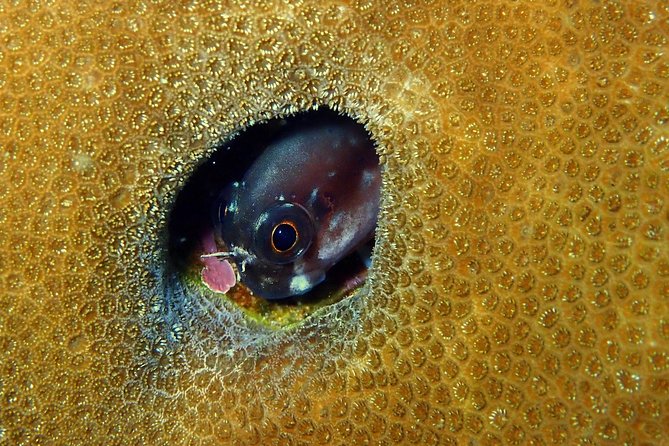
The listed price is $547.79 per person. That is not a cheap activity, but it covers two days of professional instruction, five specialty sessions, hotel transportation, boat meals, drinks, snacks, and an additional recreational session.
The strongest value comes from the small group size and the amount of instruction packed into the schedule. A larger class might cost less per person, but it could offer less direct correction and less flexibility.
You also need to budget for the Koh Rang national park entrance fee, which is not included. The supplied information does not state the amount, so ask BB Divers for the current charge before booking.
The price makes the most sense if you are already certified at the appropriate level and want a structured step forward during your stay on Koh Kut. It is less suitable if you are simply looking for a casual one-time underwater outing.
Safety, weather, and the two-day pace
Safety is a repeated priority in the course’s teaching style. Instructors are described as professional, reassuring, patient, and careful, with particular praise for Marcus and Manu. Other instructors named in connection with the school include Dany, Frank, and Kevin.
That does not remove the need for you to take responsibility. Listen closely during briefings, report discomfort early, and do not pretend to understand a skill if you do not. A short course works best when you speak up.
Weather is an important practical issue. The activity runs only in favorable conditions. If poor weather causes cancellation, you are offered an alternative date, but this could affect a tight Koh Kut itinerary.
The two-day duration is convenient, yet demanding. You should avoid scheduling a ferry, flight, or other fixed appointment immediately afterward. Leave some flexibility in case the sea forces a change.
Most people can participate, and service animals are allowed. The activity is near public transportation, and hotel pickup is offered. The listing does not provide detailed medical or certification prerequisites, so confirm your current PADI status and any health requirements directly with the operator.
Who will get the most from this course
This course suits you if you already hold the necessary entry-level certification and want to improve control, depth awareness, navigation, or specialty skills.
It is also a good fit if you prefer a personal teaching environment. The four-person maximum and the range of named instructors suggest a school that puts attention on individual progress rather than pushing large numbers through a schedule.
Choose this course if you appreciate a relaxed atmosphere but still want safety taken seriously. The staff has been described as warm, humorous, professional, and reassuring, a useful combination when you are learning something that demands concentration.
You may want another option if you need a slow, spread-out program over several days. This is a compact course, and weather or equipment delays could make the timetable feel tight.
Should you book the BB Divers course?
I would book it if you want a properly structured PADI Advanced Open Water course with a small group, included meals, hotel transport, and a little extra time underwater. The choice of three specialties is a real advantage, especially if you select buoyancy, navigation-related skills, or photography based on what you want to improve.
Before paying, confirm the exact specialty choices, pickup time, national park fee, and how the extra recreational session fits into the two-day plan. If you can keep your schedule flexible and you are ready for two full days of training, this is a well-supported way to build confidence around Koh Kut.
FAQ
How long does the PADI Advanced Open Water course take?
The course lasts approximately two days.
How many training sessions are included?
You complete five specialty training sessions. Deep-water and underwater navigation are required, and you choose the other three from the available options.
Which specialty sessions can I choose?
Listed options include digital photography, naturalist, multilevel, peak performance buoyancy, search and recovery, and night training. Availability should be confirmed with BB Divers.
Is an extra recreational session included?
Yes. One extra recreational session is included. You can schedule it on the first day to get comfortable again or on the final day to use your new skills in a relaxed setting.
Is hotel transportation included?
Yes. Hotel pickup and drop-off are included, and the activity begins and ends at BB Divers Koh Kood in Klong Chao.
Are meals and drinks included?
Yes. The package includes buffet lunch, bottled water, beverages, coffee or tea, snacks, and light refreshments.
Is the Koh Rang national park entrance fee included?
No. The Koh Rang national park entrance fee is not included in the course price.
Newest dives added in Thailand
- Discover Scuba Diving in Koh Lanta, Thailand★ 5.0 · 72 reviews
- Phuket: PADI Discover Scuba Diving 1 beach dive★ 5.0 · 2 reviews
- Try Scuba Diving★ 5.0 · 11 reviews
- “Premium” Non Certified Beginner Scuba Diving in Racha Yai/Noi★ 5.0 · 10 reviews
- Scuba Diving Daytrip to Racha Yai★ 4.5 · 43 reviews
- SCUBA Diving tour Racha and Coral islands full day tour★ 4.0 · 4 reviews
- Racha Noi and Racha Yai Dive Trip from Phuket★ 4.5 · 5 reviews
- Private diving on shared trip at Racha Noi and Racha Yai from Phuket incl. lunch★ 5.0 · 12 reviews
PADI Courses & Certification, compared.
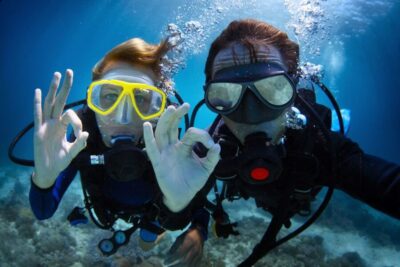
Tossa de Mar: PADI Discovery Scuba Diving in Costa Brava
Read our review →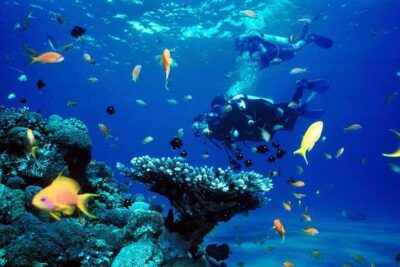
Full-Day Beginner Scuba Course with Private Tuition, Racha Yai
Read our review →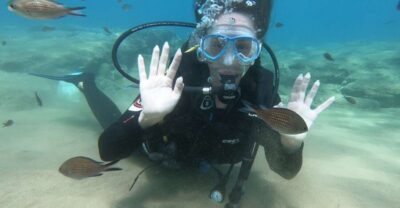
Heraklion: Beginner Scuba Diving Lesson with PADI Instructor
Read our review →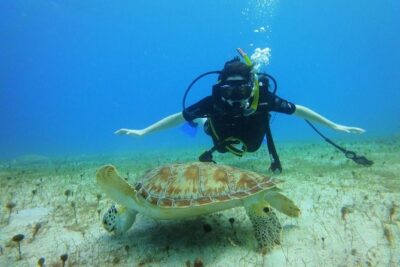
Discover Scuba Diving with No Certification in St Thomas
Read our review →
Try Dive – PADI Discover Scuba Diving in Tenerife
Read our review →
Browse the lists this dive appears in