
Reviewed · DISCOVER SCUBA DIVING
Kauai’s Ultimate Discover Scuba Dive – OCEAN EXPERIENCE (1 Tank Dive)
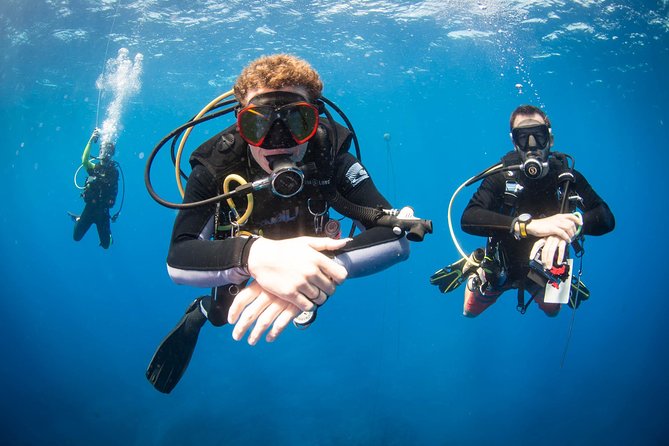
Kauai’s ocean can make a first scuba outing feel like a real adventure fast. After a hands-on lesson at Koloa Landing, you practice four basic skills in shallow water, then head down with a PADI instructor to a maximum of 40 feet. Turtles, moray eels, octopuses, and schools of fish are all possible sightings.
I like two things right away: the four-person limit gives you far more attention than a large resort class, and the instructors focus on calm, practical coaching. Guides including Alessandra, Logan, Benji, Claire, and Dominic have helped nervous beginners get comfortable. The main concern is that this is not a casual swim. You must be able to swim, handle open-ocean conditions, and equalize your ears.
Key points to know
- A true beginner program: No scuba certification is required, but you must complete the PADI Discover Scuba Diving training and skills check.
- Small groups: The maximum is four people, which matters when someone needs extra help with breathing, clearing ears, or adjusting equipment.
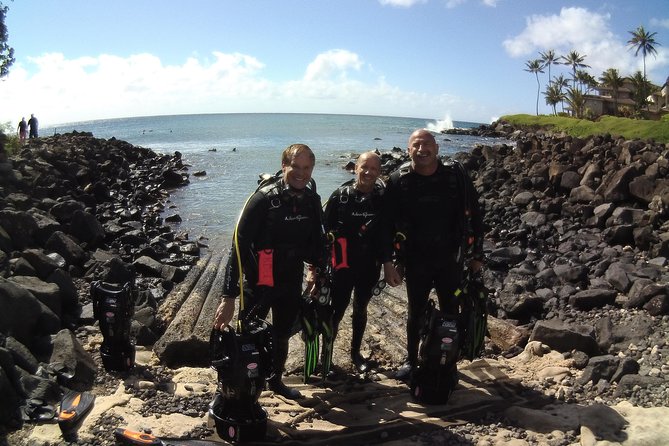
- Shore-based ocean experience: You meet at Koloa Landing in Poipu and return there after the session. This is not a boat trip to a distant reef.
- Maximum depth of 40 feet: The underwater portion stays within the limits of an introductory scuba experience and remains under direct instructor supervision.
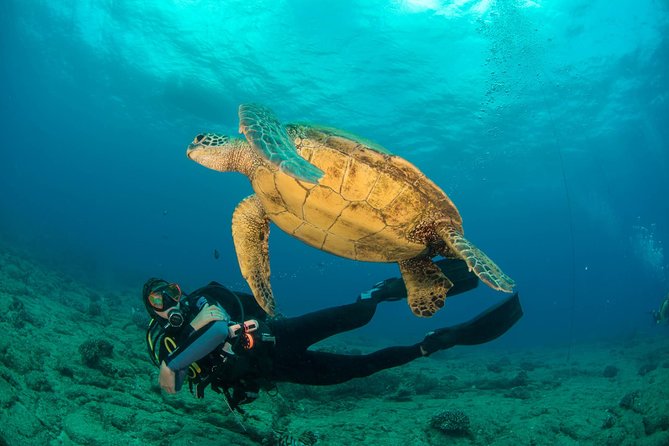
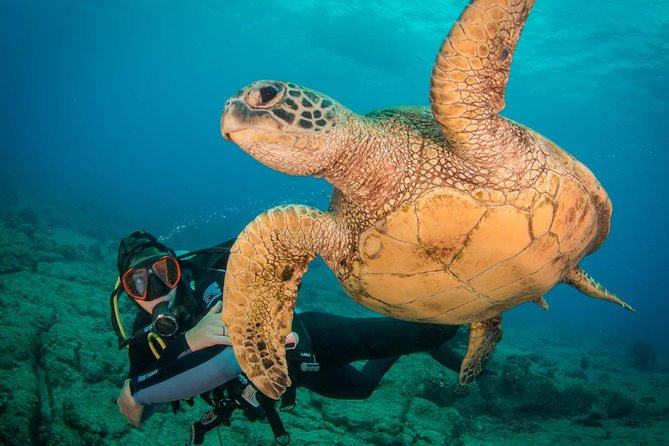
- Marine life is a highlight: Sea turtles, moray eels, octopuses, trumpetfish, schools of fish, and dolphins have all been seen during outings.
- Plan around flights and medical forms: You cannot fly for 18 hours after scuba, and some medical conditions or medications may require doctor clearance.
What your two-and-a-half hours in Poipu look like
This is a compact experience, but the underwater portion is only one part of it. From arrival to departure, plan on about 2.5 to 3 hours. You meet at Koloa Landing, receive equipment, work through the safety lesson, practice in shallow water, and then continue into the ocean if you are comfortable and meet the instructor’s requirements.
The first stage is the least glamorous and one of the most important. You learn the rules of safe scuba, how the equipment works, and what to do if something feels wrong. That preparation can seem slow when you are eager to see fish, but it gives you a better chance of enjoying the ocean instead of fighting the equipment.
The session is led by a PADI professional. Names attached to particularly well-regarded instruction include Logan, Alessandra, Benji, Claire, Dominic, Micah, Avery, and Zack. The important point is not the individual name on your booking, since staffing can change. It is the teaching style you should expect: direct instruction, repeated checks, and close supervision.
More Discover Scuba Diving in the USA
- DISCOVER Scuba Diving Experience in Honolulu
★ 5.0 · 202 reviews - Discover Scuba Diving Class from Lahaina
★ 5.0 · 185 reviews - Maui Scuba Diving Introductory Lesson from Lahaina
★ 5.0 · 179 reviews
Four basic skills before you head below the surface
Before you explore, you complete four scuba skills in shallow water. The supplied information does not name each skill, so you should not expect a detailed skill list in advance. The purpose is clear: learn the basic responses that let you stay calm and manage the equipment.
This practice period is especially useful for first-time scuba participants. You get a chance to breathe through the regulator, get used to the mask and fins, and understand how to communicate underwater. It also gives the instructor a chance to see how comfortably you handle the equipment before moving farther from shore.
For some people, this is the moment the experience clicks. For others, it is where the ocean feels more demanding than expected. One person may have trouble equalizing ear pressure, while another may find the waves or current unsettling. The instructor can help, but you cannot simply force your way through discomfort.
I would treat the skills check as a real safety step, not a formality. If you cannot complete the required skills or cannot get comfortable in the water, you may not continue to the full underwater portion. That is frustrating, especially at this price, but it is the right call.
Koloa Landing and the character of the ocean entry
Koloa Landing in Poipu is the meeting point and the place where the activity ends. This is a shore-based ocean experience, not a boat ride out to a remote reef. That keeps the price and schedule more manageable, but it also shapes what you see and how the session feels.
A shore entry means you deal with the conditions that are present at the landing area. The water can include wave action, current, and a quick change in depth. One person described the drop-off as intimidating, while another felt that the current and waves made the outing better suited to someone with prior scuba experience.
That difference matters. A calm day with a patient instructor can make this an excellent first lesson. A rougher day, or a nervous group member who cannot continue, may shorten the underwater time for everyone. The small group helps, but the setting is still the open ocean, not a swimming pool.
You should be comfortable swimming before booking. The operator also requires a moderate level of physical fitness and sets a maximum participant weight of 300 pounds. Public transportation is available near the meeting area, though the supplied information does not specify routes or parking details.
What you may see below the surface
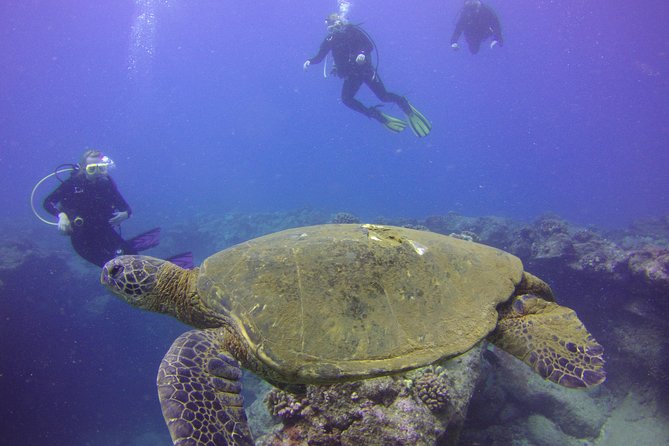
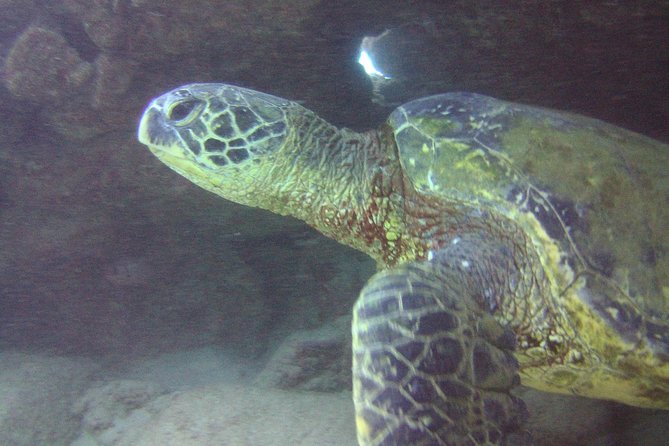
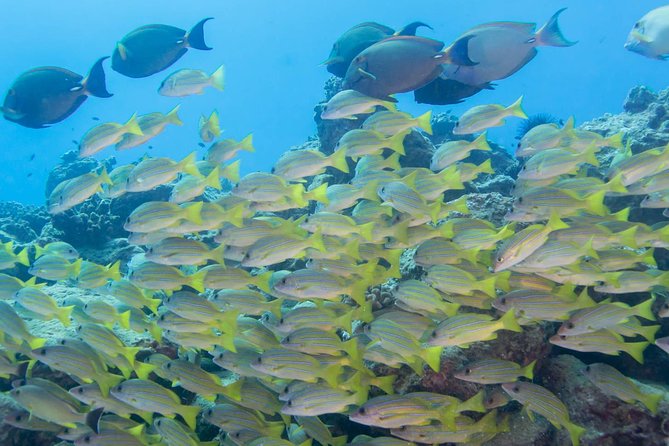
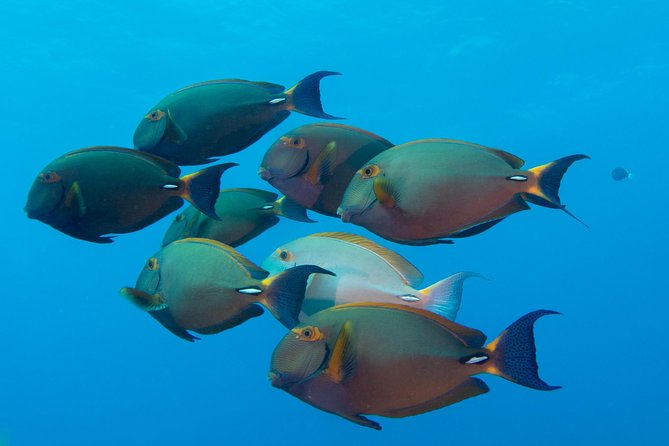
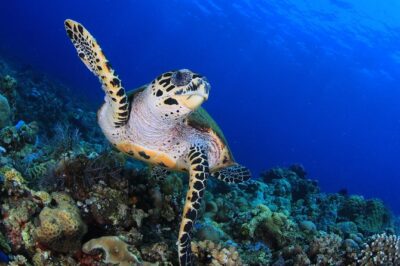
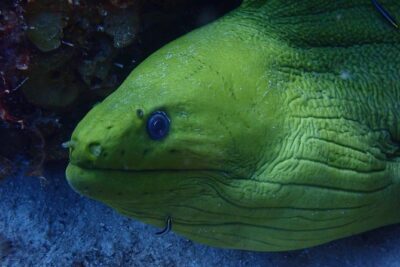
The marine life is the strongest reason to choose this experience over a classroom session. The sightings reported during outings include sea turtles, moray eels, octopuses, trumpetfish, schools of fish, and many other reef species. Dolphins have also passed nearby during at least one session.
You should keep expectations sensible. This is a one-tank introductory experience in a shore-access area, not a full-day trip to several offshore sites. One account found the marine variety more limited than expected and felt that snorkeling from shore might have offered better value. Another described the site as ideal for a refresher but less suitable for a complete beginner.
Both views can be true. Kauai’s ocean offers genuine wildlife encounters, but nature does not run on a schedule. You might see a turtle close enough to study its movements, or you might spend much of the session learning to breathe, clear your ears, and stay relaxed.
The fish identification and marine ecology briefing adds useful context. You are not just pointed toward animals and left to guess what you saw. Your instructor explains the local marine environment and helps you recognize fish. That makes even a modest underwater route more interesting.
More Two-Tank Boat Dives in the USA
- 2 Tank Lanai Cathedral Scuba Dive Via Boat for Certified Divers
★ 5.0 · 548 reviews - Certified Diver: 2-Tank Deep Wreck and Shallow Reef Dive Off Oahu
★ 5.0 · 331 reviews - Certified Diver: 2-Tank Shallow Reef Dives off Oahu
★ 5.0 · 278 reviews - Waikiki 2 Tank World Class Wreck SCUBA Diving – Certified Only
★ 4.5 · 205 reviews
How long will you actually stay underwater?
The full activity lasts about 2.5 to 3 hours, but your time below the surface can be much shorter. First-time participants use a fair portion of the appointment for instruction, equipment checks, and shallow-water practice.
One session lasted about 20 to 30 minutes underwater. Another person noted that the actual time depends on air use, with a possible underwater period closer to 40 minutes if the group and tank supply allow. Your instructor will decide when the session ends based on air, comfort, safety, and the group’s progress.
This is worth understanding before you pay $186.13. You are not paying for several hours of continuous underwater sightseeing. You are paying for equipment, instruction, safety oversight, a one-tank ocean session, snacks, bottled water, and an introduction to scuba that may help you decide if formal certification is right for you.
The value is strongest if you want a controlled first try and personal guidance. It is weaker if you already have significant scuba experience or mainly want a long wildlife excursion. Certified participants returning after many years away can use the session as a refresher, but the pace will still be built around the least experienced person.
The instructors make or break the experience
A first scuba outing is often more about the instructor than the fish. You need someone who notices when you are anxious, explains the next step clearly, and does not hurry you into deeper water.
The strongest instruction described for this experience has a common pattern. Logan was calm with a nervous participant and offered an arm for support until confidence grew. Alessandra was praised for patience with a couple who had never used scuba equipment. Micah spent extra time with a first-timer who worried about equalizing ears, while Claire stayed close and explained each step clearly.
That personal attention is where the four-person limit earns its keep. An instructor can watch several participants, but a group of four still requires coordination. If one person loses a fin, becomes ill, or decides not to continue, the group may lose time. One account described a group having difficulty because one person seemed to fall behind at every stage.
Ask yourself how you react in unfamiliar water. If you are calm, listen well, and can follow instructions, the format should suit you. If you know you panic when breathing feels unusual or when your ears will not clear, you may want pool practice or a beginner class before booking.
The biggest practical issue is equalizing your ears
The ability to equalize pressure in your ears is one of the clearest dividing lines between a comfortable session and an early return to shore. Several people had a fine experience after learning the technique, but at least one person could not equalize and was unable to continue.
This is not a failure on your part. It is a physical issue that can happen even when you are eager and otherwise fit. Your instructor can explain the process and give you time, but you should never force it or descend through pain.
The medical questionnaire is just as important. You must complete it, and some answers can require medical clearance from a doctor. Medication use and certain medical conditions may prevent participation unless a doctor signs off.
Complete the questionnaire as soon as you book. Do not wait until the day before. A late medical form created a serious problem for one family because a doctor’s clearance was needed before the appointment. Since cancellations within 24 hours are not refunded, early action protects both your health and your money.
Equipment, snacks, and what is included
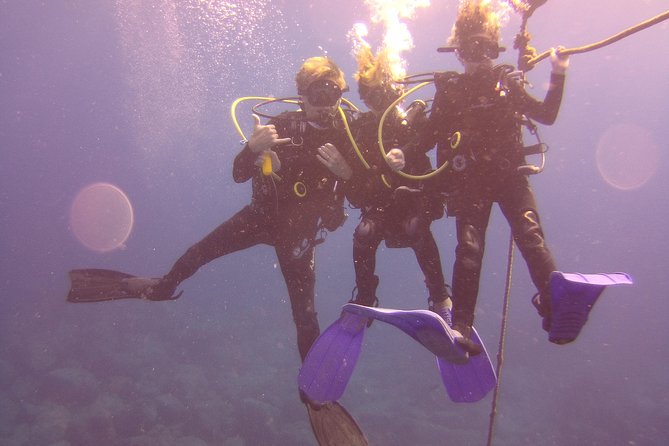
Scuba equipment is provided, so you do not need to bring your own tank, regulator, mask, fins, or related gear. The package also includes bottled water and snacks after the session. The food is a small touch, but it is welcome after hauling equipment and working in the ocean.
The most useful inclusion is the PADI professional. A self-guided swim might cost less, but it would not provide the same instruction, equipment support, or direct supervision. The marine ecology and fish identification briefing also gives the session more substance than simply putting on gear and swimming around.
Still, equipment does not remove the physical demands. You should arrive ready for an active morning or afternoon, with enough time to listen, practice, and move in and out of the water. The provided information does not specify what personal clothing, towels, or sun protection to bring, so confirm those details with Dive Kauai when your reservation is finalized.
Price, group size, and what you are really buying
At $186.13 per person, this is not the cheapest way to see Kauai’s marine life. A snorkel outing or beach rental can cost less. You also may see turtles and fish without spending time learning a new system.
The price makes more sense if your goal is to try scuba under professional supervision. Equipment rental, a PADI-led lesson, skill practice, a one-tank ocean session, and a small group are all bundled together. A private or nearly private lesson can be worth the premium for a nervous beginner.
The group limit is important. Four is small enough for personal help, but it is not a private charter. If you are booking as a family or group of friends, remember that one participant’s trouble can affect the schedule for everyone. Ask about the procedure if someone cannot continue, since the experience may return to shore rather than split the group.
Timing the experience around your Kauai plans
Do not schedule this on the day you fly home. You cannot fly within 18 hours after scuba, so place the activity early enough in your vacation to leave a full buffer before departure.
The operator must also give final confirmation. A third-party booking is not the final word until you speak with the Dive Kauai reservations team. This is especially important for medical forms, meeting instructions, and any last-minute changes.
The activity depends on suitable weather and a minimum number of participants. If conditions cancel the session, you should be offered another date or a full refund. The same applies if the minimum number is not met.
For ordinary cancellations, you can receive a full refund if you cancel at least 24 hours before the start time. Inside that window, the payment is not refunded, and changes are not accepted. I would confirm the medical questionnaire and final appointment details before that deadline passes.
Who should book this Kauai scuba session?
I would recommend it to a confident swimmer who wants a first look at scuba without committing to a full certification course. It also suits a certified person returning after a long break, provided you understand that the pace is aimed at beginners.
Families can enjoy it, but every participant should be comfortable in the open ocean. An adult may be eager to continue while a younger family member struggles with ear pressure or breathing. Discuss that possibility before booking, especially when the group is paying together.
I would be cautious if you dislike open water, have never swum outside a pool, or are unsure about your ability to equalize. The experience is not designed to teach basic swimming skills. It teaches scuba skills to people who can already handle the ocean.
Should you book it?
Book this if you want a carefully supervised first scuba experience, value a maximum group of four, and would be thrilled to see a turtle or octopus during a short ocean session. The instructors receive especially strong praise for patience, calm communication, and safety awareness.
Skip it if you want a long offshore wildlife trip, dislike the idea of a shore entry, or mainly want inexpensive water time. Snorkeling may fit those goals better.
For the best chance of enjoying it, complete the medical form right away, confirm directly with Dive Kauai, leave 18 hours before your flight, and arrive ready for real ocean conditions. At its best, this is a gentle introduction to scuba with memorable wildlife. It is not effortless, but that is part of the point.
FAQ
Is this experience suitable for first-time scuba participants?
Yes. The program is PADI Discover Scuba Diving, which teaches fundamental safety rules, includes hands-on instruction, and requires four basic skills in shallow water before the ocean session.
Do I need to be scuba certified?
No. Certification is not required for this introductory program. You will remain under the direct supervision of a PADI instructor and may descend to a maximum of 40 feet.
How deep will I go?
The maximum depth is 40 feet. Your actual depth and time underwater depend on your comfort, skill progress, air supply, conditions, and the instructor’s safety decisions.
How many people are in each group?
The maximum is four participants. This allows more personal attention than a large class, although one person’s difficulty can still affect the group’s schedule.
Where does the activity meet?
You meet at Koloa Landing in Poipu, Hawaii. The activity ends back at the same meeting point.
How long does the full experience last?
Plan on about 2.5 to 3 hours from arrival to departure. The underwater portion may be shorter, often around 20 to 30 minutes, though timing depends on air supply and the group.
Can I fly after this experience?
No. You must wait at least 18 hours after scuba before flying. Schedule the activity with that restriction in mind.
Do I need to complete a medical questionnaire?
Yes. Every participant must complete one. Certain medical conditions or medications may require doctor clearance, and the questionnaire should be completed as soon as possible.
What happens if bad weather cancels the activity?
You should be offered a different date or a full refund if the experience is canceled because of poor weather. The same options apply if the minimum number of participants is not met.
Newest dives added in the USA
- Certified Divers: Best 2-Tank Wrecks & Reef Boat Dive All Inclusive From Waikiki★ 5.0 · 41 reviews
- One Tank Manta Night Dive and Snorkel★ 5.0 · 56 reviews
- Kauai’s Ultimate Dive Boat Adventure (for CERTIFIED Divers Only)★ 5.0 · 84 reviews
- Kauai’s Exclusive Morning Scuba Charter for Experienced Divers★ 5.0 · 47 reviews
- Certified Diver: 2-Tank Night Dive★ 5.0 · 61 reviews
- Maui Certified Shore Diving from Lahaina★ 5.0 · 107 reviews
- Snorkel Or Dive The Amazing Rainbow River Florida★ 5.0 · 116 reviews
- Half-Day Small-Group 2-Tank Scuba Dive in Key Largo (CERTIFIED DIVERS ONLY)★ 5.0 · 125 reviews
Discover Scuba Diving, compared.
2 Days Discover Scuba Diving in Nusa Lembongan – Scuba Initiation
Read our review →
From Sharm: Ras Muhammed & White Island By Boat & intro Dive
Read our review →Browse the lists this dive appears in