
Reviewed · SCUBA DIVING FOR BEGINNERS
Beginner Scuba Dive in Lahaina: Swimming Required
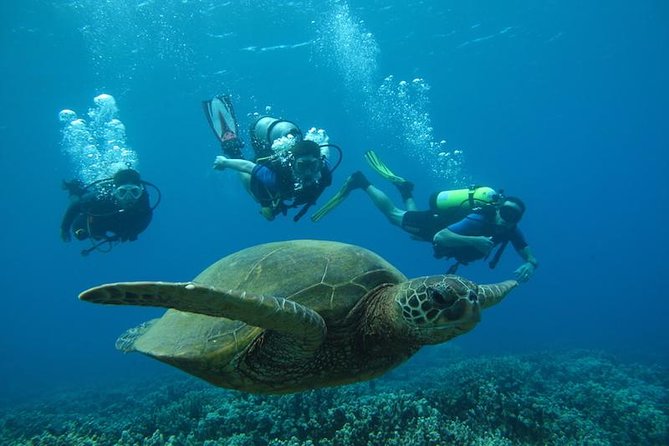
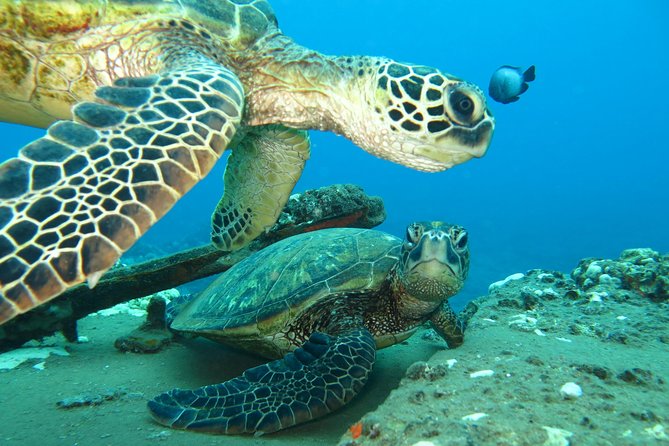
The best part of this beginner scuba session in Kaanapali is that you go straight from a beach into Maui’s underwater world. You learn the basic skills in shallow water, then head out with an instructor to look for green sea turtles, eels, rays, coral, and schools of tropical fish.
I like two things here. The group is limited to eight people, so instructors such as Simon, Shane, Kevin, and Jen can give close help. I also like that all scuba equipment is supplied and that the outing stays short, about two hours. The main drawback is firm: you must already be comfortable swimming alone in the ocean.
Key points to know before you book
- Kahekili Beach Park is the launch point: This is a shore-based outing, not a boat trip.
- Ocean swimming is required: You must swim independently in open water, including deeper water.
- The group can be as small as eight: That gives your instructor room to focus on breathing, gear, and comfort.
- Wildlife is a real possibility: Green sea turtles, eels, rays, reef fish, sea stars, and even sharks have been seen.
- The medical form matters: Any yes answer requires written clearance from your doctor before you can take part.
- Plan your flight carefully: You must remain at sea level for 18 hours after scuba before flying, ziplining, or going above 1,000 feet.
From Kahekili Beach Park to Maui’s underwater world
You meet Banyan Tree Divers at Kahekili Beach Park, at 65 Kai Ala Drive in Lahaina. Transportation is not included, so you need to arrange your own way there. The park is near public transportation, but the operator asks you to say ahead of time if you will not have a rental car.
This is a shore entry. That keeps the outing simple and avoids a boat ride, but it also means you will carry your equipment a short distance. You must be able to handle at least 30 pounds for that short walk. The physical demand is moderate, with swimming in the ocean as the bigger issue.
Your session lasts about two hours from start to finish. That is enough time to learn the basics, get used to breathing through the regulator, practice a few skills in shallow water, and make an underwater visit with your instructor. You return to the same meeting point afterward.
Kaanapali offers year-round conditions suited to introductory scuba, according to the operator. Ocean conditions still vary, so you should expect the schedule to depend on safe weather and water. If conditions are poor, you can choose another date or receive a full refund.
More Scuba Diving for Beginners in the USA
- First-Time Scuba Diving in Honolulu + Free Videos
★ 5.0 · 3,123 reviews - Beginner Scuba Diving Experience with Video Package in Honolulu
★ 5.0 · 877 reviews - Beginner Scuba Diving Experience With Videos in West Palm Beach
★ 5.0 · 206 reviews
Learning the gear before you leave the shallows
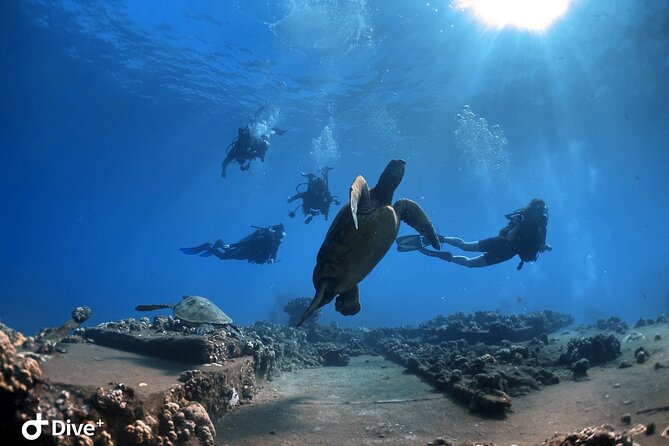
For a first underwater experience, the opening lesson matters more than fancy equipment or a long itinerary. Your instructor explains how the scuba system works and lets you practice basic skills in shallow water before moving out.
The first breaths through a regulator can feel odd. Several first-time participants needed only a few minutes to get used to the breathing pattern, while others arrived nervous and needed more reassurance. That is where the small group helps. Instructors named in the feedback include Simon, Shane, Kevin, Caitlin, Chelsea, Jen, and Michael, and the strongest praise centers on patient explanations and calm supervision.
You will need to pay attention to signals, breathing, and the feel of the mask and regulator. The aim is not to turn you into a certified scuba diver in two hours. It is to show you how to stay calm, use the equipment correctly, and move safely with an instructor nearby.
This introductory format suits you if you are curious about scuba but do not want to commit to a full certification course. It also suits a parent introducing a teenager to the activity. The minimum age is 10, and one family outing included a successful first session for a 14-year-old.
Do not confuse beginner-friendly with effortless. You still need a moderate level of fitness, confidence in open water, and the ability to carry the equipment briefly. If you are uneasy in the ocean or cannot swim independently, this is not the right booking.
What you may see around the reef
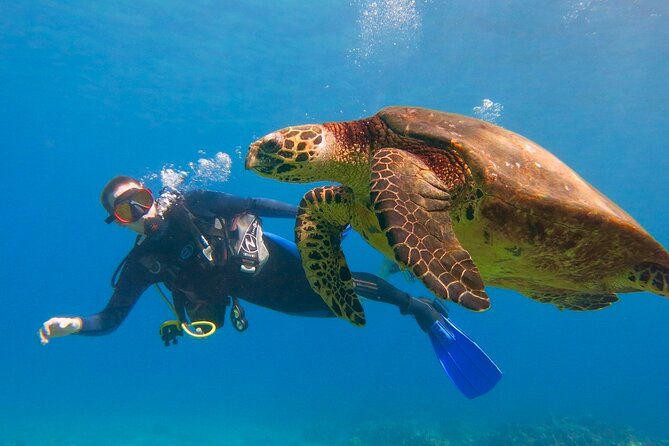
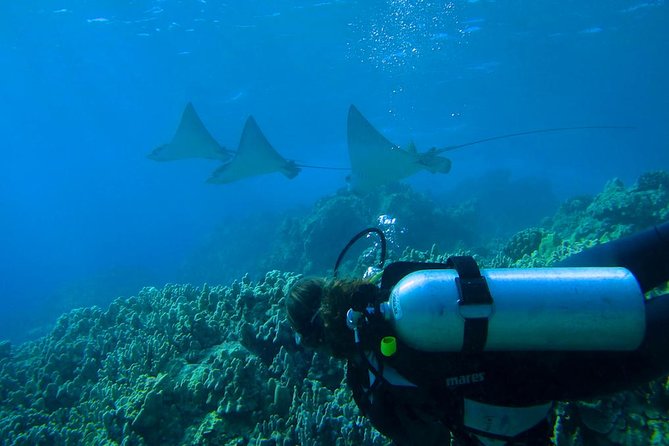
The underwater wildlife is the reason most people choose this outing, and the possibilities are unusually good for a first session. Green sea turtles, tropical fish, eels, crabs, sea stars, and sun stars have all been seen during these outings.
One first-time group saw an eagle ray in the shallows, along with turtles and several types of fish. Another outing included turtles, an eel, and reef fish. Some people have also seen sharks, although that should be treated as a lucky sighting rather than a promise.
You may hear whale sounds underwater at the right time of year. That unusual moment was reported during one outing, along with an eagle ray and many fish. The experience may also include photographs, since several instructors have taken pictures during the session. Ask your instructor what is available on your date, because photo arrangements are not listed as a formal inclusion.
The reef itself is part of the appeal. One session reached about 30 feet, a sensible depth for a first underwater outing. The first portion may feel close to snorkeling if you already enjoy swimming with a mask. Scuba becomes more rewarding as you settle into the breathing and begin moving comfortably above the reef.
That point is worth keeping in mind. If your main goal is to see the most wildlife possible, a longer or more advanced outing may give you more time underwater. This experience is built first around learning, safety, and comfort. Wildlife comes as the bonus.
Why the small group matters for nervous beginners
The maximum group size is eight, but the exact number on your date may be smaller. That is a useful limit for a first session. You can hear instructions more clearly, ask questions before entering the water, and receive individual help if your mask or breathing feels awkward.
Several instructors received particular praise for helping nervous participants. Simon was described as reassuring with first-time divers. Shane helped people who were anxious about going below the surface and kept the activity comfortable. Kevin earned praise for clear explanations and calm control, including from someone with decades of scuba experience. Jen was singled out for kindness, patience, and taking photographs.
Those details matter because comfort affects how much you enjoy the reef. A rushed lesson can leave you focused on your equipment instead of the animals around you. A patient instructor gives you time to settle down and pay attention.
Still, the instructor cannot remove every challenge. You must enter the water ready to swim on your own. If you are not comfortable in open ocean, choose the private course upgrade if it is available for your booking, or consider a non-scuba ocean activity instead. The supplied information specifically presents the private option for less comfortable swimmers, but the standard experience still requires independent ocean swimming.
Another way to get in the water in the USA:
- Oahu Shark Dive
★ 5.0 · 2,903 reviews - Oahu: Shark Cage Dive on the North Shore
★ 4.8 · 1,485 reviews - Shark Cage Diving on Oahu’s North Shore
★ 5.0 · 1,391 reviews - Safe and Educational Shark Dive from Haleiwa: Sharks Guaranteed
★ 5.0 · 553 reviews
The medical rules are strict for a reason
Before entering the water, you complete a medical statement. You must answer no to every question unless you have medical clearance from your doctor. The operator specifically advises people with health concerns to request the form from Banyan Tree Divers before the activity.
This is not paperwork to skim at the last minute. A yes answer can affect your ability to take part, and without the required doctor clearance you can be removed without a refund. Asthma and sinus conditions are listed as concerns, so check before booking if either applies to you.
A perforated eardrum is another important example. One participant could not complete the underwater portion after an old ear injury caused dizziness, though the instructor helped with the return to shore. That is a useful warning: ear problems may not be obvious until pressure changes begin.
I recommend checking the PADI medical form before you commit, especially if you have an old injury, a respiratory condition, sinus trouble, or any health issue that could affect pressure or breathing. The operator’s rules are firm, and the cancellation window does not protect you if you wait too long to discover a medical problem.
The 18-hour rule can change your Maui schedule
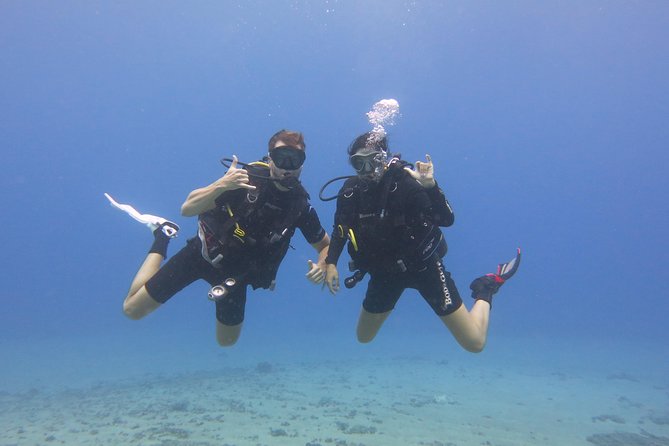
After scuba, you must wait 18 hours at sea level before flying, ziplining, or ascending to Haleakala. The rule also applies to going above 1,000 feet or more.
This is one of the most important planning details. Do not schedule this experience on the final morning of your Maui trip if you have an afternoon flight. Do not place it immediately before a Haleakala visit or a high-altitude activity either.
The safest plan is to schedule the outing early in your trip or leave a full 18-hour buffer afterward. That turns an easy booking detail into a real part of your itinerary. A two-hour session may be short, but its timing can affect the rest of your day and the following morning.
Is $229 a fair price for two hours?
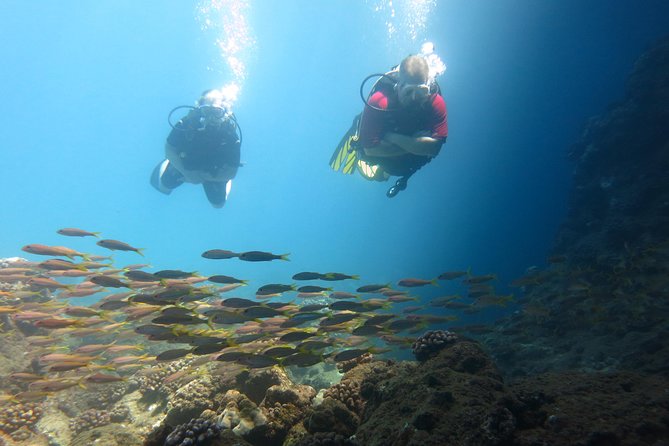
At $229 per person, this is not a casual beach rental. You are paying for a professional guide, scuba equipment, instruction, safety supervision, and access to a guided underwater experience. A small group adds value because your instructor can watch your breathing, position, and comfort more closely.
The price makes more sense if you have always wanted to try scuba but do not own equipment or want to take a full certification course. You receive the gear and instruction in one compact outing, with the chance to see wildlife that is harder to observe while snorkeling.
The value is less clear if you already snorkel confidently and mainly want a long wildlife session. One first-time participant felt the initial underwater portion was not dramatically different from snorkeling, while a second session offered more time and better sightings. If a longer outing or an additional session is available, ask about it before booking.
A small fig bar is available after the activity for a quick sugar boost. Bottled water is not supplied, so bring your own reusable bottle. That is both practical and consistent with the operator’s effort to cut down on plastic waste.
Who will enjoy this most?
I would recommend this experience to you if you meet all of these conditions:
- You are at least 10 years old.
- You swim comfortably and independently in the open ocean.
- You can carry at least 30 pounds for a short distance.
- You have moderate physical fitness.
- You can answer no to every medical statement question, or obtain the required doctor clearance.
- You can keep 18 hours free before flying or going above 1,000 feet.
It is a good choice for a couple trying scuba together, a parent introducing a capable child or teenager to the sport, or a solo visitor who wants a guided first session. The instructors’ calm style is especially valuable if you feel nervous about breathing below the surface but are still comfortable in the ocean.
It is not a good choice if you cannot swim alone in open water, dislike the idea of a shore entry, have an unresolved medical issue, or need to fly soon afterward. The operator does not make exceptions to those rules, and cancellation inside 24 hours brings no refund.
Booking details that deserve attention
Confirmation is provided when you book, and the experience is offered in English. It is recommended to reserve well ahead, with bookings commonly made about 27 days before the date.
You can cancel for a full refund up to 24 hours before the start time. Inside that window, changes are not accepted and the payment is not refunded. Since medical clearance can take time, review the health form before the 24-hour cut-off, not the night before.
The activity may be canceled for bad weather or because too few people book. In that case, you are offered another date or experience, or a full refund.
Should you book this Kaanapali scuba session?
Book it if you are a capable ocean swimmer who wants a carefully supervised first taste of scuba. The setting is convenient, the group stays small, the equipment is included, and Maui’s reef life gives you a genuine chance to see turtles, rays, eels, and tropical fish.
I would choose it over a larger boat-based lesson if personal attention matters to you. I would not choose it simply because the word beginner sounds easy. You still need ocean confidence, medical clearance when required, and enough time before your flight.
For the best chance of enjoying it, check the medical form now, plan the 18-hour no-flying window, bring water, and arrive ready to listen closely. If you meet those requirements, this can be a memorable first step into scuba rather than just another beach activity.
FAQ
Do I need to know how to swim for this activity?
Yes. You must be comfortable swimming independently in the ocean, including in deeper water. The activity is not suitable if you cannot swim on your own.
Where does the experience begin and end?
It begins and ends at Kahekili Beach Park, 65 Kai Ala Drive, Lahaina, Hawaii.
How long does the beginner scuba experience last?
The activity takes about two hours.
What is the minimum age?
The minimum age is 10.
Is transportation included?
No. Private transportation is not included. The meeting point is near public transportation, and you should contact the operator if you will not have a rental car.
What equipment is provided?
All necessary scuba equipment is provided, along with a professional guide.
Do I need medical clearance?
You must answer no to every question on the required medical statement. Any yes answer requires clearance from your doctor before you can participate.
How long must I wait before flying after scuba?
You must remain at sea level for 18 hours after the activity before flying, ziplining, ascending Haleakala, or going above 1,000 feet.
Can I cancel for a refund?
Yes, if you cancel at least 24 hours before the start time. Cancellations or changes within 24 hours are not refunded.
Newest dives added in the USA
- Certified Divers: Best 2-Tank Wrecks & Reef Boat Dive All Inclusive From Waikiki★ 5.0 · 41 reviews
- One Tank Manta Night Dive and Snorkel★ 5.0 · 56 reviews
- Kauai’s Ultimate Dive Boat Adventure (for CERTIFIED Divers Only)★ 5.0 · 84 reviews
- Kauai’s Exclusive Morning Scuba Charter for Experienced Divers★ 5.0 · 47 reviews
- Certified Diver: 2-Tank Night Dive★ 5.0 · 61 reviews
- Maui Certified Shore Diving from Lahaina★ 5.0 · 107 reviews
- Snorkel Or Dive The Amazing Rainbow River Florida★ 5.0 · 116 reviews
- Half-Day Small-Group 2-Tank Scuba Dive in Key Largo (CERTIFIED DIVERS ONLY)★ 5.0 · 125 reviews
Scuba Diving for Beginners, compared.
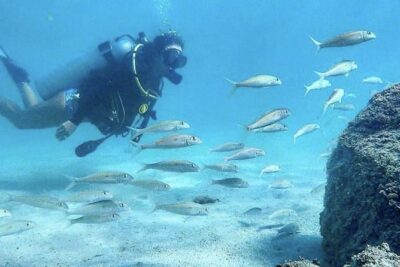
First-Time Scuba Diving in Honolulu + Free Videos
Read our review →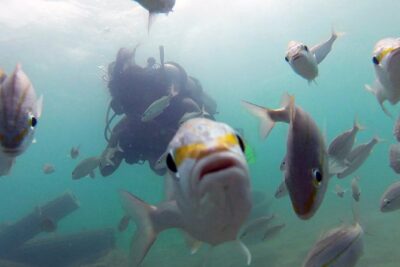
Beginner Scuba Diving with Turtles and Videos, San Juan
Read our review →
Intro Diving 2 Stops For Beginners with Pick-up and Lunch – Hurghada
Read our review →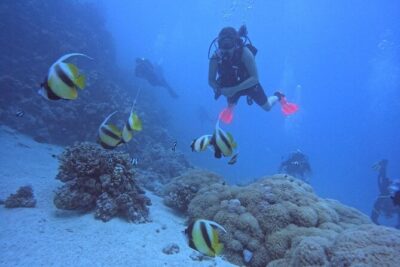
Intro Diving Beginner and Discover Red Sea Underwater
Read our review →
Beginner’s Dive at a Spot with Turtle Sightings
Read our review →
Scuba Diving Experience in Caldera for Beginners
Read our review →Browse the lists this dive appears in