
Reviewed · SCUBA DIVING
Penang Cooking Class:Dive into Malaysian Cuisine with PenangChiak
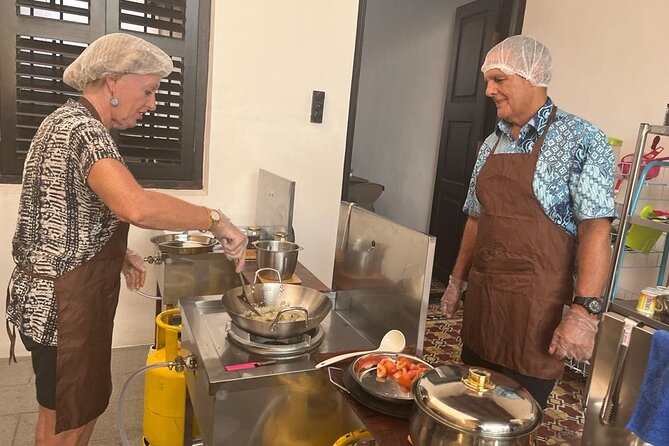
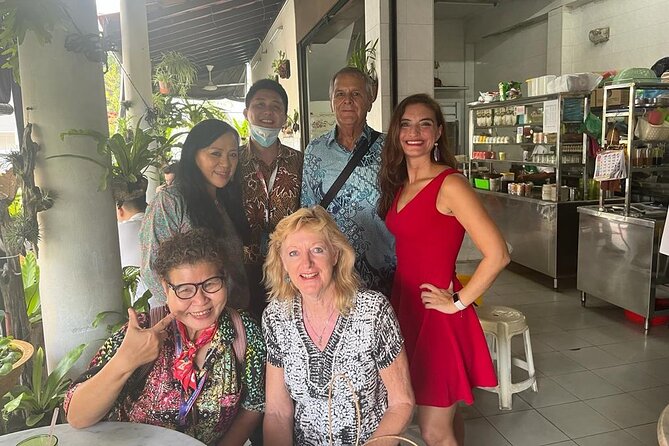
Penang Chiak begins where good food begins: at Chowrasta Market, with local shoppers choosing produce, spices, pastries, and breakfast. You may taste white coffee, see spring-roll wrappers made by hand, and learn how ingredients such as nutmeg, coconut, and fresh herbs shape Penang cooking. I especially like the market walk and the chance to cook dishes such as Char Kway Teow, Kueh Pie Tee, Choon Piah, and Masala Chicken.
I also like the private format. The instructor can adjust spice levels, explain unfamiliar ingredients, and give you time at the stove instead of simply demonstrating from across the room. The main consideration is timing: the morning session starts early, and the advertised four-hour class can stretch to five hours or longer when the market visit and cooking run at a relaxed pace.
What makes this Penang class special
- Chowrasta Market comes first: See where Penang families buy produce, spices, seafood, snacks, and cooking staples.
- Breakfast is part of the morning class: Arrive hungry for local food, white coffee, and market treats.
- Several Penang food traditions are covered: Classes may feature Nyonya, Chinese, Malay, or Indian dishes.
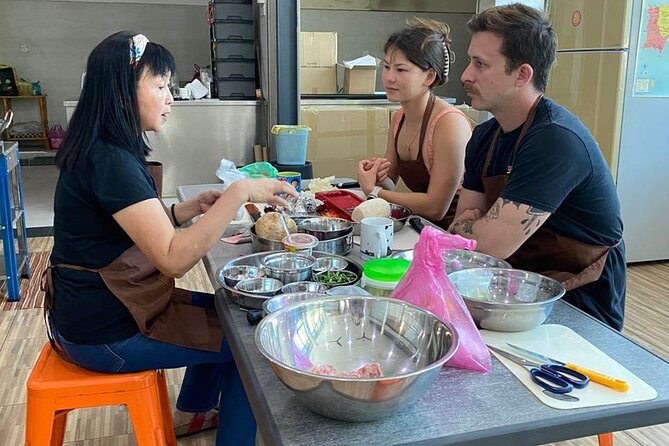
- You cook, not just watch: You may prepare four or more dishes with step-by-step help.
- Private groups get personal attention: The class is for your group only, with recipes and cooking advice suited to your needs.
- Pickup may be arranged: The published meeting point is Chowrasta Market, but pickup has been organized for some groups, so ask before booking.
Starting at Chowrasta Market in George Town
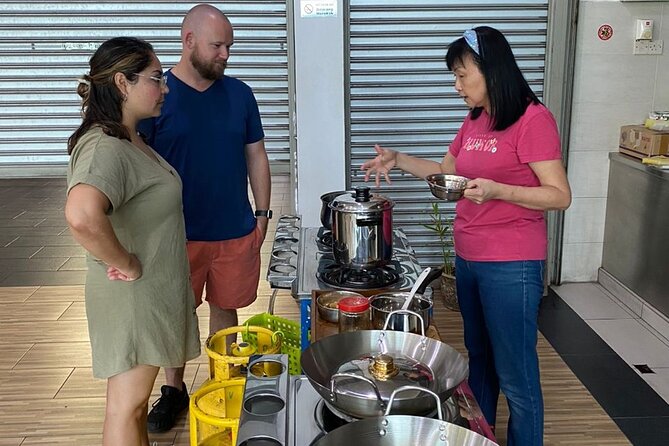
The morning class begins at Pasar Chowrasta Market, on Jalan Penang in George Town, at 8:00 a.m. This is the version to choose if you want food culture rather than a stand-alone cooking lesson.
Mok, Simon, Santi, or Jenny may lead the market portion, depending on the class you book. The guides explain what you are seeing as you move from stall to stall. You may look at seasonal fruit, fresh coconut, fish, herbs, spice mixtures, pastries, colorful kueh, and ingredients used later in the kitchen.
The useful part is the connection between market stall and cooking pot. You do not just hear that a dish uses spices. You see the spices in their raw form, smell them, and learn how local cooks select or prepare them. A spice seller can also mix a paste to suit your preferred level of heat, which is a practical detail for anyone hoping to recreate Malaysian dishes at home.
You may also see handmade spring-roll wrappers and local breakfast stalls. This gives you a look at the daily food routine of George Town, not just a staged shopping stop for tourists. The market can be crowded and noisy, and the early hour is part of the point. If you prefer a slow, quiet start, this may feel like work. If you want to see Penang before the day heats up, it is a strong opening.
The market itself is at the published meeting point, so plan to find Lot 124 at Chowrasta Market. Pickup is offered, and some groups have arranged collection from a hotel or cruise port, but the clearest plan is to confirm this directly before the class.
Other dives divers compare in the world:
- Great Barrier Reef Snorkeling and Diving Cruise from Cairns
★ 4.5 · 3,714 reviews - First-Time Scuba Diving in Honolulu + Free Videos
★ 5.0 · 3,123 reviews - Oahu Shark Dive
★ 5.0 · 2,903 reviews
Breakfast at the market
Morning participants receive breakfast as part of the food tour. The exact dishes can vary, but examples from the class include Penang white coffee, crispy peanut crepes, stir-fried rice noodles, and other hawker-center food.
The advice here is simple: do not eat a full breakfast first. You will want room for the market samples and the meal connected with the class. Coffee drinkers should note that one participant found the local white coffee a welcome start to the day, so you do not have to sacrifice your morning caffeine.
This breakfast is not merely a bonus snack. It helps you understand how Penang food works at street level: fast, inexpensive, strongly seasoned, and built around dishes people actually eat before work. You also get to ask questions about the food while it is fresh in front of you.
There is a small tradeoff. If you have strict dietary needs, you should raise them before booking. The supplied information confirms that instructors can adjust some recipes, such as reducing chili, but it does not promise that every market breakfast or menu can meet every dietary restriction.
From street food to the cooking room
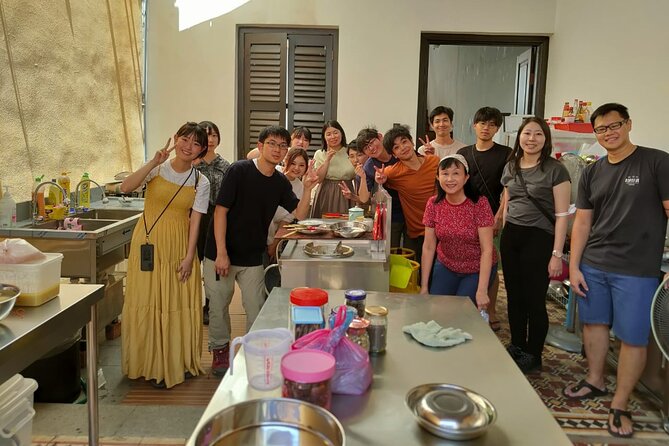
After the market and breakfast, you move to the cooking class. The teaching kitchen is in a shopping center, and one important practical point is that it can be hard to locate without help. Mok has met participants outside and shown them the way.
The class provides the ingredients and kitchen utensils. You need only bring a willingness to learn, an appetite, and clothes that are comfortable in a warm kitchen. A participant in an afternoon class noted that the room had large fans but became warm with the burners running, so light, loose clothing is sensible.
The room has toilets, filtered drinking water, hand-washing facilities, and space for bags. Those details matter because this is a hands-on session, not a quick demonstration. You will be handling food, moving between preparation and cooking, and eating at the end.
The teaching team includes Amy, Mok, Simon, Santi, Jenny, and other assistants depending on the selected cuisine. Amy is associated with Chinese and Nyonya cooking, while Jenny teaches Indian food. Santi has also led hands-on classes. The experience is personal in tone, with instructors explaining family recipes, local ingredients, and the story behind Penang dishes.
What you may cook
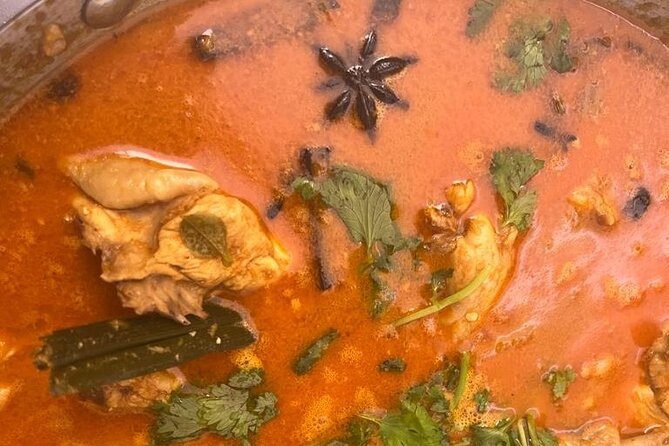
The advertised dishes include Kueh Pie Tee, Char Kway Teow, Choon Piah, and Masala Chicken, among others. Other class examples include spring rolls, rendang chicken, roti, Lor Bak, steamed pandan rice cake, chrysanthemum tea, and Indian dishes with chai or dessert.
Do not assume that every class prepares every one of these foods. The menu can depend on the cuisine, booking request, and private arrangement. Ask for the exact menu when choosing between a Nyonya, Malaysian, or Indian class.
More Scuba Diving in the world
- Silfra: Diving Between Tectonic Plates – Meet on Location
★ 5.0 · 2,139 reviews - Ocean Freedom Great Barrier Reef Luxury Snorkel and Dive Cruise
★ 5.0 · 1,895 reviews - Beginner Scuba Diving with Turtles and Videos, San Juan
★ 5.0 · 1,743 reviews - Tenerife: Your First Scuba Diving Experience in Turtle Area
★ 4.7 · 1,679 reviews
Char Kway Teow
Char Kway Teow is one of Penang’s best-known noodle dishes. The class may show you how to stir-fry flat rice noodles with ingredients such as shrimp, sausage, and egg. You also learn why versions differ across communities.
Chinese hawker-style Char Kway Teow may use pork lard, while Malay versions avoid pork and its derivatives. That distinction gives the dish a useful cultural context and helps you understand why two plates with the same name can taste different.
Kueh Pie Tee and Choon Piah
Kueh Pie Tee is a crisp pastry cup filled with vegetables and other ingredients. Choon Piah is a savory spring-roll-style snack. These dishes reward careful preparation, and the class gives you a chance to practice shaping, filling, and frying rather than simply eating the finished product.
Masala Chicken and Indian cooking
The Indian class follows a different flavor path, with spice blends, chicken, roti, chai, and sometimes a dessert. Jenny has taught general techniques alongside the specific recipes, including useful knife skills and ways to prepare vegetables.
This is a good choice if you want to understand how spice handling changes from one dish to the next. It is also useful for less experienced cooks, since the instruction can slow down for the individual student.
Nyonya and Peranakan dishes
Nyonya cooking combines Chinese methods with local Malaysian ingredients and traditions. The class may include dishes such as Inchi Kabin, a refined spiced fried chicken, or other family-style recipes.
The food history is not presented as a museum lecture. It appears through practical choices: which paste to use, how much chili to add, when to fry, and how ingredients differ between Nyonya and Malay cooking. That makes the cultural explanation easier to remember.
How hands-on is the class?
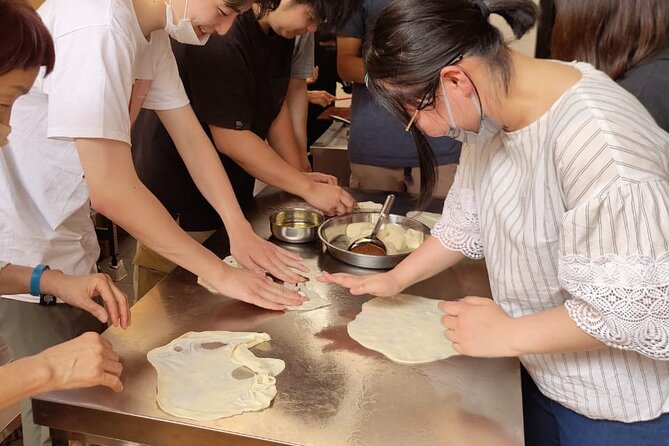
The best feature of the cooking session is the chance to take turns preparing the food. You may chop, mix, shape, fry, stir-fry, steam, or season under guidance. In a small private group, that can mean several people each handle a part of every dish.
The level of hands-on work can vary. One account described a longer session that felt more like a lecture and included less active cooking than expected. That is useful to keep in mind. If you want constant time at the stove, say so when booking and ask how much of the class will be demonstration versus participation.
The instructors also adjust the pace to the group. A solo student had a one-on-one Indian class with plenty of time to practice. Another group of five found the session interactive and easy to follow. Your experience will depend partly on the menu and the number of people in your private booking.
You should receive recipes or recipe guidance for cooking at home. Several class experiences included clear instructions and practical tips, such as how to slice cabbage and how to manage chili. The recipes are a major part of the value because they turn the class from a pleasant meal into something you can use after Penang.
The people make the difference
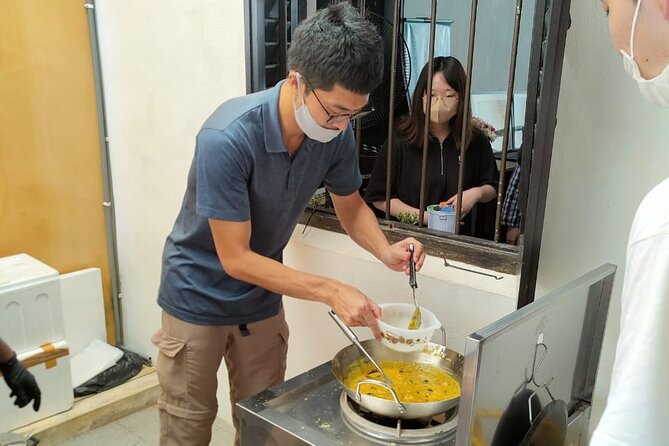
The teaching team is central to this experience. Amy shares family recipes and explains Nyonya and Chinese cooking. Mok brings the market to life and explains local ingredients and culture. Jenny focuses on Indian dishes and offers broader cooking advice. Santi has also led market tours and kitchen sessions.
You may find that the class feels more like being welcomed into a local family kitchen than attending a formal culinary school. That is good for questions and cultural context, but it also means the style may be warm and conversational rather than tightly timed.
Mok has also provided extra help for some groups, including a short George Town drive, photographs, videos, directions, and recommendations for places to eat. These extras are not clearly guaranteed, so consider them a pleasant possibility rather than part of the fixed promise.
Is $116 good value?
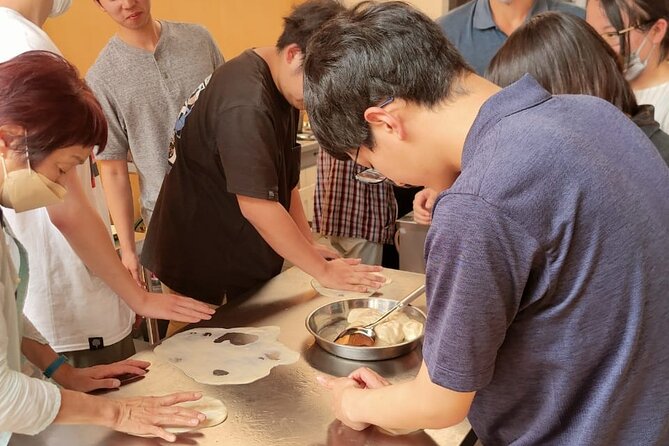
At $116, this is not the cheapest way to eat in Penang. You could buy several hawker meals for much less. The price makes more sense when you count the private instruction, market walk, breakfast, ingredients, kitchen use, and recipes.
For a group that wants a personal class, the value is strong. You are not paying only for food. You are paying to understand what you are buying, why the ingredients matter, and how to repeat the dishes at home.
The value is weaker if you mainly want to sample food or watch a chef cook. A market food tour or a series of hawker meals would suit that goal better. The class earns its price when you participate and ask questions.
The full session lasts about four hours, though the provider describes some classes as four to five hours. One longer account reached six hours, so avoid scheduling a tight afternoon appointment. The early start also means this activity takes a meaningful part of your morning.
Who should book this experience?
I would recommend it to food-focused visitors who want more than a restaurant meal. It suits couples, families, solo cooks, and small private groups. Children or adults with little kitchen experience can benefit from the step-by-step teaching, while experienced home cooks can ask about ingredient substitutions and regional differences.
It is especially useful for anyone planning to cook Malaysian food at home. You see the ingredients before they are processed, learn how to handle spice pastes, and leave with dishes that are realistic to attempt again.
You should think twice if you dislike early mornings, warm kitchens, market crowds, or spicy food. The instructors can adjust some recipes, but the experience is built around Malaysian flavor, and the food will not be bland.
Booking details worth knowing
The published meeting point is Pasar Chowrasta Market, Lot 124, Jalan Penang, George Town. The class ends back at the meeting point. It is near public transportation, and pickup is offered for some bookings.
This is a private activity, so only your group participates. Confirmation is normally provided at booking. If you book within one day of departure, confirmation arrives as soon as possible and depends on availability.
Free cancellation is available up to 24 hours before the start time for a full refund. Changes made within 24 hours are not accepted, and cancellations inside that window are not refunded. The provider also requires a minimum number of participants and may offer a new date or full refund if that minimum is not met.
FAQ
Where does the Penang cooking class begin?
The published starting point is Pasar Chowrasta Market, Lot 124, Jalan Penang, George Town, Penang.
Is pickup included?
Pickup is offered, and it has been arranged for some hotel and cruise-port bookings. Confirm the pickup details before you travel because the listed meeting point remains Chowrasta Market.
Does every class include the market tour?
The morning market tour is included for the 8:00 a.m. morning class. Afternoon classes do not include the morning market visit.
Is breakfast included?
Breakfast is included in the morning class. The food tour may include local breakfast items such as white coffee, crepes, and stir-fried noodles.
How long does the experience last?
The tour is advertised as approximately four hours. Some sessions are described as four to five hours, and a longer class has lasted six hours, so allow extra time.
What dishes will I cook?
The advertised dishes include Kueh Pie Tee, Char Kway Teow, Choon Piah, and Masala Chicken. Menus can vary by class type and booking request, with other examples including spring rolls, rendang chicken, roti, Lor Bak, pandan rice cake, and Indian dishes.
Are ingredients and kitchen equipment provided?
Yes. Ingredients and kitchen utensils are provided. You need to bring a willingness to learn and an appetite.
Should you book Penang Chiak?
Book it if you want to connect Penang’s market food with the cooking behind it. The strongest version is the 8:00 a.m. private class, when you can walk through Chowrasta Market, eat breakfast, and then prepare several regional dishes with an instructor such as Amy, Jenny, Santi, or Mok.
Before paying, confirm the cuisine and menu, ask how much hands-on cooking is planned, and leave at least half a day free. If you do that, the $116 price buys more than lunch. It gives you practical recipes, local food context, and a useful way to carry Penang’s flavors into your own kitchen.
Newest dives added in the world
- Discover SCUBA Diving in Beautiful Unawatuna Bay★ 5.0 · 30 reviews
- Phuket Scuba Diving Maiton Private Island Small Group or Snorkel★ 5.0 · 9 reviews
- PADI Scuba Diver Course★ 5.0 · 30 reviews
- Fun Dives For Certified Divers★ 5.0 · 30 reviews
- Tulamben Diving Tour Shipwreck USS Bali★ 5.0 · 13 reviews
- Tulamben Diving USS Liberty Shipwreck Scuba Dive★ 5.0 · 186 reviews
- Bali: Tulamben Bay and the USAT Liberty Wreck Dive★ 4.9 · 58 reviews
- From Pattaya: Snorkeling or Beginner Scuba Diving Tour★ 4.1 · 68 reviews
Scuba Diving, compared.

Great Barrier Reef Snorkeling and Diving Cruise from Cairns
Read our review →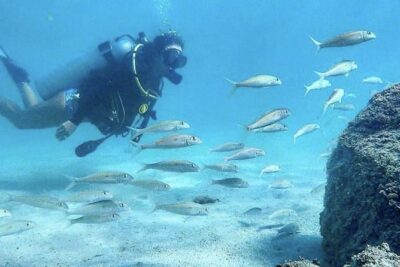
First-Time Scuba Diving in Honolulu + Free Videos
Read our review →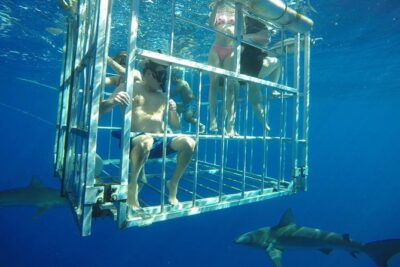

Diving Between Tectonic Plates – Meet on Location
Read our review →
Ocean Freedom Great Barrier Reef Luxury Snorkel and Dive Cruise
Read our review →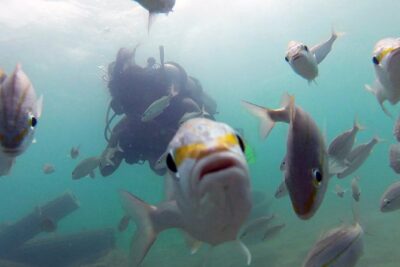
Beginner Scuba Diving with Turtles and Videos, San Juan
Read our review →
Your First Scuba Diving Experience in Turtle Area
Read our review →
Browse the lists this dive appears in