
Reviewed · WRECK DIVING
Zenobia Shipwreck Scuba Diving Trip 2x Dives
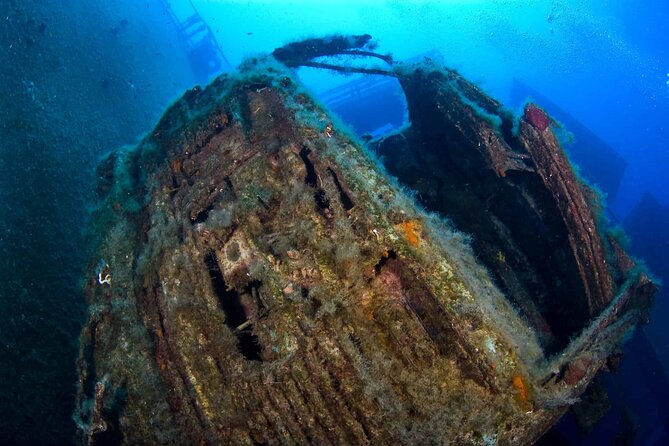
The Zenobia shipwreck is the main event here: a huge underwater casualty explored in two carefully planned descents, with trucks on the aft deck, the propeller and rudder at the stern, and possible access to the accommodation, cafeteria, and wheelhouse. It is the sort of trip that rewards solid skills more than casual sightseeing.
I like the small maximum of four people, which gives the guide room to keep a close eye on everyone. I also like the split route: the first descent focuses on the rear half, while the second turns toward the bow and possible interior access. The drawback is clear: this is not for beginners or anyone rusty in the water.
- Two separate Zenobia descents: Explore the stern and aft deck first, then the forward section on the second outing.
- A strict 30m requirement: You need Advanced certification or higher and recent underwater experience.
- Possible wreck entry: The second descent may include the accommodation, cafeteria, and wheelhouse.
- Small groups: The maximum group size is four people.
- Early Protaras start: Meet at Nautilus Scuba Diving Centre at 7am, with pickup details confirmed after booking.
- Weather matters: Poor conditions can lead to a new date or a full refund.
Why the Zenobia Makes This a Serious Cyprus Trip
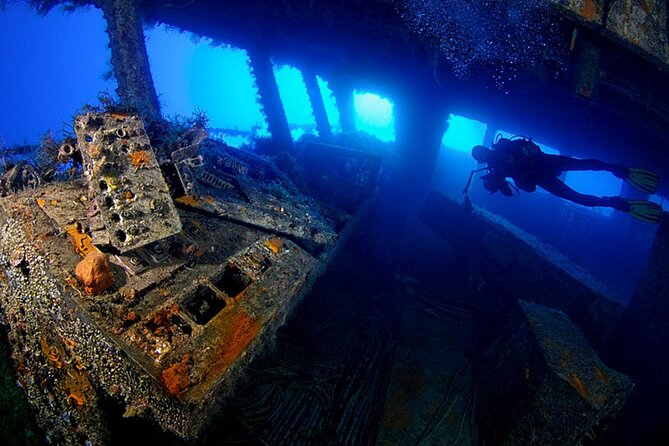
The Zenobia sank off Cyprus in 1980 and is widely regarded as one of the world’s major wreck sites. The appeal is not just the size of the ship. It is the unusual cargo and the range of spaces you can inspect during two descents, from heavy machinery at the back to working areas and shipboard rooms toward the front.
You are not being taken down for a quick look at one section and then sent home. The route is divided so you can make better use of your bottom time. The first outing visits the rear half, including the propeller and rudder, then returns through the rear ramps to the aft deck, where trucks remain part of the scene.
That route gives you a strong sense of the ship’s scale. A propeller and rudder are easy to understand from photographs, but seeing them underwater, attached to a wreck large enough to contain trucks, gives the site its drama. You can also expect the guide to keep the route practical rather than trying to cover everything at once.
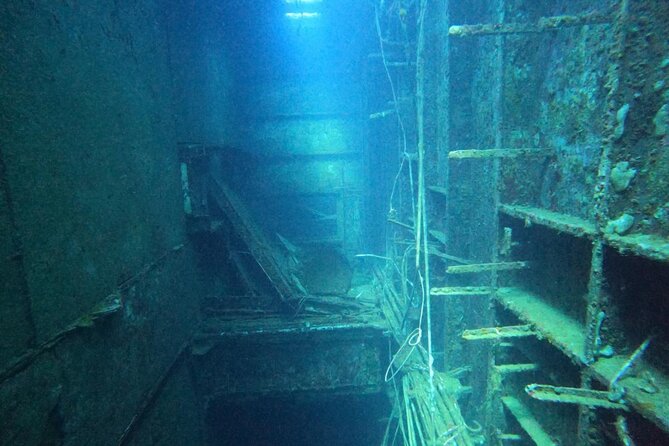
The second descent shifts to the forward half. The plan may include the accommodation, cafeteria, and wheelhouse, followed by the lifeboats toward the end. Possible penetration into the wreck adds interest, but it also makes your qualification, recent practice, buoyancy control, and comfort in confined areas important.
The 7am Start at Nautilus in Protaras
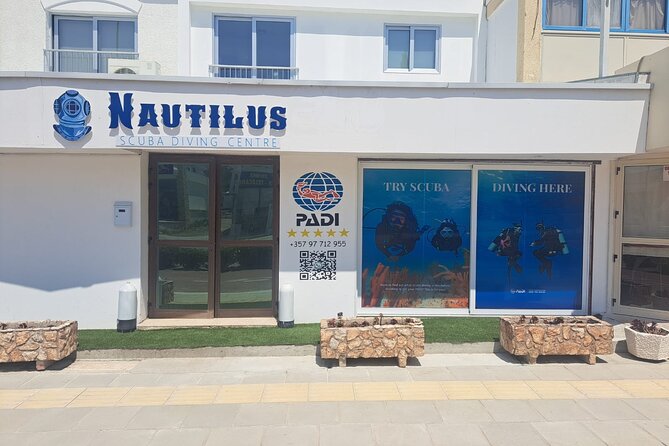
The meeting point is Nautilus Scuba Diving Centre at Protara 317, Paralimni 5296, Cyprus. The stated start time is 7am, and pickup is offered, although your exact pickup time is confirmed only after booking.
That early start is worth noting when you plan your Cyprus days. You should expect this to occupy roughly six hours, so it is not a quick morning activity that fits neatly between a late breakfast and an afternoon at the beach. The early hour also gives the center time to organize equipment and reach the wreck site before both underwater sessions are complete.
If possible, visit the center before the morning of the trip to arrange your equipment. This is one of the most useful practical tips attached to the outing. It can save time at 7am and lets you sort out fit and equipment questions while you are not rushing toward departure.
The center is near public transportation, and the activity ends back at the meeting point. If you use pickup, wait for the confirmed time rather than relying only on the advertised 7am start.
More Wreck Diving in Protaras
- Wreck and Bridge Span Dive for Certified Divers
★ 5.0 · 521 reviews - Private Diving at Zenobia Wreck in Larnaka
★ 5.0 · 369 reviews - Bali Diving for Beginners: Tulamben Liberty Wreck
★ 5.0 · 367 reviews
Who Can Take Part at 30 Metres
This trip is only for competent scuba participants with Advanced certification or higher. You must be able to reach 30m, and you must have been underwater within the last 12 months.
Those are not casual suggestions. The depth, size, and possible interior route mean you need to manage yourself without turning every task into a struggle. You should be comfortable monitoring air, controlling your position, following a guide, and responding calmly to changes in the plan.
After booking, Nautilus will contact you through WhatsApp to confirm that you meet the requirements. Answer that message carefully and contact the center if you are unsure. It is much better to clarify your certification and recent experience before the trip than to discover a problem at the meeting point.
The physical requirement is moderate. You do not need to be an athlete, but you should be prepared for a full morning involving equipment, boat travel, two descents, and an early start. If you have not been underwater for several seasons, this is not the right outing for getting back into the sport.
The center also works with people progressing through Advanced certification. Ben, one of the instructors mentioned by name, is described as focusing on practical skills and useful advice during an Advanced course. That makes Nautilus relevant for training, but this specific Zenobia trip still requires you to meet the stated certification and recent-activity rules.
First Descent: Propeller, Rudder, Ramps, and Trucks
The first underwater route explores the rear half of the Zenobia. You begin around the propeller and rudder, then move back through the rear ramps before spending time on the aft deck.
This sequence works well because it starts with the ship’s most recognizable working parts. The propeller and rudder show how the vessel moved and steered, while the ramps offer a clear route back toward the deck. You are looking at a real working ship, not a wreck stripped down to a bare hull.
The trucks on the aft deck are a memorable detail. They give the site a human scale and make the wreck easier to picture as a functioning cargo ship. Instead of seeing only steel and shadow, you can connect the vessel to the ordinary freight it once carried.
The route also helps you use your time sensibly. The Zenobia is too large to treat as one small attraction, especially at a maximum depth of 30m. Concentrating on the rear half for the first descent means you can pay attention to the ship’s structure without racing from one feature to another.
Your guide’s role matters here. Rich has been singled out for professionalism and a strong understanding of the site, while the center’s instructors are described as giving personal advice and answering extra questions. You should use the briefing to ask how the group will move through the route and what the plan is if visibility, air supply, or conditions change.
Second Descent: Shipboard Rooms and Possible Entry
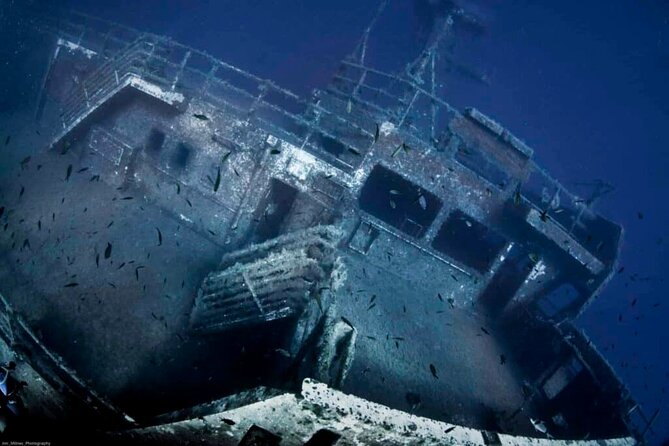
The second route focuses on the front half of the wreck. The planned features include the accommodation, cafeteria, and wheelhouse, with the lifeboats saved for the end of the outing.
This section has a different feel from the stern. The first descent shows you machinery, ramps, cargo, and the working rear deck. The second brings you closer to the daily life of the people who used the ship. A cafeteria and accommodation area make the wreck feel less like an object and more like a place where people worked and lived.
The wheelhouse is another strong target because it connects the interior spaces with the business of running the vessel. Together, these areas give you a broader picture of the Zenobia than a single pass along the outside could provide.
Possible penetration into the wreck is a major consideration. The wording matters: entry is possible, not guaranteed. The precise route can depend on conditions, guide judgment, and your group’s ability. You should never treat an interior section as something you are entitled to enter.
If the route includes the accommodation, cafeteria, or wheelhouse, listen closely to the briefing and stay within the guide’s plan. A wreck can be fascinating and disorienting at the same time. Your Advanced qualification is a minimum requirement, not a substitute for good judgment.
The lifeboats appear at the end of the second descent. This gives the outing a fitting final feature, with the smaller rescue craft providing a contrast to the massive hull beneath you.
More Scuba Diving in Protaras
- Cyprus: Introductory Scuba Lesson and Dive with Transfer
★ 4.9 · 682 reviews - Private Discovery Dive + Photos & Videos
★ 5.0 · 577 reviews - Try a Scuba Diving Experience
★ 5.0 · 400 reviews - SCUBA DIVING first time experience
★ 5.0 · 216 reviews
What the Small Group Changes
A maximum of four people is one of the best practical features of this trip. A small group makes it easier for the guide to keep the route together and notice when someone needs help or a slower pace.
It also helps when the wreck gets visually busy. A large group can turn a narrow route into a queue, with people waiting for a view or finning into one another’s way. Four people gives you a better chance of seeing the main features without constant crowding.
Small groups do not remove responsibility. You still need to stay close, manage your own equipment, and follow the agreed route. The guide can give more individual attention, but cannot compensate for poor preparation or weak control.
The instructors connected with Nautilus receive especially strong praise for making people feel safe and comfortable. Sam, for example, is described as taking particular care with a nervous participant on a separate Green Bay outing. That is useful context for the center’s approach, though it should not lead you to book the Zenobia if you do not meet the strict skill requirements.
Guides, Briefing, and the Human Side
The staff named in the information include Rich, Sam, and Ben. Rich guided a memorable pair of Zenobia descents, Sam helped a nervous participant feel secure on an easier site, and Ben has been praised for practical teaching during an Advanced course.
Those details point to a center that puts attention on clear instruction and personal support. You should expect a briefing before the trip, with the route and safety plan explained before entering the water. The exact content is not specified, so ask about depth, entry rules, timing, and how the two routes will be handled.
The difference between a good wreck outing and a stressful one often comes down to communication. Tell the instructor if you are uncertain about your certification, rusty with equipment, or uncomfortable with enclosed spaces. Honest information helps the guide make sensible choices.
The activity is offered in English. That is useful if you want the route and safety instructions explained in English, but it also means you should be comfortable understanding those instructions before taking part.
Is $165.69 Good Value?
At $165.69 per person, this is not a budget sightseeing trip. The price needs to be judged against what you are buying: approximately six hours, two planned descents on a world-famous wreck, a small group capped at four, and professional guidance from a local center.
The value is strongest if the Zenobia is a main reason for visiting Cyprus. You are not paying for a generic coastal outing. You are paying for access to a major wreck site with a route that covers both the stern and forward sections, plus the possibility of seeing internal spaces.
You should confirm what equipment costs before the day. The information advises visiting the center to organize equipment, but it does not state whether rental equipment is included in the $165.69 price. That is an important question to ask before you commit.
The price is less attractive if you are only mildly interested in wrecks or if you would be happier with a shallow, relaxed underwater session. This trip demands Advanced certification, recent activity, and the ability to reach 30m. For a qualified participant who wants a serious Zenobia itinerary, the two-descent format makes the cost easier to justify.
Weather, Cancellation, and Planning
The trip depends on good weather. If poor conditions force cancellation, you will be offered a different date or a full refund. That is helpful when planning, but it also means you should avoid placing this outing on the only possible day of a short Cyprus visit.
You can cancel for a full refund if you do so at least 24 hours before the local start time. Cancellations made within 24 hours are not refunded, and changes inside that period are not accepted.
Plan a flexible morning if possible. The activity lasts about six hours and ends at the Nautilus meeting point, but weather can affect the schedule. Keep your afternoon reasonably open rather than booking another time-sensitive activity immediately afterward.
Who Should Book the Zenobia?
I would choose this trip if you are Advanced certified or higher, have been underwater within the last year, and want the wreck itself to be the focus of your Cyprus visit. It suits people who appreciate structure, machinery, cargo, and the chance to inspect shipboard rooms rather than simply looking for a casual swim.
It is also a good fit if you value a small group and direct support from instructors. The names Rich, Sam, and Ben come with strong personal feedback for professionalism, safety, and practical teaching, although your assigned guide may differ.
I would not book it if you are newly certified, have not been underwater for more than 12 months, or feel unsure about reaching 30m. I would also think twice if possible wreck entry makes you anxious. An easier site around Protaras may be a better way to rebuild confidence before tackling the Zenobia.
Should You Book This Trip?
Book it if you meet every qualification and want two distinct looks at one of the world’s best-known wrecks. The stern route, trucks, forward rooms, possible penetration, four-person limit, and experienced instruction give the day real substance.
Before paying, confirm your certification, recent underwater activity, equipment arrangements, pickup time, and whether the weather policy fits your schedule. If those points work, the Zenobia offers a focused and memorable underwater day rather than a routine coastal outing.
FAQ
Where does the Zenobia trip start?
The meeting point is Nautilus Scuba Diving Centre at Protara 317, Paralimni 5296, Cyprus.
What time does the activity start?
The stated start time is 7am. If you use pickup, your exact pickup time will be confirmed after booking.
How long does the experience last?
The trip lasts approximately six hours.
How many underwater sessions are included?
The itinerary includes two descents on the Zenobia shipwreck.
How deep do the descents go?
Both descents can reach 30m.
What certification do I need?
You must hold Advanced certification or higher and be able to reach 30m.
Do I need recent underwater experience?
Yes. You must have been underwater within the last 12 months.
Can I enter the Zenobia wreck?
The second descent may include penetration into parts of the wreck, including the accommodation, cafeteria, and wheelhouse. Entry is not guaranteed.
Is pickup available?
Yes, pickup is offered. The exact pickup time is confirmed after booking.
What happens if bad weather cancels the trip?
You will be offered a different date or a full refund if poor weather causes cancellation.
How many people can join?
The maximum group size is four people.
Can I cancel for a refund?
Yes. You can receive a full refund if you cancel at least 24 hours before the local start time. Cancellations made less than 24 hours before the start are not refunded.
Newest dives added in Protaras
- Scuba Diving at Turtle Bay with Underwater Pictures Included★ 5.0 · 2 reviews
- Scuba Diving Experience (10+ Years) AND Free Edited Video★ 5.0 · 77 reviews
- Dive The Rock (Scuba Diving Experience in Protaras)★ 5.0 · 28 reviews
- Scuba Diving Adventure at Green Bay Beach★ 5.0 · 7 reviews
- Private Scuba Diving Experience in Cyprus★ 5.0 · 13 reviews
- Scuba Diving Experience & MUSAN Dive + Free Edited Video 2xdives★ 5.0 · 34 reviews
- Scuba Diving Cyprus Experience Protaras and Ayia Napa & Turtles★ 4.5 · 36 reviews
- Protaras: Discover Scuba Diving For Beginners 2 Dives★ 5.0 · 4 reviews
Wreck Diving, compared.
Wreck and Bridge Span Dive for Certified Divers
Read our review →
Bali Diving for Beginners: Tulamben Liberty Wreck
Read our review →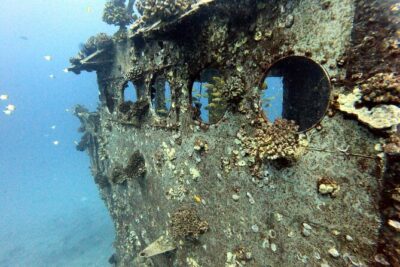
Certified Diver: 2-Tank Deep Wreck and Shallow Reef Dive Off Oahu
Read our review →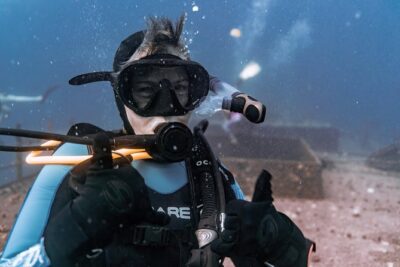
Waikiki 2 Tank World Class Wreck SCUBA Diving – Certified Only
Read our review →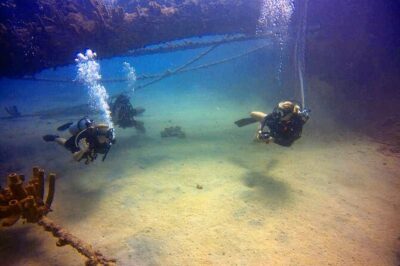
Private First-Time Dive on Aruba’s Reef and Wreck Site
Read our review →Tulamben Diving USS Liberty Shipwreck Scuba Dive
Read our review →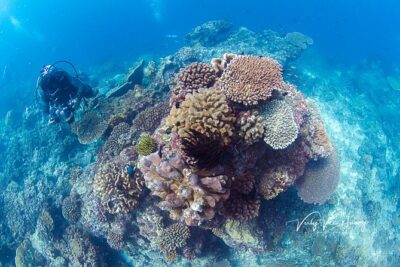
Bali Diving Day Trip-Manta Point/Tulamben Shipwreck-Fun Dive
Read our review →Browse the lists this dive appears in