
Reviewed · SCUBA DIVING
Dive the Divide: Silfra Fissure Scuba Tour | Meet at Thingvellir
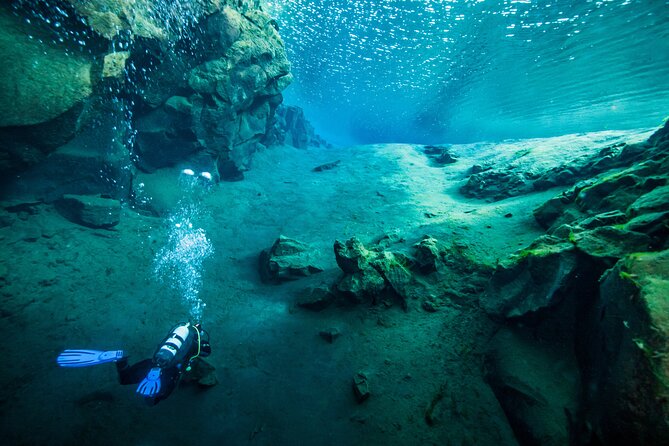
Silfra is one of Iceland’s rare experiences where geology and cold-water scuba meet. You descend into clear water between the North American and Eurasian continental plates, then move through the Deep Crack, Silfra Hall, Cathedral, and Lagoon. Visibility may reach more than 100 meters, which makes the blue water feel almost unreal.
I like the three-diver maximum, because your guide can keep close watch while you manage the drysuit and heavy gear. I also like the practical finish: warm clothes, hot chocolate, and cookies after the water. The main drawback is plain enough: this is a physically demanding outing, with up to 400 meters of equipment carrying and cold conditions that can change the plan.
Key points to know before you book
- You need real drysuit experience: Bring a drysuit certification card or a logbook showing at least 10 previous drysuit dives, with a professional’s signature.
- The water is exceptionally clear: Silfra can offer visibility beyond 100 meters, with striking blue light through the fissure.
- The group is tiny: A maximum of three participants gives the PADI Divemaster plenty of attention for checks, signals, and route guidance.
- Summer and winter differ: Summer usually brings two dives of about 30 minutes each. Below-freezing winter conditions may mean one dive of about 45 minutes.
- You carry the kit: The walk with tanks and other equipment can reach 400 meters, so strong fitness is essential.
- The reward is simple: Hot chocolate and cookies wait after you change back into normal clothes.
What makes Silfra different from ordinary scuba
Silfra is not a warm-water holiday outing. You are not heading down among coral, fish, or tropical colors. The attraction is the water itself, the unusual geology, and the almost startling clarity.
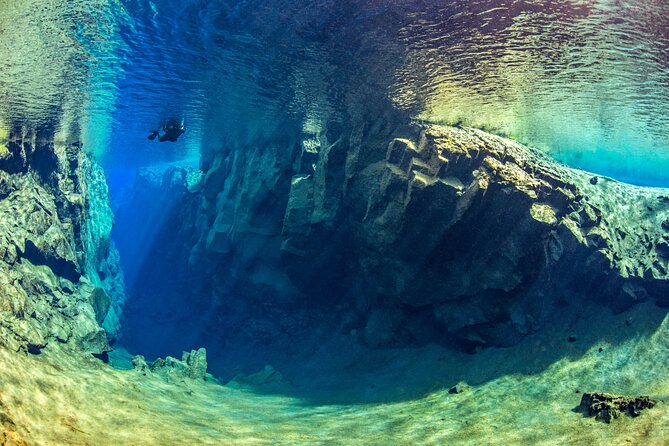
The fissure formed where the North American and Eurasian plates pull apart. You pass through the narrow Deep Crack, where the plates lie close together, then enter wider sections of the underwater route. The scenery comes from lava walls, blue water, and the shape of the fissure rather than marine life.
That distinction matters. If you want a relaxed swim in a light wetsuit, this is the wrong choice. If you like unusual natural settings and already have the skills to manage cold water and a drysuit, Silfra offers something far more specific.
The advertised price is $296.41 per person. That is a serious outlay for about four hours, but it includes the guide, drysuit, thermal undersuit, tanks, weights, regulator, mask, fins, and the small-group format. You are also paying for a specialist cold-water setup in a demanding national park setting, not simply for access to a body of water.
More Scuba Diving in the world
- Great Barrier Reef Snorkeling and Diving Cruise from Cairns
★ 4.5 · 3,714 reviews - First-Time Scuba Diving in Honolulu + Free Videos
★ 5.0 · 3,123 reviews - Oahu Shark Dive
★ 5.0 · 2,903 reviews
Meeting at Thingvellir, not in Reykjavik
You meet at the Silfra meeting point in Thingvellir National Park, at Vallarvegur, 806, Iceland. There is no pickup from Reykjavik, so you must arrange your own transport to the park. The parking fee is separate and is listed as 500 ISK for a private car.
Allow enough time to find the Silfra parking area and prepare without rushing. Your booking confirmation gives the required dive time, and the activity ends back at the same meeting point.
Thingvellir is an important setting for this outing. You are not entering a commercial indoor facility or a standard harbor site. The park provides the wider geological context for the fissure, while the underwater route gives you a close look at one small part of that dramatic setting.
The briefing and equipment check
Before entering the water, your PADI Divemaster explains park rules, hand signals, the route, and the procedures for the session. Pay close attention here. A drysuit changes how you move, how you control your buoyancy, and how you respond if something feels wrong.
You are fitted with a drysuit, thermal undersuit, mask, fins, tanks, weights, and regulator. This is a lot of equipment to manage before you even reach the water. The practical challenge begins on land, not at the ladder.
Bring warm fleece or wool layers and warm socks. You should also pack a full change of clothes. A rental drysuit is designed to keep water out, but no suit can guarantee that you will remain completely dry, particularly when it is not fitted specifically to your body.
Your guide will check your documents and experience. You must be at least 18, hold the appropriate PADI certification, and show drysuit certification or a logbook with at least 10 previous drysuit outings signed by a professional. You also need to have used a drysuit within the past two years.
The 400-meter walk to the entrance
This is the part many people should think about before paying. You may need to carry heavy scuba equipment for about 400 meters. That distance is manageable for a fit person, but tanks and weights make it feel very different from an ordinary walk through a park.
You also need enough strength and coordination to move in the equipment without losing focus. The guide will help with the process, but this is not a service where you simply arrive and have everything carried for you.
At the water’s edge, you descend a ladder to a submerged metal platform. You stand in waist-deep water while you adjust to the temperature and finish the required weight and safety checks.
The water is safe to drink, and you may taste it if you wish. That is a memorable detail, though the real point is the remarkable clarity of the glacial water as it moves through the fissure.
Another way to get in the water in the world:
- Silfra: Diving Between Tectonic Plates – Meet on Location
★ 5.0 · 2,139 reviews - Ocean Freedom Great Barrier Reef Luxury Snorkel and Dive Cruise
★ 5.0 · 1,895 reviews - Beginner Scuba Diving with Turtles and Videos, San Juan
★ 5.0 · 1,743 reviews - Tenerife: Your First Scuba Diving Experience in Turtle Area
★ 4.7 · 1,679 reviews
From the Deep Crack to Silfra Lagoon
Once the checks are complete, you descend and follow your guide along the marked route. The first section is the Silfra Deep Crack, the narrowest part of the route and the place where the continental plates are closest together.
The blue color is the star here. Clear water lets you see far ahead, and the lack of ordinary underwater clutter gives the route a stark, almost otherworldly look. Keep your attention on your guide and your signals, but make time to look upward and along the lava walls.
As the gap widens, you enter Silfra Hall. This section gives you more room to move and a broader view of the fissure’s walls. You continue toward Silfra Cathedral, the deepest point of the route, listed at 22 meters, or 72 feet.
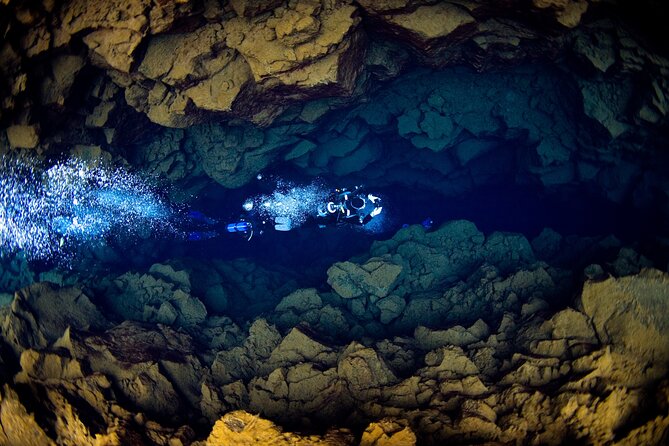
Cathedral is the part that gives the experience its name and sense of scale. You are moving through a submerged chamber shaped by lava and shifting rock, with unusually clear water filling the space. The depth is limited to 18 meters for this tour, so follow the guide’s route and do not treat the open visibility as an invitation to wander.
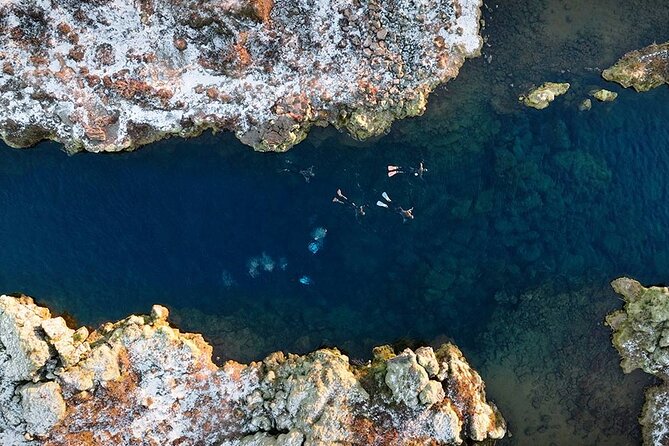
The final section is Silfra Lagoon. The water widens again, and the route ends at the surface there. The Lagoon offers the broadest-feeling part of the journey, with the same bright blue clarity and a view that can seem to continue far beyond normal swimming distance.
Summer sessions and winter changes
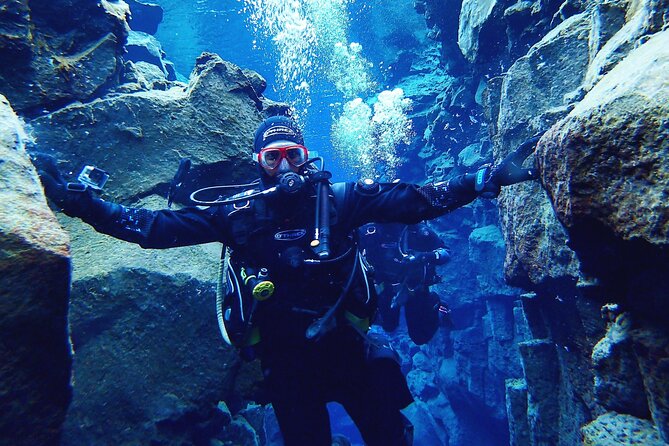
The schedule depends on water temperature. During summer, you normally make two sessions of about 30 minutes each. In winter, if the temperature falls below freezing, the guide may change the plan to one session of about 45 minutes for safety.
That change is worth understanding before you book. A winter departure is not automatically a longer or more adventurous version of the outing. It may involve just one underwater session, and the cold can be intense. One account of a winter outing described snow beside the fissure and cold conditions even with suitable equipment.
The guide’s handling of cold matters. Franceska is one guide specifically praised for warming gloves, helping with drysuits, and keeping a calm eye on comfort and safety. You may not have Franceska on your departure, but the example shows the kind of attentive support that makes a difficult cold-water session work well.
The group size changes the experience
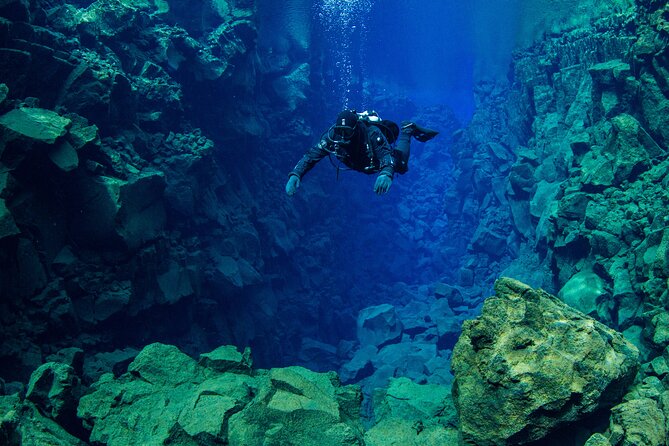
The maximum group size is three participants. That is one of the strongest reasons to consider this particular outing rather than a larger water activity.
A small group means less time waiting while other people sort out equipment, signals, or buoyancy. It also lets the guide watch each person more closely in a place where cold, visibility, and drysuit handling all matter.
Small groups do not make the activity easy. You still need to carry equipment, follow instructions, and remain comfortable in the water. But the format should feel more personal and controlled than a crowded session.
The guide leads the route and manages the safety checks. Your job is to arrive prepared, communicate clearly, and resist the urge to treat the fissure like an unsupervised swimming hole.
Masks, eyesight, and personal comfort
You cannot wear ordinary glasses under the mask because the seal must remain clear. If you need vision correction, your options are contact lenses or prescription goggles that fit the mask setup.
This is a small detail with a big effect. If you cannot see clearly underwater, the experience becomes frustrating and your awareness of signals and surroundings may suffer. Sort out your vision plan before arriving.
The drysuit also needs a thoughtful clothing plan. Wear warm fleece or wool underneath, use warm socks, and bring dry clothes for afterward. The supplied thermal undersuit helps, but it does not replace sensible personal layers.
What is included and what is not
The package includes:
- A certified PADI Divemaster
- Small-group instruction
- Drysuit and thermal undersuit
- Mask and fins
- Tanks, weights, and regulator
- Hot chocolate and cookies after the session
It does not include transport from Reykjavik, parking, or other food and drinks. You should also plan for the possibility that the suit does not keep every part of your clothing fully dry.
The hot drink and cookies are a modest touch, but they make practical sense. After cold water, a warm drink gives you a chance to settle down while you change. Do not think of it as a meal. Eat beforehand and bring anything else you need, since the included refreshment is limited.
Who should book this experience
I would recommend it to an adult scuba diver who already knows how to manage a drysuit and wants a very unusual natural setting. It suits people who enjoy careful instruction, small groups, and a physically active outing.
You should be comfortable with:
- Cold water
- Heavy equipment
- A 400-meter equipment carry
- Mask use without ordinary glasses
- Following a guide’s signals
- A maximum depth of 18 meters
- Possible changes to the winter schedule
I would not choose it for a first scuba session, a casual sightseeing day, or anyone who dislikes cold conditions. The certification rules are not a technicality. Recent drysuit experience is required because the suit, weight system, and cold environment demand skills you should already have.
The minimum age is 18, and you need a strong level of physical fitness. If you are unsure about carrying the equipment or managing the approach, this is the point to reconsider before booking.
Booking timing and cancellation flexibility
This experience is booked an average of 41 days ahead, so it is sensible to reserve early if your Iceland plans are fixed. The departure time is required, and the small group limit can make preferred dates fill faster than a large group tour.
You can cancel for a full refund up to 24 hours before the start time. Changes made inside that 24-hour window are not accepted, and payment is not refunded for a late cancellation.
The activity also depends on suitable weather. If poor weather causes cancellation, Arctic Adventures offers another date or a full refund. That gives you some protection, but it does not remove the need for a flexible Iceland schedule.
Should you book the Silfra scuba tour?
Book it if you already have recent drysuit experience, good fitness, and a real interest in unusual geology. The tiny group, careful preparation, striking blue water, and route through the Deep Crack, Hall, Cathedral, and Lagoon make the $296.41 cost easier to justify.
Skip it if you want an easy activity, dislike cold water, or are hoping to learn drysuit skills on the spot. Silfra rewards preparation. Bring the right layers, allow time for the equipment walk, arrange your own transport to Thingvellir, and expect the water to be demanding even when the scenery is calm.
FAQ
Where does the Silfra scuba tour begin and end?
You meet at the Silfra meeting point on Vallarvegur in Thingvellir National Park. The activity ends back at the same meeting point.
Is transport from Reykjavik included?
No. Pickup service from Reykjavik is not included. You must arrange your own transport to Thingvellir, and the national park parking fee is paid separately.
What certification and experience do I need?
You need to be PADI certified and have previous drysuit experience. Bring a drysuit certification card or a logbook showing at least 10 previous drysuit sessions signed by a dive professional. You must also have used a drysuit within the past two years.
How long are the underwater sessions?
In summer, you usually make two sessions of about 30 minutes each. In winter, if the water temperature is below freezing, the guide may change the plan to one session of about 45 minutes.
What should I wear and bring?
Wear warm fleece or wool undergarments and warm socks. Bring a complete change of clothing because a rental drysuit cannot be guaranteed to keep you fully dry.
Can I cancel for a refund?
Yes. You can cancel at least 24 hours before the scheduled start time for a full refund. If poor weather causes the operator to cancel, you will be offered another date or a full refund.
Newest dives added in the world
- PADI Scuba Diver Course★ 5.0 · 30 reviews
- Fun Dives For Certified Divers★ 5.0 · 30 reviews
- Tulamben Diving Tour Shipwreck USS Bali★ 5.0 · 13 reviews
- Tulamben Diving USS Liberty Shipwreck Scuba Dive★ 5.0 · 186 reviews
- Bali: Tulamben Bay and the USAT Liberty Wreck Dive★ 4.9 · 58 reviews
- From Pattaya: Snorkeling or Beginner Scuba Diving Tour★ 4.1 · 68 reviews
- From Punta Cana: ScubaDoo, Snorkel & Glass Bottom Boat Tour★ 3.9 · 73 reviews
- Punta Cana Party Cruise with Snorkeling, Hooka Diving and Parasailing★ 4.5 · 79 reviews
Scuba Diving, compared.
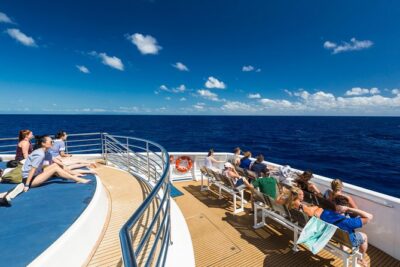
Great Barrier Reef Snorkeling and Diving Cruise from Cairns
Read our review →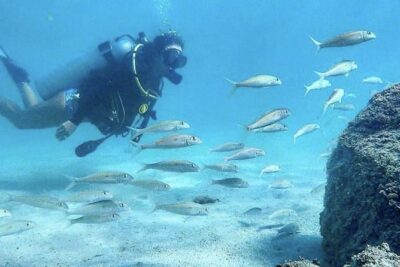
First-Time Scuba Diving in Honolulu + Free Videos
Read our review →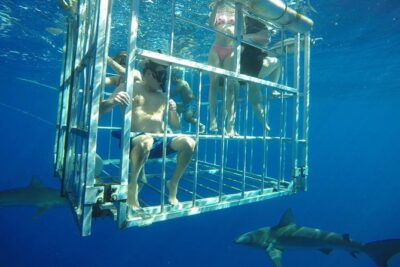
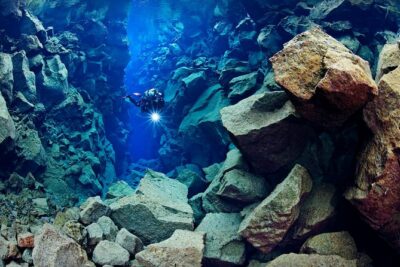
Diving Between Tectonic Plates – Meet on Location
Read our review →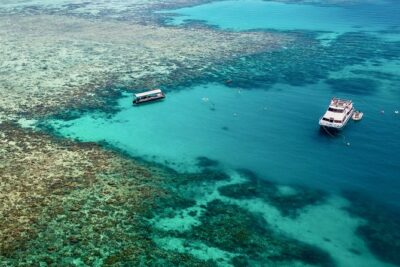
Ocean Freedom Great Barrier Reef Luxury Snorkel and Dive Cruise
Read our review →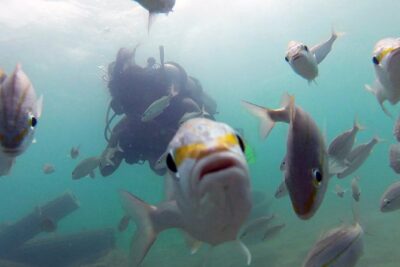
Beginner Scuba Diving with Turtles and Videos, San Juan
Read our review →
Your First Scuba Diving Experience in Turtle Area
Read our review →
Browse the lists this dive appears in