
Reviewed · PRIVATE DIVE CHARTERS
Tenerife: 2-Dive Private Scuba Discovery Course
Tenerife’s appeal here is below the waterline. This five-hour private course gives you two sea sessions from a speedboat, with time to learn the equipment, practice the basics, and look for Canarian fish in their natural setting. Amara’s patient, step-by-step teaching is especially useful if you feel nervous at first.
I like the one-to-one format and the fact that equipment, insurance, instruction, and a Basic Diver certificate are included. I also like the chance of a second boat outing to a site where turtles and rays are often seen, though that option depends on weather, sea conditions, your comfort in the water, and the center’s availability. One key consideration: this certificate lets you go to 12 meters only with an instructor, so it is an introduction, not a full independent scuba qualification.
Key points before you book
- Two sea sessions from a speedboat: You get two underwater outings, with no stated time limit for the sessions.
- Private instruction: Your instructor can adjust the pace to your comfort and explain each step clearly.
- Basic Diver certificate included: This allows supervised scuba to 12 meters in the sea around the world.
- Possible turtle and ray site: A second boat trip to this type of location may be arranged, but it is not guaranteed.
- Photos are extra: Bring your own memories, or arrange pictures and videos separately.
- Five hours at the dive center: Plan for instruction, equipment setup, boat time, and both water sessions.
Starting at Scuba Point in Tenerife
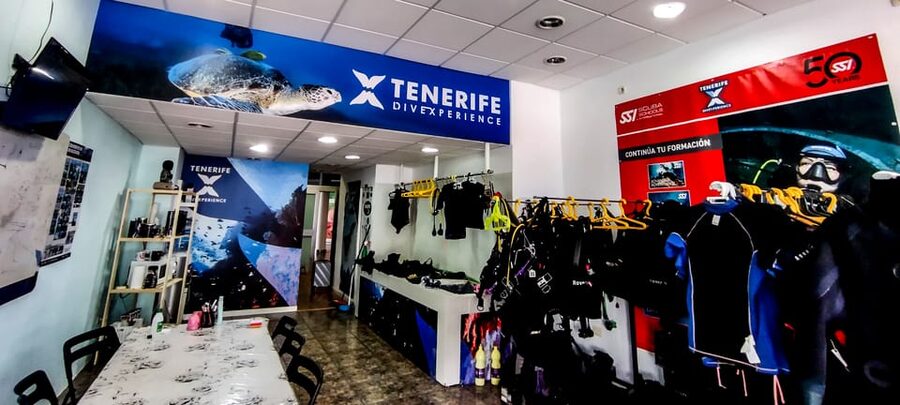
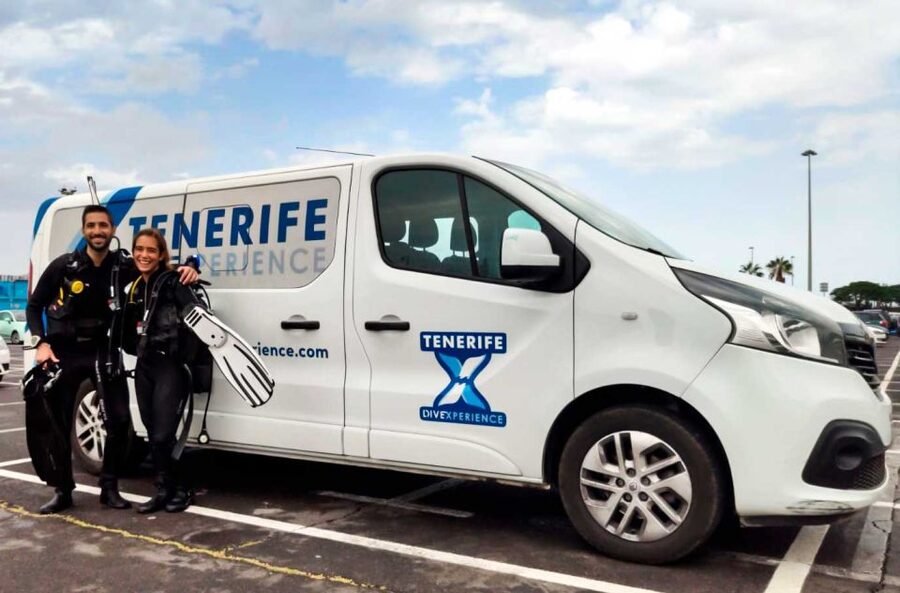
You meet your instructor at Scuba Point, located on the back side of the Commercial Center building. There is no hotel pickup, so you need to make your own way to the meeting point and return there after the activity.
The experience lasts about five hours. Starting times vary, so check the available schedule before you book. That length matters because you are not simply being taken out for a quick swim. You have a basic lesson, equipment preparation, two sessions in the sea, and time to return and complete the certificate process.
The private group setup is a good fit if you want personal attention. Beginners often need time to get used to breathing through a regulator, clearing their ears, and moving with fins. A private instructor can pause and repeat those steps instead of pushing ahead to suit a larger group.
Guides can teach in English, Spanish, Italian, or French. Specific instructors may vary, but Amara is praised for explaining the basics carefully and staying with the student underwater. Elena and Gabi are also part of the instructor team associated with the experience, and both are noted for calm guidance and reassurance.
More Private Dive Charters in Spain
- Private Scuba Diving in Tenerife – Certified Instructor & Photos
★ 5.0 · 103 reviews - Tenerife: Private Scuba Diving–Certified Instructor & Photos
★ 4.9 · 65 reviews - Tenerife: Costa Adeje Private Diving Lesson Experience
★ 4.9 · 47 reviews
Learning the equipment before entering the sea
The first practical stage is an introduction to your scuba equipment. You learn what each part does and how to use it before getting into the water. This is where the private format earns its keep, since you can ask simple questions without feeling rushed.
You should expect instruction on basic underwater procedures and how to stay comfortable while using the equipment. The course includes practical theory, but it is designed as a discovery experience rather than a long classroom program. If you have never tried scuba before, pay close attention to the small habits that make the session easier: slow breathing, steady movement, and clear communication with your instructor.
The instructors’ manner matters here. One student described Amara as patient and reassuring, explaining the equipment and underwater actions from the most basic level. That is the kind of teaching you want for a first attempt. You are not expected to arrive knowing how to handle a regulator or move efficiently underwater.
Bring swimwear, a towel, water, and a change of clothes. You also need a passport or ID card. The center supplies the scuba equipment and diving insurance, but you should not count on hotel transfers or complimentary photos and videos.
The first underwater session
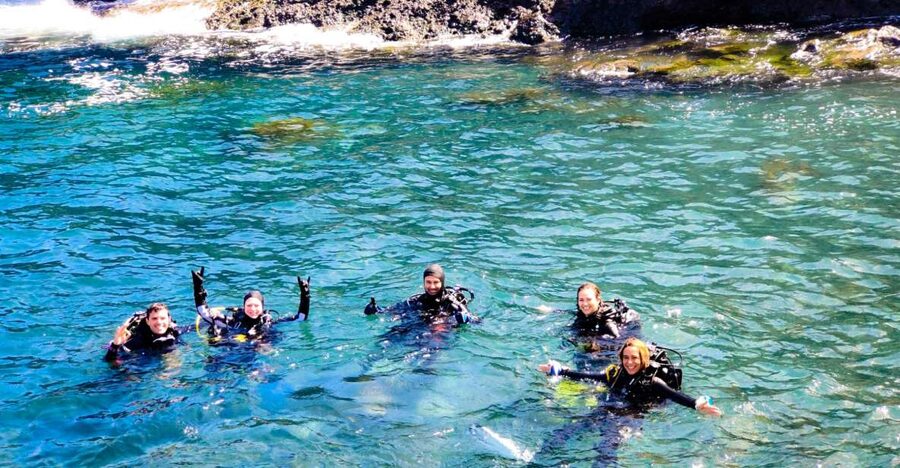
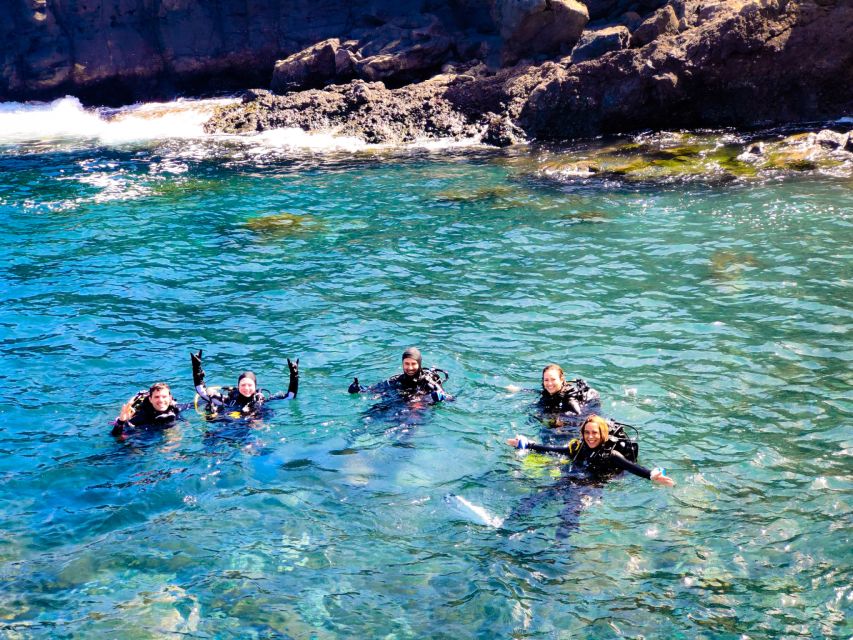
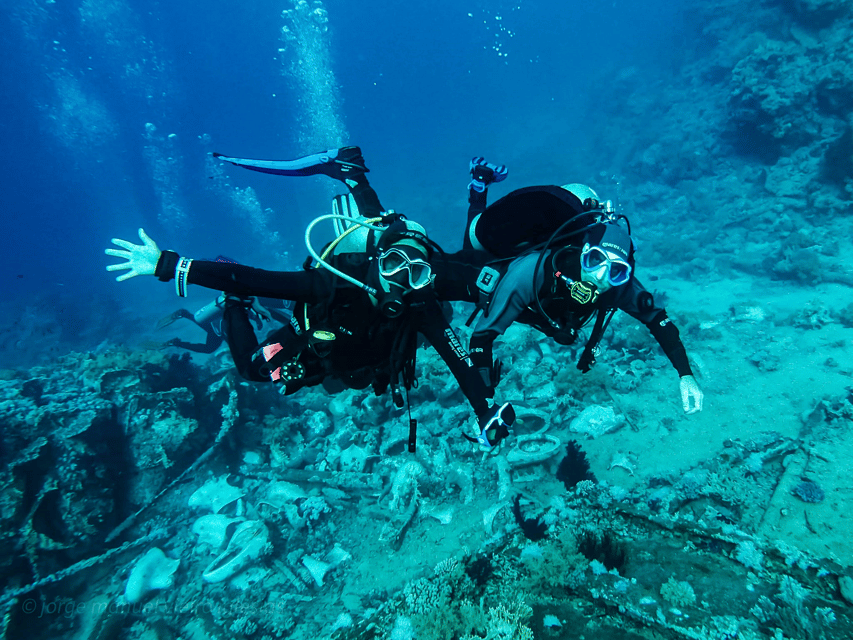
After the introduction, you head toward the first site and enter Tenerife’s clear coastal waters. The main attraction is not a sightseeing checklist. It is the chance to get comfortable in the sea while looking at local marine life in its natural habitat.
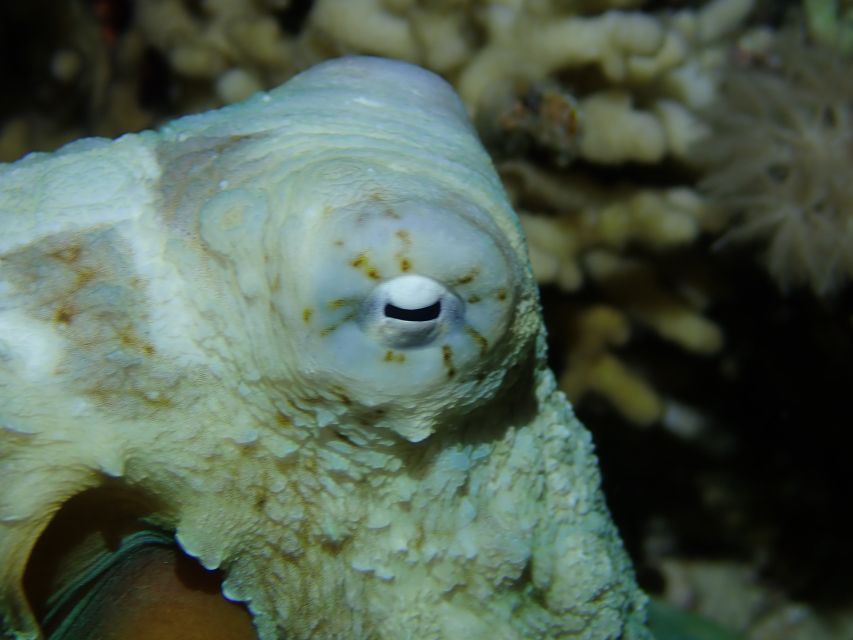
You might see Canarian tropical fish and other marine life beneath the surface. The exact animals and visibility depend on conditions, so it would be wrong to treat any particular sighting as guaranteed. Still, the setting gives you more than a pool practice session. You are learning in the environment where you will use the skill.
The first session is also about managing your own reactions. New scuba users often need a little time to settle into the breathing rhythm and the feeling of being below the surface. A private guide can watch your comfort level closely and explain what you are seeing and doing as you go.
The included sessions have no stated time limit, but that does not mean you should expect unlimited time underwater. Air supply, safety, conditions, and your ability to stay comfortable all affect the length of each session. The practical value is that you are not being charged by the minute for the two included outings.
A second session, with a possible turtle and ray site
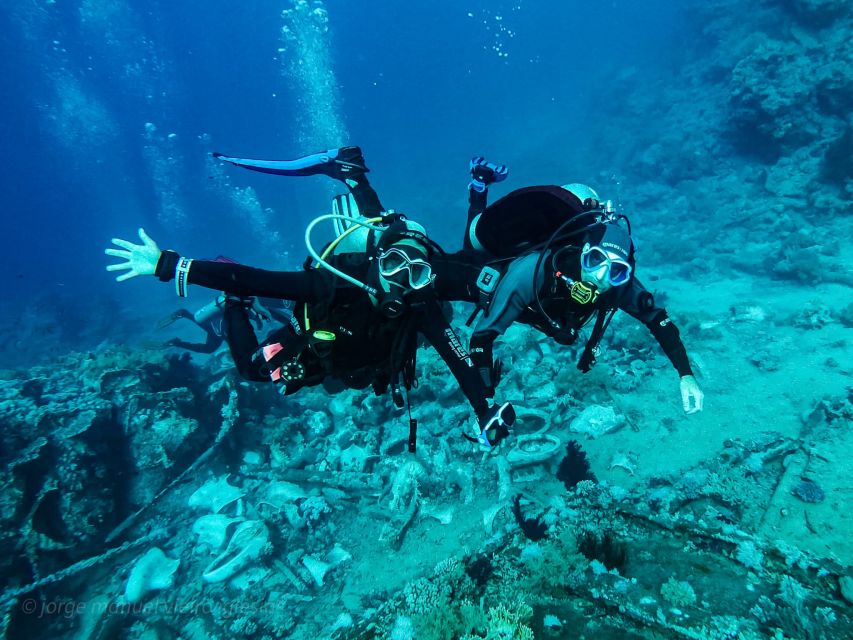
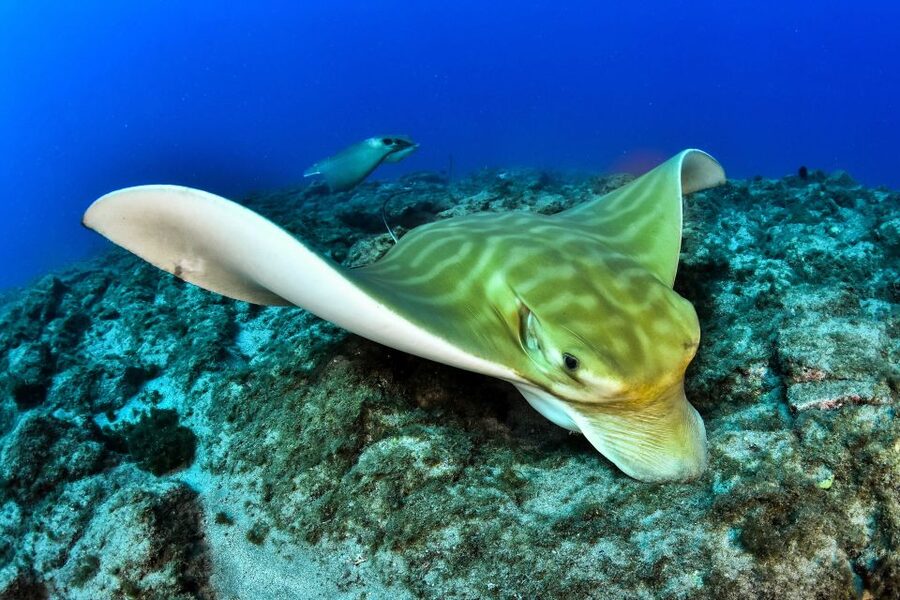
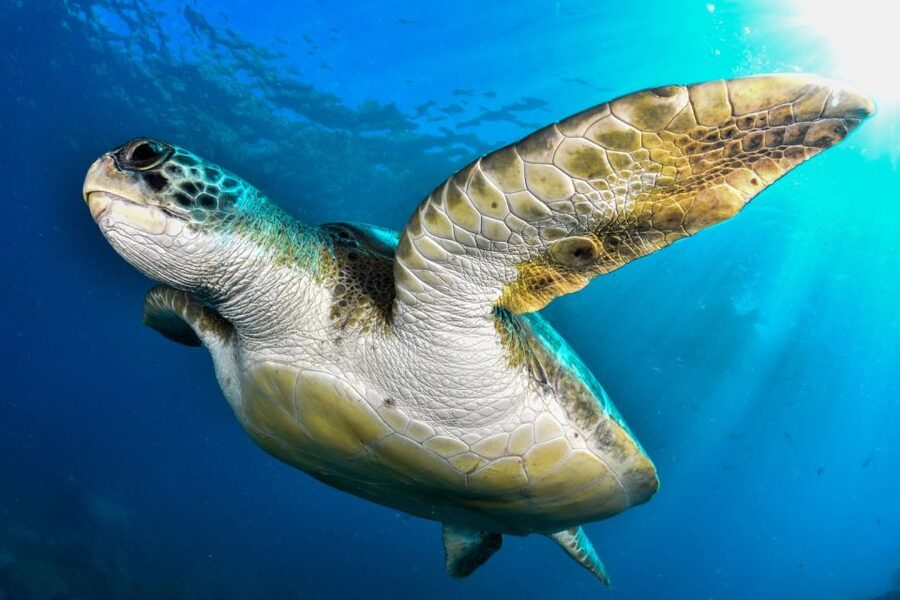
The second session gives you another chance to practice and enjoy the coastline. You may visit a site where marine turtles and different kinds of rays are commonly seen. This is a possibility, not a promise, and the choice can change because of weather, sea conditions, your adaptation to the water, your preferences, and the dive center’s availability.
That qualification is important. If you are booking mainly to see turtles, you should treat them as a welcome bonus rather than the reason to pay. The private instructor will need to put safety and your comfort first. If the sea is unsettled or you need more time with the basics, the plan may change.
I like this flexible approach. A first-time scuba session should not be forced into a fixed wildlife schedule. You get two outings, and the staff can decide what makes sense for the conditions and your experience level.
If the turtle and ray location is especially important to you, contact the center in advance to ask about arranging it. The information provided specifically advises doing this so you do not miss the possibility. You can still request it, but the final choice remains subject to conditions and availability.
Another way to get in the water in Tenerife:
- Tenerife: Your First Scuba Diving Experience in Turtle Area
★ 4.7 · 1,679 reviews - Tenerife: Beginner’s Dive at a Spot with Turtle Sightings
★ 4.7 · 627 reviews - Tenerife First Time Scuba Dive – Turtle Habitat, Small Groups
★ 4.5 · 456 reviews - Tenerife: Beginner Scuba Dive Experience
★ 4.8 · 238 reviews
What the Basic Diver certificate really means
At the end, you receive a Basic Diver certificate, also described as a DSD certification. It allows you to scuba to 12 meters in the sea around the world, but only with an instructor.
That last point deserves attention. This is not the same as a full open-water qualification that allows you to plan and conduct independent recreational scuba sessions. Think of it as a formal introduction and a record that you completed supervised basic training.
For someone testing the sport, that can be useful. You can keep permanent access to the online platform and use the certificate as a step toward more training. It may also help you decide if a longer certification course is worth your time and money.
The certificate does not remove the need for an instructor. If your goal is to scuba independently on future holidays, ask the center about the next qualification rather than assuming this one covers it.
Why the private format matters
The $147 price is easier to judge when you look at what is bundled into it. You receive a private instructor, two sea sessions, equipment, insurance, practical theory, the certificate, and continuing access to an online platform.
That is solid value for a first-time experience if you care about personal guidance. A cheaper group session might suit someone who is already comfortable in the water, but a private course can be worth the extra cost when you need repeated explanations or want the pace adjusted around you.
The price does not include pictures or videos. If having underwater images is important, ask before the activity about arranging them. Do not assume the instructor will be able to take photos while also teaching and supervising you.
There is also no hotel transportation. That keeps the package focused on the water experience, but you need to budget your own journey to and from Scuba Point. The activity finishes where it starts.
Safety, health, and the post-session rule
This activity runs in rain or shine, but sea conditions still affect what can safely happen. The second site and boat plan can change, and the staff may need to adjust the session to match the weather and the sea.
You should not fly or go to high altitude for at least 12 hours after scuba. That includes climbing to a high location such as Mount Teide. Plan the activity carefully if you have a flight, a Teide visit, or another high-altitude outing scheduled the same day.
The course is not suitable for children under 10, pregnant women, wheelchair users, or people with heart, respiratory, or other pre-existing medical conditions. It is also not suitable for people with high blood pressure or recent surgery. If any health question applies to you, get medical advice before booking.
No fishing, alcohol, drugs, animal feeding, or touching marine life is allowed. Those rules protect both you and the animals. Keep your hands to yourself underwater, even if a fish or ray comes close.
Who will enjoy this Tenerife course
I would recommend this to an adult or older child who wants a first taste of scuba without committing to a full certification course. The private setting suits anyone who feels unsure, wants plenty of explanation, or prefers not to learn in a large group.
It is also a good choice if you want a short activity that includes a certificate and the chance to continue learning online. The languages offered make it easier for many visitors to receive instructions clearly.
You should choose something else if you want independent scuba rights immediately, guaranteed turtle sightings, or a full day of underwater exploration. This is a supervised introductory course, not an advanced marine-life expedition.
The experience also requires a reasonable level of physical comfort in the water. The information does not describe it as suitable for people with major medical limitations, and the staff must be able to keep you safe in a marine setting.
Practical preparation for the day
Arrive ready to spend much of the day around water. Wear your swimwear and bring a towel, water, and dry clothes for afterward. Keep your passport or ID card with you, since it is listed among the required items.
Do not plan a packed schedule after the course. The 12-hour rule means no flights or high-altitude trips after scuba, so a morning or early afternoon booking may fit better if your next day includes travel.
The activity operates in all weather, but you should keep some flexibility around the second site. If you are hoping for turtles or rays, contact the center before the day and ask about that option. It is sensible to arrive with a preference but not an inflexible expectation.
Cancellation is free up to 24 hours before the activity for a full refund. You can also reserve and pay later, which helps if your Tenerife schedule is still changing.
Should you book this private scuba course?
Book it if you want two supervised sea sessions, personal instruction, and a first scuba qualification at a reasonable all-in price. The strongest reason to choose it is the private teaching, particularly if you want an instructor who will patiently explain each step and help you feel safe underwater.
Keep your expectations clear. Marine life sightings can vary, the turtle and ray site is not guaranteed, photos cost extra, and the certificate requires an instructor for future scuba to 12 meters.
For a gentle first try in Tenerife, I think the combination of personal guidance, equipment, insurance, two sessions, and a certificate makes $147 fair value. Just treat the wildlife as a bonus and the certificate as a starting point, not the end of your scuba training.
FAQ
How long does the scuba experience last?
The activity lasts about five hours. This includes the equipment introduction, practical theory, two sea sessions, and the return to the meeting point.
Where does the activity start?
Meet your instructor at Scuba Point, on the back side of the Commercial Center building. The activity also ends at this meeting point.
How many underwater sessions are included?
Two scuba sessions are included. They take place from a speedboat, and the package states that the sessions have no time limit.
Is the experience private?
Yes. This is a private group activity with a private instructor.
What certificate do I receive?
You receive a Basic Diver certificate, also described as a DSD certification. It allows you to scuba to 12 meters in the sea worldwide as long as you have an instructor.
Can I see turtles and rays?
A second boat session may take place at a site where turtles and different kinds of rays are commonly seen. This depends on your preferences, safety needs, weather, sea conditions, your comfort in the water, and the dive center’s availability.
What languages do the instructors speak?
Instruction is available in English, Spanish, Italian, and French.
What should I bring?
Bring your passport or ID card, swimwear, a change of clothes, a towel, and water. Equipment and diving insurance are included.
Can I fly after the activity?
You should not fly or go to high altitude for at least 12 hours after scuba. The guidance specifically includes high places such as Teide.
More Private Dive Charters in Tenerife
- Private Discovery Dive + Photos & Videos
★ 5.0 · 577 reviews - Private Diving at Zenobia Wreck in Larnaka
★ 5.0 · 369 reviews - Full-Day Beginner Scuba Course with Private Tuition, Racha Yai
★ 5.0 · 368 reviews - Full day diving with private guide, lunch drinks transportation
★ 5.0 · 285 reviews
Newest dives added in Tenerife
- Tenerife: Costa Adeje Private Diving Lesson Experience★ 4.9 · 47 reviews
- Tenerife: Private Scuba Diving–Certified Instructor & Photos★ 4.9 · 65 reviews
- Basic Diver course for beginners with 1 dive in the Ocean★ 5.0 · 41 reviews
- PADI Discover Scuba Diving Course in Tenerife★ 4.8 · 64 reviews
- PADI Open Water Diver Course (OWD) – 2.5 days★ 5.0 · 98 reviews
- Try Scuba Diving in a turtle area (boat)★ 5.0 · 93 reviews
- Private Scuba Diving in Tenerife – Certified Instructor & Photos★ 5.0 · 103 reviews
- TRY SCUBA DIVING with a Dedicated Instructor★ 5.0 · 104 reviews
Private Dive Charters, compared.
Full-Day Beginner Scuba Course with Private Tuition, Racha Yai
Read our review →
Full day diving with private guide, lunch drinks transportation
Read our review →
Private Red Sea Diving for Beginner or Experienced
Read our review →
Private First-Time Dive on Aruba’s Reef and Wreck Site
Read our review →
Private Scuba Diving in Tenerife – Certified Instructor & Photos
Read our review →Browse the lists this dive appears in