
Reviewed · PADI COURSES & CERTIFICATION
PADI Open Water Diver Course
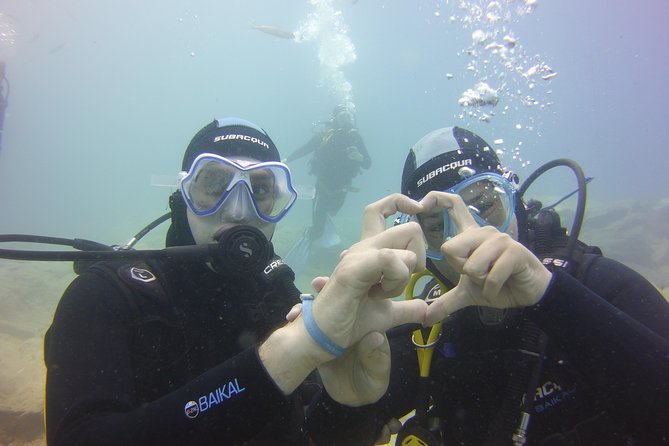
The best part of this PADI Open Water course is that your classroom is Sharm el Sheikh’s Red Sea. You learn the basics, practise skills in confined water, then use them during four sea sessions among coral and fish. It is a proper certification course, not a quick introductory swim with a tank.
I like the patient teaching style associated with instructors such as Amr, Mena, and Mohammed Abdelkarim, and I like that the price includes equipment, hotel transport, lunch, and soft drinks. The main catch is that the e-learning material, manual, and PADI certification fee are extra, and the schedule can stretch from three to four days.
Key points to know before booking
- Four Red Sea sessions: You get real underwater training in Sharm el Sheikh, not only pool practice.
- Five confined-water sessions: Skills are introduced gradually before you work in the sea.
- Patient instructors: Amr, Mena, Mohammed Abdelkarim, Mina, Farid, and others are praised for calm explanations and reassurance.
- Certification to 18 metres: Adults receive a worldwide PADI Open Water qualification, with no renewal fees stated.
- Children from age 10: Ages 10 to 15 receive junior certification to 12 metres, then move to the adult 18-metre limit at 15.
- Useful inclusions: Hotel pickup, air-conditioned transport, equipment, lunch, soft drinks, and bottled water are covered.
Learning to breathe underwater in Sharm el Sheikh
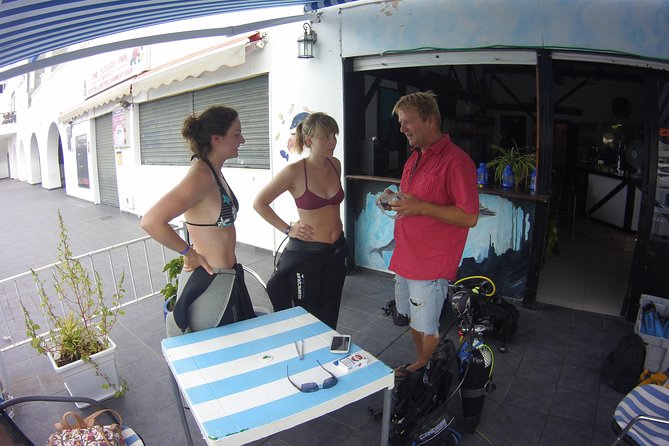
This course is designed for someone starting from scratch. Over roughly three days, sometimes four, you work through theory, confined-water skills, and four open-water sessions. The order matters. You first learn what the equipment does and how to respond to common problems, then practise those skills in a controlled setting before heading to the Red Sea.
I like this gradual structure because scuba can feel strange at first. Breathing through a regulator, controlling your position, clearing a mask, and managing buoyancy are not skills most people pick up instantly. A good instructor lets you repeat them until they feel natural. The feedback connected with Amr, Mena, and Mohammed Abdelkarim points to exactly that kind of patient approach.
The course is run by PADI professionals, and the certification is recognized worldwide. Once certified, an adult may scuba independently to 18 metres, within the normal conditions and limits of the certification. That makes this more useful than a one-time resort session. You are paying for a qualification you can use on future trips.
The phrase independently should not be misunderstood. A certification does not mean you should go alone or ignore local rules. It means you have completed the required training level for open-water scuba with a suitable buddy and within the limits of your experience.
More PADI Courses in Egypt
- PADI Scuba Diver (PSD)
★ 5.0 · 116 reviews - Hurghada, Professionals Diving in Open Water Tour with Lunch
★ 4.3 · 80 reviews - Hurghada: 3-Day PADI Open Water Diving Course
★ 4.6 · 78 reviews
The five theory sessions
The theory portion gives you the rules behind the activity. You learn how equipment works, how pressure affects the body, what to do when something feels wrong, and why safe ascent practices matter. The exact teaching format is not specified, so ask the center how much is completed in person and how much is assigned through the excluded e-learning material.
That excluded material is an important cost detail. The advertised price is $411.31 per person, but it does not include the PADI e-learning material, manual, or certification fee. Ask for the current combined price before booking so you can compare the real total with other course providers.
I would not try to rush the theory. The Red Sea is the exciting part, but the classroom work is what helps you understand the decisions you make underwater. If you arrive tired, distracted, or short on time, tell the instructor. The course is meant to build confidence, not simply tick off sessions.
Five confined-water sessions before the sea
The confined-water portion is where the course becomes practical. You learn how to put on and use the equipment, communicate underwater, manage your breathing, and respond to basic problems. You must show the required skills to your instructor, and patient repetition is part of the process.
The information provided does not specify the exact confined-water site, so do not assume it is a particular pool or beach. The important point is that five sessions are set aside for skill practice before the four sea sessions. That is a healthy amount of preparation for a first course.
This is also the stage where you find out how comfortable you really are. Some people need extra time with a mask skill or with controlling their position in the water. The strongest practical advice here is simple: do not hide discomfort. Instructors such as Mena and Mohammed Abdelkarim are described as willing to repeat explanations and wait for students to demonstrate skills properly.
A one-to-one arrangement may be available in some cases, as Mena taught one student privately. It is not listed as a standard feature, so ask before assuming individual instruction is included. A private format could affect the price and schedule.
Four sessions in the Egyptian Red Sea
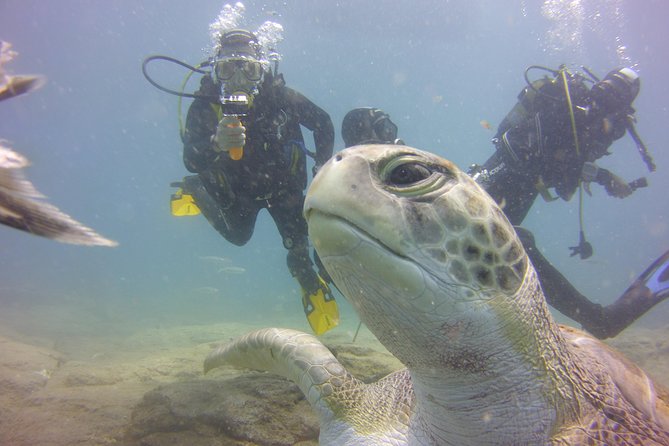
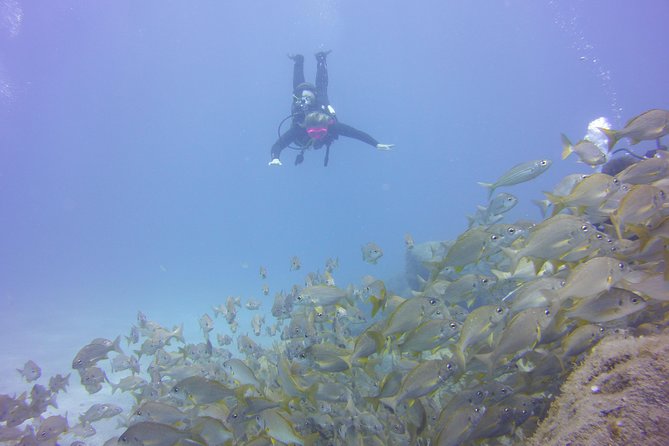
After the theory and confined-water work, you complete four open-water sessions in the Red Sea. This is the part that draws most people to Sharm el Sheikh. The area is known for coral reefs and plentiful fish, and the supplied experience details specifically point to the chance to see varied marine life.
The exact sites are not guaranteed. Weather and operational conditions can change the plan, and the course may include shore-based or boat-based sessions. One useful piece of advice is to ask how the four sessions will be divided before you begin. A separate advanced-course account recommends boat sessions over shore-based training, but that is a personal preference, not a fixed rule for this course.
Boat days can provide a pleasant outing as well as training. A clean, spacious boat, three stops, time in the water, lunch, soft drinks, and bottled water are included in the stated package. The boat is described as not overcrowded on one trip, but the course allows up to 15 participants, so group size can vary.
A shore-based session may be simpler and more focused on instruction. A boat session may give you access to different reef sites and a full day on the water, but it can also involve more time getting ready, waiting, and moving between locations. Neither format is automatically better. Ask what is scheduled for your dates.
The Red Sea setting is a real benefit, but do not expect every session to be a sightseeing cruise. You are still completing skills and meeting certification requirements. You may see coral and fish, yet the instructor’s priority will be your safety and technique.
Another way to get in the water in Egypt:
- Discover Scuba Diving
★ 5.0 · 1,676 reviews - Sharm El Sheikh: Ras Mohamed & White Island Dive & Snorkel
★ 4.9 · 1,280 reviews - Hurghada: Snorkeling 6 x 1 to Orange Bay w Diving & Massage
★ 4.9 · 1,266 reviews - Intro Diving 2 Stops For Beginners with Pick-up and Lunch – Hurghada
★ 5.0 · 1,146 reviews
Instructors who shape the experience
The instructor is probably the biggest variable in a beginner course. Names connected with this center include Amr, Mena, Mohammed Abdelkarim, Mina, Farid, Hani Hendy, Shiref, and Khaled Shabben. The strongest pattern is calm, clear instruction, with special praise for patience and reassurance.
Amr is associated with a relaxed teaching style and with giving students the time they need. Mena is described as thorough, repeating an explanation until the student understood both what to do and why. Mohammed Abdelkarim is repeatedly linked with clear instructions, patience, and helping nervous students keep going.
That matters more than a polished sales pitch. You want an instructor who watches your technique, checks that you understand, and does not make you feel foolish when a skill takes several attempts. If you have a particular instructor in mind, request that person when booking, but understand that availability may determine the final assignment.
Families should pay close attention to this point. A ten-year-old completed a three-day course with Mina, who made the child feel secure and well cared for. Children are allowed from age 10, but junior limits apply, and the child must be comfortable following instructions and managing the demands of the course.
What the $411.31 price really covers
At $411.31 per person, the course is not simply four underwater outings. The price covers instruction, equipment, five confined-water sessions, four sea sessions, five theory sessions, hotel pickup and drop-off, air-conditioned transport, lunch, soft drinks, and bottled water.
That package can represent good value if you need the full course and equipment. Buying or renting equipment separately, arranging transport, and paying for meals would add work and cost. The included vehicle pickup is especially useful in Sharm el Sheikh, where your hotel may not be close to the center or the departure point.
The price is less simple than it first appears because the PADI certification and manual are excluded, along with e-learning material. Souvenir photos are also extra. Ask for the final amount before you commit. The course itself may be competitively priced, but the added certification costs are part of the real budget.
A mobile ticket and booking confirmation make the reservation straightforward. The stated start time is 8:30 am. Pickup timing may be different depending on your hotel, so confirm the exact collection time rather than relying only on the course start time.
Age limits, health rules, and flight timing
The minimum age is 10. Participants aged 10 to 15 receive junior certification and may go to 12 metres. At age 15, the certification changes to the adult limit of 18 metres.
The course is not suitable for pregnant women or people with back problems, heart complaints, or other serious medical conditions. You must complete a health questionnaire before taking part. Conditions such as asthma or heart problems may prevent participation, so consult your doctor if there is any doubt.
You also need a current valid passport on the day. That is easy to overlook on a local activity, especially if you usually leave your passport in a hotel safe. Follow the operator’s instructions about acceptable identification.
Do not schedule this course right before a flight. Scuba activity within 24 hours of flying is not recommended. Since the course takes three to four days, plan it early enough in your holiday to leave a full buffer before your departure.
Weather can affect the sea sessions. If poor conditions force cancellation, you are offered another date or a full refund. The general cancellation policy is otherwise strict: the experience is non-refundable and cannot be changed for personal reasons.
Who will get the most from this course
This suits a first-time scuba student who wants a real qualification rather than a brief tryout. It also suits a couple or family who want to train together, provided everyone meets the health and age rules.
You will get more from it if you are willing to spend time on theory and repeat skills without rushing. The course is less suitable if your holiday schedule is fixed down to the hour, since the stated length is approximately three days but may run to four.
A group of up to 15 is permitted. That is not a huge group, but it is not automatically private instruction either. Ask about the expected group size and instructor ratio if close personal attention is important to you.
The course also works well for someone who wants to continue scuba after Egypt. The worldwide certification and lack of renewal fees make it a useful long-term purchase. You will still need to follow local rules and may need a refresher if you go a long time without using the skills.
Practical booking advice for a smoother three days
Before paying, confirm the total cost after adding e-learning, the manual, and certification. Ask whether your course will use a boat, shore sites, or both, and find out when your hotel pickup is expected.
Pack the basics for a full day around water, but the listed package already includes the required scuba equipment, lunch, drinks, and bottled water. The operator also offers souvenir photos for an additional charge.
Try to arrive rested. The first day includes learning, equipment work, and skills practice, so this is not a casual morning add-on. Keep your final flight at least 24 hours after your last underwater session.
The high booking satisfaction and 5-star score shown for the experience fit the practical strengths here: supportive instructors, organized transport, clean boat operations on boat days, and a clear progression from theory to confined water to the sea. Still, the extra certification charges and strict personal cancellation terms deserve attention.
Should you book the PADI Open Water course?
Book it if you want a recognized scuba qualification and can give the course three or four days. Sharm el Sheikh supplies an appealing setting, and the included equipment, transport, meals, and four Red Sea sessions make the package useful for a first course.
I would be cautious only if you have medical concerns, a tight departure schedule, or no room in your budget for the extra PADI costs. Confirm those points first, then request an instructor known for patient teaching, such as Amr, Mena, or Mohammed Abdelkarim, if availability allows.
For a first certification, this offers more lasting value than a one-off underwater tryout. You leave with training you can use around the world, not just a memorable morning in the Red Sea.
FAQ
How long does the PADI Open Water course take?
The course is described as taking about three days, with a stated duration of three to four days.
What does the course include?
It includes a PADI professional instructor, required scuba equipment, five confined-water sessions, four open-water sea sessions, five theory sessions, hotel pickup and drop-off, air-conditioned transport, lunch, soft drinks, and bottled water.
Is the PADI certification included in the price?
No. The PADI certification, manual, and e-learning material are excluded and cost extra.
What is the maximum depth after certification?
Adults receive certification to scuba independently to 18 metres. Participants aged 10 to 15 receive junior certification to 12 metres. At age 15, the limit changes to 18 metres as an adult.
What is the minimum age?
The minimum age is 10 years old.
Is hotel pickup available?
Yes. Hotel pickup and drop-off in an air-conditioned vehicle are included.
What time does the activity start?
The stated start time is 8:30 am. Your pickup time may vary depending on your hotel.
Do I need a passport?
Yes. A current valid passport is required on the day of the activity.
Can I take the course if I have a medical condition?
You must complete a health questionnaire before scuba activity. The course is not suitable for pregnant women or people with back problems, heart complaints, or other serious medical conditions. Conditions such as asthma or heart problems may prevent participation, so consult a doctor if needed.
Can I fly immediately after the course?
No. Scuba activity within 24 hours of flying is not recommended. Plan your course with enough time before your flight.
What happens if bad weather cancels the course?
If poor weather causes cancellation, you will be offered an alternative date or a full refund. Personal cancellations or amendments are otherwise non-refundable.
Newest dives added in Egypt
- Sharm El Sheikh: Ras Mohamed, White Island, Snorkel and Diving★ 5.0 · 47 reviews
- Diving And Snorkeling To Ras Mohamed And White Island By VIP Boat★ 4.5 · 47 reviews
- Course for Padi OW in Red Sea and Sinai★ 5.0 · 38 reviews
- Hurghada: 3-Day PADI Open Water Diving Course★ 4.6 · 78 reviews
- PADI Advanced Diving Course in Hurghada – Learn Scuba Diving★ 5.0 · 63 reviews
- Hurghada, Professionals Diving in Open Water Tour with Lunch★ 4.3 · 80 reviews
- Discover Scuba Diving Sharm El Sheikh★ 4.5 · 92 reviews
- Safe Try dive-Personal instructor, 1:1 experience, Top boat★ 5.0 · 77 reviews
PADI Courses & Certification, compared.
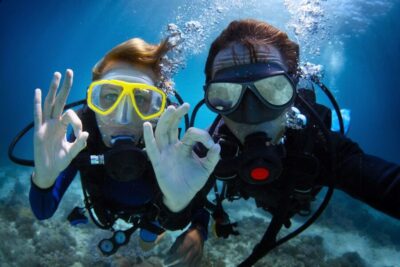
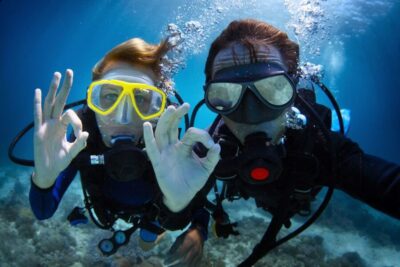
Tossa de Mar: PADI Discovery Scuba Diving in Costa Brava
Read our review →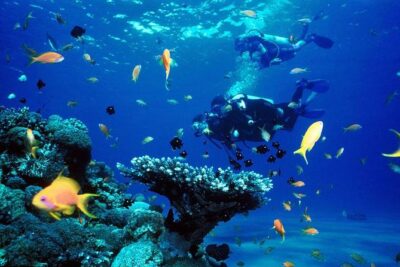
Full-Day Beginner Scuba Course with Private Tuition, Racha Yai
Read our review →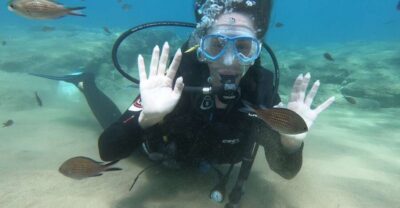
Heraklion: Beginner Scuba Diving Lesson with PADI Instructor
Read our review →
Discover Scuba Diving with No Certification in St Thomas
Read our review →
Try Dive – PADI Discover Scuba Diving in Tenerife
Read our review →
Browse the lists this dive appears in