
Reviewed · PADI COURSES & CERTIFICATION
PADI Scuba Diver (PSD)
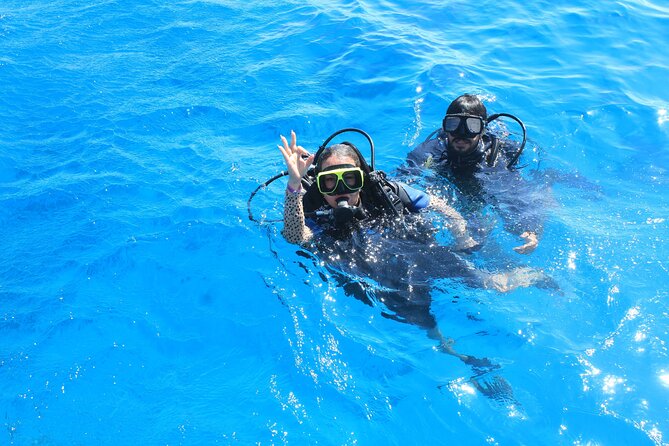
Sharm el Sheikh gives you a quick route into the Red Sea without committing to the longer Open Water program. With a PADI instructor, three confined-water sessions, three knowledge sessions, and two open-water descents, you learn the basics before exploring coral and fish at a maximum depth of 12 meters.
I like the small-step training plan, which is kinder to first-timers than being pushed straight into the sea. I also like the practical extras: hotel pickup, equipment, snacks, drinks, and access to a boat operated by Pyramids Diving Center. The main catch is that this is not the full Open Water certification, and the 12-meter limit means you’ll need a private guide for later guided trips.
Key points to know before booking
- Two-day PADI introduction: Expect classroom work, confined-water practice, and two open-water descents.
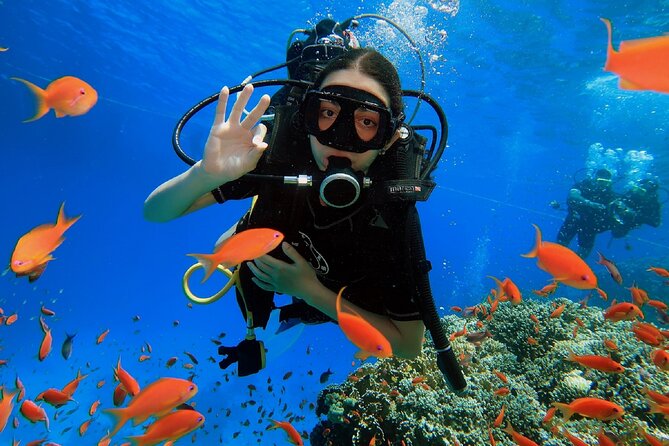
- Red Sea setting: Coral, Napoleon fish, stingrays, and large fish may appear at sites such as White Knight and Ras Muhammad.
- 12-meter depth limit: This is useful for beginners but does not provide the freedom of a full Open Water qualification.
- Helpful named instructors: Hani, Shams, Ahmed, Farid, Mena, Mustafa, Hamid, and Amr Kandel are among the instructors praised for calm guidance and clear explanations.
- Useful inclusions: Equipment, PADI instruction, return transfers, snacks, hot and cold drinks, and boat food are included.
- Plan around flights: You should not scuba within 24 hours of flying, and a health questionnaire is required before entering the water.
What the PADI Scuba Diver course really gives you
This experience is best understood as a compact PADI training route, not a casual try-it-once swim. You work through three knowledge development sessions, three confined-water sessions, and two open-water descents with an instructor.
That structure matters. You do not simply put on a tank and follow a guide. You learn what the equipment does, how to prepare it, and how to handle basic underwater techniques. The confined-water sessions give you a controlled place to get used to breathing through a regulator, managing your gear, and responding to instructions before you head out on the Red Sea.
The program is part of the PADI Open Water Diver course, but it is not the same qualification. The supplied information specifically notes that this experience does not provide the full Open Water certification. The manual and e-certificate are also not included in the listed price, so confirm exactly what certification paperwork you will receive before booking.
You can reach a maximum depth of 12 meters. That is a sensible limit for a beginner and still gives you plenty to see in Sharm el Sheikh. It also comes with an important restriction: if you continue with guided scuba trips after completing this course, you need a private guide.
More PADI Courses in Egypt
- PADI Open Water Diver Course
★ 5.0 · 626 reviews - Hurghada, Professionals Diving in Open Water Tour with Lunch
★ 4.3 · 80 reviews - Hurghada: 3-Day PADI Open Water Diving Course
★ 4.6 · 78 reviews
Your first morning, pickup and preparation
The stated start time is 8:00 am, with return transportation from your hotel included. Exact pickup timing can vary, so keep your phone available and be ready before the stated time. The transfer is a real convenience in Sharm el Sheikh, where arranging transport to a marina or training center can add both cost and stress.
Bring your current passport. You will need it on the day of the activity. You should also bring a towel, even though equipment is supplied.
Before any water work, you complete a health questionnaire. This is not a box-ticking form to rush through. Conditions such as asthma and heart problems can prevent you from scuba, and you should consult a doctor beforehand if you have any concern. The operator also says that scuba within 24 hours of flying is not recommended, so leave a full buffer before your departure flight.
The group can reach a maximum of 35 people. That is not a tiny private class, but the practical teaching usually happens under an instructor, where the quality of explanations and personal attention matters more than the total boat count. If you want a very private learning setup, ask about a private instructor before paying.
Confined-water training before the sea
The three confined-water sessions are the heart of the beginner-friendly design. They let you get comfortable with the strange parts of scuba in stages, rather than learning everything while dealing with waves, boat movement, and open water.
You should expect instruction on basic equipment and techniques. That includes understanding the tank and breathing system, using the equipment correctly, and following underwater procedures. The information does not list every individual exercise, so do not assume a particular skill package beyond the stated PADI training sessions.
A calm instructor makes a major difference here. Hani is praised for a professional, reassuring approach, while Shams is noted for clear help with every part of the course. Farid is repeatedly described as relaxed and careful when explaining what you need to know. Those qualities are especially useful if you feel nervous about breathing underwater.
You should tell the instructor early if you are anxious, inexperienced, or returning after a long break. The aim is not to prove bravery. It is to build enough control that you can pay attention to the reef instead of fighting your equipment.
Knowledge sessions that make the sea time safer
Three knowledge development sessions are included. These give you the basic theory behind scuba, rather than treating the Red Sea as an amusement ride.
For you, the value is practical. A little classroom preparation helps explain why depth limits matter, why flying soon after scuba is discouraged, and how equipment and underwater techniques work together. It also gives you a chance to ask questions before you are wearing a mask and tank.
The information does not state how long each session lasts or whether all lessons occur at the center, on the boat, or across both days. Expect the schedule to depend on instructor planning, weather, and the needs of the class.
That flexibility can be helpful, but you should not book this as a fixed sightseeing timetable. It is a training course with a Red Sea outing attached. Give yourself room around the two-day program.
Another way to get in the water in Egypt:
- Discover Scuba Diving
★ 5.0 · 1,676 reviews - Sharm El Sheikh: Ras Mohamed & White Island Dive & Snorkel
★ 4.9 · 1,280 reviews - Hurghada: Snorkeling 6 x 1 to Orange Bay w Diving & Massage
★ 4.9 · 1,266 reviews - Intro Diving 2 Stops For Beginners with Pick-up and Lunch – Hurghada
★ 5.0 · 1,146 reviews
Two open-water descents in the Red Sea
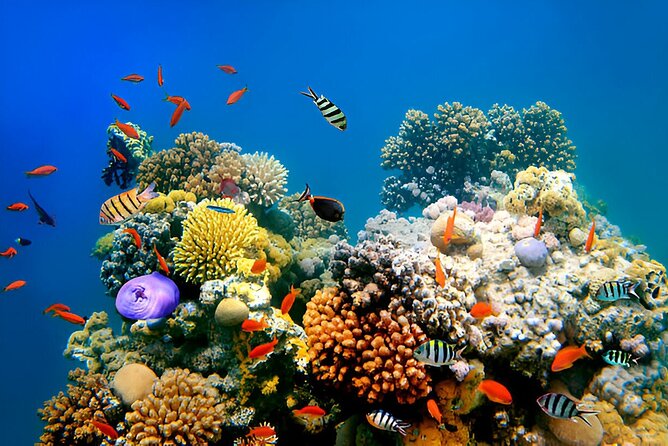
After the classroom and confined-water work, you complete two open-water descents with your PADI instructor. These are the moments when the training becomes a real Red Sea experience.
Sharm el Sheikh is known for coral and fish, and the supplied information points to sites including White Knight and Ras Muhammad as possible locations used by the center. Other underwater trips with the same team have featured house reef locations and boat sites. Your exact locations are not guaranteed, since weather and operational planning can change the route.
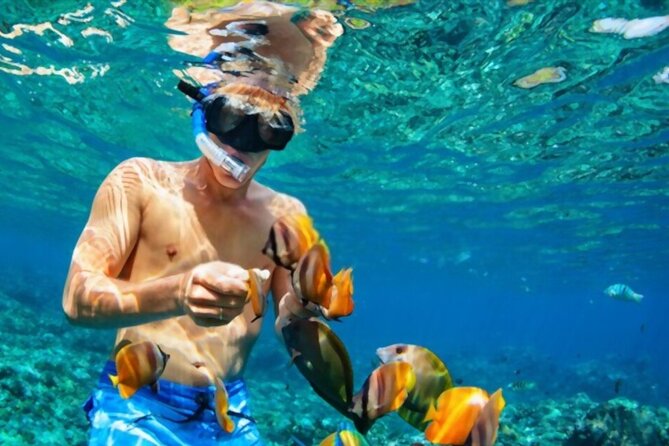
The marine life can be a strong part of the experience. Reported sightings include large Napoleon fish, stingrays, coral, and many other fish. Keep expectations sensible: wildlife is never scheduled like a museum exhibit, but the Red Sea setting gives you a genuine chance to see memorable species even within the 12-meter limit.
The open-water sessions are not simply about sightseeing. Your instructor continues to watch your technique, comfort, and safety. Hani, Mena, Mustafa, Hamid, Ahmed, Farid, and Amr Kandel are among the instructors associated with positive feedback for calm leadership, clear briefings, and patient support. Instructor assignments can change, so you should not book solely to secure one particular person unless the center confirms it.
The boat day, food and equipment
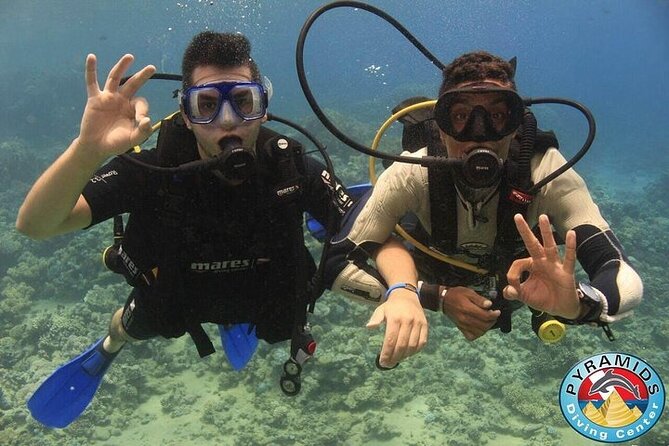
Pyramids Diving Center provides the necessary scuba equipment, so you do not need to travel with your own kit. Equipment quality matters more than flashy boat design, and the center has been praised for well-maintained gear.
The boat experience includes food, snacks, and hot and cold drinks. The course information lists a buffet lunch and soft drinks, while the inclusions list snacks and hot and cold beverages. That makes the day easier, especially when two water sessions and classroom work leave you hungry.
You should still bring water if you have a preferred brand, sun protection, and anything you personally need between sessions. Towels are specifically required. The listing does not promise a particular menu, cabin, or level of boat comfort, so treat the included meal as a practical bonus rather than a dining feature.
The boat may carry up to 35 people. For some people, that creates a social, organized day. For others, it may feel busy, especially around equipment preparation. If you prefer quiet, one-to-one attention, ask about group arrangements before booking.
What the $319.87 price represents
At $319.87 per person, this is not the cheapest way to look beneath the Red Sea. But you are paying for a structured PADI program over approximately two days, not only for a boat ride.
The price includes a PADI instructor, equipment, return hotel transfers, snacks, and drinks. It also includes the open-water portion, which is the part many first-timers are really seeking. Avoid comparing this price only with a basic introductory swim that lasts a few hours.
Several extra charges are excluded. National Park fees are not included. The PADI manual and e-certificate are also excluded, as are underwater DVDs and souvenir photos. Ask for the current costs of those items before the course begins, especially if you want formal learning materials or proof of completion.
The best value comes if you genuinely want structured training and may continue with scuba. If you only want a single brief underwater look, the two-day commitment may be more than you need. If you are already certified, this is not the right product for a refresher or advanced course.
Who should choose this, and who should not
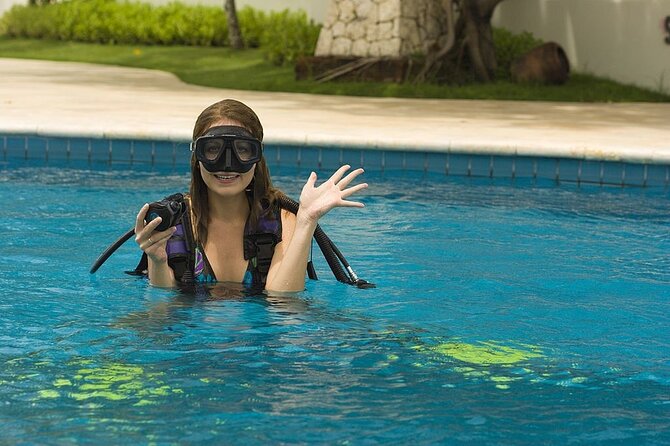
This course suits you if you are at least 10 years old, have about two days available, and want more preparation than a one-off introductory session. It also suits a vacationer who wants the Red Sea experience but does not have enough time for the complete Open Water program.
It is particularly useful for nervous beginners. The confined-water work, classroom sessions, and instructor supervision give you several chances to ask questions and settle into the equipment.
You should think twice if you need full Open Water certification immediately. The 12-meter limit and private-guide requirement for later guided outings may not fit your plans. You should also reconsider if you are flying within 24 hours, have a medical condition that may affect scuba, or do not want to complete a health questionnaire.
The center is near public transportation, but hotel transfers are already included. Most people can participate, though the minimum age is 10 and medical suitability still matters.
Practical booking advice for a smoother course
Book only when you can protect the full two-day window. Weather can affect the activity, and the operator may offer another date or a full refund if poor weather causes cancellation. Otherwise, the booking is non-refundable and cannot be changed, so choose your dates carefully.
Bring your passport and towel, and wear practical holiday clothes for transport and boat time. Keep your schedule free after the course on any day involving scuba, especially if you have a flight coming up.
At the start, ask four clear questions:
- What paperwork or certification will I receive?
- What are the current National Park fees?
- Is the PADI manual included separately or available for purchase?
- Which instructor and sites are planned for my group?
Those questions prevent the most common misunderstandings. The course details make clear that equipment and instruction are included, but they do not say that every certification material or extra fee is covered.
Should you book this Red Sea experience?
Book it if you want a serious first step into scuba, appreciate patient instruction, and can spare two days in Sharm el Sheikh. The combination of confined-water practice, classroom preparation, two open-water descents, hotel transfers, and equipment gives you more substance than a quick tourist swim.
I would be cautious if you want full Open Water freedom, dislike group boat days, or need a flexible booking. The price is fair for a structured PADI course with transport and food, but you must budget for park fees, learning materials, and optional photos.
For a first taste of the Red Sea under supervision, this is a sensible choice. Go in knowing the exact qualification, depth limit, extra costs, and flight rules, and you’ll have a much better experience.
FAQ
How long does the PADI Scuba Diver experience last?
The experience lasts approximately two days. It includes three confined-water sessions, three knowledge development sessions, and two open-water descents.
What is the maximum depth?
The maximum depth is 12 meters. If you plan to take guided scuba trips after completing the course, a private guide is required.
Is this the full PADI Open Water certification?
No. The PADI Scuba Diver program is part of the PADI Open Water Diver course, but this experience is not the full Open Water certification.
What is included in the price?
The price includes a PADI instructor, scuba equipment, return transfers, snacks, and hot and cold drinks. A buffet lunch and soft drinks are also described as provided during the boat day.
What costs extra?
National Park fees, the PADI manual and e-certificate, underwater DVDs, and souvenir photos are not included. The manual, e-certificate, DVD, and photos may be available to purchase.
What should I bring?
Bring your current valid passport and a towel. You should also complete the required health questionnaire before scuba.
Can I scuba shortly before flying?
Scuba within 24 hours of flying is not recommended. Plan your course so you have more than 24 hours between your final underwater session and your flight.
Newest dives added in Egypt
- Sharm El Sheikh: Ras Mohamed, White Island, Snorkel and Diving★ 5.0 · 47 reviews
- Diving And Snorkeling To Ras Mohamed And White Island By VIP Boat★ 4.5 · 47 reviews
- Course for Padi OW in Red Sea and Sinai★ 5.0 · 38 reviews
- Hurghada: 3-Day PADI Open Water Diving Course★ 4.6 · 78 reviews
- PADI Advanced Diving Course in Hurghada – Learn Scuba Diving★ 5.0 · 63 reviews
- Hurghada, Professionals Diving in Open Water Tour with Lunch★ 4.3 · 80 reviews
- Safe Try dive-Personal instructor, 1:1 experience, Top boat★ 5.0 · 77 reviews
- Discover Scuba Diving Sharm El Sheikh★ 4.5 · 92 reviews
PADI Courses & Certification, compared.
Tossa de Mar: PADI Discovery Scuba Diving in Costa Brava
Read our review →
Full-Day Beginner Scuba Course with Private Tuition, Racha Yai
Read our review →
Heraklion: Beginner Scuba Diving Lesson with PADI Instructor
Read our review →
Discover Scuba Diving with No Certification in St Thomas
Read our review →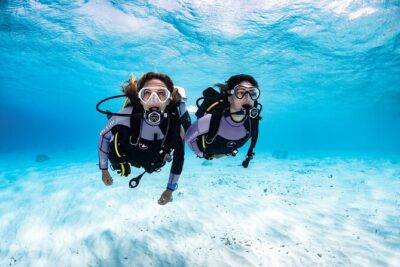
Try Dive – PADI Discover Scuba Diving in Tenerife
Read our review →
Browse the lists this dive appears in