
Reviewed · PADI COURSES & CERTIFICATION
PADI Open Water Diver Course (OWD) – 2.5 days
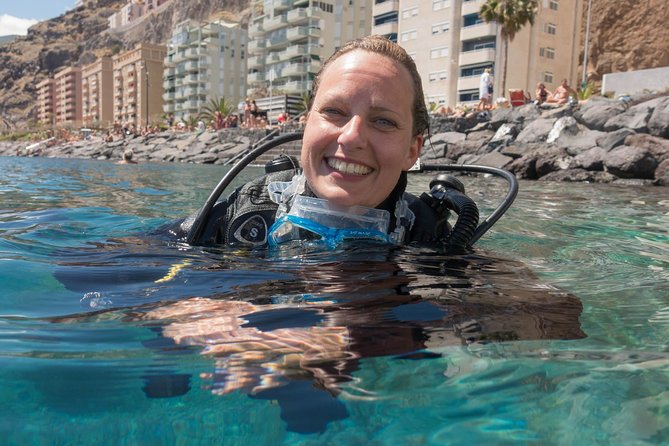
Tenerife’s underwater world makes a fine classroom, with octopus, cuttlefish, trumpet fish, barracuda, starfish, and schools of fish appearing even during early practice sessions. I like the small maximum group of eight and the fact that you work toward a globally recognized PADI qualification rather than taking a one-off tourist outing.
I also like that gear and study materials are included, and that instructors such as Cedric, Sergio, Marc, Paulina, and Saskia have earned praise for patient explanations and careful supervision. The main drawback is the pace: theory and water practice are packed into roughly two and a half days, with one course participant finding the late lunch break tiring.
Key points to know before booking
- Radazul is your base: Meet at Scubanana Dive Center in Puerto Deportivo, Av. Colón, nº1.
- No previous scuba experience is needed: The course begins with the basics and builds toward certification.
- You need to be at least 10: Adequate swimming ability and good physical health are also required.
- The group is capped at eight people: That can make it easier to get personal help during exercises.
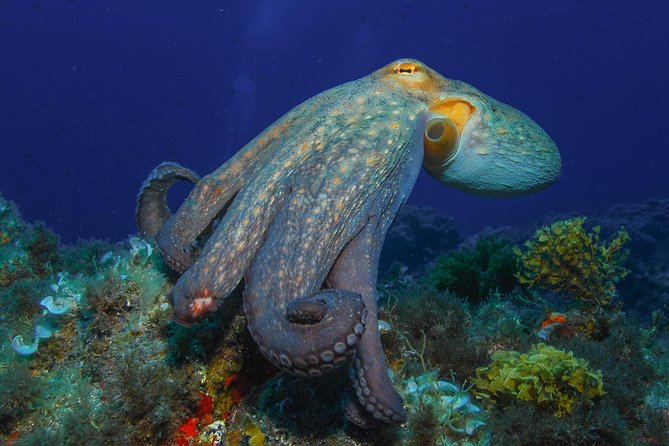
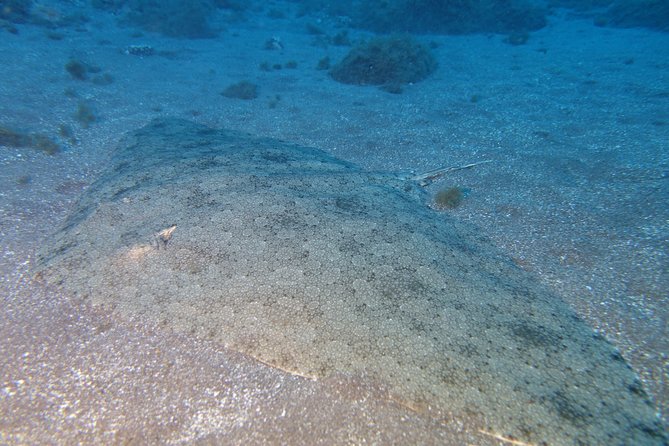
- Tenerife provides lively marine encounters: Expect the possibility of octopus, cuttlefish, trumpet fish, barracuda, starfish, and other local species.
- Plan your flights carefully: You should not scuba dive within 12 hours before flying.
A PADI qualification, not just a holiday introduction
This course is for you if you want to come home with a real scuba qualification. PADI Open Water is one of the best-known certification courses in the world, so it gives you a useful starting point for future recreational scuba trips.
That makes the price easier to understand. At $724.41 per person, this costs far more than a short try-out session, but you are paying for a structured qualification, instructor-led practice, equipment, and learning materials. The value depends on your goal. If you only want to breathe underwater once, this is probably too much. If you want the freedom to book future certified dives, the price is more defensible.
You do not need prior scuba experience. The course is designed to take you from uncertainty with the equipment to controlled underwater skills. That said, it is not a passive sightseeing tour. You will need to listen, study, practice, repeat exercises, and remain calm in the water.
The age limit is 10 for the PADI Open Water Diver course, with a Junior Open Water Diver option also noted for younger participants who meet the requirements. You need adequate swimming skills and good physical health. If you are unsure about your medical fitness, check with a doctor before booking.
More PADI Courses in Spain
- Try Dive – PADI Discover Scuba Diving in Tenerife
★ 5.0 · 214 reviews - PADI Discover Scuba Diving Course in Tenerife
★ 4.8 · 64 reviews - Basic Diver course for beginners with 1 dive in the Ocean
★ 5.0 · 41 reviews
Meeting Scubanana in Radazul
Your starting point is Scubanana Dive Center at Puerto Deportivo, Av. Colón, nº1, in Radazul, Santa Cruz de Tenerife. The activity ends back at this meeting point, and the location is near public transportation.
The setting is practical rather than grand. You arrive at a working scuba center, meet the staff, and prepare for a course that mixes classroom learning with water work. The shop has been described as clean and pleasant, which matters when you are handling masks, suits, tanks, and other gear for the first time.
The maximum group size is eight. That is not a private lesson, but it is small enough to give the instructors a reasonable chance to watch your technique. For a beginner, this is important. Small corrections in breathing, buoyancy, mask use, and equipment handling can make the difference between feeling rattled and feeling in control.
The advertised language is English. Individual instructors may speak other languages, but you should expect the course to be available in English rather than assuming a different language can be arranged.
How the two-and-a-half-day schedule works
The experience is described as lasting about 2 days and 3 hours, while the promotional wording also calls it a three-day course. The practical point is that you should keep roughly two and a half to three days free and confirm the exact timetable with Scubanana before booking flights or other activities.
The course alternates theory and practice. You learn how the equipment works, review basic scuba physics and safety, and then apply that information in the water. Instructors explain an exercise on the surface before showing you what to do underwater.
This repeating pattern is useful. You do not have to absorb every concept at once, then hope it makes sense later. You learn a skill, try it, receive help, and repeat it until you can perform it satisfactorily.
The pace can feel intense. One participant described the schedule as theory and practice alternating at breakneck speed. That is a fair warning for anyone expecting a relaxed beach holiday activity. You may be concentrating hard for much of the day, especially if you are still getting used to the mask, breathing system, and weight of the equipment.
Lunch timing may also require patience. A late lunch around 3 p.m. was considered inconvenient by one participant. Bring that possibility into your planning, particularly if you are traveling with a child or know you become tired when meals are delayed.
The first water skills and building confidence
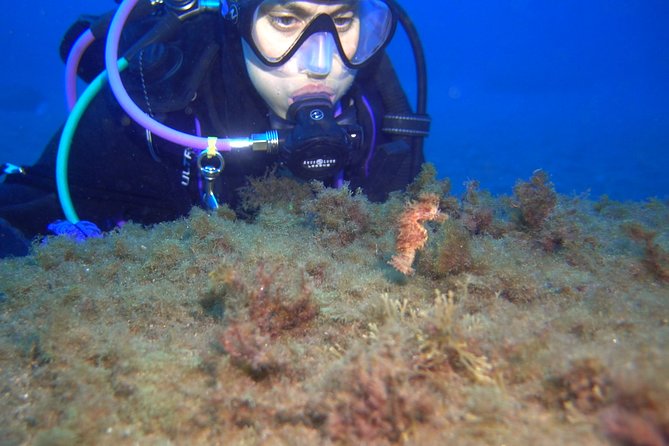
For many beginners, the hardest part is psychological, not technical. Breathing underwater feels unnatural at first. Removing a mask underwater, changing the way you breathe, and responding to a problem with the equipment can sound alarming when you have never done it.
That is where the teaching style matters. Instructors Cedric and Sergio have been praised for remaining calm and repeating exercises until each student was ready. Marc has also been singled out for clear explanations and for creating a strong sense of safety. Paulina and Saskia were praised for patient, detailed instruction and for giving students time to settle in.
Those names do not guarantee who will teach your group, since staff assignments can change. They do show the type of instruction you should expect from this center: clear briefings on the surface, careful demonstrations underwater, and support when a skill takes more than one attempt.
Do not rush yourself. If you need an exercise explained again, ask. The aim is not to finish first. It is to understand what you are doing well enough to respond without panic.
The course also gives you a chance to learn in a real sea setting rather than only in a pool. That makes the experience more memorable, but it can also add distractions such as marine life, changing visibility, and the natural movement of the water. Your instructor remains responsible for guiding the session, while you remain responsible for following directions and communicating clearly.
Another way to get in the water in Tenerife:
- Tenerife: Your First Scuba Diving Experience in Turtle Area
★ 4.7 · 1,679 reviews - Tenerife: Beginner’s Dive at a Spot with Turtle Sightings
★ 4.7 · 627 reviews - Tenerife First Time Scuba Dive – Turtle Habitat, Small Groups
★ 4.5 · 456 reviews - Tenerife: Beginner Scuba Dive Experience
★ 4.8 · 238 reviews
Radazul’s marine life adds more than scenery
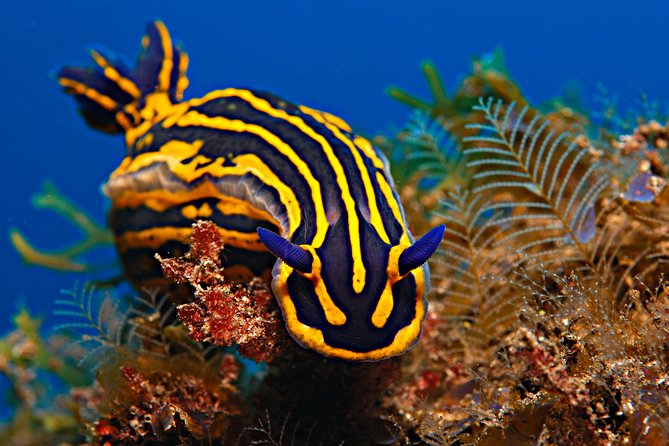
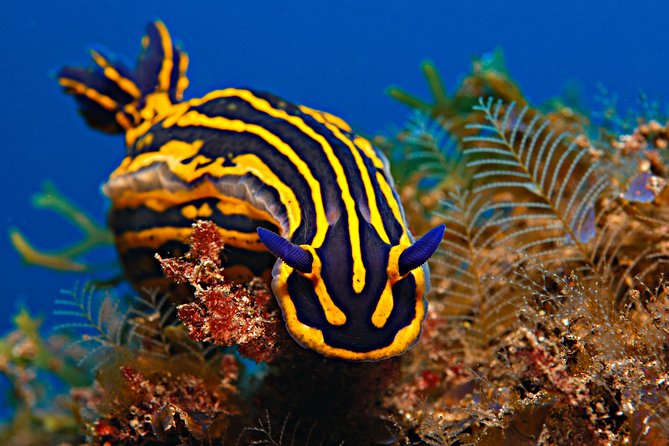
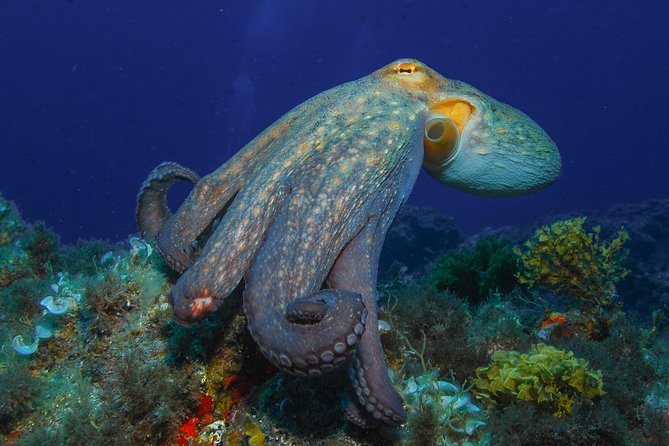
The local beach and nearby underwater sites are a strong part of the experience. Even while practicing basic skills, you might see octopus, cuttlefish, trumpet fish, starfish, dorada, barracuda, and colorful schools of fish.
The marine life is not merely a bonus at the end of the course. It can help you stay interested during the less glamorous parts, such as adjusting equipment or repeating a mask exercise. One participant described seeing an octopus with a head roughly the size of a basketball, while another saw schools of fish circling overhead.
You should keep expectations sensible. Wildlife is unpredictable, and no specific animal sighting is guaranteed. Still, the range of creatures reported around the training sites suggests that Tenerife offers more than an empty practice area.
The progression between sessions also matters. Early work may focus on exercises close to shore, while later sessions can let you move farther from the initial practice area as your confidence grows. That gives you a visible sense of progress: first you are concentrating on your breathing and equipment, then you have more attention available for the world around you.
Safety is the course’s strongest feature
The most important benefit here is not the fish. It is the feeling that you are being watched and supported while learning a demanding new skill.
The instructors have been praised for putting safety first, explaining procedures clearly, and adjusting their support to individual needs. That is exactly what you want in a beginner course. A relaxed atmosphere is welcome, but it should never replace careful instruction.
You also need to take personal responsibility. You must be physically fit enough for the activity, have adequate swimming skills, and tell the operator if you have health concerns. If you are uncertain, seek medical advice before the course rather than hoping the issue will not matter once you arrive.
Flight planning is another safety detail. You should not scuba dive within 12 hours before a flight. If you are leaving Tenerife soon after the course, leave enough time between your final session and your departure.
The course is near public transportation, but no transfer service is specified. Plan your own route to Radazul and allow time to arrive at the Puerto Deportivo without rushing.
What the price includes, and what it does not promise
The $724.41 price includes diving gear and learning materials, which removes two major extra costs from your planning. You are not expected to arrive with a full personal equipment setup or buy a separate course manual before beginning.
It also includes instruction toward a PADI qualification, rather than simply renting equipment for a guided underwater outing. That certification is the main reason to choose this course over a cheaper introductory experience.
The price does not mean the schedule will feel luxurious. This is a hands-on training course, and you will likely spend considerable time listening, preparing, practicing, and repeating. The reward is a skill you can continue using, not a leisurely day at the beach.
The eight-person maximum improves the value. A large group could make a first course feel impersonal, while a smaller group gives you a better chance to ask questions and receive corrections. It is worth confirming the final group size and schedule when booking, since the maximum is not a promise that every session will be full or private.
Who will enjoy this course most
This course suits you if you have always wanted to scuba dive but never took the step. You do not need experience, and the course starts with basic instruction rather than assuming you already understand the equipment.
It is also a good match for a confident swimmer who wants a formal qualification. A couple or family group may appreciate having a shared challenge, although every participant still needs to meet the health and swimming requirements.
You should think twice if you want a quick, low-effort holiday activity. The course is intense, takes several days, and requires concentration. It may also be a poor fit if you are not comfortable with the physical demands of wearing equipment, being underwater, and practicing safety skills.
The experience can work well for someone traveling with an experienced scuba partner. One newly certified participant arranged a first underwater proposal with an experienced fiancée, and the staff helped film it. That kind of personal touch may be possible, but it should be arranged directly with the center rather than assumed.
Booking details worth checking
Confirmation is provided at booking, and the experience is offered with a mobile ticket. Bring the ticket on your phone and arrive at the listed Scubanana meeting point.
Free cancellation is available if you cancel at least 24 hours before the local start time. Cancellations made inside that window are not refunded, and late changes are not accepted.
Because the course requires several days and has a flight restriction afterward, I would sort out your full Tenerife schedule before booking. Do not place the final session immediately before an airport departure.
Is the PADI Open Water course worth booking?
I would book this course if you want a lasting qualification and are ready to give the training roughly two and a half days of focused time. The included gear, course materials, small maximum group, and strong emphasis on patient instruction make the $724.41 price reasonable for a full beginner certification.
I would not book it simply to fill an afternoon. Choose a shorter introductory activity instead if you are unsure about scuba or do not want theory and repeated skills practice.
For the right person, Scubanana offers a useful combination: careful instruction at a manageable group size, a real Tenerife sea setting, and plenty of chances to see marine life while you learn. Confirm the exact timetable, check your health and flight plans, then arrive ready to take the first session slowly.
FAQ
Where does the course begin?
The course begins at Scubanana Dive Center, Puerto Deportivo, Av. Colón, nº1, 38109 Radazul, Santa Cruz de Tenerife, Spain.
Where does the activity end?
The activity ends back at the Scubanana Dive Center meeting point.
How long does the course last?
The listed duration is approximately 2 days and 3 hours. The course is also described as a three-day experience, so confirm the exact schedule with the center.
Do I need previous scuba experience?
No. Prior scuba experience is not required.
What is the minimum age?
You must be at least 10 years old for the PADI Open Water Diver course. A Junior Open Water Diver course is also mentioned.
What fitness requirements apply?
You need adequate swimming skills and good physical health. If you are unsure whether you are fit to scuba dive, check with a doctor before booking.
Is equipment included?
Yes. Diving gear and learning materials are included.
What language is offered?
The course is offered in English.
How far in advance can I cancel for a full refund?
You can cancel at least 24 hours before the experience start time for a full refund. Cancellations or changes made less than 24 hours before the start time are not accepted for a refund.
More PADI Courses in Tenerife
- Barcelona: PADI Discover Scuba Diving
★ 4.7 · 1,016 reviews - PADI Open Water Diver Course
★ 5.0 · 626 reviews - Tossa de Mar: PADI Discovery Scuba Diving in Costa Brava
★ 4.7 · 392 reviews - Full-Day Beginner Scuba Course with Private Tuition, Racha Yai
★ 5.0 · 368 reviews
Newest dives added in Tenerife
- Tenerife: Costa Adeje Private Diving Lesson Experience★ 4.9 · 47 reviews
- Tenerife: Private Scuba Diving–Certified Instructor & Photos★ 4.9 · 65 reviews
- Tenerife: 2-Dive Private Scuba Discovery Course★ 4.3 · 22 reviews
- PADI Discover Scuba Diving Course in Tenerife★ 4.8 · 64 reviews
- Basic Diver course for beginners with 1 dive in the Ocean★ 5.0 · 41 reviews
- Try Scuba Diving in a turtle area (boat)★ 5.0 · 93 reviews
- TRY SCUBA DIVING with a Dedicated Instructor★ 5.0 · 104 reviews
- Private Scuba Diving in Tenerife – Certified Instructor & Photos★ 5.0 · 103 reviews
PADI Courses & Certification, compared.
Tossa de Mar: PADI Discovery Scuba Diving in Costa Brava
Read our review →
Full-Day Beginner Scuba Course with Private Tuition, Racha Yai
Read our review →
Heraklion: Beginner Scuba Diving Lesson with PADI Instructor
Read our review →
Discover Scuba Diving with No Certification in St Thomas
Read our review →
Try Dive – PADI Discover Scuba Diving in Tenerife
Read our review →
Browse the lists this dive appears in