
Reviewed · SHORE DIVES
Guided Shore Dive Tour for Certified Divers
Goat Island Marine Reserve gives you a rare chance to see a protected New Zealand sea environment from the water, not just from the shore. Within minutes of entering the bay, you may be among kelp forests, curious snapper, stingrays, crayfish, and schools of parore and kahawai. The area is New Zealand’s first marine reserve, so this is a strong choice if you want marine life rather than a quick equipment lesson.
I like the small groups of no more than six, since a divemaster can keep a close eye on the group and point out animals you might miss. I also like that the price includes a full set of equipment, from wetsuit and hood to tank, regulator, fins, and buoyancy vest.
The main consideration is that this is strictly for certified scuba divers with recent experience. You must have dived within the last 18 months, bring proof of certification and your log, and be at least 16. Weather can also change plans at short notice.
Key details before you book
- Explore New Zealand’s first marine reserve: Goat Island protects a busy underwater community of kelp, fish, rays, crayfish, and invertebrates.
- Start at the shore: You collect equipment at the center, then drive your own vehicle about 3 kilometers to the reserve.
- Visit several named underwater areas: ABC Bay, Shag Rock, Waterfall Reef, the Caves, Yellow Sponge Garden, and Eagle Ray Flats each offer a different setting.
- Bring recognized certification: SSI, PADI, NAUI, BSAC, SDI, and CMAS qualifications are accepted, with Scuba Diver or Open Water as the minimum.
- Expect a four-hour outing: The schedule includes equipment fitting, transport, orientation, safety instruction, and time underwater.
- Pay for guidance, not just gear: At $134 per person, the value comes from the professional escort, local site knowledge, equipment, and small group size.
Why Goat Island is a special place to see underwater
Goat Island Marine Reserve is New Zealand’s first marine reserve, and that matters once you are below the surface. Fishing is not allowed in the reserve, which helps explain the abundance of fish and the confidence of animals living around the rocky shoreline.
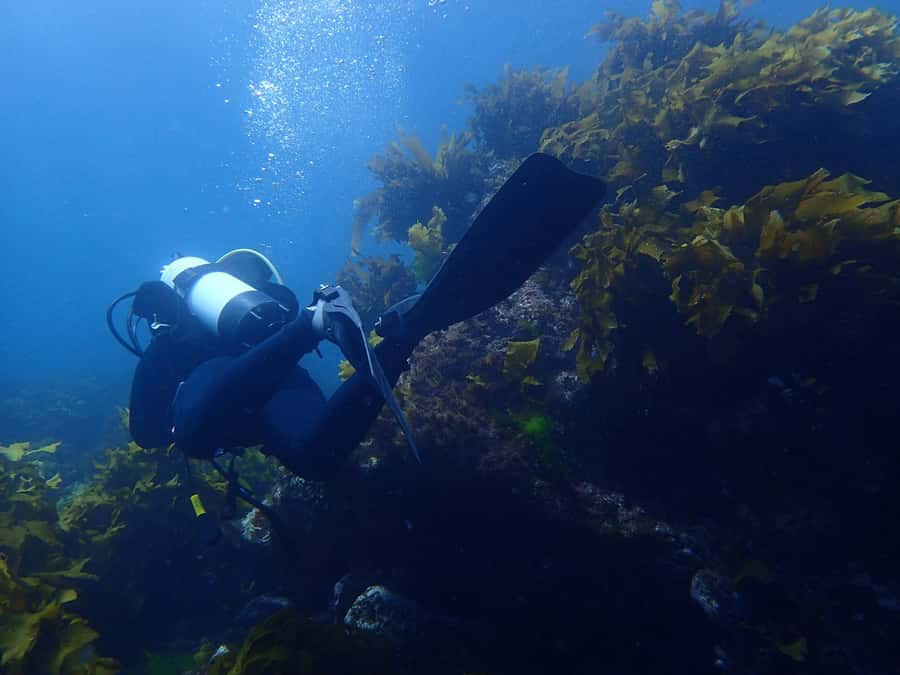
You are not simply looking at one sandy bay. The route can include kelp forests, cliff edges, rock walls, crevices, caves, sand flats, and current-fed areas. Each setting attracts different creatures, so the scenery changes as you move around the reserve.
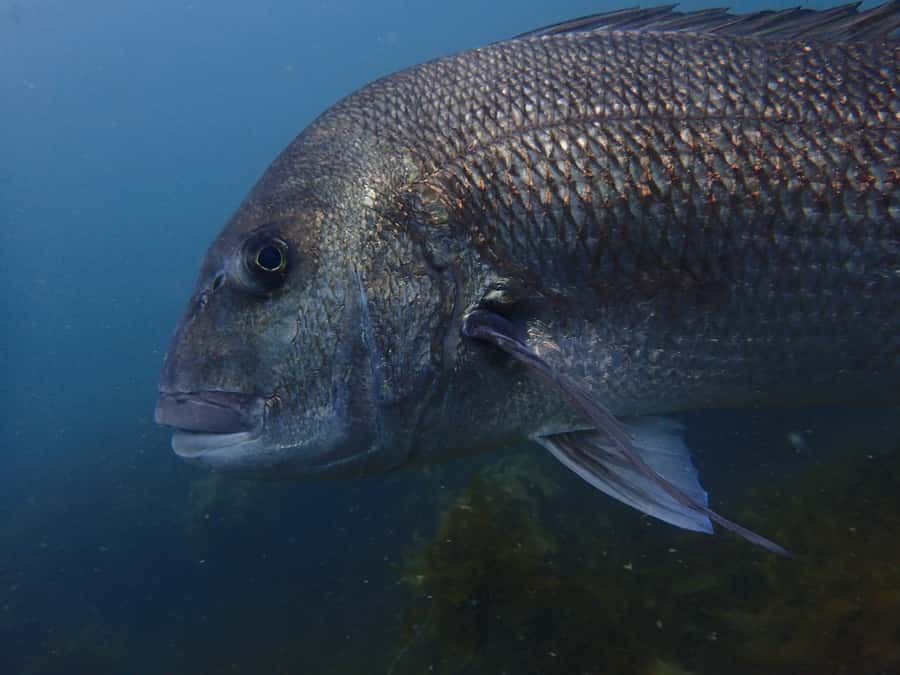
The fish are a major reason to choose this outing. You might see large snapper cruising close by, red moki resting near rock, goatfish working over the bottom, and schools of parore, kahawai, sweep, silver drummer, and trevally moving through the water.
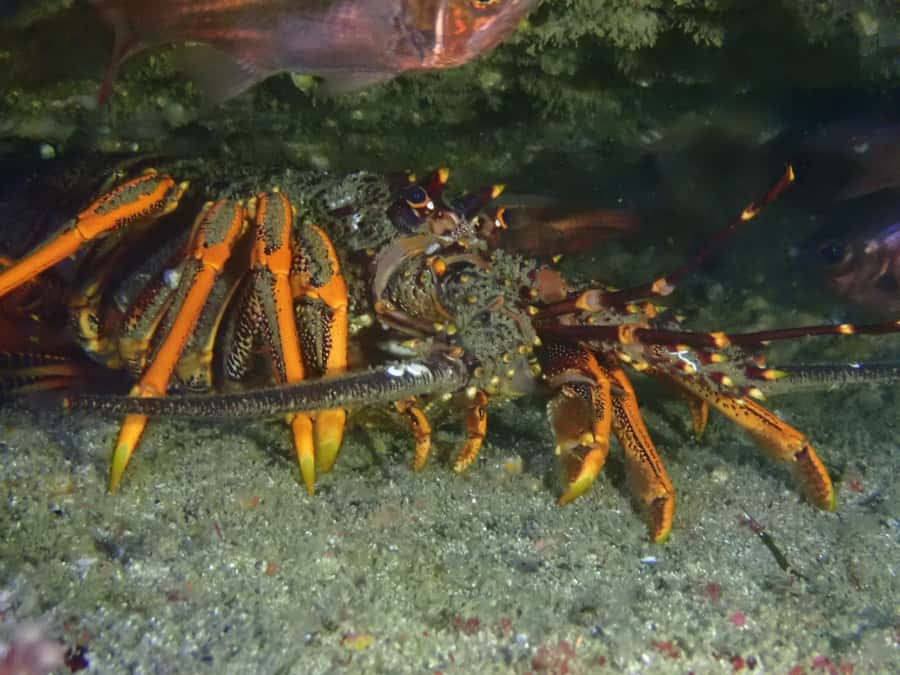
There is also plenty for anyone who enjoys smaller marine life. Anemones, nudibranchs, sponges, triple fins, octopuses, and crayfish may reward a slow look into cracks and sheltered corners. I would not treat this as a guaranteed wildlife checklist, but the range of habitats gives you plenty to search.
More Shore Dives in the world
- South Maui Shore Dive
★ 5.0 · 147 reviews - Guided Shore Dive for Certified Divers with Scubaçao (2 tank)
★ 5.0 · 128 reviews - Introduction Shore Dive with Scubaçao (1 dive)
★ 5.0 · 108 reviews
What happens before you enter the water
Your four-hour outing begins at the Goat Island center, where you are fitted with the equipment. You will receive a wetsuit, and the available sizes include 7.5 millimeter and 3 millimeter options, along with a vest and hood.
The center also supplies a mask, snorkel, fins with booties, buoyancy control device, regulator, and tank. The equipment is washed after each use. You still need to bring swimwear, a towel, water, your certification, and your dive log.
After fitting, you drive your own vehicle around 3 kilometers to Goat Island Marine Reserve. That detail is easy to overlook when planning your day. You are not being collected from the center, so make sure your transport arrangements are sorted before the scheduled start time.
At the reserve, your divemaster provides an orientation to Goat Island and the marine life you may encounter. A full safety briefing follows before you head into the water. This is useful even if you are an experienced certified diver, since local conditions, entry points, currents, and protected wildlife all deserve attention.
The guides are certified professional divers who work around the Leigh Coast and local marine reserves. No individual guide names are provided, but the important point is that your escort is assigned to the group and is there to manage safety as well as show you the area.
ABC Bay and the first look at Goat Island’s marine life
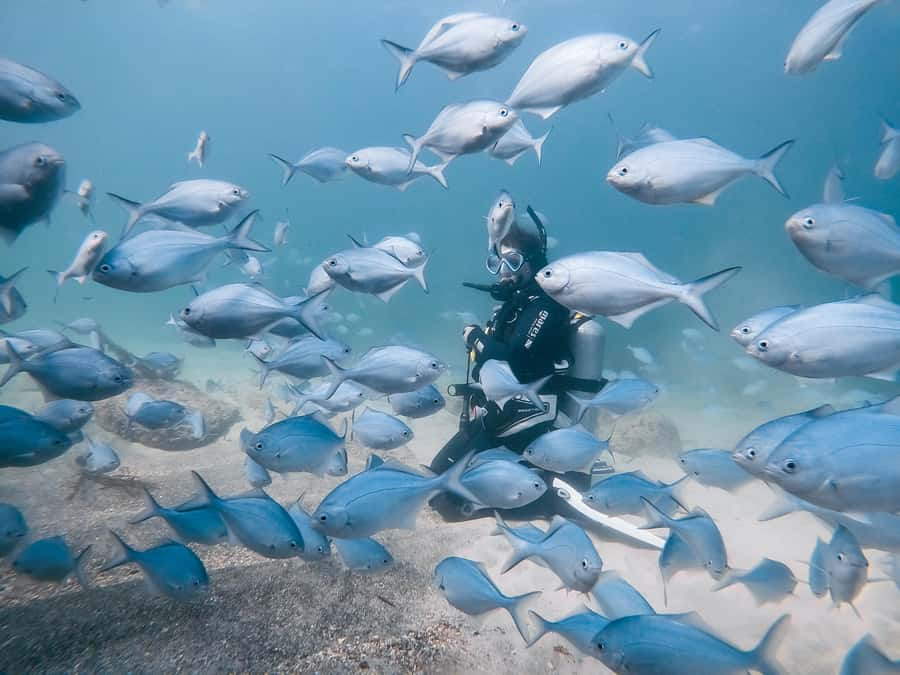
ABC Bay is described as an area where you can see stingrays and blue maomao among kelp forests and along cliff sides. It offers a good introduction to the character of Goat Island because several types of habitat sit close together.
The kelp is not just scenery. It creates shelter for fish and gives the bay a changing texture as you move past it. Along the cliffs, you may find animals using the rock for cover, while rays are more likely to draw your attention across open sandy sections.
Blue maomao add flashes of color and movement, while stingrays bring a slower, more watchful presence. You should keep your hands to yourself and avoid touching any marine life. That rule protects the animals and keeps your attention where it belongs, on careful observation.
Shag Rock and Waterfall Reef
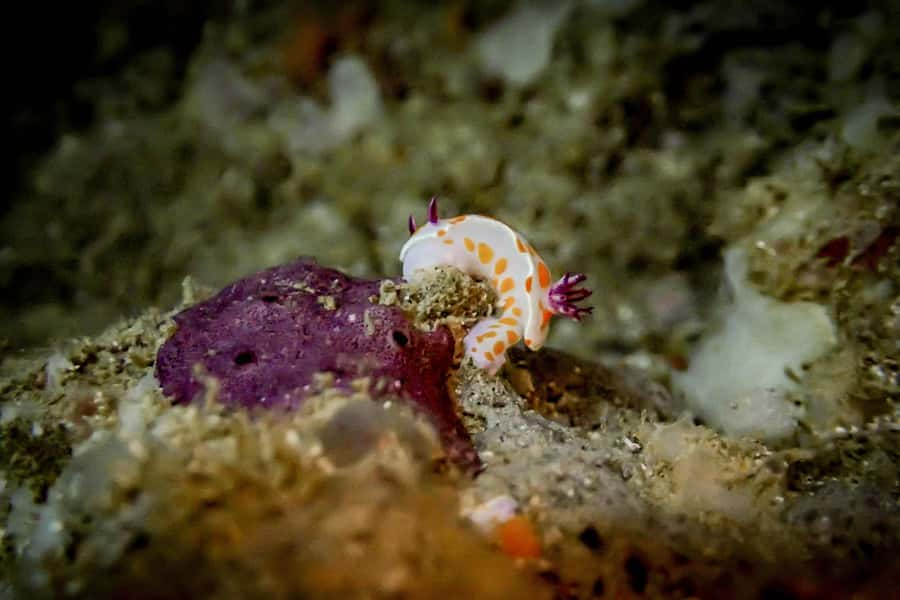
Shag Rock is a large, isolated rock surrounded by kelp. Its shape makes it a natural gathering point for fish, and it is one of the places where the reserve’s protected status becomes especially clear.
Rock outcrops provide shelter, feeding areas, and edges where currents bring food. Fish often make these spots worth a slower circuit, so you may get more from Shag Rock by taking your time rather than racing onward.
Waterfall Reef lies on the southern side of the channel. The focus here is schools of fish and crayfish. If you enjoy watching group movement, this area may be one of the livelier parts of the route, while the crayfish give you a reason to examine the reef rather than only looking into open water.
The exact order of sites can depend on conditions. This is a weather-dependent activity, and conditions around the region can change regularly. A flexible plan is a sensible part of visiting a marine reserve.
More Dives for Certified Divers in the world
- Two-Tank Morning Dive Trip for Certified Divers
★ 5.0 · 602 reviews - 2 Tank Lanai Cathedral Scuba Dive Via Boat for Certified Divers
★ 5.0 · 548 reviews - Wreck and Bridge Span Dive for Certified Divers
★ 5.0 · 521 reviews - Two-Tank Dive for Certified Diving in St Thomas
★ 5.0 · 456 reviews
The Caves and Yellow Sponge Garden
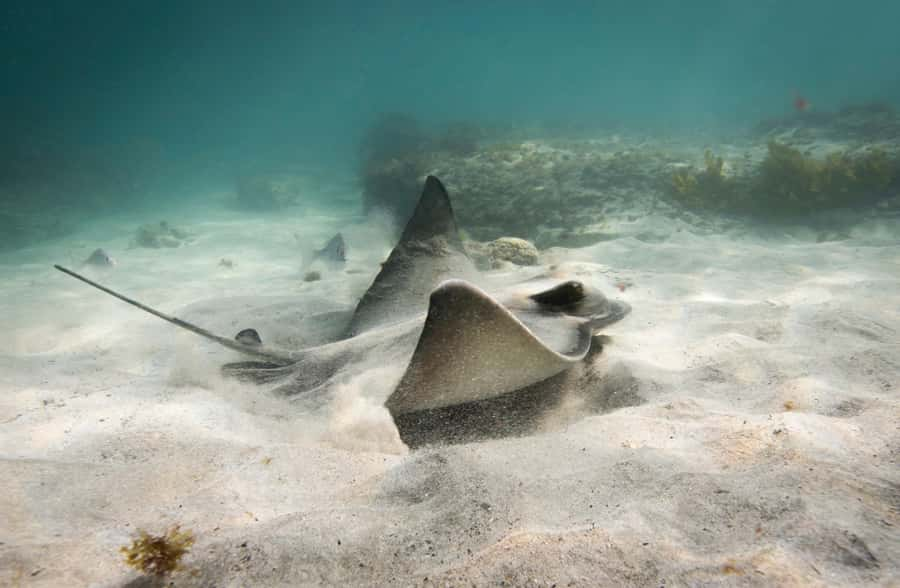
The Caves are aimed at people who enjoy small subjects and close observation. Anemones, nudibranchs, and sponges live among the sheltered surfaces, making this section especially appealing if you like macro marine life.
You will need patience here. Large animals may grab attention, but the best finds can be tiny and easy to overlook. A guide can help you notice what is attached to the rock or moving slowly across it.
Yellow Sponge Garden takes you through large crevices covered in kelp. These openings may shelter crayfish, bigeye, and tiny triple fins. It is the kind of setting where your mask should keep moving slowly from the bottom to the walls and into darker gaps.
This part also shows why a small group is useful. With no more than six participants, the divemaster has a better chance of directing attention to small animals without turning the stop into a crowded line. You still need to follow the group and avoid blocking narrow areas.
Eagle Ray Flats and the bigger animals
Eagle Ray Flats brings a different view of the reserve. Eagle rays may rest on the sand, while schools of fish gather and feed in currents. Snapper are also known for cruising through the area, often close enough to make them a memorable part of the outing.
This is a good place to watch animal behavior rather than simply count species. Rays may lie quietly on the sand, fish may hold in moving water, and snapper may approach with the curiosity that makes them such a favorite around Goat Island.
The reserve can also produce larger surprises. Dolphins, seals, and orcas are possible sightings, but they are not promised. I would book this tour for the established marine life and varied habitats, treating any larger animal as a bonus rather than part of the basic value.
What the $134 price includes
The cost is $134 per person. That is not the price of a simple tank rental or an unguided swim. It includes the professional divemaster, equipment fitting, full scuba gear, a tank, a safety briefing, and a guided outing in a protected marine area.
The equipment package is substantial. You do not need to pack your own wetsuit, hood, mask, snorkel, fins, booties, buoyancy device, or regulator. For visitors who are touring New Zealand and do not want to carry a complete kit, that convenience has real value.
The guide adds another layer of value. Goat Island has several different underwater areas, and a local professional can help you spend your time looking at the right rock, crevice, kelp edge, or sandy patch. That is more useful than simply entering the water and hoping to find the animals yourself.
The price does not include food, drinks, or towels. Bring water and a towel, and plan your food separately. Because you drive from the center to the reserve in your own vehicle, you should also account for your own transport arrangements.
For a certified diver already equipped for the sport, $134 may feel less attractive than using personal gear independently. For a visitor who needs the full kit and wants a guide in a protected reserve, the price is easier to justify.
Who should book this outing
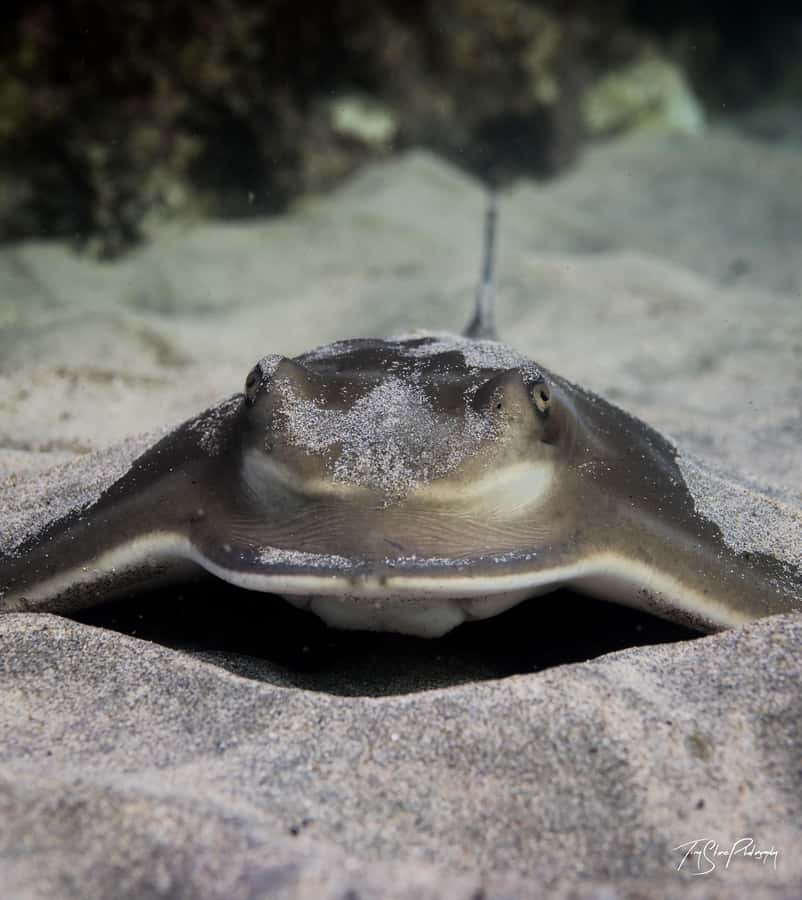
This tour is best for certified scuba divers aged 16 or older who have been in the water within the past 18 months. You need certification from a recognized agency such as PADI, SSI, NAUI, BSAC, SDI, or CMAS, with Scuba Diver or Open Water as the minimum level listed.
Bring proof of certification and your log. Do not assume a verbal explanation will be enough, since the center specifically requires evidence of your qualification.
You should also be comfortable taking part in a guided group activity. The group is limited to six, but you will still need to follow the divemaster, listen to the safety briefing, and avoid touching animals.
This is not suitable for children under 16, people without experience, uncertified divers, or people with pre-existing medical conditions. If any of those conditions apply, this is the wrong activity to book.
Practical points that can shape your day
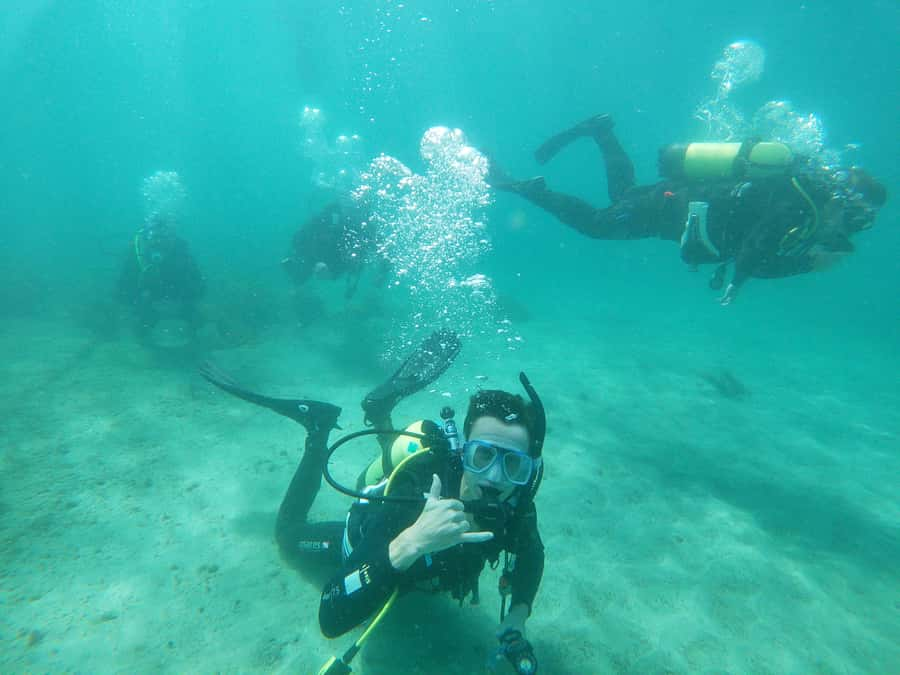
Plan on four hours from the scheduled start. That time includes fitting, the short drive to the reserve, local orientation, the safety briefing, and the underwater outing. Avoid booking another fixed activity immediately afterward.
Arrive at the Goat Island center at the scheduled start time. The fitting process is part of the program, and arriving late could make the rest of the small group wait.
Wear swimwear under the wetsuit and bring your own towel and water. Food and drinks are not included, so prepare anything you want before or after the outing.
Do not bring alcohol or drugs, and do not touch marine life. These are simple rules, but they matter in a protected reserve and help keep the outing safe for you, your group, and the animals.
Weather is the largest factor outside your control. If conditions force cancellation, you receive a full refund. You can also cancel up to 24 hours before the start for a full refund, and the reserve now, pay later option lets you hold a place without paying immediately.
The tour needs at least two people to operate. If you are booking alone, that minimum is worth checking before you build your day around the activity.
Should you book the Goat Island scuba tour?
I would book this if you are a recently active certified diver who wants guided access to a protected marine reserve and needs a complete equipment package. The combination of kelp forests, rays, crayfish, schooling fish, reef structures, caves, and possible encounters with larger animals gives the outing more variety than a basic shore entry.
I would skip it if you are not certified, have not been in the water for 18 months, or want a relaxed sightseeing activity with no qualification requirements. I would also leave extra flexibility in your schedule because changing weather can affect the plan.
At $134, this is a sensible choice for visitors who value guidance, local sites, and supplied gear. The short transfer from the center, the maximum group size of six, and the professional safety focus make it a practical way to see Goat Island beneath the surface.
FAQ
Where does the tour begin?
You begin at the Goat Island center, where you are fitted with your scuba equipment. You then drive your own vehicle about 3 kilometers to Goat Island Marine Reserve.
How long does the tour last?
The activity lasts four hours. The timing includes equipment fitting, the drive to the reserve, the orientation and safety briefing, and the guided underwater outing.
Do I need scuba certification?
Yes. You must hold certification through a recognized agency such as SSI, PADI, NAUI, BSAC, SDI, or CMAS. Scuba Diver or Open Water is the minimum level listed, and you must bring proof.
How recently must I have been scuba diving?
You must have been in the water within the last 18 months.
What equipment is included?
The center supplies a wetsuit, vest and hood, mask, snorkel, fins with booties, buoyancy control device, regulator, and tank. Equipment is washed after each use.
What should I bring?
Bring swimwear, a towel, water, your scuba certification, and your dive log. Food and drinks are not included.
What happens if the weather cancels the tour?
The activity depends on weather and local conditions. If it is canceled because of weather, you receive a full refund. You can also cancel up to 24 hours before the start for a full refund.
Newest dives added in the world
- Private Scuba Diving Expert-Led Excursion Training with Tour★ 4.5 · 9 reviews
- SHARK CAGE DIVING and VIEWING (Self Drive)★ 4.5 · 25 reviews
- Cape Shark Diving Adventures★ 5.0 · 56 reviews
- SHARK CAGE DIVING and VIEWING (Incl. transfers from Cape Town)★ 5.0 · 28 reviews
- Shared Scuba Diving Trip in Kushimoto★ 5.0 · 2 reviews
- Ultimate Shark Encounter Two Tank Dive at The World Famous Beqa Lagoon★ 5.0 · 18 reviews
- Certified Scuba Diving with Whitetip Marine Adventures team★ 5.0 · 67 reviews
- Scuba Dive Boat Charter in Vancouver (Certified Divers Only!)★ 5.0 · 60 reviews
Shore Dives, compared.
Guided Shore Dive for Certified Divers with Scubaçao (2 tank)
Read our review →
Introduction Shore Dive with Scubaçao (1 dive)
Read our review →
Kata Beach Diving for Beginners Pool Training and 1 Beach Dive
Read our review →
Racha Island and Coral Islands + Scuba Beach Dive
Read our review →
Small Group Guided Shore Dives in St. Andrews State Park, Florida
Read our review →
Guided Shore Dive for Certified Divers with Scubaçao (1 tank)
Read our review →Browse the lists this dive appears in