
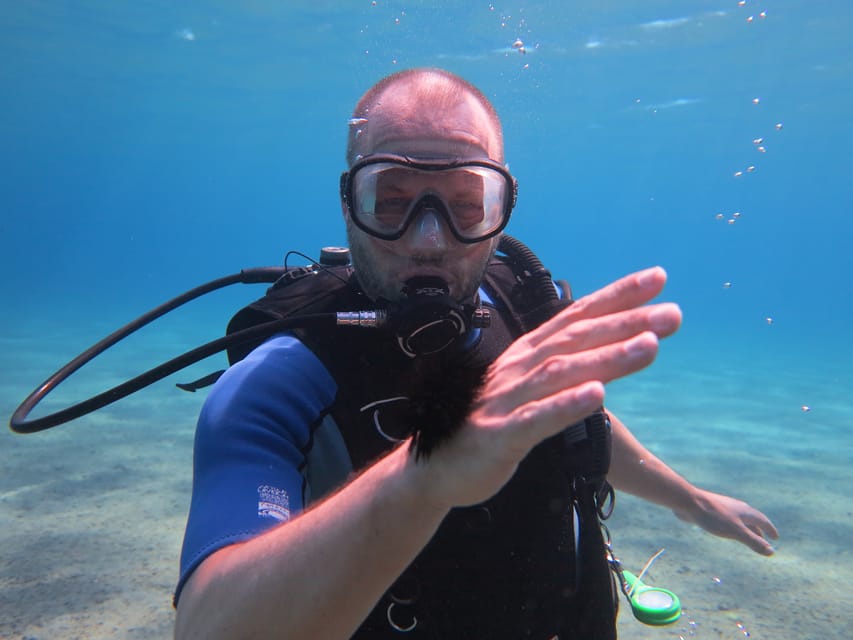
Reviewed · SCUBA DIVING FOR BEGINNERS
Kos: Beginner Scuba Diving from the Beach with Pickup
The best part of this Kos experience is its gentle entry into scuba. You start from the beach, where you can stand in shallow water, get used to the mask and breathing equipment, and work through the basics before heading farther out. That makes the first underwater session less intimidating than beginning from a boat.
I like the hotel pickup and the weather-based choice of beach. I also like the one-on-one instruction, especially for anyone who wants close guidance rather than a large classroom. The main caution is that the experience depends heavily on the quality of the briefing and hands-on help. One poor session included trouble with mask fit and not enough instruction, so ask questions before leaving shore and make sure you feel ready.
Key points to know before booking
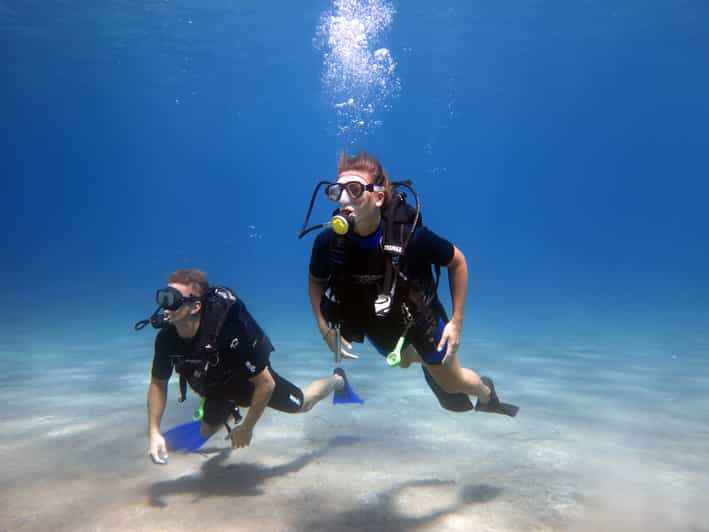
- The beach changes with the weather: The crew chooses the site after checking the forecast, rather than promising one fixed location.
- Your first session lasts about an hour: The full outing takes roughly two hours, including transport, instruction, preparation, and time in the water.
- You practice in shallow water first: This is useful if breathing through a regulator or clearing a mask feels strange at first.
- Hotel pickup is included: Pickup is available in much of Kos, but not in the Kefalos area.
- Your equipment details matter: You must provide your height, weight, and shoe size so the crew can prepare suitable gear.
- A second session may be arranged locally: If you enjoy the first outing, ask the crew about doing another one before you leave the beach.
Starting with a beach, not a boat
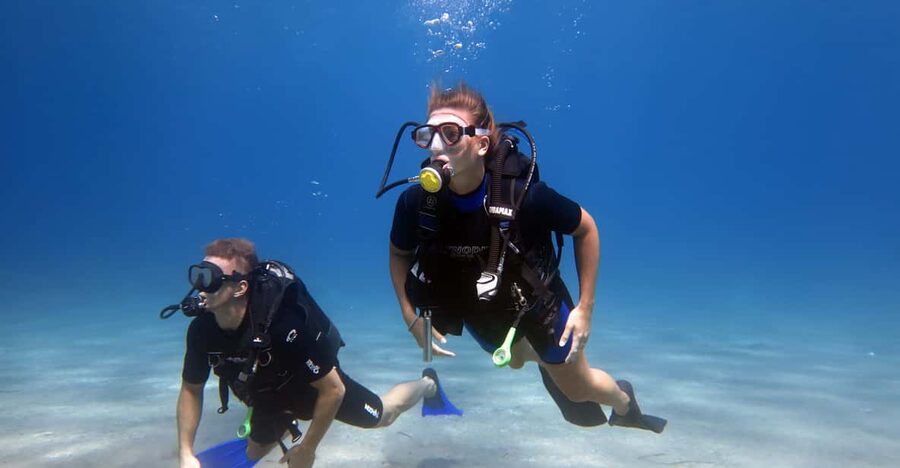
This is a practical first taste of scuba rather than a full certification course. You are collected in the morning from your hotel and driven to a beach selected according to the weather forecast. That choice matters in Kos, where wind and sea conditions can affect comfort, visibility, and how easy it is to enter the water.
The beach setting keeps the first steps simple. You do not have to climb onto a boat, wait for a long ride offshore, or enter deep water straight away. Instead, you can get into your swimsuit, meet your instructor, and begin with the equipment on land.
I find this format well suited to the curious beginner who wants to try scuba without committing to a multi-day course. It also suits someone who feels nervous around new equipment. You have a shore nearby, shallow water for practice, and an instructor beside you.
The tradeoff is that a beach session may feel less dramatic than a boat trip to a famous offshore site. The emphasis here is learning the basics and becoming comfortable underwater. The exact beach and underwater sights depend on the forecast and the chosen location.
More Scuba Diving for Beginners in Greece
- Santorini: Scuba Diving Experience in Caldera for Beginners
★ 4.9 · 597 reviews - Heraklion: Scuba Diving Experience for Beginners _Beach
★ 4.7 · 549 reviews - Heraklion: Beginner Scuba Diving Lesson with PADI Instructor
★ 4.9 · 355 reviews
The briefing and equipment check
Before entering the water, your instructor explains the equipment, safety rules, and basic procedures. This should cover how the mask, fins, regulator, and other scuba gear work, along with what to do if water enters the mask or if you need to communicate underwater.
You are also given time to put on the gear and get comfortable with it. That pause is important. A beginner needs a moment to adjust the mask strap, understand the breathing mouthpiece, and learn how the equipment feels when standing or moving in shallow water.
The experience includes the gear, theory, and insurance. Your height, weight, and shoe number are requested in advance, so provide them accurately. Properly fitted equipment makes a real difference to comfort, especially with footwear and the mask.
I would not rush this stage. If you do not understand how to clear a mask, equalize pressure, or signal that you need help, say so before moving farther out. You are paying for instruction as well as access to the sea, and the briefing is the part that makes the outing safe and useful.
There has been at least one poor account of a participant struggling with a mask that kept filling with water and not receiving enough help. That is a serious warning for any beginner activity. It does not mean your session will go the same way, but it does mean you should speak up immediately if something feels wrong.
Practicing in shallow water first
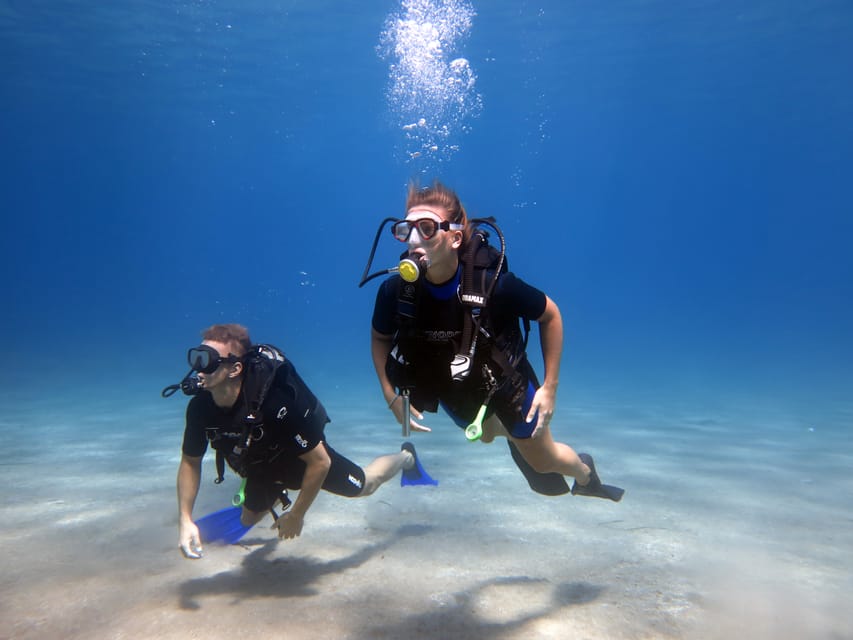
The next step is basic practice near shore. This is where you learn how to breathe through the regulator, move with fins, and manage the equipment while standing or floating in shallow water.
For many first-timers, breathing underwater is the oddest part. Your body expects air to come through your nose, while the regulator asks you to breathe slowly through your mouth. A few quiet minutes in shallow water can help you settle before you begin the main underwater session.
You may also practice simple safety skills. The supplied information specifically promises time to become comfortable with the gear and work on basic skills in shallow water. The exact exercises are not listed, so ask your instructor what you will practice and how to signal if you need to return to shore.
This is where the one-on-one format can be most valuable. Close instruction lets the guide watch your mask, breathing, body position, and comfort level. It also gives you a chance to ask basic questions without feeling that you are holding up a large group.
The group is limited to 10 people, which is still small compared with a crowded activity, though not necessarily a private session for everyone. The description also refers to one-on-one instruction, so confirm how much direct attention you will receive if several people attend on the same morning.
About an hour beneath the surface
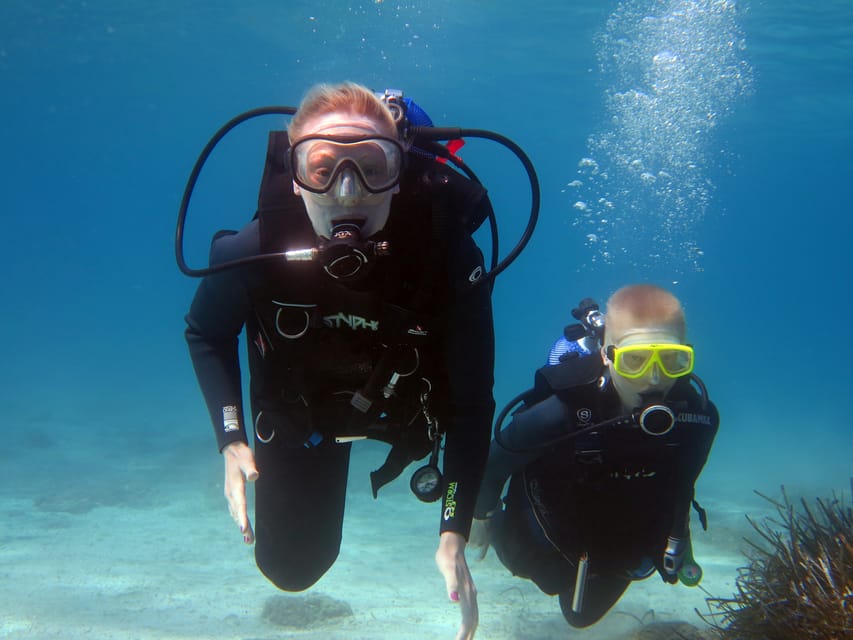
Once you are ready, the instructor guides you from the beach into the sea. The underwater portion lasts approximately one hour, though the total two-hour activity also includes transport, preparation, and the briefing.
At first, the main attraction is the feeling of weightlessness. Even in relatively shallow water, moving with scuba equipment changes your sense of balance. You are not simply swimming lengths. You are learning to control your breathing and movements while looking around a world that feels different from the beach above.
The supplied description promises close views of marine life and underwater scenery. It does not name specific fish, reefs, wrecks, or a fixed maximum depth, so you should not book this expecting a particular species or landmark. The appeal is discovery rather than a guaranteed checklist.
For a beginner, shallow water is not a lesser version of scuba. It gives you time to focus on breathing, movement, and calm observation. You may find that the small details matter most: the way light reaches the seabed, a fish moving past, or the sensation of hovering rather than standing.
Your instructor remains with you and controls the pace. If you are relaxed, the outing can become a rewarding introduction to the sport. If you are tense, it is better to slow down than to push ahead simply because the clock is running.
The first session is also a test. You learn whether you enjoy the equipment, the breathing method, and the feeling of being below the surface. If you like it, you can ask about a second session on the spot with the crew. The information provided does not state a fixed price or duration for that extra outing, so ask before agreeing.
Another way to get in the water in Greece:
- (Full day)Scuba Diving in Rhodes
★ 5.0 · 466 reviews - Rhodes: Diving Adventure for Beginners and Experts
★ 4.6 · 237 reviews - Try a DIVE, discover scuba diving in Mykonos
★ 5.0 · 216 reviews - Heraklion: Scuba Diving Experience for First-Timers
★ 4.8 · 203 reviews
What the weather-based beach choice means
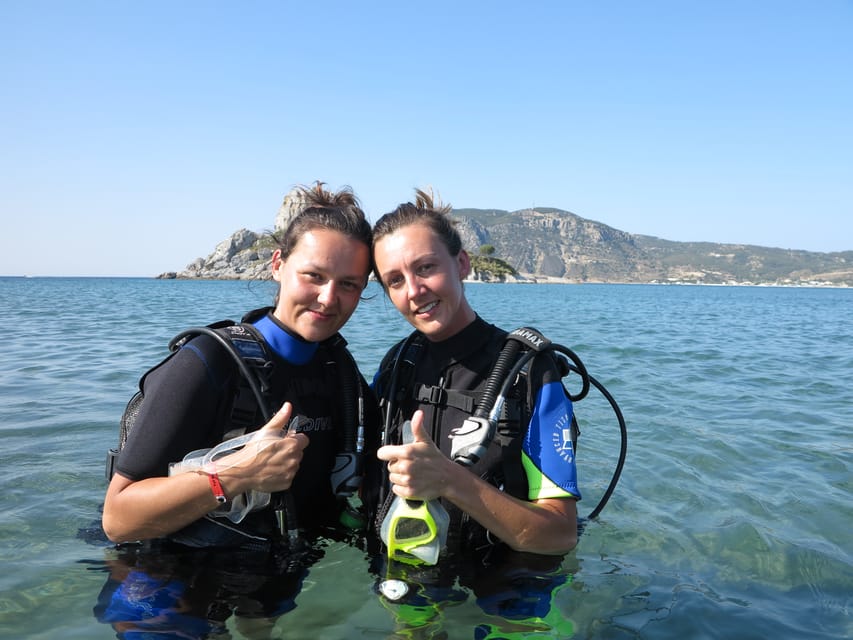
The changing beach is both a strength and a limitation. Choosing a site after checking the forecast should help the crew find more suitable conditions on the day. It may also give you a calmer or easier entry than a fixed-location tour could offer.
At the same time, you cannot plan around one named beach or promise yourself a particular setting. The exact views, seabed, and marine life will vary. If you care more about a specific site than about flexibility, ask the operator for the planned location and what happens if conditions change.
Morning pickup is another practical advantage. You can complete the activity early and keep the rest of the day open for Kos beaches, villages, or a quiet lunch. The exact pickup time is arranged after booking, and the local supplier contacts you directly.
Pickup is not available from the Kefalos area. If you are staying there, do not assume the included transport applies. Check the meeting arrangement before paying, since a taxi or separate transfer could change the real cost.
Is $113 a fair price?
At $113 per person, this is not a bargain beach lesson, but the price includes several useful pieces: hotel pickup and drop-off, scuba equipment, theory, insurance, beach access to the session, and an instructor.
The value depends on what you want. If you are looking for a simple first attempt with transport handled for you, the package is fairly easy to justify. You are not just renting equipment and trying to figure things out alone. The instruction and support are the main reason to pay this amount.
If you already have scuba experience or equipment, the package may offer less value. The session is aimed at beginners, and much of the time is spent learning, fitting gear, and practicing. You are paying for reassurance and supervision rather than a long, advanced underwater route.
The second session requires special attention. It can be arranged with the crew if you enjoy the first one, but no extra price is provided. Ask about the cost, time, and whether your hotel return transfer remains included before committing.
Free cancellation up to 24 hours before the activity and the option to reserve without paying immediately make the booking less risky. Those terms are useful if your Kos plans depend on weather or if you are still deciding which morning works best.
Who will enjoy this most
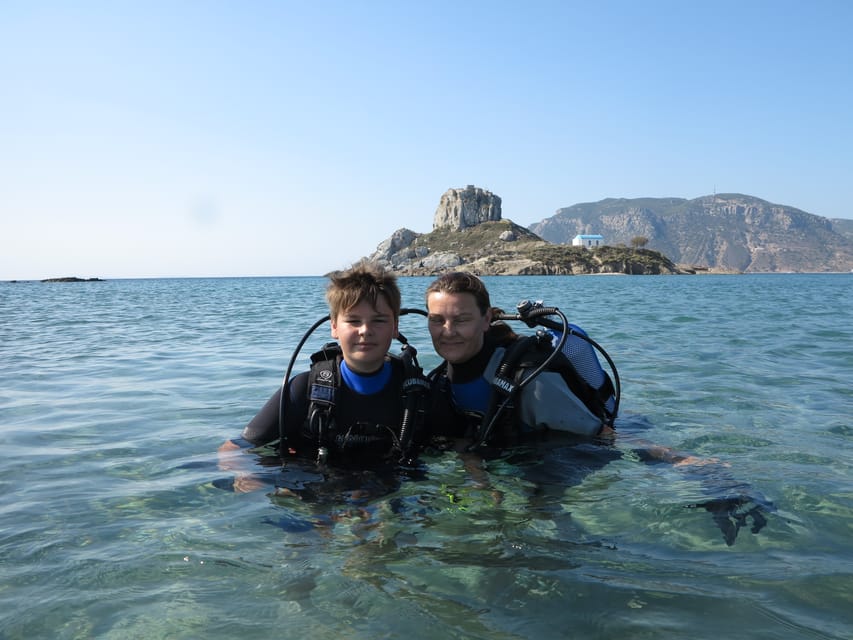
I would recommend this for an adult beginner who wants a short, guided introduction rather than a qualification course. It is also a good match for someone who likes the idea of seeing marine life but prefers to start from shore.
The experience may suit couples or friends with different comfort levels. One person can take things slowly, and the instructor can help decide whether a second session makes sense. A small group limit should keep the outing more personal than a large commercial operation, though the number of people attending on your date can vary.
You should be comfortable asking for help. If you have never used a regulator or mask, that is fine. If you tend to stay quiet when equipment does not fit, this is not the time to be polite. Tell the instructor at once if you cannot see clearly, breathe comfortably, or equalize pressure.
The activity is not suitable for pregnant women or people with heart problems. The supplied information does not list every medical restriction, so anyone with a health concern should check with a qualified medical professional and the operator before booking.
Practical preparation for the morning
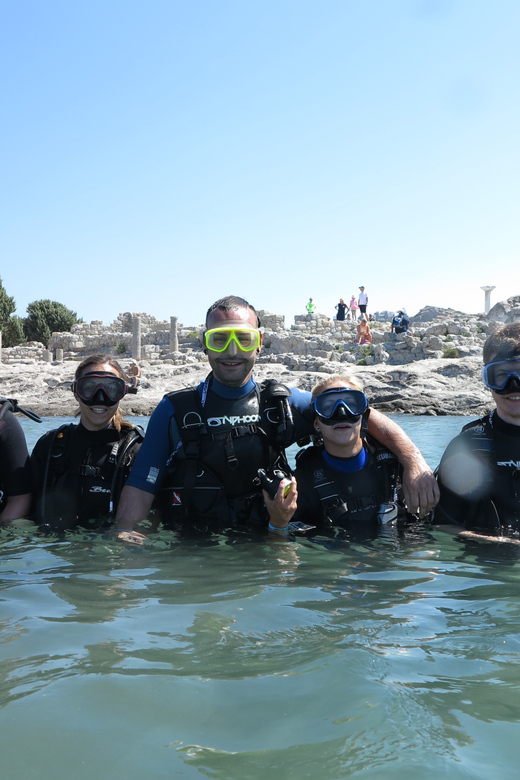
Bring swimwear and a towel. Your gear is included, but the provided information does not say that personal items, snacks, or other beach comforts are supplied, so keep your packing simple and bring only what you need.
Submit your height, weight, and shoe number accurately during booking. Those details help the crew prepare equipment before you arrive. Incorrect information could mean delays or an uncomfortable fit.
Wear a calm attitude as well as a swimsuit. The first few minutes may feel awkward, especially when you are breathing through equipment and moving with fins. That is normal for a first attempt, and the shallow-water practice is there to help.
I would also use the booking contact to confirm three points: your pickup time, the meeting beach, and how much individual instruction you will receive. These questions are especially useful because the beach changes with the weather and the group can include up to 10 people.
My call: book it if the first underwater hour is your goal
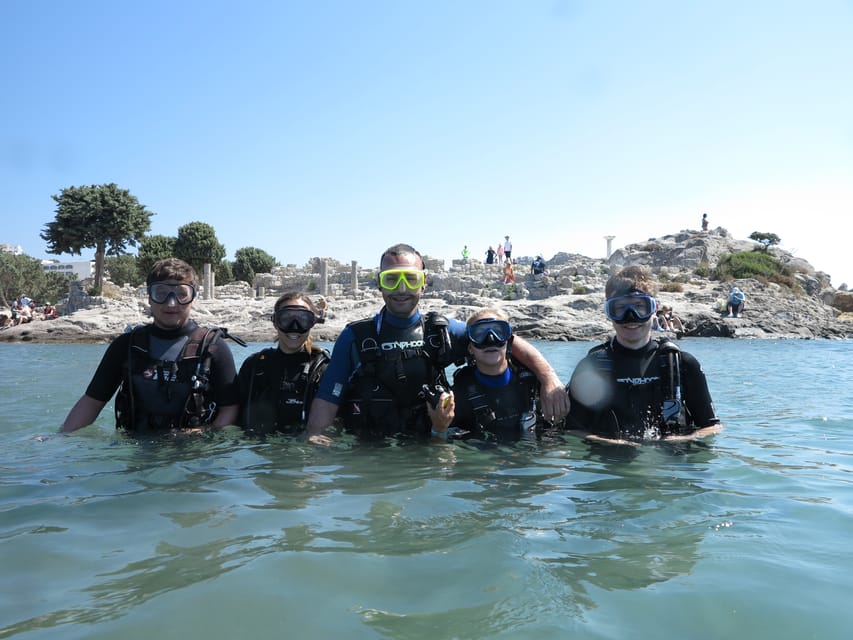
I would book this Kos experience if you want a supported first try, value hotel transport, and like the idea of starting from a beach. The weather-based site choice, included equipment, shallow-water practice, and instructor support give beginners a sensible way to test scuba without signing up for a longer course.
I would hesitate if you expect a named reef, a guaranteed species list, a private session, or a fully specified second outing. The available feedback is mixed: one account describes a lovely afternoon with plenty to discover, while another reports missing instruction and poor help with a leaking mask. That makes clear communication on the beach essential.
Ask questions, insist on proper practice, and do not continue until the equipment feels right. If the instructor gives you the care promised, $113 can be a reasonable price for a memorable first encounter with Kos beneath the surface.
FAQ
How long does the Kos scuba experience last?
The total activity lasts about two hours. The underwater session itself lasts approximately one hour, with the remaining time used for pickup, transport, briefing, equipment, and preparation.
Is hotel pickup included?
Yes. Hotel pickup and drop-off are included, and the local supplier will contact you with the exact pickup time.
Is pickup available from Kefalos?
No. The Kefalos area is not available for pickup.
Where does the scuba session take place?
The activity begins from a beach. The crew chooses the beach according to the weather forecast for the day.
Do I need previous scuba experience?
No. This experience is designed for beginners and includes theory, equipment instruction, shallow-water practice, and a guided underwater session.
What languages does the instructor speak?
Instruction is available in English, German, and Greek.
What should I bring?
Bring swimwear and a towel. Scuba gear is included.
What personal details are needed when booking?
You need to provide your height, weight, and shoe number so the crew can prepare suitable equipment.
Can I arrange a second underwater session?
Yes. If you enjoy the first session and want another, you can arrange a second one with the crew on the spot. Ask about the extra cost and details before agreeing.
Who should not take part?
The activity is not suitable for pregnant women or people with heart problems. If you have another medical concern, check with the operator before booking.
Newest dives added in Greece
- Symi Dive Trip – Half day (2 Dives)★ 5.0 · 10 reviews
- Discover Scuba Diving in Santorini★ 5.0 · 47 reviews
- Scuba Diving for Beginner and Experts in Pefkos Lindos★ 5.0 · 6 reviews
- SCUBA DIVE: Kallithea’s Underwater Exploration★ 5.0 · 6 reviews
- Rhodes Scuba Diving Experience★ 5.0 · 8 reviews
- Private Discover Scuba Diving Experience in Messinia★ 5.0 · 14 reviews
- DSD | Discover scuba Diving Experience in Paros★ 5.0 · 6 reviews
- Qualified Diver 1 Tank Dive in Mykonos★ 5.0 · 65 reviews
Scuba Diving for Beginners, compared.
First-Time Scuba Diving in Honolulu + Free Videos
Read our review →
Beginner Scuba Diving with Turtles and Videos, San Juan
Read our review →
Intro Diving 2 Stops For Beginners with Pick-up and Lunch – Hurghada
Read our review →
Intro Diving Beginner and Discover Red Sea Underwater
Read our review →
Beginner’s Dive at a Spot with Turtle Sightings
Read our review →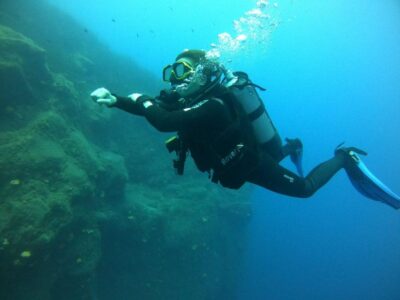
Scuba Diving Experience in Caldera for Beginners
Read our review →Browse the lists this dive appears in