Reviewed · CENOTE & CAVERN DIVES
Playa del Carmen: Cenote Diving for Certified Divers
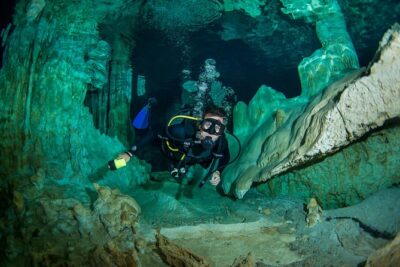
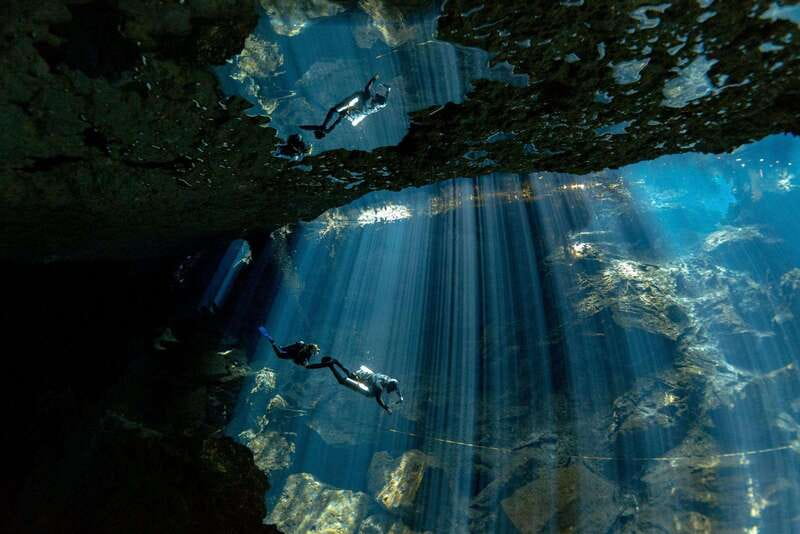
The best part of this cenote experience is the strange beauty below the surface. Clear freshwater, pale rock, and shafts of sunlight create a setting far removed from a standard reef outing. The cenote also carries cultural weight: ancient Maya communities regarded these natural sinkholes as sacred places.
I like the two different routes in one cenote system, since you get more than one look at the underground rock formations. I also like the small group, limited to five people, and the safety setup, with a guide certified in Full Cave diving and trained through the Cavern Guide program.
The main consideration is cost. At $210 per person, you still pay the cenote entrance fee separately, so this is not a low-cost water activity. You also need to be comfortable underwater and hold at least an Open Water certification.
Key details to know before booking
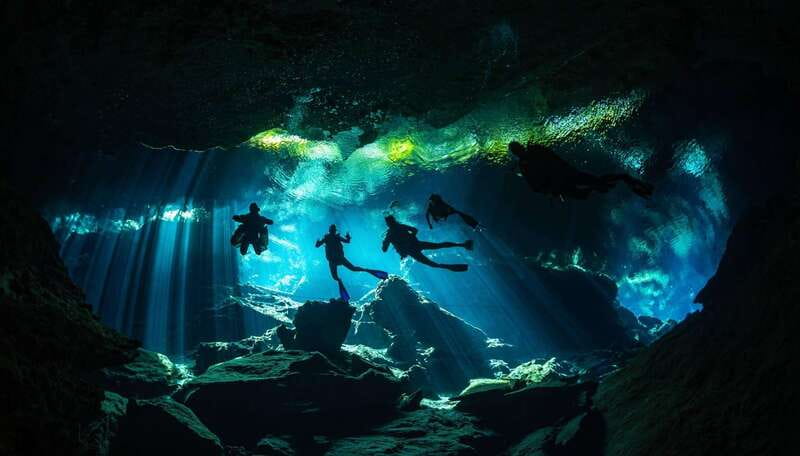
- Two underwater routes: Follow one line, pause at the surface, then explore a different line in the same cenote system.
- Open Water certification required: You do not need an advanced certification, but this is only for certified scuba participants.
- Full Cave-certified supervision: Each guide has Full Cave credentials and Cavern Guide training.
- Warm but not tropical water: The cenote stays around 25°C, or 77°F, and a long wetsuit is recommended.
- Small group of five: The limited group size allows closer contact with the guide and less crowding around the water entry.
- Bring cash: The entrance fee is extra, and cash is listed among the items to carry.
Why a cenote changes the usual scuba day
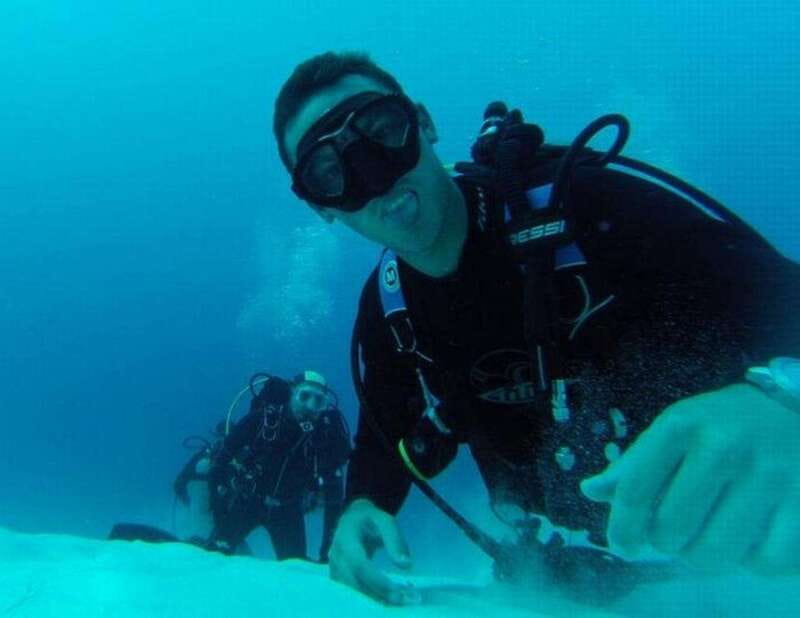
A cenote is a natural pit or sinkhole filled with water. In Quintana Roo, these formations are part of the region’s distinctive underground water system, and the ancient Maya considered them sacred. That gives this outing a different mood from a normal coastal scuba trip.
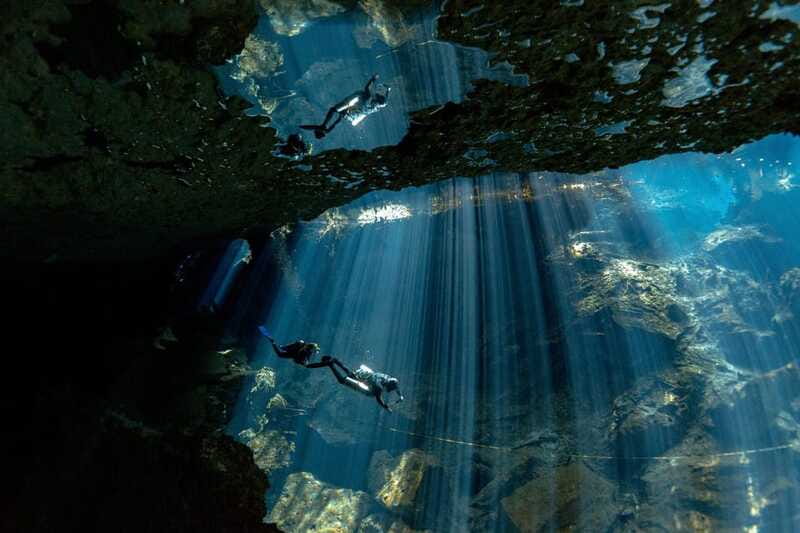
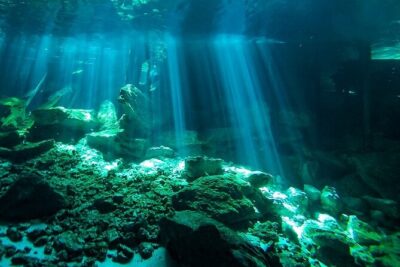
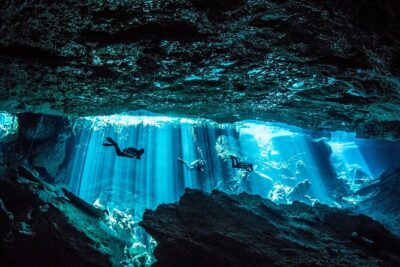
You are not heading out over open ocean to watch reef fish. Instead, you enter freshwater and follow a marked line through a cavern environment. The appeal comes from the rock, the light, and the enclosed setting. Sunbeams passing through the water can make the stone look almost theatrical, while the clear water lets you study shapes and textures that would be harder to see in a cloudy sea.
I would choose this experience for the change of scenery as much as for the sport. The cenote offers a quiet, enclosed world where your attention shifts from marine life to geology and light. If your main goal is coral, colorful fish, or a broad ocean view, this is a different kind of outing.
The sacred Maya connection adds useful context, but the activity is still a practical scuba session rather than a long cultural tour. You will hear about the site as part of the setting, then spend most of your time preparing for and completing the two underwater runs.
More Cenote Dives in Playa del Carmen
- Scuba Diving in Cenote Dos Ojos from Playa del Carmen
★ 5.0 · 453 reviews - Scuba Diving in Cenote Kukulkan from Playa del Carmen
★ 5.0 · 370 reviews - Scuba Diving in Cenotes
★ 5.0 · 37 reviews
The eight-hour plan from pickup to the water
The outing lasts eight hours, which gives the day room for transportation, preparation, two sessions, and a break. The exact starting time depends on availability, so check the schedule before booking.
Transportation to the cenote is included, making the day easier than arranging your own route through the Riviera Maya. The supplied information does not give a pickup timetable or a specific vehicle type, so you should confirm the meeting details when you reserve. The trip is based around Playa del Carmen, with the cenote site reached as part of the organized outing.
Once you arrive, the guide gives a safety and route briefing. This is an important part of the day, not a formality to rush through. Underground water environments require you to understand the line, the route, the equipment, and the guide’s instructions before entering.
You then prepare for the first underwater run. All required scuba equipment is provided, including lamps for seeing into darker sections of the cavern. That matters here. Natural light may reveal parts of the cenote, but a lamp helps you inspect the rock and follow the route with greater confidence.
After the first route, you return to the surface for a break. You get time to rest, have the provided snack and water, and reset before the second session. The second route follows a different line, so the pause is not simply a repeat of the same experience. You see another part of the cenote system and encounter a different arrangement of rock and light.
The day ends after the second underwater run and the return trip. Since the schedule fills most of a day, avoid pairing this with another major excursion. You will get more from the cenote if you treat it as the main event rather than squeezing it between other plans.
What the two routes actually add
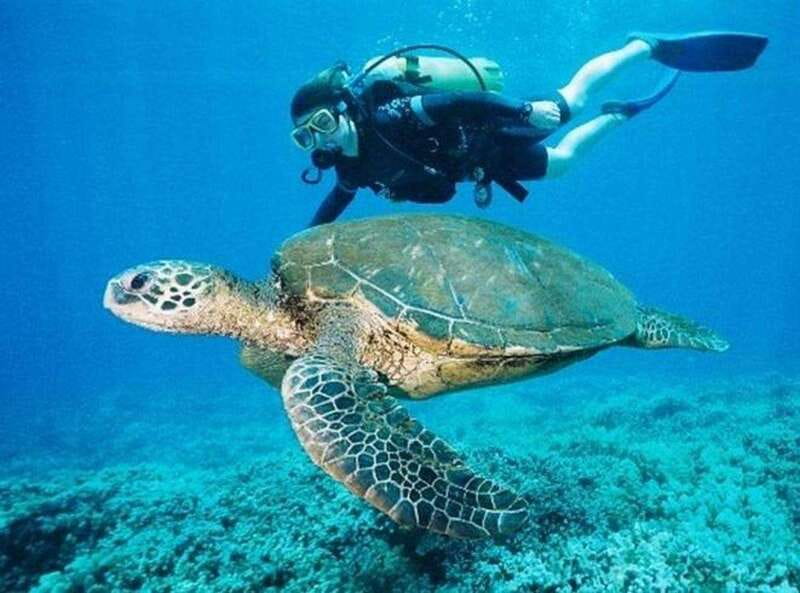
The two-route format is one of the strongest features. A single underwater run could give you a taste of cenote scenery, but two lines allow a broader look at the system. The route changes may reveal different rock formations, light conditions, and cavern shapes.
I also like the surface break between them. You are not asked to complete both sessions back to back. That makes the day more manageable, especially if you are adjusting to freshwater, a long wetsuit, and the visual demands of an underground setting.
Still, do not expect two completely separate cenotes. Both routes take place within the same cenote system. If you want two unrelated sites, this outing will not provide that. Its strength is seeing two sections of one unusual place.
The guide’s role matters here. A Full Cave-certified guide leads the activity, and the guide is also trained in the Cavern Guide program. This is a meaningful safety feature for a setting where route awareness and disciplined movement are important. You should still follow instructions closely and be honest about your certification and comfort level.
The experience requires only Open Water certification, which keeps it accessible to certified recreational scuba participants. That does not mean it is suitable for someone who has never used scuba equipment or who is not comfortable in enclosed underwater spaces. Your certification is the minimum requirement, not a substitute for readiness.
Clear freshwater, pale stone, and changing light
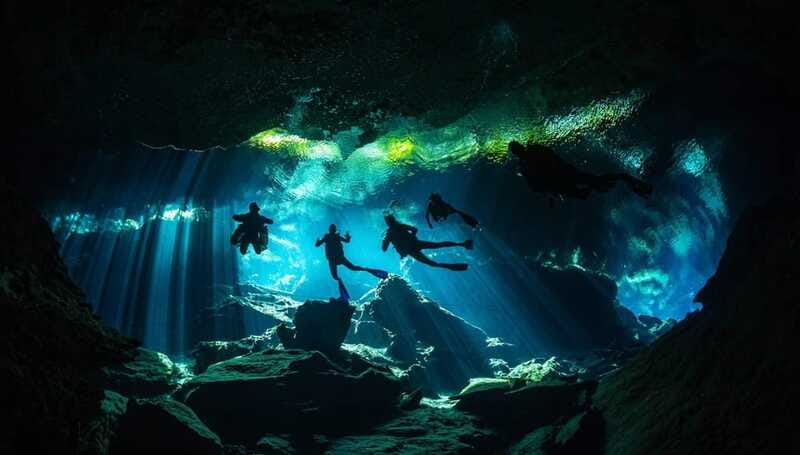
The water temperature is listed at 25°C, or 77°F. That sounds warm, but you may still feel chilled during a long underwater session, especially without the warmth of direct sunlight. A long wetsuit is recommended for comfort.
The cenote’s water is described as crystal clear, which is a major part of its appeal. Clear water helps you see the cavern walls, follow the line, and notice the way sunlight moves through the surface. The provided lamps add another layer by lighting areas that natural rays do not reach.
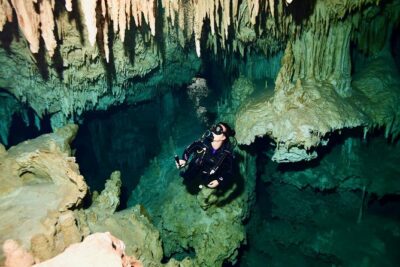
The scenery here is subtle rather than busy. There may not be a constant parade of fish or coral colors. Instead, you look at the shape of the stone and the contrast between bright openings and darker sections. If you enjoy unusual environments and careful observation, that can be more memorable than a standard sightseeing swim.
This setting also rewards patience. The best moments may come from pausing long enough to notice a beam of light or a change in the rock. You should not expect the guide to turn the route into a fast-moving thrill ride. The value comes from seeing the underground space properly and staying aware of the route.
More Dives for Certified Divers in Mexico
- Cozumel Dive Package – Certified Divers from the Riviera Maya (4 dives)
★ 4.5 · 51 reviews - 2-Tank Morning or Afternoon Dives in Playa del Carmen certified Divers Only
★ 4.5 · 33 reviews - Cenotes 2-Tank Dive in Playa del Carmen/for certified divers only
★ 4.0 · 13 reviews - 1 day of diving in Cenotes price for 2 certified divers
★ 5.0 · 7 reviews
Gear, comfort, and what to pack
The tour provides the necessary scuba gear and lamps, which makes packing simpler. You do not need to bring your own full equipment setup based on the information provided. A long wetsuit is recommended because the water can feel cool over an extended period.
Pack the practical basics:
- Sunglasses
- Swimwear
- A change of clothes
- Towel
- Sandals
- Swimming cap
- Cash
The cash reminder deserves attention because the cenote entrance fee is not included in the $210 price. Personal expenses are also extra. Bring enough money for those costs rather than assuming every payment is covered by the tour price.
A change of clothes and towel will be useful after the second session. Sandals make sense around a wet cenote area, while sunglasses help during the surface portions of the day. The swimming cap is also on the recommended packing list, so include it if you normally use one.
The activity provides a snack and water. That is helpful during an eight-hour outing, though the information does not describe the snack or suggest that it replaces a full meal. Plan your food around the timing given when you book.
Small groups and English guidance
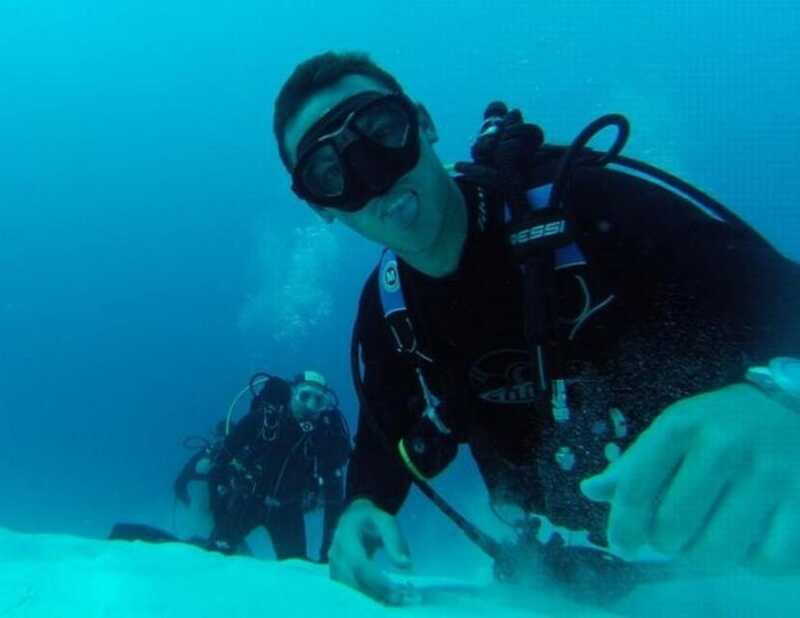
The group is limited to five participants. That is a strong setup for an activity where the guide needs to keep track of equipment, route positions, and comfort underwater. A smaller group can also reduce waiting around and make the briefing easier to follow.
The live guide speaks English. If you need another language, this experience may not suit you, since only English is listed. Ask questions during the briefing, especially if you want the route or safety procedures explained again before entering the water.
No individual guide names are provided, so you cannot request a named instructor based on the available details. What you can count on is the stated training standard: Full Cave certification and Cavern Guide program training.
The small-group format also makes the $210 price easier to understand. You are paying not only for equipment and transport, but for a specialist-led experience with limited spaces. The value is strongest if you care about careful supervision and a less crowded outing.
Is $210 a fair price?
The price is high compared with a simple swim or general cenote visit. You also pay the entrance fee separately, which raises the final cost. For a budget-focused day, that is a real drawback.
The price makes more sense when you count what is included: transportation to the site, two underwater sessions, a certified guide, scuba gear, lamps, a snack, and water. The group limit of five is another part of the value. This is a specialist activity, not just an admission ticket to a swimming hole.
I would consider it fair for a certified diver who specifically wants a guided cenote experience and does not own or want to transport all the required gear. I would be less enthusiastic about the price if you are only curious about cenotes and do not strongly want the scuba portion.
The separate entrance fee should be part of your calculation from the start. Since the amount is not supplied, check it before committing. The tour price alone does not represent the full cost of the day.
Who will enjoy this experience most
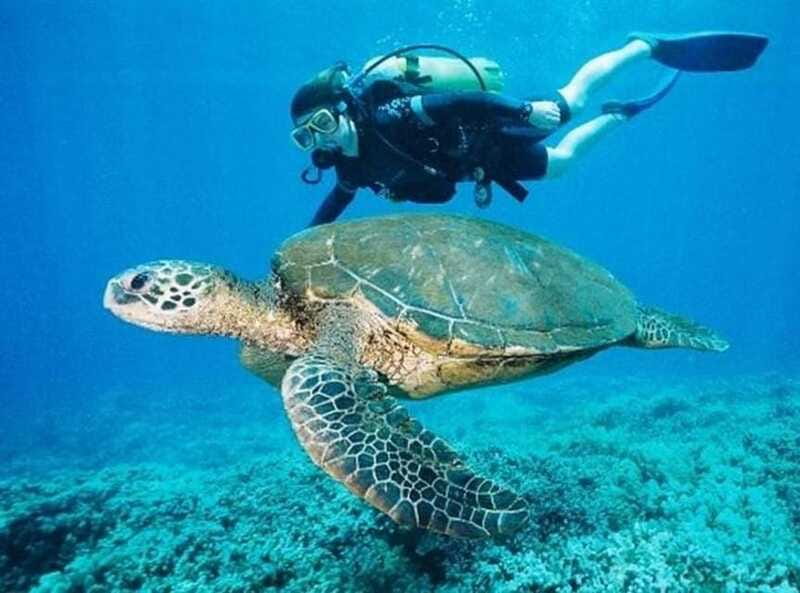
This outing suits you if you:
- Hold at least an Open Water certification
- Enjoy unusual underwater settings
- Want two routes rather than one short session
- Value a small group and specialist guide
- Are comfortable wearing a long wetsuit in 25°C water
- Want organized transport and supplied equipment
It may not be right for you if you have no scuba certification, prefer open ocean scenery, or dislike enclosed underwater spaces. It is also not the best pick if your main aim is a relaxed surface swim with no technical preparation.
The day has a serious side. The guide’s training and the pre-session briefing are reassuring, but you still need to pay attention, manage your equipment, and follow the route instructions. That is part of what makes the experience suitable for certified participants rather than casual swimmers.
The activity received a top rating from the available feedback, including a short Polish note meaning super adventure. That matches the basic character of the outing: it is a focused, unusual experience for someone who already enjoys scuba and wants a setting far outside the usual reef routine.
Booking flexibility and practical timing
You can cancel up to 24 hours in advance for a full refund. The reserve-now, pay-later option also helps if your Playa del Carmen plans are still changing. Check the available starting times before booking, since the outing occupies eight hours.
I would avoid booking this on a day when you have an early dinner reservation, another water activity, or a fixed evening transfer. Transportation and the two sessions take up most of the day, and the exact timing depends on the selected start.
Give yourself room to focus. Pack the listed items, bring cash for the separate entrance fee, and wear swimwear that is comfortable beneath a wetsuit. If you have questions about equipment or the route, ask before entering the water rather than waiting until the first session.
Should you book this cenote outing?
Book it if you are a certified scuba participant who wants clear freshwater, cavern rock, and two different underwater routes with a small group. The Full Cave-certified guide, supplied equipment, lamps, transport, and limited group size make it a well-supported way to experience a cenote.
Skip it if you are looking for a cheap swim, a reef-focused excursion, or a casual family activity. The $210 price is only reasonable if you value the specialist guide and the two-session format, and you should add the separate entrance fee before making your decision.
For the right person, this is a memorable change from ordinary coastal scuba. You get the unusual setting, the Maya connection, and enough time underwater to see more than a quick glimpse.
FAQ
Do I need scuba certification?
Yes. The activity is for certified divers, and an Open Water certification is required to participate.
How many underwater sessions are included?
Two underwater sessions are included. You follow one line in the cenote system, take a surface break, then follow a different line.
How warm is the cenote water?
The water temperature is about 25°C, or 77°F. A long wetsuit is recommended for comfort.
Is scuba equipment provided?
Yes. Diving equipment and lamps are included, along with a certified guide.
Is the cenote entrance fee included in the price?
No. The cenote entrance fee is separate. Personal expenses are also not included.
How large is the group and what language is offered?
The group is limited to five participants, and the live guide provides the experience in English.
More Dives for Certified Divers in Playa del Carmen
- Playa del Carmen: Guided Reef Diving for Certified Divers
★ 4.6 · 7 reviews - Cancun: MUSA Diving for certified divers morning dive trip
★ 4.9 · 7 reviews - Cenote Diving – 2 Tank Dive Trip for Certified Divers
★ 5.0 · 6 reviews - 3 days diving in cenotes for certified divers
★ 5.0 · 3 reviews
Newest dives added in Playa Del Carmen
- Full-Day Playa del Carmen Reef Diving Activity★ 5.0 · 3 reviews
- Try dive in Cozumel island★ 5.0 · 4 reviews
- Cozumel Express 2-Tank Dives from Playa del Carmen/ Only for Certified Divers★ 5.0 · 2 reviews
- Try dive in beautiful Casa cenote for 2 people★ 5.0 · 6 reviews
- Scuba Diving for Beginners – Tulum Dive Machine★ 5.0 · 26 reviews
- Scuba Referral Dives & Beach Club with Transportation In Riviera Maya★ 5.0 · 33 reviews
- Private Scuba Diving in Cenote around Playa del Carmen★ 5.0 · 7 reviews
- Advanced Open Water Diver course PADI in Playa del Carmen★ 5.0 · 3 reviews
Cenote & Cavern Dives, compared.
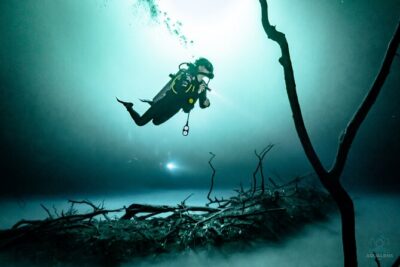
2 cenote divings (including one deep diving) for advanced divers in Tulum
Read our review →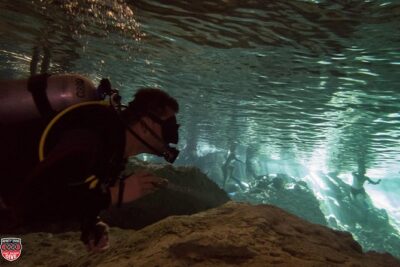
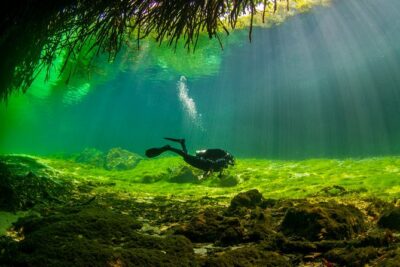
Amazing beginner dive in Tulum cenote (or refresher dive)
Read our review →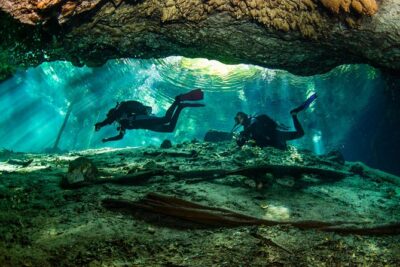
Go for 2 dives in cenote Dos ojos for certified divers
Read our review →