Reviewed · DISCOVER SCUBA DIVING
Athens: Discover Scuba Diving Experience for Beginners
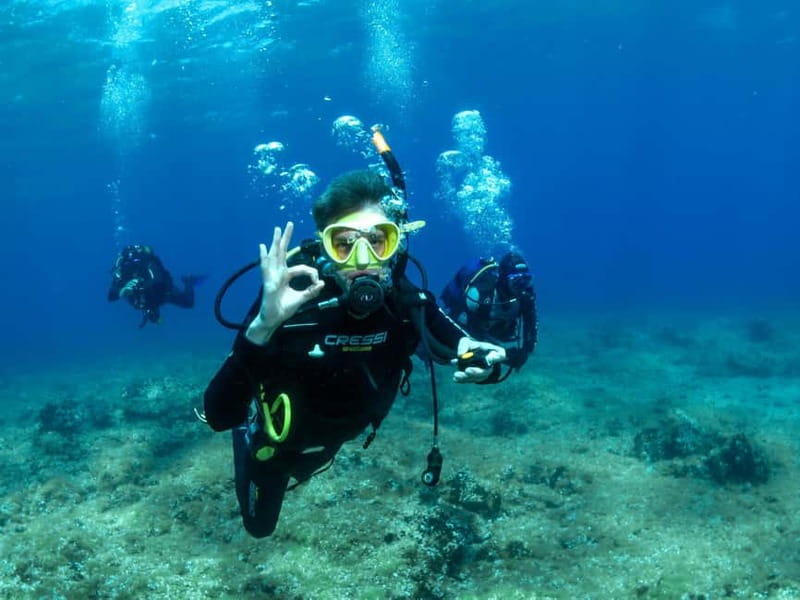
Breathing underwater for the first time is the real event here. This four-hour Athens scuba experience starts with simple lessons and shallow-water practice before you enter the open water with a certified PADI instructor. You are not expected to arrive with any training, but you must be comfortable in the water and able to swim.
I like the sensible progression from theory to practice, and I like that the price includes the full equipment set, one tank, training materials, and DAN insurance. The Seahorse team has also earned praise for calm, patient instruction, with George, Petros, and Christos named as especially reassuring teachers. The main consideration is that this is a first taste, not a full certification course, and non-swimmers, pregnant people, and anyone with certain medical conditions cannot participate.
Key points to know before you book
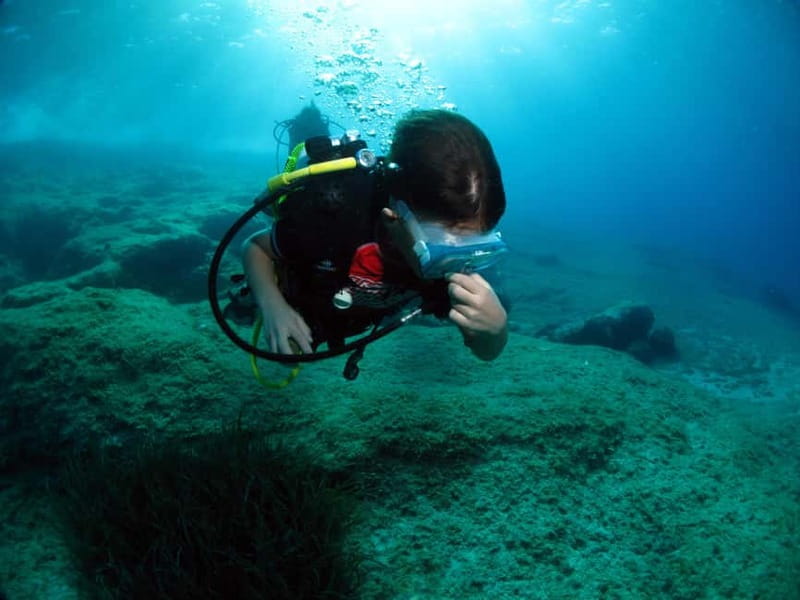
- Your first underwater breaths come after shallow-water practice: The instructor teaches equipment use and basic skills before the open-water session.
- A PADI professional leads the activity: English and Greek instruction are available, with George, Petros, and Christos among the instructors associated with the team.
- The $123 price covers the essentials: You get a full equipment set, one tank, eLearning materials, and DAN insurance.
- The session lasts about four hours: That includes the briefing, skills practice, equipment preparation, and guided open-water time.
- You need basic water confidence: The activity is for beginners, but it is not suitable for non-swimmers.
- Plan around later air travel: After one tank, you need a surface interval of at least 12 hours before flying.
Why this Athens experience works for first-timers
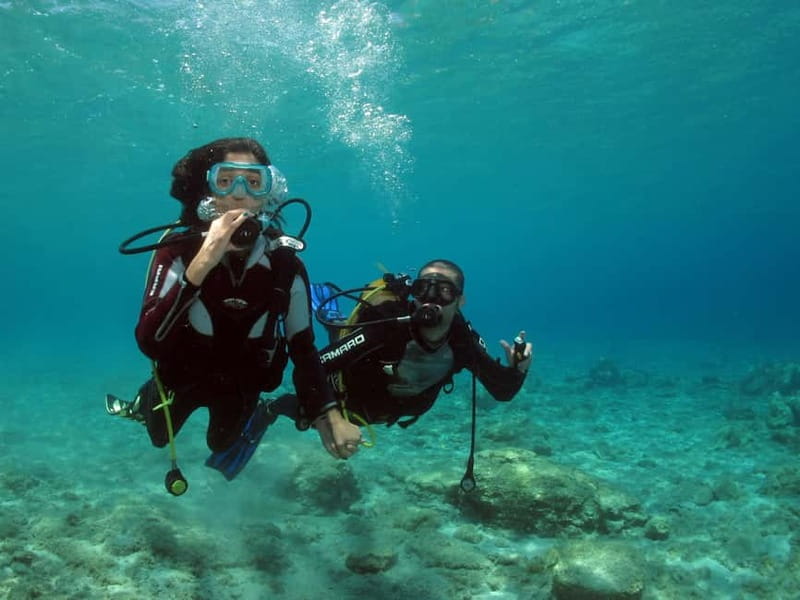
Scuba can look complicated from the beach. There is a tank, a regulator, a buoyancy device, a mask, fins, and a set of procedures that seem hard to remember at first. This experience breaks that first hurdle into manageable steps.
You begin with a short online learning section before meeting the instructor. The eLearning covers basic theory and includes a medical statement. You can complete it at your own pace, which is useful because it lets you arrive with at least a rough idea of how the equipment works and what the session involves.
That online form is worth completing early. One family ran into trouble because the medical emails had not arrived, and the start became tense before the staff sorted things out. I would check your inbox and spam folder well before the appointment. If the material does not appear, contact the dive center rather than waiting until you arrive.
The practical session then turns theory into action. Your PADI instructor explains the equipment, safety rules, and key skills. You learn how to use the regulator, how to work with the mask, and how to respond to the basic situations covered in an introductory lesson. The supplied information does not list every skill in detail, so expect a foundation rather than a long technical class.
More Discover Scuba Diving in Greece
- Try a DIVE, discover scuba diving in Mykonos
★ 5.0 · 216 reviews - Athens East Coast: Discover Scuba Diving in Nea Makri
★ 4.9 · 124 reviews - Discover Scuba Diving in the Caldera of the Volcano in Santorini
★ 5.0 · 105 reviews
The briefing and shallow-water practice
The shallow-water portion is the most important part for nervous beginners. It gives you a chance to get used to breathing through the regulator before you have to think about the open water around you.
Your instructor first checks that the equipment fits and explains how the main pieces work together. You then practice essential techniques in controlled, shallow water. This is where you can ask questions, slow down, and repeat a skill without feeling rushed.
The instructors place strong attention on comfort and safety. That matters because the first few breaths can feel strange. You may be used to breathing only through your nose, while scuba requires steady breathing through the regulator. A calm instructor can make the difference between relaxing into the activity and deciding it is not for you.
The team members named by participants include George, Petros, and Christos. George was singled out as a kind, effective teacher, while Petros and Christos were praised for making a first session feel safe and fun. You should still confirm the instructor on your booking day, since staff assignments can change.
This stage also tells you something practical about your own comfort level. If you cannot settle in shallow water, the open-water part will not become easier simply because you move farther from shore. The instructor can guide you, but you need to communicate clearly and follow instructions.
Entering the open water near Athens
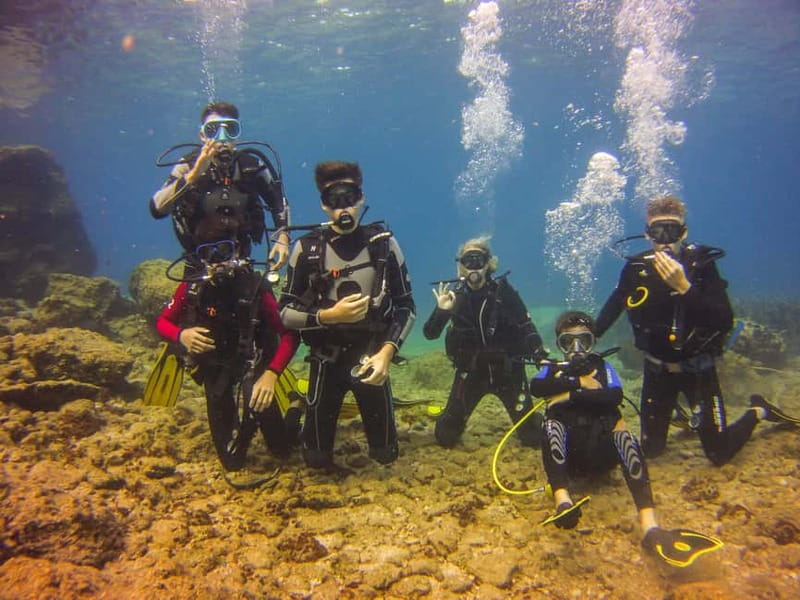
Once you have practiced the basics, you move on to a guided open-water session. This is the part most people picture when they book the activity: mask on, regulator in place, tank secured, and the underwater world opening up around you.
The exact site is not described in the available details, so I would not book this expecting a particular reef, wreck, or famous underwater landmark. The promise is more modest and more useful for a beginner: a safe, controlled setting where you can try scuba and see local marine life under the supervision of a professional.
The experience can include fish and other sea life, and one family encountered an octopus. That is a memorable possibility, but it is not a guaranteed sighting. Marine life changes with conditions, season, and location, so treat any animals as a welcome bonus rather than the main product.
Your first open-water session is likely to be less about covering distance and more about learning how your body feels underwater. You may spend time adjusting your breathing, keeping your position, and following the instructor. That is exactly what a beginner session should do.
The pace is meant to remain controlled. If something feels wrong, signal the instructor and stop. The team has been praised for checking constantly that participants were comfortable and helping when they were not. That close attention is especially valuable for children and adults who feel anxious about the equipment.
What the $123 price really includes
At $123 per person, this is not the cheapest way to spend a morning in Athens. It is also more than a simple boat trip or a casual swim. The value depends on whether you want a genuine first scuba session with instruction, equipment, and insurance included.
The package covers:
- A full scuba equipment set
- One tank session
- A professional PADI instructor
- Online training materials
- DAN insurance
Those inclusions remove several costs that can otherwise appear after booking. You do not need to rent the mask, fins, tank, or other basic equipment separately. You also receive formal beginner instruction rather than being handed gear and sent into the water.
The limitation is the one-tank format. You are paying for an introduction, not a full day at sea or several underwater sessions. If you already hold a certification, this will probably feel too basic. If you are deciding whether scuba suits you, the limited format makes financial sense because you can try it before committing to a longer course.
The experience has received a perfect overall score from six bookings, but the small number matters. I would take the strong response as a good sign about the staff, not as proof that every session will be identical. Weather, group dynamics, communication, and your own comfort in the water will affect the day.
More Scuba Diving for Beginners in Greece
- Santorini: Scuba Diving Experience in Caldera for Beginners
★ 4.9 · 597 reviews - Heraklion: Scuba Diving Experience for Beginners _Beach
★ 4.7 · 549 reviews - Heraklion: Beginner Scuba Diving Lesson with PADI Instructor
★ 4.9 · 355 reviews - Rhodes: Diving Adventure for Beginners and Experts
★ 4.6 · 237 reviews
Safety, medical forms, and physical requirements
The minimum age is eight. That makes the activity possible for families, though the child must be comfortable following instructions and using the equipment. An adult should think honestly about the child’s swimming ability and confidence rather than treating the minimum age as a recommendation for every eight-year-old.
Non-swimmers cannot take part. This is not a pool lesson where you can remain standing if you become uncomfortable. You need enough water confidence to follow the instructor and manage yourself in the water.
The activity is also not suitable for pregnant women or people with back or heart problems. Complete the medical statement carefully before arrival. The online form is designed to establish whether you need a doctor’s approval, but the information provided does not mean every medical concern is automatically cleared. If you have a condition that might affect scuba, ask a qualified medical professional before booking.
Do not drink alcohol or use drugs before the activity. Smoking is also not allowed as part of the stated rules. Bring water, sunscreen, a hat, swimwear, and a towel. These sound obvious, but a four-hour water session is much easier when you are not trying to borrow basic supplies.
There is one important travel-planning rule. After a one-tank session, you need at least a 12-hour surface interval before flying. Do not schedule this on the same day as an evening flight unless the timing clearly leaves that margin. If you plan to fly the next morning, check the exact start and finish times before committing.
Communication and the teaching style
Instruction is available in English and Greek. If you are not comfortable in either language, this may not be the right activity, since scuba depends on understanding safety directions quickly. One French-speaking participant specifically noted that a good level of English was needed.
That is not a criticism of the staff. It is a practical safety issue. You should be able to understand the briefing, recognize the instructor’s hand signals, and explain if you are uncomfortable. A few basic scuba signals are taught because you cannot speak normally underwater, but they do not replace understanding the surface briefing.
The teaching style appears to be patient and attentive. The team has been praised for explaining clearly before entering the water and continuing to monitor participants once underwater. That is the kind of instruction I want from a beginner session: direct, calm, and willing to repeat a point.
Families may find the activity especially appealing. Two children enjoyed the session enough to consider taking more advanced lessons. That is a good sign for young people who already like swimming, though the activity still requires adult judgment and close attention to the age and swimming requirements.
What to bring and how to prepare
Wear swimwear and arrive with a towel, hat, sunscreen, and drinking water. The full scuba set is supplied, so you do not need to pack your own tank or regulator.
Before leaving your accommodation, complete the eLearning and medical statement. Save the confirmation or keep the email easy to find. This avoids the paperwork problem that delayed one group at the start.
I would also avoid a heavy meal immediately before the session and leave yourself enough time to reach the dive center without rushing. The meeting point is the dive center itself, not a general city landmark or a hotel pickup point. You are responsible for getting there unless your booking gives you separate transport details.
Keep your expectations in the right place. The attraction is the sensation of breathing underwater and seeing marine life in a supervised setting. It is not described as a long expedition, a certification course, or a tour of a named underwater site.
Who should book this four-hour session
I would recommend it to a confident swimmer who has always wondered what scuba feels like. It suits couples, families with water-ready children aged eight and above, and first-timers who want a structured introduction without signing up for a multi-day course.
It is also useful if you are considering a later PADI course. You can test your comfort with the mask, regulator, and underwater breathing before paying for more training.
I would not choose it if you want a full day of underwater exploration, several tanks, or advanced instruction. Certified scuba users will likely need a different product. Non-swimmers and people with the listed medical restrictions should not book it.
The activity is also a poor match for anyone who dislikes close supervision or wants to wander independently. A beginner session works because the instructor controls the pace and stays attentive to the group.
Booking flexibility and timing
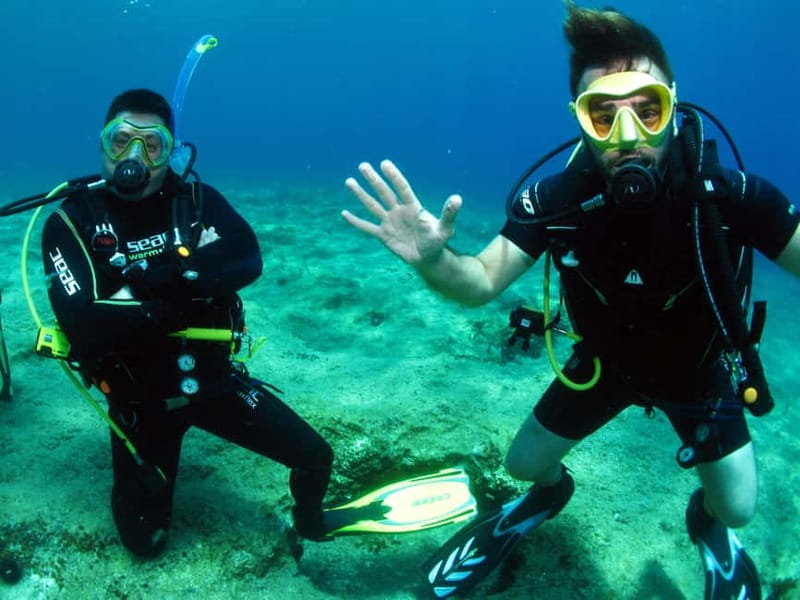
You can cancel up to 24 hours before the activity for a full refund, according to the stated booking terms. You can also reserve now and pay later, which helps if your Athens plans are still shifting.
The duration is four hours, but you should check the available start times before booking. The meeting point is the dive center, and no hotel transfer is listed. Build in enough time to arrive, complete any remaining checks, and avoid starting the session stressed.
The one-tank format also makes timing important after the activity. Leave a minimum of 12 hours before a flight, and allow more time if your schedule is complicated. The underwater session may be the highlight, but the surface interval is the rule that protects your wider holiday plans.
Should you book this Athens scuba experience?
Book it if you are a swimmer who wants a careful first taste of scuba, especially if patient instruction matters more to you than a long underwater route. The full equipment package, PADI professional, eLearning, one tank, and DAN insurance make the $123 price easier to justify.
The strongest reason to choose it is the teaching approach. George, Petros, Christos, and the wider team have been associated with clear explanations, calm support, and steady checks in the water. The main caution is simple: this is an introduction, not a full certification or an all-day marine adventure.
Check the medical form early, confirm that you understand the language of instruction, and leave 12 hours before any flight. If those details work for you, this is a practical way to find out whether breathing underwater belongs in your future travel plans.
FAQ
What is included in the Athens scuba experience?
The price includes a full scuba equipment set, one tank session, a professional PADI instructor, eLearning training materials, and DAN insurance.
How long does the experience last?
The activity lasts four hours. Check the available start times when booking.
What languages are available?
Instruction is available in English and Greek.
What is the minimum age?
The minimum age is eight years old.
Do I need to be able to swim?
Yes. The experience is not suitable for non-swimmers.
Is the activity suitable for people with medical conditions?
It is not suitable for pregnant women or people with back or heart problems. You complete a medical statement through the eLearning process, which determines whether you need a doctor’s approval.
What should I bring?
Bring a hat, swimwear, towel, sunscreen, and water.
How long should I wait before flying?
After the one-tank session, you need a surface interval of at least 12 hours before flying.
Newest dives added in Greece
- Athens: Single or Double Scuba diving for certified divers★ 4.8 · 8 reviews
- Agia Pelagia: Introduction to Scuba Diving Experience★ 4.9 · 27 reviews
- Agia Pelagia: Introduction to Scuba Diving (2 Dives)★ 5.0 · 6 reviews
- Athens: Private Discover Scuba Diving for Beginners★ 4.9 · 25 reviews
- Plakias: Try Scuba Diving first time – Private, from 8 yrs.★ 5.0 · 21 reviews
- Private Scuba Diving Experience in Mandraki★ 5.0 · 21 reviews
- Try Scuba in Crete – Free Certification & Photos (Beginners)★ 5.0 · 51 reviews
- Chania:Try Scuba Diving 2shore dives(Receive Certification)★ 4.8 · 24 reviews
Discover Scuba Diving, compared.
2 Days Discover Scuba Diving in Nusa Lembongan – Scuba Initiation
Read our review →