
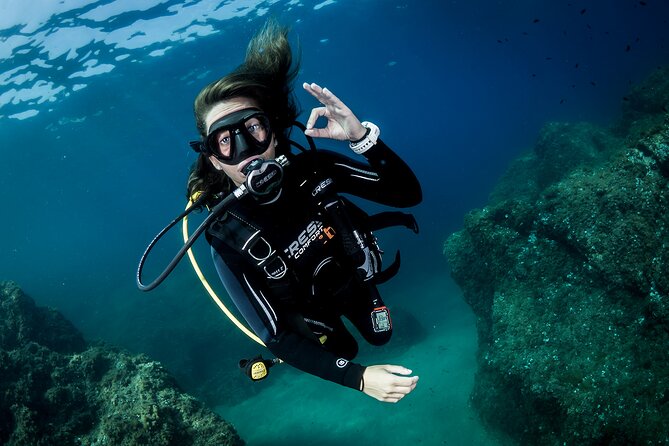
Reviewed · PADI COURSES & CERTIFICATION
Discover PADI Diving in Barcelona
Barcelona’s best first scuba experience happens close to the city, not on a remote coast. At iDive Barcelona, you begin with a clear lesson on equipment and hand signals, then enter a protected sea area for roughly 30 to 40 minutes underwater. The setting is designed for people who have never tried scuba before.
I like the six-person maximum, which gives instructors time to steady a nervous beginner. I also like the patient teaching style associated with instructors such as Pau, Julia, Alex, Hugo, and Lucas, plus the included underwater video. The main drawback is simple: this is a beginner session in a protected area, not a dramatic offshore expedition, and marine life and visibility can vary.
Key points before you book
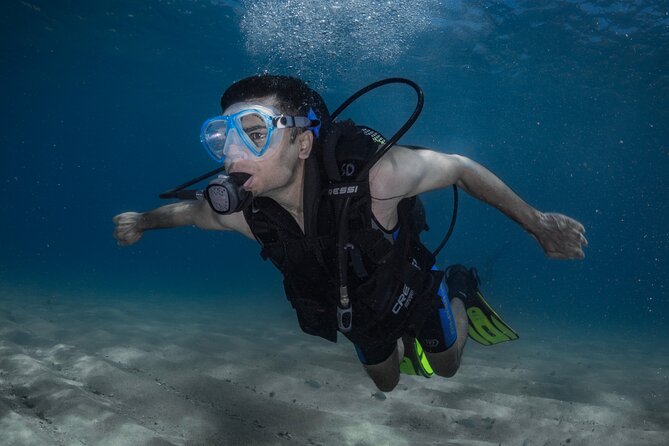
- About 30 to 40 minutes underwater: The two-hour visit includes a full first-hour briefing, preparation, and equipment time.
- Protected sea area: You stay in a controlled section connected to the sea, with no boat traffic in the activity zone.
- Small groups of six or fewer: This matters when you need help with breathing, buoyancy, or hand signals.
- Beginner-focused instruction: Expect repeated checks and close support rather than a fast-paced independent session.
- Marine life is possible, not promised: Fish, sea cucumbers, whelks, octopus, shells, and vegetation have been seen, but visibility changes.
- Plan around the 12-hour flight rule: You cannot fly until at least 12 hours after the activity.
What this Barcelona scuba session really offers
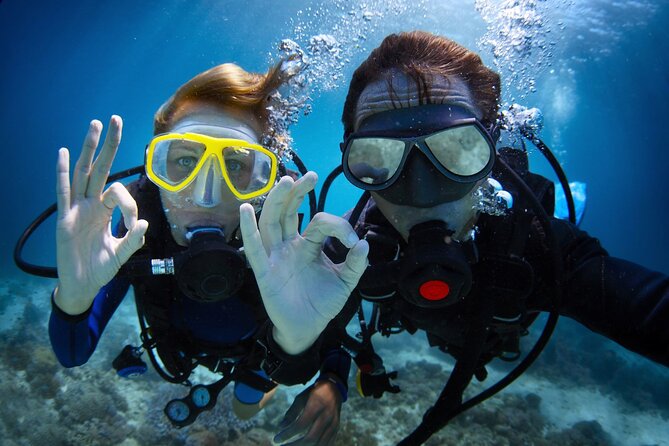
This is a first underwater experience, not a certification course. You learn the basics, get used to breathing through the regulator, and spend time under close instructor supervision.
That distinction helps set your expectations. If you already hold a scuba qualification, the controlled setting and shallow route may feel limited. If you are curious about scuba but unsure how you will react underwater, the format makes good sense.
The activity lasts about two hours. The first hour covers how the equipment works, how to communicate with hand signals, and what will happen once you enter the water. That classroom-style explanation is not filler. For a beginner, knowing how to clear up a concern underwater without speaking can make the whole session feel less mysterious.
You then suit up and enter the water with an instructor. The underwater portion lasts around 30 to 40 minutes, although the exact time can depend on comfort, conditions, and safety. The instructor stays close, checks how you are doing, and helps you get settled rather than sending you off to manage everything alone.
The school records underwater video as a souvenir. This is a useful touch because taking your own photographs is difficult during a first session, when your attention should be on breathing, position, and signals. The video service is not always perfect, though. One unhappy participant reported receiving only a very short, unusable clip, so treat the footage as a bonus rather than the main reason to book.
More PADI Courses in Spain
- Barcelona: PADI Discover Scuba Diving
★ 4.7 · 1,016 reviews - Tossa de Mar: PADI Discovery Scuba Diving in Costa Brava
★ 4.7 · 392 reviews - Try Dive – PADI Discover Scuba Diving in Tenerife
★ 5.0 · 214 reviews
Arriving at Bogatell Beach
The meeting point is Passeig Marítim del Bogatell, 3574, in Barcelona’s Sant Martí district. The school operates by the beach, near public transport, and the activity ends where it begins.
Allow extra time to find the entrance. The beach facility has a gate that staff open for participants, and arriving 15 minutes early is required. This is not a relaxed walk-up activity. Anyone arriving after the start time may be refused entry, with no refund or rescheduling.
Once inside, expect paperwork and preparation before the lesson. One account notes that there is a changing area, while the shower is a fresh-water jet rather than a warm shower. Bring a towel and swimwear, even though the necessary scuba equipment is supplied.
The beach location is convenient for a Barcelona itinerary. You do not need to spend a full day reaching a distant marina, and the short format leaves room for other city plans. Still, do not schedule a flight immediately afterward. The stated safety rule is no flying for at least 12 hours after the session.
The first hour: equipment, signals, and calm instruction
The opening lesson explains the mask, fins, buoyancy equipment, tank, and regulator, along with the basic safety steps. You also learn the hand signals used underwater. For a first-timer, this is the part that turns a strange pile of equipment into something manageable.
The instructors receive especially strong praise for being calm and patient. Pau is noted for explaining the gear clearly, while Julia has been praised for giving beginners time to stop, go back, or continue only when comfortable. Alex, Hugo, Lucas, David, and Christian are also named in positive accounts, suggesting a broad team rather than one individual carrying the whole experience.
That personal support is the chief value of a small group. You can ask questions before entering the water, and an instructor can watch your breathing and body position closely. If you feel nervous, the session is not built around rushing you through a fixed route.
There is a practical flip side. A group with several very nervous beginners may move slowly. One participant with more experience found the pace held back by less confident companions, although the staff adapted by placing that person with another instructor. If you want a long, independent swim, this format may test your patience.
Underwater in a protected Barcelona sea area
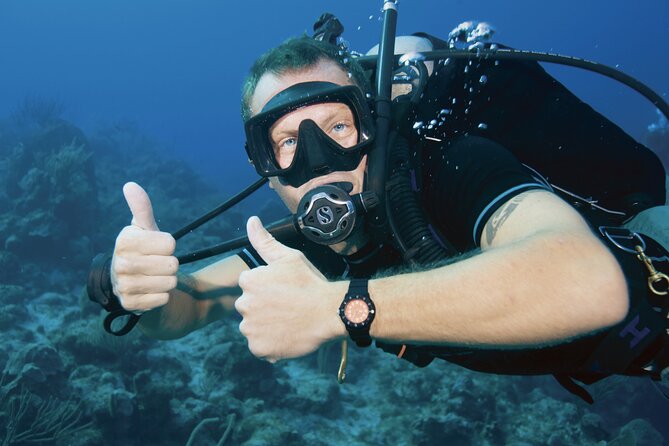
The activity takes place in a private, protected area that connects to the sea. It is not a sealed pool, but it is also not an offshore trip among deep reefs or dramatic walls.
The safety advantage is clear. The school states that there is no boat traffic in the activity area, which gives instructors more control when someone needs to surface or regain confidence. The reported depth during one session was about three metres. That shallow setting is appropriate for learning basic breathing and buoyancy, especially when a participant is experiencing scuba for the first time.
You will likely follow a compact route rather than cover a large section of coast. The instructor may hold or guide you if you cannot stay below the surface or control your buoyancy. This can feel intrusive if you expected to swim freely, but it is part of keeping a novice group together and safe.
Pay attention to hand signals. An instructor’s outstretched hand is not an invitation for a high five. One amusing account came from a beginner who learned that lesson underwater. Small moments like this show why the briefing matters.
The underwater time is long enough to get past the first burst of nerves. You can practise steady breathing, look around, and become familiar with moving in the equipment. It is less about covering distance and more about learning how your body behaves underwater.
Another way to get in the water in Spain:
- Tenerife: Your First Scuba Diving Experience in Turtle Area
★ 4.7 · 1,679 reviews - Mallorca: Discover Scuba Diving for Beginners
★ 4.7 · 805 reviews - Lanzarote Introductory Scuba Diving Experience
★ 5.0 · 766 reviews - Tenerife: Beginner’s Dive at a Spot with Turtle Sightings
★ 4.7 · 627 reviews
What you might see below the surface
Marine life is the pleasant extra here, not a guaranteed feature. Participants have seen schools of fish, sea cucumbers, whelks, octopus, shells, and underwater vegetation. One first-timer encountered an octopus close by, while another saw fish swimming near the mask.
Visibility depends on weather and sea conditions. Rain the night before can stir the water, and several accounts describe cloudy conditions. Even then, fish and other small creatures may be visible. On a clear, sunny day, the protected site can look much better.
You should also be honest about the setting. Some sessions produce little wildlife and feel like a short circuit around a confined area. That disappointment is understandable if you imagined open-water scenery. The school’s explanation is that animals move and conditions change, but the practical advice is yours: book this for the feeling of being underwater and the support of a first lesson, not for guaranteed marine encounters.
The site itself receives mixed descriptions. Some people find it safe and attractive, especially in good weather. Others think the scenery is plain. I would treat the location as a useful training ground near Barcelona rather than a headline natural attraction.
Safety, comfort, and the one serious caution
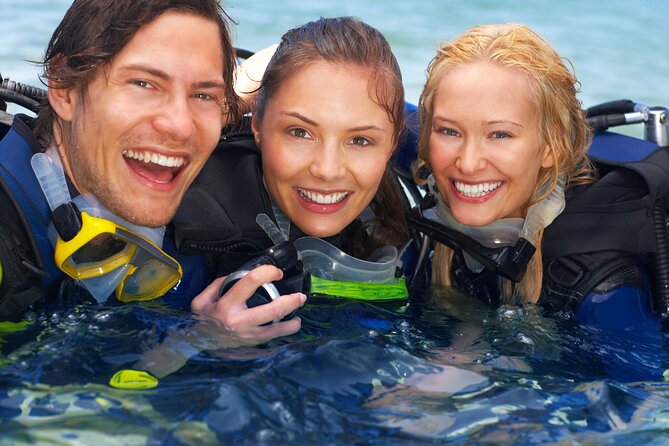
Safety is the strongest reason to choose this experience, but it also explains some of the strict rules. Instructors may stop you from surfacing too quickly, steady your buoyancy, or end the session if you become too cold or uncomfortable.
That supervision can sometimes feel firm. One account describes an instructor holding a participant underwater to help control buoyancy, while another felt uncomfortable being prevented from rising immediately. The school’s explanation is that instructors are trying to bring beginners up at a controlled speed and protect the group. If you feel anxious, say so clearly during the briefing and follow the hand signals you have been taught.
Cold is another real concern, especially for children. One session involving a 12-year-old ended early when the child became visibly cold. The school says instructors will stop when they see signs of cold, even if the participant says they are fine. That is the right safety decision, but it means an early finish is possible.
The activity is not recommended for people with respiratory or ear diseases, or for people taking prescription medicines. You should not book casually if either applies to you. The supplied information does not give a medical approval process, so ask the provider directly before paying if you have a health concern.
Most people can participate, but this is not an activity to squeeze into a flight-day schedule. Leave at least 12 hours before flying after the session. That rule applies even if the underwater portion ends early.
Is $83.27 good value?
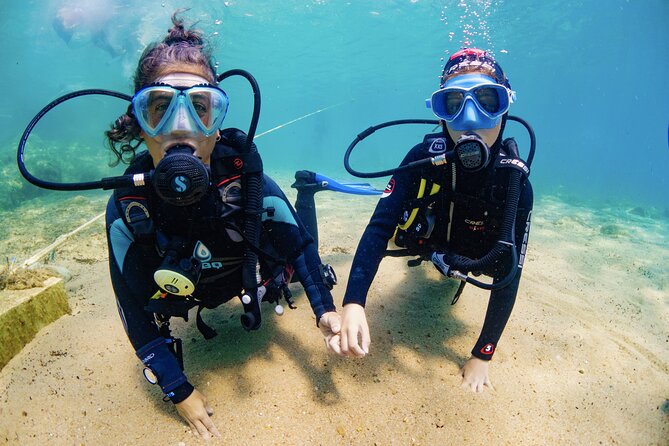
At $83.27 per person, this is reasonably priced for a guided first scuba session with equipment, instruction, a small group, and underwater video. You are paying for close supervision and a low-pressure introduction rather than a full qualification.
The value is best for a curious beginner who wants to test scuba without committing to a multi-day course. You receive a lesson, a guided underwater session, and a practical sense of whether you want to continue toward certification.
The price feels less attractive if you already have substantial scuba experience. The shallow, protected route may seem repetitive, and the limited area does not offer the variety of a dedicated boat trip. It can still work as a quick holiday activity, but experienced participants should keep expectations modest.
The free cancellation policy adds useful flexibility. You can cancel for a full refund up to 24 hours before the local start time. Changes or cancellations inside that window are not accepted, and the payment is not refunded.
Who will get the most from it
I would choose this for:
- A first-time scuba participant who wants patient guidance.
- A solo visitor who wants a structured activity with an instructor nearby.
- Couples or small groups who prefer a shared first underwater experience.
- Families who confirm age and medical requirements with the provider before booking.
- Anyone who wants an unusual Barcelona activity after the usual city sightseeing.
I would think twice if you want deep water, open-coast scenery, guaranteed wildlife, or a long independent swim. You may also prefer a more advanced school or a boat-based trip if you already have certification.
The strongest praise goes to the staff’s patience and calm manner. That matters more than flashy scenery in a first session. An instructor who lets you pause, checks your comfort, and explains what is happening can determine whether you leave excited about scuba or decide it is not for you.
Practical tips for a smoother session
Arrive early. Fifteen minutes is the official minimum, but finding the beach gate and completing paperwork is easier when you are not watching the clock.
Bring a towel and swimwear. Equipment is provided, but the changing and shower setup is basic. Expect cool fresh water rather than a hot rinse.
Tell the instructor if you are nervous before entering the sea. You will get more from the session when the team knows what concerns you, whether that is mask pressure, breathing, or staying below the surface.
Keep your buoyancy as your first priority. The school may limit photography or video if you are struggling to remain safely underwater. That is frustrating if you want a souvenir, but staying calm and controlled matters more.
Book with weather in mind when possible. The sea can be murkier after rain, and visibility changes. You may still see fish and small creatures, but no one can promise a clear view.
Do not plan to fly for 12 hours afterward. This is the easiest rule to overlook when you are building a busy Barcelona schedule.
Should you book this Barcelona experience?
Book it if you want a short, carefully supervised introduction to scuba near the city. The small groups, patient instructors, supplied equipment, and protected water make it a sensible choice for a first attempt.
Skip it if your main goal is spectacular scenery or a serious open-water excursion. The site can feel confined, wildlife is unpredictable, and the underwater route is designed for safety rather than exploration.
For the right person, $83.27 buys more than 30 minutes underwater. It buys a controlled first step, with enough instruction to decide whether scuba belongs in your future travel plans.
FAQ
How long does the Barcelona scuba activity last?
The activity lasts approximately two hours. About one hour is used for the explanation and preparation, followed by around 30 to 40 minutes underwater.
Where does the activity start and finish?
It starts at Passeig Marítim del Bogatell, 3574, Sant Martí, Barcelona. It ends back at the same meeting point.
Is this suitable for a complete beginner?
Yes. The activity is designed for people who have never tried scuba and includes instruction on equipment, safety, and underwater hand signals.
How many people are in each group?
The maximum group size is six participants.
Is scuba equipment provided?
Yes. The activity includes the equipment needed for the session. You should bring swimwear and a towel.
Can I fly after the activity?
You should not fly until at least 12 hours after the activity.
What is the cancellation policy?
You can cancel up to 24 hours before the local start time for a full refund. Cancellations or changes made less than 24 hours before the start are not accepted for a refund.
Newest dives added in Spain
- Lanzarote: Scuba Dive at Museo Atlántico for Beginners★ 4.8 · 86 reviews
- Tenerife: Costa Adeje Private Diving Lesson Experience★ 4.9 · 47 reviews
- Tenerife: Private Scuba Diving–Certified Instructor & Photos★ 4.9 · 65 reviews
- Tenerife: 2-Dive Private Scuba Discovery Course★ 4.3 · 22 reviews
- PADI Open Water Diver Course (OWD) – 2.5 days★ 5.0 · 98 reviews
- Basic Diver course for beginners with 1 dive in the Ocean★ 5.0 · 41 reviews
- PADI Discover Scuba Diving Course in Tenerife★ 4.8 · 64 reviews
- Private Beginner Scuba experience in Mallorca★ 5.0 · 117 reviews
PADI Courses & Certification, compared.
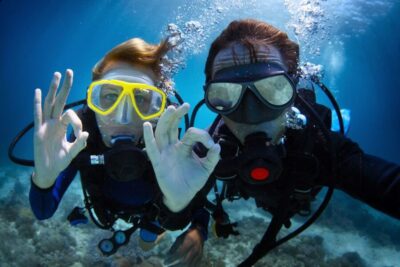
Tossa de Mar: PADI Discovery Scuba Diving in Costa Brava
Read our review →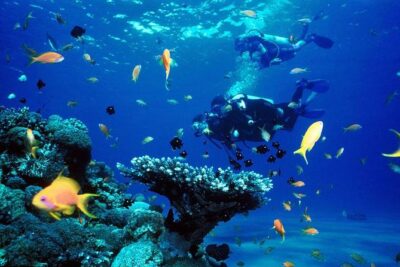
Full-Day Beginner Scuba Course with Private Tuition, Racha Yai
Read our review →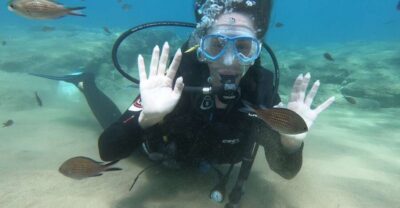
Heraklion: Beginner Scuba Diving Lesson with PADI Instructor
Read our review →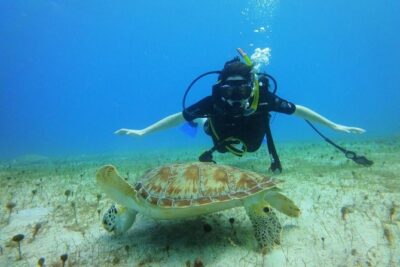
Discover Scuba Diving with No Certification in St Thomas
Read our review →
Try Dive – PADI Discover Scuba Diving in Tenerife
Read our review →
Browse the lists this dive appears in