
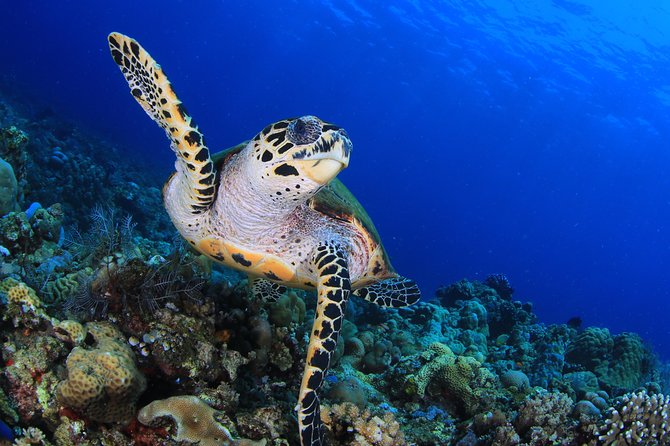
Reviewed · DISCOVER SCUBA DIVING
Discover Scuba Diving
St. Thomas gives you a rare chance to try scuba without first committing to a certification course. Aqua Action Dive Center starts with a classroom lesson, moves into shallow water, then takes you farther out for a supervised underwater session where you may see coral, fish, sea anemones, and stingrays. Patient instruction is the heart of the experience.
I like the all-in setup: your equipment, booklet, tanks, wetsuit, and instructor are included in the $175 price. I also like the choice between a shore-based bay session and a boat trip to Caribbean reef and wreck sites. The main thing to consider is that the shore option may reach only about 15 feet, which can feel modest if you are hoping for a long, deep-water adventure.
Key points to know
- A true first-timer course: You do not need a scuba certification, and an instructor stays with you throughout the session.
- Three clear stages: Expect classroom instruction, shallow-water practice, and a supervised open-water session.
- Two possible settings: You may use a calm bay from shore or board a boat for two Caribbean Sea locations.
- Equipment is included: Tanks, weights, BCD, regulator, wetsuit, fins, mask, and snorkel are provided.
- Small maximum group: The activity accepts no more than 12 people, helping instructors keep an eye on beginners.
- Plan around your flight: Scuba within 24 hours of flying is not recommended.
Your first three hours and 30 minutes underwater
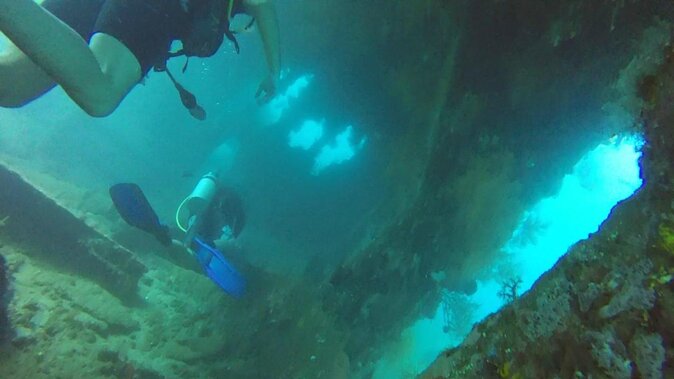
This is a half-day introduction built for people who want to try scuba without taking a full certification course. You begin on land with an instructor, learn how the equipment works, and receive a Discover Scuba booklet to take home.
The classroom portion matters more than it may sound. Breathing through a regulator, clearing a mask, controlling your buoyancy, and communicating underwater all feel unusual at first. You want enough time to understand the equipment before you enter the water, and this format gives you that foundation.
Next comes practice in shallow water. This is where you can get used to the mask, fins, BCD, regulator, and breathing rhythm while still close to shore. If you feel nervous, this is the point when a good instructor can slow down, adjust your gear, and help you try again.
Several instructors receive especially warm praise for their calm teaching. Jack is noted for clear directions and staying close to beginners. Stephanie is described as both a strong instructor and a reassuring presence in the water, while Juan and Danny are praised for checking on participants at every step. Those details matter more here than fancy equipment or ambitious sites. A first scuba session works best when you feel heard and never rushed.
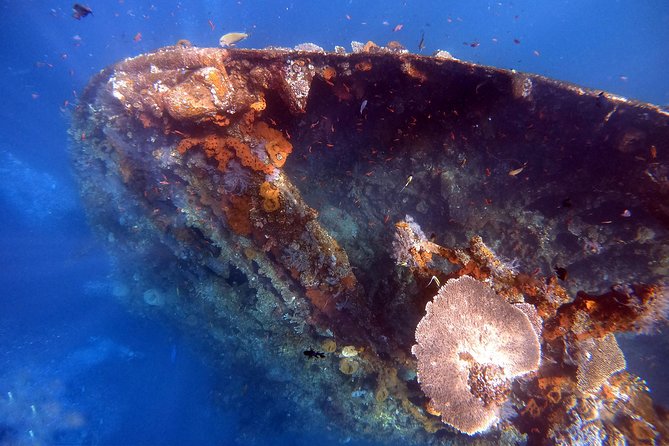
After the shallow-water practice, you move into the main underwater session. The exact setting depends on the option available for your booking. You might remain in a bay, entering from the beach, or board a boat for two Caribbean Sea locations with reefs and wrecks.
The shore-based format offers easy access and a gentle introduction. You can focus on breathing and body position without adding a boat ride to the day. It also puts marine life surprisingly close to land. Fish, coral, sea anemones, and a large resting stingray have all been seen during this type of session.
The tradeoff is depth. One participant found the shore session reached only about 15 feet and felt similar to snorkeling. That is a fair criticism if your main goal is dramatic depth or an extended underwater route. For a nervous beginner, though, shallow water can be exactly the right choice. It lets you learn without turning the first attempt into a test of nerve.
More Discover Scuba Diving in the world
- Discover Scuba Diving
★ 5.0 · 1,676 reviews - Barcelona: PADI Discover Scuba Diving
★ 4.7 · 1,016 reviews - Discover Diving in Curacao
★ 5.0 · 886 reviews
What the $175 price really covers
At $175 per person, this is not simply a guided swim. You are paying for instruction, equipment, supervision, and a structured introduction to a sport that normally requires training before independent use.
The package includes the Discover Scuba booklet, tanks, weights, BCD, regulator, wetsuit, fins, mask, and snorkel. You do not need to assemble a separate rental package or figure out which pieces of equipment are required. That makes the price easier to judge, especially if you are starting from zero.
The instructor is included too, and that is the most valuable part of the package. Scuba equipment can feel awkward when you first put it on. One participant had trouble with a piece of gear, but the instructor patiently replaced the problem item and helped the session continue. That is the kind of practical help you want when you are several minutes into your first attempt.
The value is strongest for a curious beginner who wants a safe introduction, not for a certified scuba enthusiast looking for a challenging site. If you already snorkel comfortably and want a substantial underwater route, the shore version may not feel like enough. Ask about the boat option if reefs and wrecks are your priority.
Gratuity is not included. A tip of 15 to 20 percent of the tour cost is recommended, so plan for roughly $26 to $35 per person if the instructor gives you the attentive help this activity requires.
Choosing between the beach and the boat
The bay option is likely the simplest way to get your first underwater experience. You enter from the beach, practice in shallow water, and continue into the bay under close supervision. You also have the benefit of spending time on the beach afterward, which one participant particularly enjoyed.
This format is practical for people who are unsure about scuba. You can concentrate on your breathing and hand signals instead of dealing with a boat departure. It may also work better for families or mixed groups where some people are eager and others need time to settle down.
The boat option offers a different feel. You can visit two Caribbean Sea locations, including reef and wreck settings off St. Thomas. The supplied details do not promise a specific wreck, reef, depth, or marine animal, so you should treat the boat route as a possibility rather than a guarantee.
I would choose the boat option if the underwater setting is the main reason you are booking. I would choose the bay if comfort, simple logistics, and a gentle first attempt matter more. Either way, the instructor remains nearby and the activity is designed for people without certification.
Because conditions affect water activities, the operator may change or cancel the session if the weather is poor. You can then receive another date or a full refund. That policy is useful in St. Thomas, where ocean conditions can shape the quality and safety of the day.
What you may see below the surface
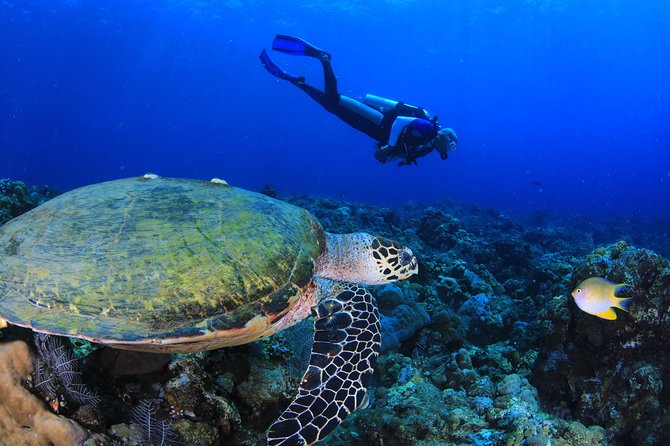
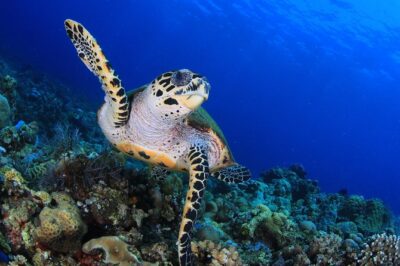
The marine life described for this experience is modest but appealing. You might see fish moving around coral, sea anemones attached to the bottom, and a stingray resting on the sand or seafloor. The appeal is not a guarantee of a rare-animal encounter. It is the chance to notice ordinary Caribbean sea life from a new viewpoint.
At 15 feet, sunlight still reaches the bottom, and the setting can feel approachable rather than remote. That makes the bay session useful for learning how to look underwater. Beginners often spend their first few minutes thinking about their breathing and equipment. A calm site gives you a better chance to notice the surroundings once those tasks become easier.
The boat option may bring you to reefs and wrecks, which can add more visual interest. Still, the course is not presented as an advanced expedition. You are there to learn the basics under an instructor’s care. Keep your expectations centered on trying scuba, not on collecting a list of animals or visiting a famous site.
More Scuba Diving in the world
- Great Barrier Reef Snorkeling and Diving Cruise from Cairns
★ 4.5 · 3,714 reviews - First-Time Scuba Diving in Honolulu + Free Videos
★ 5.0 · 3,123 reviews - Oahu Shark Dive
★ 5.0 · 2,903 reviews - Silfra: Diving Between Tectonic Plates – Meet on Location
★ 5.0 · 2,139 reviews
Why instructor support makes or breaks the day
I would put the instructor at the top of your decision list. Many first-timers worry about removing a mask, breathing from the regulator, or managing the equipment. A calm professional can turn those moments from frightening into manageable steps.
The teaching style described here is hands-on and patient. Jack is praised for clear explanations and staying close. Stephanie is singled out for being especially helpful in the water. Juan and Danny are noted for patience and for checking that participants were comfortable throughout the session.
That kind of attention is especially important in a group setting. The maximum group size is 12, which is not a private lesson, but it puts a reasonable limit on the number of people sharing the session. The instructor’s job is not only to explain the equipment. It is also to notice when someone is uncomfortable, make an adjustment, and keep the group moving at a sensible pace.
You should still speak up. Tell the instructor if your mask leaks, your regulator feels wrong, or you need another explanation. One of the clearest practical lessons from this experience is that equipment problems can often be fixed quickly when you mention them.
Is it physically demanding?
You should have a moderate level of physical fitness. The activity involves handling scuba equipment, entering the water, swimming, and staying comfortable in the ocean. The information provided does not give a minimum age, weight limit, or exact swimming requirement, so you should ask the operator if any of those details affect your booking.
You must also complete a health questionnaire before entering the water. Conditions such as asthma and heart problems may prevent you from participating, and you should consult your doctor if you have a relevant medical concern.
Do not schedule this activity within 24 hours of flying. That rule matters for your return plans as well as your arrival. If you are visiting St. Thomas on a short trip, place the scuba session early enough that you have a full 24-hour buffer before your flight home.
The session ends back at the meeting point in St. Thomas. It is near public transportation, which may help if you are not renting a car, though the provided information does not specify exact pickup or transfer arrangements.
Who will get the most from this St. Thomas experience?
This is a good match for you if you have always wondered what scuba feels like but do not want to take a full certification course during vacation. It also suits couples, families, and small groups who want to try something together without buying personal gear.
You will probably appreciate it most if you value patient guidance over depth. The shallow bay route can be a feature, not a flaw, when your main goal is to learn how to breathe, move, and communicate underwater.
I would be more cautious if you already have substantial scuba experience. The session is built for beginners, and the 15-foot shore option may feel too limited. In that case, ask specifically about the boat route, the possible reef and wreck sites, and how much time you will spend underwater.
The activity is also a better choice for someone who can give the instructor time. This is not a quick photo stop. The classroom lesson and shallow-water practice are important parts of the experience, so you should expect the full three hours and 30 minutes.
Booking, timing, and cancellation details
The price is $175 per person, and reservations are commonly made about 46 days ahead. That planning window suggests you should book early if your schedule is fixed, especially if you want a particular day during a busy St. Thomas visit.
Confirmation arrives when you book, and the ticket is mobile. You can cancel for a full refund up to 24 hours before the local start time. Changes or cancellations inside that 24-hour window are not accepted for a refund.
The activity requires a minimum number of participants. If that minimum is not reached, you will be offered another date or experience, or a full refund. Poor weather can lead to the same choices.
Should you book it?
Book this if you want a careful, low-pressure introduction to scuba with equipment and instruction included. The strongest reason to choose it is the staff’s patient approach, especially for nervous beginners who need help getting comfortable with the gear.
Choose the bay option if you want an easy first attempt and do not mind limited depth. Ask about the boat option if reefs, wrecks, and a more substantial Caribbean setting matter most to you.
At $175, the experience offers fair value for a first-time participant because it bundles the lesson, gear, booklet, and supervision. Just keep your expectations realistic: this is a beginner course, not a full certification and not necessarily a deep-water adventure. If that sounds like the right first step, Aqua Action Dive Center gives you a sensible way to try it.
FAQ
Do I need scuba certification to join?
No. This is a beginner course designed for people who want to try scuba without certification.
How long does the activity last?
The experience lasts approximately three hours and 30 minutes.
What does the session include?
It includes a Discover Scuba booklet, scuba equipment, tanks, weights, BCD, regulator, wetsuit, fins, mask, snorkel, and a qualified instructor.
Is an instructor with me throughout the activity?
Yes. The course includes instructor supervision throughout the experience.
Will the session take place from the beach or on a boat?
You may take part in a shallow bay session from shore, or you may visit two Caribbean Sea locations by boat. The available format can vary.
How deep does the shore session go?
The supplied information includes a report of a shore session reaching about 15 feet. Depth can depend on the selected format and conditions.
What marine life might I see?
You might see fish, coral, sea anemones, and stingrays. Specific sightings are not guaranteed.
Can I participate if I have a medical condition?
You must complete a health questionnaire before the activity. Conditions such as asthma or heart problems may prevent participation, so consult your doctor if you have a relevant condition.
Can I cancel for a refund?
Yes. You can cancel at least 24 hours before the local start time for a full refund. Poor weather or failure to meet the minimum number of participants may also result in another date or a full refund.
Newest dives added in the world
- Private Scuba Diving Expert-Led Excursion Training with Tour★ 4.5 · 9 reviews
- SHARK CAGE DIVING and VIEWING (Self Drive)★ 4.5 · 25 reviews
- Cape Shark Diving Adventures★ 5.0 · 56 reviews
- SHARK CAGE DIVING and VIEWING (Incl. transfers from Cape Town)★ 5.0 · 28 reviews
- Shared Scuba Diving Trip in Kushimoto★ 5.0 · 2 reviews
- Ultimate Shark Encounter Two Tank Dive at The World Famous Beqa Lagoon★ 5.0 · 18 reviews
- Certified Scuba Diving with Whitetip Marine Adventures team★ 5.0 · 67 reviews
- Scuba Dive Boat Charter in Vancouver (Certified Divers Only!)★ 5.0 · 60 reviews
Discover Scuba Diving, compared.
2 Days Discover Scuba Diving in Nusa Lembongan – Scuba Initiation
Read our review →
From Sharm: Ras Muhammed & White Island By Boat & intro Dive
Read our review →Browse the lists this dive appears in