
Reviewed · SCUBA DIVING
Dive into Spirituality: 6 Days Trek to Gosaikunda Lake
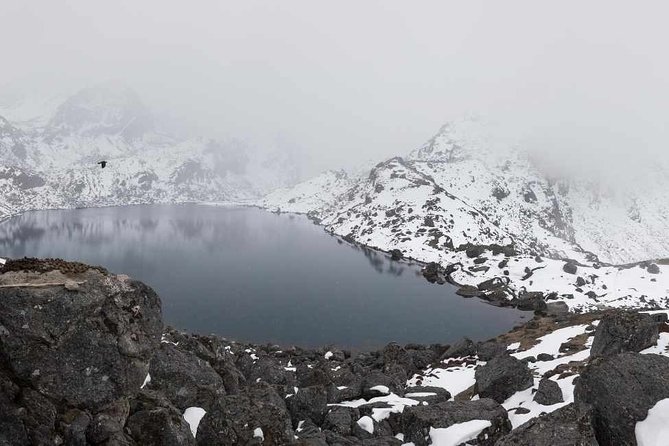
Gosaikunda is not just a mountain lake. For Hindus and Buddhists, it is a sacred place, and the walk to reach it gives you a compact taste of Nepal’s high country. You pass through forests, ethnic villages, rugged trails, and mountain country without committing to a long three-week trek.
I like the six-day format, especially if you have limited time in Nepal. I also like that the price includes meals, teahouse lodging, permits, a guide, a porter, and transport from Kathmandu. The main caution is the altitude and the uphill walking. You need a moderate fitness level, and the schedule leaves little room for a slow day.
Key points to know before you book
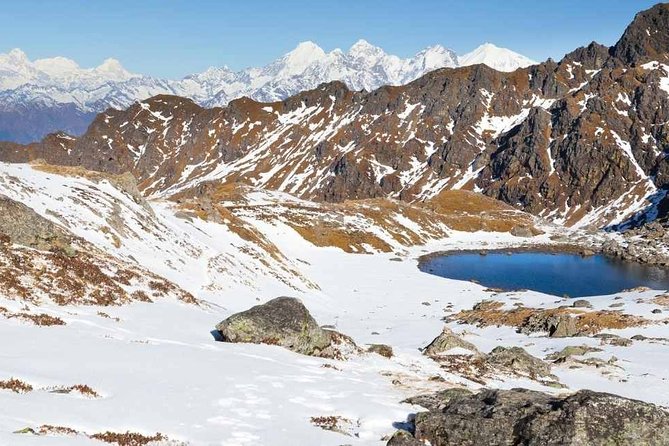
- Sacred Gosaikunda Lake: Visit Gosaikunda, Surya Kunda, Saraswoti Kunda, and Bhairab Kunda in a high mountain setting.
- A short route from Kathmandu: The trek begins with a drive to Dhunche, making it a practical choice for a limited holiday.
- Six days with a clear return route: You walk to Chandanbari and Gosaikunda, then retrace the route to Dhunche.
- Good package value: Local meals, teahouse accommodation, permits, a guide, a Sherpa porter, and public transport are included.
- Private group arrangement: Only your own group participates, rather than joining a large shared departure.
- Real physical effort: Expect a long uphill day to Chandanbari and high-altitude walking near the lake.
Why Gosaikunda works for a short Nepal trek
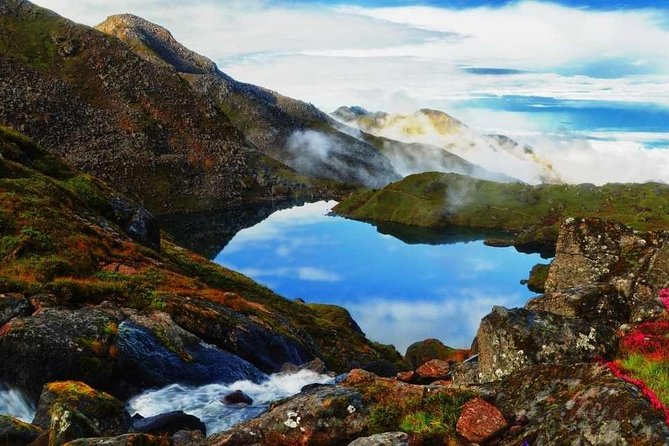
Many Himalayan treks demand a large block of vacation time. This one does not. You leave Kathmandu early, reach Dhunche by public transport, and begin walking the following day. In six days, you get forests, mountain villages, high ridges, holy lakes, and views toward Langtang Himal and Ganesh Himal.
The route also has a clear purpose. You are not walking only to reach a viewpoint or check off a mountain destination. Gosaikunda is a place of worship, and the lakes around it carry meaning for both Hindu and Buddhist communities. That spiritual focus changes the tone of the walk. The destination feels like more than a scenic stop.
You should still keep your expectations sensible. This is a short trek, not a relaxed mountain holiday. The itinerary includes several demanding walking days, and you sleep in simple teahouse accommodation. The attraction is the concentrated experience, not comfort or a leisurely pace.
More hikes and treks in the world
- Sea Trek Helmet Dive at Coral World Ocean Park
★ 5.0 · 992 reviews - Semporna: Bohey 3 Islands Hike, Snorkel/Dive Tour with Lunch
★ 4.3 · 50 reviews - Sea Trek Diving Experience in Costa Teguise
★ 4.5 · 21 reviews
Day one: Kathmandu to Dhunche by public transport
Your meeting time is 5:45 a.m., so the first morning begins early. You travel from Kathmandu toward Dhunche by public transport, passing through Trisuli Bazar along the way. The drive connects the capital with the Langtang region and gives you a first look at life outside Kathmandu.
Public transport helps keep the cost down, but it also means less control over the journey than you would have with a private vehicle. The included transport is a practical benefit rather than a luxury feature. If you value flexibility, ask for the precise pickup point and expected drive duration before departure.
Dhunche is your first overnight stop. This town serves as the starting point for the walking section, so the night gives you a chance to settle in before the trail begins. Keep your day pack organized, since you will want water, warm layers, rain protection, and personal items close at hand once you start walking.
Day two: The long uphill walk to Chandanbari
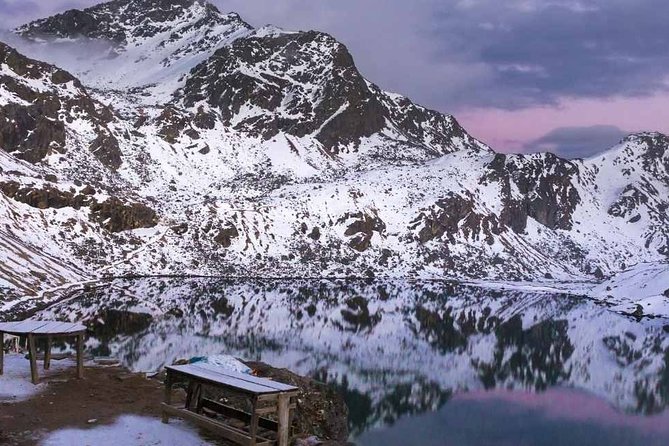
The trek to Chandanbari takes about six to seven hours and is uphill. This is the day that tells you most clearly if the trip suits your fitness level. The route moves through changing mountain scenery, including forested sections and rougher ground as you gain height.
The word uphill matters here. Even if you regularly walk at home, sustained climbing can feel different at altitude. Take a steady pace rather than racing early in the day. Your guide can help set the rhythm, and the porter arrangement means you do not need to carry the main load yourself.
Chandanbari is more than a place to sleep. It is one of the cultural stops on the route, where you can experience village life in the region. The accommodation is in a teahouse on a twin-sharing basis. That means you should expect basic facilities and a social, simple style of mountain lodging rather than hotel standards.
Meals are included throughout the trek: breakfast, lunch, and dinner. Drinks are not included, including tea, coffee, water, soft drinks, and alcohol. Budget for those separately, and remember that the cost of bottled or heated water can add up during a trek.
Day three: Reaching the sacred lakes
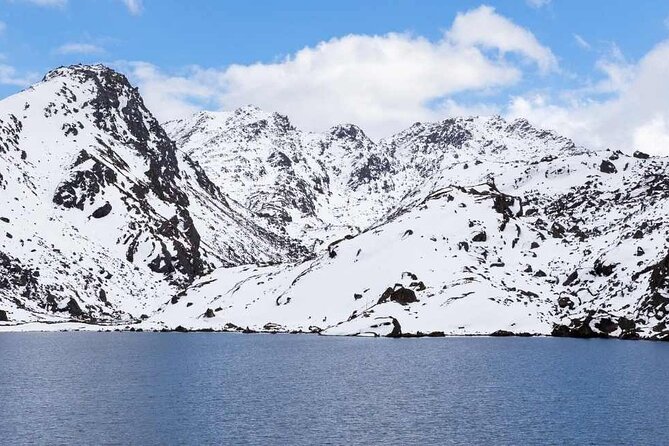
The early start continues on day three, when you trek to Gosaikunda Lake. This is the central day of the trip. You visit the holy lake and may also see Surya Kunda, Saraswoti Kunda, and Bhairab Kunda, each adding to the religious importance of the area.
Gosaikunda is revered by Hindus and Buddhists. The setting combines belief, mountain weather, and exposed high-country terrain. You will have time to worship at the lake, but you should approach the place respectfully. This is not simply a photo stop. Avoid treating religious activity as a performance, and follow the guidance of your trek leader around the water and surrounding shrines.
The mountain views are a major reward. The route offers views toward Langtang Himal and Ganesh Himal, with snowy peaks appearing above the rough terrain. Weather can alter what you see, so do not treat a clear panorama as guaranteed. The experience still has value in cloudier conditions, but the famous views are naturally best when the sky cooperates.
You stay overnight near Gosaikunda. This is an important part of the schedule because it lets you experience the lake in the high mountain setting rather than rushing up and immediately returning. It also means you need to be ready for a basic night at altitude. Pack warm clothing and do not assume that a sleeping area will feel like a heated room.
More six-day trips in the world
- 6 days unlimited diving
★ 5.0 · 89 reviews
Day four: Returning to Chandanbari
Day four retraces the route to Chandanbari. Walking back over familiar ground can seem less exciting on paper, but it gives you another chance to notice details you may have missed during the climb. Forest, rock, village life, and distant peaks look different when you are moving downhill and have more time to look around.
The return is also a useful reminder that this trek is built around an out-and-back route. You are not crossing the entire region or finishing in a different valley. That keeps the schedule efficient and helps make six days possible, but it offers less variety than a longer point-to-point trek.
Chandanbari provides another teahouse night. Since the route is demanding, use this stop to rest, eat properly, and prepare for the next morning. The included porter service is helpful here. Two trekkers share one porter, so you can carry a lighter day pack while keeping essentials with you.
Day five: Downhill to Dhunche
The fifth day takes you from Chandanbari back to Dhunche, with downhill walking. Descending often feels easier on the lungs, but it can be hard on knees and ankles. Trekking poles can be useful, though they are not listed as part of the included equipment.
Dhunche marks the end of the walking portion. After several days on foot, returning to town gives you a clear change of pace before the drive back to Kathmandu. It is also a good time to check that you have not left clothing, chargers, or small items behind in the teahouses.
The itinerary does not promise extra rest days. If you have a problem on the trail, weather, fitness, or altitude can affect the timetable. Your travel insurance is compulsory for this adventure trip, and that requirement is worth taking seriously.
Day six: Back to Kathmandu
The final day is the return drive to Kathmandu. You finish by public transport, reflecting on the week’s walking, the lake, and the communities along the route. The schedule is efficient, but the length of the drive can make this a tiring final day.
You may want to keep your plans in Kathmandu light after arrival. The package does not include accommodation or meals in the capital, so you need to arrange those yourself. The same applies to any time before the 5:45 a.m. meeting or after the return.
What the $735 price includes
At $735 per person, this is not a bare transport-and-guide deal. The package includes:
- Public transport from Kathmandu to Dhunche and back
- Breakfast, lunch, and dinner during the trek
- Twin-sharing teahouse accommodation
- Langtang Conservation Area Permit
- TIMS card
- One English-speaking trekking guide
- One Sherpa porter for every two trekkers
- Government taxes and service charges
That list gives the price solid value for a guided Himalayan trek. Permits and transport are already handled, and the porter arrangement reduces the amount you must carry. Group discounts may also be available, which could improve the cost for people booking together.
You still need to pay for drinks, hot showers, internet, and any meals or accommodation in Kathmandu. Tips for the guide and porter are also excluded. Add those items to your real budget before deciding that $735 is the final cost.
The private format is another reason the price may suit some people. Only your group participates, so you are not tied to the pace or preferences of a large mixed party. On the other hand, solo visitors or very small groups may find the per-person price less attractive than a larger group booking.
Culture, wildlife, and the Langtang setting
The route passes through communities with different ethnic traditions. You get a closer look at village life than you would from a road-based sightseeing trip, although the experience is brief because the trek lasts only six days.
Langtang National Park is home to rare wildlife, including red pandas and snow leopards. You should treat this as a bonus, not a wildlife-viewing promise. The tour information does not guarantee sightings, and the main rewards are the forest, mountain views, sacred lakes, and cultural contact.
The scenery changes steadily. Lower sections bring forest and village surroundings. Higher ground becomes more rugged, colder, and more exposed, with snowy peaks in the distance. That variety makes the route feel substantial even though the walking period is short.
Who should book this trek
I would recommend this experience to someone who wants a meaningful Himalayan walk but cannot spare the time for a longer Nepal trek. It is also a good fit if you want a sacred destination, not only a mountain viewpoint.
You should be comfortable walking uphill for six to seven hours and continuing on high-altitude terrain the next day. Moderate physical fitness is specifically required. If you dislike simple lodging, early starts, public transport, or shared rooms, this may not be the right choice.
The trip also suits people who prefer a private arrangement. You get a guide and porter without joining a large tour group. The provider has received strong praise for its organization, including positive comments about the Mountain Hike Nepal team and a guide coordinator named Manish, who helped one person choose the Langtang region after limited time ruled out Everest Base Camp. That detail captures the practical strength of this route: it gives you a serious mountain experience without the time demand of Everest.
Practical details to settle before departure
Confirmation is provided when you book. Pickup is offered, and the listed meeting time is 5:45 a.m. Because the first day uses public transport, confirm the exact pickup location and what happens if traffic delays the departure.
Pack for changing temperatures, rain, and cold nights. Bring personal medication, a refillable water container, sun protection, sturdy walking shoes, and warm layers. The tour does not include drinks, hot showers, internet, or personal equipment, so plan for basic conditions.
Travel insurance is compulsory. It should be suitable for an adventure trip, and you should check that it covers the type of high-altitude trekking you are undertaking. Weather can affect the departure. If poor conditions cancel the experience, you are offered another date or a full refund. Free cancellation is available up to 24 hours before the start time, but cancellations or changes inside that window are not refunded or accepted.
Should you book the Gosaikunda trek?
Book it if you want a short, purposeful Himalayan trek with a sacred destination, local meals, guided support, and a clear six-day schedule. The combination of Gosaikunda’s religious importance, Langtang views, village culture, and included porter service gives the trip real value.
Think twice if you need soft beds, flexible timing, guaranteed sunshine, or an easy walking holiday. The uphill day is long, the high-altitude night is basic, and the route requires steady effort.
For a time-conscious visitor to Nepal, this is a sensible way to reach a powerful mountain setting without giving up several weeks. Go prepared for hard walking, keep your expectations practical, and you will get the best from the lake, the people, and the trail.
FAQ
How long is the Gosaikunda trek?
The experience lasts approximately six days, including transport from Kathmandu to Dhunche and the return drive to Kathmandu.
Where does the trek begin?
The trip begins in Kathmandu, followed by public transport to Dhunche via Trisuli Bazar. The walking section starts from Dhunche.
What time does the experience start?
The listed start time is 5:45 a.m.
Is transport included?
Yes. Public transport from Kathmandu to Dhunche and back to Kathmandu is included.
What meals are included?
Breakfast, lunch, and dinner are included during the trekking portion. Meals in Kathmandu are not included.
What type of accommodation is provided?
You stay in teahouses on a twin-sharing basis during the trek. Accommodation in Kathmandu is not included.
Is a guide provided?
Yes. One English-speaking trekking guide is included.
Is porter service included?
Yes. One Sherpa porter is provided for every two trekkers.
What happens if bad weather cancels the trek?
If poor weather causes cancellation, you are offered a different date or a full refund.
Newest dives added in the world
- Private Scuba Diving Expert-Led Excursion Training with Tour★ 4.5 · 9 reviews
- SHARK CAGE DIVING and VIEWING (Self Drive)★ 4.5 · 25 reviews
- Cape Shark Diving Adventures★ 5.0 · 56 reviews
- SHARK CAGE DIVING and VIEWING (Incl. transfers from Cape Town)★ 5.0 · 28 reviews
- Shared Scuba Diving Trip in Kushimoto★ 5.0 · 2 reviews
- Certified Scuba Diving with Whitetip Marine Adventures team★ 5.0 · 67 reviews
- Ultimate Shark Encounter Two Tank Dive at The World Famous Beqa Lagoon★ 5.0 · 18 reviews
- Scuba Dive Boat Charter in Vancouver (Certified Divers Only!)★ 5.0 · 60 reviews
Scuba Diving, compared.
Great Barrier Reef Snorkeling and Diving Cruise from Cairns
Read our review →
First-Time Scuba Diving in Honolulu + Free Videos
Read our review →
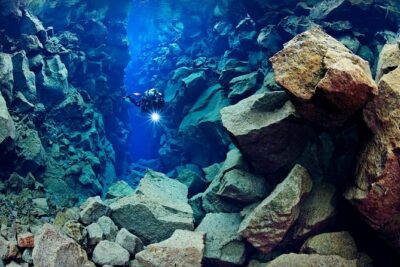
Diving Between Tectonic Plates – Meet on Location
Read our review →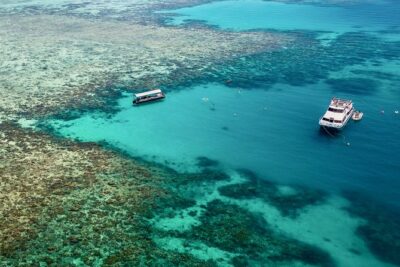
Ocean Freedom Great Barrier Reef Luxury Snorkel and Dive Cruise
Read our review →
Beginner Scuba Diving with Turtles and Videos, San Juan
Read our review →
Your First Scuba Diving Experience in Turtle Area
Read our review →
Browse the lists this dive appears in