
Reviewed · SCUBA DIVING
Gold Coast: Cook Island Marine Reserve Scuba Experience Dive
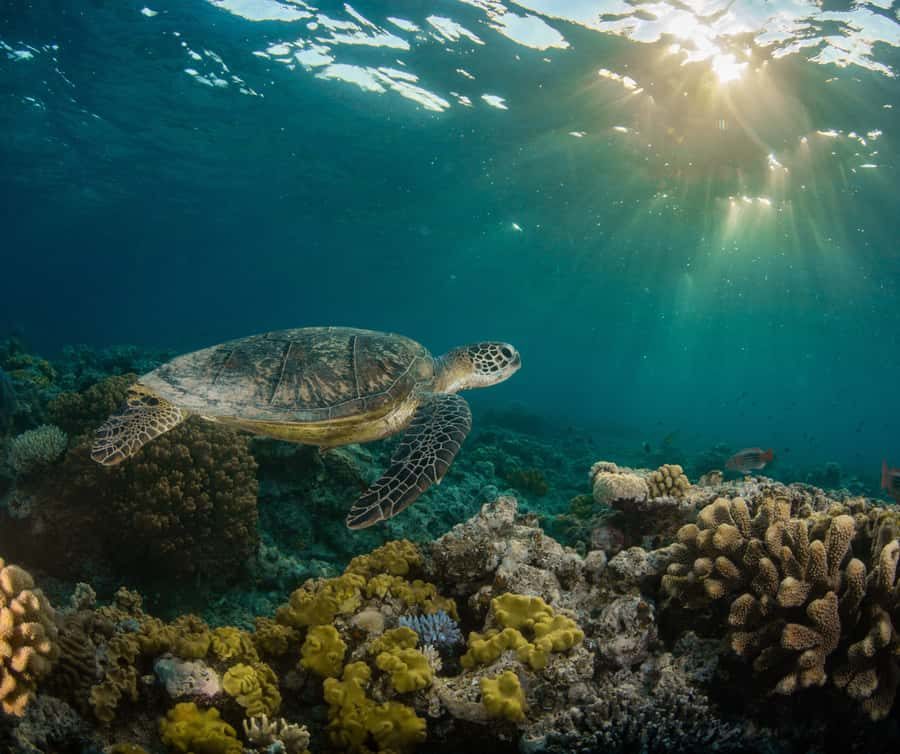
Cook Island, also known as Jungarra Ngarrian or Turtle Island, offers one of the Gold Coast’s best chances to meet green, hawksbill, and loggerhead turtles underwater. The trip suits you if you have no scuba licence but can swim and want close guidance rather than a large instructor group.
I like the one-instructor-per-diver setup and the chance to see large groupers, wobbegong sharks, rays, and reef fish in a protected marine reserve. The boat ride and free refreshments add comfort, though seasickness, changing weather, and a possible seven-hour day are real considerations.
Key points at a glance
- One instructor for each diver: You receive close supervision throughout your underwater session.
- Cook Island Marine Reserve: The protected site is known for turtles, corals, rays, fish, and sharks.
- A good first scuba experience: No diving licence is required, but you must be able to swim.
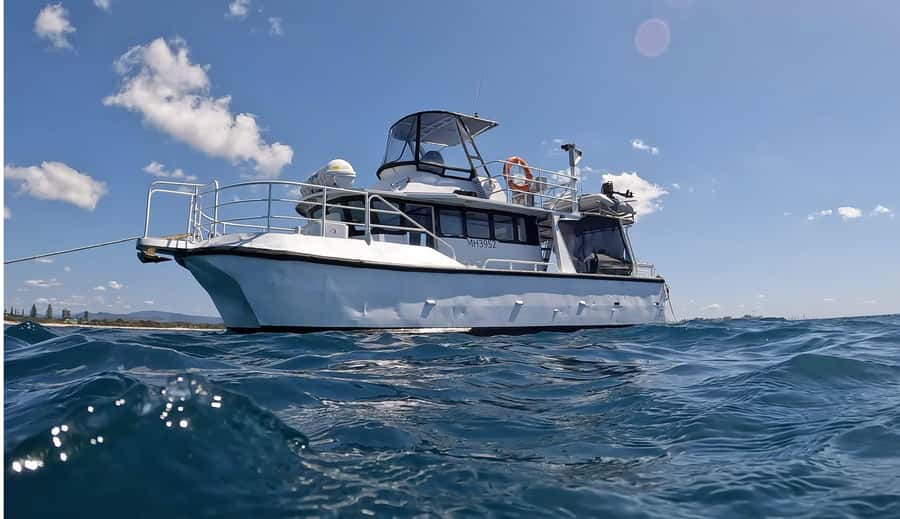
- Short boat journey from Tweed Heads: The trip includes a drive from Miami to the jetty, then roughly 30 minutes by boat.
- Motion sickness matters: Take prevention seriously, even if you do not usually feel seasick.
- The schedule may run long: The advertised duration is five hours, but one booking took about seven hours.
Why Cook Island is worth the trip
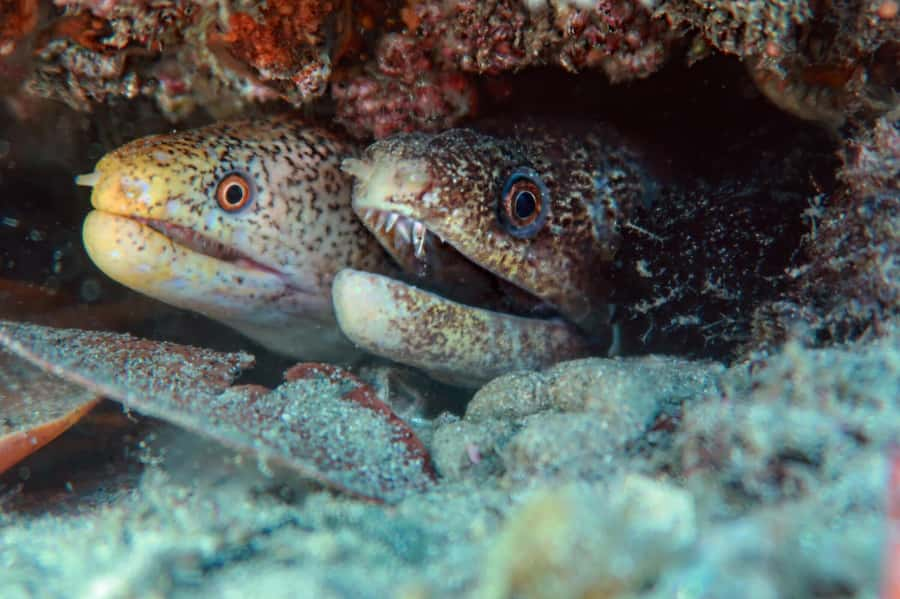
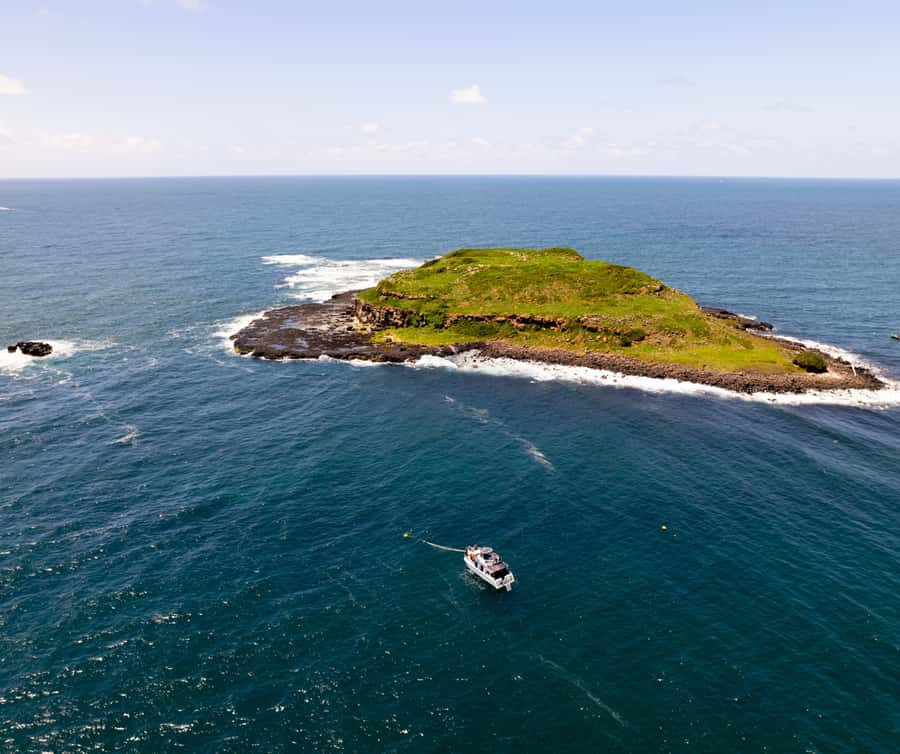
Cook Island sits off the New South Wales coast near Tweed Heads, a short distance south of the Gold Coast. Its other name, Turtle Island, tells you what draws people here. The reserve is a regular home for green, hawksbill, and loggerhead turtles, and the underwater setting also includes corals, rays, reef fish, giant groupers, and wobbegong sharks.
You do not need a scuba licence for this experience. That makes it useful for a first attempt, especially if you want to see more than you can from the surface. You still need to be a swimmer, and the activity is not suitable if you have back problems or are prone to serious seasickness.
The water can be clear, but no marine encounter can be guaranteed. Summer can bring leopard sharks, adding another possible highlight to the visit. Your actual sightings depend on weather, sea conditions, and where the marine life is on the day.
More Scuba Diving in Australia
- Great Barrier Reef Snorkeling and Diving Cruise from Cairns
★ 4.5 · 3,714 reviews - Ocean Freedom Great Barrier Reef Luxury Snorkel and Dive Cruise
★ 5.0 · 1,895 reviews - Cairns: Premium Snorkelling and Diving Reef Day Trip
★ 4.7 · 1,528 reviews
From Miami to the Tweed Heads jetty
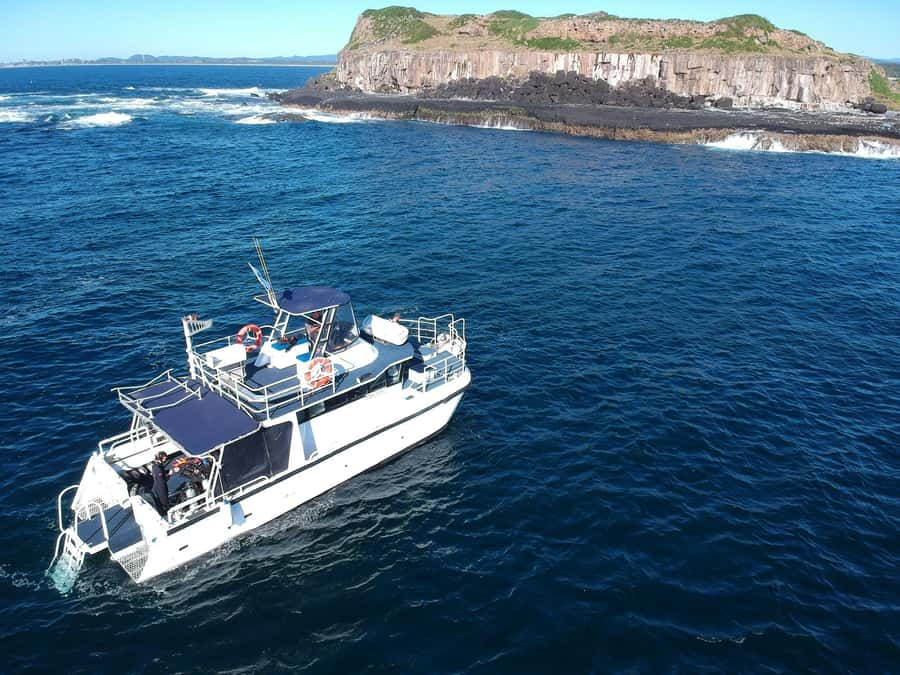
The meeting point is Gold Coast Dive Centre in Miami, Queensland. From there, you make your own way to the Tweed Heads jetty after a short drive. Transportation to the departure point is not included, so allow time for that transfer and check the meeting instructions carefully before setting out.
This split between the shop and the jetty is worth noting when you plan your day. The five-hour duration relates to the activity itself, but your total time also includes getting to Miami, making the drive south, and returning afterward.
At the jetty, you board the boat for Cook Island. The crossing takes about 30 minutes according to the booking information. That is long enough for rough conditions to affect you, so motion sickness tablets or another suitable remedy are strongly recommended. One booking specifically found the advice useful, even for a person who did not usually suffer from seasickness.
Bring a hat, towel, swimwear, sunscreen, water, and food and drinks. Refreshments are supplied on the boat, but you should not rely on those alone if you need a full meal during a long day.
A close-guided first scuba session
The strongest practical feature is the ratio of one instructor to one diver. For a first underwater experience, that matters. You can receive direct help with equipment, movement, and basic confidence instead of trying to keep up with a large group.
The operator supplies the necessary scuba equipment. You should expect preparation before entering the water, though the amount of time spent getting ready can vary. One booking reported delays with equipment preparation and said the customer had to help move heavy air tanks. That is not a reason to dismiss the whole trip, but it is useful to know that the start may not feel perfectly polished.
Once you are ready, the instructor leads you underwater at Cook Island Marine Reserve. The supplied information does not promise two underwater sessions, and you should book this expecting one main scuba session rather than a full day of repeated underwater time.
For a first attempt, a single session can be enough. You get a taste of breathing underwater, handling the equipment, and watching marine life in its natural setting without committing to a full certification course. If you already have substantial scuba experience, the limited time and closely managed format may feel less satisfying.
What you may see around Turtle Island
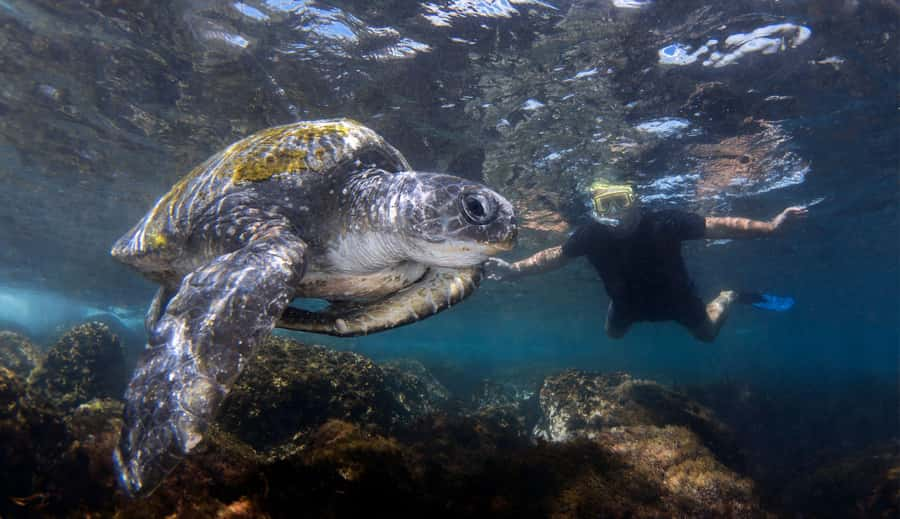
Turtles are the main attraction here, and the possibilities include three species: green, hawksbill, and loggerhead. Seeing one glide through clear water can make the whole trip worthwhile, particularly if this is your first time below the surface.
The reserve also supports colorful reef fish and corals. Rays may pass across the seafloor, while giant groupers and wobbegong sharks offer a look at some of the larger animals in the area. Leopard sharks are a possible summer sighting.
These animals are wild. You should treat the list as a guide to what the site can offer, not a promise of a particular encounter. Conditions can change, and the activity is weather-dependent. The rule against touching marine life protects both you and the animals, and it is important to keep your hands to yourself even when a turtle or shark comes close.
The underwater area may not feel extensive. One disappointing booking described a quick circuit over a small area, with little interaction from the instructor. That experience contrasts with the positive reports of plentiful turtles and fish, so the most honest expectation is this: the marine life can be excellent, but the amount of exploration depends on conditions, timing, and the guide’s route.
Another way to get in the water in Australia:
- Cairns: Outer and Coral Cay Snorkel and Dive Cruise
★ 4.8 · 1,467 reviews - Swim with Whale Sharks in the Ningaloo Reef: 3 Island Shark Dive
★ 5.0 · 919 reviews - Snorkel & Dive the Reef: Sustainable, Scientific & Cultural Tour
★ 4.5 · 841 reviews - Cairns: Great Barrier Reef Premium Diving Full Day Tour
★ 4.7 · 792 reviews
Boat time, refreshments, and the real schedule
The boat ride gives you a chance to look out over the water and enjoy complimentary refreshments. It also means you are sharing transport with other people, including those taking part in snorkeling rather than scuba.
That shared schedule can affect your day. One booking expected two scuba sessions but completed one, then waited at another location while the snorkeling group finished before returning. The total time reached about seven hours instead of the advertised five.
This is the most important timing warning. If you have an evening booking, airport transfer, dinner reservation, or another fixed plan, leave a generous gap. The stated duration is five hours, but sea conditions and the needs of different groups can extend the outing.
The shared boat also means you may spend time waiting after your own session. Some people will see that as a pleasant rest on the water. Others will find it frustrating, especially if they booked mainly for scuba rather than a mixed marine outing.
Is $190 a fair price?
At $190 per person, this is not a cheap casual activity. The price includes the Cook Island marine trip, one instructor per diver, scuba equipment, and refreshments on the boat. For someone without a licence, the individual supervision is the main part of the value.
You are paying for access to a marine reserve, equipment you do not need to own, and a guided first experience. That can be reasonable if turtles are high on your wish list and you value having an instructor beside you.
The price looks less attractive if you expect two underwater sessions, a wide-ranging route, or a full day devoted only to scuba. Photos and videos are not included either, although you can ask the operator about them separately. If having underwater pictures matters to you, sort that out before departure rather than assuming a camera package comes with the booking.
I would call the value good for a first-time swimmer who wants close support, but less convincing for an experienced scuba customer seeking long bottom time. The quality of the day depends heavily on sea conditions, organization, and the amount of time you actually spend underwater.
Who should book this experience
This suits you best if you:
- Want a first scuba experience without holding a licence
- Can swim confidently
- Like the idea of a one-to-one instructor
- Are especially interested in turtles and reef animals
- Can cope with a boat ride and a flexible return time
- Are willing to follow instructions and avoid touching marine life
It is a poor match if you cannot swim, have back problems, or regularly suffer from seasickness. It is also not ideal if you need a tightly timed five-hour activity or want several separate underwater sessions.
Families and mixed groups may find the shared boat arrangement useful because snorkeling is part of the wider outing. If you only want scuba and dislike waiting, ask about the day’s group plan before paying.
How to prepare for a more comfortable day
Take seasickness prevention seriously. The crossing is only about 30 minutes, but the boat may also remain on the water while groups complete their activities. Seasickness can turn a promising marine outing into a long ordeal.
Avoid arriving without the basics. Pack:
- Swimwear and a towel
- A hat and sunscreen
- Drinking water
- Food and drinks
- Motion sickness prevention
You should also plan around the no-fly rule. Do not fly within 24 hours after the scuba session. That applies even if the underwater time feels short, so keep this in mind when arranging flights from the Gold Coast or elsewhere.
Wear sensible sun protection and drink water throughout the day. The activity is in open water, and waiting on a boat can expose you to more sun than expected.
The staff speak English, and the close instructor arrangement should help you feel supported. Still, ask questions before entering the water if you are unsure about the equipment or the plan. A first scuba session is much easier when you understand what will happen.
Weather and marine conditions
Weather can change the plan. The operator may need to adjust or cancel the activity if conditions make the trip unsafe, so keep your schedule flexible.
Clear water is one of the attractions, but visibility is never fixed. Calm conditions may give you better views of turtles and reef fish, while rougher water can make the session less comfortable and reduce what you see.
Do not judge the site only by the animal list. Cook Island offers a strong chance to see notable marine life, but nature does not work to a timetable. A turtle sighting can make a short underwater route memorable, while poor visibility can limit the experience even at a famous site.
The best approach is to book for the chance to encounter wildlife, not for a guaranteed checklist.
Photos, videos, and personal memories
Photos and videos are not included in the $190 price. You can ask the operator about these options, but do not assume a photographer or camera package will be waiting for you.
That matters because first-time scuba customers often want a record of their first turtle or reef encounter. If you hope to buy images, ask about cost, availability, and delivery before the boat leaves.
You should also avoid handling marine life for a photograph. The experience requires you to watch animals without touching them. That keeps the encounter safer and more respectful.
Cancellation and booking flexibility
You can cancel up to 24 hours in advance for a full refund. The reserve now and pay later option also helps if your Gold Coast plans are still taking shape.
That flexibility is useful for a weather-sensitive activity. It does not remove the need to check the latest forecast or prepare for a possible change in conditions, but it gives you more room to adjust your plans.
Because the operator may share the boat with snorkeling participants, ask about the expected schedule if the difference between five and seven hours matters to you. That single question could prevent a frustrating day.
Should you book the Cook Island scuba experience?
Book it if you want a carefully supervised first scuba session with a genuine chance to see turtles near the Gold Coast. The one-instructor-per-diver arrangement is the strongest reason to choose it, and the reserve offers more interesting wildlife than a simple introductory pool lesson.
Go in with realistic expectations. You may receive one main underwater session, spend time waiting for other boat participants, and return later than planned. The sea may be choppy, and animal sightings are never guaranteed.
For a confident swimmer who accepts those limits, $190 can be fair value for the equipment, instruction, boat trip, and access to Cook Island Marine Reserve. For an experienced scuba customer wanting extended exploration, two sessions, or a tightly run schedule, I would ask more questions before booking.
FAQ
Do I need a scuba licence for this experience?
No. The activity is designed for people without a diving licence, with one instructor provided for each diver.
Do I need to be able to swim?
Yes. The experience is not suitable for non-swimmers.
How long does the Cook Island trip take?
The advertised duration is five hours. The boat journey from the Tweed Heads jetty takes about 30 minutes, but the full day can run longer. One booking took about seven hours because of waiting for other participants.
What marine life might I see?
You might see green, hawksbill, and loggerhead turtles, colorful fish, corals, rays, giant groupers, and wobbegong sharks. Leopard sharks are possible in summer.
Is equipment included?
Yes. The scuba experience includes the necessary equipment and one instructor per diver.
What should I bring?
Bring a hat, swimwear, towel, sunscreen, water, food and drinks, and motion sickness prevention.
Can I fly after the scuba session?
No. You should not fly within 24 hours of scuba activity.
Is the activity suitable if I get seasick?
It is not suitable for people prone to seasickness. Motion sickness remedies are strongly recommended, even if you do not usually suffer from it.
Newest dives added in Australia
- Scuba Dive the S.S. Yongala Wreck on the Great Barrier Reef.★ 4.0 · 35 reviews
- Half-Day Private Discover Dive at Australia’s Iconic Beach★ 5.0 · 4 reviews
- Scuba Dive With Grey Nurse Sharks in Bushrangers Bay★ 5.0 · 7 reviews
- Wave Break Island Scuba Diving on the Gold Coast★ 4.5 · 81 reviews
- Great Keppel Island PADI Discover Scuba Dive with Keppel Dive★ 5.0 · 25 reviews
- Poseidon Outer Great Barrier Reef Snorkeling and Diving Cruise from Port Douglas★ 4.5 · 101 reviews
- Premium Guided Dive Trip – Outer Great Barrier Reef★ 5.0 · 63 reviews
- Try Scuba Diving at Cook Island – Guided Ocean Dive with Turtles★ 4.5 · 6 reviews
Scuba Diving, compared.
Great Barrier Reef Snorkeling and Diving Cruise from Cairns
Read our review →
First-Time Scuba Diving in Honolulu + Free Videos
Read our review →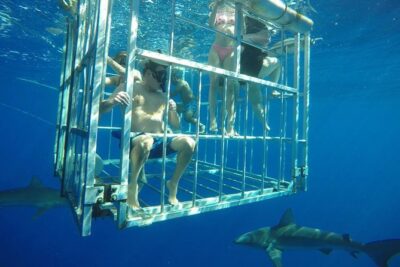
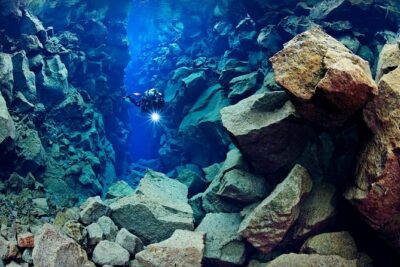
Diving Between Tectonic Plates – Meet on Location
Read our review →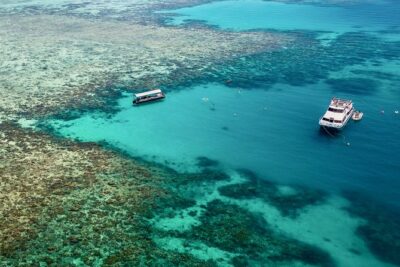
Ocean Freedom Great Barrier Reef Luxury Snorkel and Dive Cruise
Read our review →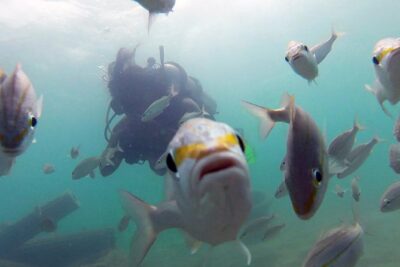
Beginner Scuba Diving with Turtles and Videos, San Juan
Read our review →
Your First Scuba Diving Experience in Turtle Area
Read our review →
Browse the lists this dive appears in