
Reviewed · DIVING WITH TURTLES
Incredibly Fun Coral Reef Giant Sea Turtles 4hour Boat Scuba Tour
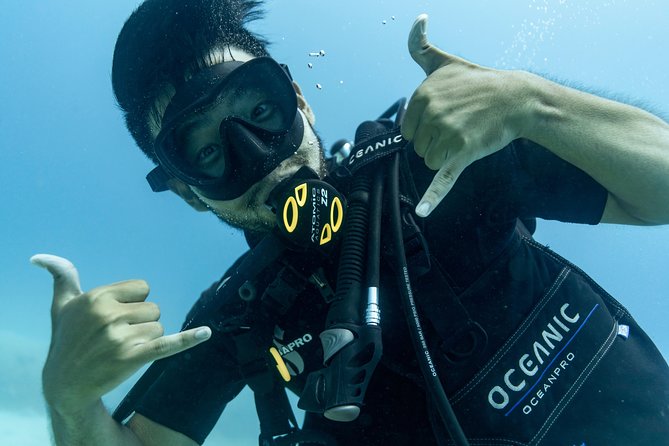
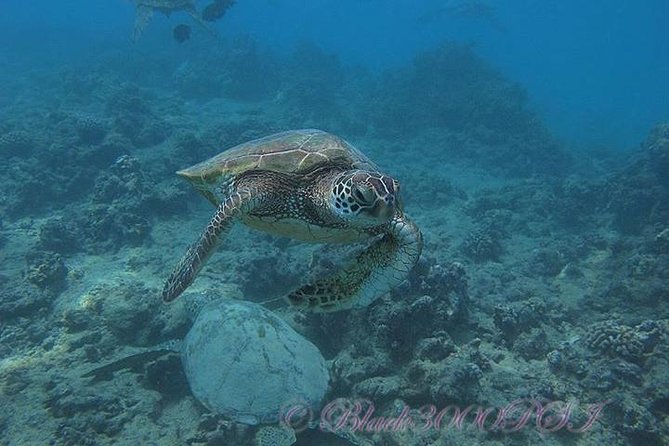
Oahu’s sea turtles are the main draw here. You board a proper boat, learn basic scuba skills with a PADI-certified instructor, and make two shallow ocean descents rather than spending the whole session in a cramped beach lesson. The water is warm, and the usual target depth is about 40 to 60 feet.
I like the real open-ocean format and the crew’s patient approach with first-timers. Instructors such as Josh, Chad, Olga, Red, and Mike have helped nervous beginners settle down, manage their equipment, and enjoy the underwater world. I also like that the package includes gear, water, snacks, and a maximum of 16 people.
The catch is that sea life and visibility depend on weather and water conditions. A rainy-season outing may offer only 10 to 15 feet of visibility, and the reef can feel modest if you are expecting a giant aquarium. You also need medical clearance for some conditions and must leave at least 18 hours between the activity and a flight.
Key points to know before booking
- Two boat-based ocean sessions: You learn basic skills, change tanks, and return to the water for a second session.
- Best for beginners: No certification is required, but you must complete the PADI medical questionnaire and follow the instructor’s direction.
- Turtles are the reliable highlight: You may also see eels, octopus, rays, reef fish, urchins, and occasionally a shark or dolphin.
- Small-group attention matters: The boat holds no more than 16 people, with instructors assigned to separate groups.
- Plan around your flight: Avoid booking within 18 hours of flying after the 40 to 60 foot sessions.
- The $299 price includes basics: Equipment, water, snacks, instruction, and boat access are included, but lunch is not.
What the four-hour Oahu scuba outing is really like
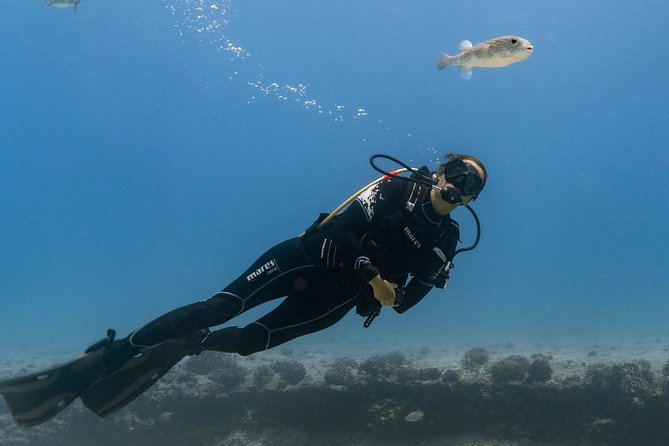
This is an introductory scuba session built around two shallow boat outings off Waikiki. It is not a certification course, and it does not turn you into an independent scuba diver in one morning. Instead, you learn enough basic skills to use the tank, regulator, mask, and buoyancy equipment under direct supervision.
That distinction matters. If you want a quick test of scuba before committing to a full certification program, this format gives you a better sense of open-water conditions than a short pool lesson. You will deal with the boat, the current, the descent, underwater breathing, and real marine life.
The trip begins at Waikiki Dive Center, at 424 Nāhua Street in Honolulu. The supplied schedule refers to Waikiki, Hawaii, Oahu, and Honolulu, then lists places such as Lanikai Beach, Diamond Head State Monument, Hanauma Bay Nature Preserve, and Ala Moana Beach Park. Treat those as area references rather than a sightseeing route. This is a scuba outing, not a van tour visiting ten attractions.
The actual focus is the Waikiki water and the boat ride to the scuba site. You return to the same meeting point at the end.
More Reef Diving in Oahu
- Certified Diver: 2-Tank Deep Wreck and Shallow Reef Dive Off Oahu
★ 5.0 · 331 reviews - Certified Diver: 2-Tank Shallow Reef Dives off Oahu
★ 5.0 · 278 reviews - Certified Divers: Best 2-Tank Wrecks & Reef Boat Dive All Inclusive From Waikiki
★ 5.0 · 41 reviews
The shop briefing and first tank
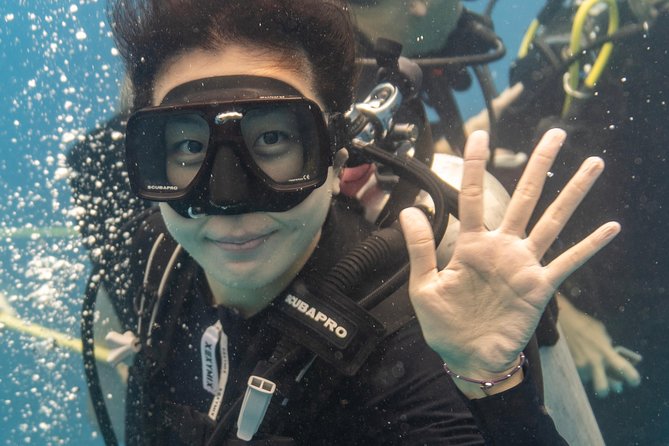
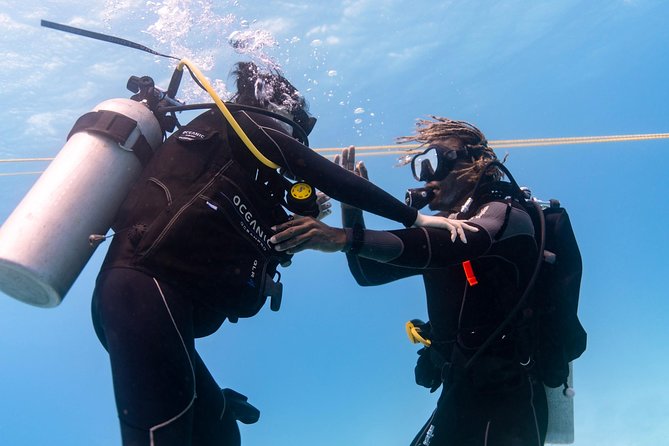
Expect a short instruction period before you leave the shop. One detailed account describes roughly 20 minutes of training, followed by a quick ride to the dock. The crew covers basic underwater skills and safety procedures before you enter the ocean.
For a first-timer, this is the part to take seriously. You will need to understand how to breathe through the regulator, clear or manage your mask, communicate with hand signals, and respond if equipment shifts. The instructors also check your comfort and ability to follow directions.
Several instructors receive especially strong praise for patience. Josh is repeatedly singled out for clear teaching and calm coaching. Chad helped one first-timer who struggled at the beginning and gradually became comfortable. Olga is noted for checking equipment and comfort throughout the session, while Red has guided beginners and returning scuba users through the basics.
That said, ask questions before entering the water. One poor account describes unclear signals and a rushed first session. The best way to avoid that problem is simple: tell the instructor if you are anxious, ask to see each hand signal again, and do not pretend you understand a skill when you do not.
The first session commonly functions as both instruction and practice. You follow a line down to the underwater site and perform basic skills before moving on. Depth can reach roughly 40 to 60 feet, so this is more than a shallow swim near shore, even though it is designed for beginners.
The second tank and the best chance for turtles
After the first session, you return to the boat, switch tanks, and head back down for a longer look at the reef. One account describes about 30 to 45 minutes underwater, depending partly on how quickly the group uses its air.
This second session is where the outing becomes more than a lesson. The water may contain tropical fish, coral, sea urchins, eels, octopus, rays, and turtles. Several accounts describe large turtles resting under the reef or swimming close to the group. An eagle ray, a shark, and eels have also been seen on a single outing.
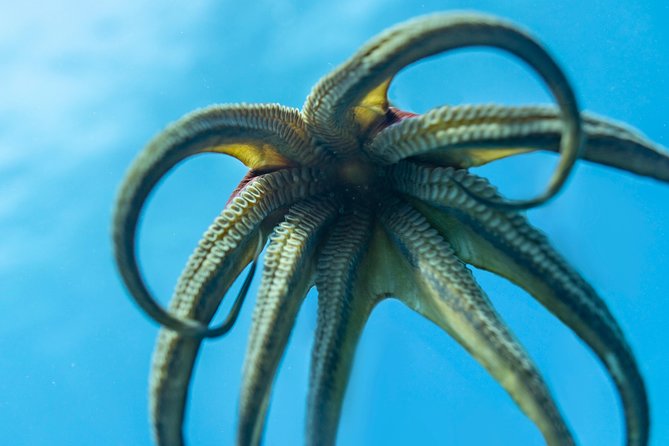
The crew may point out small creatures that you would miss on your own. One instructor is known for tracking octopus, and small octopus sightings have been reported. You may see a ray feeding or a reef shark passing by, but these are possibilities, not guarantees.
Dolphins are also listed as occasional visitors. Keep your expectations sensible. Marine life is wild, and no responsible operator can promise a turtle, shark, or dolphin on a particular morning.
The reef itself may be the weaker part of the outing. One account describes small reef areas and a large pipe with coral and small marine life around it. In poor weather, visibility dropped to about 10 to 15 feet. In better conditions, the reef and fish can feel impressive, especially when you are new to scuba, but experienced divers may find the sites fairly tame.
What makes the crew important
A beginner scuba session rises or falls on the instructor. The equipment is only part of the equation. You need clear explanations, patient correction, and someone watching your comfort without making you feel foolish.
This crew has several strong names attached to it. Josh is praised for step-by-step instruction, humor, and safety checks. Chad is a good name to request if he is available and you want a patient guide. Olga is recognized for watching equipment and checking how comfortable new scuba users feel. Captain Steve is also mentioned for helping a non-scuba participant snorkel and stay occupied on the boat.
Other crew members named in the supplied material include Yoshi, Taylor, Mike, Christian, Jared, Phil, Rachel, Myranda, Tim, and Nick. Staff assignments can change, so a request is not a guarantee.
The boat can include certified scuba users, beginners, and people working toward certification. The crew says groups are kept small, with separate instructor arrangements when needed. The maximum total size is 16 people, but your own group may be smaller.
One account felt confused when certified users and students were organized separately at the last minute. That does not necessarily mean the supervision is poor, but it does show why you should confirm which group you are in before boarding. If you want one instructor devoted only to your party, ask about a private instructor before paying.
Another way to get in the water in Oahu:
- Oahu Shark Dive
★ 5.0 · 2,903 reviews - Oahu: Shark Cage Dive on the North Shore
★ 4.8 · 1,485 reviews - Shark Cage Diving on Oahu’s North Shore
★ 5.0 · 1,391 reviews - Beginner Scuba Diving Experience with Video Package in Honolulu
★ 5.0 · 877 reviews
The places named in the schedule
The schedule includes more Oahu place names than you can realistically visit during a four-hour boat activity. Here is how to understand them.
Waikiki Dive Center: This is the practical starting and ending point at 424 Nāhua Street. You handle check-in, paperwork, equipment, and the initial instruction here.
Waikiki: This is the main operating area and the most relevant geographic reference. The boat heads into the ocean from the Waikiki area rather than taking you on a land tour.
Hawaii, Oahu, and Honolulu: These broad labels identify the island and city where the activity operates. They are not separate sightseeing stops.
Oahu Nature Tours: This name appears in the schedule but does not describe a separate nature excursion included in the four-hour scuba activity. Do not book this expecting a guided visit to inland nature sites.
Oahu’s North Shore: The North Shore is a separate part of the island and is not presented as a confirmed stop during this short boat outing. If you want to visit it, allow a separate day.
Lanikai Beach: Lanikai is known for a beautiful beach, but it is not a promised stop on this scuba schedule.
Diamond Head State Monument: Diamond Head is a land attraction and hiking area. The scuba outing does not include a crater walk.
Hanauma Bay Nature Preserve: Hanauma Bay is a well-known marine area, but it is not listed as the boat’s confirmed scuba site here. Do not assume this booking includes entry or snorkeling at Hanauma Bay.
Ala Moana Beach Park: This is another Honolulu beach reference, not a guaranteed stop during the activity.
The useful takeaway is to focus on the boat session itself. If you want Diamond Head, Hanauma Bay, Lanikai, or the North Shore, schedule them separately rather than trying to combine them with this morning.
Price, inclusions, and actual value
At $299 per person, this is not a cheap way to spend four hours. Still, the price covers full equipment rental, instruction, boat access, water, and snacks. Lunch is not included.
I see the value mainly in the structure. You are paying for professional supervision, a proper ocean boat, two tanks, equipment handling, and a chance to test scuba without first completing a full certification program. A beginner who wants to know whether scuba feels comfortable may find that useful.
The price is harder to justify if you already hold current certification and want challenging sites, deep water, advanced skills, or a long reef tour. The sessions are designed to be manageable for new scuba users, so experienced people may find the pace basic.
You can improve the value by treating the outing as a trial run for future certification. Several people who began with this session decided they wanted to become certified. If you only want to look at tropical fish for a short time, a snorkel trip may cost less and require less preparation.
Medical rules, fitness, and flight timing
You must complete the health questionnaire before the activity. Certain conditions, including asthma and heart conditions, may prevent you from participating. If the questionnaire identifies a concern, you need written consent from a doctor before check-in.
Do this early. Waiting until the morning of the activity can lead to a denied booking and no refund if you are outside the cancellation window. Children must be accompanied by an adult, and everyone should have a moderate level of physical fitness.
You must remain sober. Alcohol and anything that causes drowsiness or impaired judgment are not allowed before the activity. The crew can refuse participation when safety is a concern, and a late refusal may not qualify for a refund.
Flight timing is especially important. After the stated 40 to 60 foot sessions, you should not fly for at least 18 hours. If your plan includes a deeper session, the stated interval is 24 hours. Do not put this activity on the final morning of your Oahu stay if you are flying out later that day.
Weather, visibility, and cancellation risk
Ocean conditions control the quality of the outing. Rain and poor visibility can reduce the reef to vague shapes and make animal sightings less rewarding. One account had visibility of only 10 to 15 feet during rainy-season conditions and found the reef less impressive.
The operator says that unsafe weather can cancel the trip, with a different date or full refund offered. The stated policy also allows a full refund when you cancel at least 24 hours before the start time. Within 24 hours, changes, medical problems, late arrival, and no-shows can result in the full charge.
Be at the meeting point on time. The stated cut-off is 15 minutes after check-in, after which the reservation may be canceled without a refund. For groups of five or more and private charters, the cancellation terms are stricter, with a 21-day window.
Weather-related payment handling has caused confusion in at least one booking account, so keep your confirmation and ask exactly how a refund will be processed if the operator cancels. A replacement date may be offered, but that is not helpful if your flight home is near.
Who should book this Oahu scuba trip
I would choose this for a first-time scuba user who wants real ocean conditions, warm water, and a strong chance of seeing turtles. It also suits someone certified long ago who wants a supervised refresher before returning to the sport.
Families with older children may like it, provided the children meet the medical and physical requirements and are accompanied by an adult. It can also work for mixed groups, since a non-scuba person may be able to remain on the boat or snorkel, as one crew member has assisted with before.
I would look elsewhere if you want a quiet, highly predictable private session, a long ride to remote reefs, or advanced scuba challenges. Ask about a private instructor if crowded group organization makes you uneasy.
Should you book it?
Book this if your priority is a beginner-friendly ocean introduction with professional supervision and a strong possibility of turtle sightings. The two-session format gives you more time than a brief shore lesson, and the instructors have a record of helping nervous beginners settle in.
Book with realistic expectations. The reef may be modest, visibility can be poor, and wildlife is never guaranteed. Complete the medical paperwork early, protect your post-activity flight schedule, arrive well before the 15-minute cut-off, and ask questions before entering the water. At $299, it is a fair choice for a serious first taste of scuba, but not the best value for an experienced person seeking demanding sites.
FAQ
Is scuba certification required for this activity?
No. The activity is designed for beginners and non-certified participants, though certified scuba users may also join.
How long does the activity last?
The activity lasts approximately four hours, including instruction, the boat portion, and two ocean sessions.
Where does the activity begin and end?
It begins and ends at Waikiki Dive Center, 424 Nāhua Street, Honolulu, Hawaii 96815.
What marine life might I see?
Possible sightings include sea turtles, tropical fish, eels, octopus, rays, reef sharks, urchins, and dolphins. Wildlife sightings are not guaranteed.
What is included in the price?
Full equipment rental, water, and snacks are included. Lunch is not included.
What medical paperwork is required?
All participants complete a health questionnaire. If a medical condition requires approval, you must present consent from a doctor before check-in.
How long should I wait before flying?
After a shallow 40 to 60 foot session, the stated guidance is to avoid flying for at least 18 hours. A deeper session requires at least 24 hours.
What is the cancellation policy?
You can cancel for a full refund at least 24 hours before the scheduled start. Cancellations, changes, or late arrivals within 24 hours generally receive no refund. If poor weather or an insufficient minimum number causes the operator to cancel, you should be offered another date or a full refund.
More Diving with Turtles in Oahu
- Beginner Scuba Diving with Turtles and Videos, San Juan
★ 5.0 · 1,743 reviews - Tenerife: Your First Scuba Diving Experience in Turtle Area
★ 4.7 · 1,679 reviews - Tenerife: Beginner’s Dive at a Spot with Turtle Sightings
★ 4.7 · 627 reviews - Tenerife First Time Scuba Dive – Turtle Habitat, Small Groups
★ 4.5 · 456 reviews
Newest dives added in Oahu
- Certified Divers: Best 2-Tank Wrecks & Reef Boat Dive All Inclusive From Waikiki★ 5.0 · 41 reviews
- Certified Diver: 2-Tank Night Dive★ 5.0 · 61 reviews
- Oahu Open Water Shark Diving Experience★ 5.0 · 128 reviews
- Open Water Shark Dive★ 5.0 · 185 reviews
- DISCOVER Scuba Diving Experience in Honolulu★ 5.0 · 202 reviews
- Waikiki 2 Tank World Class Wreck SCUBA Diving – Certified Only★ 4.5 · 205 reviews
- Pelagic Shark Dive Tour★ 5.0 · 217 reviews
- Shark Cage Diving On “The World Famous North Shore of Oahu”, Hawaii★ 5.0 · 222 reviews
Diving with Turtles, compared.
Beginner Scuba Diving with Turtles and Videos, San Juan
Read our review →
Your First Scuba Diving Experience in Turtle Area
Read our review →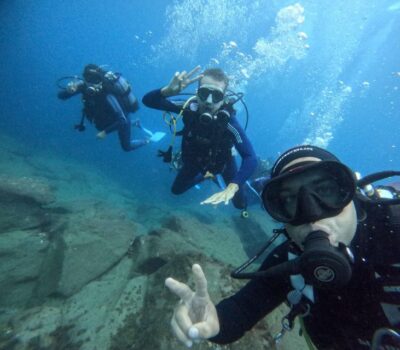
Beginner’s Dive at a Spot with Turtle Sightings
Read our review →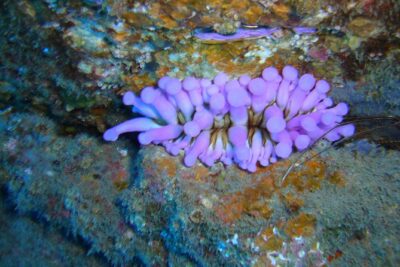
Tenerife First Time Scuba Dive – Turtle Habitat, Small Groups
Read our review →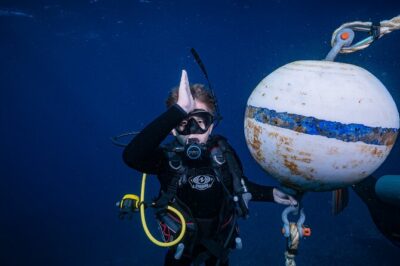
Small-Group Shark and Turtle Dive for Certified Divers
Read our review →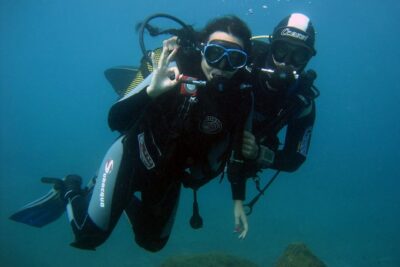
Browse the lists this dive appears in