
Reviewed · PADI COURSES & CERTIFICATION
La Palma: Basic Diver Certification with 2 Atlantic Dives
La Palma’s Playa Malpique gives first-time scuba learners a memorable place to begin, with two Atlantic sessions, patient instruction, and the chance to see fish, moray eels, and starfish. I like the very small group of no more than three and the calm step-by-step training before you go deeper. The main consideration is that this is not a casual swim: you must be comfortable in the water and medically fit for scuba.
I also like that the SSI Basic Diver certification is useful beyond this one morning. It permits additional scuba sessions to 12 meters for six months and can count toward an Open Water Diver qualification. The drawback is the fixed limit: experienced scuba users may find the 12-meter maximum too shallow.
Key points
- Two Atlantic sessions at Playa Malpique: Begin in shallow water, then continue to a maximum of 12 meters if you feel ready.
- SSI Basic Diver certification: The qualification can support further training toward Open Water Diver.
- Very small groups: A maximum of three participants allows close attention from the instructor.
- Patient, multilingual teaching: Instruction is available in English, German, and Spanish. Diana, Daniel, Veronika, and Sebastian are among the instructors connected with the experience.
- Six hours from start to finish: Allow time for equipment instruction, practice, two water sessions, a surface break, and certification.
- Beginner-friendly, but not for everyone: You must be a swimmer and have no listed medical concern such as heart or respiratory problems.
Starting at Playa Malpique with basic scuba skills
This experience is built for your first serious step into scuba. You do not simply put on equipment and head into the Atlantic. The instructor first explains the gear, covers the basic safety information, and helps you become comfortable with breathing underwater.
The first water session begins at a very shallow depth. That matters. For many beginners, the oddest part is not the fish or the open sea. It is breathing through a regulator while wearing a mask and carrying an air tank. Starting close to shore gives you time to settle into that feeling without being rushed.
Your instructor then shows you the basic skills needed to manage the equipment. You practice until you can handle the gear with more confidence, then take a short underwater tour in shallow water. The plan is not to push you quickly toward the maximum depth. You can enjoy the first session without going deep at all.
That gradual approach is one of the strongest parts of the program. Diana, who guided one recent session, is described as approachable and careful with explanations. Daniel is also praised for patience, while Veronika and Sebastian are noted for teaching calmly and clearly. Those qualities matter more than fancy equipment when you are trying scuba for the first time.
More PADI Courses in Spain
- Barcelona: PADI Discover Scuba Diving
★ 4.7 · 1,016 reviews - Tossa de Mar: PADI Discovery Scuba Diving in Costa Brava
★ 4.7 · 392 reviews - Try Dive – PADI Discover Scuba Diving in Tenerife
★ 5.0 · 214 reviews
What happens during the six-hour session
The total duration is six hours, so plan most of a half-day around it. The schedule includes instruction, preparation, the first water session, a break, another briefing, a second equipment setup, and the final water session.
At the start, you receive full scuba equipment and an introduction to how it works. The exact equipment list is not specified, but the package includes the gear needed for the activity. Insurance is included as well, which is an important practical detail for a first attempt.
The first session is mainly about comfort and control. You learn how to breathe underwater, use the equipment, and perform basic skills under supervision. Once those tasks feel manageable, the instructor takes you on a short tour through the shallow water.
After you return to the surface, you get a break with water and cookies. This is a small touch, but it makes sense in a six-hour program. You have time to rest, talk through what you have learned, and listen to the briefing for the second session.
The second session adds more practice and allows you to reach up to 12 meters. You do not have to go that deep. If you prefer to stay shallower, tell the instructor. The stated maximum is a ceiling, not a target you must meet.
That flexibility is useful because beginners do not all progress at the same speed. One person may be ready for the full depth after the first session. Another may prefer to remain closer to the surface and focus on breathing, buoyancy, and equipment handling. The experience is better suited to the second person than a program that treats depth as a test.
What you may see beneath the Atlantic
The underwater setting is Playa Malpique, identified as the location for both sessions. The conditions can vary, and one session took place when the weather was not perfect, yet the underwater experience still worked well.
You may see fish, moray eels, starfish, and other Atlantic marine life. These are not guaranteed sightings, and the activity does not promise a specific animal encounter. Still, the possibility of seeing moray eels and starfish gives the tour more character than a basic equipment lesson in a swimming pool.
The appeal here is the combination of training and a real coastal setting. You learn practical skills, then use them in the sea rather than stopping after a classroom talk. For someone curious about scuba but unsure about committing to a longer course, that makes the six-hour format useful.
The Atlantic can also be less predictable than a controlled pool. Weather and sea conditions may affect how the session feels. You should expect the instructor to place comfort and safety ahead of a promised route or depth. That is a good trade for a first experience, though it means the exact underwater tour may not be identical every day.
Why the three-person limit matters
The group is limited to three participants. That is an unusually helpful size for a first scuba session because small problems are easier to spot and questions do not get lost.
You get more direct time with the instructor while learning how to use the regulator, mask, tank, and other equipment. If you need another explanation or a slower introduction to a skill, the instructor has room to respond. This is especially helpful if one member of the group has never worn scuba equipment before.
The small group also makes the underwater portion feel more personal. You are not one person in a large line following a guide. The instructor can keep a close eye on the group and adjust the pace within the limits of the session.
There is one practical catch: a three-person maximum means availability may be limited on popular dates. Check the starting time before you plan the rest of your day. The activity lasts six hours, so it is not something to squeeze between a morning outing and a fixed afternoon booking.
Instruction is offered in English, German, and Spanish. If language is important to you, select the option that gives you the clearest safety communication. Understanding the instructions matters more here than getting a convenient time slot.
Another way to get in the water in Spain:
- Tenerife: Your First Scuba Diving Experience in Turtle Area
★ 4.7 · 1,679 reviews - Mallorca: Discover Scuba Diving for Beginners
★ 4.7 · 805 reviews - Lanzarote Introductory Scuba Diving Experience
★ 5.0 · 766 reviews - Tenerife: Beginner’s Dive at a Spot with Turtle Sightings
★ 4.7 · 627 reviews
The SSI Basic Diver qualification explained
After completing both sessions, you receive an SSI Basic Diver certification. This is useful, but you should understand exactly what it does.
The certification allows you to take additional scuba sessions to a maximum depth of 12 meters during the next six months. It can also count toward your Open Water Diver qualification. In other words, this experience can be a first building block rather than a one-time activity with no follow-up value.
It is not the same as completing a full Open Water Diver course. The information provided does not state that you receive the full Open Water certification, and you should not book this expecting unlimited independent scuba privileges. If your goal is full certification, ask how this basic qualification will be credited toward the next course.
For a beginner, the qualification gives you a clear next step. You can decide if scuba suits you before paying for a longer training program. If you enjoy the experience, the skills and logged training may give you a useful start toward Open Water work.
The six-month period is important. If you plan to continue, do not leave the certificate unused for years. Ask the provider what further training is needed and how the credit is applied.
Is $152 a fair price?
The listed price is $152 per person. I consider that reasonable if you want more than a short introductory swim because the package includes six hours, two Atlantic sessions, full equipment, insurance, water, cookies, instruction, and the SSI Basic Diver certification.
The value comes mainly from the training time and the small group. A lower-priced group activity might provide less personal attention or stop after a short orientation. Here, you spend time learning skills, practicing them in shallow water, taking a break, and then continuing to a maximum of 12 meters.
The certification also gives the price more lasting value. You are paying for a first qualification that may help with a later Open Water course, not only for an underwater sightseeing session. That said, the value is lower if you have no interest in doing scuba again within six months.
You should also consider the practical cost of your time. This is a six-hour activity, and the exact starting time depends on availability. You need beachwear, but no other personal equipment is listed as necessary because the scuba gear is supplied.
Health, swimming ability, and who should skip it
You need to be a swimmer. This is not suitable for non-swimmers, and the operator also excludes people with mobility impairments, heart problems, respiratory issues, epilepsy, a cold, or recent surgery.
On arrival, you must sign a medical clearance. If you have any doubt about your health, ask your doctor if you are fit for scuba before booking. Do not treat the form as a minor box-ticking exercise. Pressure changes and breathing underwater make medical suitability important.
Children under 10 cannot take part. One family-oriented session included children aged 11 and 16, suggesting that older children may enjoy the format when they meet the requirements and are comfortable in the water. The available information does not specify a full upper age limit.
You should also think honestly about your comfort level. Being nervous is normal, and the shallow start helps. But if you are unable to swim, have a current cold, or feel unsure about a listed medical issue, this is not the right activity until you have medical clearance and the relevant ability.
Finding the meeting point and preparing for the water
The meeting point is behind the main road, exactly where it is marked on Google Maps. Pay attention to that wording because a map pin behind the main road may be easy to miss if you expect a storefront directly on the main route.
Bring beachwear. The package includes water and cookies at the site, but no meal is listed, so eat appropriately before the session and do not count on a full lunch being provided.
Wear something you can change in and out of easily. The supplied information does not list towels, changing rooms, transport, or hotel pickup, so confirm those details if they matter to you before booking. Do not assume transportation is included.
Free cancellation is available up to 24 hours in advance for a full refund. You can also reserve now and pay later, which helps if your La Palma schedule is still shifting. Still, confirm the starting time before arranging other plans around the six-hour session.
The instructors and teaching style
The strongest practical reason to choose this experience is the teaching approach. First-time scuba users need clear instructions, patience, and calm supervision. Names connected with the sessions include Diana, Daniel, Veronika, and Sebastian, with Diana receiving particular praise for detailed preparation and making a first-timer feel safe underwater.
Daniel is described as patient, while Veronika and Sebastian are noted for explaining things in a relaxed way. These details point to an atmosphere aimed at beginners rather than a fast-paced program for experienced scuba users.
The languages are English, German, and Spanish. Tell the provider which language you need when you book, especially if more than one person in your group has limited English. Safety instructions should be easy for you to understand before you enter the water.
The instructor remains central throughout the day. Equipment alone does not make a good beginner experience. The value comes from having someone watch your progress, help you practice, and decide when you are ready for the next step.
Who should book this La Palma experience?
I would choose this for a confident swimmer who wants a structured introduction to scuba in the Atlantic and likes the idea of earning a basic qualification. It suits couples, friends, and small family groups who want a shared activity with more substance than a brief coastal swim.
It is also a good option if you are considering an Open Water course but want to test the experience first. Two sessions let you find out how you feel about the mask, regulator, tank, underwater breathing, and depth before committing to a longer program.
I would not choose it if you only have a spare hour, dislike organized instruction, or want a deep-water expedition. The 12-meter limit and six-hour schedule are designed for beginners. Experienced scuba users will probably want a more advanced program.
The activity is also a poor fit if you are not a swimmer, have a cold, or have one of the listed medical conditions. In those cases, the right decision is to skip it or obtain medical advice first, not hope the shallow start solves the problem.
Should you book the two Atlantic sessions?
Book it if you want a careful first step, a maximum group of three, and a qualification that can support later Open Water training. The strongest features are the shallow introduction, the option to remain below 12 meters, patient instruction from guides such as Diana and Daniel, and the real Atlantic setting at Playa Malpique.
Think twice if you want a full Open Water certificate in one day, need transport or meals included, or are not comfortable swimming. At $152, the price makes the most sense when you use the certification and continue with scuba within six months. For a beginner who wants a genuine first try rather than a quick equipment demonstration, it is a well-focused La Palma choice.
FAQ
How long does the La Palma scuba experience last?
The activity lasts six hours. This includes equipment instruction, basic skills practice, two Atlantic water sessions, a surface break, and the certification process.
How deep will I go?
The maximum depth is 12 meters. You do not have to go that deep and may choose to stay shallower if you prefer.
Where does the activity take place?
The two water sessions take place at Playa Malpique on La Palma. The meeting point is behind the main road at the location marked on Google Maps.
What certification will I receive?
You receive an SSI Basic Diver certification after successfully completing the two sessions. It permits additional scuba sessions to 12 meters for six months and can count toward an Open Water Diver qualification.
Is scuba equipment included?
Yes. Full scuba equipment and insurance are included. Water and cookies are also provided at the site.
What languages are available?
Instruction is available in German, Spanish, and English.
How many people are in each group?
The group is limited to three participants.
Who cannot take part?
The activity is not suitable for children under 10, non-swimmers, wheelchair users, people with mobility impairments, heart or respiratory problems, epilepsy, a cold, or recent surgery. You must sign a medical clearance on arrival.
Newest dives added in Spain
- Scuba Diving in Turtle and Ray Area★ 5.0 · 7 reviews
- Scuba Experience in Tenerife with Guide★ 5.0 · 30 reviews
- Try Scuba Diving Puerto Colon★ 5.0 · 2 reviews
- Scuba Adventure – 2 Guided Dives from Our Boat in Tenerife★ 5.0 · 12 reviews
- Try Dive in Abades Bay with a private instructor★ 4.0 · 4 reviews
- First Dive Experience in Tenerife★ 4.5 · 69 reviews
- Tenerife Under The Sea – dive into 1-1 personalised experience★ 5.0 · 15 reviews
- Scuba Diving for Certified Divers in Costa Adeje★ 5.0 · 69 reviews
PADI Courses & Certification, compared.
Tossa de Mar: PADI Discovery Scuba Diving in Costa Brava
Read our review →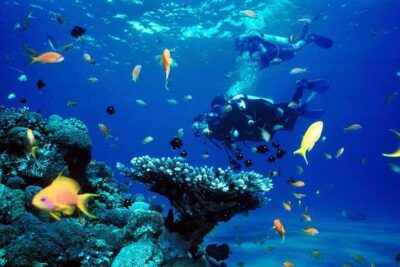
Full-Day Beginner Scuba Course with Private Tuition, Racha Yai
Read our review →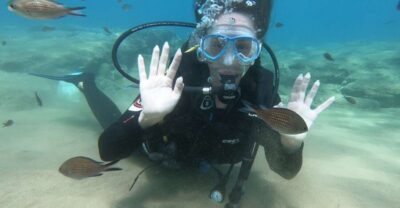
Heraklion: Beginner Scuba Diving Lesson with PADI Instructor
Read our review →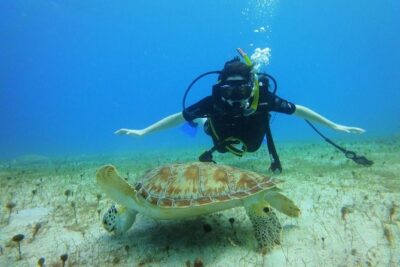
Discover Scuba Diving with No Certification in St Thomas
Read our review →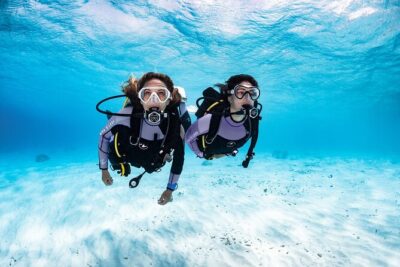
Try Dive – PADI Discover Scuba Diving in Tenerife
Read our review →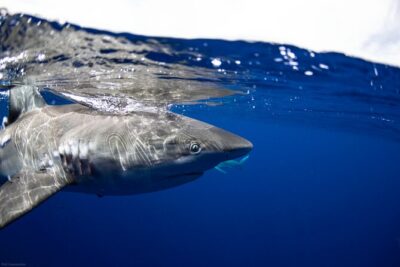
Browse the lists this dive appears in