
Reviewed · SCUBA DIVING
Lloret de Mar: Scuba Diving Experience no License Required
The most exciting part of this Lloret de Mar experience comes when you take those first breaths underwater. You begin in a calm, pool-like bay, learn how the equipment works, then move outside the sheltered area to see marine life at a maximum depth of 12 meters. No license or previous experience is needed.
I like the small groups of up to 10 and the clear step-by-step format. I also like that the instructors put safety first. Valentin and Sergio are named among the instructors who have guided families through the session, and the available languages include Spanish, English, French, Russian, and Dutch.
The main consideration is that two hours passes quickly, especially if you need extra time to feel calm with the breathing gear. Photos and videos cost extra, and the experience is not suitable for people with heart problems, high blood pressure, seasickness, or a body weight above 150 kilograms.
Key points at a glance
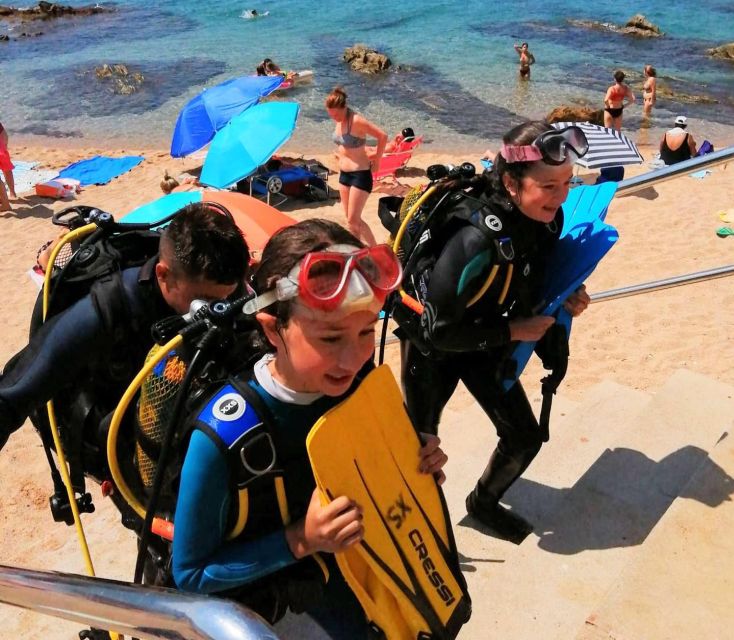
- Practice starts in a sheltered bay: You first learn to breathe underwater where the conditions feel more controlled.
- The session reaches 12 meters: Once you are comfortable, you swim beyond the bay with an instructor and look for marine life.
- No license is required: This is an introduction for beginners, not a certification course.
- Personal attention matters: Groups are limited to 10, and instructors stay close as you learn.
- Safety comes first: The equipment, breathing method, and underwater response are explained before you move farther from shore.
- Bring only the basics: You need swimwear and a towel. Food, drinks, photos, and videos are not included.
First breaths in the calm waters of Lloret de Mar
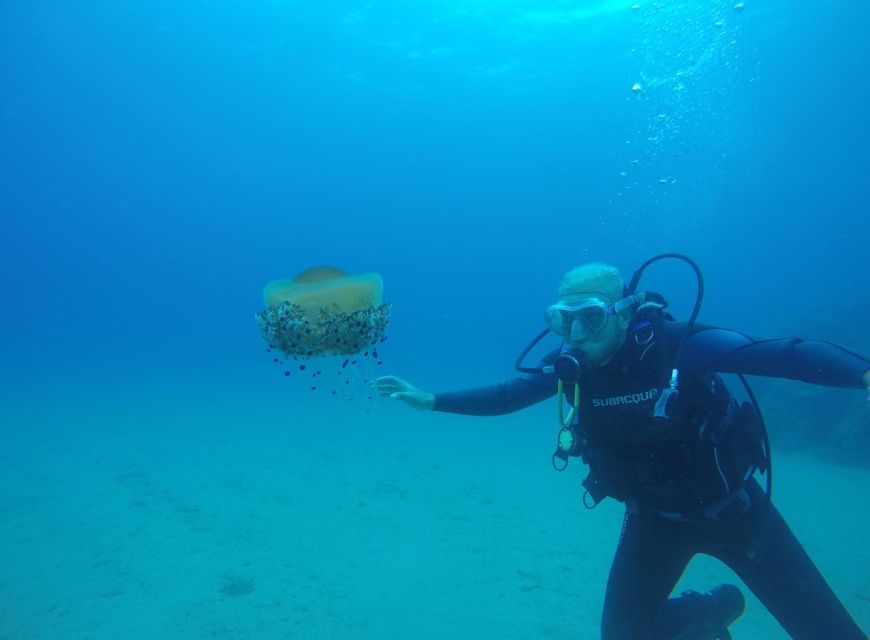
This is a first-time scuba session, not a full training course. You are there to learn the basic feel of underwater breathing, get used to the equipment, and discover if you want to continue with the sport.
That makes the experience a good choice if you have looked at the sea from the beach and wondered what is below it. You do not need a license, and you do not need to arrive with technical knowledge. You only need to be comfortable around water and willing to learn at the instructor’s pace.
The Costa Brava setting adds real appeal. Lloret de Mar is known for its coast, but this experience lets you see it from a different angle. Instead of simply admiring the water, you enter it with a mask, tank, and breathing regulator, then watch the shoreline recede as you move below the surface.
The activity lasts two hours. That is enough time for instruction and a first underwater excursion, but it is not a leisurely full-day outing. If you are nervous, tell your instructor early. The session works best when you are not trying to hide discomfort or hurry to keep up.
More Scuba Diving in Spain
- Tenerife: Your First Scuba Diving Experience in Turtle Area
★ 4.7 · 1,679 reviews - Barcelona: PADI Discover Scuba Diving
★ 4.7 · 1,016 reviews - Mallorca: Discover Scuba Diving for Beginners
★ 4.7 · 805 reviews
Learning the equipment before entering open water
Your first stage is a theory and equipment session at the Dolphins Diving Center office. The instructor explains the scuba equipment and shows you how it works before you head into the water.
This briefing is important because the equipment can feel strange at first. You need to know how to breathe through the regulator, how the mask fits, and how to respond if something feels uncomfortable. A good explanation at the start saves time and helps you stay relaxed later.
I like that the activity does not throw beginners straight into the sea. You get a chance to understand the basic gear first, then take those lessons into a sheltered setting. That order is especially useful if you are anxious about breathing underwater.
The available instruction languages are Spanish, English, French, Russian, and Dutch. If language affects your comfort, select the language you need when booking or confirm it with the center. Clear communication is one of the most useful forms of safety during a first scuba session.
The equipment is included in the price, as are entrance fees and the guided experience. You need to bring swimwear and a towel. Food and drinks are not included, so plan those separately around the two-hour appointment.
Practicing in a pool-like bay
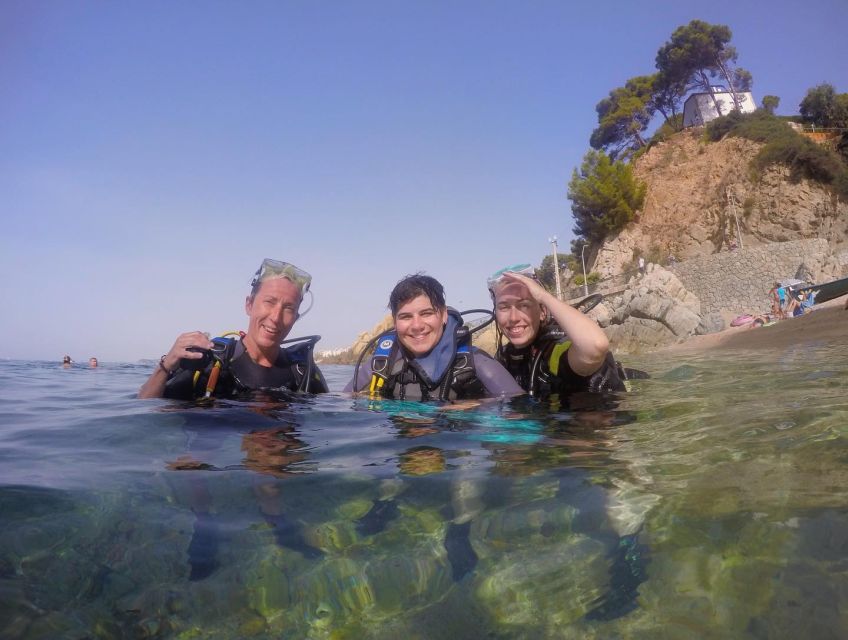
After the briefing, you go to a calm, pool-like bay. This is where you take your first underwater breaths and learn to handle the equipment in a more controlled area.
The bay is not just a warm-up. For many beginners, this will be the moment when the experience either starts to make sense or feels more demanding than expected. Breathing underwater is unusual, and the mask and regulator can take a few minutes to feel natural.
Your instructor stays with you as you practice. The small group limit of 10 helps, though your exact level of personal attention will depend on the group and how many people need help at the same time. The supplied information also refers to a personal trainer fee of 30 GBP, so ask the provider what that fee covers if you want one-to-one instruction.
This part of the session gives you a chance to find your rhythm without immediately worrying about distance or depth. You can focus on breathing, body position, and the feel of the equipment. If you need to pause, this is the right place to say so.
The calm-water practice also helps your instructor judge how ready you are for the next stage. Some people settle quickly. Others need more time. The experience is meant to introduce you to scuba, not to reward you for rushing.
Swimming beyond the sheltered area
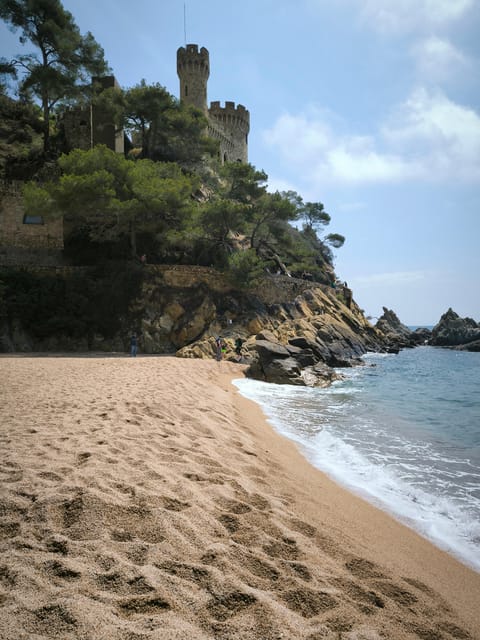
Once you are comfortable, the instructor takes you a few steps farther, outside the bay. You then swim underwater and explore the coastal water around Lloret de Mar.
The maximum depth is 12 meters. That is a serious depth for a first experience, but you are not expected to manage it alone. The instructor guides you and keeps an eye on your comfort and control.
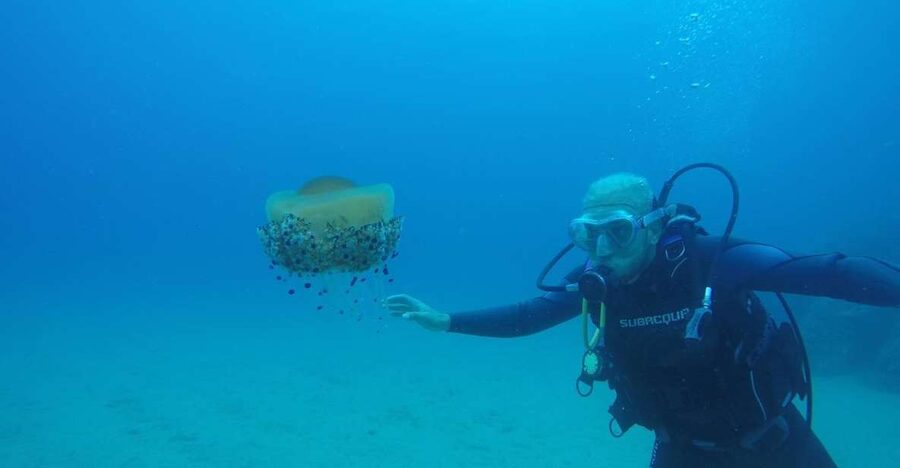
You may see marine life along the way. The attraction is not a guaranteed list of fish or a large reef spectacle. It is the simple pleasure of noticing what lives below the surface as you move through the water. Conditions can affect what you see, so treat the wildlife as part of the setting rather than a promise of a particular sighting.
The move from the bay to open water is the most meaningful part of the itinerary. In the bay, you are learning a new skill. Beyond it, you get a sense of what scuba can become. That transition gives the session more value than a short equipment demonstration in a swimming pool.
Still, this is where nerves may return. Open water can feel different from a sheltered bay, even when conditions are calm. The instructor’s guidance is central, and you should not feel pressured to continue if you are uncomfortable. One account describes instructors responding quickly when participants panicked underwater and helping them return safely to land. That is the kind of support you should expect to need if anxiety becomes too strong.
Another way to get in the water in Spain:
- Lanzarote Introductory Scuba Diving Experience
★ 5.0 · 766 reviews - Tenerife: Beginner’s Dive at a Spot with Turtle Sightings
★ 4.7 · 627 reviews - Scuba Diving Experience for Beginners in Gran Canaria
★ 5.0 · 561 reviews - Tenerife First Time Scuba Dive – Turtle Habitat, Small Groups
★ 4.5 · 456 reviews
How the instructors shape the experience
For a beginner, the instructor matters as much as the water. You need someone who explains things plainly, watches your reactions, and treats caution as sensible rather than embarrassing.
The experience has received a 4.7 rating from 107 bookings, with especially strong praise for the instructors’ kindness, clear explanations, and attention to safety. A family session led by Valentin and Sergio was described as professional, friendly, and encouraging. That combination is valuable when several family members have different levels of confidence.
Another account describes two people arriving with anxiety and post-traumatic stress, then finding the instructors considerate and responsive when the experience became too much. They did not complete the full session, but they felt safe enough to consider trying again. That is an important detail: a successful first experience does not have to mean reaching the maximum depth or finishing every stage.
You should still keep expectations realistic. A small group is not the same as a private lesson, and the information lists a separate personal trainer fee of 30 GBP. If you want the instructor’s full focus, ask about that option before you arrive.
The staff also record photos and videos on some sessions, but these are not included. The price information specifically excludes them, and one booking issue involved promised images not being sent. If underwater photos matter to you, confirm the cost, delivery, and conditions before agreeing to purchase them.
Is the $118 price good value?
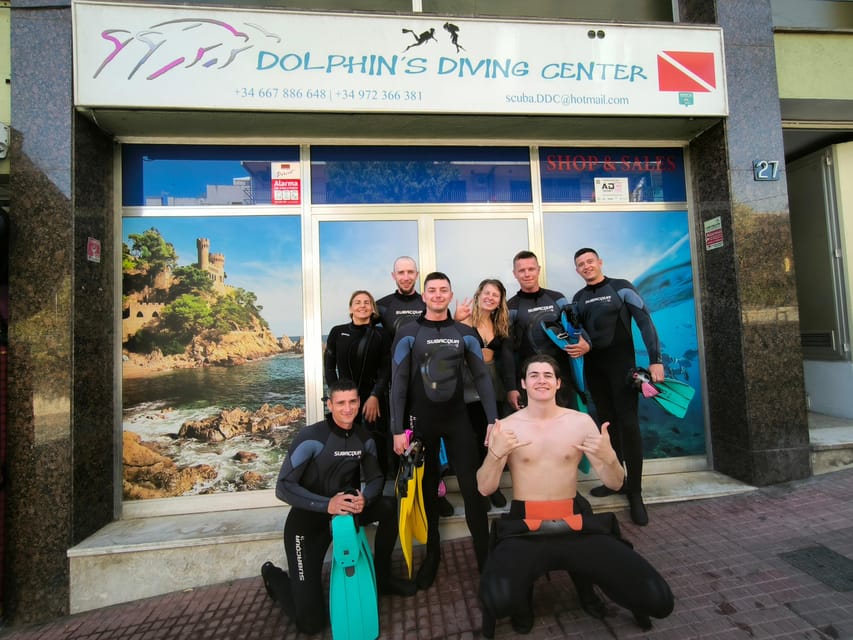
At $118 per person, this is not a cheap way to spend two hours at the coast. The value depends on what you want from the session.
The fee includes the scuba equipment, entrance fees, instruction, and the guided underwater outing. You are paying for a managed first experience rather than simply renting gear. The instructor’s presence is the key part of the price, especially when you are learning to breathe underwater and move beyond the sheltered bay.
The experience is better value for you if you are curious about scuba but do not want to commit to a full certification course yet. It gives you a practical test. You can find out whether you enjoy the equipment, the breathing method, and the sensation of moving underwater before spending more on formal training.
It is less compelling if you already hold a license or want a long underwater session. Two hours includes the briefing and practice, so your time outside the bay will be limited. Experienced divers may find the program too basic.
Photos and videos are extra, as is the listed personal trainer fee. Food and drinks are also outside the price. Add those costs before comparing this activity with other Costa Brava water experiences.
The flexible booking policy helps reduce the risk. You can reserve now and pay later, and cancellation up to 24 hours before the start time qualifies for a full refund. Check the current start times when booking, since the activity does not publish one fixed daily schedule.
Who should book this first scuba session?

This experience suits adults, families, and older children who want a carefully guided introduction. It can work well for people who are curious but uncertain, because the session builds from explanation to sheltered practice and then open water.
The activity is listed as available for everyone above 10 years old. Another note says it is not suitable for children under 8, leaving an unclear age range for children from 8 to 10. If your child falls into that gap, confirm the policy with Dolphins Diving Center before paying.
It is also a reasonable choice for people who want a supportive first attempt rather than a competitive challenge. The instructors have experience helping participants who become anxious, and the small group format gives you a better chance of receiving individual guidance than a large boat-based outing.
You should not book without checking first if you have heart problems, high blood pressure, or a history of seasickness. The activity also excludes people over 150 kilograms. Do not use alcohol or drugs before the session, and do not feed marine animals.
The experience is wheelchair accessible according to the supplied activity details. Because scuba entry and movement can vary by person, contact the provider ahead of time to discuss the support you need.
Practical advice for a smoother morning or afternoon
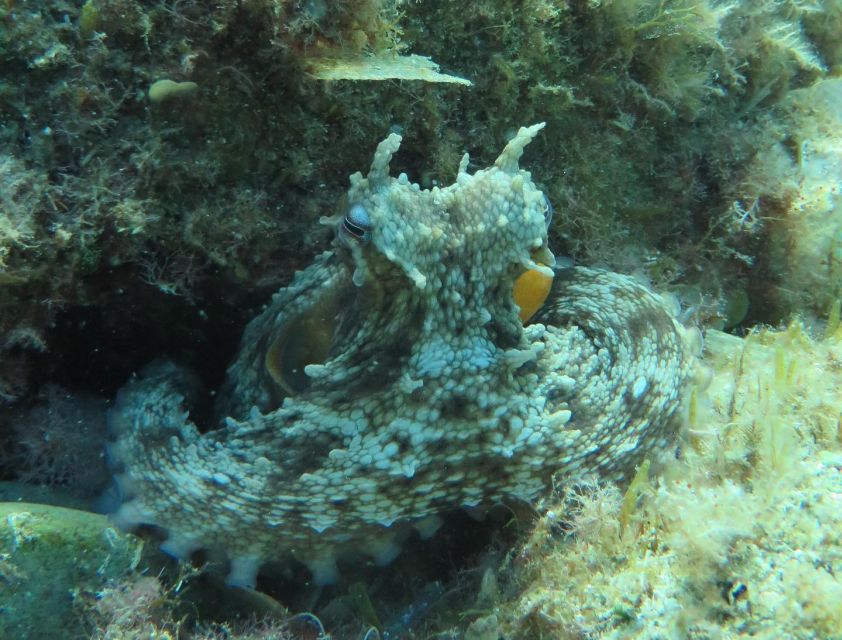
Arrive ready to get wet. Wear swimwear and bring a towel. Since food and drinks are not provided, eat and hydrate on your own schedule before or after the session.
Meet your instructor at the Dolphins Diving Center office. The activity begins with the center’s briefing, so allow enough time to find the office and avoid arriving flustered.
Tell the instructor about your comfort level at the start. If you are uneasy with the mask, breathing regulator, or open water, say so during the bay practice. The sheltered section is the best place to solve problems before moving farther out.
Do not make underwater photos your main reason for booking. They can be a nice record of the experience, but they cost extra and delivery should be confirmed. The real value is learning how the equipment feels and deciding if scuba deserves a larger place in your holiday plans.
Plan around the weather and your own energy, even though the session takes place in calm water. The activity description emphasizes calm conditions, but the sea is not a swimming pool. A relaxed attitude and patience will help more than trying to act fearless.
My verdict: book it if you want a careful first taste
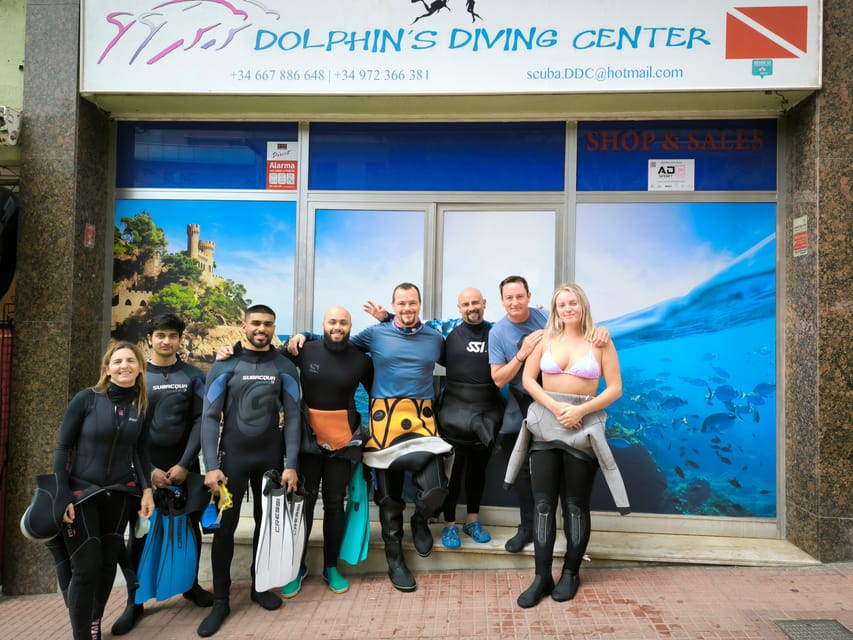
I would book this experience if you have never tried scuba and want a short, guided introduction in Costa Brava. The calm-bay practice, instructor support, equipment rental, and maximum 12-meter outing give you more than a simple swim, while the two-hour length keeps the commitment manageable.
I would skip it if you already have scuba experience, need guaranteed underwater photography, or want a full certification program. I would also contact the center first if you have a medical condition, fall into the unclear 8 to 10 age range, or want private instruction.
For a first attempt, the strongest reasons to book are the staged progress, safety-minded staff, and small group size. You may not complete every stage, and that is fine. The useful question is whether the experience helps you feel ready to learn more.
FAQ
Do I need a scuba license or previous experience?
No. The activity is designed for beginners, and no previous scuba experience is required.
How deep does the session go?
The maximum depth is 12 meters.
How long does the activity last?
The experience lasts two hours, including the explanation, equipment practice, and underwater session.
What languages do the instructors speak?
Instruction is available in Spanish, English, French, Russian, and Dutch.
What should I bring?
Bring swimwear and a towel. Food and drinks are not included.
Are photos and videos included?
No. Photos and videos are not included in the price and may cost extra.
Who should not take part?
The activity is not suitable for people with heart problems, high blood pressure, seasickness, or a body weight above 150 kilograms. Alcohol and drugs are not allowed, and participants must not feed animals.
Newest dives added in Spain
- First Experience underwater. Try Scuba Diving★ 5.0 · 2 reviews
- Alicante: Denia Beginners Scuba Diving Experience★ 4.8 · 59 reviews
- 2-Dive Guided Scuba Diving For Qualified Divers★ 5.0 · 2 reviews
- Lanzarote: 2-dive package in Playa Blanca – certified divers★ 5.0 · 4 reviews
- Lanzarote: Scuba Dive at Museo Atlántico for Beginners★ 4.8 · 86 reviews
- Tenerife: Costa Adeje Private Diving Lesson Experience★ 4.9 · 47 reviews
- Tenerife: Private Scuba Diving–Certified Instructor & Photos★ 4.9 · 65 reviews
- Tenerife: 2-Dive Private Scuba Discovery Course★ 4.3 · 22 reviews
Scuba Diving, compared.
Great Barrier Reef Snorkeling and Diving Cruise from Cairns
Read our review →
First-Time Scuba Diving in Honolulu + Free Videos
Read our review →
Diving Between Tectonic Plates – Meet on Location
Read our review →
Ocean Freedom Great Barrier Reef Luxury Snorkel and Dive Cruise
Read our review →
Beginner Scuba Diving with Turtles and Videos, San Juan
Read our review →
Your First Scuba Diving Experience in Turtle Area
Read our review →
Browse the lists this dive appears in