Reviewed · DISCOVER SCUBA DIVING
Maldives: Discover Scuba Diving
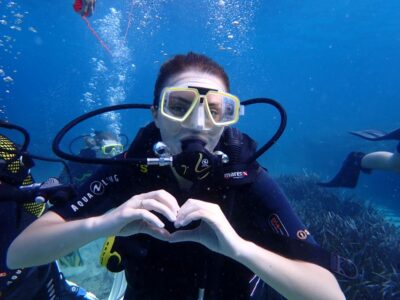
The best part of this beginner scuba session is that you get a real underwater outing without signing up for a full certification course. In about two hours, you learn the basics, practise in shallow water, and then head to a Maldives reef with an instructor.
I like the small groups of four, which should make it easier to ask questions and get personal help. I also like that the price includes the main equipment, safety briefing, shallow-water practice, and a certified English-speaking instructor. The main thing to check is your transport arrangement, since travel to the underwater location is included only if specified in your package.
Key points to know before booking
- No previous scuba experience is required: You learn the basic skills before entering open water.
- Two hours from Furuba Beach and back: Arrive at the dive center 30 minutes before the start time.
- Small groups of up to four: This allows for closer instruction and a calmer introduction.
- Equipment is supplied: Mask, fins, BCD, regulator, tank, and a wetsuit if needed are included.
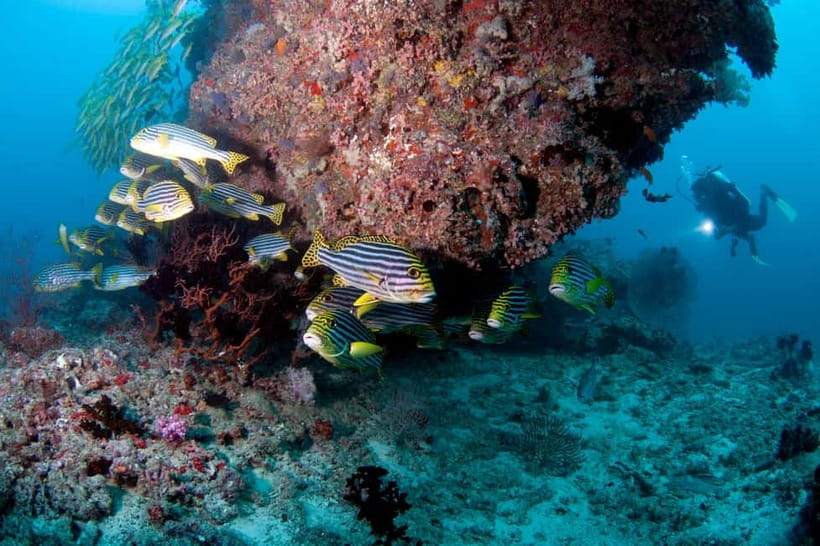
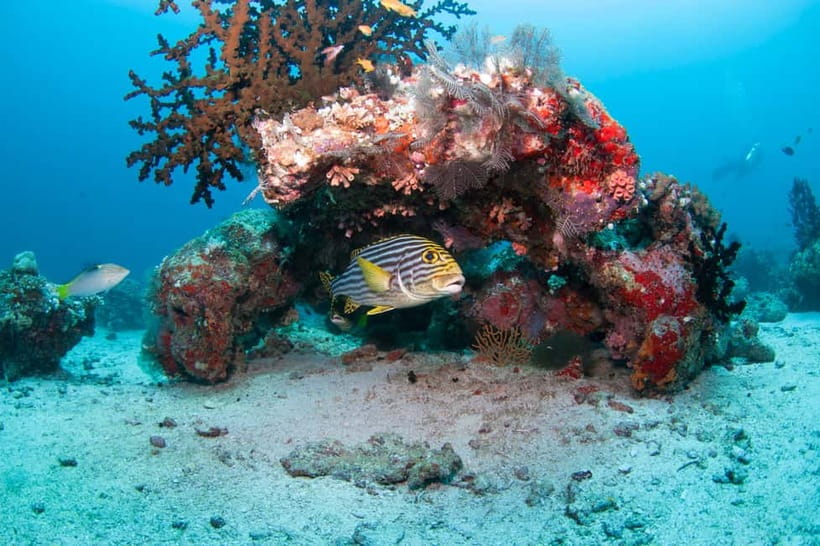
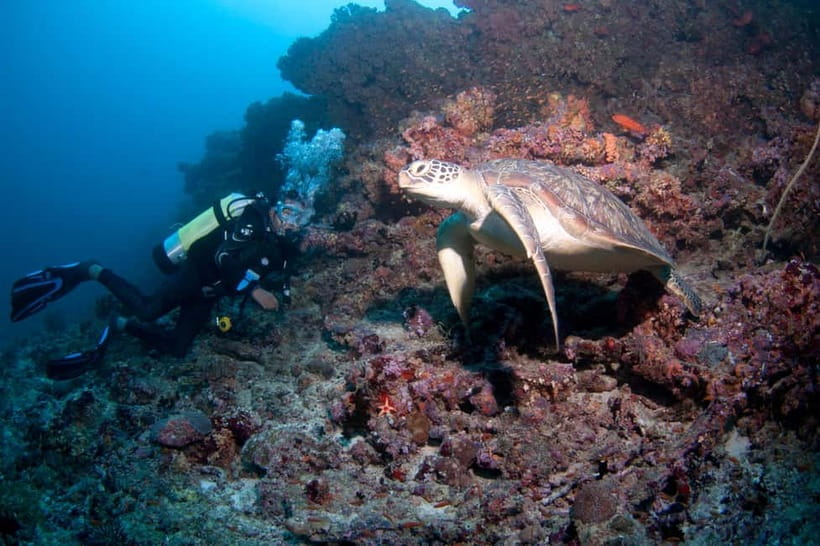
- Kaafu Atoll offers clear tropical water: You may see reef fish, coral, rays, or turtles.
- You must be able to swim: This session is not suitable for non-swimmers or uncertified divers seeking an advanced outing.
Starting at Furuba Beach with time to prepare
Your meeting point is Furuba Beach, where you should arrive at the dive center 30 minutes before the activity begins. That early arrival matters. Scuba equipment has several parts, and a rushed start is no way to feel comfortable with a regulator or air tank.
The session lasts two hours and returns to Furuba Beach. The published schedule does not give a detailed minute-by-minute breakdown, so expect the time to include preparation, instruction, practice, and the guided underwater portion rather than two full hours below the surface.
The English-speaking instructor should first explain how the equipment works and what you will do in the water. You will be shown the mask, fins, buoyancy control device, regulator, and tank. The BCD helps manage your position in the water, while the regulator lets you breathe from the tank. You do not need to arrive knowing these terms, but understanding the basics will help you listen closely.
Wear your swimwear and bring sunscreen and a towel. Those personal items are not supplied. Food and drinks are also not included, so plan around the session if you need a snack before or after.
More Discover Scuba Diving in the world
- Discover Scuba Diving
★ 5.0 · 1,676 reviews - Barcelona: PADI Discover Scuba Diving
★ 4.7 · 1,016 reviews - Discover Diving in Curacao
★ 5.0 · 886 reviews
Learning the basics before open water
The training begins in shallow water. This is one of the most useful parts of the program because it gives you a chance to get used to breathing through the regulator before you are looking at a reef.
You will practise essential skills such as breathing underwater and equalizing. Equalizing helps your ears adjust to changing water pressure as you go lower. It is a small skill, but it can make a big difference to your comfort.
The instructor also covers basic safety procedures. Pay attention here, even if you have snorkeled before. Scuba equipment changes the way you move and breathe, and the instructor needs to know that you can respond calmly before taking you farther from shore or into a formal underwater site.
I like the order of this program. You are not simply handed equipment and sent into the water. The session gives you an introduction, a controlled practice period, and then a guided open-water visit. That progression is sensible for a first attempt.
The small-group limit of four is another practical advantage. Beginners often need different amounts of time to adjust. A group of four gives the instructor a better chance to watch each person, answer questions, and notice if someone is nervous. It also feels less crowded than a large lesson.
Still, two hours is a short window. You will receive an introduction rather than the training required for certification. If you find that you love scuba, this session can help you decide if a longer course is worth your time and money. It does not replace one.
Meeting Maldives marine life underwater
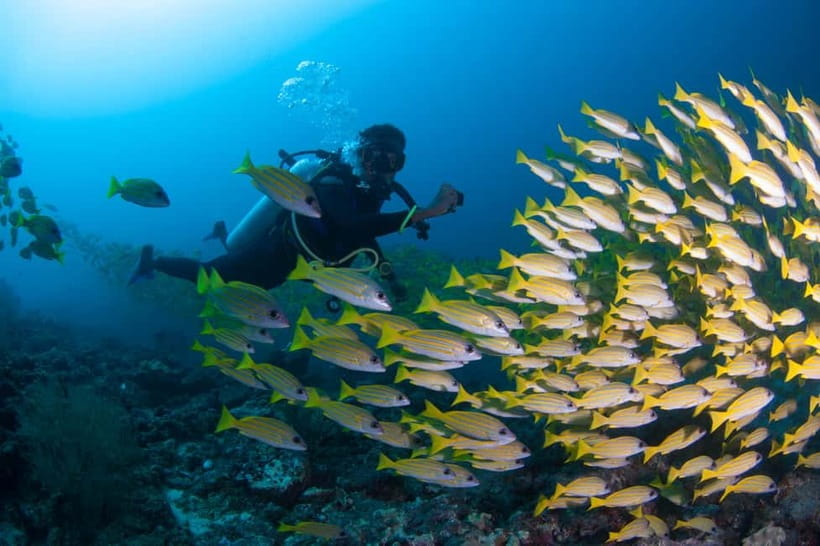
After the shallow-water practice, you head to an open-water site in Kaafu Atoll. The Maldives is known for clear water, coral reefs, and tropical sea life, and this is the point of the outing: to see those surroundings from below rather than from a boat or beach.
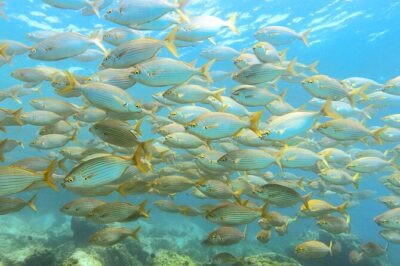
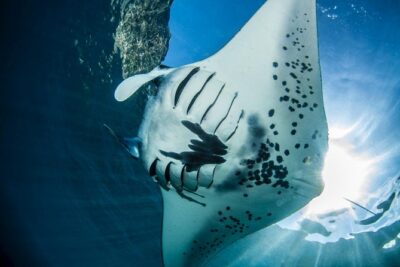
You may see tropical fish and colorful coral. Rays and turtles are also possible, along with other larger marine creatures. These sightings are never guaranteed, so book this for the chance to explore a reef environment, not for a promise of a particular animal.
The water conditions are described as clear, which can make a first scuba outing easier. Good visibility helps you see your instructor, understand the space around you, and enjoy the reef without feeling closed in. It also gives you more time to notice small fish and coral formations.
You must follow the rules in the water. Do not touch marine life, animals, or plants. Do not use flash photography. These restrictions protect the underwater environment and reduce distractions during a session where safety should come first.
Underwater photography is not included. If you want photos or video, those can be arranged for an additional fee. Ask about that before the session, rather than assuming you can use your own camera or phone. Flash photography is specifically not allowed.
The guided format matters here. An instructor leads the underwater portion, so you do not need to plan a route or identify a suitable site yourself. Your job is to stay attentive, follow directions, and keep your movements controlled.
What the $100 price really covers
At $100 per person, this is not the cheapest activity you can add to a Maldives holiday. It is also more than a simple snorkel outing. The price includes the core pieces needed for a first scuba session:
- Full scuba equipment
- A wetsuit if needed, depending on water temperature
- A certified professional instructor
- Safety instruction and a pre-water briefing
- Shallow-water skill practice
- A guided open-water session
- Necessary permits and dive fees
That package gives the price reasonable value for someone who wants to try scuba without buying equipment or committing to a certification course. The instructor and equipment are the main costs you would otherwise have to arrange separately.
Transport needs closer attention. The information says transport to and from the underwater location is included if it is part of your package, but the general exclusions also say transportation is not included unless specified. Confirm this before paying, especially if you are not staying close to Furuba Beach or the activity center.
Food, drinks, towels, swimwear, sunscreen, and underwater photos are extra or personal responsibilities. These are small costs compared with the activity itself, but knowing this prevents an awkward surprise when you arrive.
The reserve now and pay later option can also help if your schedule is still moving around. You can hold a place without paying immediately, while free cancellation is available up to 24 hours before the activity for a full refund. Check the final booking terms at checkout.
More Scuba Diving in the world
- Great Barrier Reef Snorkeling and Diving Cruise from Cairns
★ 4.5 · 3,714 reviews - First-Time Scuba Diving in Honolulu + Free Videos
★ 5.0 · 3,123 reviews - Oahu Shark Dive
★ 5.0 · 2,903 reviews - Silfra: Diving Between Tectonic Plates – Meet on Location
★ 5.0 · 2,139 reviews
Who will enjoy this short first scuba session
This program is a good match if you are curious about scuba but do not want to spend several days on a certification course. It also suits someone who wants a guided introduction during a Maldives holiday, with equipment and instruction handled in one place.
The experience is particularly useful for:
- First-time scuba participants who can swim
- Holidaymakers interested in reef life
- People who prefer a small group
- Anyone who wants to test scuba before pursuing certification
- Visitors who want a structured activity rather than an unguided swim
It is not suitable for non-swimmers. It is also not intended for uncertified participants looking for a more advanced scuba outing. The session is designed around basic learning and supervised practice.
Be honest with yourself about comfort in water. Even a friendly, well-run lesson can feel stressful if you dislike wearing a mask, breathing through equipment, or being below the surface. The shallow-water practice gives you a chance to adjust, but you should still arrive ready to listen and move at your own pace.
The activity also has clear conduct rules. Weapons and sharp objects are not allowed. Alcohol and drugs are not allowed. Nudity, flash photography, and touching marine life, animals, or plants are prohibited. These are simple rules, but they are worth knowing before you arrive.
The value of a four-person group
A small group can change the feel of a beginner lesson. With no more than four participants, you are less likely to be lost in a crowd while learning to clear your mask, manage your breathing, or equalize your ears.
The available feedback gives particular weight to organization and safety standards. Julio, from the United States, gave the activity five out of five and specifically praised the staff, the organization, and the care taken with safety. That detail matters more here than a general claim that the session is fun. A first scuba outing depends on clear instructions and careful supervision.
No guide names are provided, so you should expect an English-speaking certified instructor rather than a named personal guide. The instructor is responsible for taking you through the equipment, briefing, shallow-water work, and open-water portion.
The group size does not guarantee a private lesson. Four people may still have different comfort levels and skill speeds. Even so, it is a more personal setup than a large class and should give you better access to the instructor.
A realistic two-hour schedule
A sensible way to view the timing is as four connected stages:
- Arrival and preparation at Furuba Beach
- Equipment introduction and safety briefing
- Shallow-water practice
- Guided open-water reef visit and return
The exact length of each stage is not specified. Do not assume that the full two hours will be spent underwater. Beginners need time to fit equipment, understand instructions, and practise safely.
That may sound obvious, but it affects your expectations. The value lies in the complete introduction, not just minutes spent at the reef. If you have never used scuba equipment, the briefing and shallow-water work are part of the experience, not wasted time.
You return to Furuba Beach after the session. Since food and drinks are not included, arrange your own refreshment afterward. If you have another activity booked later, leave enough time for the return, changing, and any transport you need.
Safety and environmental care
Scuba is rewarding because it lets you move through a world that is otherwise difficult to reach. It also demands more care than a casual swim. You will be breathing from a tank, managing buoyancy, and staying aware of your instructor and surroundings.
The program includes a safety briefing and basic training before the open-water portion. Follow the instructor’s instructions even if you feel confident in the shallow water. Calm, controlled movements are more useful than trying to swim quickly or get close to animals.
Never touch coral, fish, rays, turtles, or other marine life. Do not handle plants. Even gentle contact can harm a fragile reef, and touching animals can cause stress or provoke a reaction.
Flash photography is banned. If you arrange underwater images for an extra charge, confirm how they will be taken without flash and follow the staff’s directions. Your first priority should be staying comfortable and aware, not getting a perfect photograph.
Travel insurance is not included unless you already have coverage through another arrangement. The supplied information advises you to have travel insurance, so check your policy before booking if that is important to you.
My booking advice
I would book this for a swimmer who wants a low-commitment introduction to scuba in Kaafu Atoll. The $100 price is fair if you value the included equipment, certified instructor, small group, and guided open-water session. The strongest practical points are the four-person limit and the clear progression from briefing to shallow water to reef.
I would not book it if you cannot swim, want a full certification, or expect guaranteed sightings of turtles or rays. I would also confirm transport before payment, since the package information treats it as included only when specifically stated.
For the best experience, arrive 30 minutes early, bring swimwear, sunscreen, and a towel, avoid alcohol and drugs, and listen closely during the safety briefing. If you approach it as a careful first step rather than an advanced scuba trip, this is a sensible way to find out if underwater exploration suits you.
FAQ
Do I need previous scuba experience?
No. The program is designed for beginners and includes an introduction to equipment, safety instructions, shallow-water practice, and a guided open-water session.
How long does the activity last?
The activity lasts two hours, beginning and ending at Furuba Beach. You should arrive at the dive center 30 minutes before the scheduled start time.
Where does the session meet?
The meeting point is the dive center at Furuba Beach.
Is scuba equipment provided?
Yes. The package includes a mask, fins, BCD, regulator, tank, and a wetsuit if needed based on water temperature.
Is transportation to the underwater location included?
Transportation is included only if it is specified in your package. Confirm this before booking, since it is otherwise listed as an exclusion.
Can non-swimmers participate?
No. The activity is not suitable for non-swimmers.
Can I cancel for a full refund?
Yes. You can cancel up to 24 hours in advance for a full refund. You can also reserve now and pay later, subject to the booking terms.
Newest dives added in the world
- Private Scuba Diving Expert-Led Excursion Training with Tour★ 4.5 · 9 reviews
- SHARK CAGE DIVING and VIEWING (Self Drive)★ 4.5 · 25 reviews
- Cape Shark Diving Adventures★ 5.0 · 56 reviews
- SHARK CAGE DIVING and VIEWING (Incl. transfers from Cape Town)★ 5.0 · 28 reviews
- Shared Scuba Diving Trip in Kushimoto★ 5.0 · 2 reviews
- Ultimate Shark Encounter Two Tank Dive at The World Famous Beqa Lagoon★ 5.0 · 18 reviews
- Certified Scuba Diving with Whitetip Marine Adventures team★ 5.0 · 67 reviews
- Scuba Dive Boat Charter in Vancouver (Certified Divers Only!)★ 5.0 · 60 reviews
Discover Scuba Diving, compared.
2 Days Discover Scuba Diving in Nusa Lembongan – Scuba Initiation
Read our review →