Reviewed · SCUBA DIVING
Malta: First Experience Scuba Diving Lesson
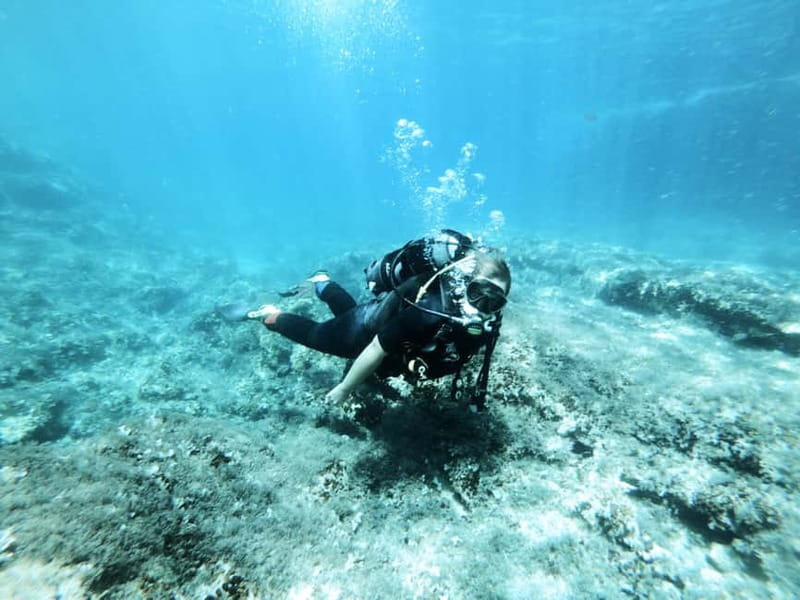
Malta lets you try breathing underwater without committing to a full certification course. This half-day lesson starts with basic training, moves into shallow-water practice, and ends with a second shore session where you can look around at the Mediterranean seafloor and fish.
I especially like the small groups of up to four and the patient teaching style. Instructors such as Emma, Marco, Vinny, Francesca, and Marcel have helped nervous beginners take things slowly, and the shallow starting area gives you a chance to settle before going farther. The main drawback is that this is an introduction, not a license, and the maximum depth is only 5 meters.
Key points to know before booking
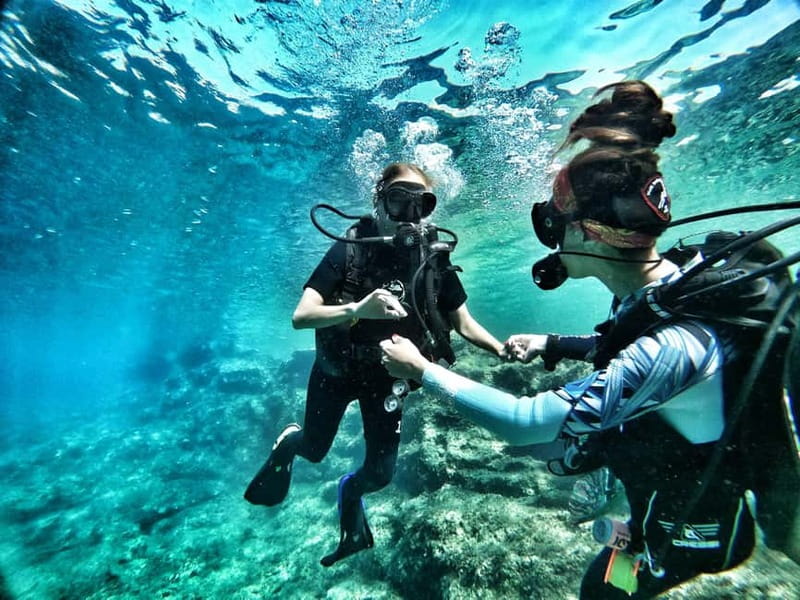
- Two underwater sessions: Use the first for skills and the second for relaxed exploration.
- Maximum depth of 5 meters: This is a gentle introduction, not a full open-water course.
- Groups limited to four people: You get close supervision and room to ask questions.
- Online study comes first: Complete the material in your chosen language before arrival.
- Patient instructors matter here: Emma, Marco, Vinny, and others are repeatedly praised for calm, supportive coaching.
- Strict health rules apply: Some medical conditions require written approval from a doctor before you take part.
A gentle introduction to Malta’s underwater world
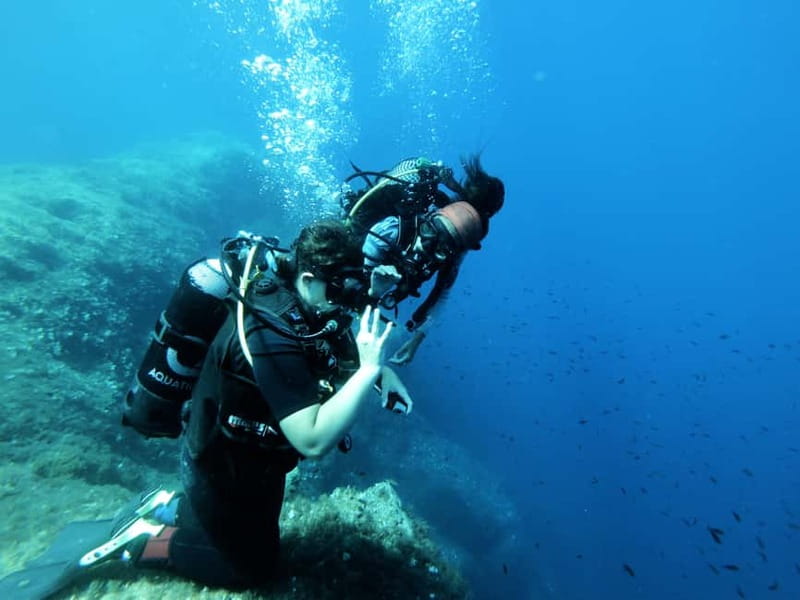
Malta is a fine place to try scuba for the first time because the main attraction is not speed or technical skill. It is the strange, quiet feeling of moving through clear seawater while breathing from a tank, with a guide close beside you.
This experience keeps the ambition modest. You will not reach dramatic wrecks or spend hours at serious recreational depths. Instead, you learn the basic equipment and underwater signals, practice in a controlled area, and then spend time looking around at a maximum of 5 meters.
That limit is useful for a beginner. You can focus on breathing, staying calm, clearing your ears, and moving gently rather than worrying about depth. If you want a scuba license, choose a Basic Diver Course or Scuba Diver Course instead.
The session lasts about 2.5 to 3.5 hours. That includes the briefing, equipment setup, practice, and two underwater sessions. It is long enough to feel like a real activity, but short enough to fit neatly into a Malta sightseeing day.
More Scuba Diving in the world
- Great Barrier Reef Snorkeling and Diving Cruise from Cairns
★ 4.5 · 3,714 reviews - First-Time Scuba Diving in Honolulu + Free Videos
★ 5.0 · 3,123 reviews - Oahu Shark Dive
★ 5.0 · 2,903 reviews
Before arrival, complete the online lesson
Your first task is done before you reach the meeting point. You receive online theory material in your selected language, and you must complete it before the activity.
This preparation covers the essential ideas behind scuba. You get an early look at the equipment, safety points, and basic skills, so the instructor does not have to explain every term from scratch on the day.
I like this arrangement because the in-person time can focus on your actual concerns. You might need help with breathing through the regulator, clearing your ears, or understanding underwater hand signals. If you already know the basic vocabulary, you can spend more time practicing instead of sitting through a long classroom session.
English skills are still needed during the activity. The available instructor languages are English, Italian, German, and Spanish, but you should be able to understand safety instructions and respond to your instructor.
The briefing and equipment check
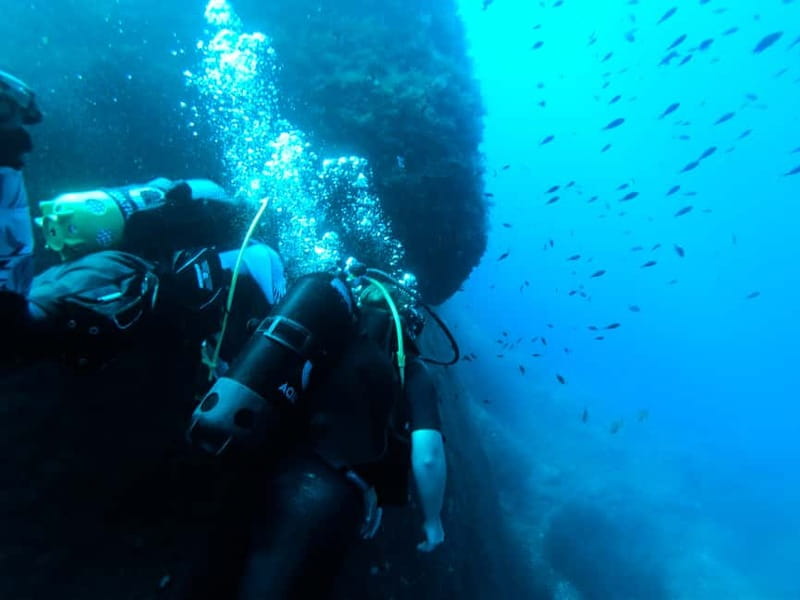
At the meeting point, your instructor introduces the equipment and explains how the session will run. The complete diving kit is included, so you do not need to bring your own tank, mask, regulator, or other scuba gear.
The briefing covers safety rules and the basic skills you will use in the water. Pay close attention here. The equipment can feel bulky on land, and it is normal to need a little time before it feels natural.
The best approach is to ask questions early. A first scuba session is not the time to pretend you understand something that remains unclear. The instructors are used to beginners who feel nervous, and the experience works best when you tell them what worries you.
Several instructors have been praised for keeping the mood light without making the safety briefing feel casual. Emma, for example, is described as funny and reassuring, while Vinny is noted for checking that participants understood the training before entering the water. Those qualities matter more than a flashy location when you are trying to control your breathing for the first time.
First session: practice before exploration
The first underwater session is the training part. You practice the basic techniques under supervision, with the instructor nearby and ready to slow things down.
A particularly helpful feature is the shallow starting area described by participants. Being able to stand up at first can make a huge difference if you feel uneasy. You can get used to the mask, regulator, and sensation of breathing underwater before moving into deeper water.
Do not expect to perform perfectly right away. One participant found that the cylinder felt difficult to control, while the instructor stayed close and offered physical support to prevent panic. Another had trouble equalizing the ears and was moved back into shallower water rather than being pushed to continue.
That is the right way to think about the first session. The goal is not to prove anything. It is to learn how your body reacts and gain enough control to enjoy the second part.
You may practice clearing your mask, adjusting your breathing, controlling your position, and using hand signals. The exact order can vary, and the instructor may spend more time on a skill if you need it.
Another way to get in the water in the world:
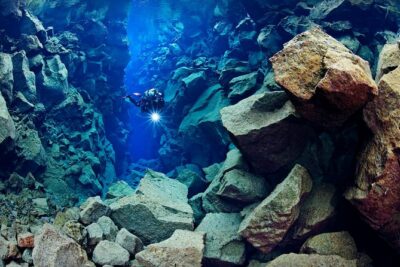
- Silfra: Diving Between Tectonic Plates – Meet on Location
★ 5.0 · 2,139 reviews - Ocean Freedom Great Barrier Reef Luxury Snorkel and Dive Cruise
★ 5.0 · 1,895 reviews - Beginner Scuba Diving with Turtles and Videos, San Juan
★ 5.0 · 1,743 reviews - Tenerife: Your First Scuba Diving Experience in Turtle Area
★ 4.7 · 1,679 reviews
Second session: a short underwater outing
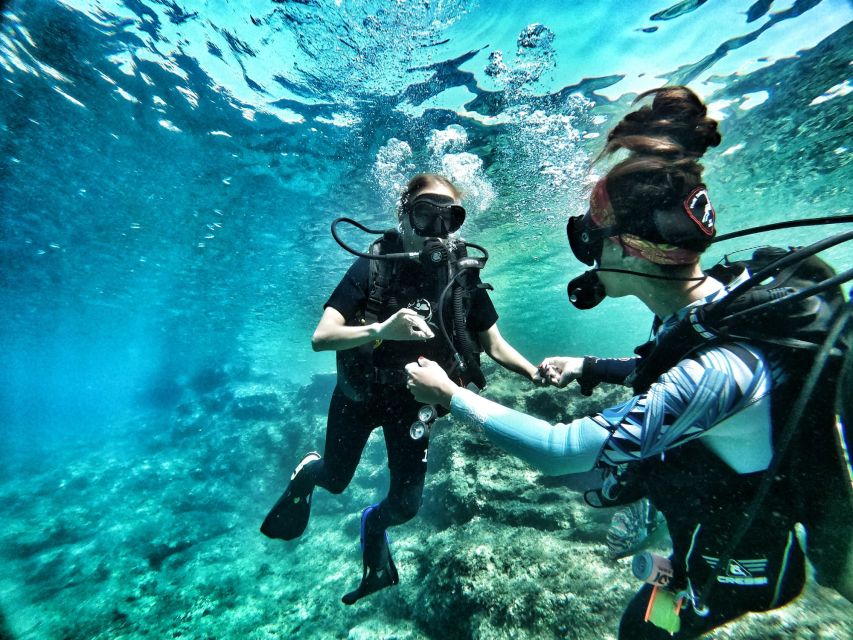
Once you are comfortable with the basic skills, you take the second shore session. This is the part most people picture when they imagine scuba in Malta: moving slowly through clear Mediterranean water and looking at the underwater world.
The maximum depth is 5 meters. That keeps the session suitable for beginners, but it also sets realistic expectations. You will not get the scale or depth of a certified scuba excursion, and the underwater route may feel brief to an experienced diver.
For a first attempt, the shallow setting is a benefit. You have less to manage, and the instructor can focus on your comfort and position. You might see fish and small marine life, although the exact sights depend on conditions and the chosen site.
The second session is designed to feel more relaxed than the first. You have already handled the equipment and practiced the key skills. Now you can look around instead of concentrating on every single movement.
The experience provider may arrange transport to and from the site if needed, but hotel pickup and drop-off are not included. Check the meeting point for the option you book, since it can vary.
Why the small group makes a difference
A group limit of four is one of the strongest practical features. In a large class, a nervous beginner can spend too much time waiting for help. Here, the instructor has a better chance of noticing a problem quickly.
That close attention shows up in the way the session is paced. People who panic, struggle with the cylinder, or have trouble equalizing can stop and work through the issue. The instructors have been praised for holding a participant’s hand briefly, watching each person closely, and allowing extra time when needed.
This is not a private lesson, so you should still expect to share the instructor’s attention. But a maximum of four is small enough to feel personal, especially compared with a large resort class.
If you are booking for two people, this format also works well. Partners can learn together, though you should not rely only on each other for safety. The instructor remains responsible for the teaching and underwater supervision.
The instructors are the heart of the session
The equipment and Malta’s clear water get you through the door, but the instructor determines how the experience feels. First-time scuba can be exciting, yet a small burst of panic is common when the mask goes on and breathing feels different.
The instructors are repeatedly praised for being calm, patient, and encouraging. Emma is often singled out for making nervous participants laugh while still explaining each step carefully. Marco, Marcel, Vinny, Francesca, Matteo, and others are also noted for friendly instruction and close attention.
Names and staff assignments can change, so do not book solely because you hope to get one particular instructor. Instead, look for the teaching qualities this session emphasizes: clear explanations, slow progression, and the willingness to return to shallow water when needed.
I would tell you to say so immediately if you feel rushed. A good first session should build confidence through small steps. You should never feel embarrassed about asking for another explanation or pausing to settle your breathing.
Safety and health rules are not optional
The health requirements deserve careful attention before you pay. You must obtain written approval from a physician if you have certain lung, breathing, heart, blood, ear, eye, sinus, neurological, or psychological conditions.
Written approval may also be required for recent surgery, diabetes, hernia, ulcers, back problems, loss of consciousness, seizures, migraines, panic attacks, or the use of prescription medication. The restrictions also cover people aged 45 or older who have high cholesterol, high blood pressure, or a smoking history.
Pregnant women, non-swimmers, people with epilepsy, people with respiratory or heart problems, and people with recent surgery are not suitable for this activity. You also cannot take part if you have been scuba diving within the previous 24 hours.
Read the health form honestly. If staff discover an ignored restriction within 24 hours of the activity, no refund is available. If scuba is not suitable for you, the provider suggests a snorkeling tour instead.
You must also wait at least 12 hours after the session before flying. Keep this in mind if Malta is the final stop before your flight home.
What to bring and what to leave behind
Bring swimwear and a towel. The full kit is provided, but personal comfort items are your responsibility.
Cameras are not allowed, and neither are alcohol or drugs. That may disappoint anyone hoping to record the experience, but it keeps the session focused on safety and instruction.
Wear something easy to change out of and allow enough time to arrive at the correct meeting point. Since the location can vary by booking option, check your confirmation carefully rather than assuming every session leaves from the same place.
Transport to the site is included if needed, but hotel pickup and drop-off are not. Plan your route to the meeting point before the day begins.
Is $94 a fair price?
At $94 per person, this is not the cheapest water activity in Malta. You are paying for more than time in the sea, though. The fee includes online theory, a safety briefing, the complete scuba kit, one training session, one shore exploration session, and transport to and from the site if required.
The small group is important to the value. You are not simply being placed in the water with equipment and left to follow a crowd. You get instruction and close monitoring, which is exactly what you need when learning a new skill.
The price makes less sense if you already hold a scuba certification or have substantial experience. The 5-meter depth limit and basic format will probably feel restricted.
For a first attempt, I think the value is solid if you want a supervised introduction rather than a qualification. It also works well as a birthday activity or a special holiday outing, especially for a parent and child old enough to participate.
Who should book this Malta scuba lesson?
This experience suits adults and children aged 10 or older who can swim, follow instructions, and feel curious about scuba. Minors need written consent from a parent or tutor if they are joining alone.
It is especially good for you if:
- You want to try scuba without taking a full certification course.
- You are nervous and prefer a shallow, gradual start.
- You value close supervision in a group of no more than four.
- You want a half-day activity that leaves time for other Malta plans.
- You are willing to complete online study before arrival.
It is not the right choice if you want a license, a deep underwater route, wreck exploration, or a long session at sea. It is also unsuitable for non-swimmers and people who cannot meet the medical requirements.
Should you book it?
Book this lesson if you want a carefully paced first taste of scuba in clear Maltese water. The strongest reasons are the small groups, the shallow 5-meter limit, and instructors who take nervous beginners seriously.
Skip it if you want certification or already have scuba experience. For everyone else, $94 buys a well-structured introduction with equipment, training, and two underwater sessions. Complete the online material, check the health rules honestly, and arrive ready to learn rather than perform. That is the best way to turn a few hours in the water into a genuine new interest.
FAQ
How long does the Malta scuba lesson last?
The activity lasts approximately 2.5 to 3.5 hours, depending on the selected start time and the pace of the group.
How deep will I go?
The maximum depth is 5 meters. The first session focuses on training, while the second is used for exploration and relaxation.
Is scuba certification included?
No. This experience does not provide a scuba certification. You need to book a Basic Diver Course or Scuba Diver Course if you want a scuba license.
How many people are in each group?
The group is limited to four participants, allowing close supervision and more personal instruction.
What languages are available?
Instructors are available in English, Italian, German, and Spanish. You need sufficient English skills if you are not taking the session in another available language.
What equipment is included?
A complete diving kit is included, along with the online theory material and the safety briefing.
What should I bring?
Bring swimwear and a towel. Cameras, alcohol, and drugs are not allowed.
Can children take part?
Children must be at least 10 years old. A minor joining alone needs written consent from a parent or tutor.
Newest dives added in the world
- Tulamben Diving USS Liberty Shipwreck Scuba Dive★ 5.0 · 186 reviews
- Bali: Tulamben Bay and the USAT Liberty Wreck Dive★ 4.9 · 58 reviews
- From Pattaya: Snorkeling or Beginner Scuba Diving Tour★ 4.1 · 68 reviews
- From Punta Cana: ScubaDoo, Snorkel & Glass Bottom Boat Tour★ 3.9 · 73 reviews
- Punta Cana Party Cruise with Snorkeling, Hooka Diving and Parasailing★ 4.5 · 79 reviews
- Fun Dives For Certified Divers★ 5.0 · 44 reviews
- Discover SCUBA Diving in Beautiful Unawatuna Bay★ 5.0 · 30 reviews
- Phuket Scuba Diving Maiton Private Island Small Group or Snorkel★ 5.0 · 9 reviews
Scuba Diving, compared.
Great Barrier Reef Snorkeling and Diving Cruise from Cairns
Read our review →
First-Time Scuba Diving in Honolulu + Free Videos
Read our review →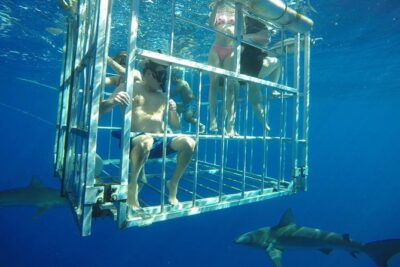
Diving Between Tectonic Plates – Meet on Location
Read our review →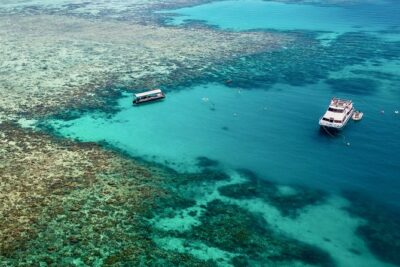
Ocean Freedom Great Barrier Reef Luxury Snorkel and Dive Cruise
Read our review →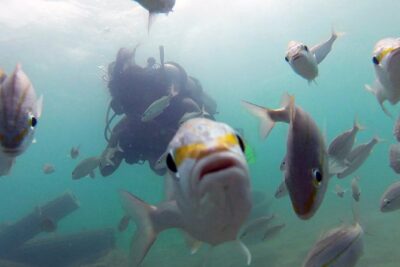
Beginner Scuba Diving with Turtles and Videos, San Juan
Read our review →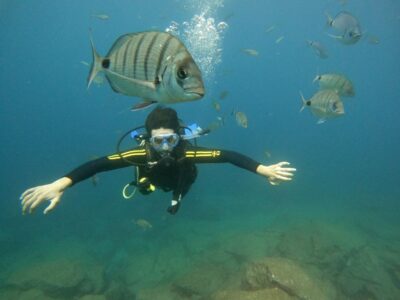
Your First Scuba Diving Experience in Turtle Area
Read our review →