
Reviewed · DISCOVER SCUBA DIVING
Napoli: Dive or Discover Scuba Diving in the Park of Baia
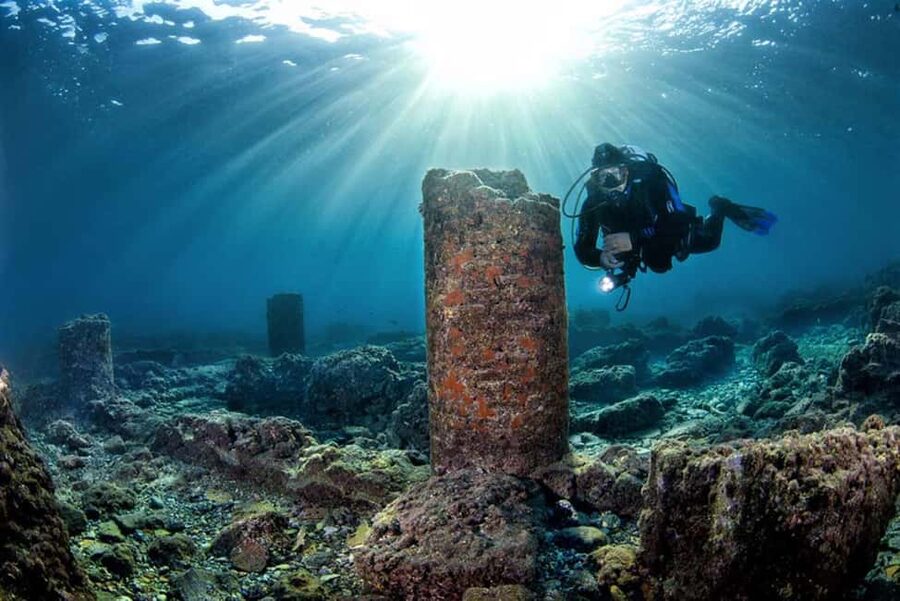
Baia gives you something rare: a chance to swim above an ancient Roman resort town. Volcanic ground slowly sank parts of the coast, leaving villas, mosaics, marble floors, and statues about four meters below the sea. You reach the archaeological park by boat, then spend about 45 minutes following one marked underwater route.
I like two things right away. First, beginners get a proper introduction, personal support, and equipment rather than being tossed into the water with a quick briefing. Second, the setting combines Roman archaeology with sea life, so you may see fish moving around ancient statues and floor patterns. The small group, limited to four people, is another real advantage.
The main consideration is that you visit only one route in the park, not every underwater site. The plan can also change with weather, and the listed price does not include getting yourself to the center near Baia’s pier.
Key points at a glance
- Roman villas below the sea: See mosaics, marble floors, statues, and structures preserved underwater by the sinking coastline.
- No scuba license needed: The Discover Scuba Diving option is for first-time participants aged 10 and older.
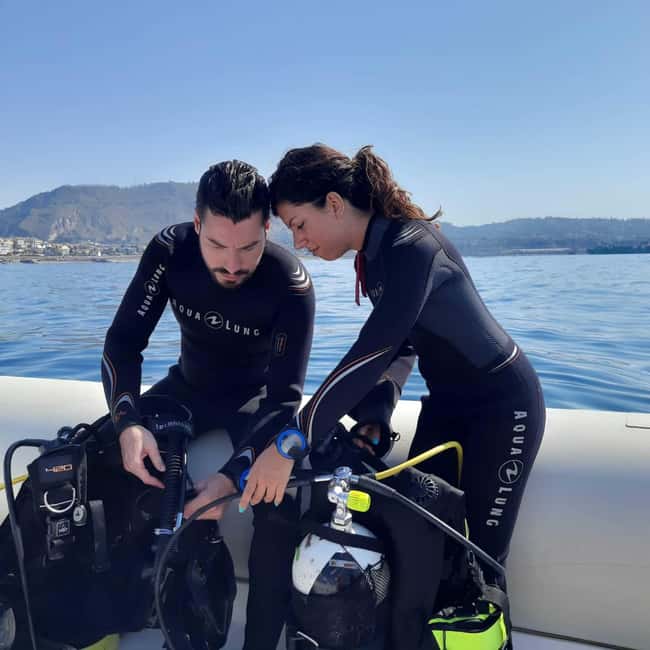
- Small groups of four: An instructor stays close and provides hands-on help throughout the underwater visit.
- About 45 minutes below the surface: The actual underwater portion follows one of the archaeological park’s prepared routes.
- A full beginner setup: E-learning, an in-person lesson, equipment, tank refill, insurance, boat transport, and refreshments are included.
- A useful first step toward certification: Your participation certificate counts as a first dive toward a PADI Open Water Diver course.
Why Baia’s underwater ruins are worth your time
Baia was the Roman world’s answer to a luxury seaside escape. Emperors and senators came here, and the villas once sat beside the water. Then the Phlegrean Fields, a volcanic area, gradually changed the ground level through a process called bradisism.
The coast slowly sank. Today, sections of the old town lie beneath roughly four meters of water. That makes the visit more than a standard recreational scuba session. You are not simply looking at a reef or a sunken boat. You are moving through the remains of a place built for people who wanted sea views, fine floors, and serious comfort.
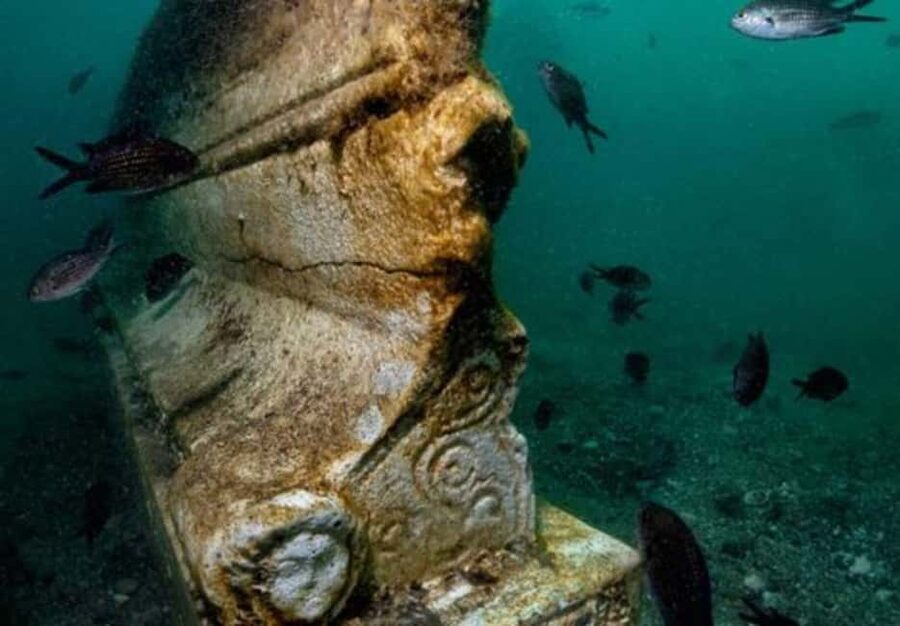
The water has helped preserve the site. Mosaics, marble surfaces, statues, and other structures remain visible beneath a layer of marine life. The combination is unusual. Thin plants may cover parts of the ruins, while fish pass through or around the old stonework. One vivid account described an orange-striped fish swimming into a bowl held by a broken statue, then circling out again. That is the sort of small scene that can make the site feel alive rather than frozen in a museum case.
You should keep your expectations sensible. This is one underwater route, selected from several routes managed by the park. Each route lasts about an hour, but your actual time below the surface is listed at approximately 45 minutes. Tell the team if you have a preference for a particular area, and they will try to arrange it, though no route is guaranteed.
More Discover Scuba Diving in Italy
- Exciting PADI Discover Scuba Diving Experience Isola Bella Marine Park Taormina
★ 5.0 · 96 reviews - Sea Baptism Scuba Experience in Polignano a Mare
★ 5.0 · 87 reviews - Try Scuba Diving and Underwater Roman Ruins in Baia from Naples
★ 4.5 · 66 reviews
Getting started at Via Lucullo 110
You meet at the Sea World Diving Baia center on Via Lucullo 110, a short distance from the Temple of Venus and at the entrance to the Baia pier. PADI flags mark the center, so it should be easy to spot once you reach the waterfront.
Allow time to arrive without rushing. From Naples, a taxi is estimated at around 70 euros. A bus costs about 2.50 euros, with a stop directly in front of the center. The train station is about a 15-minute walk away. Your transport to the center is not included, so this is one cost to add when judging the total price.
Before the session, you complete a medical questionnaire. The staff reviews it to decide if you need a doctor’s certificate. Most participants will not, but you should answer carefully and disclose any medical issue honestly. Pregnant women and children under 10 cannot take part.
The program is available in English, Italian, and Spanish. That matters for a first underwater experience, when clear instructions are more important than fancy presentation. Several instructors are named in the activity information and participant feedback, including Andrea, Camilla, Alessandro, and Carlo. Andrea is particularly associated with a calm, patient teaching style, while Camilla has helped people who arrived late or stressed and still needed a careful start.
The one-hour lesson that makes the water feel manageable
The first-time option follows PADI standards and begins with e-learning. You receive a link after booking, and access remains available to you. This online preparation covers the basic points you need before arriving.
At the center, an instructor gives a short in-person lesson covering scuba equipment, basic procedures, and good behavior in the water. You will be shown how the equipment works and what to do during the session. The purpose is not to turn you into an independent certified scuba user in an hour. It is to give you enough grounding to stay calm, communicate, and enjoy the experience safely under close supervision.
That distinction is important. The Discover Scuba Diving program is a first try, not a full license. Your instructor remains beside you and is described as holding your hand when needed. For a nervous beginner, that kind of direct support can matter more than a long classroom talk.
The group is limited to four participants. This is one of the strongest features of the experience. A small group gives the instructor more time to watch each person, help with equipment, and adjust the pace. If you have never breathed through a regulator before, you will appreciate not being one face in a large crowd.
The complete scuba setup is supplied, including the tank. Equipment is regularly checked and maintained, and tank refills are included. You bring a swimsuit, towel, sunscreen, sun hat, and dry clothes for afterward.
Taking the boat to the submerged archaeological park
Once everyone is prepared, you board a boat for the short transfer to the archaeological park. The boat ride serves a practical purpose, since the Roman structures are offshore, but it also frames the visit well. You leave the modern pier and head toward a coastline where the old shoreline is now below you.
From the surface, you may hear about other Baia landmarks, including the Castle of Baia and the Terme of Baia. Their entrance fees are not included and cost about five euros when open for visits. The Temple of Venus is close to the center, but it is currently closed to the public. You may see it from outside during the experience.
Do not expect a general admission visit to every nearby monument. The paid activity focuses on the underwater park, and access to separate archaeological sites is extra. If you want a longer day of land-based sightseeing, plan that separately.
The weather matters here. The route may change because of meteorological conditions. That is a sensible restriction for a boat trip and an underwater archaeological visit, but you should avoid placing this activity at the very end of a tightly packed Naples schedule.
Another way to get in the water in Italy:
- Polignano a Mare boat tour emotions, caves, diving and appetizers
★ 5.0 · 1,022 reviews - Catania: Gulf Scuba Diving Tour with Marine Biologist
★ 4.9 · 212 reviews - Diving for patented divers
★ 5.0 · 175 reviews - Diving for certified divers with PADI 5* Diving Resort – Taormina
★ 5.0 · 167 reviews
Forty-five minutes among mosaics, statues, and fish
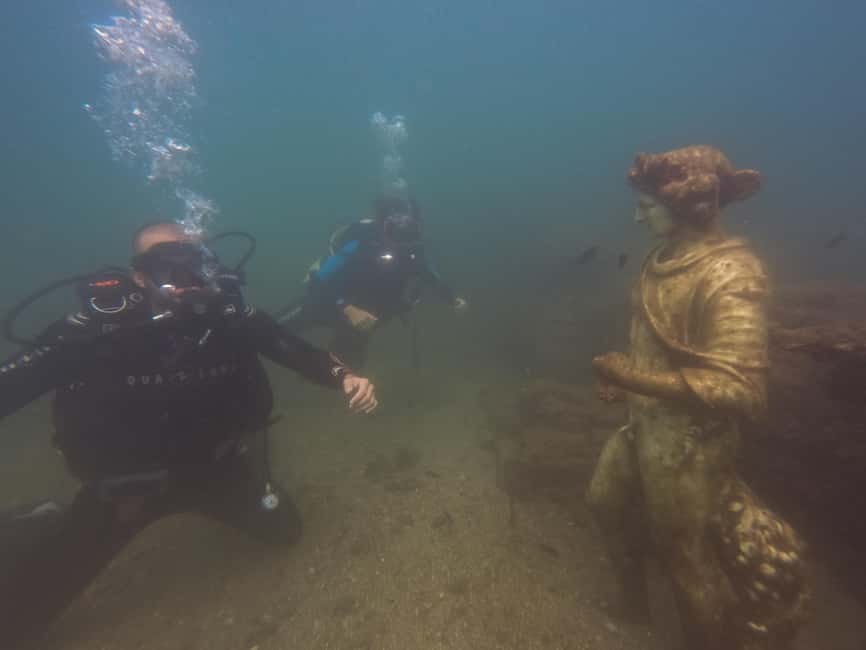
The underwater portion lasts about 45 minutes. You follow one of the park’s established routes, with the instructor nearby throughout. The tour is not simply a swim past ruins. Your guide points out the structures and explains what you are seeing, linking the stone remains to Baia’s Roman past.
Expect to see ancient mosaics, marble floors, statues, and parts of the former city. Visibility and exact sights can vary, but the attraction is clear: Roman decoration remains in its original setting, below the surface, rather than behind glass in a museum.
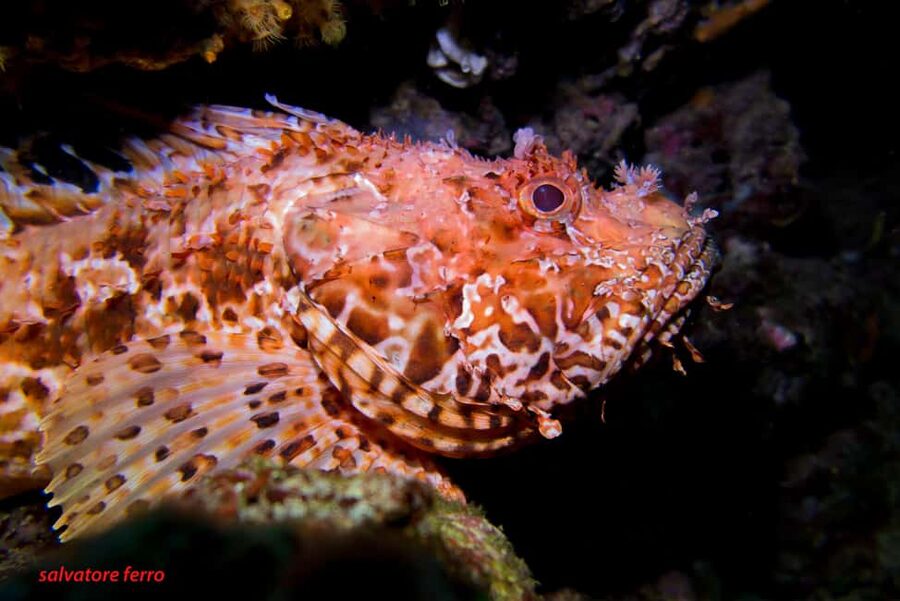
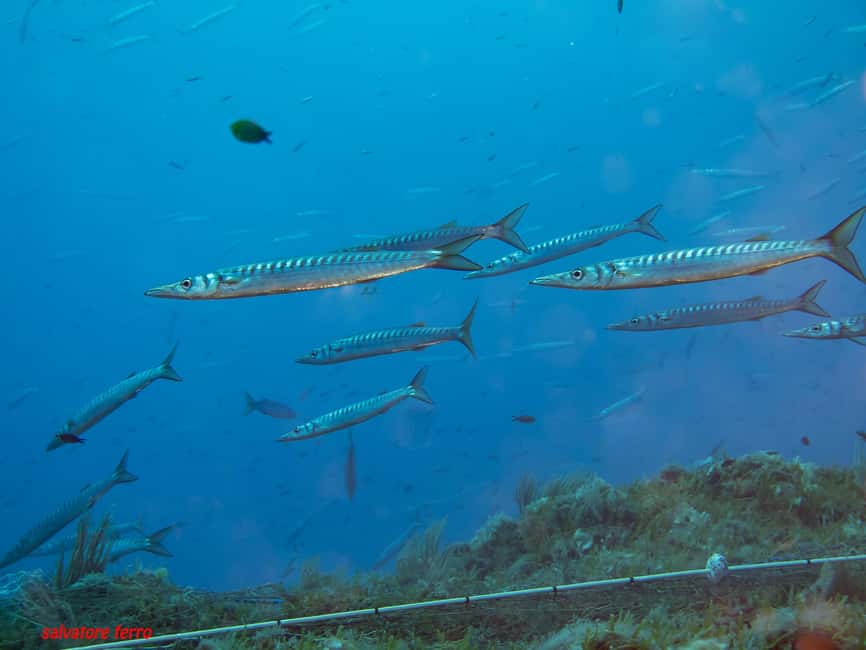
The sea life adds a second layer. Fish move among the ruins, and marine growth has settled onto some surfaces. You are asked not to touch marine life, both to protect the environment and to keep your hands away from fragile archaeological remains.
For a first-time participant, the sensory change may be as memorable as the ruins. You hear your own breathing and the sound of bubbles. The underwater setting can feel quiet and distant, while the old floor designs and statues give you fixed points to focus on.
The instructors receive especially strong praise for patience and calm support. That comes through in the practical details: Andrea is described as reassuring for first-time participants, Camilla as careful and friendly, and the wider team as able to explain techniques clearly in English. Alessandro has also been singled out for helping people feel safe while showing the main points of interest.
One limitation is time. Forty-five minutes is enough to make the experience feel substantial, but it may leave you wanting another 5 or 10 minutes. Certified participants can choose the separate option intended for qualified divers, and some bookings include two underwater sessions, depending on the selected product. Be certain you choose the correct option when booking.
Returning to the center and cooling down
After the underwater visit, the boat returns you to the diving center. Showers and changing rooms are available, so you can rinse off, change, and avoid spending the rest of your day in damp swimwear.
Post-session refreshments are usually provided. Lunch is optional and can be arranged with a partner restaurant for 35 euros per person. That meal includes ten appetizer tastings, a first course, a second course chosen from several options, wine, water, and dessert.
The lunch add-on could be useful if you want to make Baia a half-day outing, but it is not essential to the scuba experience. At $53 per person, the basic activity is fairly priced for what it includes: instruction, full equipment, tank refill, personal medical insurance, an instructor, boat transport, changing facilities, a certificate, and refreshments.
The price looks even better if you would otherwise pay separately for gear rental and a boat trip. It is less of a bargain if you are only comparing it with a short coastal swim. The value comes from the unusual archaeological setting and the level of beginner support.
What the certificate means for future scuba plans
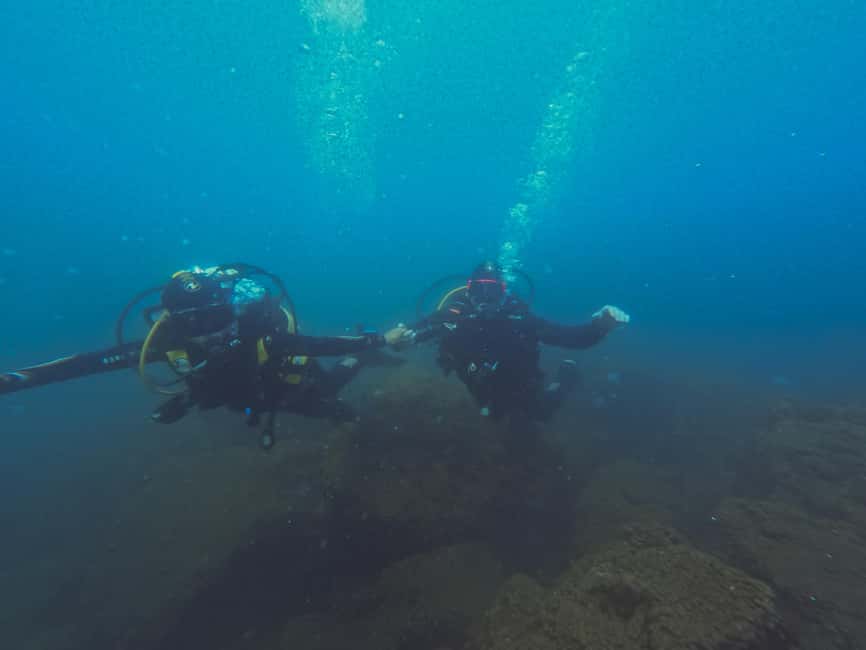
Afterward, your instructor certifies that you completed the activity. The session counts as a first dive toward a PADI Open Water Diver course, and the certificate is valid at any PADI scuba center, not only this one.
That does not mean you are certified to scuba independently. You still need to complete the full Open Water Diver course if you want a license. It does mean this session can be a useful test. You can find out how you feel breathing underwater before committing to a longer course.
Several participants finished the experience eager to continue with formal training. That makes sense. Baia provides a strong introduction because you have an interesting goal below the surface, not just a practice exercise in a pool.
Who should book this Baia experience?
I would recommend it most strongly to first-time scuba users who want a memorable setting and prefer close guidance. The age minimum is 10, so it can also suit older children and families who meet the health requirements, though an adult should consider how comfortable each child is with equipment and underwater breathing.
It also suits history-minded visitors who want more than a conventional Roman ruin. You see archaeology from an unusual angle, with the sea now occupying the space where Romans once walked.
Certified divers have a separate option. Check that you select it instead of Discover Scuba Diving, since the programs are intended for different experience levels.
This is less suitable if you want a long, independent underwater session, a choice of every route, or a guaranteed schedule regardless of weather. It is also not the right activity if you dislike boats, cannot meet the medical requirements, or want to stay completely dry.
Small groups are a major reason to choose this provider. Four participants leave room for personal help, and the instructors’ calm approach is especially valuable when you are learning to control your breathing and movements.
Practical details to settle before you go
Bring your swimsuit, towel, sun hat, sunscreen, and a clean change of clothes. The center supplies the scuba gear, so you do not need to rent or carry your own equipment.
Do not bring alcohol or drugs, and do not touch marine life. Complete the medical form promptly after booking. If the staff finds an irregularity, you may need a medical examination before taking part.
The full visit takes about three to four hours. The schedule includes roughly one hour for the class, about one hour at the archaeological park, and a break before returning to Via Lucullo 110. Starting times vary, so check the available schedule before building the rest of your day.
Cancellation is flexible up to 24 hours before the start for a full refund, and you can reserve now and pay later. If weather or another issue prevents the park visit before the scheduled date, the booking amount is refunded according to the stated cancellation terms.
The activity is marked wheelchair accessible, but anyone needing specific assistance should confirm the practical arrangements with the center before arrival. A boat, equipment, and water entry are involved, so personal details may matter.
Should you book the submerged Baia Roman city?
Book it if you want your first scuba experience to have a real sense of place. The underwater ruins are the reason to come, but the careful instruction, four-person maximum, personal instructor, equipment, and boat transfer make the experience work for beginners.
At $53, the price is good for a guided archaeological visit with gear and support included. Add transport from Naples to your budget, and remember that the park offers one route at a time. If the weather is unsettled or you need a rigid itinerary, keep a backup plan.
For a certified diver, choose the qualified-diver option. For everyone else, the Discover Scuba Diving program offers a safe first step, a certificate that can count toward PADI training, and a rare chance to see Roman mosaics while fish pass through the old city.
FAQ
Is a scuba license required?
No. The Discover Scuba Diving program is designed as a first try and does not require a scuba license. Certified participants should select the separate option for certified divers.
What is the minimum age?
The minimum age is 10 years old. Children under 10 cannot participate.
How long does the experience last?
The complete activity takes about three to four hours. The schedule includes a class of about one hour, an underwater park visit of about one hour, and a break. The actual scuba portion lasts approximately 45 minutes.
Where is the meeting point?
Meet at the diving center on Via Lucullo 110, near the Temple of Venus and the entrance to the Baia pier. PADI flags identify the center.
What languages are available?
Instruction is offered in English, Italian, and Spanish.
What equipment is included?
The center provides the full scuba equipment and a refilled tank. The equipment is regularly checked and maintained.
What should I bring?
Bring swimwear, a towel, sunscreen, a sun hat, and clean clothes for changing afterward.
Is transport from Naples included?
No. You must reach the diving center yourself. A bus costs about 2.50 euros and stops in front of the center. The train station is about a 15-minute walk away, and a taxi from Naples costs roughly 70 euros.
Does the activity count toward a PADI course?
Yes. The participation certificate counts as a first dive toward a PADI Open Water Diver course and is valid at PADI centers worldwide. It does not by itself provide full scuba certification.
Newest dives added in Italy
- Diving baptism with cylinders (Introdive) at the Capo Carbonara Marine Protected Area★ 5.0 · 9 reviews
- Scuba Diving in La Maddalena & Lavezzi Park for certified divers.★ 5.0 · 20 reviews
- Double dive in the Capo Carbonara Marine Protected Area, for patents.★ 4.5 · 22 reviews
- Discover Scuba diving in Villasimius★ 5.0 · 34 reviews
- Sea Baptism Scuba Experience in Polignano a Mare★ 5.0 · 87 reviews
- Try Scuba Diving and Underwater Roman Ruins in Baia from Naples★ 4.5 · 66 reviews
- Exciting PADI Discover Scuba Diving Experience Isola Bella Marine Park Taormina★ 5.0 · 96 reviews
- TuffAlcantara – dives, slides and lots of fun in the Alcantara river★ 5.0 · 106 reviews
Discover Scuba Diving, compared.
2 Days Discover Scuba Diving in Nusa Lembongan – Scuba Initiation
Read our review →
From Sharm: Ras Muhammed & White Island By Boat & intro Dive
Read our review →Browse the lists this dive appears in