
Reviewed · PADI COURSES & CERTIFICATION
Open Water Scuba Certification
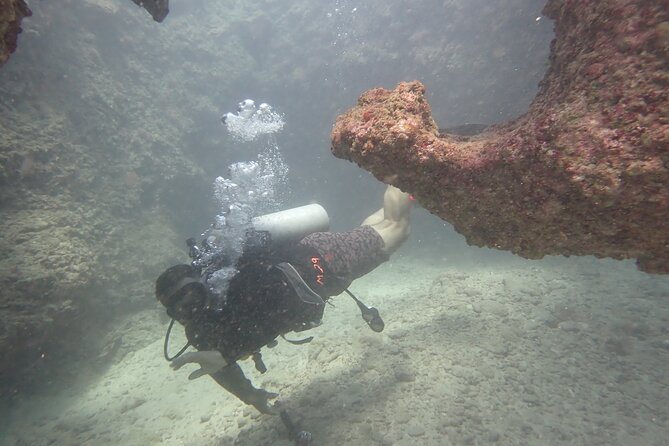
Getting certified in Hawaii gives you more than a quick underwater outing. This four-part SSI course teaches the basic skills you need to scuba safely, then puts them to work on four local ocean sessions around Oahu. Along the way, you may spot sea turtles, octopuses, and tropical fish over Hawaiian coral reefs.
I like the small class size of up to eight, which leaves more room for questions and steady coaching. I also like the patient teaching style associated with instructors such as Hunter, Anna, Chandler, Ed, Theo, and Lenny. The main drawback is the schedule: you need four early starts across two consecutive weekends, plus your own transportation and separate mask, snorkel, fins, and boots.
Key points to know before booking
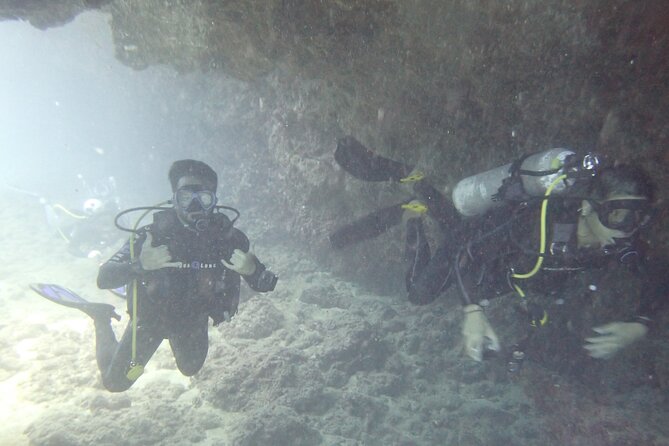
- Four training days over two consecutive weekends: The course begins with beach-based skills, includes two ocean sessions on the first weekend, then finishes with more confined-water work and two final checkout sessions.
- SSI certification included: You finish with an Open Water Scuba Certification from Scuba Schools International and four logged local scuba sessions.
- Digital study comes first: You must complete the online learning before the first in-person class, and you need to contact the company for access.
- Bring your personal gear: Scuba equipment is included, but mask, snorkel, fins, and boots are not. Personal equipment or rental costs begin at $175.
- A small group with named instructors: Classes are limited to eight people, and past instruction has included Hunter, Anna, Chandler, Ed, Theo, Jess, Lenny, and others.
- Plan around health and flights: You complete a health questionnaire, and flying within 48 hours of scuba activity is not recommended.
Four days to earn your Oahu scuba certification
This is not a quick resort lesson squeezed between beach time and dinner. It is a real certification course, with study, skills practice, supervised ocean work, and final checks. The format takes place over two consecutive weekends, so you can build ability instead of trying to absorb everything in one long day.
Your first day starts at 7:00 a.m. at Honolulu Scuba Company, 670 Auahi Street, Suite A-1, in Honolulu. You first review the final exam from the digital learning program, then begin confined-water training from the beach. The early start matters. You will be handling equipment, practicing underwater procedures, and learning how to stay calm while breathing through a regulator. Morning conditions also make the schedule easier to manage than a hot afternoon session.
The first day is where the course shifts from theory to action. You learn how the equipment works and practice basic scuba skills under supervision. If you are nervous about breathing underwater, this gradual start is useful. Instructors such as Chandler and Anna have been praised for being patient and for helping people work at a comfortable pace rather than pushing them too quickly.
You must finish the digital learning before arriving. This keeps classroom time focused on review and practical work, but it also means you cannot treat the first morning as an introduction to every subject. Contact the company directly for access to the digital program, and set aside enough time to complete it before class.
More PADI Courses in Oahu
- Open Water Shark Dive
★ 5.0 · 185 reviews - Oahu Open Water Shark Diving Experience
★ 5.0 · 128 reviews - PADI Open Water Certification Course Shared Experience
★ 5.0 · 65 reviews
The first ocean sessions build confidence
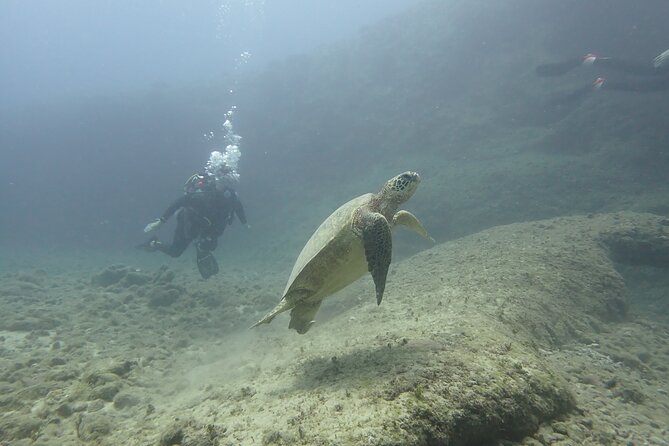
Day two includes two scuba sessions in the ocean. This is your first chance to use the skills from the beach in Hawaiian salt water, with changing conditions and a real reef setting around you. The goal is not just to look at fish. You are being checked on your ability to manage your equipment, follow instructions, and use the basic procedures taught in class.
That combination is valuable. A short introductory outing can show you what scuba feels like, but certification requires more than a pleasant hour underwater. These first ocean sessions give you a chance to turn controlled practice into usable skill.
You may see sea turtles, octopuses, and colorful tropical fish during the local sessions, though marine life is never guaranteed. The reefs are part of the reward, but the real purpose remains training. Keep your attention on your instructor and your surroundings, rather than treating the morning like a wildlife sightseeing trip.
The group limit of eight is a practical advantage here. Scuba instruction works best when you can see your instructor clearly and ask for help without waiting behind a large crowd. The exact instructor is not fixed in the information provided, but the teaching team has included Hunter, Anna, Chandler, Ed, Theo, Jess, and Lenny. Several have been singled out for clear explanations, steady leadership, and calm support when students feel uneasy.
The second weekend finishes the work
The course does not end after the first two ocean sessions. On the third day, you return to confined-water training to complete the remaining skills. This may feel less exciting than visiting a reef, but it is an important part of the course. You get another chance to practice procedures before the final ocean checks.
I like this structure because it gives you time between the two weekends to think about what you learned. You are not forced to rush from the first class straight into final certification. At the same time, the split schedule requires commitment. If your Oahu visit is short or your plans are uncertain, four scheduled training days can become difficult to manage.
Day four includes the final two checkout sessions in the ocean. These are the sessions that bring the course together. You demonstrate the required skills in open water, under the supervision of the professional staff, and complete the work needed for SSI certification.
At the end, you receive an Open Water Scuba Certification from Scuba Schools International and have four local scuba sessions logged. That credential is the main value of the course. You leave with a formal starting point for future scuba outings, rather than only a single vacation activity.
What the $495 price really covers
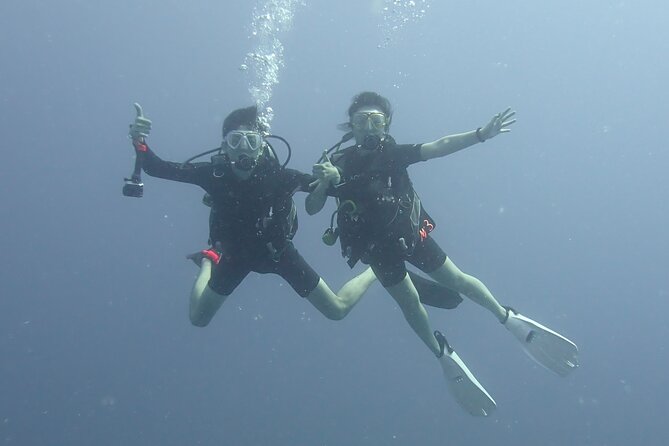
The price is $495 per person. That is a reasonable package if you want a full certification and expect to use it again, but it is not the cheapest way to spend one morning near the ocean. You are paying for four days of instruction, digital learning, professional guidance, equipment use, and the certification process.
The important comparison is between a certification course and a one-time introductory outing. If you only want to see what scuba feels like, this course asks for far more time and effort than you need. If you want the ability to participate in future scuba activities, the four-day format gives you something lasting.
The package includes scuba equipment, but you must supply or rent your own mask, snorkel, fins, and boots. Rental prices for those items start at $175. That can make the real cost higher than the advertised $495, especially if you do not already own personal gear.
Personal equipment has a practical benefit. A properly fitted mask can make a big difference to comfort and concentration, and fins and boots need to suit you well enough for repeated use. Still, check the rental details before booking so you know exactly what is included and what you will need to pay for.
Private transportation is not included. You need to get yourself to the Honolulu meeting point and to the training locations. The activity begins and ends at the listed meeting point, but the course information says you require your own transportation, so do not assume hotel pickup or transfers.
More Scuba Diving in Oahu
- Oahu Shark Dive
★ 5.0 · 2,903 reviews - Oahu: Shark Cage Dive on the North Shore
★ 4.8 · 1,485 reviews - Shark Cage Diving on Oahu’s North Shore
★ 5.0 · 1,391 reviews - Beginner Scuba Diving Experience with Video Package in Honolulu
★ 5.0 · 877 reviews
The instructors matter more than the scenery
The most consistently praised part of this course is the instruction. Names that come up repeatedly include Hunter, Anna, Chandler, Ed, Theo, Lenny, and Jess. Their strengths are described in practical terms: clear explanations, patience, strong safety habits, good humor, and a willingness to help students who feel nervous.
That matters because scuba has a learning curve. You need to remember hand signals, manage several pieces of equipment, and stay composed while practicing underwater. A patient instructor can make the difference between feeling overwhelmed and making steady progress.
One useful detail is that some instructors have worked with students who were frightened at the start. The teaching approach described is not to push people past their comfort level, but to give them time to understand the equipment and repeat the skills. If you are worried about breathing underwater, tell the staff early and ask who will lead your group.
The exact instructor assignment can change, so you should not book on the assumption that you will get a particular person. If you have a strong preference, you can ask the company when arranging your dates, but the available information does not promise a specific instructor.
There are also a few cautions to keep in mind. One account raised concerns about a torn wetsuit, a very small pool used for training, and an uncomfortable interaction with a boat captain. Those points do not cancel out the generally strong teaching record, but they are a reason to speak up if equipment does not fit or if you feel unsafe. Ask for a replacement item and make your concerns clear before entering the water.
Who will enjoy this course most
This course suits you if you want a proper qualification and can give Oahu two consecutive weekends. It is also a good match if you prefer learning in a small group, want several chances to practice, and expect to continue with scuba after your vacation.
It can work for locals especially well because the schedule is spread across weekends. Visitors can join too, but only if they can meet all four scheduled training days. Do not book it as a flexible activity that you can shift around flights, tours, or beach plans.
You should have a moderate level of physical fitness. Every participant must complete a health questionnaire, and conditions such as asthma or heart problems may prevent participation. If you have a medical concern, consult your doctor before booking rather than waiting until the first morning.
Plan your flights carefully. Scuba activity within 48 hours of flying is not recommended. That rule can affect both the end of your trip and your return home, so leave enough space between the final session and your flight.
What to bring and how to prepare
Complete the digital learning before day one. Since the course begins with a final exam review, showing up without doing the online work can leave you behind and slow down the group.
Bring your own mask, snorkel, fins, and boots if you have them. If not, budget at least $175 for those items through the available pricing. The rest of the scuba equipment is included.
Wear practical beach and training clothing, and arrive ready for a full morning that begins at 7:00 a.m. The supplied information does not specify a packing list beyond personal scuba gear, so confirm any detailed clothing or equipment instructions with the company before class.
Keep your expectations realistic about wildlife. Sea turtles, octopuses, and tropical fish are among the creatures you may encounter, but this is a certification course first. Your instructor will set the pace and determine how the training proceeds.
The activity uses a mobile ticket, which is convenient at check-in. Confirmation is provided when you book, but the course is non-refundable and cannot be changed for any reason. That makes schedule checking especially important before you commit.
Is the four-day course worth booking?
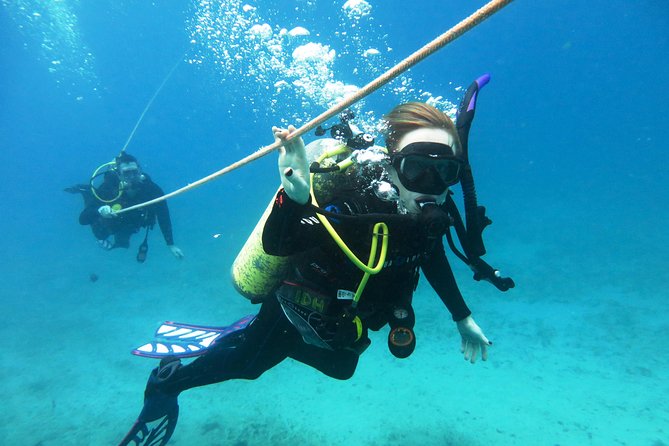
Book this course if you want a genuine SSI qualification, can attend all four days, and are ready to do the study and skills work that certification requires. The small groups, repeated practice, local ocean sessions, and patient instructors make it a strong choice for a first certification in Hawaii.
Skip it if you only want a casual underwater look, have limited time on Oahu, or cannot arrange transportation and personal gear. The $495 price becomes less attractive when you add the possible $175 gear cost, and the strict cancellation terms mean you should be certain about your health, schedule, and flights.
For the right person, this is more than a vacation activity. It gives you four logged local sessions and a certification you can build on later. Just arrive prepared, allow time between scuba and flying, and treat the training with the seriousness it deserves.
FAQ
How long does the certification course take?
The course takes approximately four days and is held over two consecutive weekends.
What happens on the first day?
You review the final exam and begin confined-water scuba training from the beach. The digital learning must be completed before this class.
How many ocean sessions are included?
You complete two ocean scuba sessions on day two and two final checkout sessions on day four, for four local scuba sessions in total.
What certification do I receive?
You earn an Open Water Scuba Certification from Scuba Schools International, also known as SSI.
Is all scuba equipment included?
Scuba equipment is included, but mask, snorkel, fins, and boots are not. You may bring your own or use available options starting at $175.
Do I need my own transportation?
Yes. Private transportation is not included, and you require your own transportation for the course.
Can I fly soon after the course?
Flying within 48 hours of scuba activity is not recommended. You must also complete a health questionnaire, and some medical conditions may prevent participation.
Newest dives added in Oahu
- 2 Tank Private SCUBA Party Diving Charter from Waikiki Hawaii★ 4.5 · 34 reviews
- Discover Scuba Diving in Hawaii – Non certified divers!★ 5.0 · 3 reviews
- Two Tank Wreck and Drift Dive in Oahu★ 4.5 · 7 reviews
- Oahu Shark Dive Educational Tour (No cage)★ 5.0 · 85 reviews
- Small Group Shallow Reef Dive in Oahu★ 5.0 · 9 reviews
- SCUBA Dive at Electric Beach with Photos -No Certification Needed★ 5.0 · 28 reviews
- Waikiki Two Tank Guided Scuba Diving Adventure: Certified Diver★ 5.0 · 5 reviews
- Shark Dive Private Charter No Cage★ 5.0 · 3 reviews
PADI Courses & Certification, compared.
Tossa de Mar: PADI Discovery Scuba Diving in Costa Brava
Read our review →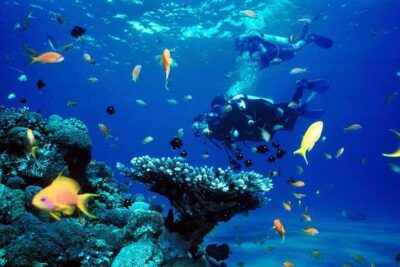
Full-Day Beginner Scuba Course with Private Tuition, Racha Yai
Read our review →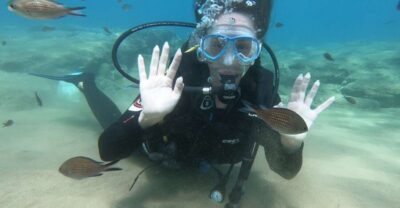
Heraklion: Beginner Scuba Diving Lesson with PADI Instructor
Read our review →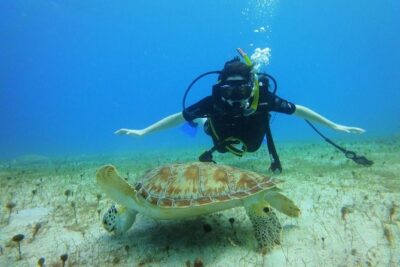
Discover Scuba Diving with No Certification in St Thomas
Read our review →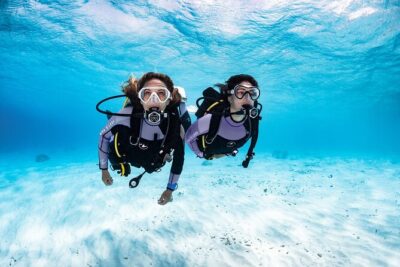
Try Dive – PADI Discover Scuba Diving in Tenerife
Read our review →
Browse the lists this dive appears in