
Reviewed · PADI COURSES & CERTIFICATION
PADI Open Water Course in Gran Canaria
Gran Canaria’s PADI Open Water Course turns a beach holiday into a proper qualification, not just a one-time tryout. You spend the first day learning in confined water, then move to local beaches for two days of real underwater practice, reaching depths of up to 12 metres as your confidence grows.
I like the small maximum group of six, which gives the instructor room to watch your technique. I also like the patient pace: you repeat skills until you feel comfortable, rather than being pushed along because the clock says so.
The main consideration is time. This is three mornings and early afternoons, roughly 8:30am to 2pm, so it takes a substantial part of your holiday. You’ll also need to complete a health questionnaire, and some medical conditions may prevent you from taking part.
Key points at a glance
- Three days from pool skills to open-water certification: You build your ability in stages instead of being sent straight into the sea.
- Beach sessions reach up to 12 metres: The open-water work gives you a real sense of progress and lets you practise around fish, rock formations, and other sea life.
- Small groups capped at six people: This suits first-time students who want close attention and time to ask questions.
- Equipment, insurance, and certification included: You do not need to assemble a separate package of basic course costs.
- Selected-hotel pickup and drop-off are free: This is useful if your accommodation is covered by the transfer area, but check before booking.
- Minimum age is 10: Families can take part, provided each participant meets the health and fitness requirements.
From first breath to PADI certification
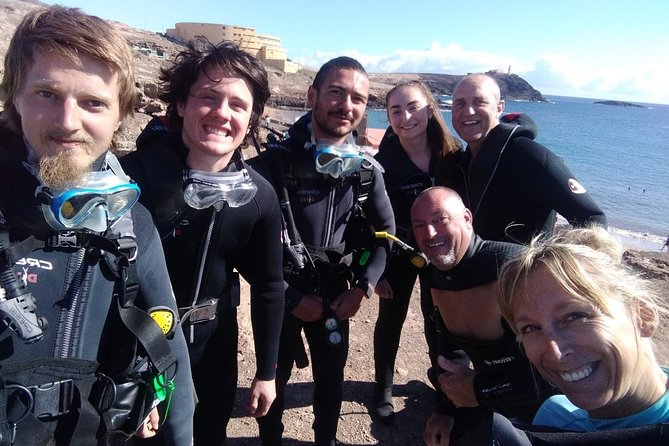
This course is designed for people who want more than a short introductory session. Over three days, you learn the basic skills needed for independent recreational scuba use within the PADI Open Water framework, with an instructor guiding you through each stage.
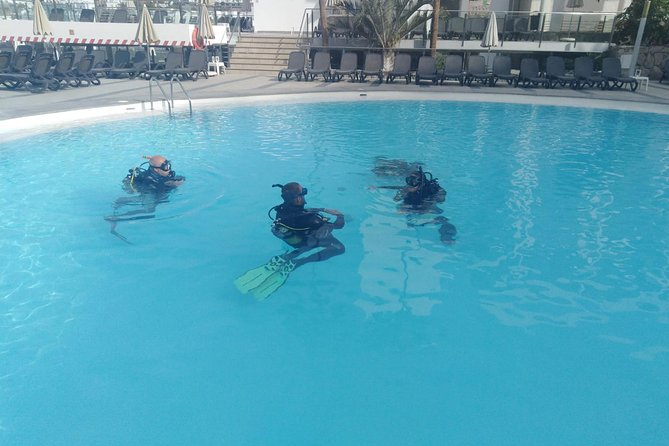
The first day is spent in confined water. That setting matters. You can concentrate on breathing through the regulator, managing the mask and other equipment, and learning basic underwater procedures without the added pressure of waves or changing sea conditions.
After that first session, you move to a local beach. The transition is gradual. You begin close to shore and work through the skills you have already learned, building toward greater depth and confidence. The course information describes open-water sessions reaching around 12 metres, while the exact site can vary.
You finish with more beach-based practice on the third day. That repetition is one of the strongest parts of the experience. New scuba students often need time to make equipment handling feel natural, and repeating the same core skills helps you stay calm and focused.
More PADI Courses in Spain
- Gran Canaria:Live an Adventure and Learn to Dive with Expert
★ 4.7 · 109 reviews - 2 Dive Package for PADI Qualified Divers in Gran Canaria
★ 5.0 · 64 reviews - Open Water Diver Scuba Diving Course in Puerto de Mogan
★ 5.0 · 27 reviews
Day one: confined-water training from about 8:30am
Your course starts at Blue Water Diving, at Calle Olímpicos, C. Doreste y Molina, in Gran Canaria’s Las Palmas province. If your hotel is one of the selected properties, pickup and return transport are included. Otherwise, you meet at the centre.
The working day runs from about 8:30am until 2pm. That is long enough for practical training and theory, but still leaves part of the afternoon free. You should arrive ready to concentrate rather than treating this as a casual beach activity.
You’ll be introduced to the scuba equipment and learn how to use the regulator and mask underwater. The training also covers the basic skills you need to handle yourself in the water. The course includes theory as well as practical work, so expect to listen, ask questions, and absorb safety information.
The confined-water setting is especially helpful if you feel nervous. One participant described beginning cautiously, then learning how to handle the aqualung and goggles with a patient instructor. That is a useful picture of the course’s tone: you are expected to learn properly, but you are not expected to arrive already confident.
You should also expect your instructor to revisit skills rather than assume you understood them the first time. The team’s stated approach is to make sure you are happy and comfortable in the water before moving ahead.
Day two: taking your skills to a local beach
The second day marks the change from practice to real open-water work. You head to one of Gran Canaria’s local beaches and enter from the shore. The course description does not name a fixed beach, so the exact location may depend on conditions and the day’s plan.
Starting from the beach keeps the process straightforward. You can wade in, settle your breathing, and get used to the sea in stages. There is no suggestion that you are rushed into deep water at once.
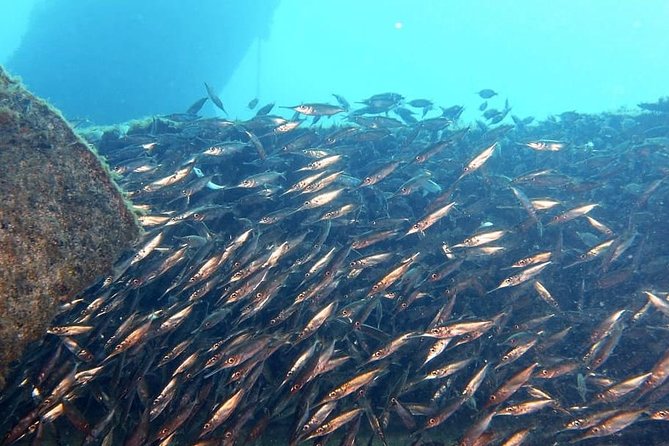
Once you are comfortable, you work down toward the planned depth, with the course reaching approximately 12 metres. At this point, the experience becomes more than a classroom exercise. You get to use your equipment in a natural setting and see the sort of underwater environment that makes Gran Canaria a popular place for sea activities.
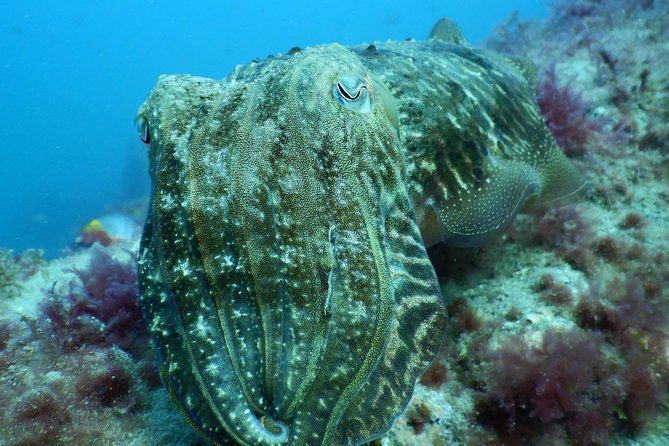
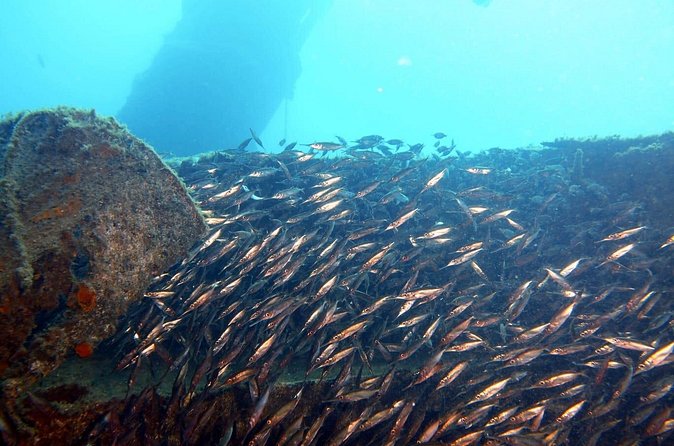
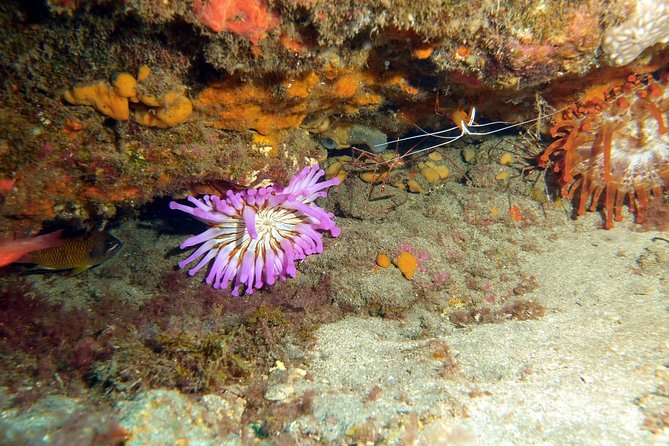
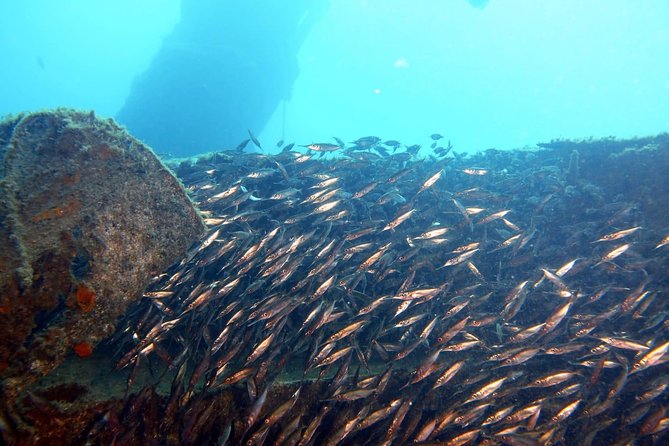
The underwater sights can include fish, colourful sea creatures, and rock formations. These details are not the main purpose of the course, but they add a welcome reward to the technical work. You are learning skills, yet you also get a first look at the marine world those skills make possible.
You will continue practising the techniques introduced on day one. That repetition is important. In a pool, a skill may feel simple because conditions are controlled. At the beach, you need to stay aware of your breathing, position, equipment, and surroundings at the same time.
Day three: repetition builds real confidence
The final day continues with open-water training from the beach. You practise more skills and gain further experience under the instructor’s supervision.
I see this as the day when the course either clicks or shows you where more practice is needed. You have already handled the equipment in confined water and experienced the sea on the second day. By the third session, you can focus less on the novelty and more on doing things correctly.
The instructor keeps checking that you are comfortable. That matters for a first qualification, because confidence should come from control, not bravado. You are not simply being taken underwater and handed a certificate. You are expected to understand what you are doing and show that you can manage the required skills.
At the end of the course, certification is included. The exact completion requirements are handled through the PADI course process, and the operator provides the certification as part of the package.
More PADI Courses in Gran Canaria
- PADI Advanced Diving Course in Gran Canaria
★ 5.0 · 25 reviews - PADI Rescue Diver Course in Gran Canaria
★ 5.0 · 9 reviews - 2 Day PADI Scuba Diver Course in Puerto Rico, Gran Canaria
★ 5.0 · 7 reviews - Las Palmas: 2-Day Padi Scuba Diving Course
★ 5.0 · 4 reviews
A small group makes a difference
The maximum group size is six people. That is not a private lesson, but it is small enough to make a practical difference.
In a larger group, an instructor has to divide attention between many beginners. Here, you have a better chance of receiving direct correction when you need it, and you should have more room to ask questions without holding up a crowd.
This also suits families and pairs who may have different confidence levels. One participant took the course with a 16-year-old son, and the format worked for both of them. The minimum age is 10, making the course a possible family activity, provided everyone passes the health checks and meets the fitness requirements.
Still, family-friendly does not mean effortless. You should be comfortable in the water and able to manage a moderate level of physical activity. The course involves several hours of instruction and water work each day.
What the $549.09 price covers
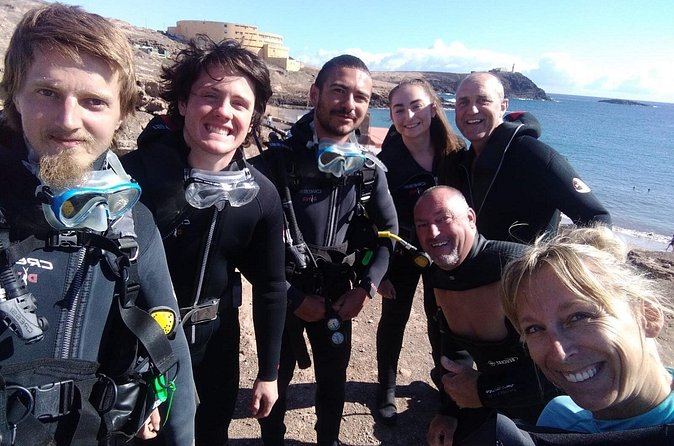
At $549.09 per person, this is a serious holiday expense. Its value depends on what you want from the trip.
You are paying for a three-day PADI Open Water Course rather than a short introductory session. The package includes the required scuba equipment, insurance, certification, and hotel transfers from selected hotels. Those inclusions reduce the number of extra costs you need to arrange yourself.
Course materials may be supplied as either a printed PADI Open Water Manual or a digital manual, depending on the option selected. Check which format is attached to your booking before you pay, particularly if you prefer studying from paper.
The price does not include food or drinks. Since each day runs until about 2pm, plan for your own snacks, water, or a meal afterward. If your hotel is not eligible for pickup, you also need to make your own way to the Blue Water Diving meeting point.
For someone who wants a recognised entry-level qualification, the package can offer solid value. For someone who only wants to try scuba once, three days and this price may be more commitment than necessary.
Hotel transfers and the daily timetable
Free pickup and drop-off are available from selected hotels. This is useful in Gran Canaria, where arranging transport each morning can add both cost and hassle. Do not assume every accommodation is covered, though. Confirm that your hotel qualifies before relying on the transfer.
The activity begins around 8:30am and ends around 2pm each day. That regular schedule makes planning easier, but it also limits your morning. You should not book another early excursion on the same days.
The activity ends back at the meeting point. If you use the included transfer, the return arrangement is part of the pickup plan for eligible hotels. If you meet at Blue Water Diving independently, you finish there.
Because sea conditions can affect open-water training, keep the rest of your schedule flexible. The supplied information does not promise a fixed beach or exact sequence beyond the three-day structure, so avoid booking something important immediately after the course.
Health rules you should take seriously
Every participant must complete a health questionnaire before scuba activity begins. Some medical conditions, including asthma and heart conditions, may prevent you from taking part.
If you have any concern about your health, consult your doctor before booking. It is better to deal with the question at home than arrive in Gran Canaria and find that you cannot safely participate.
You should also avoid flying within 48 hours after scuba activity. This affects the end of your holiday, not just the start. Leave enough time between your final underwater session and your flight home.
A moderate level of physical fitness is required. You do not need to be an athlete, but you should be ready for several hours of instruction, equipment use, and water activity across three days.
Who will enjoy this course most
I would recommend this course to you if you want a proper first qualification and prefer patient instruction over a rushed trial session. The staged structure works well for nervous beginners because it begins in confined water and moves to the sea only after the basic skills are in place.
It is also a good choice for families with older children, couples, and friends who want to learn together. The age minimum of 10 and group limit of six make it more personal than a large introductory class.
You should think twice if you have only one free morning, dislike structured learning, or are unsure about meeting the medical requirements. This is not a quick add-on between two beach visits. It takes three consecutive days and includes theory, skills practice, and assessment.
The course is also less suitable if your flight leaves within 48 hours of the final session. In that case, the required waiting period may affect your plans.
Practical things to bring and plan
Food and drinks are not included, so arrange refreshments for after the session or ask what you can carry with you. The supplied details do not specify meal stops, so do not count on lunch being provided.
Wear clothing suitable for a full morning and early afternoon around the water. The equipment needed for the course is included, but personal comfort items and anything you need for the day remain your responsibility.
Give yourself time to complete the health questionnaire honestly. If you have a relevant medical history, ask a doctor before the course rather than waiting until the first morning.
Finally, keep your plans open after each session. The course finishes around 2pm, but you may want time to shower, eat, and rest before another activity.
Cancellation and booking flexibility
You can cancel for a full refund if you do so at least 24 hours before the local start time. Cancellations made less than 24 hours in advance are not refunded, and late changes are not accepted.
That policy is reasonable for a three-day course with limited spaces, but it makes early health checks and hotel confirmation important. The booking confirmation is issued at the time of booking, and the activity is offered in English.
Should you book the Gran Canaria PADI course?
Book it if you want to leave Gran Canaria with a real PADI Open Water qualification, not just a brief underwater introduction. The patient three-stage format, small groups, included equipment, insurance, certification, and selected-hotel transfers give the $549.09 price a practical basis.
I would be most comfortable recommending it to a first-time student who can commit three days and who wants close support. The beach sessions, sea life, and rock formations add enjoyment, but the real strength is the careful move from confined-water practice to open-water work.
Skip it if your holiday schedule is tight, you are not ready for a health screening, or you only want a one-off experience. For everyone else, Blue Water Diving offers a structured way to learn at a sensible pace, with enough repetition to help you feel capable rather than simply certified.
FAQ
How long does the PADI Open Water Course take?
The course takes approximately three days. Each day begins around 8:30am and finishes at about 2pm.
Where does the course begin?
The course begins at Blue Water Diving, Calle Olímpicos, C. Doreste y Molina, s/n, 35130 Gran Canaria, Las Palmas, Spain. The activity ends back at the meeting point.
Is hotel pickup included?
Free hotel pickup and drop-off are included for selected hotels only. You should confirm that your accommodation is covered before booking.
What is the minimum age?
The minimum age is 10 years.
Is scuba equipment included?
Yes. All necessary equipment for the course is included.
Are course materials included?
A printed PADI Open Water Manual or a digital PADI Open Water Manual is included if that option is selected.
Can I fly immediately after the course?
Flying within 48 hours of scuba activity is not recommended. Plan your flight with this waiting period in mind.
Newest dives added in Gran Canaria
- PADI Advanced Diving Course in Gran Canaria★ 5.0 · 25 reviews
- PADI Rescue Diver Course in Gran Canaria★ 5.0 · 9 reviews
- 6 Diving Sites Scuba Diving Package in Gran Canaria★ 5.0 · 6 reviews
- Open Water Diver Scuba Diving Course in Puerto de Mogan★ 5.0 · 27 reviews
- Discover Scuba Diving in Puerto de Mogan★ 4.5 · 87 reviews
- Discover Scuba diving in Gran Canaria with Hotel Pick-up★ 5.0 · 69 reviews
- Scuba Diving Experience at Arguineguin and Puerto Rico★ 5.0 · 9 reviews
- 2 Dive Package for Qualified Divers in Gran Canaria★ 5.0 · 81 reviews
PADI Courses & Certification, compared.
Tossa de Mar: PADI Discovery Scuba Diving in Costa Brava
Read our review →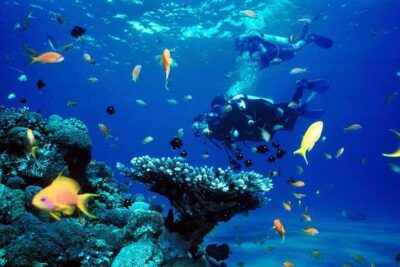
Full-Day Beginner Scuba Course with Private Tuition, Racha Yai
Read our review →
Heraklion: Beginner Scuba Diving Lesson with PADI Instructor
Read our review →
Discover Scuba Diving with No Certification in St Thomas
Read our review →
Try Dive – PADI Discover Scuba Diving in Tenerife
Read our review →
Browse the lists this dive appears in