
Reviewed · PADI COURSES & CERTIFICATION
PADI Scuba Diving Program for Beginners in Peloponesse
The best part of this Peloponnese experience is the private format. You are not folded into a large class, so your instructor can slow down, repeat a skill, or move ahead when you feel ready. You start in shallow water before heading farther out, with all the basic equipment supplied.
I like the clear beginner-friendly structure, and I like that the session includes a full 5.5 mm wetsuit, tank, weights, mask, fins, regulator, and buoyancy control device. The main consideration is the medical questionnaire: some health conditions prevent participation, so check the form before booking. The minimum age is eight, but younger children are not accepted.
Key points to know before booking
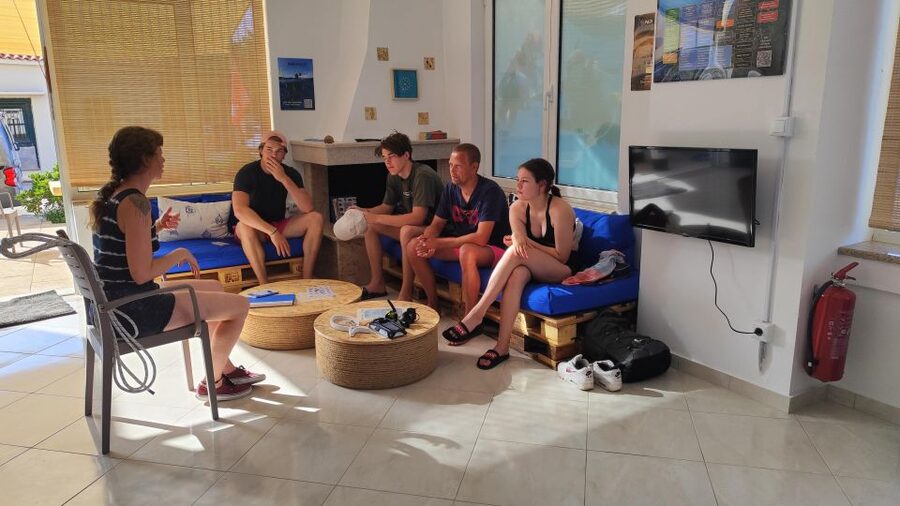
- Private from start to finish: Your group is not mixed with unrelated participants, at no extra charge.
- A gentle first step: You practise basic safety skills in water around 2 meters deep before going farther.
- Underwater time can reach 9 meters: One family session progressed to that depth after the initial exercises.
- Virginie leads small groups: She has worked with an Italian trainee during a three-person session.
- The $117 price covers the essentials: Equipment, water, and e-learning materials are included.
- Bring only the personal basics: Pack swimwear, a towel, and a charged smartphone. Underwater photos cost extra.
Starting at Scuba Turtles in Marathopoli
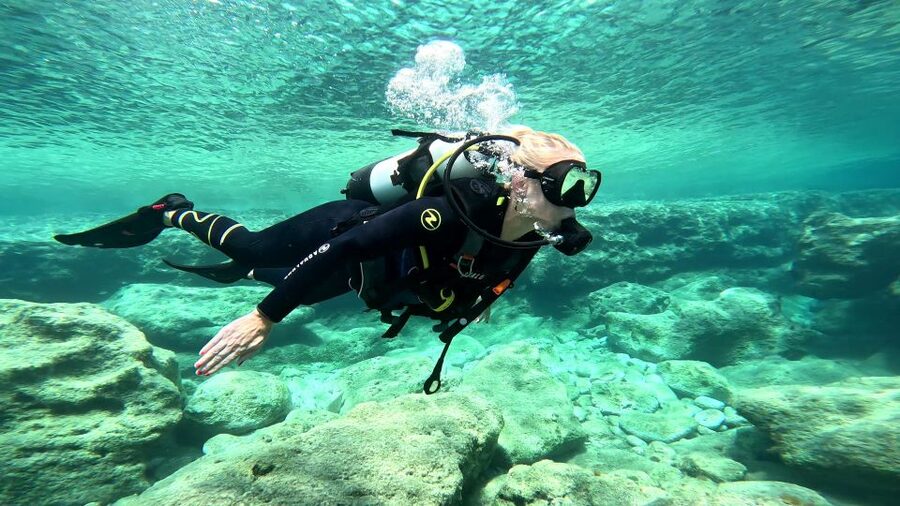
You meet at Scuba Turtles Dive Center, in the corner across from the sea. Several signs identify the shop, so finding the entrance should be straightforward once you are in the area.
The activity lasts 2.5 hours from meeting time to your return. That is long enough for a proper introduction, equipment practice, shallow-water drills, and an underwater session without turning your first attempt into an exhausting half-day outing.
You should arrive ready to swim. Bring swimwear and a towel, and keep your smartphone charged if you want to arrange or use photo services. Water is provided, which is a small but useful touch after time in a wetsuit.
The center offers instruction in English, Spanish, and Greek. That matters here because good communication is not a luxury when you are learning to clear a mask, breathe through a regulator, or manage your buoyancy. Ask for the language you need when arranging your booking.
More PADI Courses in Greece
- Heraklion: Beginner Scuba Diving Lesson with PADI Instructor
★ 4.9 · 355 reviews - Try Scuba in Crete – Free Certification & Photos (Beginners)
★ 5.0 · 51 reviews - Padi Discover Scuba Diving
★ 5.0 · 30 reviews
Learning the equipment before entering the sea
Your first lesson is about the gear and how it feels in the water. The team supplies the full basic setup: a 5.5 mm wetsuit, mask, fins, regulator, buoyancy control device, tank, and weights.
The wetsuit is especially useful in the Ionian Sea, where a beginner can become distracted by feeling cold. A 5.5 mm suit provides substantial coverage, though you should still expect to spend much of the session concentrating on breathing, movement, and instructions rather than sightseeing.
The equipment lesson also helps remove one of the biggest worries for first-timers: how to move with a tank and air hose attached. You learn that the gear does the work when it is fitted properly and used calmly. The instructor explains how to move around underwater and gives you time to become familiar with the setup.
This is not a certification course. It is an introduction designed to let you decide how scuba feels before committing to more formal training. You receive e-learning materials, but the main value comes from the direct instruction and supervised practice.
Shallow-water practice at about 2 meters
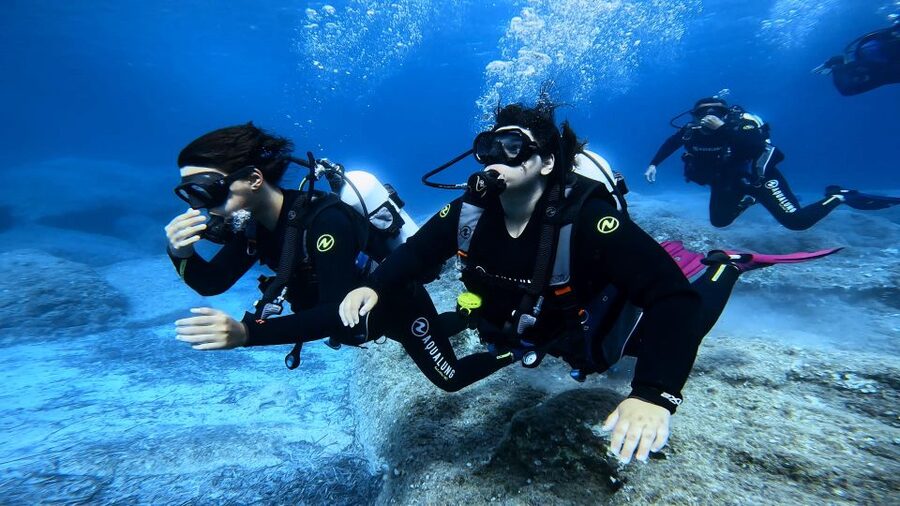
The first water work takes place in shallow water. This is where the session becomes practical rather than theoretical.
You practise basic safety skills at roughly 2 meters, according to the experience of one family group. That depth gives you a manageable place to focus on breathing and the equipment before moving farther from the surface.
For a nervous beginner, this order is important. You do not begin by being sent straight into deeper water. You first learn how to respond to the equipment while the instructor is close by. If something feels awkward, you have a chance to stop, ask, and try again.
A 12-year-old in one family group initially worried that the instructions might be too complex. Once in the water, the process became easier to understand. That is a useful clue for parents: the explanation may sound technical on land, but the skills are taught as actions, not as a long classroom lecture.
The private setup also helps here. If you are booking as a family or with friends, the instructor can focus on your group rather than matching the pace of strangers. You still need to listen carefully and follow instructions, but you are not competing for attention.
Moving from exercises to the underwater session
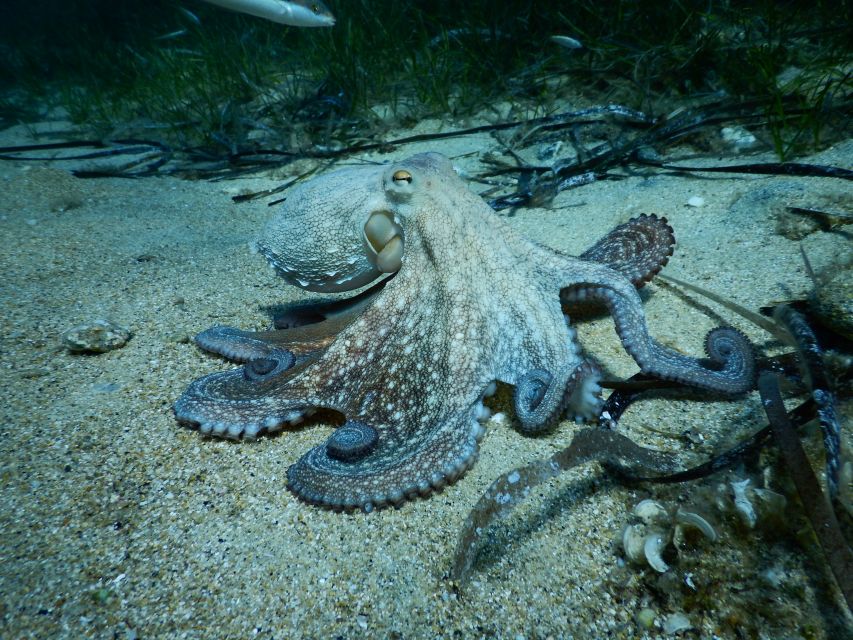
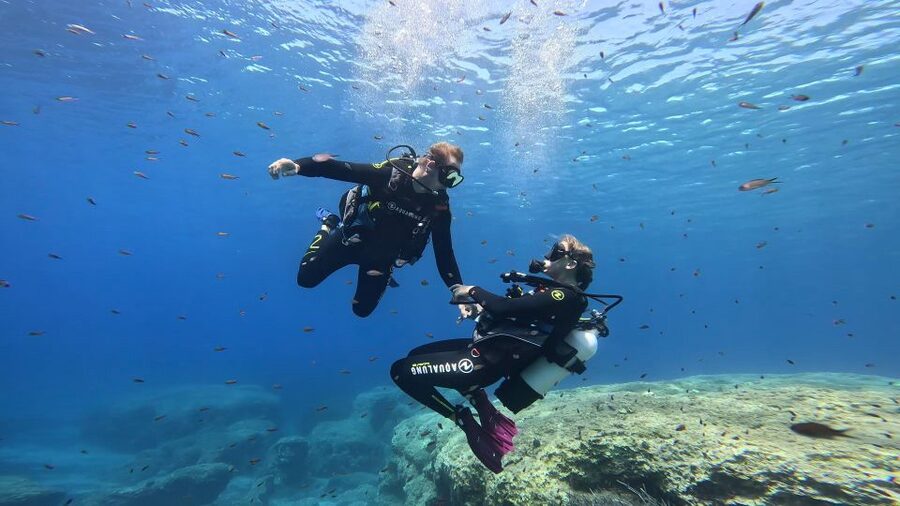
Once you feel ready, the instructor takes you into your first proper underwater experience. The point is not to cover a large area or chase a long list of sea creatures. The point is to stay calm, breathe normally, and enjoy the feeling of moving below the surface.
One family session progressed from the shallow exercises to about 9 meters. That gives you a realistic idea of how the lesson can build, but it is not a guaranteed depth for every participant. Your instructor decides what is suitable based on your comfort and ability during the session.
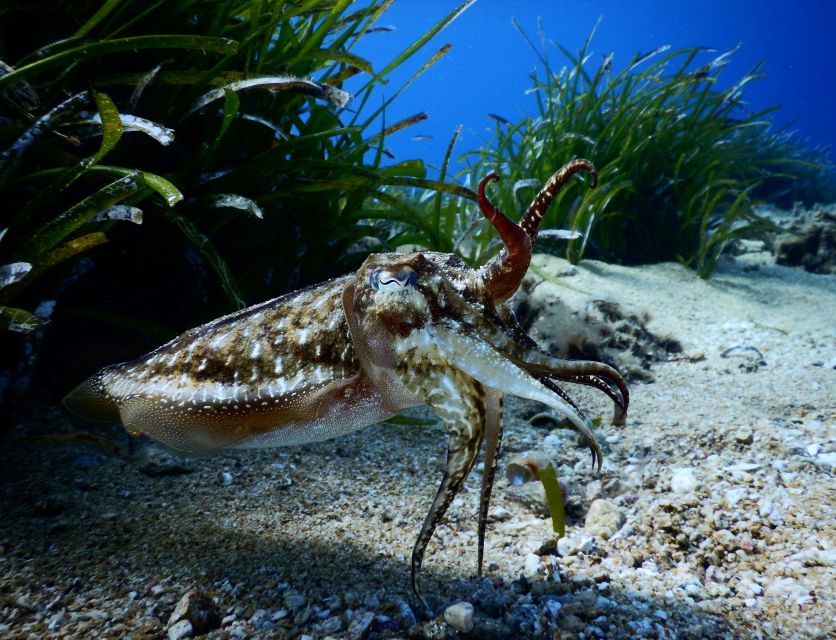
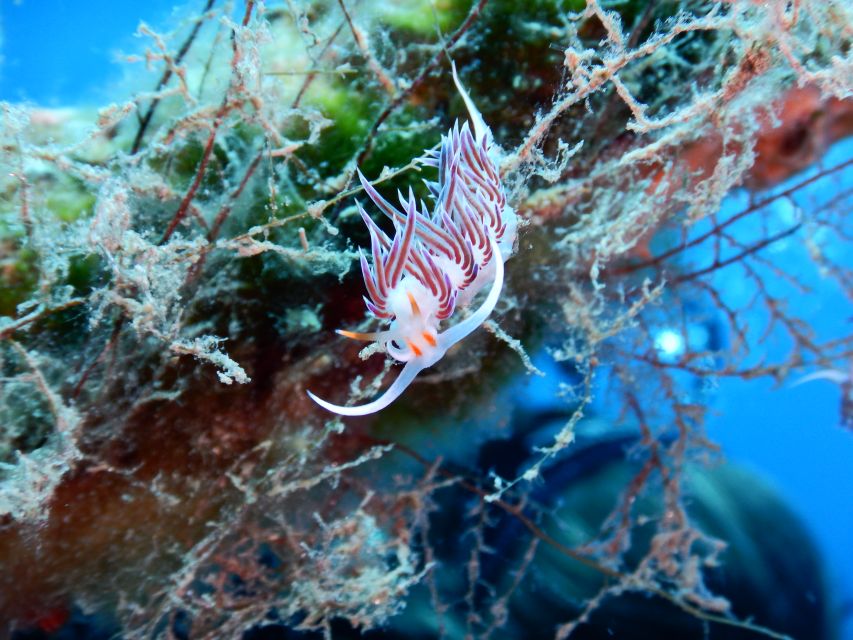
You may see marine life in the Ionian Sea, which is one of the pleasures of this activity. Still, this should not be booked as a wildlife guarantee. The reliable part is the instruction, equipment, and supervised access to the water. Any fish or other sea life is an added reward.
The underwater portion is also where the private format earns its keep. Some beginners need extra time to control their breathing. Others understand the basics quickly and are ready to look around. A small private group gives the instructor room to respond to those differences.
Afterward, you return to the center, learn how to care for the equipment, and talk through the experience. That final step is easy to overlook, but it helps you understand what you did and what formal scuba training would involve if you decide to continue.
More Scuba Diving for Beginners in Greece
- Santorini: Scuba Diving Experience in Caldera for Beginners
★ 4.9 · 597 reviews - Heraklion: Scuba Diving Experience for Beginners _Beach
★ 4.7 · 549 reviews - Rhodes: Diving Adventure for Beginners and Experts
★ 4.6 · 237 reviews - Chania: Scuba Diving for Beginners
★ 4.7 · 196 reviews
What the $117 price really covers
At $117 per person, this is not the cheapest way to spend a morning by the sea. It is also more than a simple introductory swim because the price includes professional instruction, a complete equipment package, water, and e-learning materials.
The private group is the main value. You do not pay an added private-group fee, and your session is not mixed with unrelated people. For a couple, parent and child, or a small group of friends, that can make the cost easier to justify because the instructor’s attention stays with your party.
You also avoid buying or renting individual pieces of scuba equipment separately. The included package covers the wetsuit and the technical gear needed for the session. Underwater photos are not included, so treat those as an optional extra rather than part of the base price.
I would consider the program good value if you want a serious first taste of scuba and prefer close instruction. If you only want a quick swim with a mask, the price may feel high. The activity makes more sense for someone who is curious about scuba but not yet ready to enroll in a full certification course.
The reserve-now-and-pay-later option gives you some flexibility, and cancellation is free up to 24 hours before the activity for a full refund. Those terms are useful if your Peloponnese plans are still shifting.
Family suitability and health requirements
The minimum age is eight. Children under eight cannot take part, and the activity is not suitable for pregnant women, people with heart problems, or people with pre-existing medical conditions.
Do not treat the medical questionnaire as a formality. You must complete it, and some answers can prevent participation. If you have a medical condition or any uncertainty about your fitness for scuba, contact Scuba Turtles before booking and ask them to review the form with you.
The family example involving a 12-year-old is encouraging for parents, but each child is different. Your child needs to follow instructions, remain calm in the water, and be comfortable wearing the equipment. The private format can help a child who needs extra explanation, but it does not remove the basic safety requirements.
The activity is listed as wheelchair accessible. Since the supplied information does not describe the exact transfer arrangements or water entry method, contact the center before booking if you need specific assistance.
Guides, group size, and the feel of the lesson
The instruction is available in English, Spanish, and Greek. Virginie has led small sessions, including one with an Italian trainee assisting a three-person group. Another three-person family session had two guides present, giving the participants close support.
You should understand that staffing can vary. The key promise is a private group, not a fixed number of instructors for every booking. Still, the examples show that small groups are taken seriously and that the teaching can be closely supervised.
The French participant who worked with Virginie described the explanations and professional handling as major strengths. That matches what beginners need most: plain instructions, calm corrections, and an instructor who pays attention to how each person is coping.
The lesson is not designed to rush you. You first learn the equipment, then practise in shallow water, then continue only when you feel ready. That progression is particularly useful if you are excited but also unsure about breathing underwater.
Photos and what to bring
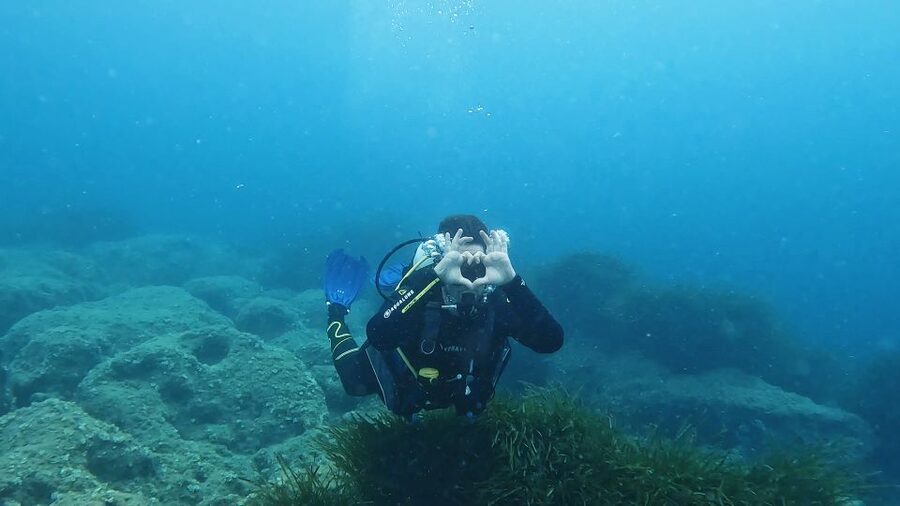
Underwater photos are not part of the $117 price. If recording the occasion matters to you, arrange the video or photo option separately and confirm the extra cost.
One family booked a video shoot and received footage they were happy with. That can be a nice souvenir, especially for a first underwater session, but it should remain optional. Your charged smartphone is on the recommended packing list, though the supplied information does not promise that your own phone will be used underwater.
Bring swimwear and a towel. Water is included, so you do not need to plan for that. Wear practical clothing for arriving and leaving the center, and keep valuables to a minimum because the program is built around getting into the water.
Who will get the most from this experience
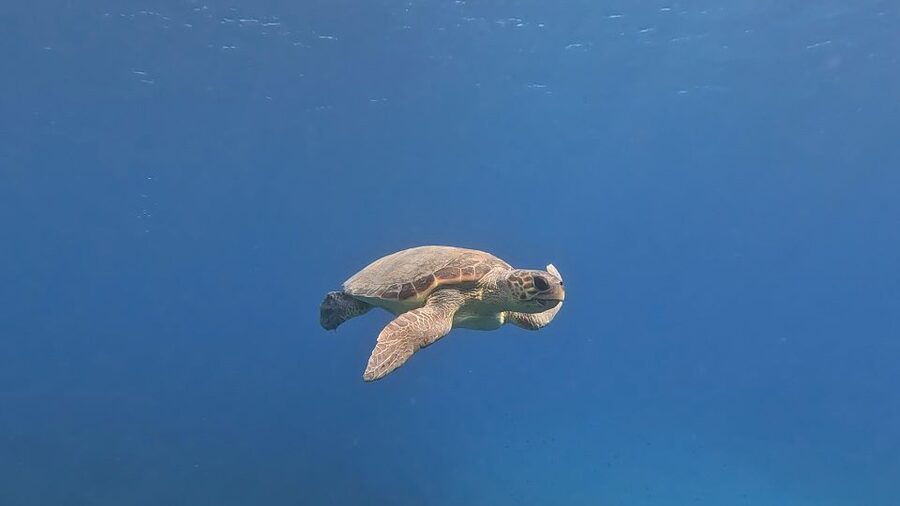
This program suits you if you have never tried scuba, want personal instruction, and are curious about the marine life of the Ionian Sea. It also works well for a small family group or friends who want to share the first attempt without being mixed with strangers.
It is a good match for a cautious beginner because the session begins in shallow water and builds toward greater depth. It is also a sensible choice if you want to test your interest before taking a certification course.
You may want to choose another activity if you have a medical condition that affects your ability to participate, are pregnant, or want a longer underwater outing focused mainly on wildlife. This is an introductory lesson, not a full certification program or an extended marine expedition.
Should you book the Scuba Turtles program?
Book it if you want a private, carefully paced introduction to scuba in the Peloponnese. The strongest reasons are the shallow-water practice, the full equipment package, multilingual instruction, and the chance to progress toward about 9 meters under close supervision.
The $117 cost is reasonable for a private beginner session, especially when you split the experience with family or friends. Just complete the medical questionnaire early, remember that photos cost extra, and keep your expectations focused on learning rather than a guaranteed wildlife display.
If you meet the health and age requirements and want to find out how scuba feels without signing up for a full course, this is a practical choice.
FAQ
How long does the PADI beginner scuba program last?
The full activity lasts 2.5 hours, including the meeting time, instruction, shallow-water practice, underwater session, equipment care, and return to Scuba Turtles Dive Center.
Where does the activity take place?
You meet at Scuba Turtles Dive Center in Marathopoli, Peloponnese. The center is on the corner across from the sea and has several Scuba Turtles Dive Center signs.
What is included in the price?
The program includes basic scuba equipment, water, and e-learning materials. Equipment includes a 5.5 mm wetsuit, mask, fins, regulator, buoyancy control device, tank, and weights.
Is the program private?
Yes. Scuba Turtles keeps groups private and does not mix different groups of participants.
What languages are available?
Instruction is available in English, Spanish, and Greek.
What should I bring?
Bring swimwear, a towel, and a charged smartphone. Underwater photos are not included.
What is the minimum age?
The program is not suitable for children under eight years old.
Do I need to complete a medical questionnaire?
Yes. You must complete a medical questionnaire, and some medical conditions can prevent you from taking part. Contact Scuba Turtles ahead of time if you have questions about the form.
Can I cancel the booking?
You can cancel up to 24 hours in advance for a full refund. You can also reserve now and pay later.
Newest dives added in Greece
- Symi Dive Trip – Half day (2 Dives)★ 5.0 · 10 reviews
- Discover Scuba Diving in Santorini★ 5.0 · 47 reviews
- Scuba Diving for Beginner and Experts in Pefkos Lindos★ 5.0 · 6 reviews
- SCUBA DIVE: Kallithea’s Underwater Exploration★ 5.0 · 6 reviews
- Rhodes Scuba Diving Experience★ 5.0 · 8 reviews
- Private Discover Scuba Diving Experience in Messinia★ 5.0 · 14 reviews
- DSD | Discover scuba Diving Experience in Paros★ 5.0 · 6 reviews
- Qualified Diver 1 Tank Dive in Mykonos★ 5.0 · 65 reviews
PADI Courses & Certification, compared.
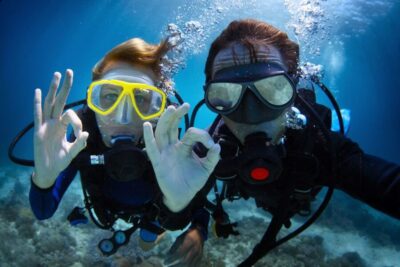
Tossa de Mar: PADI Discovery Scuba Diving in Costa Brava
Read our review →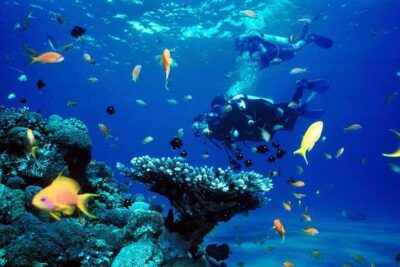
Full-Day Beginner Scuba Course with Private Tuition, Racha Yai
Read our review →
Heraklion: Beginner Scuba Diving Lesson with PADI Instructor
Read our review →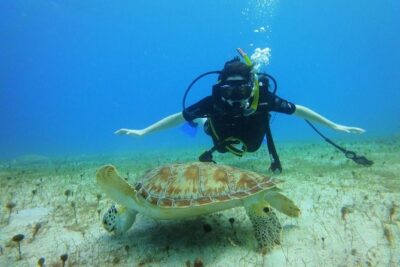
Discover Scuba Diving with No Certification in St Thomas
Read our review →
Try Dive – PADI Discover Scuba Diving in Tenerife
Read our review →
Browse the lists this dive appears in