
Reviewed · SCUBA DIVING
Research diving with a Marine Biologist in Crete
Crete’s best underwater lesson is not just about seeing fish. With a marine biologist beside you, you learn how the Mediterranean ecosystem works, collect useful data, and examine tiny life from the seabed under a microscope. The small group, limited to four certified divers, keeps the day personal and practical.
I like the way the program connects classroom learning with real work in the water. I also like the relaxed social setting at Dive2gether Crete, where the staff, including marine biologists such as Vanessa, Martina, Marie-Claire, Kirsten, and Katy, bring research methods to life. The main consideration is simple: this is for healthy, certified scuba divers with moderate fitness, not for beginners or casual swimmers.
Key points to know before booking
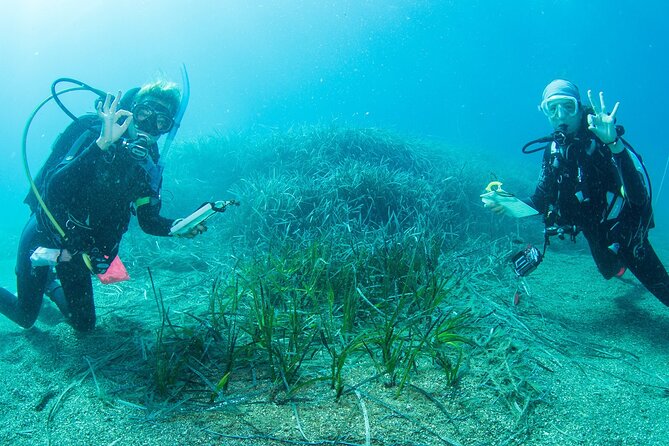
- Two underwater sessions: Your marine biologist guide tailors both sessions to your certification, experience, and interests.
- Citizen science in action: You may record species, take underwater notes, or collect sediment samples for study.
- Small private group: Only your group participates, with a maximum of four divers.
- Open-air field lab: Back at the Plakias center, you use microscopes to inspect small Mediterranean organisms.
- Souda Beach and Plakias: The program includes underwater work connected with both locations.
- Bring money for lunch: A beach taverna meal is not included, and underwater photos cost 19 euros if you want them.
A marine biology day, not a standard scuba outing
Many scuba programs focus on getting you into the water and showing you a few attractive sites. This one asks you to pay closer attention. You are not simply passing over the seabed. You are learning how researchers observe marine life, gather samples, record findings, and discuss what those findings may mean.
That difference matters. A fish, patch of seagrass, or piece of sediment becomes part of a larger story about the Mediterranean. The guide explains what you are looking at before you enter the water, then helps you put that information to use during the session.
The format is well suited to curious certified divers. You do not need to be a marine scientist, but you do need to be comfortable using scuba equipment and following instructions underwater. Your guide adjusts the program to your level, experience, and interests rather than forcing every group through the same lesson.
Because this is a private activity, your group is the only group taking part. The maximum of four divers is another real benefit. A marine biologist can spend more time answering questions, checking your observations, and keeping the pace comfortable.
More Scuba Diving in Crete
- Heraklion: Scuba Diving Experience for Beginners _Beach
★ 4.7 · 549 reviews - Heraklion: Beginner Scuba Diving Lesson with PADI Instructor
★ 4.9 · 355 reviews - Heraklion: Scuba Diving Experience for First-Timers
★ 4.8 · 203 reviews
Starting at 8:30 in Plakias
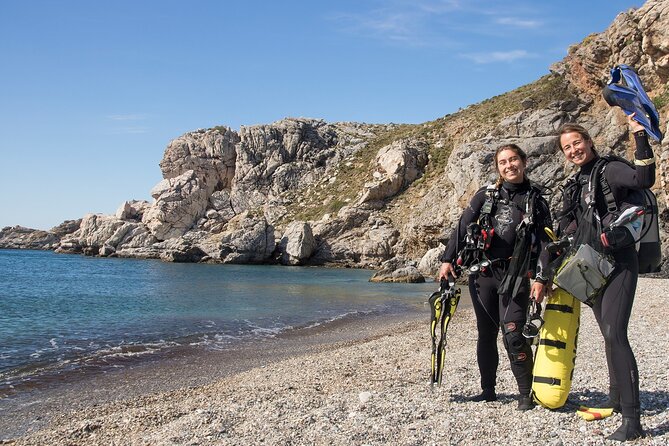
The day begins at 8:30 am at Dive2gether Crete, a 5-star PADI Diving School and Marine Field Station on Eleftheriou Venizelou in Myrthianos Plakias. The activity ends back at the same meeting point.
The opening briefing is an important part of the day, not a formality to rush through. You learn about the local flora and fauna, the research methods you will use, and the kind of information you should watch for underwater. The guide also sets expectations around your certification and physical ability.
This early start gives you a full day for two underwater sessions, discussion, and lab work. Plan to be ready for a long activity rather than a quick morning appointment. You will spend time preparing, getting in and out of the water, reviewing observations, and examining samples afterward.
The program provides scuba equipment, bottled water, and specialist marine biology equipment. You therefore do not need to arrange a separate equipment rental for the activity. Lunch is not included, though the group usually eats together at a beach taverna. Bring money for that meal.
Souda Beach: learning to read the seafloor
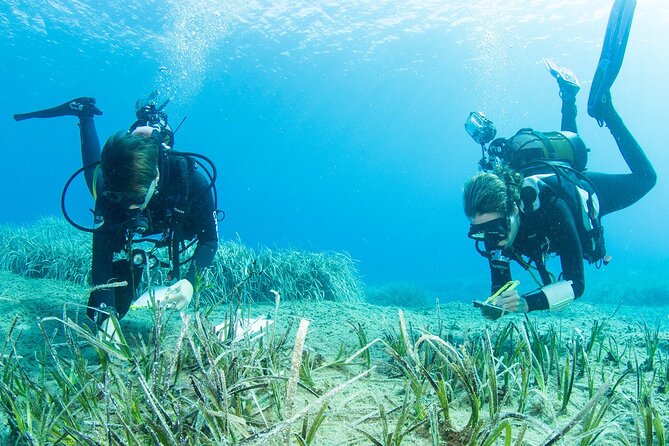
Souda Beach is one of the day’s listed stops and provides a setting for your first practical work in the water. The exact subject depends on your group’s interests and the guide’s plan, but the emphasis is on observation rather than simply covering distance.
You might focus on identifying species, recording what you see, or learning how a particular habitat supports small organisms. The briefing gives you a purpose for the session. That purpose makes a difference, since you start noticing details that are easy to miss when you are only looking for larger fish.
For a first session, this is also a useful chance to settle into the equipment and the local conditions. The program is adjusted to suit your certification and experience, but you still need to be healthy and fit for scuba work. If you have not been underwater recently, tell the staff when you arrive so the day can be handled at a sensible pace.
The strength of this part of the program is its direct link between explanation and action. You hear about an organism or habitat, then look for it yourself. The guide can help you connect what you see with the broader marine environment.
Plakias: from observation to research work
The program also includes Plakias, home to the Dive2gether center and field lab. This is where the educational side becomes especially hands-on.
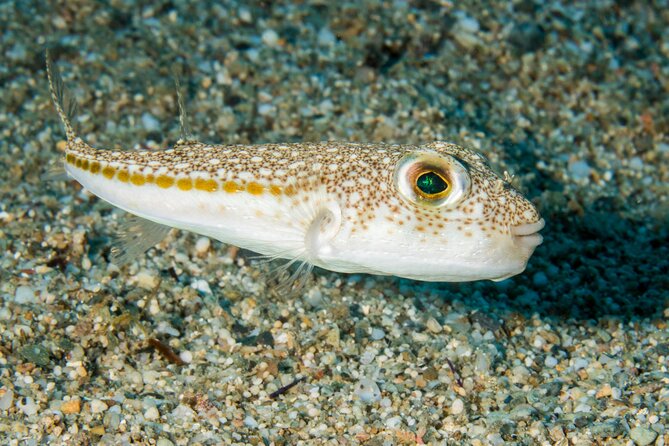
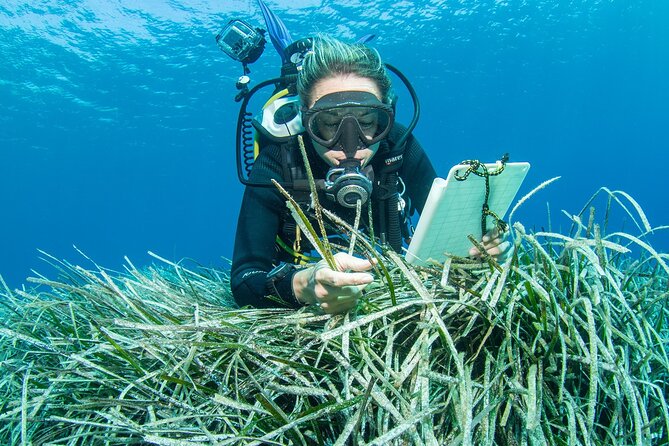
Past program activities have included sediment sampling, underwater notes, and species recognition exercises. A seagrass-focused session has also included looking at the small ecosystem within seagrass samples. These are useful tasks because they shift your attention from large, obvious animals to the less visible life that supports the sea.
After the underwater work, you return to the open-air marine biology lab. Using microscopes, you examine samples collected during the day. This can reveal details that are impossible to see underwater, including tiny organisms living in sediment or among seagrass.
The lab session gives the day a satisfying second act. You are not left with a vague memory of what you saw. You discuss the findings, compare observations, and consider how small organisms fit into the Mediterranean system. The center’s role as both a PADI school and marine field station helps explain why the program feels different from an ordinary recreational outing.
Another way to get in the water in Crete:
- Chania: Scuba Diving for Beginners
★ 4.7 · 196 reviews - Chania: Scuba Diving for Beginners
★ 5.0 · 103 reviews - Experience Scuba Diving in Heraklion Crete
★ 5.0 · 80 reviews - Crete-Chania: Snorkeling & Scuba Dive for Beginners by Boat
★ 5.0 · 77 reviews
What citizen science means here
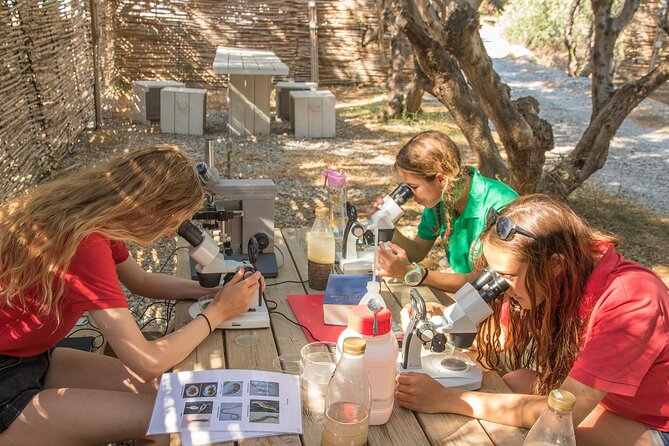
The phrase citizen scientist can sound grand, but here it has a practical meaning. You assist with useful observations and data collection under the direction of trained marine biologists.
That may include recording species, making underwater notes, collecting sediment, or taking part in recognition exercises. The exact work depends on the chosen habitat and your group’s interests. You are not expected to arrive with scientific training. The guide teaches you the method and explains why the information matters.
I like this approach because it gives your time underwater a clear purpose. You are helping document marine life while learning how field research is done. It also encourages careful looking. A slow search through a habitat can be more rewarding than rushing from one sight to the next.
Do not expect to conduct independent research or receive a formal scientific qualification. This is a one-day educational activity. Its value lies in making marine science understandable and giving you a small, supervised role in local projects.
Why the small group matters
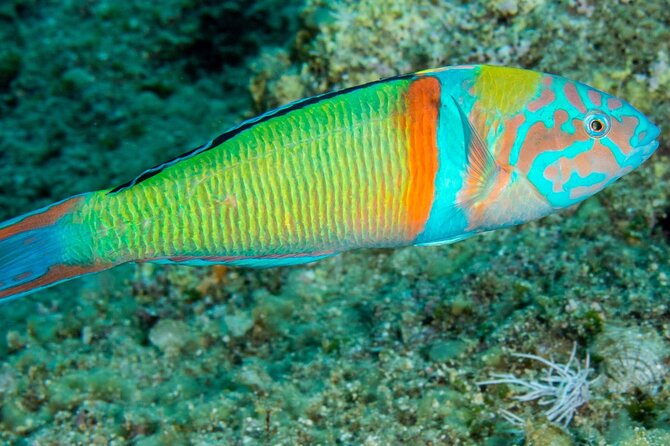
A maximum of four divers is unusually intimate for a full-day program. It allows the marine biologist to tailor the pace and topic to the people in the group.
If one person is especially interested in seagrass, sediment, or species identification, the guide can give that subject more attention. If the group has mixed experience, the staff can adapt the plan to keep the session comfortable. The private format also makes it easier to ask basic questions without feeling out of place.
The staff’s tone appears to be another strong point. The team has been described as friendly and professional, with an atmosphere that combines instruction and social time. That balance suits people who want to learn but do not want a stiff university-style field course.
Still, small-group attention does not remove the physical demands of scuba. You must be certified, fit, and healthy for the activity. The program does not list an option for non-certified participants to join the underwater work.
What is included, and what costs extra
At $308.58 per person, this is not a low-cost recreational outing. The price makes more sense if you plan to use the full educational program, including two underwater sessions, specialist equipment, instruction, data collection, and microscope work afterward.
The package includes:
- Scuba equipment
- Marine biology equipment
- Bottled water
- Use of microscopes in the open-air lab
- Guidance from an in-house marine biologist
- Two tailor-made underwater sessions
Lunch costs extra. The group enjoys eating at a beach taverna, but you pay for your own meal. Underwater photographs are also separate, priced at 19 euros. The guide takes the photos, so you can decide at the end whether the images are worth adding.
The value is strongest for a diver who wants more than a standard recreational outing. If you only want a short, scenic swim with minimal instruction, the price may feel high. If you are interested in marine life and want direct contact with a working educational program, the equipment and lab elements make the cost easier to justify.
Who should book this day
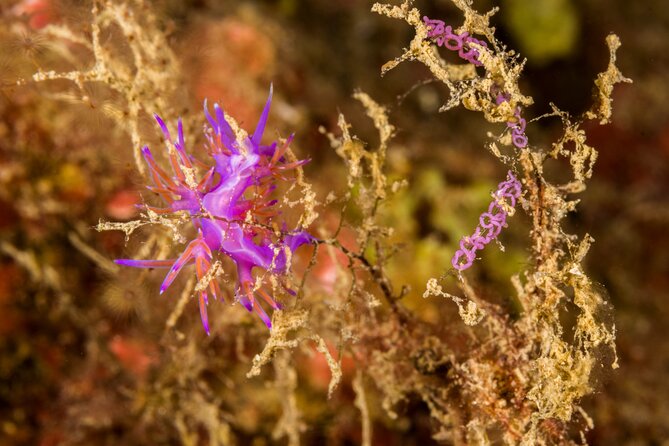
You should consider this program if you:
- Hold a recognized scuba certification
- Are healthy and fit enough for scuba activity
- Enjoy learning about animals, plants, and habitats
- Like small groups and direct contact with a guide
- Want to contribute to supervised marine research projects
- Are happy to spend a full day on briefings, two underwater sessions, and lab work
Families can take part if all members meet the certification and fitness requirements. A father and two advanced open-water certified sons previously used the program over two days, with one day focused on becoming familiar with a site and the next on sediment samples, notes, and identification work. That format shows how well the program can suit a family or small private group with a shared interest.
You should think twice if you are not certified, have little recent scuba experience, or want a flexible beach day with no fixed learning component. The program is educational by design. That is its attraction, but it is also a limit.
Practical details for a smoother day
Wear or bring what you normally need for a full day around the water, though the provided information does not specify a packing list. Arrive ready for the 8:30 am start at the Plakias center.
The activity is offered in English. Confirmation arrives at booking, and free cancellation is available if you cancel at least 24 hours before the start time. Changes or cancellations made inside that window are not accepted for a refund.
The activity ends at the starting point, which keeps the day simple. You do not need to arrange a separate return transfer from the program itself. Since lunch is paid separately at a beach taverna, carry a payment method suitable for that meal.
Ask about the day’s research theme when you arrive. The program can focus on a habitat chosen by your group, and knowing the subject early will help you get more from the briefing and underwater work.
Should you book it?
Book this day if you are a certified diver who wants to understand Crete’s underwater world rather than simply look at it. The combination of a small group, marine biologist guidance, two tailored sessions, citizen science, and microscope work gives you a much fuller experience than a standard recreational trip.
Skip it if you want a cheap introductory activity, cannot scuba, or would rather spend the day without scheduled instruction. At $308.58, the price asks you to care about the educational side. For the right diver, that is exactly what makes the day worthwhile.
FAQ
Who can take part in the activity?
You must be a certified scuba diver. You also need to be healthy and fit for scuba activity and have a moderate level of physical fitness.
How many underwater sessions are included?
The program includes two underwater sessions in one day.
How large is the group?
The activity is private, and the group can include a maximum of four divers.
Where does the day begin and end?
It begins and ends at Dive2gether Crete, the 5-star PADI Diving School and Marine Field Station at Eleftheriou Venizelou, Myrthianos Plakias 740 60, Greece.
What time does the activity start?
The start time is 8:30 am.
Which locations are included?
The listed stops are Souda Beach and Plakias.
Is scuba equipment provided?
Yes. Scuba equipment and specialist marine biology equipment are included.
Is lunch included?
No. The group eats at a beach taverna, but lunch must be paid for separately.
Are underwater photos included?
No. The guide can take underwater photos, which are available to purchase separately for 19 euros.
What is the cancellation policy?
You can cancel at least 24 hours before the start time for a full refund. Cancellations or changes made less than 24 hours before the activity are not accepted for a refund.
Newest dives added in Crete
- Experience Scuba Diving in Heraklion Crete★ 5.0 · 80 reviews
- Crete: Scuba Diving for Certified Divers in Chania★ 5.0 · 12 reviews
- Chania Scuba Diving 2 Shore Dives(Receive Certification)★ 5.0 · 11 reviews
- Crete-Chania: Snorkeling & Scuba Dive for Beginners by Boat★ 5.0 · 77 reviews
- Crete Introductory Scuba Diving Experience★ 4.5 · 9 reviews
- Scuba Diving for Beginners with a PADI Instructor near Heraklion★ 4.5 · 8 reviews
- Chania Scuba Diving for Beginners★ 5.0 · 5 reviews
- Heraklion: Scuba Diving Experience for Beginners★ 4.5 · 21 reviews
Scuba Diving, compared.
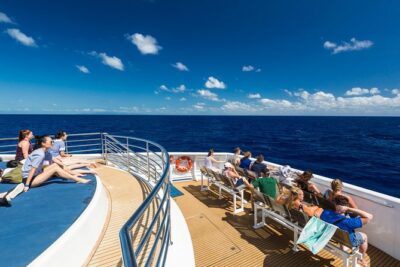
Great Barrier Reef Snorkeling and Diving Cruise from Cairns
Read our review →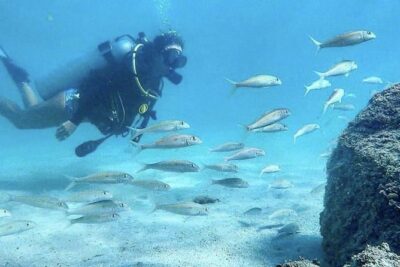
First-Time Scuba Diving in Honolulu + Free Videos
Read our review →
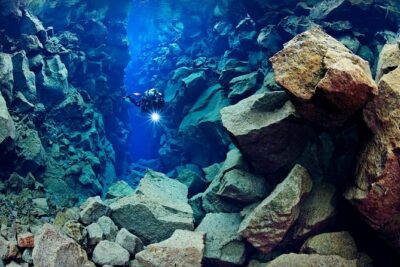
Diving Between Tectonic Plates – Meet on Location
Read our review →
Ocean Freedom Great Barrier Reef Luxury Snorkel and Dive Cruise
Read our review →
Beginner Scuba Diving with Turtles and Videos, San Juan
Read our review →
Your First Scuba Diving Experience in Turtle Area
Read our review →
Browse the lists this dive appears in