
Reviewed · SCUBA DIVING
Tenerife : Diving License international in one day
The best part of this Tenerife activity is that you move from dry practice on the sand to real underwater training from the beach in a single day. Natalie and Andres keep the group private, with no more than two people, so you get close attention while learning to breathe, balance, equalize, and move safely.
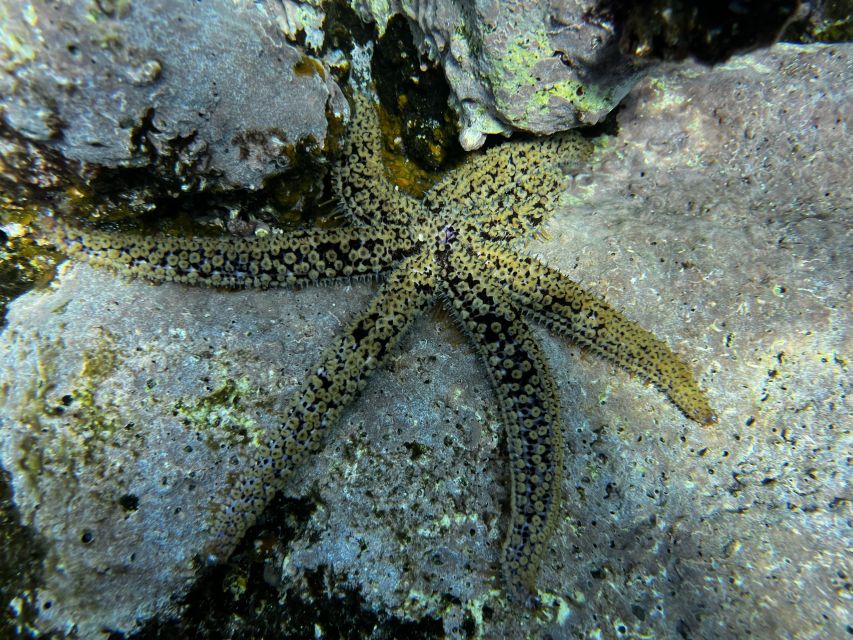
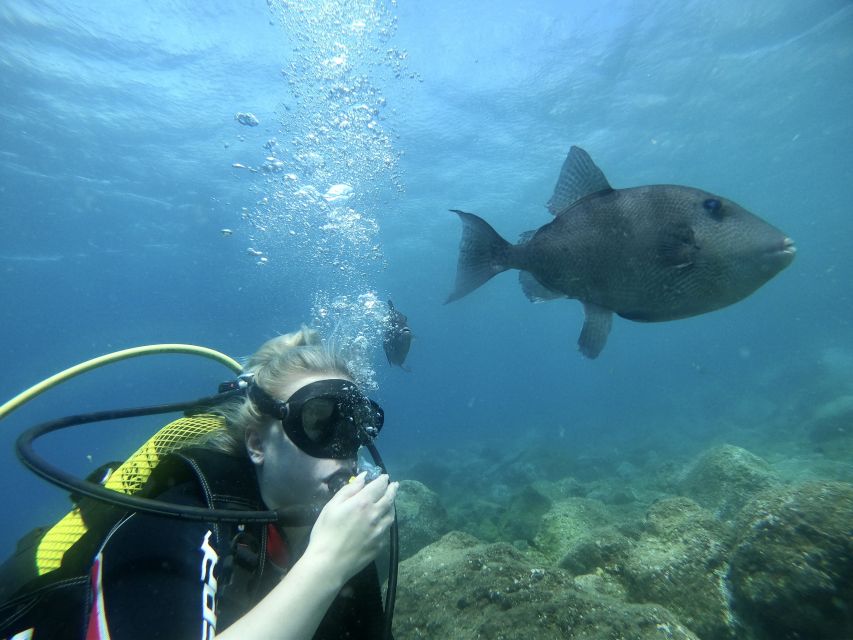
I like the small-group format and the fact that the license, equipment, accident insurance, and photos are included. You also have a chance to see fish, starfish, reefs, and perhaps a sea turtle. The main consideration is time: four hours is enough for an entry-level license, but not enough for an advanced qualification, and you must complete the practical exercises successfully.
Key points to know before booking
- Two beach-based underwater sessions: Learn on the sand, then practice directly in the water at Abades.
- CMAS Scuba Diver license: The qualification allows supervised descents to 12 meters, or 40 feet, worldwide.
- Private instruction for up to two people: You receive personal help rather than joining a large class.
- Natalie and Andres lead the course: Instruction is available in Spanish, German, and English.
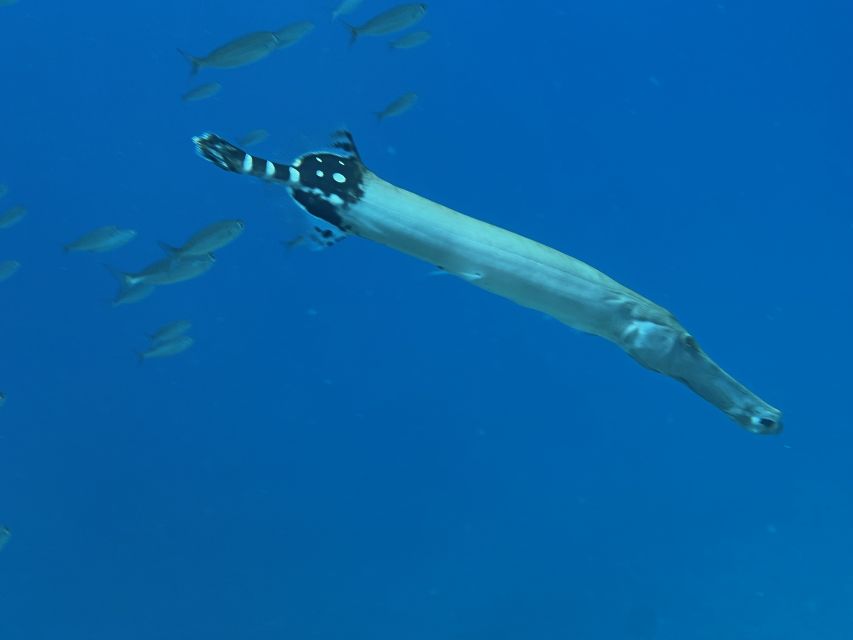
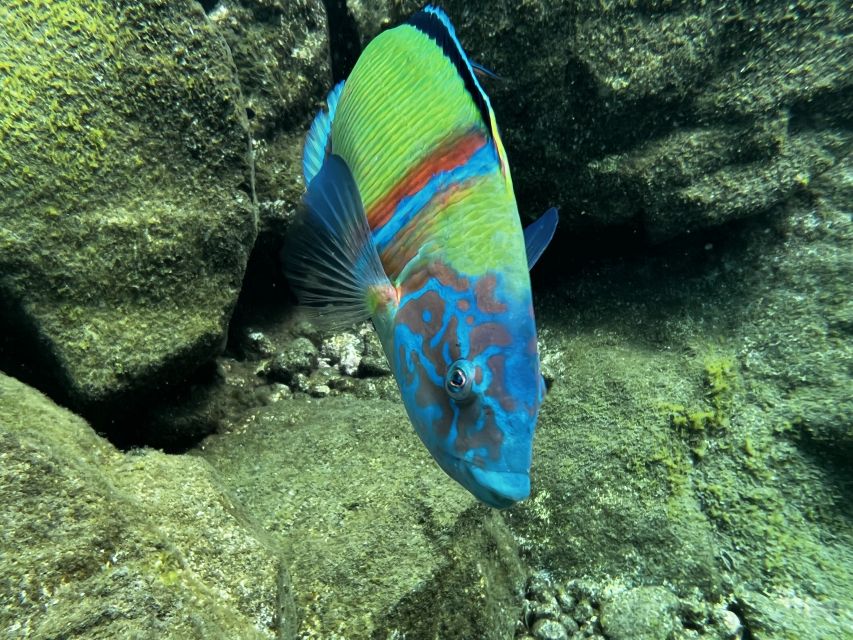
- Sea life is part of the appeal: Fish, starfish, reefs, and possibly turtles may appear, though no animal sighting is guaranteed.
- Bring swimwear and a towel: Leave at least 12 hours between finishing the activity and taking a flight.
Learning scuba in one morning at Abades
This is a compact first step into scuba, not a casual swim with a tank strapped on. The four-hour session combines basic theory, dry practice, and two underwater outings. You begin with the equipment and the safety ideas that make the rest of the course possible.
The setting helps. Instead of spending the entire lesson in a classroom, you practice on the beach and then try each new skill in the water. That direct connection matters when you are new to breathing through a regulator or wearing lead weights. You learn the purpose of each item before asking your body to use it underwater.
The course is designed for a private group of no more than two people, or for one-on-one instruction. That is a useful arrangement if you feel unsure in the water. Natalie and Andres can focus on your pace, explain a skill again, and help with the small adjustments that make breathing and movement feel less awkward.
The stated teaching languages are Spanish, German, and English. That makes this a practical option for many visitors to Tenerife, especially if technical instructions are easier for you in your first language.
More one-day trips in Tenerife
- Cairns: Premium Snorkelling and Diving Reef Day Trip
★ 4.7 · 1,528 reviews - Ko Tao: Try Scuba Diving 1-Day Experience
★ 4.8 · 452 reviews - Hurghada Diving Adventure one Day with two Dives Boat Trip
★ 5.0 · 238 reviews
What you learn before entering the water
The theory covers the safety points that every new scuba user needs. You learn how to handle the air tank, manage lead weights, equalize pressure, resurface safely, and care for the equipment. These may sound like simple tasks, but each one affects comfort and safety.
You also work on buoyancy. Proper balancing and hovering are central skills because they help you avoid dropping onto the seabed, kicking up sand, or brushing against marine life. You practice underwater orientation and movement too, so you are not simply floating without control.
The course also includes lessons about protecting nature. You learn how to move without harming the reef or touching animals. That is a worthwhile part of the training, not an extra lecture. A good first underwater experience should teach you to observe the sea without treating it like an obstacle course.
The instructors also explain how to look after your own equipment. You learn how to deal with the material before and after use, which gives you a better base for future sessions. The license permits you to obtain tank refills, rent equipment, and join other scuba activities, but you remain limited to supervised descents of no more than 12 meters.
The first beach session and practical skills
Once the dry exercises are complete, you take the equipment into the water. The beach entry keeps the start simple. You do not need to board a boat, and the activity description places the practical work directly at Abades.
The first underwater session is where the lesson becomes real. You use the regulator, manage your breathing, work with the weights, and practice equalizing pressure. The instructor can watch how you respond and help correct problems while you are still close to the shore.
For a beginner, this gradual approach is more useful than being pushed into open water too quickly. You can concentrate on one skill at a time. If your ears do not equalize comfortably or you struggle with balance, the private format allows the session to slow down.
You need to be able to swim adequately and remain in good health. Non-swimmers cannot take part. You should not participate if you have heart, lung, or ear problems, and pregnant women are not accepted. These are not minor booking details. Scuba places unusual pressure on your ears and breathing system, so be honest about your health before reserving.
The second session and the Tenerife sea
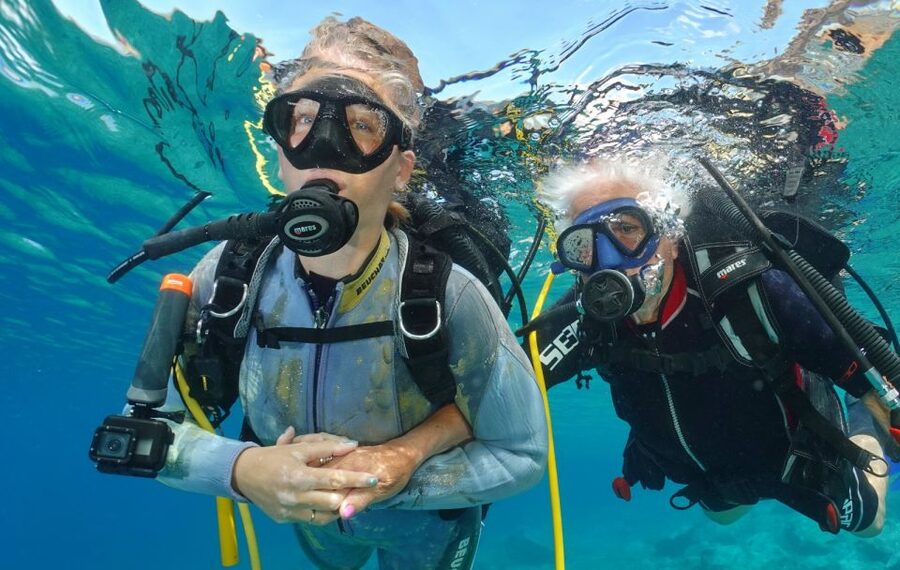
The course includes two underwater outings. The second gives you a chance to use the skills with more control and less surprise. You may be able to spend more attention on the surroundings once breathing, movement, and equalizing start to feel familiar.
The advertised sea life includes fish, turtles, starfish, reefs, and more. There is a particularly good chance of getting a photograph with a sea turtle, but the sighting is never guaranteed. One turtle known as Lola has become a memorable part of the local experience, yet seeing her depends entirely on luck.
That honesty matters. You should book this for the training and the chance to see Tenerife below the surface, not as a guaranteed turtle encounter. Marine life changes with conditions, timing, and chance. The activity gives you an opportunity, not a promise.
One of the sessions takes place in a national park area. The supplied details do not give a precise park name or describe a fixed route, so you should ask for the exact site when arranging your day if that affects your plans. Still, the combination of a beach entry and protected marine surroundings gives the course more character than a purely confined practice lesson.
More Scuba Diving in Tenerife
- Tenerife: Your First Scuba Diving Experience in Turtle Area
★ 4.7 · 1,679 reviews - Tenerife: Beginner’s Dive at a Spot with Turtle Sightings
★ 4.7 · 627 reviews - Tenerife First Time Scuba Dive – Turtle Habitat, Small Groups
★ 4.5 · 456 reviews - Tenerife: Beginner Scuba Dive Experience
★ 4.8 · 238 reviews
What the CMAS license allows
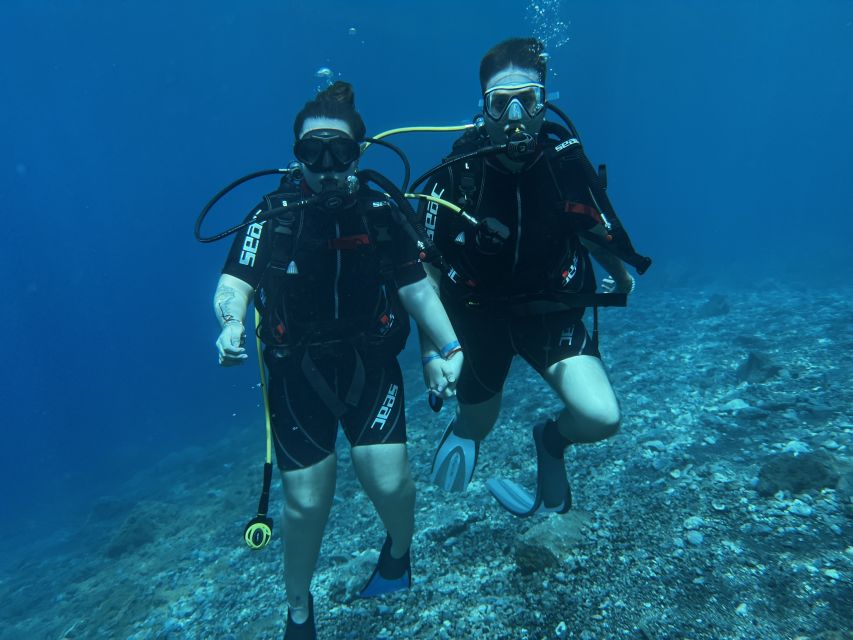
At the end, you work toward your first international CMAS Scuba Diver license. This is a useful beginner qualification, but you should understand its limits before paying for the course.
The license allows you to scuba worldwide, obtain tank fillings, rent equipment, and take part in scuba activities. You can descend to a maximum of 12 meters, or 40 feet, and must remain under supervision. It is not the same as an unrestricted advanced certification.
You also have to complete the practical exercises without serious difficulty. If you cannot perform the required skills, you cannot receive the license. That rule protects the value of the qualification and, more importantly, your safety in the water.
For someone who wants a first taste of scuba during a Tenerife holiday, the limit may be perfectly suitable. You can gain basic training and decide later if you want a longer course. If you already know you want to plan independent or deeper underwater trips, ask the provider how this qualification fits into your next certification step.
What is included for $259
At $259 per person, this is not the cheapest way to spend four hours in Tenerife. The price makes more sense if you place value on the private instruction and the items bundled into the course.
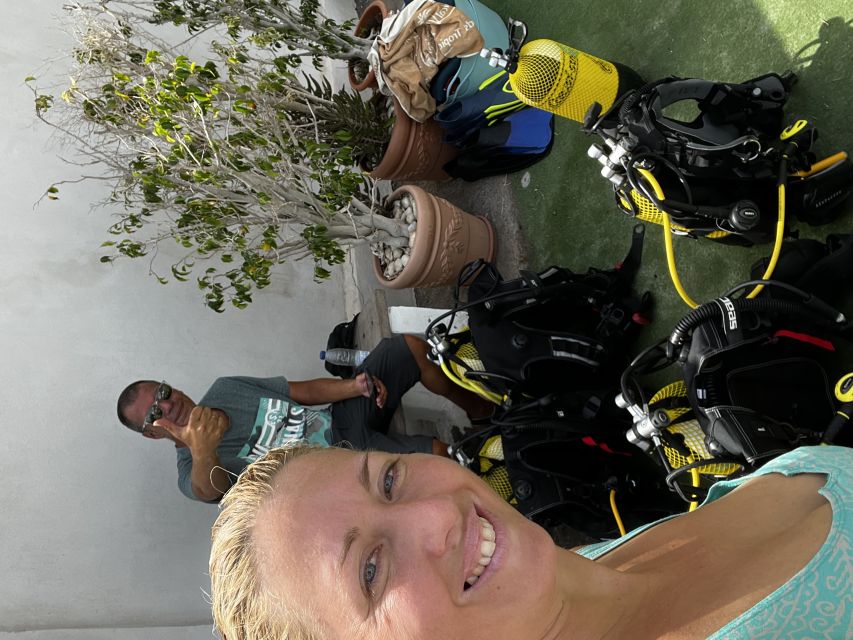
You receive the full scuba equipment, neoprene suit, and air tank. The license fee is included, as is diving accident insurance and underwater photography. Buying those elements separately could make a simple beginner session less straightforward, so the all-in format is helpful.
The photos are a nice touch. You can focus on the lesson rather than trying to manage a camera underwater. They also give you a record of the day, especially if you happen to appear beside a turtle. The information confirms underwater photos are included. A personal account also mentions photos and videos, but you should confirm whether video is included for your booking rather than assume it.
The small group is the biggest value point. If you are sharing the session with one other person, you are not paying for a large class where the instructor must divide attention among many beginners. That can make a real difference if you are nervous or need extra help with a skill.
The price is harder to justify if you want only a quick introductory swim and do not care about certification. In that case, a shorter introductory activity may suit you better. Here, part of what you pay for is the chance to leave with an internationally recognized qualification.
Timing, transport, and what to bring
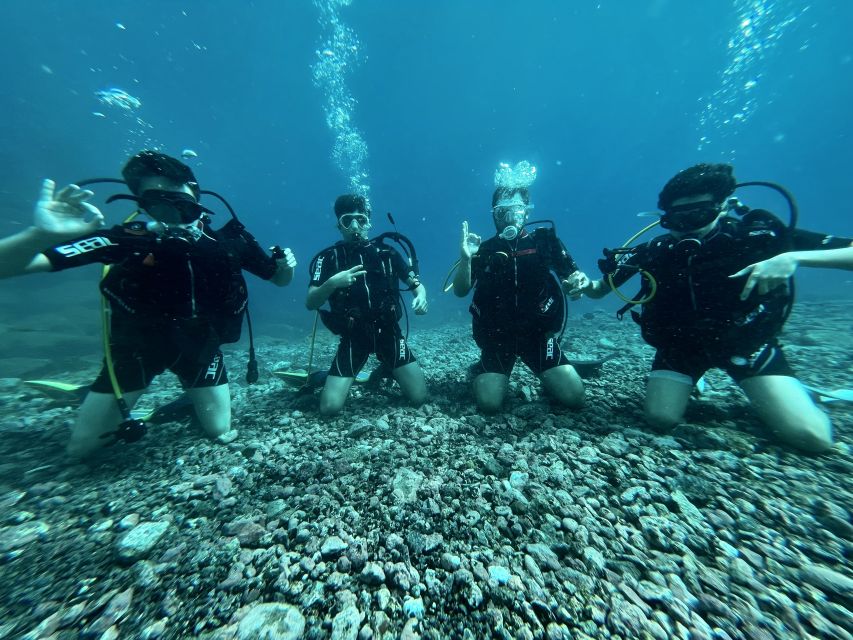
Plan on about four hours, but do not schedule a flight soon afterward. You must wait at least 12 hours after scuba before flying. This is especially important on a short Tenerife visit, when it is tempting to arrange the activity on the morning of departure.
Bring swimwear and a towel. You must remove glasses for underwater activities, so contact lenses or another suitable option may be worth considering if you need vision correction. The supplied information does not state that prescription masks are available, so ask before arrival if this is important to you.
Transport needs clarification. The information says transport cannot be offered, but it also says pickup may be included if you provide your hotel name to arrange it. Those statements do not fully match. Contact the provider, Meerjungfrau Apnoe Akademie ES, before booking transport around the course, and do not assume a hotel transfer is guaranteed.
If you are arriving by cruise ship, allow extra time for the return journey. One successful participant was brought back to the ship port on time, but your own pickup and return plan should still be confirmed directly.
Cancellation is flexible: you can cancel up to 24 hours ahead for a full refund. A reserve-now, pay-later option is also available, which helps if your Tenerife schedule is still shifting.
Who will enjoy this course most
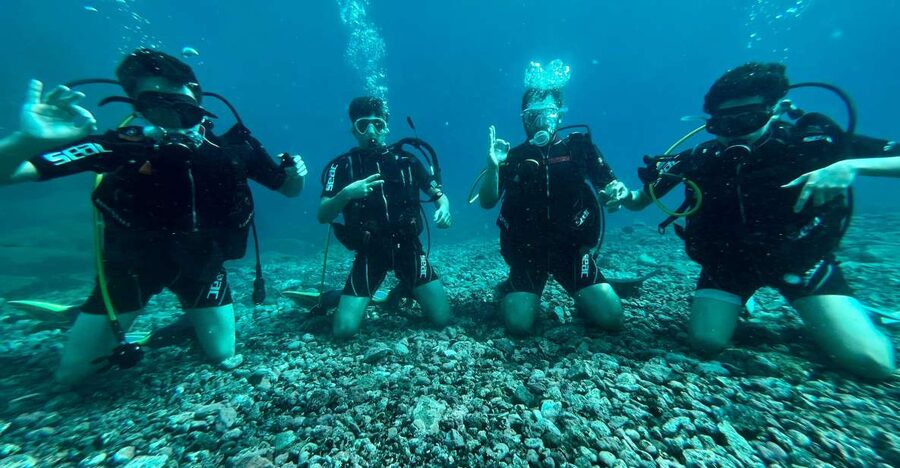
This course suits you if you are at least 10 years old, can swim adequately, and want a first recognized scuba qualification without committing to a longer training program. It also works well for parents considering a supervised underwater activity for a child who meets the age and swimming requirements.
The private format is useful for people who are nervous about breathing underwater. The personal accounts connected with this activity describe fears being eased through clear explanations and patient help. That is exactly the kind of support a beginner needs.
It is also a good choice for couples, friends, or a parent and child who want to train together. With a maximum of two participants, you can share the experience without being placed in a large class.
I would be more cautious if you are unsure about swimming, have ear trouble, or dislike structured instruction. This is a real course with practical tests, not simply a guided underwater sightseeing trip. You need to complete the skills to receive the license.
Children under 10, pregnant women, and non-swimmers cannot participate. Anyone with heart, lung, or ear problems should not book without first resolving the medical concern with an appropriate professional and the activity provider.
The human side of the instruction
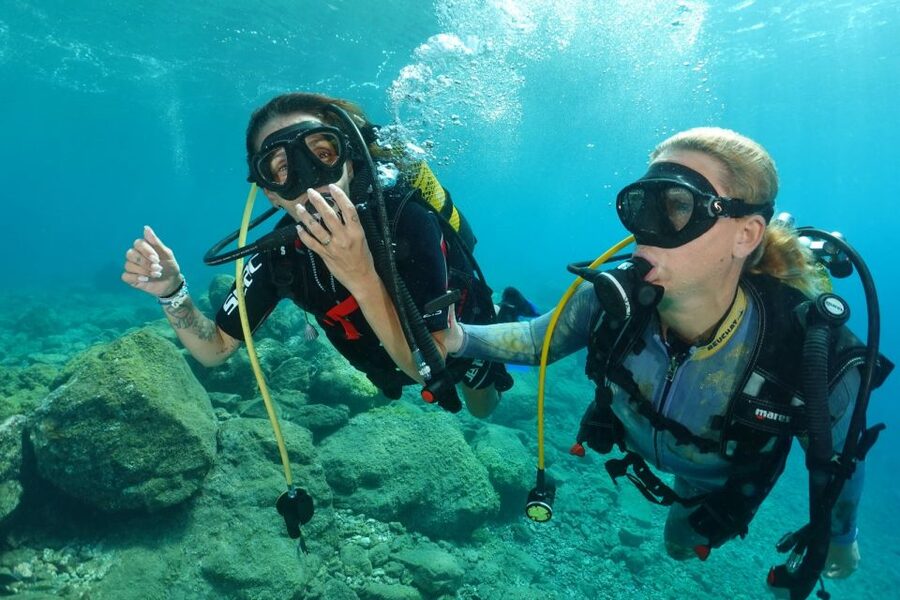
Natalie and Andres are central to the appeal of this activity. The available comments describe them as warm, encouraging, and deeply engaged in their work. One participant specifically appreciated having small fears taken away through clear explanations, then finishing the day with a passed license.
That matters more here than it would on a simple sightseeing tour. New scuba users can become tense when the mask, regulator, weights, and breathing pattern all feel unfamiliar at once. A calm instructor who notices that tension can help you regain control before it becomes a bigger problem.
The German-language feedback also points to a smooth experience for families. A 10-year-old participant enjoyed the course enormously, which suggests the format can work well for younger beginners who meet the age and swimming requirements. Still, children vary widely in confidence and comfort, so the final decision should be based on the child rather than the minimum age alone.
The activity has received a five-star rating from seven published assessments. That is a small sample, but the praise is consistent around friendly care, clear teaching, successful certification, and memorable marine life. You should still keep the practical limits in mind: the course is short, the license is supervised to 12 meters, and wildlife sightings remain uncertain.
My verdict: a strong first certificate, with two checks
I would book this if you want to try scuba in Tenerife and leave with a genuine beginner qualification. The private group, beach-based training, included equipment, insurance, license fee, and photos give the $259 price a reasonable basis.
Before paying, I would confirm two points. First, ask exactly how hotel pickup works, since the transport information is unclear. Second, ask what kind of photo and video package is provided, because underwater photos are included but video is not clearly promised.
Choose this course for patient instruction and a first step into supervised scuba. Do not choose it expecting a deep or independent qualification, guaranteed turtles, or a full-day boat expedition. If you meet the health and swimming requirements, can keep 12 hours free before flying, and like the idea of learning in a private group, this is a practical way to begin.
FAQ
How long does the Tenerife scuba course last?
The activity lasts about four hours and includes theory, dry exercises, and two underwater sessions.
How old must I be to take part?
You must be at least 10 years old. You must also be able to swim adequately and be in good health.
What depth does the license allow?
The CMAS Scuba Diver license allows supervised descents to a maximum of 12 meters, or 40 feet.
Is previous scuba experience required?
No. Previous scuba experience is not necessary because the course teaches the basic skills from the beginning.
What is included in the price?
The price includes full scuba equipment, a neoprene suit, an air tank, the license fee, diving accident insurance, and underwater photos.
Can I fly after the activity?
You must wait at least 12 hours after scuba before flying. Plan your travel schedule around that restriction.
Newest dives added in Tenerife
- Scuba Diving in Turtle and Ray Area★ 5.0 · 7 reviews
- Scuba Experience in Tenerife with Guide★ 5.0 · 30 reviews
- Try Scuba Diving Puerto Colon★ 5.0 · 2 reviews
- Try Dive in Abades Bay with a private instructor★ 4.0 · 4 reviews
- First Dive Experience in Tenerife★ 4.5 · 69 reviews
- Scuba Adventure – 2 Guided Dives from Our Boat in Tenerife★ 5.0 · 12 reviews
- Tenerife Under The Sea – dive into 1-1 personalised experience★ 5.0 · 15 reviews
- Scuba Diving for Certified Divers in Costa Adeje★ 5.0 · 69 reviews
Scuba Diving, compared.
Great Barrier Reef Snorkeling and Diving Cruise from Cairns
Read our review →
First-Time Scuba Diving in Honolulu + Free Videos
Read our review →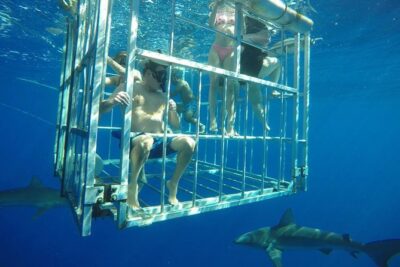
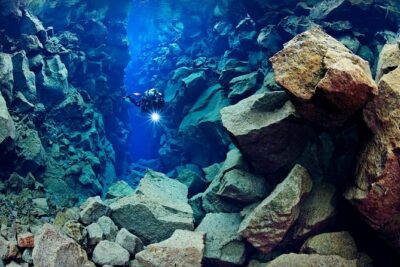
Diving Between Tectonic Plates – Meet on Location
Read our review →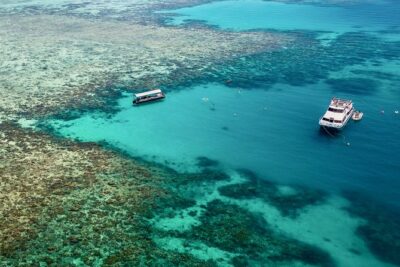
Ocean Freedom Great Barrier Reef Luxury Snorkel and Dive Cruise
Read our review →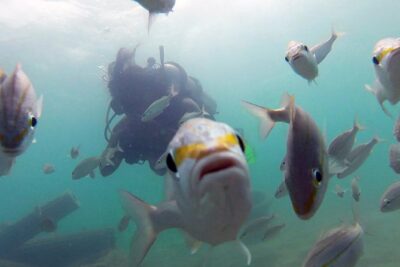
Beginner Scuba Diving with Turtles and Videos, San Juan
Read our review →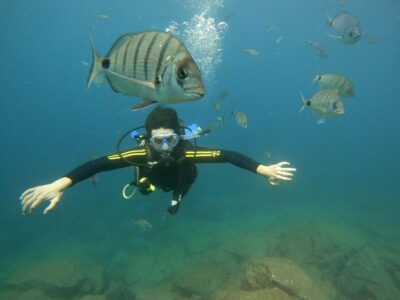
Your First Scuba Diving Experience in Turtle Area
Read our review →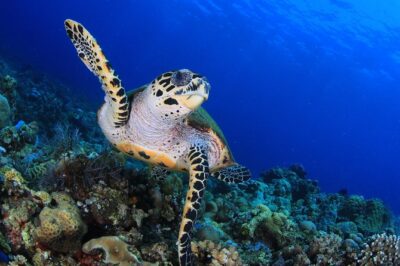
Browse the lists this dive appears in