
Reviewed · DISCOVER SCUBA DIVING
St Julians: Discover Scuba Diving Experience
The most rewarding part of this St Julian’s scuba experience is the careful transition from dry land to the Mediterranean. You first learn hand signals, equipment use, mask clearing, and regulator procedures, then practice in shallow water before heading farther below the surface. That gradual pace matters when your brain is still getting used to breathing underwater.
I like the patient, close instructor support, especially for nervous beginners. I also like that the package includes the equipment and guided underwater session, so you do not need previous certification or a full day free. The main consideration is medical fitness: scuba is not suitable for everyone, and you must stay out of the water for at least 12 hours before flying.
Key points to know before booking
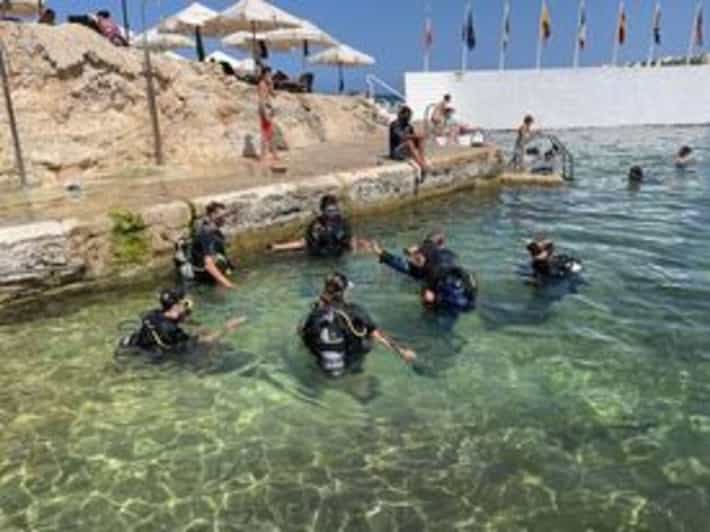
- A gentle first step: You learn basic skills in shallow water before the main underwater exploration.
- About one hour underwater: The full activity lasts 2.5 hours, including a 30-minute safety briefing.
- Patient instructors matter: Guides including Jackson, Iona, Nico, Mark, and Mike have helped beginners settle in at their own pace.
- Equipment is included: Wetsuit, fins, mask, tank, and other standard scuba equipment are provided.
- A real medical check is important: Certain heart, lung, ear, neurological, and recent surgery conditions require medical clearance.
- The location is convenient: Meet Divewise at the Westin Dragonara Resort in St Julian’s.
What the St Julian’s scuba session is really like
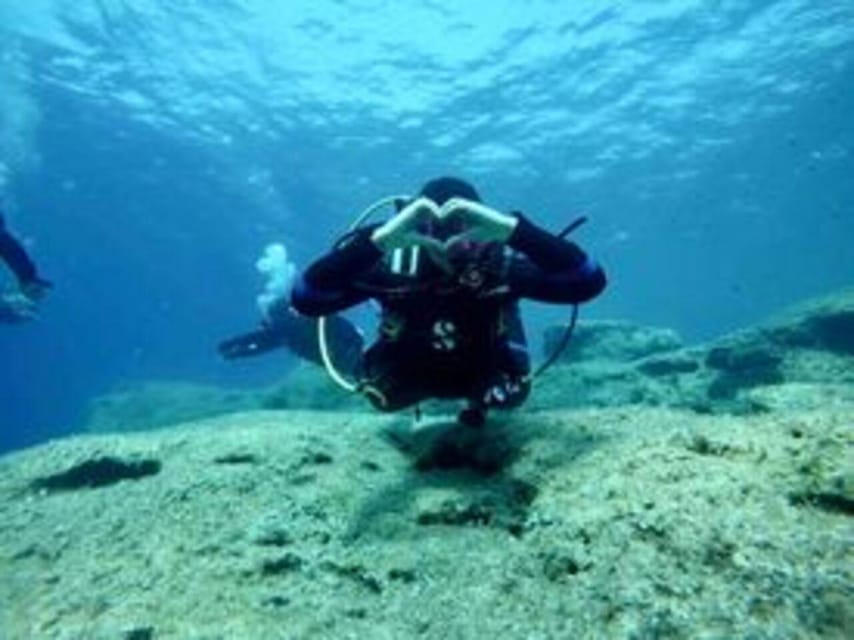
This is a beginner lesson with an underwater outing, not a certification course. You learn enough to take part safely under direct instructor supervision, but completing this session does not make you an independent certified scuba diver.
That distinction is useful when you compare this with a multi-day open-water course. If you simply want to find out how scuba feels, this is a sensible time commitment. If you already know you want certification, the session can help you decide if further training is right for you.
The experience begins at Divewise, based at the Westin Dragonara Resort. Bring swimwear, beachwear, and something to drink. Meals and personal expenses are not included, so plan to eat before or after the activity rather than expecting refreshments as part of the package.
You should arrive ready to listen and answer health questions honestly. Scuba places extra demands on your breathing, ears, heart, and ability to stay calm, so this is not the moment to hide a medical concern just to keep holiday plans intact.
More Discover Scuba Diving in the world
- Discover Scuba Diving
★ 5.0 · 1,676 reviews - Barcelona: PADI Discover Scuba Diving
★ 4.7 · 1,016 reviews - Discover Diving in Curacao
★ 5.0 · 886 reviews
The 30-minute safety briefing in St Julian’s
The first formal stage lasts about 30 minutes. A certified instructor explains the equipment, basic hand signals, and key safety rules before you enter the water.
You will be introduced to the wetsuit, fins, mask, and air tank. You also learn how to breathe through the regulator and what to do with common beginner problems, including water entering the mask or the need to retrieve the regulator.
This short lesson is more important than it may sound. Underwater, you cannot simply call out to ask a question. Hand signals become your language, and knowing the basic procedures gives you a way to communicate with the instructor if you feel uncomfortable.
Past sessions have been led by instructors including Jackson, Iona, Nico, Mark, Mike, Yarik, Craig, Henry, and Sam. The exact guide depends on the schedule, but the repeated strength of the experience is the teaching style: explanations are given before action, and you are not expected to rush through a skill you do not understand.
That is especially helpful if you feel nervous. One beginner needed to surface several times before going farther down, and the instructor adjusted the session rather than pushing ahead. Another participant returning to scuba after nine years received a careful refresher instead of being treated like an expert.
Getting comfortable in shallow water
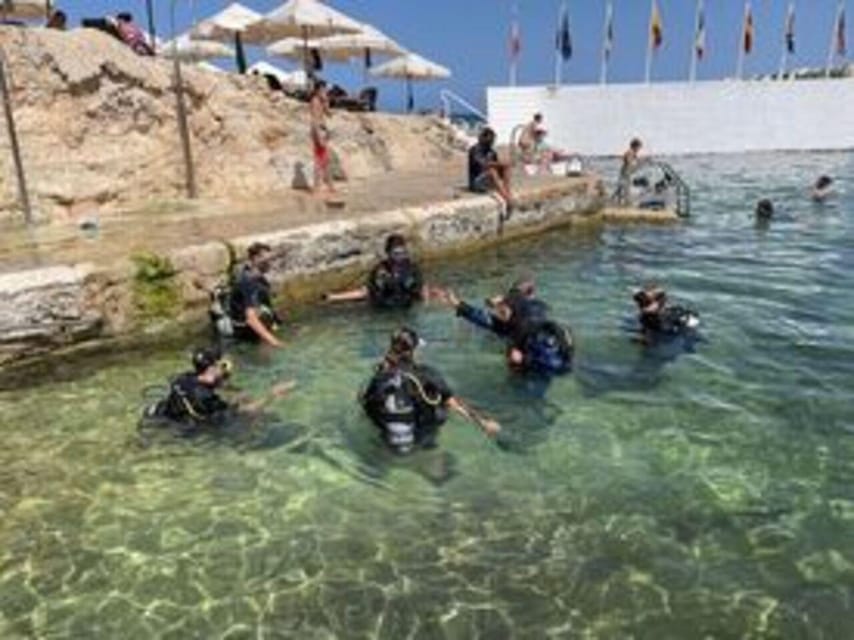
Once you are equipped, your instructor takes you to a pool or calm, shallow area of the sea. This is where the lesson becomes physical and practical.
You practice breathing underwater and moving with fins and a tank. You may also work through basic mask and regulator procedures, including clearing water from the mask and recovering the regulator. These exercises can feel awkward at first, particularly when you are trying to control your breathing and buoyancy at the same time.
I consider this the most valuable part for a first-timer. The shallow-water practice gives you a chance to find out how the equipment feels while you can still stand or remain close to the surface. It is far better to discover that your mask needs adjustment here than when you are already focused on marine life.
You also learn to pay attention to your instructor’s signals and your own comfort. The activity is designed around gradual progress, not a race to reach a particular depth. If you need a pause, you can communicate that and regain control before continuing.
This practice can take longer for some people than others. Weighting, breathing, and buoyancy are new skills, so do not judge the experience by how quickly another person seems to manage them. The instructors have shown a willingness to give beginners extra time, which is a major advantage for anyone who feels apprehensive.
About one hour exploring below the surface
After the shallow-water practice, the session moves into the main underwater portion, which lasts about an hour. Your instructor remains with you and guides your route, pace, and position.
The appeal is not simply seeing fish. You get the strange and memorable sensation of moving quietly below the surface, breathing through a tank, and using your body in a completely different way. Malta’s Mediterranean setting provides the backdrop, with marine life and reef scenery forming the focus of the outing.
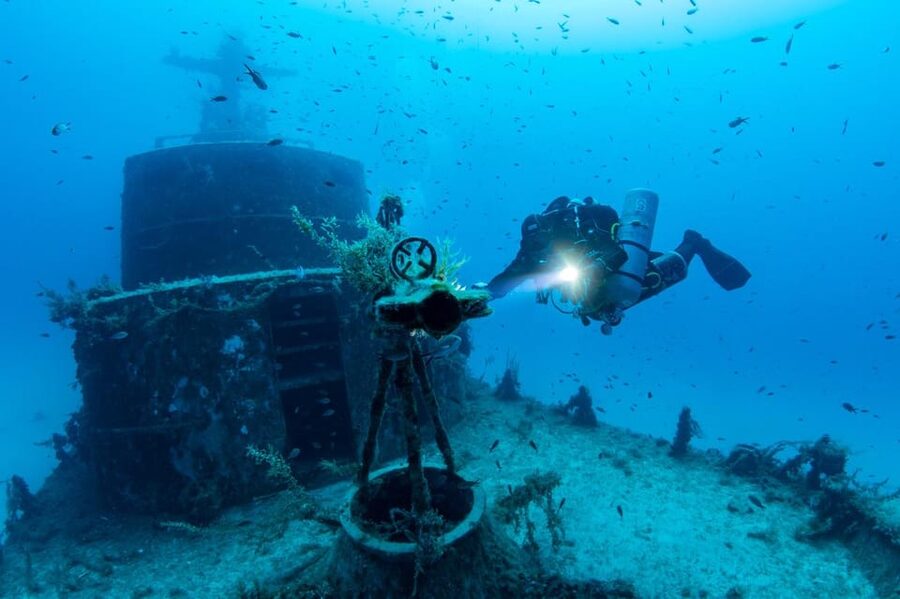
The exact route can depend on conditions and the plan for your session. One particularly memorable outing included a World War II shipwreck near a Maltese canal, but you should not book this particular experience expecting a wreck every time. Treat that kind of site as a possible bonus rather than a guarantee.
Your instructor’s presence changes the experience from a frightening equipment test into a guided introduction. You can concentrate on looking around because someone qualified is monitoring the group and helping you navigate. That support is also useful when you are still working on buoyancy and may otherwise spend the entire session staring at your gauges or fins.
The underwater hour is a generous portion of a 2.5-hour activity. Still, the clock includes preparation, safety teaching, equipment fitting, and getting in and out of the water. If you are comparing it with a full-day boat trip or a certification course, remember that this is a compact introduction rather than an all-day expedition.
More Scuba Diving in the world
- Great Barrier Reef Snorkeling and Diving Cruise from Cairns
★ 4.5 · 3,714 reviews - First-Time Scuba Diving in Honolulu + Free Videos
★ 5.0 · 3,123 reviews - Oahu Shark Dive
★ 5.0 · 2,903 reviews - Silfra: Diving Between Tectonic Plates – Meet on Location
★ 5.0 · 2,139 reviews
Why the instructors make such a difference
Scuba equipment is standardized, but the quality of the experience depends heavily on how the instructor handles people. A calm beginner may move through the lesson quickly. Someone anxious may need repeated explanations, a slower descent, or a few trips back to the surface.
The strongest examples from this experience involve instructors who did not force the pace. Nico was especially good at checking that each participant felt fully ready before moving to the next exercise. Mike was described as diligent with the safety procedures and patient when a first-timer needed to surface. Iona was praised for making mask and regulator practice easy to understand.
That is the kind of teaching you want in an introductory session. A cheerful personality is nice, but patience and clear safety instructions matter more. The available languages also help: instruction is offered in English, Spanish, French, Italian, Afrikaans, and Polish.
Group size can affect how personal the lesson feels, and it may vary. Some sessions have provided very close one-to-one attention, while other accounts describe two instructors supporting a small family group. You should not assume a private lesson unless your booking specifically confirms one, but the setup allows for direct supervision.
Is $106 good value?
At $106 per person, this is not the cheapest activity you will find in Malta. I still think the price can make sense if you want a structured first experience rather than simply borrowing a mask and looking from the surface.
The cost includes the orientation, safety instruction, scuba equipment, shallow-water skill practice, and guided underwater exploration with a certified instructor. You are paying for supervision as much as for the equipment. For a first attempt, that professional support is the main reason to choose this over an informal swim.
The 2.5-hour format also fits well into a St Julian’s holiday. You do not need to surrender an entire day, and the meeting point at the Westin Dragonara Resort is practical for anyone staying nearby. The activity does not include meals, drinks, or personal expenses, so those extras need to come from your own budget.
I would book it if scuba is one of the main experiences you want from Malta. I would hesitate if you are only mildly curious and uncomfortable with medical screening, wetsuits, or spending a long period concentrating on breathing and equipment. The value rises sharply for a first-timer who wants patient teaching and a proper guided session.
The medical rules you should take seriously
Before booking, read the medical questionnaire carefully. Recreational scuba requires good physical and mental health, and a yes answer to certain questions may mean you need approval from a doctor before taking part.
The listed concerns include previous problems with the lungs, breathing, heart, blood, eyes, ears, nose, or sinuses. Recent surgery, continuing problems linked to older surgery, seizures, stroke, loss of consciousness, serious head injury, persistent neurological problems, panic attacks, psychological treatment, addiction, and high blood pressure also require careful attention.
You should not take part if you have a cold or feel ill. Congestion can make pressure changes uncomfortable or unsafe, and feeling unwell is a poor starting point for a demanding new activity.
The experience is not suitable for people with back problems, heart problems, respiratory issues, epilepsy, high blood pressure, recent surgery, or other pre-existing medical conditions unless the required medical assessment gives clearance. If you tick yes to a medical question, arrange the doctor’s sign-off before arriving.
There are also clear age rules. Children under 10 cannot take part, and anyone under 18 needs permission from a parent to enroll. These rules are worth checking before you make a family booking.
Flying after your Malta scuba session
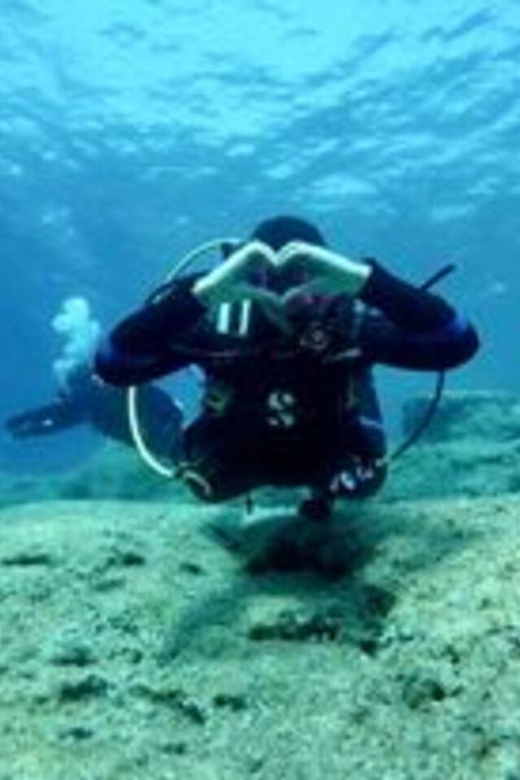
The no-fly rule is easy to overlook when you are planning a holiday around flights. You need a minimum of 12 hours out of the water before flying.
That means you should not schedule this activity shortly before your return flight. Build in the required time after the session, and give yourself extra breathing room if your itinerary allows. This is one of those small planning details that can decide whether the activity fits your trip at all.
The same rule applies even if the session feels short. The water time is only about an hour, but the restriction still matters. Put the scuba activity early enough in your Malta stay or on a day well before departure.
Who will enjoy this experience most?
I would recommend it to adults and children aged 10 and above who are medically fit, curious about scuba, and willing to learn at a measured pace. It suits a first attempt, a return to the sport after several years, or a test before committing to an open-water qualification.
It is particularly good for nervous beginners. The shallow-water practice and direct instructor support give you several chances to settle your breathing before the underwater outing. You do not need to arrive feeling fearless.
It can also suit families, provided the age and permission rules are met. A family session involving a 12-year-old and 14-year-old included two instructors, which shows how useful extra supervision can be for younger participants.
I would not choose it for someone who wants a deep, technical, or fully independent scuba trip. It is an introduction with an instructor beside you, not advanced training. I would also avoid booking it as a last-minute pre-flight activity.
Booking, cancellation, and what to pack
The activity costs $106 per person and allows you to reserve now and pay later, which is useful when your Malta schedule is still changing. You can cancel up to 24 hours in advance for a full refund.
Bring swimwear, beachwear, and drinks. Alcohol and drugs are not allowed, and you should arrive prepared to focus on safety instructions.
Equipment is included, so you do not need to pack your own wetsuit, fins, mask, or tank. Personal expenses and meals are not included, and you should not count on food being supplied during the session.
Should you book the Divewise scuba experience?
Book it if you want a well-supervised first taste of Malta below the surface, especially if you are nervous and value an instructor who will slow down when needed. The combination of shallow-water practice, included equipment, multilingual teaching, and about an hour underwater gives you a solid introduction for the price.
Skip it if you have a medical condition that has not been cleared, a cold, a flight within 12 hours, or little interest in a careful lesson. Also keep your expectations sensible: a particular wreck or reef route is not guaranteed, and this session does not replace certification.
For the right person, this is a practical way to find out if scuba belongs in your future holiday plans. The best reason to book is not the promise of a dramatic site. It is the chance to learn the basics slowly, with a certified guide close by, and decide from there.
FAQ
Where does the scuba experience meet?
You meet at Divewise at the Westin Dragonara Resort in St Julian’s, Malta.
How long does the activity last?
The full experience lasts 2.5 hours. This includes about 30 minutes of safety instruction and approximately one hour of scuba activity.
Is scuba equipment included?
Yes. The experience includes scuba equipment, including the standard gear needed for the session, plus instructor support.
Do I need previous scuba experience?
No. The session is designed for beginners and includes an orientation, shallow-water practice, and basic scuba skills.
What languages are available?
Instruction is available in English, Spanish, French, Italian, Afrikaans, and Polish.
Can I fly after the activity?
You must remain out of the water for at least 12 hours after scuba before flying.
What should I bring?
Bring swimwear, beachwear, and drinks. Meals and personal expenses are not included, and alcohol and drugs are not allowed.
Newest dives added in the world
- Phuket Scuba Diving Maiton Private Island Small Group or Snorkel★ 5.0 · 9 reviews
- PADI Scuba Diver Course★ 5.0 · 30 reviews
- Fun Dives For Certified Divers★ 5.0 · 30 reviews
- Tulamben Diving Tour Shipwreck USS Bali★ 5.0 · 13 reviews
- Tulamben Diving USS Liberty Shipwreck Scuba Dive★ 5.0 · 186 reviews
- Bali: Tulamben Bay and the USAT Liberty Wreck Dive★ 4.9 · 58 reviews
- From Pattaya: Snorkeling or Beginner Scuba Diving Tour★ 4.1 · 68 reviews
- From Punta Cana: ScubaDoo, Snorkel & Glass Bottom Boat Tour★ 3.9 · 73 reviews
Discover Scuba Diving, compared.
2 Days Discover Scuba Diving in Nusa Lembongan – Scuba Initiation
Read our review →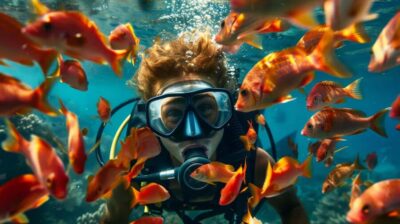
From Sharm: Ras Muhammed & White Island By Boat & intro Dive
Read our review →Browse the lists this dive appears in