
Reviewed · PADI COURSES & CERTIFICATION
3-Day PADI Open Water Diver Course, Koh Samui
Koh Samui’s three-day PADI course gets you from first lesson to certified open-water diver with a sensible mix of classroom work, pool practice, and four boat sessions. The clever part is doing the theory through an app before you arrive, leaving more of your holiday for hands-on training.
I like the small maximum group of four, which gives you a better chance to receive close help when clearing a mask or managing your equipment. I also like the steady progression from pool work to the Gulf of Thailand, where you can see colorful marine life once the basic skills are in place.
The main catch is the firm schedule. You need three useful days, good weather, and enough time between your final underwater session and any flight. The course is also non-refundable unless the operator cancels because of poor weather.
Key points
- Three-day route to PADI certification: Complete theory through the e-learning app, then train in confined water and the sea.
- Four boat sessions over two days: The final part of the course takes place from a boat in the Gulf of Thailand.
- Small groups of up to four: This helps the instructor give more direct attention during skills practice.
- Pool training comes first: You learn the basic techniques in a controlled setting before heading offshore.
- Instructor support matters: Yuan from Germany is one named instructor, and multilingual guidance may be available.
- Plan around flights: You should leave at least 18 hours between your last underwater session and flying.
A practical route from pool skills to open water
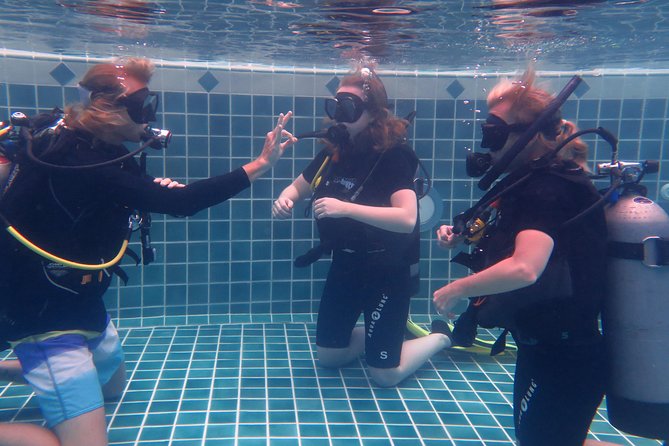
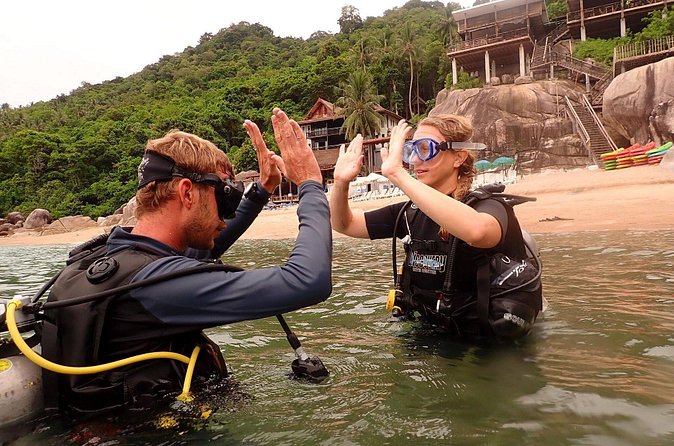
The first day is spent at Discovery Dive Centre, where you work through the practical side of becoming a certified scuba diver. The course begins in confined water, using a swimming pool rather than sending a beginner straight into the sea.
That order makes good sense. A pool gives you a calmer place to learn how the equipment works, how to breathe through a regulator, and how to respond to basic problems. You can focus on the instructor instead of waves, boat movement, or the distraction of marine life.
Your theory work is handled through PADI e-learning. You can complete it before arriving, which is particularly useful if you have limited time on Koh Samui. It also means day one can focus more on physical skills instead of packing every lesson into a crowded schedule.
You should treat the app work as a real part of the course, not a formality to rush through. Understanding the material beforehand can make the pool session less stressful. The course is designed for beginners, but certification still requires attention and participation.
More PADI Courses in Thailand
- Full-Day Beginner Scuba Course with Private Tuition, Racha Yai
★ 5.0 · 368 reviews - La Bombona Diving Koh Tao Open Water Course
★ 5.0 · 172 reviews - Padi open water diver course, become a diver in 3 days
★ 5.0 · 113 reviews
Day one at Discovery Dive Centre
The starting point is Discovery Dive Centre, with an advertised start time of 8:00 am. Hotel pickup and drop-off are available from selected hotels, using an air-conditioned vehicle. This is useful on Samui, where arranging your own transport can add another task to an already full morning.
Pickup is not listed for every hotel, so check this before booking. If your accommodation is outside the service area, you may need to arrange your own way to the meeting point.
At the centre, the emphasis is on preparation and confined-water practice. You will use the pool to become comfortable with your gear and learn the skills needed for the next two days. The course information does not give a minute-by-minute timetable, so allow most of the day rather than planning a tight afternoon outing.
This first day is also when you can judge how well the instructor explains things. The course may be led by a multilingual guide, and one named instructor, Yuan from Germany, has been praised for a patient and professional approach. That sort of calm teaching is valuable for beginners, especially if you are learning later in life or feel unsure in the water.
The group limit of four is one of the strongest practical features here. Small instruction groups do not guarantee a private lesson, but they should give you more chances to ask questions and receive corrections. That matters when you are still learning to control your breathing and equipment.
The second and third days on the boat
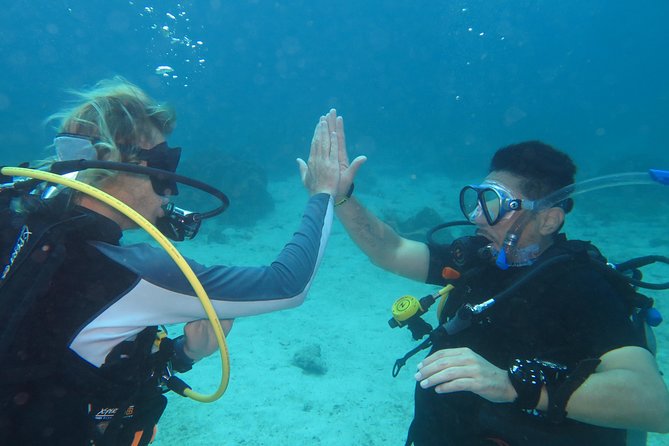
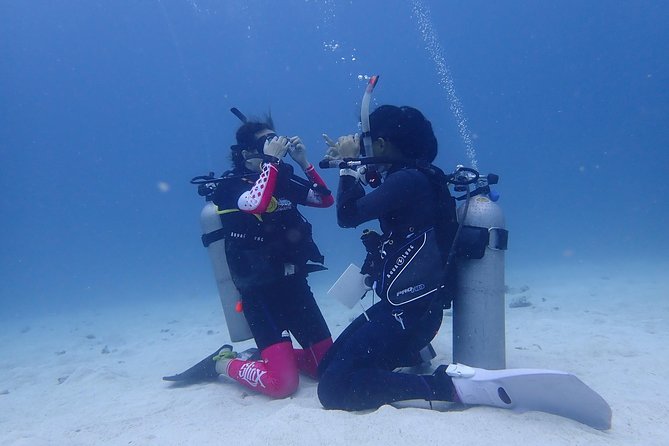
The next two days move from the pool to boat-based training in the Gulf of Thailand. Across those days, the course includes four open-water sessions. This is the part that turns basic pool practice into the experience needed for PADI Open Water certification.
You will see colorful marine life, but the main purpose remains training. The underwater setting gives you a chance to use the skills in a real sea environment while an instructor supervises you. Conditions can feel different from a pool, which is why the first day is so useful.
Boat days usually require more flexibility than pool days. The course needs suitable weather, and the exact feel of each outing can depend on sea conditions. If poor weather makes the trip unsafe, the operator offers another date or a full refund. That is reassuring, but it can still disrupt a short holiday.
The boats have been described as new and fast, and the operation has been praised for being well organized from pickup through return. Fluent English and other language support may also be available. These details matter because boat days involve several moving parts, from transport and equipment to meals and timing.
Bottled water is included, along with an air-conditioned vehicle for the transfer. A good lunch has also been part of the reported boat-day setup, though lunch is not clearly listed among the formal inclusions, so I would confirm that before you pay.
What certification involves
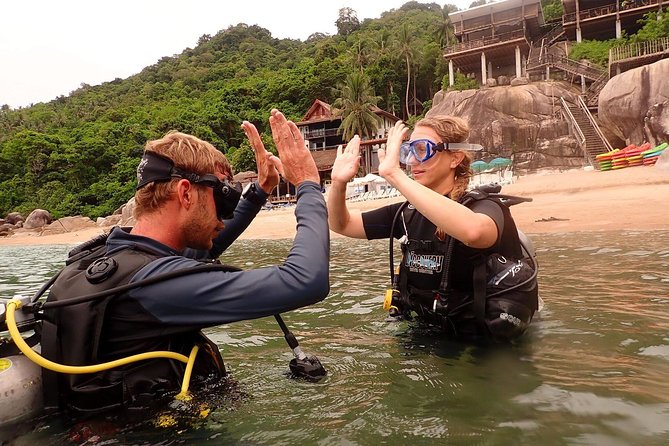
The PADI Open Water course is the entry-level course for becoming a full open-water scuba diver. You are not simply booking a scenic boat trip with a quick underwater stop. You are taking a structured course that combines theory, confined-water training, and four sessions in the sea.
That distinction affects your expectations. If you only want to try scuba once, a shorter introductory activity may suit you better. This three-day program asks for more time and effort, but it gives you a recognized qualification when you complete the required work.
The information provided does not spell out every individual skill or certification condition. Your instructor will guide you through the required steps, and you should expect to take an active role throughout. You will need to listen carefully, follow instructions, and complete the practical training.
I would also allow some breathing room in your holiday schedule. Do not book the course so tightly that a weather change ruins your only chance to finish. The operator can offer a new date when weather cancels the activity, but you need enough time left on Koh Samui to use it.
Another way to get in the water in Thailand:
- Ko Tao: Try Scuba Diving 1-Day Experience
★ 4.8 · 452 reviews - Phuket: Scuba Diving Maithon Or Racha Islands For All Levels
★ 4.8 · 245 reviews - Scuba Dive in Koh Lanta, Thailand
★ 5.0 · 212 reviews - Phuket: Discover Scuba Diving to Racha Yai Island
★ 4.9 · 173 reviews
How the small group changes the experience
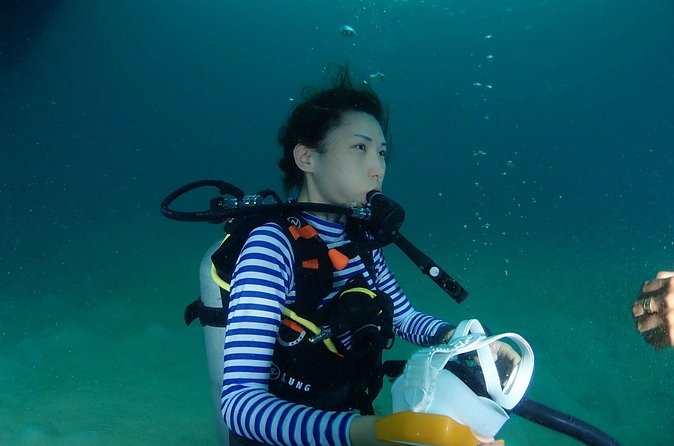
A maximum of four participants is unusually helpful for a beginner course. Your instructor has fewer people to watch during pool exercises and sea sessions. You may also spend less time waiting while someone else practices a skill.
This does not mean every departure will feel like a private course. The operator may run other groups at the same time, and the information does not promise one instructor for every four people. Still, the listed group size is a strong reason to choose this course over a cheaper, larger class.
The personal side of instruction also comes through in the named example of Yuan, who is from Germany. A patient instructor can make a major difference when you are almost 60, nervous about the equipment, or simply new to being underwater. The course is open to most people, but confidence develops at different speeds.
If you have asthma, a heart condition, or another medical issue, speak with your doctor before booking. Every participant must complete a health questionnaire, and some pre-existing conditions may prevent you from taking part. This is not a box-ticking exercise. Scuba places specific demands on your body, so take the medical questions seriously.
The real value of the $681.10 price
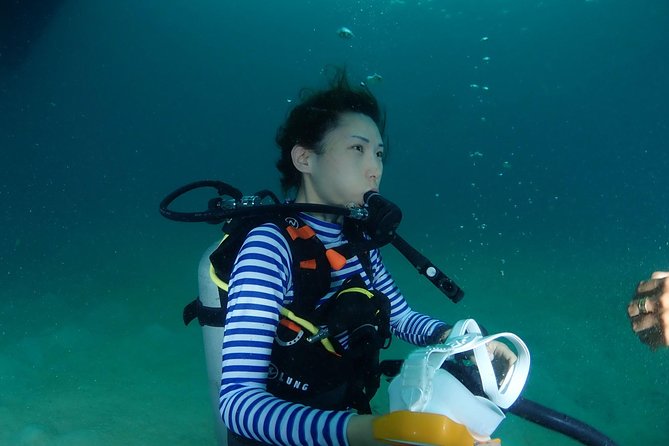
At $681.10 per person, this is a significant holiday expense. The price makes more sense when you look at what it bundles: professional instruction, the theory component, pool training, four boat-based sessions, hotel pickup and drop-off from selected hotels, an air-conditioned vehicle, bottled water, and taxes and handling charges.
You are also paying for a three-day course rather than a single recreational outing. The value is strongest if you genuinely want certification and expect to use your qualification again. If your goal is only to see fish once, the time and cost may be hard to justify.
The small group helps support the price. So does the use of boats over two days rather than keeping the entire course in shallow or confined water. You are buying instruction and a pathway to certification, not just transport to a snorkeling spot.
The price does not remove the need to check a few details. Confirm that your hotel is included in the pickup area, ask what lunch covers, and make sure the course dates fit your flight plans. Since the booking cannot normally be refunded or amended, these checks are worth making before payment.
Timing, flights, and weather
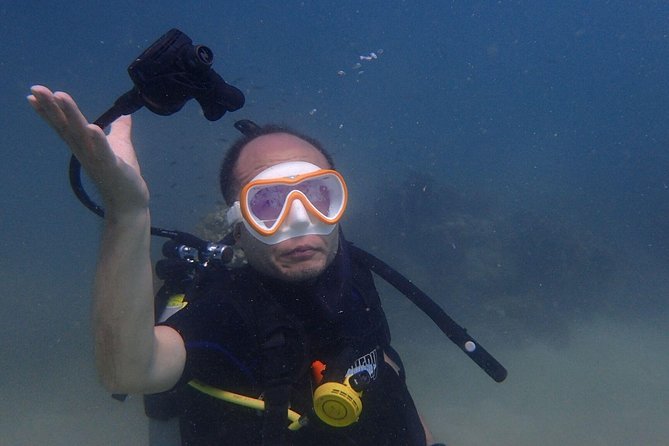
The start time is 8:00 am, and the course lasts about three days. You should keep those mornings free and avoid placing important plans immediately after the final session.
Flying requires extra care. Diving within 18 hours of a flight is not recommended, so leave that buffer after your last underwater session. If your trip ends soon after day three, the course may not fit comfortably. A later departure gives you more room and reduces the risk of a rushed final day.
Weather is the other major variable. The activity requires good conditions, and poor weather can lead to a new date or a full refund. That policy protects you from losing the payment when the operator has to cancel, but it does not compensate for other holiday plans you may have to rearrange.
I would schedule this course early enough in your Koh Samui stay to allow a weather backup. Booking it as the final three days before flying home is a poor plan, even if it appears to fit on paper.
Who will get the most from this course
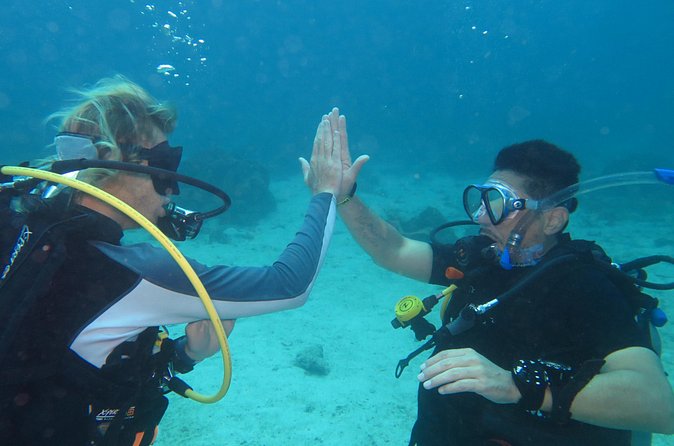
This course suits you if you want a proper beginner qualification rather than a one-off underwater introduction. It is also a good match if you appreciate close instruction, prefer a small group, and can set aside three mornings and afternoons for training.
The course may work well for older beginners too. The experience of learning at almost 60, with patient instruction from Yuan, suggests that age alone should not put you off. You still need to meet the health requirements and feel able to take part in the practical work.
It is less suitable if your holiday schedule is packed, your hotel is not covered by pickup, or you need a flexible cancellation policy. It also may not be right if you have a medical condition that has not been cleared by a doctor.
The course has earned a 5 out of 5 rating from 48 submitted ratings, with 100 percent recommending it. That is a strong signal, especially alongside praise for the instructors, boats, language support, lunch, and organization. I would still read those figures as evidence of a well-run experience, not a promise that every sea day will have perfect visibility or calm water.
Should you book the Koh Samui PADI course?
Book it if certification is your goal and you can protect three days for training. The best reasons to choose it are the maximum group size of four, the pool-first teaching plan, and the four boat sessions included over the final two days.
Before paying, check your medical suitability, hotel pickup, lunch arrangements, and flight timing. Plan it early in your stay in case weather changes the schedule. If you only want a brief taste of scuba, choose a shorter introduction instead. If you want a serious first qualification with close instruction on Koh Samui, this course offers solid value despite its high price.
FAQ
How long does the PADI Open Water course take?
The course takes approximately three days. Day one covers confined-water training in a pool, while days two and three include boat trips for four open-water sessions.
What time does the course start?
The advertised start time is 8:00 am.
Is hotel pickup included?
Hotel pickup and drop-off are included for selected hotels. You should confirm that your Koh Samui accommodation is within the pickup area before booking.
Can I complete the theory before arriving?
Yes. The course includes PADI e-learning through a downloadable app, which you can complete at any time before the practical training.
How many people can join the course?
The activity has a maximum of four participants.
Can I fly soon after the course?
Flying within 18 hours of scuba activity is not recommended. You should leave at least 18 hours between your final underwater session and your flight.
More three-day trips in Thailand
- Become certified diver in 3 days – PADI Open Water Diver course on Koh Tao
★ 5.0 · 104 reviews - 3-Day PADI Open Water Diving Course in Dubai
★ 5.0 · 173 reviews - Hurghada: 3-Day PADI Open Water Diving Course
★ 4.6 · 78 reviews - 3-Day Freediving Level 1 Course
★ 5.0 · 54 reviews
Newest dives added in Thailand
- Phuket Scuba Diving Maiton Private Island Small Group or Snorkel★ 5.0 · 9 reviews
- From Pattaya: Snorkeling or Beginner Scuba Diving Tour★ 4.1 · 68 reviews
- Krabi: Freediving and Snorkeling at Yawasam and Talu Island★ 3.9 · 38 reviews
- Phuket: Racha Island Snorkeling or Scuba Diving Tour★ 4.3 · 70 reviews
- Freediving in Phuket – SSI – AIDA – Molchanovs – PADI★ 5.0 · 26 reviews
- SSI | Padi Open Water Course in Phuket★ 5.0 · 66 reviews
- Scuba Diving Kata Beach Night Dive for Certified Divers★ 4.5 · 14 reviews
- Koh Samui 2-Dive Trip to Sail Rock for certified divers★ 5.0 · 89 reviews
PADI Courses & Certification, compared.
Tossa de Mar: PADI Discovery Scuba Diving in Costa Brava
Read our review →
Full-Day Beginner Scuba Course with Private Tuition, Racha Yai
Read our review →
Heraklion: Beginner Scuba Diving Lesson with PADI Instructor
Read our review →
Discover Scuba Diving with No Certification in St Thomas
Read our review →
Try Dive – PADI Discover Scuba Diving in Tenerife
Read our review →
Browse the lists this dive appears in