
Reviewed · SCUBA DIVING FOR BEGINNERS
First-Time Scuba Diving in Honolulu + Free Videos
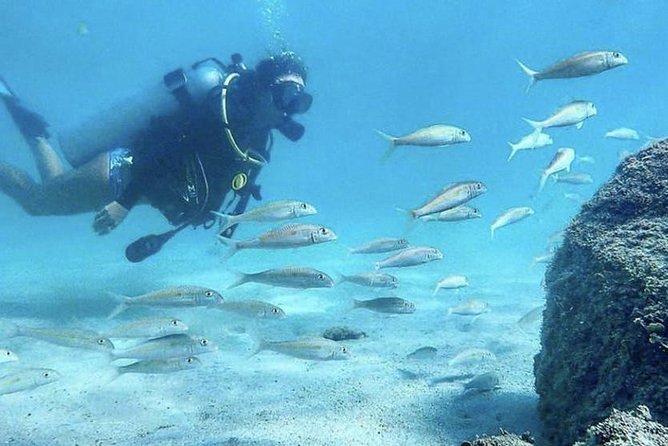
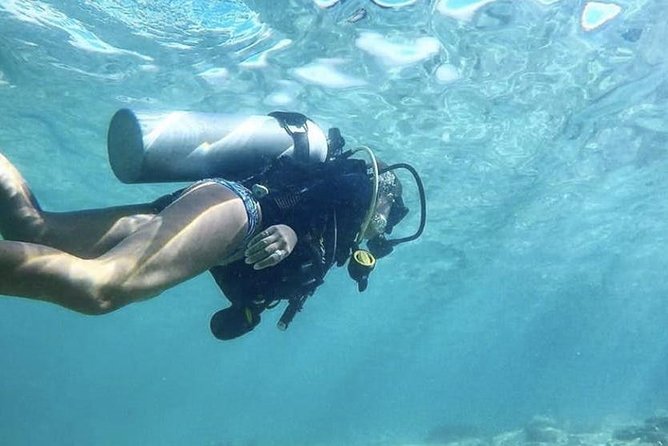
Honolulu’s Magic Island Lagoon gives you a gentle first taste of scuba without certification. You begin in waist-deep water, learn the equipment, and move toward a maximum depth of about 15 feet while your instructor stays close. Look for tropical fish, sea stars, octopuses, and other small marine life.
I like the small-group format and the patient, hands-on coaching from guides such as Alex, Nick, Danny, and Rida. I also like that your underwater photos and video are included, so you leave with more than a memory. The main caution is that this is a short, protected-water introduction, not a full open-ocean scuba trip, and water clarity or wind can change the experience.
Key points to know before you book
- No certification or swimming experience is required, but you must feel comfortable in the water and manage the equipment physically.
- Magic Island Lagoon is calm and shallow, making it a sensible setting for nervous beginners and families.
- Your maximum depth is about 15 feet, so this is an introduction rather than a serious underwater expedition.
- Guides stay with you underwater, offering patient help with masks, fins, breathing, and confidence.
- GoPro photos and video are included, usually sent by AirDrop before you leave.
- The session costs $89 and lasts about 90 minutes, with no hotel pickup or private option.
A gentle first step into Honolulu’s underwater world
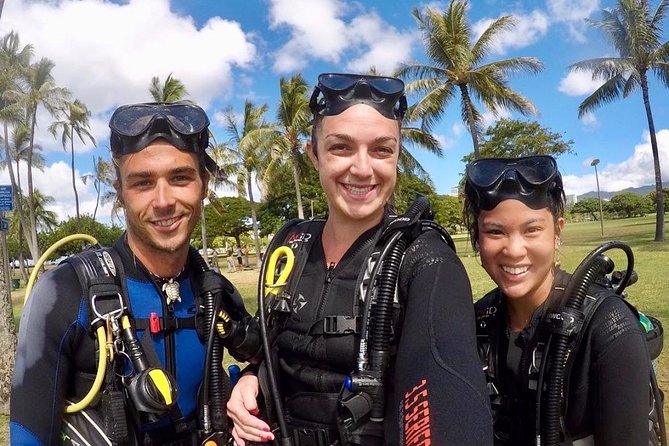
This experience is built around one simple idea: let you try scuba in a controlled place before committing to a certification course. You meet at Magic Island Lagoon, at Ala Moana Beach Park, then work through the gear and basic safety points on shore.
You do not need prior scuba training. You do need to be comfortable in the water, able to walk while carrying or wearing equipment, and in moderate physical condition. The experience is not aimed at people seeking a long, technical ocean excursion. It is for the curious beginner who wants to know what breathing underwater feels like.
The protected lagoon matters. Waves, current, and open-water nerves can make a first session feel like a lot. Here, you have a calmer place to get used to the mask, fins, regulator, and air tank. The guide can watch your comfort level closely and help you take the next step at a sensible pace.
Some sessions appear to be very small, with one family describing a group of four. The booking limit is 16 people, so the exact size can vary. If you want the most personal attention possible, an early or less busy time may be worth requesting, though a private session is not offered.
More Scuba Diving for Beginners in the USA
- Beginner Scuba Diving Experience with Video Package in Honolulu
★ 5.0 · 877 reviews - Beginner Scuba Dive in Lahaina: Swimming Required
★ 5.0 · 219 reviews - Beginner Scuba Diving Experience With Videos in West Palm Beach
★ 5.0 · 206 reviews
Meeting at Magic Island Lagoon
Your meeting point is Magic Island Lagoon in Honolulu, with the activity ending at the same place. Hotel pickup and drop-off are not included, so plan your own way there and allow time to find the beach meeting area.
At the start, you are fitted with a wetsuit and scuba equipment. The fitting is not a throwaway step. A mask that leaks, fins that rub, or equipment that feels awkward can make a first attempt much harder than it needs to be. Tell the guide right away if something feels wrong.
The safety talk covers how to use the equipment and what to do in the water. The best part of this format is that you are not expected to understand everything at once. You can ask questions on shore, then repeat the basic skills in shallow water before moving farther out.
Guides named in the feedback include Alex, Nick, Danny, Dan, Rida, Reda Omar, and Aleksander. Their teaching styles may differ, but the strongest pattern is patient support for nervous beginners. Alex is repeatedly praised for calm instructions and good underwater help. Nick is noted for keeping families comfortable and staying alert to their safety. Danny is described as friendly and patient, while Rida is praised for making a first session feel safe.
That personal attention is important. Breathing through a regulator can feel strange, and many first-timers need a few minutes before their body relaxes. You can expect the guide to stay with the group and check that you are managing before moving on.
Building confidence in waist-deep water
The first water stage takes place in shallow water. You get used to putting your face below the surface, breathing through the regulator, and moving with fins. This is where the activity earns its beginner-friendly reputation.
You do not need to be an expert swimmer, and the information specifically says no swimming experience is necessary. Still, you must be comfortable in the water. That distinction matters. If you panic when your face is underwater or dislike being surrounded by water, the equipment and close supervision may not remove that discomfort.
The guide can help you adjust your mask and fins and settle into a steady rhythm. One participant described having trouble with a mask and fin, but said Aleksander remained patient and helpful. That is the kind of problem-solving you want in a first lesson.
Once you are ready, the group moves into deeper water. The maximum depth is around 15 feet, which keeps the session within a manageable range. You are not descending into a dramatic reef wall or traveling far from shore. Instead, you are practicing basic movement and looking at nearby marine life while your guide stays close.
The timing can feel short. One family reported entering the water around 8:45 a.m. and returning about 9:05 a.m., while another person called the underwater portion very brief. The full activity lasts about 90 minutes, but that includes changing, instruction, equipment fitting, and getting into the water. Book this for the first experience, not for a long underwater outing.
What you may see below the surface
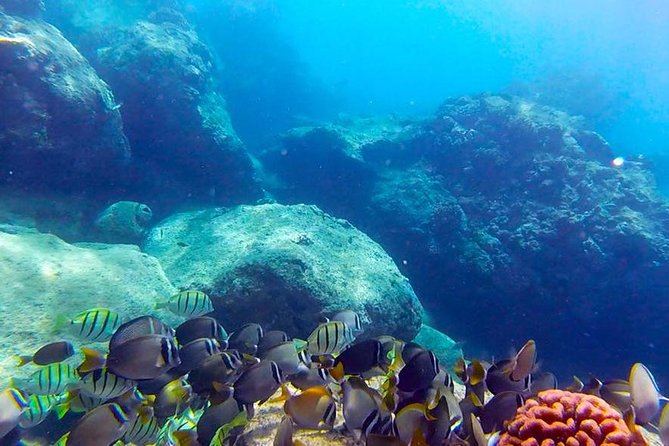
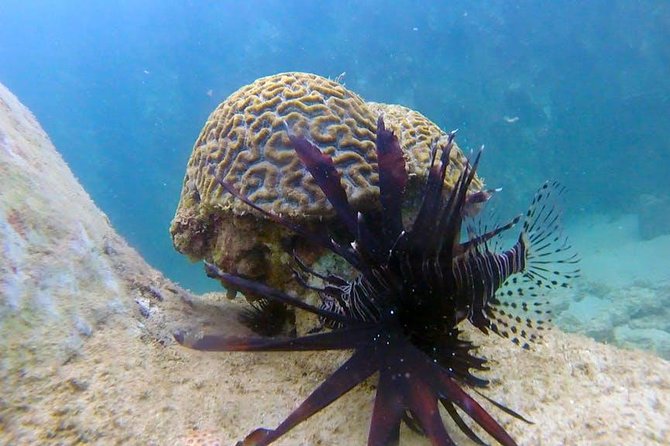
The lagoon can offer a surprising amount to look at. The listed marine life includes green sea turtles, octopuses, sea stars, tropical fish, and other small Pacific creatures. Individual sightings vary, and you should not treat any particular animal as guaranteed.
Several people describe seeing starfish and many kinds of fish. Others mention corals, sea cucumbers, boxfish, jellyfish, and dolphins. Those sightings show the range of possible encounters, but conditions, timing, and luck matter. One guide pointed out a starfish for a participant to hold, though you should follow the instructor’s directions and avoid handling marine life unless specifically told it is appropriate.
The earliest session may offer better conditions for spotting marine life, according to the practical advice given during one morning visit. Early starts can also help you avoid losing time to changing weather and wind. Even so, visibility is not fixed. Wind and water clarity can affect the outing, and plans may change if conditions are poor.
One unusual point is that descriptions of the setting differ. Most of the experience is presented as a calm lagoon session, while one unhappy participant described a small, murky pool separated from the sea. That may reflect a particular water condition, a changed operating area, or a different understanding of the site. I would set expectations at lagoon scuba with variable clarity, not guaranteed clear tropical water.
Another way to get in the water in the USA:
- Oahu Shark Dive
★ 5.0 · 2,903 reviews - Oahu: Shark Cage Dive on the North Shore
★ 4.8 · 1,485 reviews - Shark Cage Diving on Oahu’s North Shore
★ 5.0 · 1,391 reviews - Safe and Educational Shark Dive from Haleiwa: Sharks Guaranteed
★ 5.0 · 553 reviews
The value of the free underwater video
The included GoPro video is one of the best practical extras. You do not have to hold a camera while learning to breathe and move underwater. Your guide handles the filming and takes pictures during the session.
Photos and video are commonly sent by AirDrop before you leave. That is useful if you want a quick record for family or social media, and it helps you remember the parts of the session that are hard to describe later. For a first-time activity, having footage of yourself underwater can make the $89 price feel more worthwhile.
There is one important limitation: the video is complimentary, and if the camera malfunctions, there is no refund for the tour. Treat the footage as a bonus rather than the main product. You are paying for the instruction, equipment, and guided water experience first.
The camera can also shape the session slightly. Your guide may pause to record you or point out something worth filming. That can be fun, but it should not replace safety or careful supervision. The strongest feedback puts the emphasis on patient instruction, with the media as an added benefit.
Is $89 a fair price?
At $89 per person, the cost is reasonable for a short beginner lesson that includes equipment, a professional guide, and underwater media. You do not need to rent a wetsuit, mask, fins, or air tank separately. You also do not need to pay for a certification course just to find out if scuba suits you.
The value depends on your goal. If you want a long session in clear offshore water, this will feel limited. The maximum depth is about 15 feet, the water time may be brief, and the setting is a protected lagoon rather than a remote reef.
If you want a low-pressure introduction, the price makes more sense. You get a safety lesson, supervised practice, a chance to see local marine life, and a video to take home. For families, the activity can be a useful way to test a child’s interest before spending much more on formal certification.
The experience is not private. The maximum booking size is 16, though some sessions are much smaller. If you need one instructor dedicated only to your party, this is not the right format.
Who will enjoy this most?
I would choose this for a first-timer, a nervous beginner, a family with older children who meet the physical requirements, or someone who tried scuba before and wants a simple refresher. Several parents describe successful sessions with children, including a 10-year-old, and the calm water helped them feel secure.
It also works for a solo visitor. You do not need to bring a partner, and the group format gives you instruction without the cost of a private activity. People with moderate experience may enjoy it as an easy practice session, but seasoned scuba users may find the depth and length too limited.
You should be able to walk while wearing the equipment. Prescription glasses cannot be worn under a scuba mask. Contact lenses are allowed, and you can also go without glasses because objects appear about 25 percent closer and larger underwater.
The activity allows service animals, is near public transportation, and confirms your booking at the time of purchase. It does not include hotel transportation, so those details matter when planning your morning.
Timing, weather, and practical planning
The full experience takes about one hour and 30 minutes, but plan for changing, instruction, water practice, and return to the beach. If you have a tight schedule, leave extra time around the session rather than booking another activity immediately afterward.
Do not plan to fly within 12 hours after scuba. That restriction is worth taking seriously when arranging an airport day or inter-island flight. A morning session may fit better on a day before flying, but you still need to follow the stated interval.
Weather can affect the activity. If poor conditions cause cancellation, you are offered another date or a full refund. If you cancel yourself, you need to do so at least 24 hours before the start time for a full refund. Changes or cancellations inside that window are not accepted and are not refunded.
Bring a way to manage your phone and personal items at the beach, though the supplied information does not specify storage. If you wear contacts, use them instead of prescription glasses under the mask. Most of all, arrive ready to listen and speak up if the gear does not fit properly.
My verdict on this Honolulu scuba session
I would book this if you want a short, supervised first taste of scuba and like the idea of leaving with free underwater video. The strongest part is the human instruction. Guides such as Alex, Nick, Danny, and Rida are repeatedly associated with patience, clear directions, and steady support for people who feel anxious.
I would not book it if your priority is a long, clear-water ocean trip, guaranteed turtle sightings, or a private instructor. The lagoon can be murky, water conditions can change, and the underwater portion may feel brief.
For $89, this is a sensible entry point. Keep your expectations focused: you are learning the basics in shallow, protected Honolulu water, not completing certification or exploring a deep reef. If that sounds like the right first step, the included equipment and video make the price appealing.
FAQ
Do I need scuba certification?
No. The activity is designed for people without prior certification and includes instruction and a safety lesson.
Do I need to know how to swim?
No swimming experience is required, but you must be comfortable in the water.
How deep does the session go?
The maximum depth is around 15 feet.
Where does the activity meet?
You meet at Magic Island Lagoon in Honolulu, at Ala Moana Beach Park.
Where does the activity finish?
It ends back at the meeting point.
Is hotel pickup included?
No. Hotel pickup and drop-off are not included.
Is scuba equipment provided?
Yes. The tour includes the scuba gear and other required equipment, along with a wetsuit fitting.
Are underwater photos and videos included?
Yes. Complimentary GoPro photos and video are provided. If the camera malfunctions, there is no refund for the tour.
Can I wear prescription glasses under the mask?
No. Prescription glasses cannot be worn under the scuba mask. Contact lenses are allowed, or you may go without glasses.
Can I fly after the activity?
Flying within 12 hours after scuba is not recommended.
What happens if weather cancels the session?
You can choose a different date or receive a full refund if the activity is canceled because of poor weather.
What is the cancellation policy?
You receive a full refund if you cancel at least 24 hours before the start time. Cancellations or changes within 24 hours are not accepted and are not refunded.
Newest dives added in the USA
- Certified Divers: Best 2-Tank Wrecks & Reef Boat Dive All Inclusive From Waikiki★ 5.0 · 41 reviews
- One Tank Manta Night Dive and Snorkel★ 5.0 · 56 reviews
- Kauai’s Exclusive Morning Scuba Charter for Experienced Divers★ 5.0 · 47 reviews
- Kauai’s Ultimate Dive Boat Adventure (for CERTIFIED Divers Only)★ 5.0 · 84 reviews
- Certified Diver: 2-Tank Night Dive★ 5.0 · 61 reviews
- Maui Certified Shore Diving from Lahaina★ 5.0 · 107 reviews
- Snorkel Or Dive The Amazing Rainbow River Florida★ 5.0 · 116 reviews
- Half-Day Small-Group 2-Tank Scuba Dive in Key Largo (CERTIFIED DIVERS ONLY)★ 5.0 · 125 reviews
Scuba Diving for Beginners, compared.
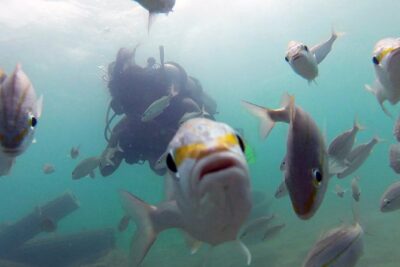
Beginner Scuba Diving with Turtles and Videos, San Juan
Read our review →
Intro Diving 2 Stops For Beginners with Pick-up and Lunch – Hurghada
Read our review →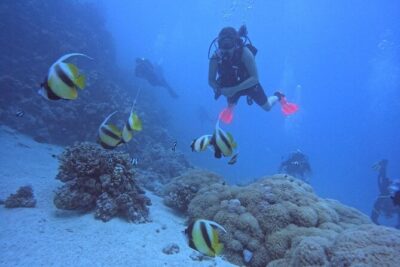
Intro Diving Beginner and Discover Red Sea Underwater
Read our review →
Beginner’s Dive at a Spot with Turtle Sightings
Read our review →
Scuba Diving Experience in Caldera for Beginners
Read our review →
Scuba Diving Full Day Boat Trip for beginners With Lunch & Transfer – Hurghada
Read our review →Browse the lists this dive appears in