
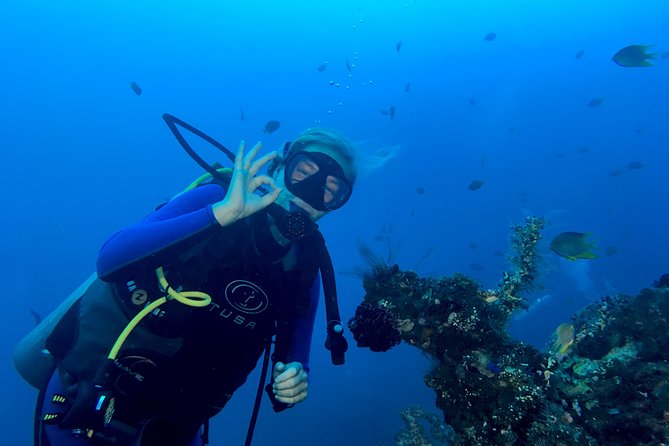
Reviewed · PADI COURSES & CERTIFICATION
Scuba Certification
Panama City Beach is a fine place to learn scuba because this three-day course moves from controlled pool practice to the Gulf. You learn beside a buddy, work through real safety skills, and finish with boat-based training that can reach about 60 feet. Instructor Damon Carter is patient but serious about getting each step right.
I like the small maximum group of six, which gives you room to ask questions and repeat a difficult skill. I also like that the fee includes equipment and that the certification is good for life and recognized by dive shops around the world.
The main catch is the physical and medical screening. You need moderate fitness, and a medical questionnaire may require a doctor’s approval before class. Bad weather can also change the final schedule.
Key details before you book
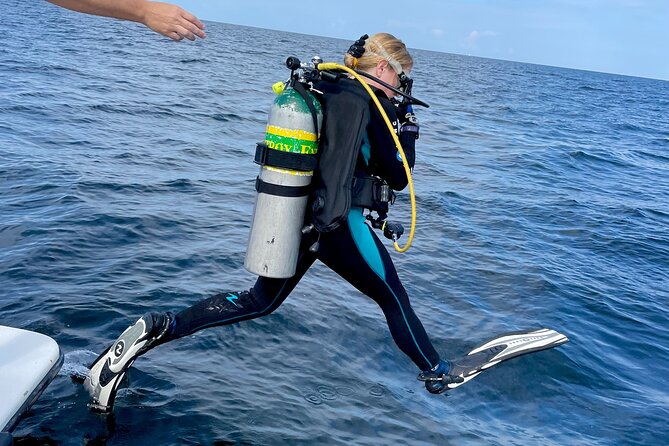
- Three days of progressive training: You move from pool skills to shore work and then offshore boat training.
- St. Andrews State Park: The park provides a practical setting for early open-water practice, including calm water near the jetty.
- Up to 60 feet: The course prepares entry-level certified divers to descend with a buddy to a depth of 60 feet.
- Equipment included: You do not need to assemble a full scuba kit before class.
- Small class size: No more than six people can join, a useful limit when you are learning mask clearing, buoyancy, and emergency procedures.
- Damon Carter leads instruction: His teaching style combines patience, repeated practice, and firm attention to safety.
What the three-day course actually teaches
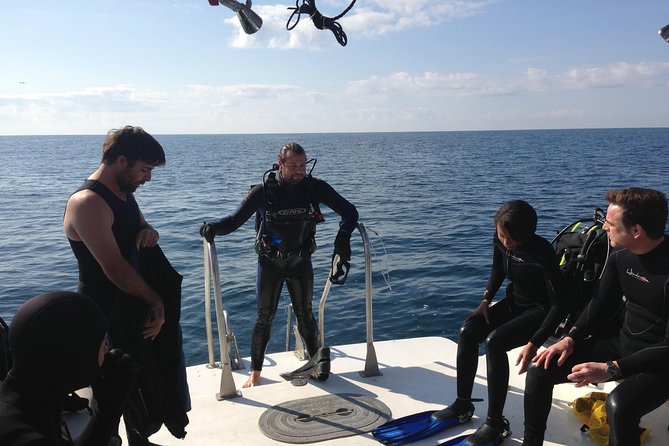
This is not a quick look beneath the surface. It is an entry-level certification course designed to give you the basic skills and judgment needed to use scuba equipment with a buddy.
The training follows a sensible order. You begin in a pool, where the setting is controlled and you can focus on breathing, equipment handling, and basic procedures without the distractions of waves or boat traffic.
Next comes practice from shore. St. Andrews State Park is the key local setting, and the water near the jetty can work well for getting used to the change from pool conditions to open water. You may first work in a shallow, protected area, then swim outside the jetty for more practical exploration.
The final stage takes place offshore from a boat. This is where the course begins to feel like real recreational scuba rather than a skills class. You learn to manage your equipment and your nerves in the Gulf, with the goal of safely reaching the course limit of 60 feet.
The structure matters. A beginner who starts in open water may spend too much energy worrying about the setting. Here, you build up gradually. If a mask-clearing exercise gives you trouble, you can repeat it before the setting becomes more demanding.
More PADI Courses in the USA
- Open Water Shark Dive
★ 5.0 · 185 reviews - Oahu Open Water Shark Diving Experience
★ 5.0 · 128 reviews - Open Water Scuba Certification
★ 5.0 · 81 reviews
St. Andrews State Park and the first open-water work
St. Andrews State Park is more than a meeting point. It is where the course connects classroom and pool practice with the conditions you will face as a certified diver.
The park’s jetty area has been used for skill work in what one instructor described as a kiddie pool, a protected place to refresh basic procedures. From there, you can move outside the jetty for a little exploration and a clearer sense of how your equipment behaves in open water.
That progression is useful if you are nervous. Water entering your mask, breathing through a regulator, and controlling your position can feel simple in theory but awkward at first. You want an instructor who lets you repeat the skill instead of rushing you onward.
Damon Carter receives especially strong praise for this part of the teaching. One student struggled with clearing a mask because water near the nose caused real discomfort. Carter practiced the skill several times until the student could complete it correctly twice. That detail tells you something important: the course is not built around checking boxes quickly.
You should still expect to work. The instructor may push you beyond your comfort zone, but the point is to build control rather than bravery for its own sake. If you cannot perform a basic task calmly, you are not ready to add more depth or more equipment.
The park setting also gives you a chance to see how the area supports local marine life. Carter is described as sharing information about the local environment as well as the mechanics of scuba. The focus remains certification, but the setting adds a sense of place.
From pool drills to the Gulf by boat
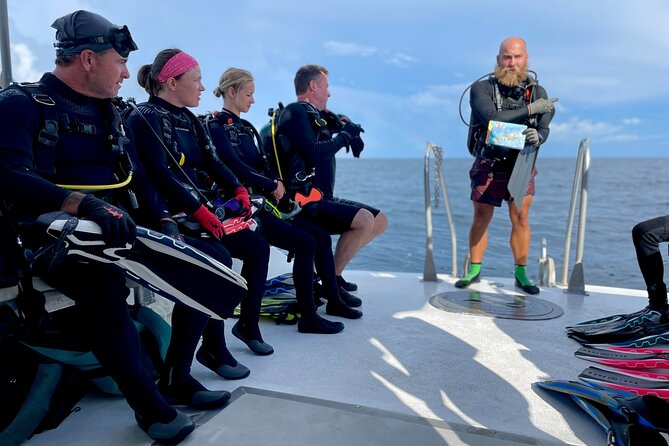
The boat portion is the moment many students anticipate most. It gives you the chance to apply the skills from the pool and shore in the Gulf, with deeper water and a more complete recreational scuba setup.
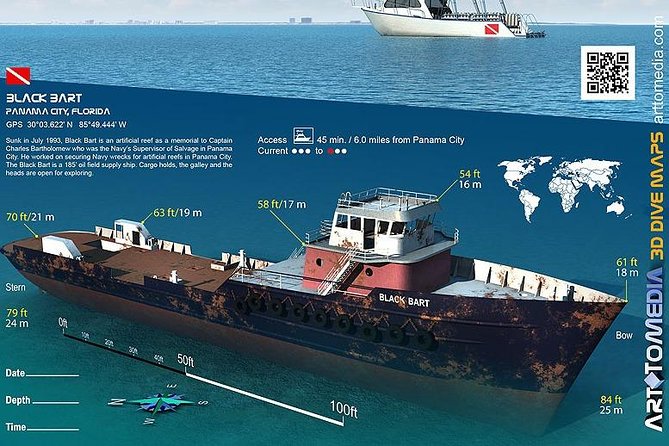
The course can include two separate boat descents on the final day. One reported class visited the Red Sea shipwreck off St. Andrews Bay, reaching roughly 60 feet. That kind of site can make the final training memorable, but the goal remains safe procedure, not sightseeing alone.
You will need to manage several things at once: your equipment, your buddy, your breathing, your position, and the instructions from the crew. That is why the earlier sessions matter. By the time you reach the boat, you have had a chance to make beginner mistakes in easier conditions.
The boat team also matters. Captain Mayday and Dive Master John are specifically praised for being friendly and professional, with a well-run operation. You should expect a crew that treats safety as part of the experience, not as a short speech before the fun begins.
Still, boat training can feel like a lot for a first-timer. You may be dealing with a new setting, a full kit, and the awareness that the bottom is much farther away than it was at the park. If you have never snorkeled or spent much time underwater, tell the instructor early. A good pace is more useful than pretending to be comfortable.
Why the small class size matters
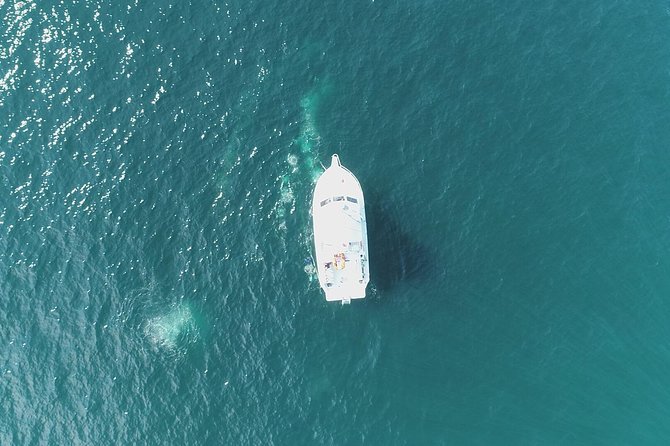
The maximum of six people is one of the strongest practical features here. Scuba instruction involves hands-on correction, and a crowded class can leave you waiting while someone else practices.
With a small group, you have a better chance to ask about a leaking mask, a confusing hand signal, or a skill that does not feel natural. You can also receive more direct attention when you are preparing for shore or boat work.
That does not mean every minute is private instruction. You are still part of a class, and the pace must work for the whole group. But six people is a manageable number, particularly when everyone is learning equipment checks and buddy procedures.
The course appears well suited to families, couples, and small groups who want to earn certification together. One class included a parent and daughter, and the instructor adjusted the training pace so the group could learn comfortably while still following proper procedures.
More Scuba Diving in the USA
- First-Time Scuba Diving in Honolulu + Free Videos
★ 5.0 · 3,123 reviews - Oahu Shark Dive
★ 5.0 · 2,903 reviews - Oahu: Shark Cage Dive on the North Shore
★ 4.8 · 1,485 reviews - Shark Cage Diving on Oahu’s North Shore
★ 5.0 · 1,391 reviews
Equipment is included, but fit still matters
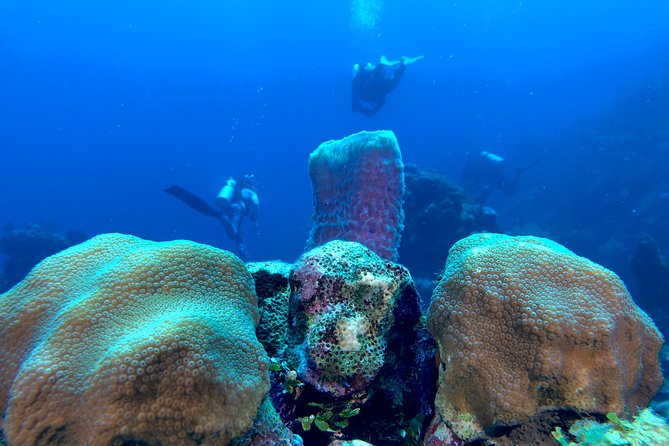
The $567.75 price includes all equipment, which makes the cost easier to judge. You are paying not just for access to water, but for three days of instruction, pool and open-water training, crew support, and the gear needed to complete the course.
That is a fairer value than comparing the fee with a short introductory swim. A certification course has lasting use: the credential is good for life and recognized by dive shops worldwide. You can use it as a starting point for future recreational scuba, though additional experience and training may be sensible before attempting more demanding sites.
Included equipment also lowers the barrier for a beginner. You do not need to buy a mask, regulator, buoyancy equipment, or other essentials before knowing whether scuba suits you.
Even so, fit matters. A mask that leaks can turn a simple exercise into a miserable one. Carter helped one student find a mask that fit better, and the difference was significant enough that the student bought it after class.
You might not need to purchase anything beyond the course. But if you do decide to buy a mask, ask for help with fit rather than choosing by appearance. You can also ask about defogging methods, since the instructor is willing to explain alternatives to standard defog products.
Safety, confidence, and the right amount of pressure
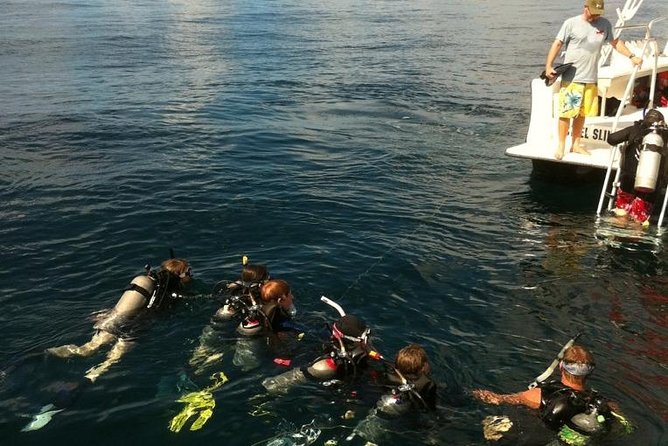
The strongest part of this course is the balance between encouragement and safety. Carter is described as easygoing and personable, but he does not treat scuba as a casual game.
That balance is valuable. You want to enjoy the Gulf, but you also need to understand buddy procedures, equipment checks, and how to respond when something feels wrong. A calm instructor can keep a nervous student from giving up, while a serious instructor makes sure confidence does not become carelessness.
One student became frightened during a Gulf session. Carter stayed calm, helped the student work through the problem, and supported a return to the water. That is exactly the sort of moment that can shape your future relationship with scuba. A difficult experience handled well can teach you to pause, signal, and solve the problem rather than panic.
You should not read that as a promise that every concern will disappear. Water confidence develops at different speeds. If you dislike water on your face, have little swimming experience, or feel anxious about depth, expect to spend more energy on the basic skills.
The good news is that the course is designed for people starting from zero. Prior snorkeling or scuba experience is not listed as a requirement, and the instruction begins with the fundamentals.
Timing, meeting point, and physical demands
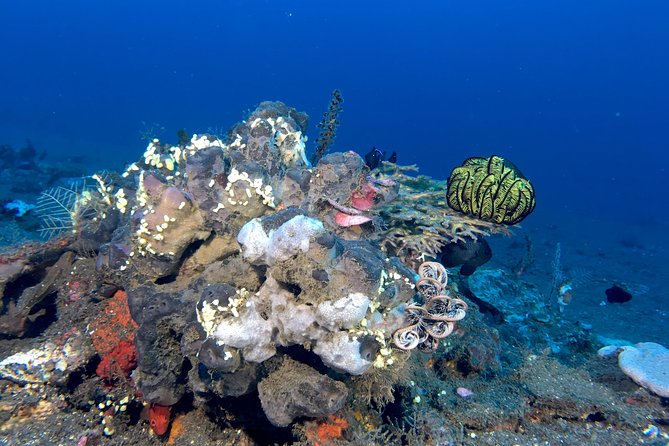
The course starts at 8:00 a.m. at 106 Thomas Drive in Panama City Beach and returns to that meeting point when the activity ends. Plan your day around an early start and a schedule that fills much of three days.
The exact order of activities may depend on conditions, class progress, and weather. The published structure is pool, shore, and boat work, but the Gulf portion can be affected by poor weather. If conditions cancel the activity, you are offered another date or a full refund.
You need a moderate level of physical fitness. Scuba gear can feel cumbersome, and you must be comfortable moving through water while managing equipment. The information provided does not set out a detailed swimming test, so ask the operator about any personal concerns before booking.
You also complete a medical questionnaire. Some answers may require approval from a doctor before you can take the course. Do not leave this until the morning of class. A medical clearance issue can affect your ability to participate, and it is better to resolve questions early.
Confirmation is provided when you book. The course is offered in English and uses a mobile ticket, so keep your booking information available on your phone.
Who will get the most from this certification
I would choose this course if you want a real open-water credential rather than a one-time underwater activity. The lifetime certification gives the price lasting value, especially if you expect to use dive shops in other destinations.
It is also a good fit if you learn best through patient, practical coaching. Damon Carter’s approach appears suited to people who need a skill explained more than once, including beginners who feel embarrassed about mask clearing or anxious in the Gulf.
Families and small groups should also consider it. The six-person limit can make a shared certification more manageable, and everyone can progress through the same three-stage format.
I would think twice if your schedule is rigid. This is a three-day commitment, and weather can change the boat portion. I would also reconsider if you are unwilling to complete the medical questionnaire or do not have the needed fitness level.
Finally, do not book this expecting a sightseeing cruise with a certificate attached. The wreck and Gulf training can be memorable, but you will spend time practicing procedures. That work is the reason the certification has value.
Booking, cancellation, and value
The cost is $567.75 per person. Because equipment is included and the course covers pool, shore, and boat training, I see it as a complete training package rather than an expensive single outing.
The strongest value comes if you plan to scuba again. A certification recognized by dive shops around the world can serve you for years, though you may want more practice before advanced or technical activities.
You can cancel for a full refund if you do so at least 24 hours before the 8:00 a.m. start time. Cancellations or changes made within 24 hours are not refunded or accepted. If poor weather forces the operator to cancel, you are offered another date or a full refund.
The course is booked an average of about 75 days ahead, so popular dates may require planning. That lead time also gives you room to handle the medical form and arrange three mornings in Panama City Beach.
Should you book Panama City Diving?
Book it if you want careful instruction, a small class, and a genuine path to open-water certification. The combination of pool practice, St. Andrews State Park, and boat training gives you a useful progression, while Damon Carter’s patient approach should help if you are new or nervous.
The key question is not simply Do I want to see underwater life? Ask yourself if you are ready to practice mask clearing, follow buddy procedures, manage equipment, and commit three days to learning. If the answer is yes, this course offers a practical and lasting way to begin scuba in Panama City Beach.
FAQ
How long does the scuba certification course take?
The course lasts approximately three days. Training includes pool work, shore practice, and offshore boat sessions.
How deep can I go after completing the course?
The training prepares entry-level certified divers to safely descend with a buddy to 60 feet.
Is scuba equipment included?
Yes. All equipment is included in the course price.
Where does the course begin?
The meeting point is 106 Thomas Drive, Panama City Beach, Florida. The activity ends back at the meeting point.
Do I need medical approval?
You must complete a medical questionnaire. Depending on your answers, a doctor’s approval may be required before class.
What happens if bad weather cancels the course?
You can choose a different date or receive a full refund if poor weather causes the activity to be canceled.
Newest dives added in the USA
- Private Scuba Diving Expert-Led Excursion Training with Tour★ 4.5 · 9 reviews
- Santa Fe Deep Dive History Walking Tour★ 4.5 · 14 reviews
- No Experience Required to Discover Scuba in Florida★ 5.0 · 51 reviews
- Small Group Guided Shore Dives in St. Andrews State Park, Florida★ 5.0 · 52 reviews
- 2 Tank Private SCUBA Party Diving Charter from Waikiki Hawaii★ 4.5 · 34 reviews
- Discover Scuba Diving in Hawaii – Non certified divers!★ 5.0 · 3 reviews
- Two Tank Wreck and Drift Dive in Oahu★ 4.5 · 7 reviews
- SCUBA Dive at Electric Beach with Photos -No Certification Needed★ 5.0 · 28 reviews
PADI Courses & Certification, compared.
Tossa de Mar: PADI Discovery Scuba Diving in Costa Brava
Read our review →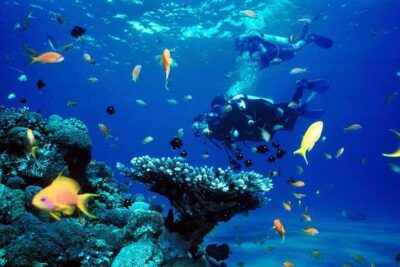
Full-Day Beginner Scuba Course with Private Tuition, Racha Yai
Read our review →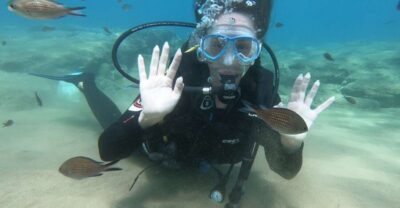
Heraklion: Beginner Scuba Diving Lesson with PADI Instructor
Read our review →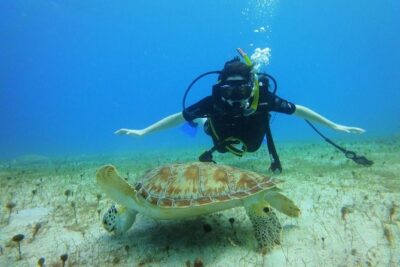
Discover Scuba Diving with No Certification in St Thomas
Read our review →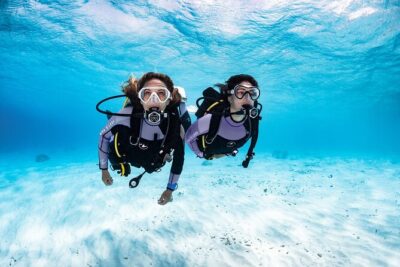
Try Dive – PADI Discover Scuba Diving in Tenerife
Read our review →
Browse the lists this dive appears in