Reviewed · SCUBA DIVING
Beyond Bouillabaisse: Diving into Marseille’s Multicultural Stew
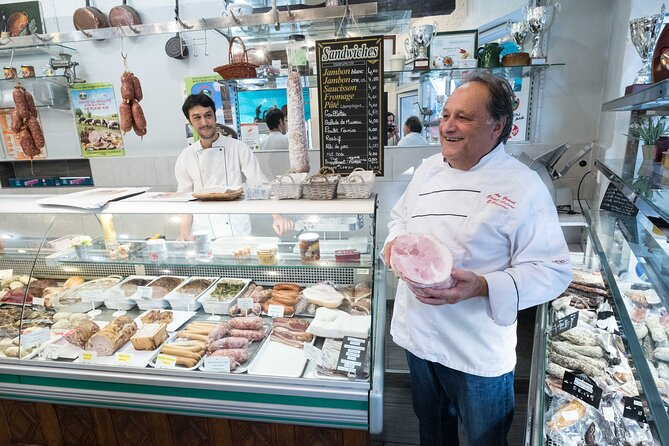
Marseille’s best food story is not limited to bouillabaisse. This five-and-a-half-hour walk traces the city’s Algerian, North African, Mediterranean, and Provençal influences through cafés, markets, spice shops, bakeries, and old harbor bars. You eat a lot, but the larger meal is the city itself: its migrations, neighborhoods, working-class traditions, and everyday connections.
I like the tiny group of no more than seven, which gives guides such as Coco, Séverine, Chloé, and Alexis room to answer questions and adjust the pace. I also like the practical advice you get along the way, including restaurant suggestions for the rest of your stay and personal help with transport if you are visiting from a cruise ship.
The main drawback is clear: this is a walking food tour, not a sit-down restaurant crawl focused on classic French cuisine. Some tastings are bread, pastries, vegetarian foods, and market bites, and one participant found the food less impressive than expected for the price. Come hungry, wear comfortable shoes, and know what kind of food experience you are booking.
Key details before you book
- A small group capped at seven: The size makes conversation easy and can give the walk a more personal feel.
- Two substantial food rounds: You will eat throughout the morning or afternoon, with enough food that breakfast is best kept light or skipped.
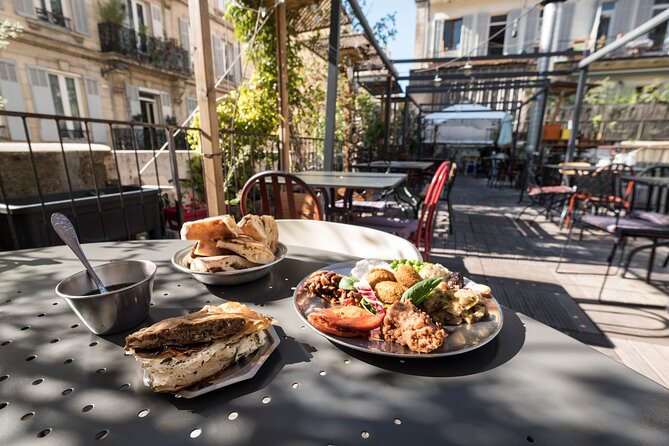
- A multicultural food route: Expect more than traditional French dishes, including Algerian flavors, North African tea, spices, seafood, wine, cheese, pastries, and unusual fruits or flowers.
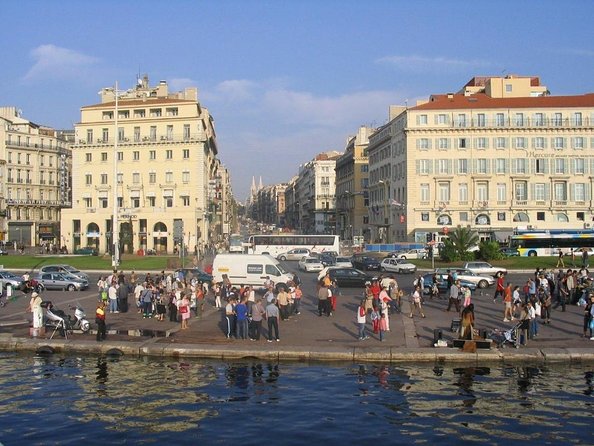
- Five stops from Saint-Charles to the Vieux-Port: The route doubles as a useful introduction to central Marseille.
- A guide-led city orientation: Coco, Séverine, Chloé, and Alexis have all led this experience, with history and neighborhood context woven between tastings.
- A one-way finish: The tour ends at the Old Port, not at the starting point, which is useful for further sightseeing but important to plan around.
Marseille on a plate, not just a seafood postcard
Marseille is often sold through its harbor, bouillabaisse, and sun-washed Provençal image. Those are real parts of the city, but they are only part of the story. This tour asks you to notice what happened when people arrived from Algeria, North Africa, Italy, and other parts of the Mediterranean, bringing recipes, religious traditions, market habits, tea rituals, and new ways to use local ingredients.
That focus makes the experience different from a standard French tasting tour. You may have fish, wine, and cheese, but you may also encounter mint tea, Algerian specialties, pastries, spices, fresh produce, and foods that do not fit neatly into a French category.
I think that is the tour’s greatest strength. Food becomes a simple way to understand how Marseille grew and changed. Instead of treating migration as a dry history lesson, the guide connects it to what you are holding, smelling, and eating.
The style is informal. You move between small businesses and neighborhood stops rather than sitting in one polished restaurant. That means the experience can feel more local and personal, though it also means the food is not always presented as a formal tasting menu.
More Scuba Diving in the world
- Great Barrier Reef Snorkeling and Diving Cruise from Cairns
★ 4.5 · 3,714 reviews - First-Time Scuba Diving in Honolulu + Free Videos
★ 5.0 · 3,123 reviews - Oahu Shark Dive
★ 5.0 · 2,903 reviews
Starting at Saint-Charles with an Algerian introduction
The meeting point is Place des Marseillaises, beside Gare de Marseille Saint-Charles. This is a practical place to begin because the railway station is one of the city’s major arrival points, and it immediately puts you in a part of Marseille shaped by movement and migration.
The first hour uses an Algerian delicacy to open the conversation about the city’s immigrant communities. This is a strong choice. You are not simply told that Marseille has North African connections. You begin tasting one.
The station area can feel more like a transport hub than a postcard setting, so do not expect a scenic opening. Its value is cultural and practical. You begin with the city’s modern identity rather than a quick tour of monuments.
If you are staying elsewhere in Marseille, the starting point is near public transportation. If you are arriving by ship, allow extra time. One cruise visitor had trouble after a taxi dropped the group well away from the meeting point, so confirm the exact location before leaving the port. The tour does not begin at the Vieux-Port.
Saint-Vincent de Paul and the sweet side of Provence
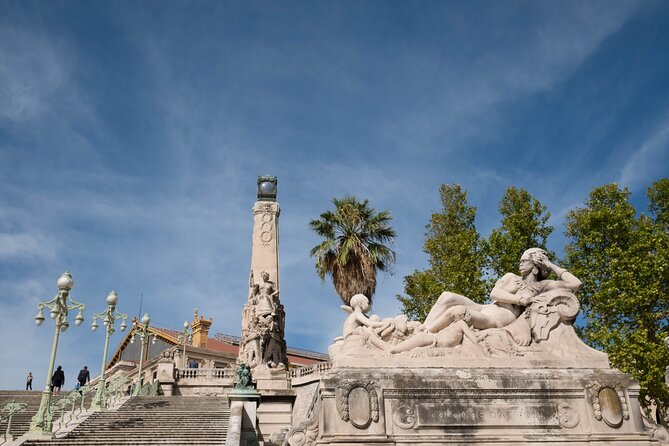
After the opening tasting, the route heads to Église Saint-Vincent de Paul, also known as the Réformés church. You spend about 30 minutes here, combining a look at the grand Gothic building with a stop at a classic café.
This is where the pace settles into the pattern that makes the tour work: walk, listen, taste, sit for a little while, then move on. You may have coffee and a croissant or Provençal biscuits, depending on the day’s food arrangements. One useful point is that you should not arrive after a large breakfast. The pastry and coffee can come early, and there is much more food ahead.
The church adds architectural context without turning the tour into a formal sightseeing lecture. You get enough information to understand the building and the surrounding district, then return to the more immediate pleasures of the café.
This balance of food, architecture, and local stories is one of the best features of the experience. The historical material does not stop the meal. It gives the meal a setting.
La Canebière, spices, and the everyday city
The next hour follows La Canebière, Marseille’s famous central boulevard. This is not just a street to cross on the way to lunch. It is a useful spine for understanding the city’s commercial life and changing population.
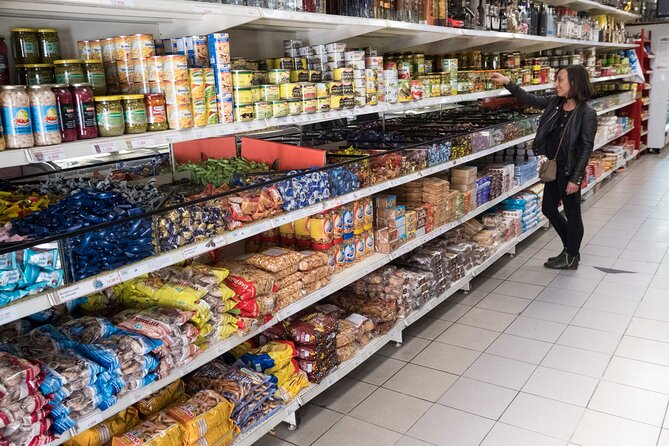
You visit a colorful spice shop and a market, where the food story broadens. Spices show how cooking traditions travel, adapt, and become part of daily life in a new place. The market adds the practical side: ingredients are not museum pieces here. They are bought, carried home, and used.
The route may include foods from several cultures, and the guide explains what you are eating rather than leaving you to guess. That is especially useful if you are unsure how to approach Marseille’s mixed food scene on your own.
This section also reveals a possible limitation. If you want a long, seated French meal with multiple seafood courses, you may find the market tastings too casual. The experience is built around small businesses and shared bites, not restaurant ceremony.
Another way to get in the water in the world:
- Silfra: Diving Between Tectonic Plates – Meet on Location
★ 5.0 · 2,139 reviews - Ocean Freedom Great Barrier Reef Luxury Snorkel and Dive Cruise
★ 5.0 · 1,895 reviews - Beginner Scuba Diving with Turtles and Videos, San Juan
★ 5.0 · 1,743 reviews - Tenerife: Your First Scuba Diving Experience in Turtle Area
★ 4.7 · 1,679 reviews
Marché de Noailles, the city’s pantry
Marché de Noailles is often called the belly of Marseille, and it is the tour’s most direct look at the city as a place where food cultures meet. The stop lasts about an hour, giving you time to wander among food stalls and absorb the smells, colors, and sounds of the neighborhood.
This is the point where the tour most clearly moves beyond the standard Provence itinerary. You are not being shown a preserved old quarter alone. You are seeing where people shop for ingredients tied to different parts of the Mediterranean and North Africa.
The guide helps you make sense of the variety. You might encounter unusual fruit, flowers, salts, spices, tea, or prepared foods. Several tastings may be vegetarian or based on bread and pastries. That can be a pleasure if you enjoy trying small, unfamiliar foods, but it is worth knowing in advance if you are hoping for a meat-heavy route.
One important practical point: bring comfortable shoes. The tour includes a good amount of walking, though stops for coffee, snacks, and meals break up the distance. The food keeps the route from feeling like a long city march, but your feet will still notice the half-day.
The Vieux-Port and a final apéro
The route ends at the Vieux-Port, Marseille’s boat-filled harbor. Here you learn how the port shaped the city before settling into an apéro, the French custom of a pre-dinner drink, in a former sailors’ bar.
This final stop gives the walk a satisfying change of mood. Earlier, you were moving through markets and commercial streets. At the harbor, you can connect those food traditions to the sea, trade, sailors, and the city’s long habit of receiving people from elsewhere.
The apéro is also useful for conversation. The small group format gives you time to talk with the guide and other people on the walk, rather than rushing from one tasting to the next. One of the pleasures of the tour is that the meal is social as well as edible.
Remember that the Vieux-Port is the endpoint. You will not be taken back to Place des Marseillaises. That is convenient if you want to continue around the harbor, visit nearby sights, or find dinner in the same part of town. It requires a little planning if you need to return to a hotel or cruise ship.
What you will actually eat
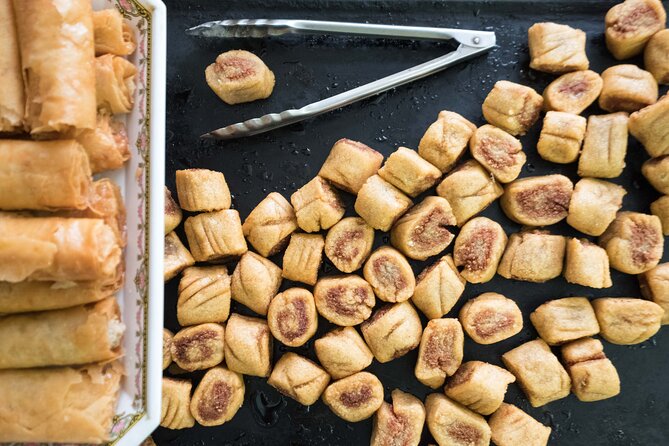
The exact food lineup can vary, so I would not book this expecting a fixed menu. The experience has included Algerian food, pastries, coffee, Provençal biscuits, mint tea, spices, seafood, wine, cheese, fruits, flowers, and foods from several immigrant traditions.
The quantity is a major feature. The tour description promises two full meals, and the practical advice from past participants is consistent: do not eat a large breakfast. You may finish with a full stomach even though much of the food arrives as separate tastings rather than one big plate.
This variety is exciting, but the price makes the food value worth considering carefully. At $160 per person, you are paying for much more than ingredients. The cost includes a half-day guide, access to small food businesses, neighborhood interpretation, and the ease of trying foods you might not order on your own.
Still, if your main goal is the largest possible amount of seafood or a formal restaurant meal, the value may feel less convincing. One person found the food ordinary and wanted more meat, seafood, and sit-down dining. That criticism is fair. This is a cultural food walk with generous tasting, not a luxury gastronomy tour.
The guides make the difference
The guide is central to the experience. Coco is described as warm, flexible, and easy to spend a day with. She has led groups through cafés, markets, bakeries, chocolate shops, spice sellers, and bars, adding architectural details and suggestions for places to eat later.
Séverine is another frequently named guide. Her strength is the personal connection she makes between food, people, and Marseille’s past. She has also helped cruise passengers arrange taxis at the end, though that sort of transport assistance should be treated as a kindness rather than a guaranteed transfer service.
Chloé has been praised for explaining immigration and the city’s changing communities in a relaxed way. Alexis is also named as a strong guide who adds value beyond the food itself.
You cannot necessarily choose among these guides when booking, so I would focus on the structure of the experience rather than trying to secure one specific person. The consistent pattern is that the guide is expected to do more than point out dishes. You get context, conversation, and suggestions for the rest of your visit.
Who will enjoy this most
I would book this early in a Marseille stay. It gives you a working map of central neighborhoods and a list of places you may want to revisit. It also helps you understand that Marseille is not simply Paris with sunshine or Provence with a harbor.
The tour suits you if you:
- Like trying foods you may not recognize.
- Want immigration and local culture explained through daily life.
- Prefer small groups to large bus tours.
- Enjoy walking between tastings.
- Want restaurant ideas for later.
- Have only one day in port and want a broad introduction.
You may want another experience if you:
- Need a low-walking activity.
- Want only classic French cuisine.
- Prefer a fixed menu and formal table service.
- Dislike shared snacks or market food.
- Expect a premium seafood tasting for the price.
The tour is offered in English, uses a mobile ticket, allows service animals, and is suitable for most people. It requires good weather and a minimum number of participants. Free cancellation is available up to 24 hours before the start time, while late cancellations are not refunded.
Is Beyond Bouillabaisse worth $160?
For me, the value depends on your priorities. If you see food as a way to understand a city, the price is reasonable for five and a half hours with a maximum of seven people, two substantial rounds of food, and a guide who can help shape the rest of your Marseille visit.
If you measure value only by the cost of the food served, you may be disappointed. Some tastings are modest, casual, or vegetarian, and not every stop is a sit-down restaurant. The route is strongest when you want a social, cultural introduction rather than a polished culinary performance.
I would book it for a first day in Marseille, especially if you are arriving by train or spending one day from a cruise ship. Come hungry, wear shoes built for walking, and expect the city’s many food traditions rather than a parade of French classics. If that sounds appealing, this is a smart way to get your bearings and eat your way into Marseille.
FAQ
How long does the tour last?
The experience lasts approximately 5 hours and 30 minutes.
Where does the tour begin?
It begins at Place des Marseillaises beside Gare de Marseille Saint-Charles in Marseille.
Where does the tour end?
It ends at the Old Port of Marseille, also called the Vieux-Port. It does not return to the starting point.
How many people can join?
The tour has a maximum group size of seven people.
Is the tour offered in English?
Yes. The tour is offered in English.
Should I eat breakfast before the tour?
A large breakfast is not advisable. The route includes pastries, coffee, and substantial food throughout the experience.
Can I cancel for a full refund?
Yes, if you cancel at least 24 hours before the experience start time. Cancellations made less than 24 hours in advance are not refunded.
Newest dives added in the world
- First Experience underwater. Try Scuba Diving★ 5.0 · 2 reviews
- Athens: Single or Double Scuba diving for certified divers★ 4.8 · 8 reviews
- Athens: Discover Scuba Diving Experience for Beginners★ 5.0 · 6 reviews
- Antalya Scuba Diving Tour, With Lunch & Return Transfers★ 4.3 · 8 reviews
- Antalya, Side and Alanya: Scuba Diving with Lunch & 2 Dives★ 4.3 · 16 reviews
- Aqaba Dive Adventure: Explore The Red Sea On A Tour★ 5.0 · 15 reviews
- Antalya/ Belek Scuba Diving Tour With 2 Time Dive & Lunch★ 4.2 · 11 reviews
- From Antalya| Kemer: Diving Tour with Experienced Instructor★ 3.5 · 4 reviews
Scuba Diving, compared.
Great Barrier Reef Snorkeling and Diving Cruise from Cairns
Read our review →
First-Time Scuba Diving in Honolulu + Free Videos
Read our review →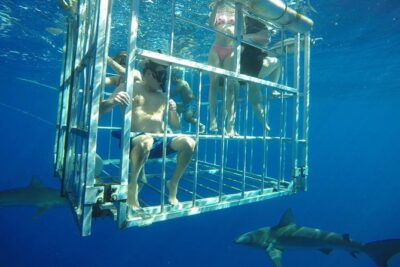

Diving Between Tectonic Plates – Meet on Location
Read our review →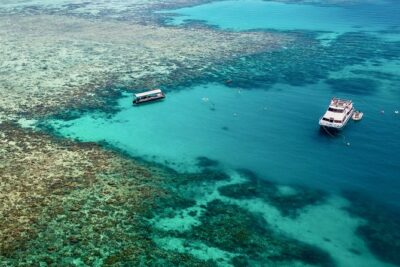
Ocean Freedom Great Barrier Reef Luxury Snorkel and Dive Cruise
Read our review →
Beginner Scuba Diving with Turtles and Videos, San Juan
Read our review →
Your First Scuba Diving Experience in Turtle Area
Read our review →