
Reviewed · WRECK DIVING
Wreck and Bridge Span Dive for Certified Divers
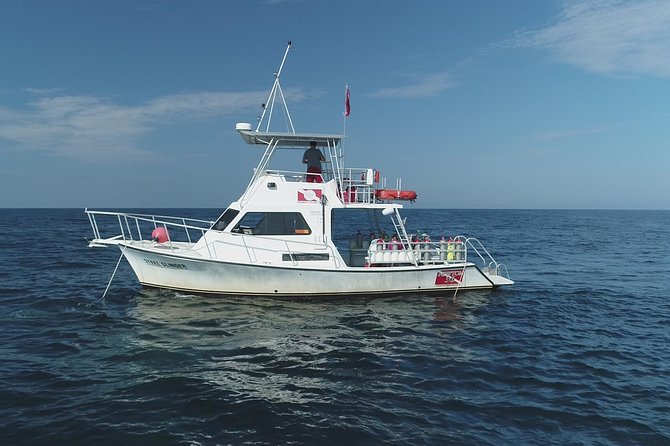
A shipwreck and an old bridge span give this four-hour Panama City Beach charter more variety than a single-site outing. You’ll visit two underwater structures at roughly 50 to 75 feet, where fish and other marine life gather around steel and concrete.
I like the small maximum group of 14 and the practical care from guide Ben and the boat captain. I also like that water, Gatorade, crackers, candy bars, and fresh fruit are ready between outings. The main consideration is that the bridge span may feel less rewarding than the wreck, and conditions can change after storms.
Key points at a glance
- Two underwater sites in one outing: Visit a shipwreck and a bridge span rather than spending the whole trip at one location.
- 50 to 75 feet deep: This is a certified scuba trip, not a beginner lesson or shallow sightseeing tour.
- Safety gets real attention: Ben and the captain help with equipment checks and make sure participants understand the site.
- Usually mild current: Visibility is often around 30 feet, though recent storms reduced it to roughly 15 to 25 feet on one trip.
- Useful refreshments included: Water, Gatorade, crackers, Snickers bars, and fresh fruit are available.
- Rental equipment costs extra: Lead weights are included, but the rest of your scuba setup is not part of the $115.36 price.
Two underwater structures off Panama City Beach
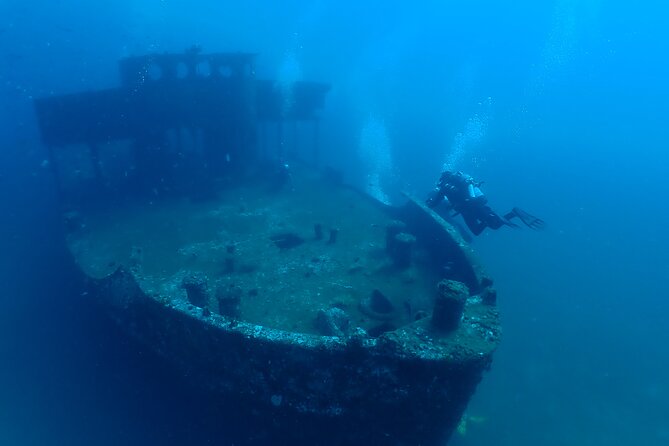
This outing is built around contrast. The first site is a shipwreck, where the shape of the vessel gives you something clear to explore. The second is a bridge span, an artificial reef structure that can attract marine life but may feel more open and less dramatic.
Both sites sit 50 to 75 feet below the surface. That depth matters. You need current certification, comfort with your equipment, and enough control to manage your air supply without the easy reference points found in shallow water.
The trip is not simply a boat ride to look at one sunken object. It gives you two chances to see how marine life uses man-made structures. Steel and concrete create shelter, surfaces for growth, and places for fish to gather. You might find one structure more interesting than the other, but the change of scenery helps keep the outing fresh.
The usual current is minimal, which is good news if you prefer to spend your time looking rather than fighting the water. Visibility is commonly about 30 feet, though that number is not guaranteed. After recent storms, one outing had visibility of only 15 to 25 feet. Plan around conditions, not brochure-perfect expectations.
More Dives for Certified Divers in the USA
- 2 Tank Lanai Cathedral Scuba Dive Via Boat for Certified Divers
★ 5.0 · 548 reviews - Certified Diver: 2-Tank Deep Wreck and Shallow Reef Dive Off Oahu
★ 5.0 · 331 reviews - Certified Diver: 2-Tank Shallow Reef Dives off Oahu
★ 5.0 · 278 reviews
Meeting at Panama City Diving on Navy Boulevard
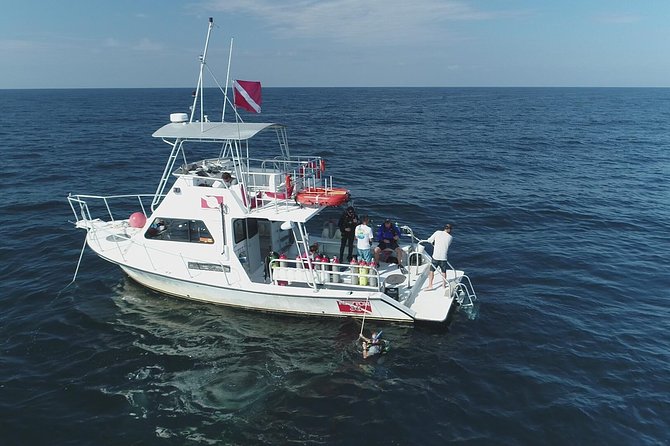
You meet at Panama City Diving, located at 106 Navy Blvd, Panama City Beach, Florida 32408. The activity begins and ends at this same point, so you do not need to arrange a separate return transfer from the boat.
Confirmation arrives at booking. A minimum of four people is needed for the charter to run, and the maximum group size is 14. That range gives you a useful middle ground. It is not a private trip, but it is also not a huge boatload where personal guidance becomes difficult.
I would arrive ready to handle the basic setup process without expecting a long classroom course. You must show proof of scuba certification, and every participant needs to be prepared for open-water conditions at moderate depth.
The boat captain and Ben pay close attention to setup. That is especially helpful if you are traveling alone, using rental equipment, or bringing gear you have not assembled recently. One strong point here is that the crew assists with both rented equipment and personal equipment if you are unsure how to put something together.
That does not remove your responsibility. You should know your own equipment, certification limits, and air planning. Still, having an attentive crew nearby can make the morning calmer and help you catch a setup problem before leaving the dock.
The shipwreck gives the outing its strongest focus
The wreck is likely to be the main attraction for most people. A shipwreck offers a defined shape and a sense of discovery that an open reef often lacks. You can examine the structure, look for marine life around its surfaces, and use the site as a natural focus for your underwater time.
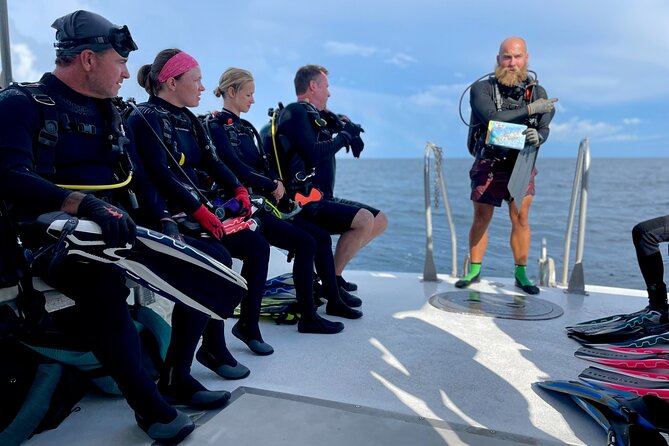
The wreck is also where the guide’s site briefing matters most. Ben helps explain what to expect and keeps attention on safe movement around the structure. You should listen carefully to any instructions about depth, buoyancy, air supply, and staying with the group.
This is not presented as a technical wreck trip. The supplied information does not promise penetration, interior access, or advanced wreck training. Treat the vessel as an underwater structure to observe from the outside unless the crew gives you other instructions.
That approach suits certified participants who want something different from a standard reef visit. You get an artificial habitat with recognizable features, plus the quiet satisfaction of exploring a piece of maritime material that now supports sea life.
Expect the experience to depend on visibility. With 30 feet of visibility, you can get a useful sense of the wreck’s shape. With 15 to 25 feet after a storm, the structure may appear in pieces as you move around it. That can still be interesting, but it will feel less like a wide panoramic view.
The bridge span adds a second kind of reef
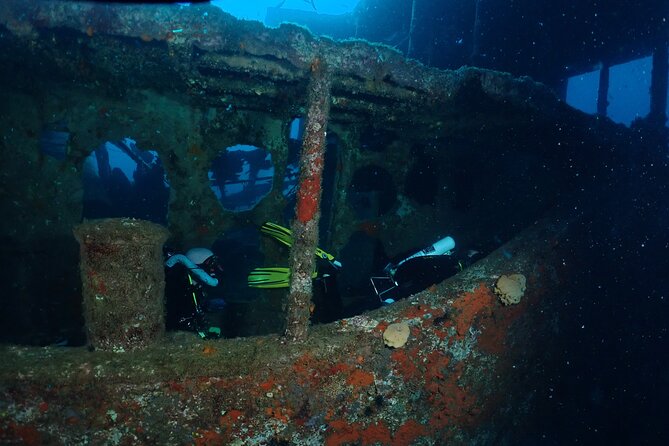
The bridge span provides a useful comparison. Unlike a shipwreck, it may not have the same visual story or dramatic outline. It is an artificial reef structure, and its appeal comes more from the way marine life uses the supports and surfaces.
I would set expectations carefully here. One part of the experience may feel excellent while the bridge span feels merely worthwhile. That is not a flaw in the entire trip. It is simply a reminder that underwater sites vary, even when they are close to one another.
Look for the small details. Structures can hold fish and other wildlife in places that seem plain at first glance. The crew also uses the site to explain what you are seeing, which gives the bridge span more purpose than a quick swim past concrete.
The second site also gives you another chance to settle into your gear. If the first outing takes time to get comfortable with buoyancy, breathing, or visibility, the bridge span may feel easier. If the wreck uses most of your attention, the second stop lets you enjoy the water with a better sense of the plan.
The trip works best when you value variety rather than demand that both sites be equally spectacular. The wreck is the stronger visual draw. The bridge span is the quieter part of the day, with possible rewards in the marine life gathered around it.
More Wreck Diving in the USA
- Waikiki 2 Tank World Class Wreck SCUBA Diving – Certified Only
★ 4.5 · 205 reviews - Certified Divers: Best 2-Tank Wrecks & Reef Boat Dive All Inclusive From Waikiki
★ 5.0 · 41 reviews - Private Diving at Zenobia Wreck in Larnaka
★ 5.0 · 369 reviews - Bali Diving for Beginners: Tulamben Liberty Wreck
★ 5.0 · 367 reviews
Safety help from Ben and the captain
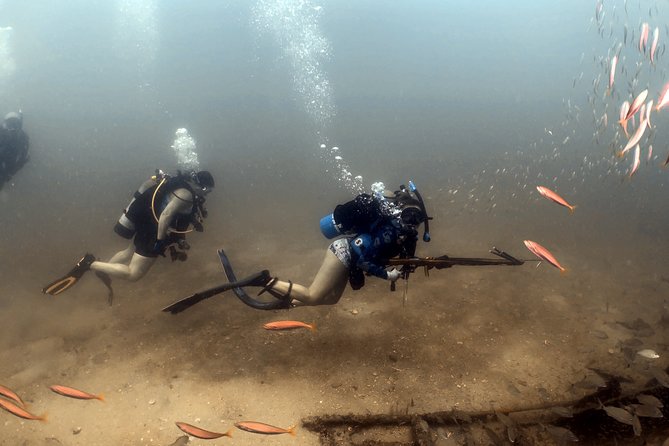
Safety is the most consistently praised part of this experience, and that is exactly what you want from an underwater charter. Ben takes time to help less experienced certified participants, while the captain also checks that people understand their equipment and the plan.
That matters if you are newly certified. A certification card proves training, but it does not guarantee that every participant feels equally relaxed in deeper water or around a wreck. A patient guide can help you organize your equipment, understand the site, and avoid rushing into the first descent.
I like that the crew does not limit its attention to rental equipment. If you bring your own setup but are uncertain about assembly, you can ask for help. You remain responsible for knowing your gear, but a second set of eyes is useful.
The phrase less experienced does not mean unprepared. You still need a moderate level of physical fitness, proof of certification, and the ability to manage a 50 to 75-foot open-water outing. If you are anxious about depth, have not used your equipment recently, or are returning to the sport after a long break, tell the crew before leaving.
The minimal current is another comfort. It can make it easier to keep position and watch the structures without excessive effort. Conditions can shift, though, and reduced visibility after storms is a good reminder that the sea sets the schedule.
What is included for $115.36
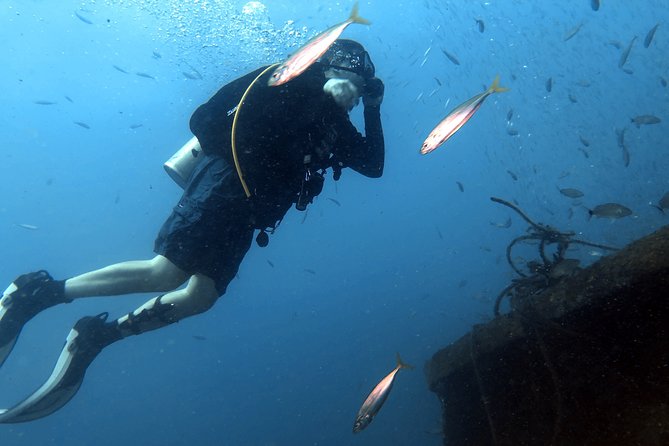
The price is $115.36 per person. For a roughly four-hour charter with two sites, that is a reasonable package if you already own most of your scuba equipment and want guided access to local wreck and reef structures.
Your booking includes taxes, fees, and handling charges. Lead weights are included, which removes one small equipment cost from the day. Water and Gatorade are available, along with crackers, Snickers bars, and fresh fruit.
Those snacks may sound like a minor perk, but they matter after time in the water. Bring any food you personally need, but having simple items ready between sites means you do not have to finish the outing hungry or rely on a nearby shop.
The major extra cost is scuba equipment. The use of a full setup is not included, and rental equipment is available for an additional fee. Ask about the current rental price when booking if you need tanks, regulators, buoyancy equipment, exposure protection, or other items.
This pricing works best for an equipped local participant or a visitor who has already budgeted for rentals. If you need a complete setup, calculate that added amount before comparing the charter with other options. The base price is not the final cost for a person who arrives without gear.
The mobile ticket is convenient, and confirmation is sent at booking. The charter needs at least four people to operate, so keep that condition in mind when arranging a tightly scheduled vacation day.
A four-hour plan with room for two sites
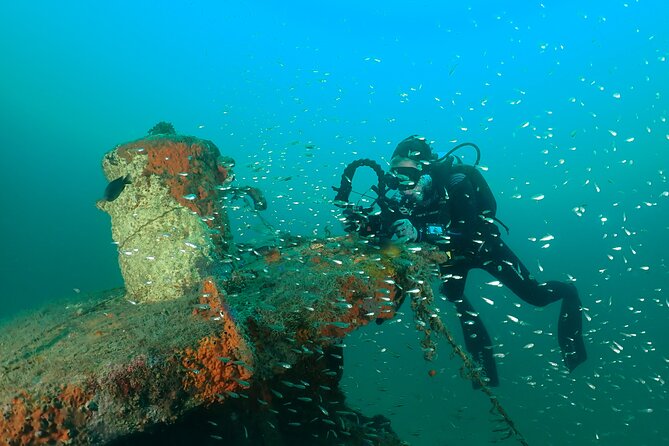
The total time is about four hours. That normally allows for check-in, equipment preparation, the boat ride, two underwater visits, and time to return to the starting point, though the exact rhythm can change with conditions and group needs.
At the first site, you can expect a briefing before entering the water. The crew explains how the group will approach the wreck and what to watch for. Once underwater, the goal is to explore at a controlled pace rather than race around the structure.
After returning to the boat, you have a chance to drink, eat, and sort out your equipment before the second site. Water and sports drinks are especially welcome after exertion, and the simple snacks help keep the gap between sites easy.
The bridge span then gives you a different setting. You may find its marine life more interesting than its shape, and the crew can help point out how an artificial structure supports the local ecosystem.
At the end, the boat returns to Panama City Diving on Navy Boulevard. Since the activity ends where it began, you can plan the rest of your day from the same location. Do not schedule a flight immediately afterward. Flying within 18 hours after scuba activity is not recommended.
Who will get the most from this charter
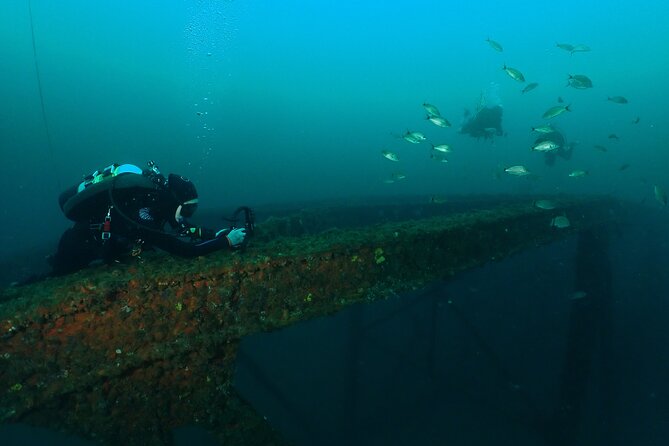
This trip suits certified scuba participants who want a manageable half-day on local underwater structures. It is especially useful for people who enjoy wrecks, artificial reefs, and marine life but do not need a highly technical expedition.
It can also work well for a solo participant. Ben’s attention to equipment and comfort helps if you arrive without a group of friends who already know your gear and habits. The maximum of 14 keeps the outing from becoming an enormous crowd.
Newly certified participants may appreciate the guidance, but you should not confuse supportive instruction with a certification course. You need to arrive certified, physically ready, and able to handle open-water conditions at 50 to 75 feet.
This is less suitable if you want a shallow, relaxed swim, guaranteed clear water, or a private boat. It may also disappoint you if you expect both sites to have the same visual impact. The shipwreck is the stronger reason to book, while the bridge span adds variety and another chance to see marine life.
Practical planning before you book
Bring proof of certification. Without it, you cannot take part in the underwater portion of the activity.
Check your personal equipment before arrival if you plan to use it. The crew can help with setup, but you will have a better morning if you already know the condition and fit of your mask, regulator, buoyancy system, and other gear.
If you need rentals, arrange them in advance and confirm the extra price. The $115.36 base cost includes weights but not scuba equipment, so this is the most important budget detail.
Allow flexibility around weather and visibility. The usual conditions are about 30 feet of visibility with minimal current, but storms can reduce sightlines to 15 to 25 feet. Poorer visibility does not cancel the value of the wreck, but it changes how you experience it.
Cancellation is free if you cancel at least 24 hours before the start time. A cancellation inside that window is not refunded, and late changes are not accepted. The cut-off uses local time.
Should you book the Panama City Beach wreck charter?
Book it if you are certified, reasonably fit, and excited by the idea of seeing a shipwreck followed by an artificial reef structure. The strongest reasons are the two-site format, careful help from Ben and the captain, minimal usual current, and the included refreshments.
Before paying, confirm your equipment needs and leave room in your schedule after the outing. The bridge span may not match the wreck, and visibility can fall after storms, but the trip still offers a practical way to explore Panama City’s underwater structures in a guided setting.
At $115.36, it is a solid value for participants who bring their own gear. If you need a full rental package, add that cost first. For a certified scuba participant seeking a half-day outing with a safety-focused crew and a real wreck as the main attraction, this is an easy option to consider.
FAQ
Where does the activity begin?
The charter begins at Panama City Diving, 106 Navy Blvd, Panama City Beach, FL 32408, USA.
Where does the activity end?
The activity ends back at the same meeting point, Panama City Diving.
How long does the charter last?
The outing lasts approximately four hours.
How deep are the underwater sites?
The sites are approximately 50 to 75 feet deep.
Do I need scuba certification?
Yes. Every participant must provide evidence of scuba certification.
Is scuba equipment included?
No. Scuba equipment use is not included in the listed price. Rental equipment is available for an additional cost.
Are food and drinks provided?
Yes. Water, Gatorade, crackers, Snickers bars, and fresh fruit are provided.
How far in advance should I avoid flying after the activity?
Flying within 18 hours after scuba activity is not recommended.
Newest dives added in the USA
- Certified Divers: Best 2-Tank Wrecks & Reef Boat Dive All Inclusive From Waikiki★ 5.0 · 41 reviews
- One Tank Manta Night Dive and Snorkel★ 5.0 · 56 reviews
- Kauai’s Ultimate Dive Boat Adventure (for CERTIFIED Divers Only)★ 5.0 · 84 reviews
- Kauai’s Exclusive Morning Scuba Charter for Experienced Divers★ 5.0 · 47 reviews
- Certified Diver: 2-Tank Night Dive★ 5.0 · 61 reviews
- Maui Certified Shore Diving from Lahaina★ 5.0 · 107 reviews
- Snorkel Or Dive The Amazing Rainbow River Florida★ 5.0 · 116 reviews
- Guided Shallow 2 Tank Dive Trip for CERTIFIED SCUBA DIVERS ONLY!★ 5.0 · 123 reviews
Wreck Diving, compared.
Bali Diving for Beginners: Tulamben Liberty Wreck
Read our review →
Certified Diver: 2-Tank Deep Wreck and Shallow Reef Dive Off Oahu
Read our review →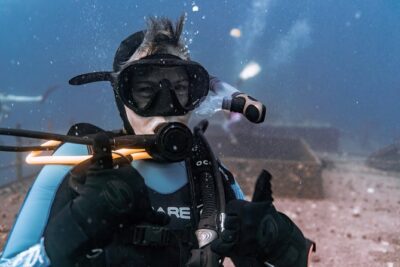
Waikiki 2 Tank World Class Wreck SCUBA Diving – Certified Only
Read our review →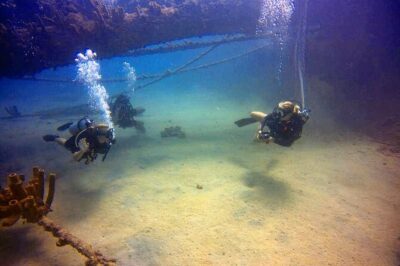
Private First-Time Dive on Aruba’s Reef and Wreck Site
Read our review →Tulamben Diving USS Liberty Shipwreck Scuba Dive
Read our review →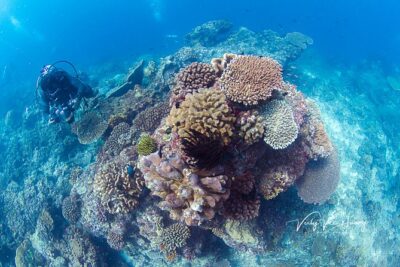
Bali Diving Day Trip-Manta Point/Tulamben Shipwreck-Fun Dive
Read our review →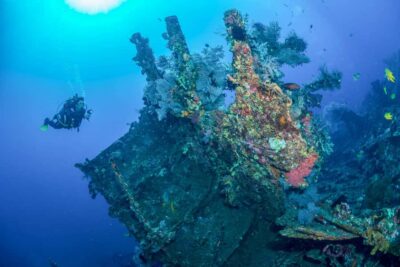
Browse the lists this dive appears in