
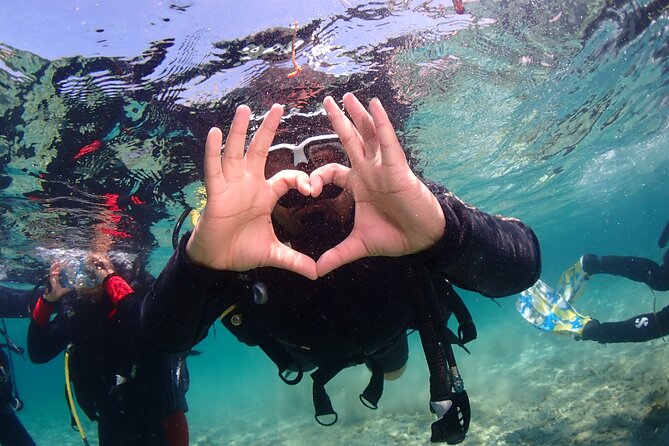
Reviewed · DISCOVER SCUBA DIVING
Half-Day Scuba Diving Tour – Discover Scuba Diving!
The best part of this Paphos experience comes after the pool practice, when you swim over the Roman Wall and old harbour remains in clear, shallow water. You may spot colourful fish, octopuses, ancient amphorae, anchors, and green turtles between April and October. No previous scuba experience is needed, but you must swim confidently and handle ear equalising.
I like the calm, three-part format and the short walk from Cydive to the shore site. I also like that instructors such as Emma, Kris, Sophie, and George are praised for patience with nervous beginners. The main consideration is that underwater photos and videos cost extra, and you cannot fly within 24 hours after the session.
Quick takeaways
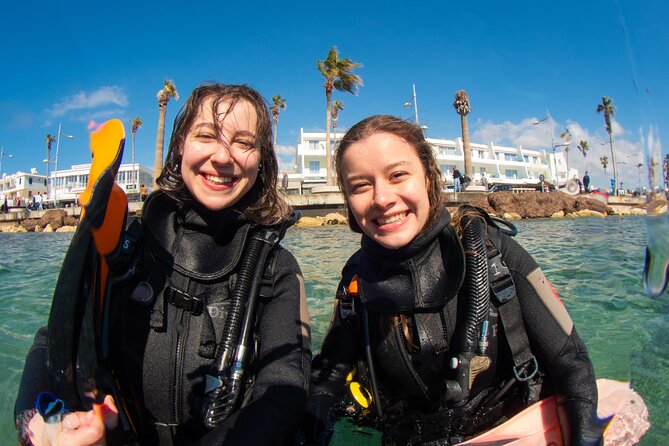
- Roman Wall shore site: Explore ancient stone, anchors, amphorae, fish, and possibly turtles in shallow water.
- Pool skills first: Learn equipment use, hand signals, equalising, and basic underwater skills before entering the sea.
- Beginner-friendly: You need no prior scuba experience, but confident swimming is required.
- Small enough to feel supervised: The maximum group size is 16, with several instructors helping at the harbour site.
- Season matters: Green turtles are most likely between April and October, while fish and underwater relics can be seen year-round.
- Media costs extra: Photos and videos may be available for purchase, but a camera operator is not guaranteed.
What this Paphos scuba session is really like
This is not a full certification course. It is an introductory session designed to let you try scuba equipment, breathe underwater, and experience a controlled sea session with an instructor.
The total time is about three hours. The activity has three clear stages: an information briefing, practice in a training pool, and an open-water session at the Roman Wall site.
That structure matters. If you are nervous, walking straight into the sea with a tank and mask could feel like too much. Here, you first learn what the equipment does, practise breathing underwater, and repeat basic skills before heading to the coast.
You also complete online Discover Scuba Diving training before the activity. After booking, Cydive sends a link to the required eLearning material. Complete it before arrival, rather than leaving it until the morning of your session.
The experience begins and ends at Cydive, at Poseidonos Avenue 1 in Kato Paphos. The Roman Wall site is only a short walk away, so you do not lose much time to transport.
More Discover Scuba Diving in Cyprus
- Cyprus: Introductory Scuba Lesson and Dive with Transfer
★ 4.9 · 682 reviews - Discover Scuba diving
★ 5.0 · 504 reviews - Discover SCUBA Diving with Pissouri Bay Divers
★ 5.0 · 182 reviews
The briefing: simple skills before the sea
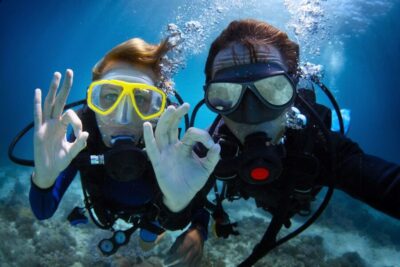
The first stage covers the basic information you need for a safe and comfortable session. Your instructor explains how the equipment works, how to equalise your ears, and how to use underwater hand signals.
Equalising is one of the most important practical skills. As you go lower, pressure changes can make your ears feel uncomfortable. You must be able to equalise before going farther down, and one participant found this more difficult than expected.
The instructor also explains the skills you will practise in the pool. That advance explanation is useful because scuba has several things to remember at once: breathing through the regulator, keeping your mask in place, watching your instructor, and moving calmly through the water.
The instructors receive especially strong praise for their manner with nervous beginners. Emma is described as clear, reassuring, and fun, while Kris is praised for being calm and patient. Sophie is singled out for working well with children, and George helped beginners feel ready for the sea.
Your instructor may be someone else, but the teaching style appears to be a major part of the experience. If you are anxious, say so early. The staff can then give you more time and help you settle into the equipment.
Pool practice before open water
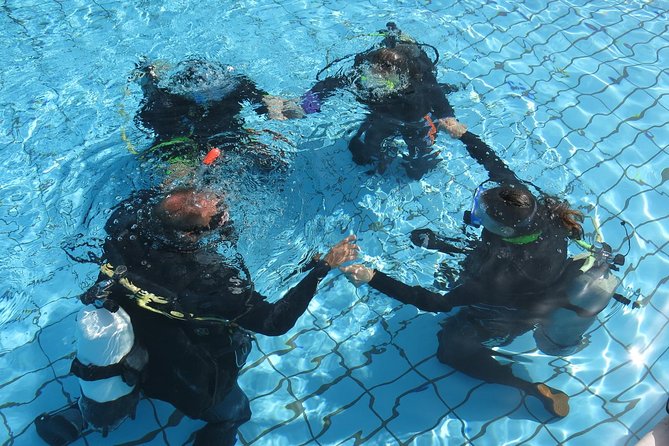
Next, you put on the scuba equipment in the training pool and take your first breaths underwater. This is the moment when the activity becomes real, and it is also where you discover how comfortable you are with the regulator, mask, and air tank.
You practise the basic skills in a controlled setting. The session includes swimming around the pool and going down to the deeper end to work on buoyancy and equipment use.
The pool is valuable because you can pause, adjust your gear, and ask for help before entering the sea. Several people arrived nervous but felt confident by the time they reached the open water.
The equipment is heavy on land. One participant found the gear intense and had trouble with a weight belt, while another felt the belt did not hold them down properly. This is worth knowing in advance: tell the instructor immediately if your belt, mask, or other equipment does not feel right.
You may not find the pool portion long enough if you want lots of practice. One person felt extra pool time would have helped, while another described roughly half an hour in the pool and half an hour in the sea. The exact balance can vary with the group and your comfort level.
The goal is not to make you an expert. It is to give you enough control and confidence to enjoy a shallow, supervised sea session.
The Roman Wall site at 1 to 5 metres
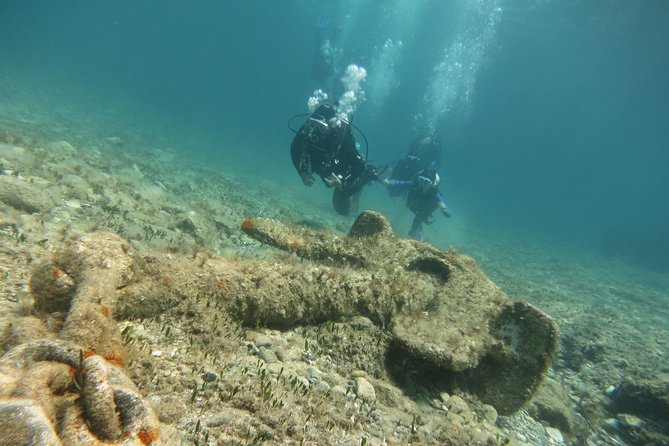
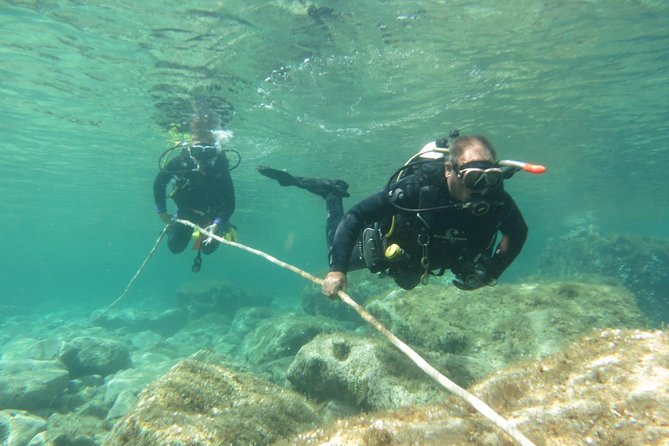
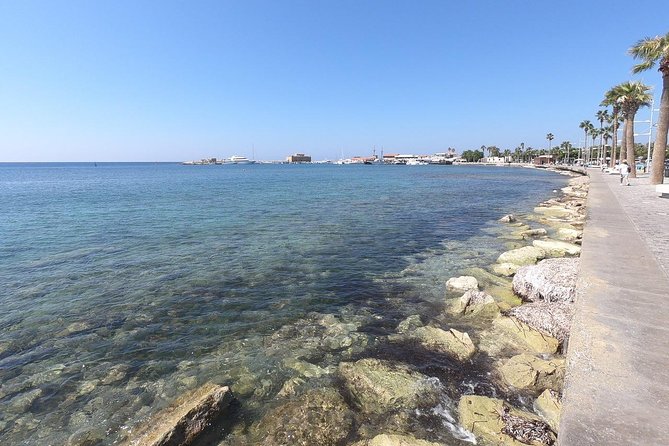
The third stage takes place at the Roman Wall, a shore site near the harbour. It is a practical location for beginners because the water is shallow, with depths described as roughly 1 to 5 metres.
You do not need a boat ride, and the short walk from the centre keeps the outing straightforward. You enter the water near the old Roman harbour and explore with your instructor.
Underwater points of interest include ancient Roman amphorae, old anchors, pieces of Roman stone, and the wall itself. These are not presented as a formal archaeological tour, so you should think of them as scattered underwater sights rather than a guided museum visit.
The historic objects give the session more character than a basic swim over bare seabed. You are not only learning to control your breathing and movement. You are also looking for traces of the harbour’s past while fish move around you.
The sea session usually lasts around half an hour, though the full activity takes about three hours once you include the briefing, changing, equipment, and pool practice.
Another way to get in the water in Cyprus:
- Private Discovery Dive + Photos & Videos
★ 5.0 · 577 reviews - Try a Scuba Diving Experience
★ 5.0 · 400 reviews - Private Diving at Zenobia Wreck in Larnaka
★ 5.0 · 369 reviews - SCUBA DIVING first time experience
★ 5.0 · 216 reviews
Marine life and turtle season
Fish are a reliable part of the appeal. The water can offer colourful species and small marine life around the Roman Wall and harbour remains.
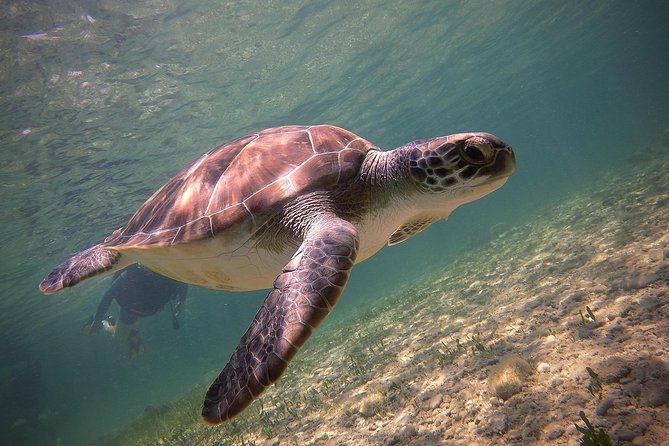
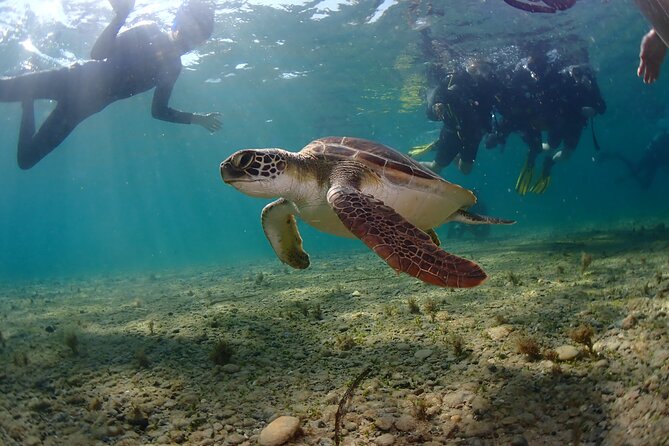
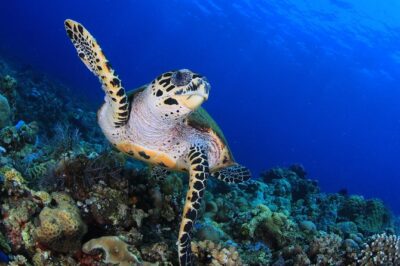
Octopuses are listed among the possible sightings. They are never guaranteed, so keep your expectations sensible. The same applies to green sea turtles, which are most likely from April through October.
Some sessions produce a turtle encounter, while others do not. In winter, you should not expect turtles, but you may still see fish and underwater relics. A December session included several fish species, while a March session benefited from a thick wetsuit despite cooler conditions.
The possibility of wildlife adds excitement, but your first session should not depend on seeing one particular animal. The main achievement is becoming comfortable underwater. If you see a turtle or octopus, consider it a bonus.
Safety, fitness, and comfort
You must be able to swim confidently. This is not a passive activity where you simply float while someone else does everything. You will use the equipment, practise skills, and move through shallow open water under supervision.
A medical questionnaire must be completed before the activity. The experience is not recommended for people with epilepsy or a collapsed lung.
The operator describes the required fitness level as moderate. The heavy equipment can feel awkward before you enter the water, and equalising may limit how far you can go. The instructors can support you, but they cannot remove the need to breathe calmly, follow instructions, and manage basic movement.
The maximum group size is 16 people. That is not a private lesson, but the shore setting has staff nearby, and the instruction is organised around beginner needs.
You also need to plan around air travel. Do not schedule this activity within 24 hours before a flight. This is an important holiday-planning detail, especially if you are booking it near the end of your Cyprus trip.
Water temperature and what to expect by season
The season affects both wildlife and comfort. Green turtles are specifically associated with April through October, so those months give you the best chance of seeing one.
Cooler months can still work. Thick wetsuits are provided, and a March session was described as comfortable in the water. December conditions were also manageable, although the sea did not feel warm.
Weather matters as well. If poor conditions force a cancellation, you are offered another date or a full refund.
The supplied information does not specify a full clothing list, so ask Cydive what to bring before you go. At minimum, plan for swimwear, a towel, and clothing that is easy to change out of after a wet activity. The centre provides scuba equipment and seasonal fruit, soft drinks, coffee, and tea.
Photos and videos: useful, but check the cost
You can purchase underwater photos and videos as an extra, subject to availability. Some sessions include a photographer or camera operator, and the images can be a memorable way to record your first underwater experience.
GoPros and personal underwater cameras are not allowed for safety reasons. That rule keeps the session focused and avoids equipment getting in the way of instruction.
The price of the media package is not included in the stated tour price. The cost can also be a point of confusion, particularly for solo visitors or larger groups, so ask about the current charge before agreeing to buy.
Availability can change. One session had no photos because the photographer was ill. Treat the footage as an optional extra, not part of the guaranteed package.
Is $100.37 good value?
At $100.37 per person, the price is fair if you want a guided first taste of scuba without committing to a full certification course.
The fee includes the scuba equipment, instruction, pool practice, the sea session, and drinks and seasonal fruit. You also receive help recording your first session in a digital logbook afterward.
The value is strongest for beginners who want a structured introduction. You are paying for supervision, equipment, instruction, and access to a nearby historic shore site, not just time in the water.
It is less attractive if you already hold a certification and want a longer or more advanced underwater trip. You may also find the total cost rises if you choose the optional photos and videos.
The price should be judged against the amount of personal instruction you need. If you are nervous and want an instructor to guide you from the pool into the sea, the format makes sense. If you only want a casual snorkel, this is more equipment and training than necessary.
Who should book this experience?
I would recommend it to confident swimmers who have always wanted to try scuba but do not want to begin with a multi-day course.
It also suits families with older children, provided each participant meets the operator’s requirements. An 11-year-old enjoyed the session and wanted to continue scuba training in the United Kingdom, while another review describes Sophie working especially well with children.
Nervous beginners are well served by the format. The pool gives you room to get used to the regulator, and instructors are used to encouraging people who need extra time.
You should think twice if you dislike wearing heavy equipment, cannot equalise your ears, or are uncomfortable in open water. You should also skip it if you have a medical condition listed in the restrictions or cannot swim confidently.
The session is offered in English. Confirmation arrives at booking, and the activity is near public transport, though you make your own way to the Cydive meeting point.
Should you book the Roman Wall session?
Book it if you want a careful, beginner-focused introduction with a genuine sense of place. The combination of pool training, shallow sea conditions, Roman harbour remains, fish, and possible turtles gives you more than a basic lesson.
I especially like the short transfer to the shore site and the patient approach described by instructors including Emma, Kris, Sophie, and George. You can expect some nerves, heavy equipment, and a learning curve, but the format gives you time to settle in.
Before booking, check three things: your flight schedule, the medical requirements, and the current price of optional media. If those fit your plans, this is a strong choice for a first underwater experience in Paphos.
FAQ
Do I need previous scuba experience?
No. The session is designed for beginners and includes a briefing, pool practice, and a supervised open-water session.
Do I need to be able to swim?
Yes. All participants must be able to swim confidently.
How long does the activity last?
The experience lasts about three hours.
Where does the activity start and finish?
It starts and finishes at Cydive, Poseidonos Avenue 1, Kato Paphos, Cyprus.
What is the Roman Wall site?
It is a nearby shore site at the old Roman harbour, where you can explore shallow water and see Roman stone, amphorae, anchors, and marine life.
How deep will I go?
The open-water area is described as roughly 1 to 5 metres deep.
Can I see green turtles?
You may see green turtles, especially between April and October, but sightings are not guaranteed.
Are photos and videos included?
No. Underwater photos and videos can be purchased separately, subject to availability.
Can I use my own GoPro or underwater camera?
No. GoPros and underwater cameras are not allowed for safety reasons.
Can I fly after the session?
You must not take part less than 24 hours before a flight.
What happens if the weather is poor?
If the activity is cancelled because of poor weather, you are offered another date or a full refund.
Can I cancel for a full refund?
Yes. You can cancel at least 24 hours before the local start time for a full refund. Changes or cancellations made less than 24 hours before the start time are not accepted.
More half-day trips in Cyprus
- Paphos: Discover Scuba Diving Half-Day Tour
★ 4.9 · 137 reviews - Half-Day White Shark Cage Diving from Gansbaai
★ 4.5 · 310 reviews - From Dubai: Fujairah Half-Day Scuba Dive and Snorkeling
★ 4.7 · 186 reviews - Half-Day Diving in Sal
★ 5.0 · 135 reviews
Newest dives added in Cyprus
- Protaras: Discover Scuba Diving (For Beginners)★ 5.0 · 7 reviews
- First Time Scuba Dive Adventure, Makronissos, Ayia Napa★ 5.0 · 12 reviews
- Beginners Discover Scuba Diving By Boat, Best Spot In Cyprus★ 5.0 · 26 reviews
- Musan Underwater Park with private Guide- no certification needed★ 5.0 · 13 reviews
- Scuba Diving – Tunnels & Caves – Cape Greco – private guided★ 5.0 · 25 reviews
- Discover Scuba Diving★ 5.0 · 43 reviews
- Ayia Napa: Musan Underwater Museum Scuba Dive★ 5.0 · 51 reviews
- Local Guided Dives (for certified/licensed divers)★ 5.0 · 115 reviews
Discover Scuba Diving, compared.
2 Days Discover Scuba Diving in Nusa Lembongan – Scuba Initiation
Read our review →
From Sharm: Ras Muhammed & White Island By Boat & intro Dive
Read our review →Browse the lists this dive appears in