
Reviewed · MANTA RAY & MOLA DIVES
Kailua-Kona: Night Manta Snorkel or Dive
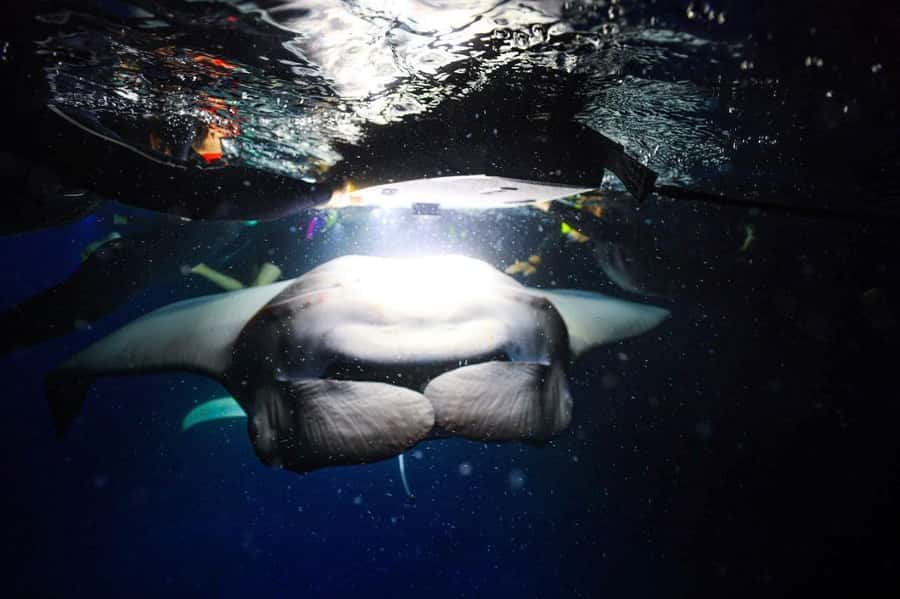
Kona’s manta rays turn a short night boat trip into a remarkable underwater show. In a sheltered bay, lights draw plankton close to the surface, and mantas with wingspans of up to 15 feet glide through the group, looping and flipping as they feed. The close view and the calm setting are the best reasons to book.
I like that snorkelers and scuba participants get different but equally good viewpoints: you float above the action, while scuba participants sit on the sandy bottom at about 30 feet. I also like the practical value of the $129 price, which includes snorkel gear, light snacks, and non-alcoholic drinks. The main caution is that this is not a good fit for non-swimmers, people with back problems, or anyone prone to seasickness.
Key points to know before booking
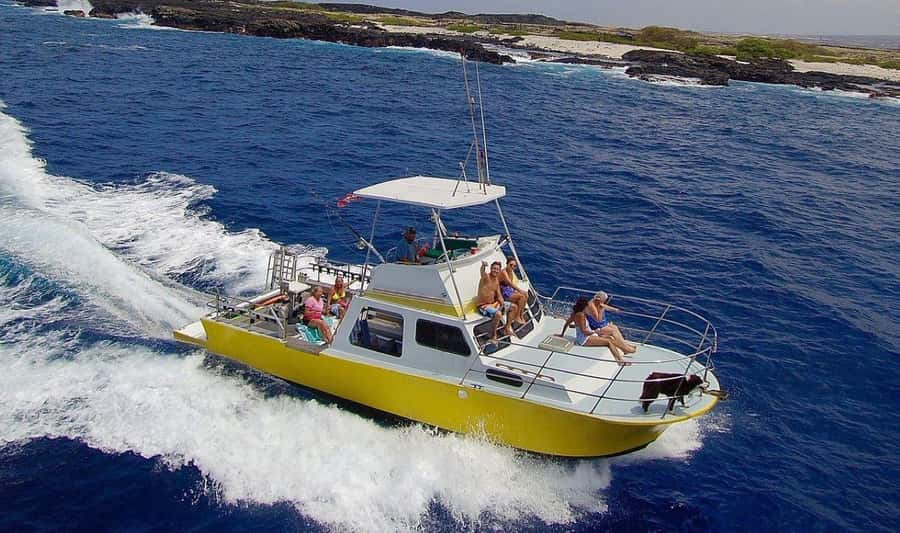
- Mantas feed under bright boat lights: Plankton gathers around the lights, bringing the rays close to the viewing area.
- The sandy bottom sits at about 30 feet: Scuba participants watch from below while snorkelers float overhead.
- Snorkel gear is included: Scuba equipment costs an extra $40 if you choose the underwater option.
- The bay is calm and sheltered: That makes the setting easier to manage than exposed ocean water, though seasickness is still a concern.
- The trip lasts two hours: You get a focused night encounter rather than a full-day water outing.
- Crew service has been a strong point: Captain and crew have been praised for being capable, friendly, and attentive.
Why Kona’s night manta encounter is so special
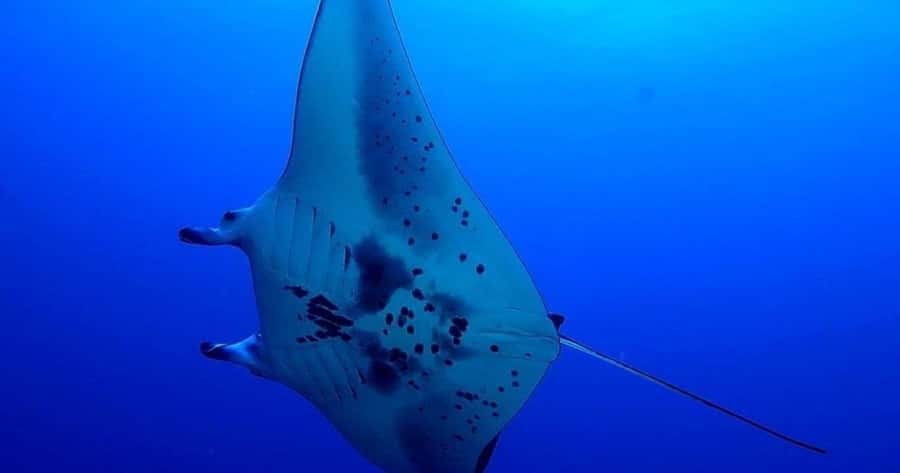
Manta rays are the reason to choose this outing. You are not simply looking at fish around a reef. You are watching large animals make repeated feeding passes through the water, close enough for their wings to fill your view.
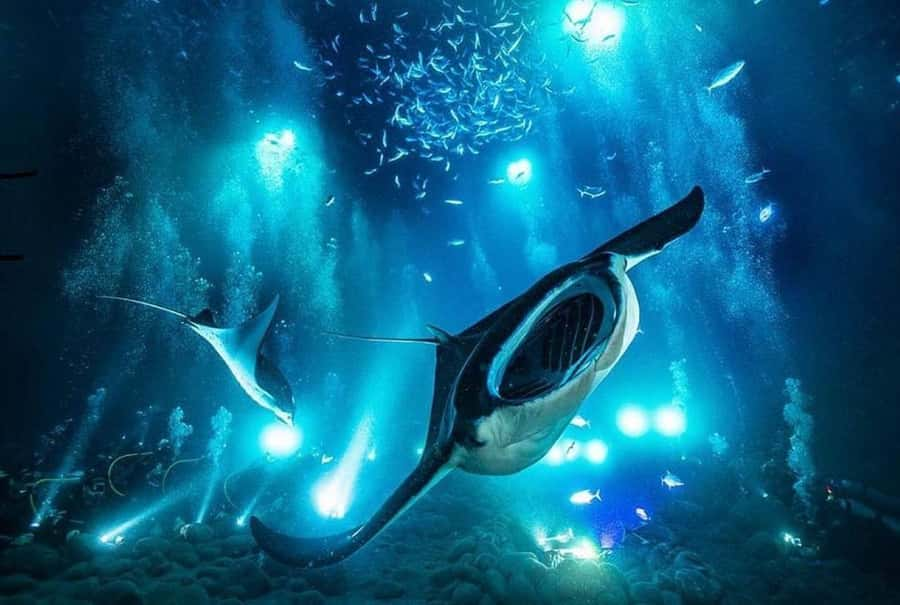
The setup is simple and clever. Boat lights shine into the water, plankton gathers in the glow, and the mantas arrive for an easy meal. As they feed, they perform continuous flips and sweeping turns, opening their mouths to collect plankton. The movement can look almost choreographed, but it is natural feeding behavior.
Some of Kona’s mantas reach about 15 feet across and weigh more than 1,000 pounds. That scale matters when one moves beneath you. The animals are enormous, yet the experience is built around watching them feed rather than chasing, touching, or handling them.
I appreciate that the encounter takes place in the animals’ normal habitat. You are a quiet observer in the water, not a participant in a staged animal performance. The rules are clear: do not touch marine life or plants. Follow them closely, both for the animals’ protection and for your own safety.
More manta ray dives in the USA
- One Tank Manta Night Dive and Snorkel
★ 5.0 · 56 reviews - 5 Fun Dives in Nusa Lembongan (for certified divers) – Swim with a Mola Mola
★ 5.0 · 205 reviews - Scuba Diving in Nusa Penida – Manta Point
★ 5.0 · 198 reviews
Starting in a calm, sheltered bay
The outing takes place in a protected bay near Kailua-Kona. The water is described as calm and sheltered, which is helpful once the sun goes down and visibility depends on artificial light.
The boat anchors over a sandy area that slopes to around 30 feet. That bottom gives the scuba group a defined place to settle, while snorkelers remain above them. The arrangement helps keep the viewing area organized and gives each person a clear angle toward the manta activity.
I like this layout because it does not force everyone into the same position. If you choose snorkeling, you can look down toward the rays as they pass beneath you. If you choose the scuba option, you can remain on the bottom and watch the animals sweep through the light from below.
Still, calm does not mean effortless. You need to be comfortable in the water, and you should take seasickness seriously. The trip is not suitable for non-swimmers, people with back problems, or people who are prone to motion sickness.
What the two-hour schedule feels like
The total outing lasts about two hours, so this is a compact evening activity. The available starting times vary, and you need to check the schedule when booking.
The first part centers on getting into the bay and preparing for the encounter. Snorkel gear is included, which keeps the basic package straightforward. If you select the scuba option, the required gear is not included and can be rented on site for $40.
Once everyone is in position, the main event is watching the water around the lights. Snorkelers float above the scuba group, and the mantas move between and around the people as they gather plankton. The repeated feeding passes are the heart of the outing, so you should expect a focused wildlife viewing session rather than a long swim around different sites.
The short duration is both a benefit and a limitation. Two hours is easy to fit into a Kona itinerary, especially if you are saving daytime for beaches, hikes, or sightseeing. On the other hand, the entire trip depends on the manta encounter, so there is not a second major activity to fill the time if conditions change or the animals do not appear as hoped.
Snorkeling or the scuba option?
For most people who are comfortable swimming, snorkeling is the simpler choice. Your equipment is included, and you can float above the scuba participants while looking down into the lit water. From that position, you may get a strong view of the mantas as they turn upward during feeding passes.
Snorkeling also avoids the extra $40 equipment charge. At $129 per person, that keeps the total cost easier to understand.
The scuba option gives you a lower viewpoint. Sitting on the sandy bottom at around 30 feet places you beneath the snorkelers and closer to the manta activity as the animals pass through the illuminated water. That perspective may appeal to certified or experienced underwater participants who prefer staying below the surface rather than floating at the top.
The information provided does not state certification requirements, so you should confirm those details before choosing the scuba option. The same practical limits still apply: back problems, poor swimming ability, and seasickness are reasons to choose another activity.
More Snorkeling in the USA
- Manatee Snorkel Tour from American Pro Diving Center
★ 5.0 · 265 reviews - VIP Aloha Nui Snorkel Adventure w/ optional SCUBA from Lahaina
★ 5.0 · 136 reviews - Snorkel Or Dive The Amazing Rainbow River Florida
★ 5.0 · 116 reviews - Two Tank Morning Reef Dive and Snorkel
★ 5.0 · 54 reviews
The value of the $129 price
At $129 per person, the cost is reasonable for a two-hour marine wildlife outing, especially if you choose snorkeling. Snorkeling gear, light snacks, and some non-alcoholic drinks are included, which covers several small costs that can otherwise add up.
The value comes mainly from the setting and the chance to watch large manta rays feed at close range. This is not a general boat ride with a brief chance of seeing wildlife. The lights and plankton concentrate the action in one viewing area, giving the outing a clear purpose.
Scuba participants need to add $40 for equipment rental, making the actual cost $169 per person before any other personal expenses. That extra charge does not make the activity poor value, but it is important when comparing the two choices.
Pickup is not included, so you need to arrange your own way to the departure point. Towels are also not provided. These are small details, but they matter after a night in the water. Bring a towel, dry clothes, water, and a snack rather than assuming the boat will supply everything.
What to bring for a comfortable night
The packing list is short, but each item earns its place:
- Swimwear
- A change of clothes
- A towel
- Water
- Snacks
- A waterproof camera
- Biodegradable sunscreen
A towel and dry clothing are especially important because neither is supplied. Snacks and water are also worth bringing even though light snacks and some non-alcoholic drinks are included. The supplied refreshments are useful, but they may not cover what you want after time in the water.
Use biodegradable sunscreen and apply it before entering the bay. Once you are in the water, avoid touching marine life and plants. The best behavior is simple: keep your distance, follow crew instructions, and let the mantas control the encounter.
A waterproof camera can help you save the memory, but do not let it pull your attention away from the animals. The feeding action happens around you, and the most impressive moments may pass quickly.
Crew service and the practical side
The captain and crew have received strong marks for being capable and friendly. That is important on a night water outing, where clear instructions and calm management matter as much as personality.
A good crew needs to help people understand where to position themselves, how to behave around the animals, and how to move safely in the water. The positive comments about the crew suggest that Torpedo Tours handles those basics well.
There is one serious practical caution: a same-day cancellation has occurred. The available information does not explain the reason, so you should not assume that every scheduled trip will operate exactly as planned. If this activity is the main reason for your Kona visit, avoid building your entire holiday around one departure.
The free cancellation policy allows you to cancel up to 24 hours ahead for a full refund. You can also reserve now and pay later, which gives you some flexibility while your plans come together. These terms help, but they do not remove the inconvenience of a late cancellation, especially if you have already arranged transportation or changed your evening schedule.
Who will enjoy this most
I would recommend this activity to you if you meet three basic conditions: you can swim, you are comfortable in nighttime water, and you want a wildlife encounter rather than a broad sightseeing cruise.
It suits couples, families with capable swimmers, and visitors who want one memorable evening during a Kona stay. The manta feeding makes it feel special without requiring a full day or complicated travel plan.
Snorkeling is likely the best fit if you want the lowest added cost and the easiest preparation. You still get to watch the rays from above, where the lighted water offers a clear view of their turns and feeding passes.
The scuba option suits you if you prefer a lower underwater position and are comfortable with the added rental cost. Confirm any required qualifications before booking, since those details are not provided here.
I would skip it if you are a non-swimmer, have back problems, or regularly get seasick. I would also think twice if you dislike fixed wildlife-viewing setups. The attraction is concentrated around one bay and one feeding area, not spread across several locations.
A respectful encounter with large wild animals
The rules against touching animals and plants are not minor housekeeping. Manta rays are wild creatures, and their comfort should come before getting a closer photo.
The light system brings plankton into one area, but the animals still move on their own terms. You may see them glide through the group, flip repeatedly, and disappear briefly before returning. That natural movement is part of the appeal.
I like that the experience asks you to watch rather than interfere. The best encounter is one where the mantas can feed normally and you can observe their size, movement, and grace without trying to direct the action.
Should you book Torpedo Tours?
Book this experience if seeing Kona’s manta rays is high on your list and you are a confident swimmer. The calm bay, focused two-hour schedule, included snorkel gear, and strong comments about the capable captain and friendly crew make it an attractive choice at $129.
Choose snorkeling for the clearest value. Choose the scuba option only if the lower viewpoint matters enough to justify the additional $40 gear rental and any requirements you need to confirm.
Before booking, plan for your own transportation, bring a towel and dry clothes, and keep your schedule flexible in case of a late cancellation. If you can accept those limits, this is one of the more memorable ways to spend an evening on the Kona coast.
FAQ
How long does the manta ray experience last?
The activity lasts two hours.
Where does the experience take place?
It takes place in a serene, sheltered bay in the Kailua-Kona area of Hawaii.
How deep is the sandy viewing area?
The sandy area descends to approximately 30 feet.
Can I snorkel instead of using the scuba option?
Yes. Snorkelers float above the scuba participants and watch the manta rays from the surface.
Is snorkeling gear included?
Yes, snorkeling gear is included in the $129 price.
Is scuba gear included?
No. Scuba gear can be rented on site for $40 if you select that option.
Are snacks and drinks provided?
Light snacks and some non-alcoholic drinks are included.
Is transportation or hotel pickup included?
No. Pickup is not included.
What should I bring?
Bring swimwear, a change of clothes, a towel, snacks, water, a waterproof camera, and biodegradable sunscreen.
Who should not book this activity?
It is not suitable for people with back problems, non-swimmers, or people prone to seasickness.
More evening trips in the USA
- Certified Diver: 2-Tank Night Dive
★ 5.0 · 61 reviews - Oahu Night Dive: Adventure for Certified Divers
★ 3.6 · 6 reviews - Night Dive Adventure in Oahu
★ 5.0 · 2 reviews - 2 Days & 1 Night – 2 Dives in Lembongan/Penida (for certified divers)
★ 5.0 · 76 reviews
Newest dives added in the USA
- Private Scuba Diving Expert-Led Excursion Training with Tour★ 4.5 · 9 reviews
- Santa Fe Deep Dive History Walking Tour★ 4.5 · 14 reviews
- Scuba Certification★ 5.0 · 77 reviews
- No Experience Required to Discover Scuba in Florida★ 5.0 · 51 reviews
- Small Group Guided Shore Dives in St. Andrews State Park, Florida★ 5.0 · 52 reviews
- 2 Tank Private SCUBA Party Diving Charter from Waikiki Hawaii★ 4.5 · 34 reviews
- Discover Scuba Diving in Hawaii – Non certified divers!★ 5.0 · 3 reviews
- Two Tank Wreck and Drift Dive in Oahu★ 4.5 · 7 reviews
Manta Ray & Mola Dives, compared.
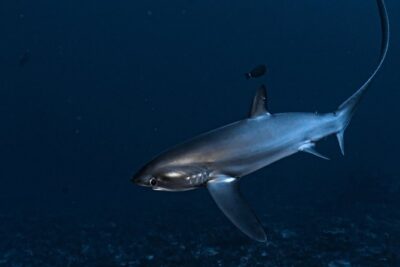
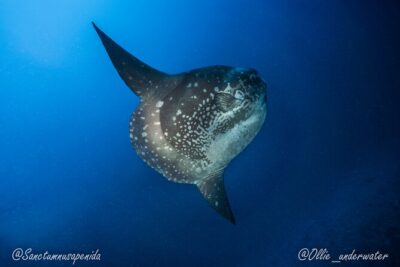
5 Fun Dives in Nusa Lembongan (for certified divers) – Swim with a Mola Mola
Read our review →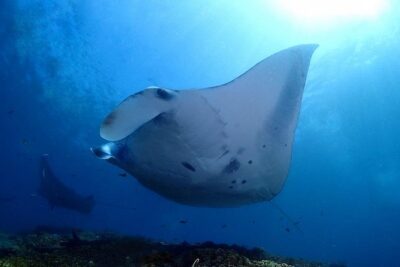
Bali Diving Day Trip-Manta Point/Tulamben Shipwreck-Fun Dive
Read our review →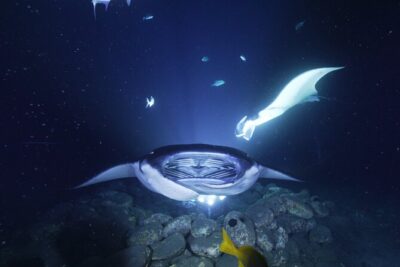
Certified Scuba Dive with Manta Rays (Open Water Diver minimum)
Read our review →
Manta Dive Gili Trawangan: Discover Scuba Diving
Read our review →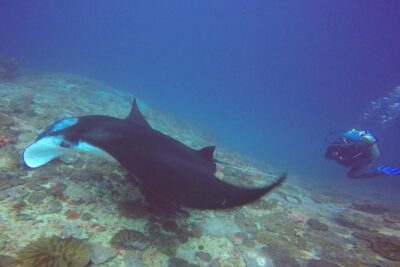
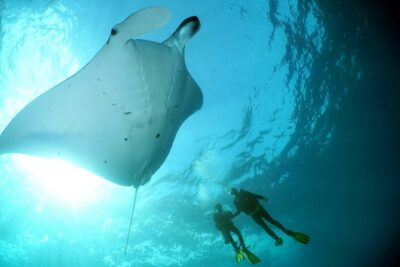
Scuba Diving Nusa Penida Manta Point 3 dives for certified divers
Read our review →Browse the lists this dive appears in