
Reviewed · SCUBA DIVING
Maui: Intro to Scuba Diving from Shore – Lahaina
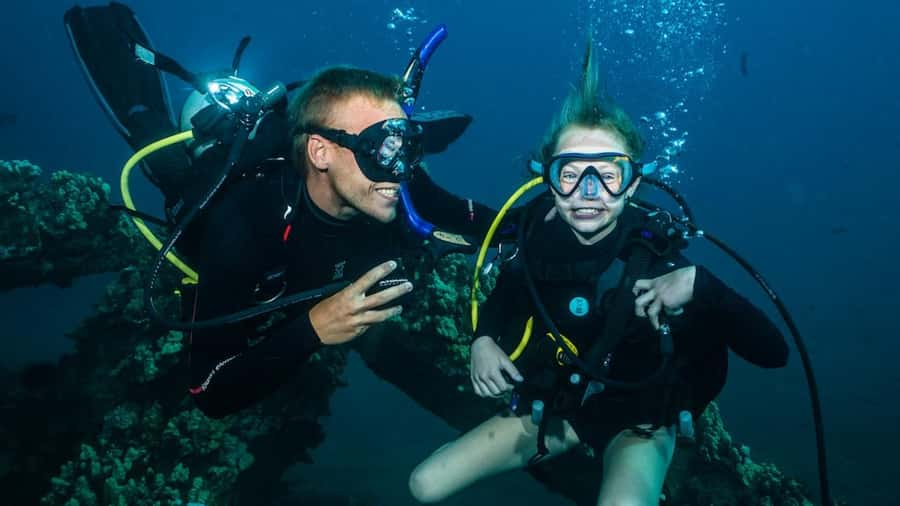
Maui’s shore-based scuba lesson gives you a calm way to try breathing underwater without committing to a full certification course. You’ll learn basic safety, practice clearing your mask and recovering your regulator, then swim over coral reefs with a PADI professional nearby. Turtles and tropical fish are part of the possible payoff.
I like the small groups of four or fewer, which matters when you are nervous or need extra help. I also like that the 15 to 20 minute online lesson handles some classroom work before you arrive, leaving more time for hands-on practice and reef exploring.
The main drawback is that this is not a certification course, and the medical screening can stop your plans if you answer yes to certain health questions. Complete that form as soon as you receive it, not the night before your appointment.
Key points to know before booking
- Shore-based introduction: You begin from land rather than boarding a boat for the lesson.
- Small group attention: A maximum of four participants allows close supervision from your PADI instructor.
- Two-part learning: Complete about 15 to 20 minutes of PADI eLearning before arriving, then spend about 30 minutes in an in-person class.
- Practical beginner skills: You will practice mask clearing, regulator recovery, equipment use, and basic underwater safety.
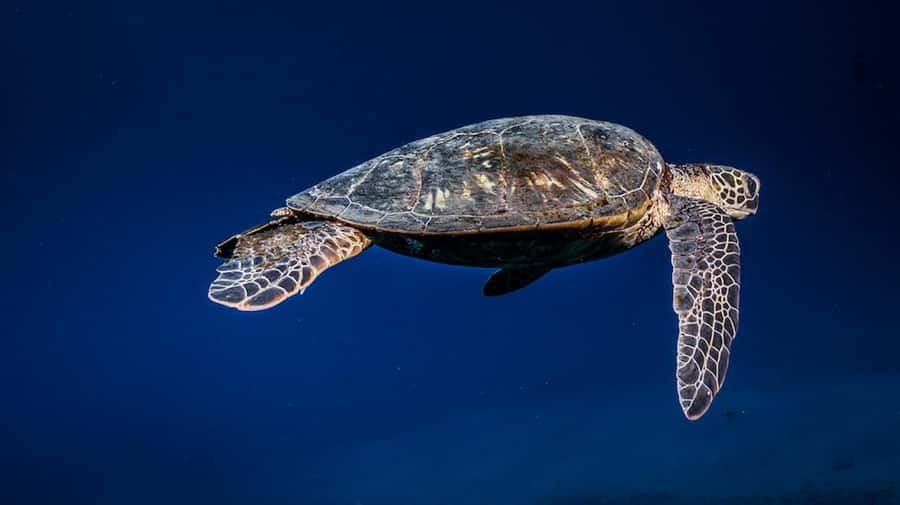
- Maui marine life: The reef may bring encounters with turtles and many tropical fish, but wildlife sightings are never guaranteed.
- Three-hour appointment: The scheduled experience includes the class, the water session, and time to return to the starting point.
A gentle first step into scuba in Lahaina
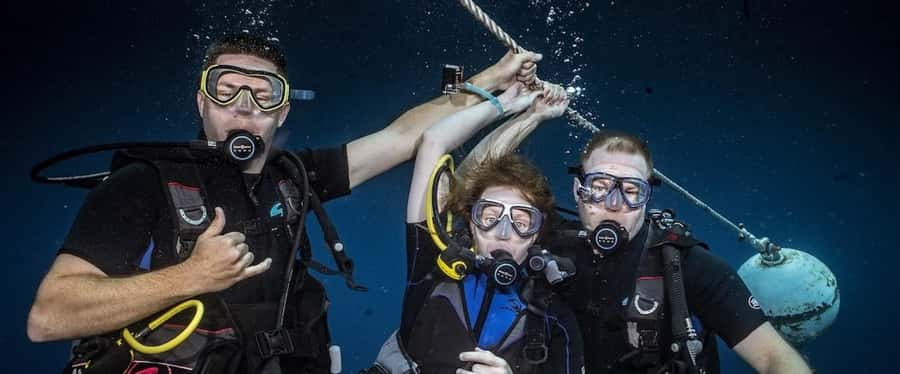
This experience is built for people who want to try scuba without taking a multi-day certification course. You are not simply handed equipment and sent into the water. A PADI professional explains how the gear works, how to breathe through it, and what to do if a mask fills with water or a regulator comes loose.
That structure matters. For a first-timer, the strange part is not usually the fish. It is the feeling of breathing underwater, adjusting to the equipment, and staying calm when something feels unfamiliar. Practicing the basic responses with an instructor gives you a useful safety net before you begin exploring.
The session takes place in Lahaina, at Dive Maui and Hawaiian Rafting Adventures. You will return there after the water portion. Transportation is not included, so you need to arrange your own way to the starting point and bring only what is requested, including swimwear.
The group limit is four participants. That is one of the strongest features here. A small class gives the instructor a better chance to notice when you need a slower explanation, a little more practice, or help getting comfortable with the gear.
More Scuba Diving in the USA
- First-Time Scuba Diving in Honolulu + Free Videos
★ 5.0 · 3,123 reviews - Oahu Shark Dive
★ 5.0 · 2,903 reviews - Oahu: Shark Cage Dive on the North Shore
★ 4.8 · 1,485 reviews
Complete the PADI lesson before you arrive
After booking, you receive a login for PADI eLearning. The assigned reading and videos take about 15 to 20 minutes. This is a short commitment, but it is an important one. You arrive with a basic idea of the equipment, safety rules, and skills you will practice in the water.
Do not treat the online course as optional preparation. It lets the in-person class focus on questions and physical practice instead of starting from zero. You can also use it to decide if the activity feels right for you before showing up.
The medical form deserves special attention. You are asked to complete the PADI Medical as soon as you receive the eLearning login. If you answer yes to any of the listed health conditions, you may need clearance from a doctor before you can enter the water.
This can affect your booking, so handle it early. The supplied instructions specifically point to heart, respiratory, and back concerns, along with pregnancy and other conditions that may make this activity unsuitable. If medical clearance cannot be obtained, the operator cannot take you scuba swimming.
What happens during the 30-minute class
When you arrive, your instructor reviews the online material and explains the basic skills planned for the water session. You will go over the scuba equipment and learn how each part helps you breathe and move underwater.
The class is not meant to turn you into an expert. It gives you the foundation for one supervised experience. Expect practical explanations about using the equipment, basic safety, and what it feels like to breathe through a regulator.
You will also hear about the skills you need to perform during the session. Clearing a mask means removing water that has entered it. Recovering a regulator means finding and returning the mouthpiece if it leaves your mouth. These are simple actions, but practicing them with an instructor nearby is far better than facing them for the first time unexpectedly.
This is also your chance to ask direct questions. If you are anxious about breathing underwater, say so. The small group setting should make it easier to get individual attention, and the instructors named in the supplied information, including Scott and Matt, have been associated with calm, safety-focused instruction.
The 75-minute water session from shore
The water portion lasts about 75 minutes. You first head to the Lahaina site with your instructor and practice the basic skills. Once you feel confident, the session continues into a supervised exploration of Maui’s coral reef area.
The shore format keeps the experience straightforward. You do not need to manage a boat ride, a long transfer, or a full-day schedule. You can focus on the equipment and the reef. It also means the activity is a good fit for someone who wants a shorter introduction rather than a major boating excursion.
The first minutes in the water may feel like the hardest part. You are learning how to move while wearing scuba gear, how to breathe steadily, and how to communicate with your instructor. Take your time. The purpose is not to cover a large area or prove anything. It is to become comfortable enough to enjoy the underwater setting.
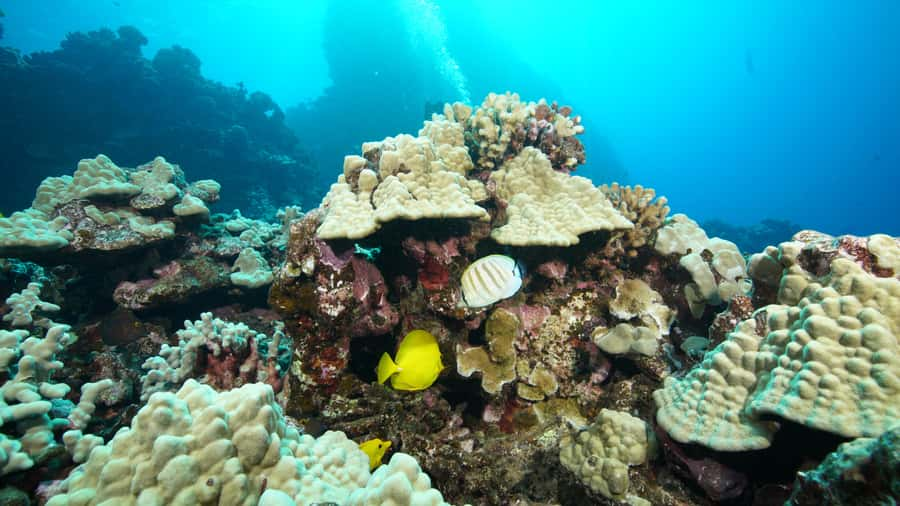
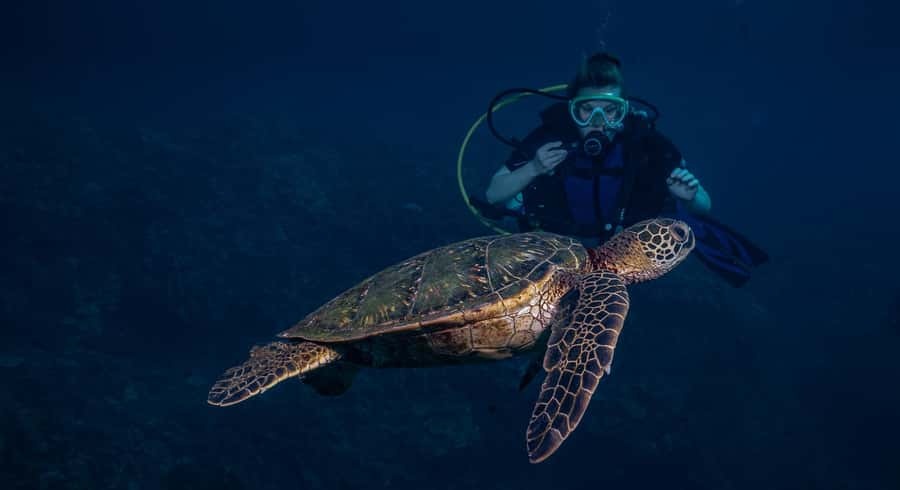
Once you settle in, look closely at the reef rather than rushing around. The activity is designed to show you Maui’s coral formations, tropical fish, and possible turtle encounters. A turtle sighting is not promised, but it is one of the memorable possibilities built into this location.
One participant described seeing the turtle car wash, a playful name for a place where turtles gather around a reef cleaning area. That sort of encounter is a reminder to watch the reef carefully. Marine life can appear in places you might miss if you are busy adjusting your equipment.
You must not touch marine life. This protects the animals and keeps the experience respectful. Let your instructor manage your position and distance, and observe rather than reaching out.
Another way to get in the water in the USA:
- Shark Cage Diving on Oahu’s North Shore
★ 5.0 · 1,391 reviews - Beginner Scuba Diving Experience with Video Package in Honolulu
★ 5.0 · 877 reviews - Safe and Educational Shark Dive from Haleiwa: Sharks Guaranteed
★ 5.0 · 553 reviews - 2 Tank Lanai Cathedral Scuba Dive Via Boat for Certified Divers
★ 5.0 · 548 reviews
Why the small group matters for beginners
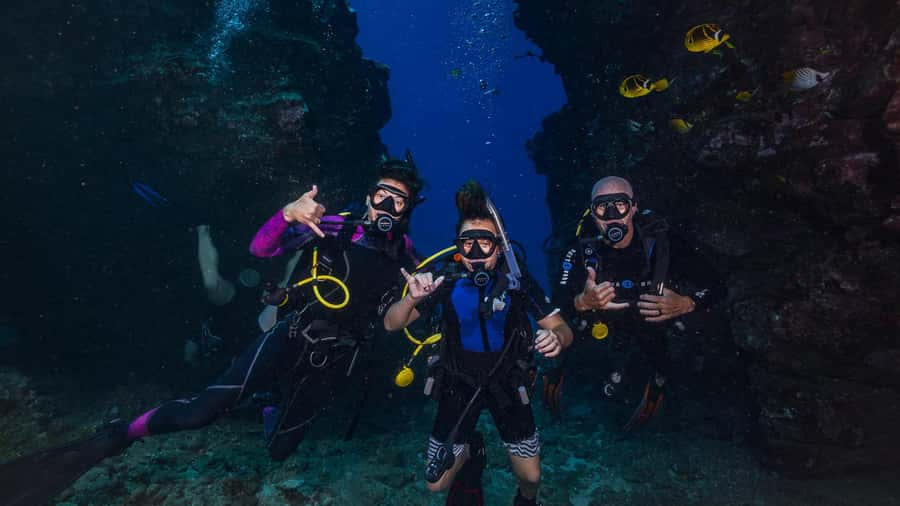
A limit of four participants changes the feel of a beginner lesson. With a large class, you might spend more time waiting while someone else practices. Here, the instructor can keep a closer eye on each person as you work through mask clearing and regulator recovery.
That is especially useful if you are unsure about the first breath underwater. You may need a little extra time to adjust, and the instructor can respond without making the whole group wait for long. The format also suits couples, friends, or a small family group, provided every participant meets the medical and swimming requirements.
This is not suitable for non-swimmers. You need to be comfortable enough in the water to participate in the supervised session. The activity is also not recommended for people with heart problems, respiratory issues, back problems, pregnancy, or a tendency toward seasickness.
The health restrictions are not minor fine print. Scuba places different demands on your body than ordinary swimming or snorkeling. If any listed condition applies to you, complete the medical form before finalizing other Maui plans.
Marine life without promising too much
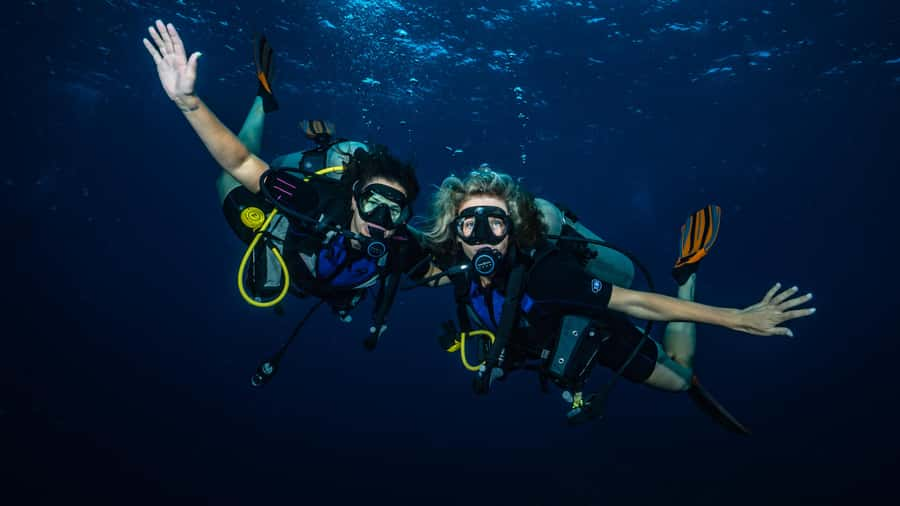
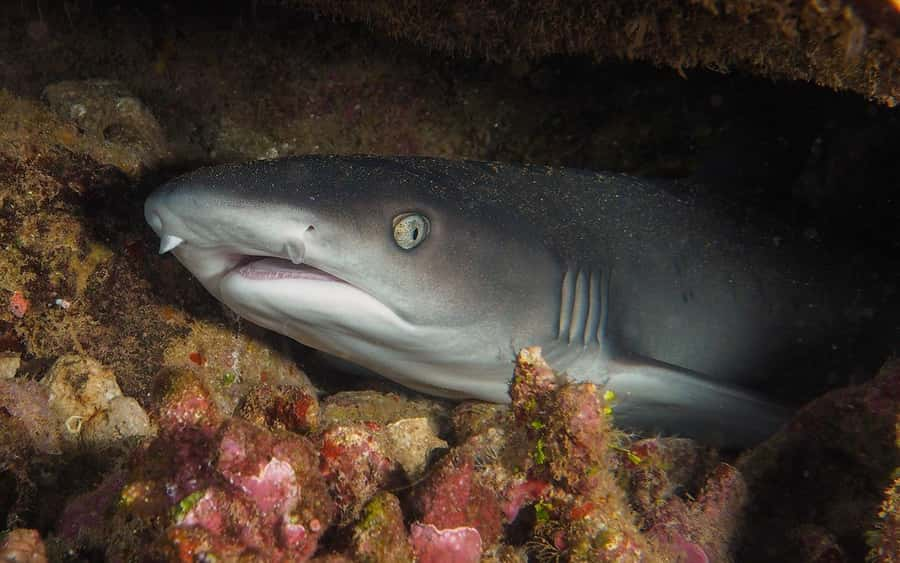
The coral reefs are the main attraction, with tropical fish and turtles among the possible sightings. The wording matters here: wildlife is never guaranteed. Even a healthy reef changes with water conditions, animal behavior, and timing.
That uncertainty is part of the appeal, but you should book this for the chance to see Maui underwater, not for a guaranteed turtle photograph. The lesson still has value if the animals remain out of sight because you are learning equipment skills and getting a controlled first taste of scuba.
The reef experience is also more personal than looking through a boat window. You are moving slowly in the water, using the breathing system, and paying attention to your surroundings. That can make ordinary fish and coral details feel more immediate.
The instructors can help you stay safe and point out what is around you, but you should not expect a naturalist-led wildlife tour based on the information provided. The focus is beginner instruction followed by reef exploration.
Is $160 a fair price?
The cost is $160 per person. For that price, you receive personalized instruction from a PADI professional, the PADI learning materials, and all scuba equipment rentals.
I consider that reasonable for a three-hour beginner experience, especially because equipment rental and direct instruction are included. You are not paying only for water time. Part of the price covers the safety briefing, online learning, gear, skills practice, and supervision in a small group.
The value depends on your goal. If you want a full scuba qualification, this is only a first step and you will need further training. If you want to test the activity during a Maui vacation, the price buys a clear introduction without requiring a longer course.
Food and transportation are not included. Plan for your own meal and your own route to Lahaina. You only need to bring swimwear, but it is sensible to arrive prepared for a water activity and allow enough time to find the meeting point.
The reserve-now, pay-later option can help if your Maui schedule is still shifting. You can also cancel up to 24 hours ahead for a full refund, according to the stated policy. Still, do the medical form early, since that issue may affect your ability to participate.
What past participants reveal about the instruction
The strongest praise centers on feeling safe and well cared for. Scott is specifically noted as a good instructor who helped participants feel secure, and one account describes an initially nervous participant relaxing once the session began.
That detail is useful if you are worried about sharks or other imagined dangers. The participant arrived nervous after hearing the subject discussed, then found the underwater setting peaceful and beautiful. You should not assume every person will react the same way, but the story shows why a calm instructor and small group can make a real difference.
Scott was also credited with handling a group well, while Matt received warm praise for his instruction. The available feedback is limited, but it points to the personal quality of the teaching rather than just the reef scenery.
The overall rating is 5 from six reviews. That is a very small sample, so I would not treat it as a guarantee. It does support the idea that the operator has made a strong impression on the people who submitted feedback, particularly through safety, calm instruction, and enjoyable water time.
Who should book this experience?
I would recommend it to an adult or older participant who can swim, wants a first scuba experience, and prefers a short shore-based appointment. It is also a good choice if you want close instruction rather than a large class.
You should book it if you like the idea of learning by doing. The mask and regulator exercises are not just demonstrations. You take part, then use the skills during the reef session.
It may not suit you if you want a boat trip, a guaranteed turtle encounter, a full certification course, or a long underwater expedition. It is also a poor fit if you dislike being in the ocean, are prone to seasickness, or have a medical condition that requires clearance.
English is the listed teaching language. If you need instruction in another language, this activity may not be the best match.
My take: book it for a careful first try
I would book this experience if I wanted to test scuba in Maui without signing up for certification training. The strongest reasons are the maximum group size of four, included equipment, direct PADI instruction, and the chance to practice real skills before exploring the reef.
Book early enough to complete the eLearning and medical form. Go in expecting a lesson first and a wildlife encounter second. If you stay patient, respect the marine life, and let the instructor set the pace, this can be a memorable and sensible introduction to Maui beneath the surface.
FAQ
How long does the Maui scuba experience last?
The full experience lasts three hours. The listed schedule includes a 30-minute class and a 75-minute scuba session, along with time connected to the start and return point.
Where does the activity begin?
You meet at Dive Maui and Hawaiian Rafting Adventures in Lahaina. You return to the same location after the water session.
Is this a certification course?
No. This is an introductory scuba experience with a PADI professional. It teaches basic safety and skills but does not provide full scuba certification.
How many people are in each group?
The activity is limited to four participants, creating a small-group setting for instruction and supervision.
Do I need to complete anything before arriving?
Yes. You receive access to PADI eLearning with reading and videos that take about 15 to 20 minutes. You also need to complete the PADI Medical as soon as you receive the login.
What happens if I answer yes on the medical form?
You may need clearance from a doctor before participating. The instructions advise completing the form early so the operator can determine if you are cleared and address a possible refund if you cannot take part.
What equipment is included?
All scuba gear rentals are included, along with PADI materials and personalized instruction from a PADI professional.
What should I bring?
Bring swimwear. Transportation and food are not included, and touching marine life is not allowed.
Newest dives added in the USA
- Private Scuba Diving Expert-Led Excursion Training with Tour★ 4.5 · 9 reviews
- Santa Fe Deep Dive History Walking Tour★ 4.5 · 14 reviews
- Scuba Certification★ 5.0 · 77 reviews
- No Experience Required to Discover Scuba in Florida★ 5.0 · 51 reviews
- Small Group Guided Shore Dives in St. Andrews State Park, Florida★ 5.0 · 52 reviews
- 2 Tank Private SCUBA Party Diving Charter from Waikiki Hawaii★ 4.5 · 34 reviews
- Discover Scuba Diving in Hawaii – Non certified divers!★ 5.0 · 3 reviews
- Two Tank Wreck and Drift Dive in Oahu★ 4.5 · 7 reviews
Scuba Diving, compared.

Great Barrier Reef Snorkeling and Diving Cruise from Cairns
Read our review →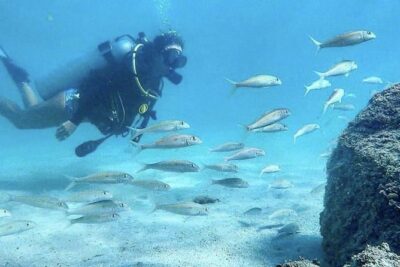
First-Time Scuba Diving in Honolulu + Free Videos
Read our review →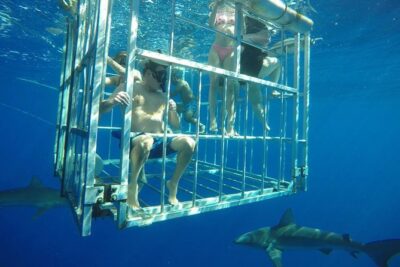
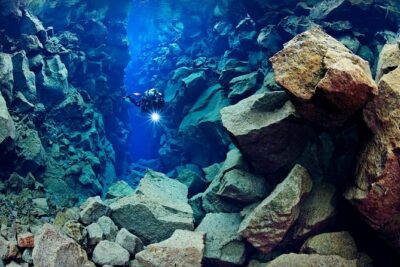
Diving Between Tectonic Plates – Meet on Location
Read our review →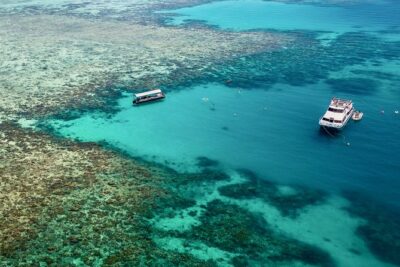
Ocean Freedom Great Barrier Reef Luxury Snorkel and Dive Cruise
Read our review →
Beginner Scuba Diving with Turtles and Videos, San Juan
Read our review →
Your First Scuba Diving Experience in Turtle Area
Read our review →
Browse the lists this dive appears in