
Reviewed · TWO-TANK BOAT DIVES
Discover Fajardo: 2-Tank Scuba Diving
Fajardo’s Cordillero Reef System gives first-time scuba students a real underwater introduction, not just a pool lesson. You begin with instruction, practice skills one-on-one with a certified guide, then head by boat for a second guided reef session to depths of about 40 feet.
I like the personal attention on the first underwater session, and I like that you leave with a PADI Student Diver Record and Referral Form so the work can count toward future certification. The main drawback is the early start and the strict health and flight rules. You must know how to swim, and flying within 18 hours is not recommended.
Key points to know before booking
- Two different underwater sessions: The first is personal training, while the second is a guided reef outing.
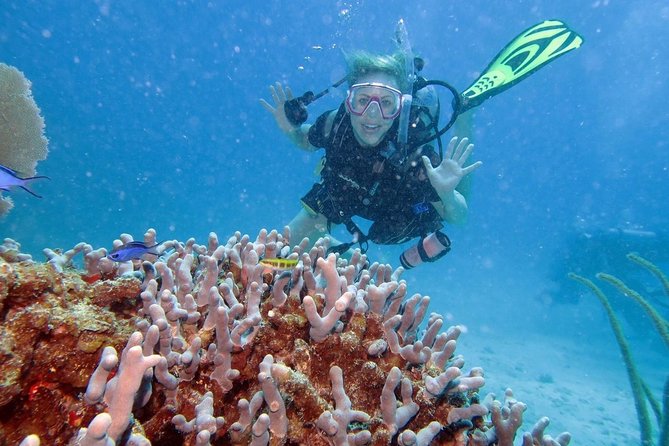
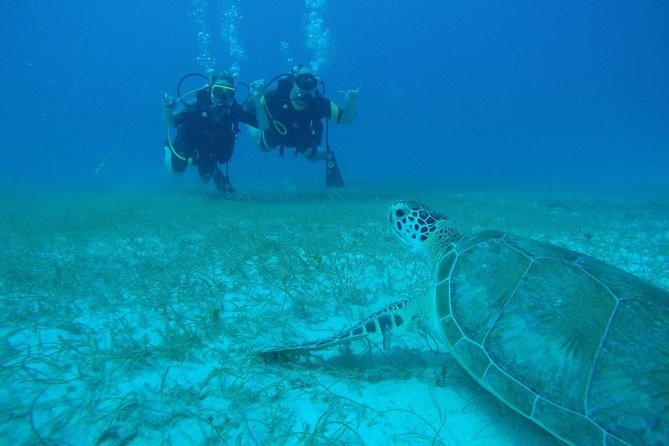
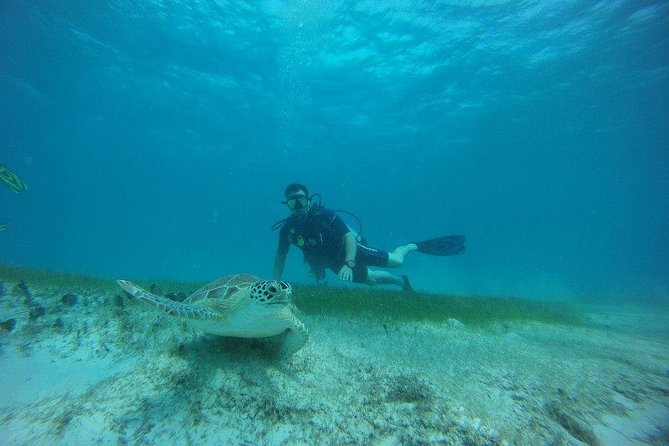
- Cordillero Reef scenery: Expect hard and soft corals, with possible sightings of turtles, lobster, jellyfish, and tropical fish.
- Beginner-friendly instruction: Guides such as Jose, Luis, Victoriel, Christoph, Alvin, and Dre have been praised for patience and careful support.
- Certification head start: The referral form lets you continue the PADI process later, though this trip alone does not make you certified.
- Small maximum group: The boat accepts no more than 12 people, which helps keep instruction manageable.
- Early logistics: Meet at the Villa Marina Shopping Center area at 7:30 am, and allow about five and a half hours for the full outing.
Your morning at Marina Puerto Del Rey
You begin at 7:30 am near the Villa Marina Shopping Center in Fajardo. The listed starting address is 987 Cll A, Fajardo, Puerto Rico 00738, and the outing returns to the same meeting point in the early afternoon.
The morning begins with waivers and an introductory lesson built around PADI skills. This is important for a first-timer. Scuba equipment feels unfamiliar at first, and the lesson gives you time to understand breathing, movement, and basic underwater procedures before you leave shore.
You will also complete a health questionnaire. Conditions such as asthma or heart problems may prevent participation, and the supplied medical guidance says you should consult a doctor if needed. Read the PADI medical form before booking, not while standing at the marina.
The company lists pickup as available, but transportation is not included in the tour price. Since the meeting point is the official starting place, confirm pickup details and any cost before you rely on hotel transportation. The extra Fajardo entrance charge is $3 per person.
More Two-Tank Boat Dives in the world
- Two-Tank Morning Dive Trip for Certified Divers
★ 5.0 · 602 reviews - 2 Tank Lanai Cathedral Scuba Dive Via Boat for Certified Divers
★ 5.0 · 548 reviews - Two-Tank Dive for Certified Diving in St Thomas
★ 5.0 · 456 reviews
Learning the basics before open water
After the initial lesson, you meet your instructor and receive the required equipment. The gear is included, as are beverages and snacks, so you do not need to arrange scuba equipment separately.
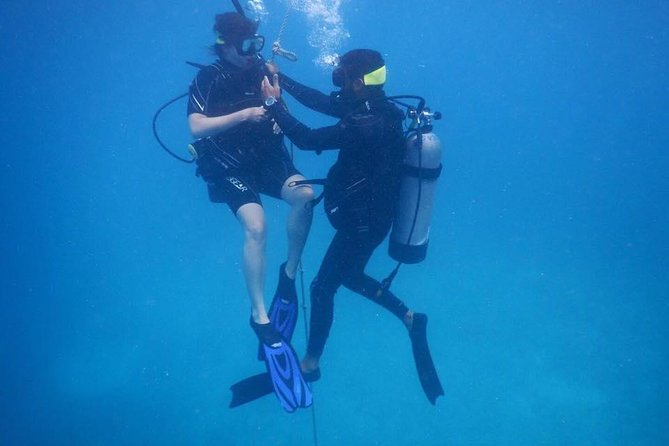
The first underwater session is the most useful part for a nervous beginner. It is described as a personal training session with one-on-one help from a certified guide. This lets the instructor watch your breathing and comfort level closely instead of sending you straight into a group activity.
That individual attention matters. Several guides have been singled out for staying close, explaining each step clearly, and giving new participants time to settle down. Jose is frequently praised for being patient and funny, while Victoriel is noted for working carefully with adults and teenagers. Luis, Alvin, Dre, and Christoph have also received strong praise for instruction and safety.
You should still arrive with realistic expectations. This is not a casual swim with a tank strapped on. Breathing through a regulator can feel strange, and one participant had to stop because breathing through the mouth was difficult. The instructor remained calm and supportive, but the experience did not work for everyone on the first attempt.
If you are unsure, practice relaxed mouth breathing before your trip. You must know how to swim, and you should be comfortable putting your face in the water. If snorkeling is still new to you, it may be wise to build confidence there before booking a scuba lesson.
Boat ride to the Cordillero Reef System
Once the class and equipment fitting are complete, you board a boat for nearby reef sites. The Cordillero Reef System is a chain of coral atolls with hard and soft corals, and the sites are close enough to fit into a half-day schedule.
The boat itself has earned praise for being fairly new, spacious, and comfortable. The ride is part of the appeal, but remember that sea conditions can affect the plan. A site may be changed or canceled if conditions are poor. One group encountered thousands of jellyfish at the first planned site, and the crew sensibly called it off before selecting another location.
That kind of change is worth accepting. You are not booking a fixed underwater postcard. You are booking a safety-first outing in a living marine environment. The crew may choose a different site to protect you from rough water, poor visibility, or an unpleasant concentration of jellyfish.
Weather can also cause a full cancellation. If that happens, you are offered another date or a full refund. A past scheduling problem involved boat repairs and bad sea conditions, showing why you should avoid packing this activity into a tightly timed final day with no backup plan.
What you see below the surface
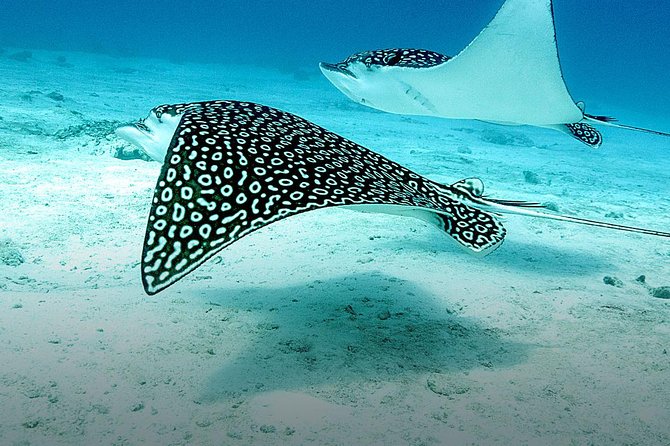
The planned maximum depth is about 40 feet, or 12 meters. That is shallow enough for a beginner introduction while still giving you a proper view of reef habitat rather than a brief swimming-pool exercise.
You might see tropical fish, lobster, and turtles. Jellyfish are also possible, though an unusually large gathering may cause the crew to move to another site. The most valuable part of the setting is not a promise of one particular animal. It is the chance to see how coral structure supports many forms of marine life in a relatively shallow area.
The guides make a point of showing you what is around you. That helps because first-time scuba students can spend so much energy watching their breathing and equipment that they miss the reef. A calm instructor can help you get comfortable, then direct your attention toward coral and sea life.
Water conditions are never guaranteed. Visibility, weather, and the chosen location can change the look of the reef. Still, the combination of two underwater sessions and a coral system just offshore gives this trip more substance than a single introductory lesson.
More Scuba Diving in the world
- Great Barrier Reef Snorkeling and Diving Cruise from Cairns
★ 4.5 · 3,714 reviews - First-Time Scuba Diving in Honolulu + Free Videos
★ 5.0 · 3,123 reviews - Oahu Shark Dive
★ 5.0 · 2,903 reviews - Silfra: Diving Between Tectonic Plates – Meet on Location
★ 5.0 · 2,139 reviews
How the two sessions differ
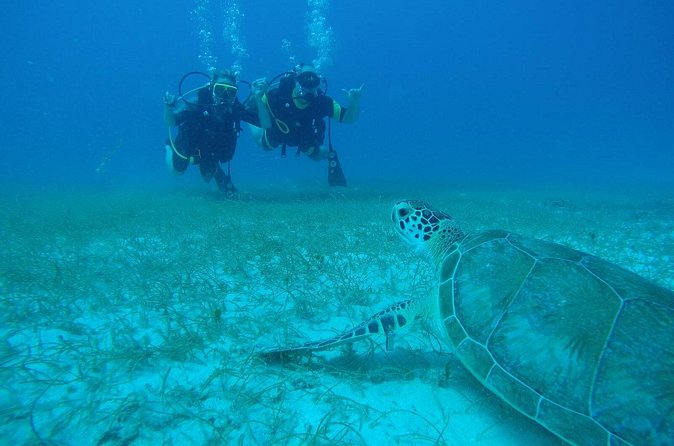
The first session is focused on training. You practice the required skills with close supervision and learn how to function underwater. If you feel anxious, this is the point when you can slow down, ask questions, or decide not to continue.
The second session is a guided reef visit with other participants and your instructor. By then, you have had time to adjust to the equipment and basic procedures. The staff remains nearby, but you get more room to look around and take in the surroundings.
That progression is one of the strongest reasons to choose this experience. You are not expected to learn everything and explore at the same time. The first session builds control, while the second gives you a better chance to enjoy the reef.
The group maximum is 12 people. That is not a private charter, but it is a reasonable limit for a beginner activity. Your actual level of one-on-one attention can depend on the group and instructor assignments, so tell the operator in advance if someone in your party is particularly nervous or inexperienced.
What the PADI referral form really means
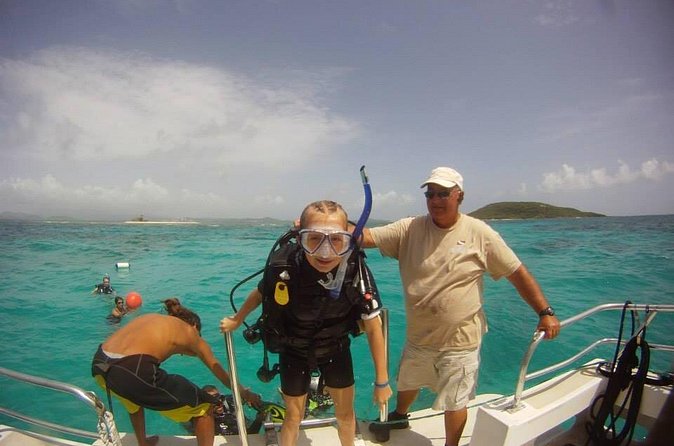
At the end, you complete a Student Diver Record and Referral Form. This form allows you to continue the PADI certification process later, but it does not make you a certified scuba diver by itself.
Think of this experience as a first section of the training rather than a finished qualification. You get an introduction to the skills, guided practice, and a record that can help you resume the process elsewhere. Evidence of certification is required for anyone taking a certified dive, so do not confuse this beginner session with a standard certified outing.
This arrangement suits people who want to test scuba before committing to a full course. You can find out how your body and nerves respond to the equipment, and you can decide afterward if formal certification is worth pursuing.
It is also useful for parents bringing older children or teenagers, provided the children are accompanied by an adult and meet the operator’s participation requirements. One family used the experience as a shared activity between a parent and child, and the format works well for that kind of bonding.
Price and what you receive for $238.57
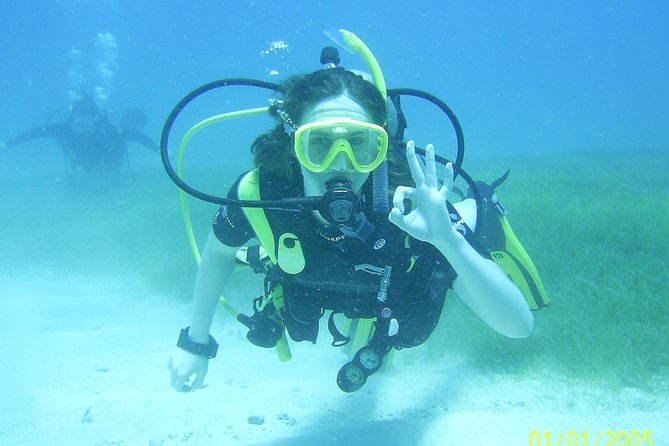
At $238.57 per person, this is not a budget water activity. The price makes more sense when you count what is included: instruction, a professional guide, all necessary equipment, boat access to two underwater sessions, beverages, snacks, and the certification referral paperwork.
The personal training portion is especially important to the value. A cheaper outing with little instruction may not be useful if you are new to scuba or become uneasy underwater. Here, the first session is designed to help you learn the basics before the reef visit.
You should also budget for the $3 Fajardo entrance charge. Transportation is not included, even though pickup is offered, so clarify the pickup arrangement before you book. If you need hotel transport, the final cost may be higher than the advertised rate.
For someone who wants only a quick look at sea life, snorkeling will cost less and involve less preparation. For someone curious about scuba and interested in continuing toward PADI certification, the two-session format gives the price a stronger case.
Timing, health rules, and practical preparation
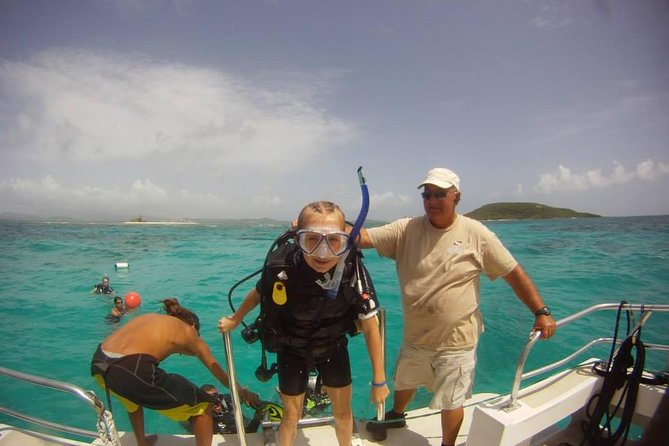
The total outing lasts about five and a half hours. With a 7:30 am start and an early afternoon return, it takes up most of the morning but leaves later time for another activity if the schedule runs as planned.
Do not schedule a flight soon afterward. The operator does not recommend flying within 18 hours of the activity. This is a key planning rule, particularly if Fajardo is near the end of your Puerto Rico trip.
You also need to be ready for the health screening. Some medical conditions require clearance from a doctor, and certain answers on the PADI medical form may prevent you from participating without that clearance. Read the form before paying so you can avoid an unpleasant surprise at check-in.
Bring a patient attitude. The crew may need to replace a planned reef site, adjust the schedule for sea conditions, or spend extra time helping a participant feel comfortable. The most successful approach is to treat the day as an introduction to scuba, not as a guaranteed wildlife checklist.
Free cancellation is available if you cancel at least 24 hours before the start time. Later cancellations are not refunded, and changes inside that window are not accepted. Weather or minimum participation cancellations come with a choice of another date or a full refund.
Who will get the most from this experience
This outing fits a first-time adult who can swim, is comfortable trying new equipment, and wants a careful introduction before pursuing certification. It also suits families with older children who want a shared challenge, as long as an adult accompanies the children.
It is a good choice for you if you value patient instruction over a rushed splash in the water. The individual training session, shallow maximum depth, and small group cap all help create a more controlled first experience.
You may want another activity if you cannot breathe comfortably through your mouth, have not learned to swim, or have a medical condition that has not been cleared. Snorkeling may be a better first step if you are unsure how you will react to a regulator.
You should also reconsider the booking if your schedule cannot tolerate a weather delay or site change. Marine activities depend on conditions, and the operator has canceled trips when boat problems or poor seas made it unsafe to proceed.
Should you book the Fajardo two-tank experience?
I would book this if you want a genuine first taste of scuba with the option to continue toward PADI certification. The strongest features are the one-on-one first session, attentive guides, included equipment, and access to the Cordillero Reef System rather than a purely instructional setting.
I would not book it as a guaranteed turtle-spotting trip or as a quick activity between fixed appointments. The reef, weather, and schedule can change, and the early start requires careful planning.
For a prepared swimmer with an open morning and no flight within 18 hours, this is a well-structured introduction. Bring patience, read the medical form, confirm transportation, and let the instructors control the pace. That is the best way to get the most from the day.
FAQ
Where does the activity start?
It starts at the Villa Marina Shopping Center, 987 Cll A, Fajardo, Puerto Rico 00738. The listed start time is 7:30 am, and the activity ends back at the meeting point.
How long does the experience last?
The outing lasts about five hours and 30 minutes, returning in the early afternoon.
How deep will I go?
Most underwater sessions reach no more than 40 feet, or 12 meters.
Is scuba equipment included?
Yes. The necessary equipment is included, along with beverages, snacks, and a professional guide.
Do I need to be certified?
No certification is required for the introductory experience, but you must know how to swim. Evidence of certification is required for participants who want to take part in a certified dive.
Can I continue my PADI certification afterward?
Yes. You receive a Student Diver Record and Referral Form that allows you to continue the PADI certification process later.
Is transportation included?
Transportation cost is not included in the tour price. Pickup is offered, so confirm the pickup arrangement and any related cost before booking.
Can I fly after the activity?
Flying within 18 hours of the activity is not recommended. You must also complete a health questionnaire, and some medical conditions may require clearance from a doctor.
Newest dives added in the world
- Fun Dives For Certified Divers★ 5.0 · 44 reviews
- Discover SCUBA Diving in Beautiful Unawatuna Bay★ 5.0 · 30 reviews
- Phuket Scuba Diving Maiton Private Island Small Group or Snorkel★ 5.0 · 9 reviews
- PADI Scuba Diver Course★ 5.0 · 30 reviews
- Fun Dives For Certified Divers★ 5.0 · 30 reviews
- Tulamben Diving Tour Shipwreck USS Bali★ 5.0 · 13 reviews
- Tulamben Diving USS Liberty Shipwreck Scuba Dive★ 5.0 · 186 reviews
- Bali: Tulamben Bay and the USAT Liberty Wreck Dive★ 4.9 · 58 reviews
Two-Tank Boat Dives, compared.
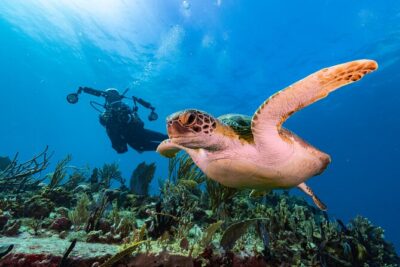
Two-Tank Morning Dive Trip for Certified Divers
Read our review →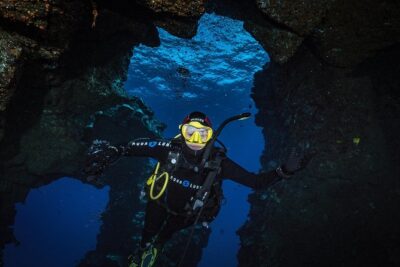
2 Tank Lanai Cathedral Scuba Dive Via Boat for Certified Divers
Read our review →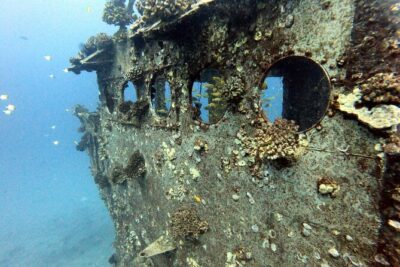
Certified Diver: 2-Tank Deep Wreck and Shallow Reef Dive Off Oahu
Read our review →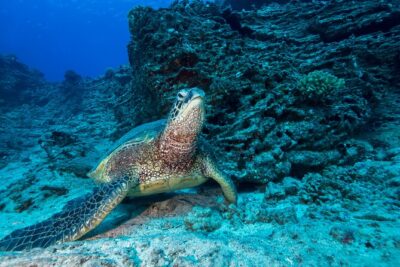
Certified Diver: 2-Tank Shallow Reef Dives off Oahu
Read our review →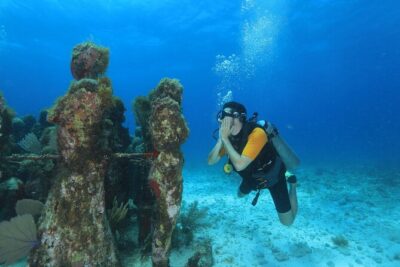
Two Tanks Scuba Diving for Beginners in Cancun
Read our review →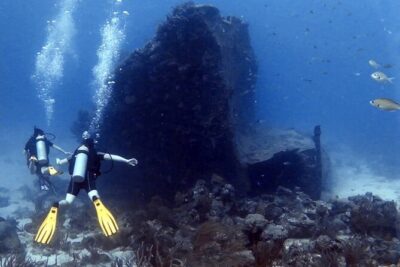
Aruba 2-Tank Dive Excursion for Certified Divers
Read our review →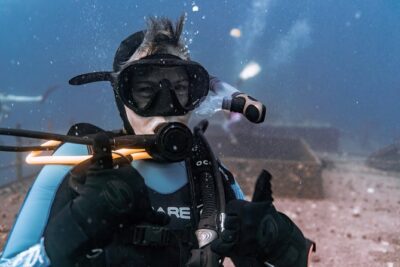
Waikiki 2 Tank World Class Wreck SCUBA Diving – Certified Only
Read our review →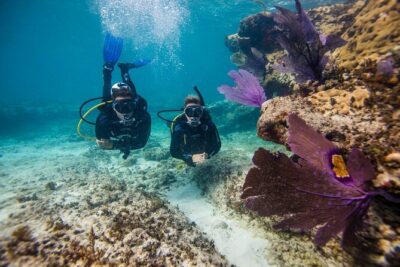
Browse the lists this dive appears in