
Reviewed · PADI COURSES & CERTIFICATION
Guided Padi Discover Scuba Diving for Non-Certified Divers
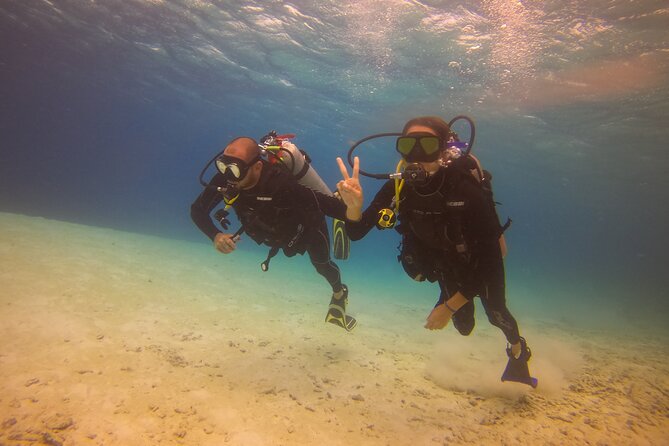
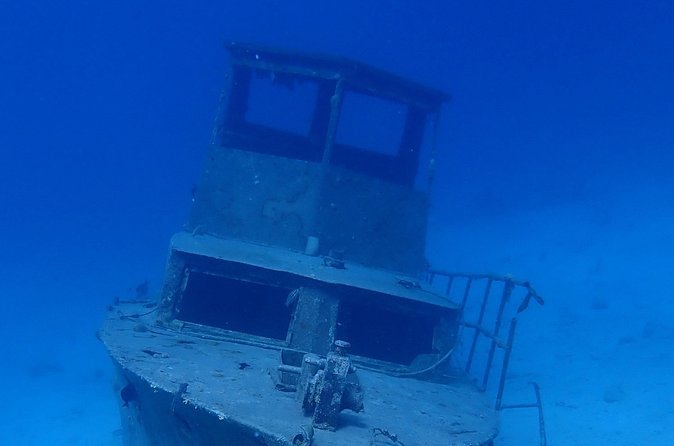
The biggest draw here is the chance to see Aruba below the surface without first completing a certification course. You begin with instruction and equipment practice, then move from shallow water into deeper water at a measured pace. With luck, the route includes tropical fish and a sunken ship.
I like the small maximum group of six, and I like that the instructors are praised for patience, clear demonstrations, and helping nervous beginners. The main catch is timing: you should not plan to fly on the same day, and private transportation is not included.
Key points to know before booking
- A true first-time introduction: You learn basic scuba skills before entering the sea, with no certification required.
- Small groups matter: The maximum is six people, and some sessions may be much smaller.
- Shallow-water practice comes first: Instructors can build your comfort before taking you farther down.
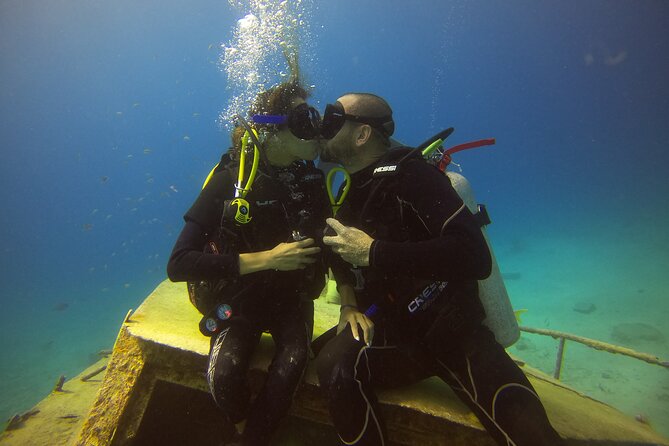
- A shipwreck may be part of the view: The exact underwater sights can vary, but fish and a sunken ship are mentioned as possible highlights.
- All scuba equipment is included: You do not need to arrange tanks, masks, or other core gear separately.
- Plan around your flight: Wait at least 12 to 24 hours after the activity before flying, depending on the depth and length of the session.
Starting at Aruba Bob in Savaneta
Your session begins at Aruba Bob Snorkel & Scuba, at Savaneta 305 in Oranjestad, Aruba. The activity returns to this same meeting point, which keeps the plan simple once you arrive.
Private transportation is not part of the $120 price. You will need to arrange your own way there and back, though the location is near public transportation. Check the meeting details carefully before setting out, especially if you are staying far from the southern side of the island.
The activity lasts about two and a half hours. That is long enough for an introduction, equipment setup, water practice, and an underwater outing, but it is not a full certification course. You are buying a guided first taste of scuba, not a license or a multi-day training program.
The group limit of six is one of the more useful details here. A small group gives the instructor more room to watch each person, explain a skill again, and adjust the pace. That matters when you are learning to breathe through a regulator or trying to clear your ears for the first time.
More PADI Courses in Aruba
- Aruba PADI Scuba Diving Program Non Certified Divers
★ 5.0 · 99 reviews - Half-Day Aruba Intro Diving Course for Beginners
★ 4.5 · 97 reviews - Barcelona: PADI Discover Scuba Diving
★ 4.7 · 1,016 reviews
Learning the basics before entering the sea
The session begins with an orientation. Your certified instructor explains the essentials of scuba, shows you the equipment, and demonstrates basic underwater techniques. You are not expected to arrive knowing how to assemble or use the gear.
That structure is important for a first attempt. Scuba can feel strange at first because you breathe through equipment while wearing a mask and carrying air on your back. A clear lesson gives you time to understand what each piece does before the water adds another layer of challenge.
The instructors are identified as Aruba locals who grew up around the Caribbean Sea. Guides including Jeff, Martina, Mark, Coco, Lui, and Quinten have led these sessions, though you will not know your assigned instructor until the day. Their role is not just to show you fish. They also need to make the equipment feel manageable and help you stay calm.
That personal approach is especially useful if you are anxious. One instructor, Coco, is noted for easing nerves and helping a participant work through difficulty with ear pressure. Jeff is also praised for moving gradually from shore and shallow water toward greater depth. These details suggest that the pace can be adjusted rather than forced.
Still, scuba requires your active cooperation. You need to listen closely, follow the instructor’s directions, and say when something feels wrong. This is not an activity where you should try to push through fear silently.
Moving from shallow water to the underwater site
The water portion is designed to build in stages. You begin in shallower water, where your instructor can demonstrate skills and help you get used to breathing underwater. Once you are comfortable, the group can progress farther down.
That gradual start is one of the strongest features for beginners. It gives you a chance to settle your breathing, check your mask, and learn how your body responds before the surroundings become more demanding. If you have never used scuba equipment, those first minutes can make the difference between enjoying the session and feeling overwhelmed.
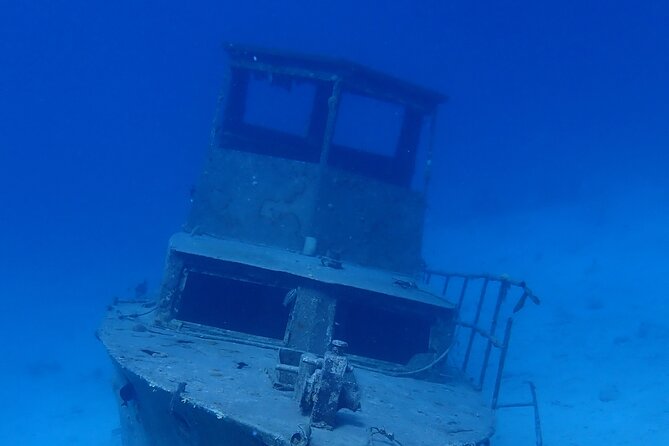
The exact depth and site are not specified, so you should not book this expecting a guaranteed particular reef or wreck. The available experience details do mention a sunken ship, and some outings reach it. You may also see a range of fish along the way.
The wreck adds a memorable goal to the session. Rather than simply practicing skills in open water, you may have an interesting object to look toward as you become more comfortable. At the same time, the wreck should be treated as a possible sight, not a promise. Weather, conditions, group ability, and the instructor’s judgment can affect the route.
The lesson and underwater time fit together well. You do not spend the whole two and a half hours in the sea, and that is sensible for a first session. The instruction, equipment use, and steady progress are part of what you are paying for.
What the underwater time can feel like
You can expect your instructor to remain central to the experience. The emphasis is on safe, guided exploration rather than sending you off to manage yourself. You will use the supplied scuba equipment and practice the techniques explained during the orientation.
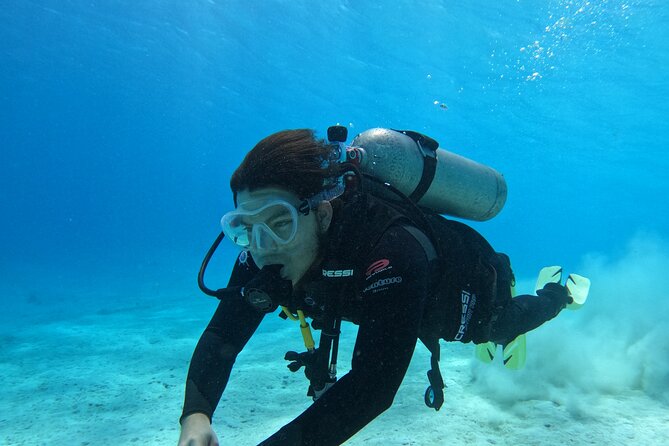
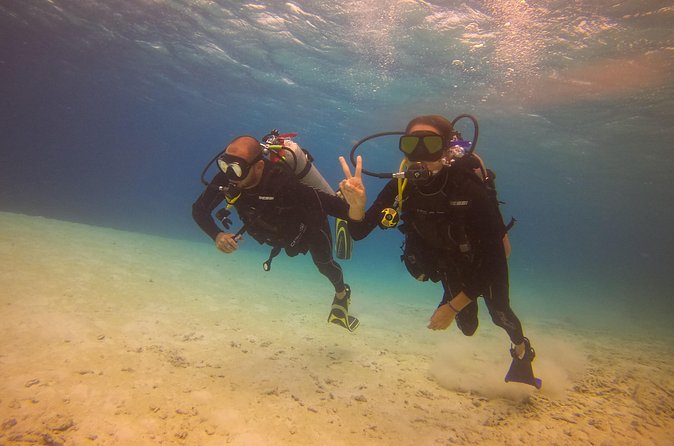
The first sensation may be the oddest: breathing underwater can take a moment to feel natural. After that, the setting begins to change. Fish, open water, and the shape of a sunken ship offer a different view of Aruba than you get from the beach or a boat.
Some people describe a calm feeling once they descend and settle into the rhythm. That does not mean every beginner will relax at once. Ear pressure, mask fit, breathing, or simple nerves can slow the process. The good news is that the experience is built around instruction, not speed.
I would think of this as a careful introduction rather than an action-packed water ride. The reward is the sense of learning a new skill while seeing the marine world at close range. If you want nonstop movement, this may feel slow. If you have always wondered what scuba feels like, the measured pace is a benefit.
The operator also provides free pictures of the activity. That gives you a way to remember the occasion without arranging a separate photo package. Since the exact number and style of pictures are not specified, treat them as a welcome extra rather than the main reason to book.
More Discover Scuba Diving in Aruba
- Discover Scuba Diving
★ 5.0 · 1,676 reviews - Discover Diving in Curacao
★ 5.0 · 886 reviews - Mallorca: Discover Scuba Diving for Beginners
★ 4.7 · 805 reviews - Lanzarote Introductory Scuba Diving Experience
★ 5.0 · 766 reviews
Why the instructors matter so much
For a first scuba session, the instructor can matter more than the scenery. Mark is known for using humor while helping people feel at ease, and he has been especially attentive both on land and in the water. Jeff and Martina are associated with patient teaching and clear demonstrations.
Coco is a useful name to keep in mind if you are nervous, though you cannot assume he will be assigned to you. His calm approach has helped beginners work through anxiety and ear adjustment. Lui and Quinten have also guided first-timers to a sunken ship.
The repeated theme is patience. That is more important than a flashy sales pitch. You need an instructor who will explain a skill again, watch your response, and avoid rushing you into deeper water before you are ready.
You should also remember that guide availability changes. Booking this activity does not guarantee a specific person unless the operator confirms that directly. It is fair to share any concerns at the start, including fear of depth, trouble with ear pressure, or a desire to begin slowly.
The value of $120 per person
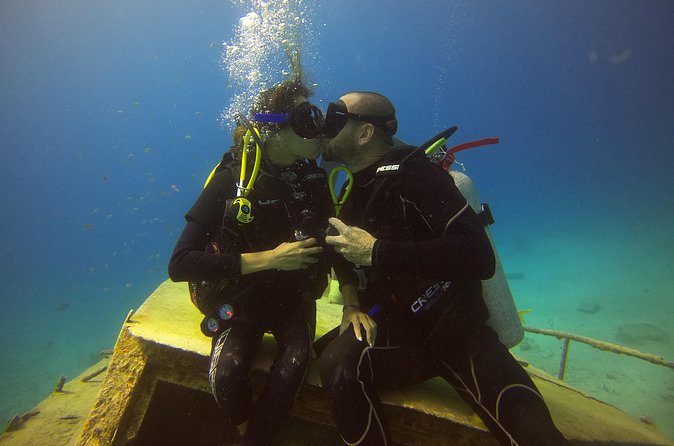
At $120 per person, this is not the cheapest way to spend two and a half hours in Aruba. But the price includes all fees and taxes, use of scuba equipment, certified instruction, the guided underwater session, and free activity pictures.
That package has good value if you are testing scuba for the first time. You avoid buying or renting equipment separately, and you do not need to pay for a certification program before finding out if you enjoy the sport. The small group size also gives the session more personal attention than a large boat operation might provide.
The value is weaker if you already hold a certification and want a full day of several underwater outings. This product is aimed at non-certified people, so experienced scuba users may find the lesson too basic.
Transportation is the main extra cost to consider. Because private transfers are not included, add your own transport budget and allow enough time to reach Savaneta 305. The activity ends where it begins, so you also need a return plan.
The free pictures are a nice touch, but I would base the purchase on the instruction and access to the water, not on the photographs. The central question is simple: is a guided first attempt worth $120 to you? For many people who want to try scuba without committing to certification, the answer will be yes.
Who should choose this introduction
This is a good match for you if you have never used scuba equipment, want close guidance, and prefer a short first session rather than a full course. It also suits families with older children or adult relatives, provided each participant can meet the activity requirements and is comfortable following instructions.
It can work well for a pair or small family group. A booking with only two or three people may feel particularly personal, since the instructor has more time to focus on individual comfort and technique.
I would also recommend it to a nervous beginner who is willing to proceed slowly. The shallow-water start and instructors’ patient approach give you room to build confidence. You should still be honest about your concerns at the beginning.
This is less suitable if you need private transportation, want a guaranteed wreck visit, or have a flight scheduled later that same day. It is also not the right product if your goal is certification. The experience introduces you to scuba, but it does not replace a certification course.
Timing your Aruba plans around the session
The flight restriction deserves careful attention. You are generally advised not to fly on the same day after this activity because of the risk of decompression sickness. The guidance provided recommends waiting at least 12 to 24 hours before flying, depending on the depth and duration of the session.
The safest practical choice is to schedule this activity well before your departure. Do not place it on the final morning of your Aruba stay if your aircraft leaves later that day. Building in a full day between the activity and your flight gives you a simpler schedule and avoids a rushed decision.
Weather can also affect the plan. The activity requires good conditions. If poor weather forces a cancellation, you can be offered another date or a full refund.
For booking changes, cancellation is free when made at least 24 hours before the start time. Changes or cancellations inside that window are not accepted for a refund. Confirmation is normally provided at booking, though reservations made within one day of the activity are confirmed as soon as possible, subject to availability.
Practical preparation for first-timers
Wear what you would normally choose for a water activity, and arrive ready to pay attention during the orientation. The operator supplies the scuba equipment, so your main job is to listen, ask questions, and tell the instructor if the mask, regulator, or ear pressure feels uncomfortable.
Do not hide uncertainty. If you need another explanation or a slower start, say so. The instructors’ approach is built around helping beginners, and clear communication gives them a better chance to support you.
Allow the full two and a half hours rather than planning another fixed activity immediately afterward. The stated duration is approximate, and equipment preparation, instruction, and the return to the meeting point all take time.
You should also keep expectations realistic. You may see fish and a sunken ship, but underwater visibility and the final route are not guaranteed in the information provided. The real purpose is to learn basic skills under supervision and discover if scuba suits you.
Should you book Aruba Bob’s first scuba session?
Book it if you want a supported first step into scuba, value a small group, and like the idea of beginning shallow before heading deeper. The strongest reasons are the included equipment, certified instructors, patient teaching style, possible shipwreck sight, and free pictures.
Think twice if you need a hotel transfer, have a same-day flight, or expect a guaranteed wreck visit. You also should not confuse this with certification. It is a guided introduction, not a qualification.
For a first underwater outing in Aruba, the format makes sense. You get instruction, a gradual start, and a chance to see fish and a sunken ship without committing to a longer course. Schedule it early enough in your trip, leave room after the activity before flying, and you will give yourself the best chance to enjoy the experience at its intended pace.
FAQ
Do I need scuba certification to join this activity?
No. This session is specifically for non-certified participants and introduces you to basic scuba skills under the guidance of certified instructors.
How long does the activity last?
The activity lasts approximately 2 hours and 30 minutes, including orientation, equipment instruction, and the underwater session.
What equipment is included?
Use of scuba equipment is included in the price, along with all fees and taxes.
Where does the activity begin and end?
It starts at Aruba Bob Snorkel & Scuba, Savaneta 305, Oranjestad, Aruba, and ends back at the same meeting point.
Can I fly on the same day after the activity?
You are advised not to fly on the same day. The provided guidance recommends waiting at least 12 to 24 hours before flying, depending on the depth and duration of the activity.
What happens if the weather is poor?
The activity requires good weather. If it is canceled because of poor conditions, you will be offered a different date or a full refund.
More Dives for Certified Divers in Aruba
- Aruba 2-Tank Dive Excursion for Certified Divers
★ 4.5 · 230 reviews - Aruba Certified Scuba Diving
★ 5.0 · 182 reviews - Aruba 2-Tank Guided Dive for Certified Divers / rental equipment
★ 4.5 · 70 reviews - Shore Dive Aruba for Certified Divers
★ 4.5 · 33 reviews
More Scuba Diving for Beginners in Aruba
- Small-Group Aruba Scuba Diving for Non-Certified Divers
★ 5.0 · 194 reviews - Private First-Time Dive on Aruba’s Reef and Wreck Site
★ 5.0 · 192 reviews - First-Time Scuba Diving in Honolulu + Free Videos
★ 5.0 · 3,123 reviews - Beginner Scuba Diving with Turtles and Videos, San Juan
★ 5.0 · 1,743 reviews
Newest dives added in Aruba
- Shore Dive Aruba for Certified Divers★ 4.5 · 33 reviews
- Private Dive + videographer/Photographer (Certified divers only)★ 5.0 · 11 reviews
- Night Shore Diving Mangel Halto Aruba for Certified Divers★ 5.0 · 6 reviews
- Private Dive at Shipwreck + Beautiful Reef Spot(Certified divers)★ 3.0 · 2 reviews
- Half-Day Aruba Intro Diving Course for Beginners★ 4.5 · 97 reviews
- Boat Dive Shipwreck/ Airplanes/ Reef /2 tanks★ 4.0 · 13 reviews
- Aruba Flyboarding & Jetovator Experience: Fly Like a Bird & Dive Like a Dolphin★ 4.5 · 64 reviews
- Aruba PADI Scuba Diving Program Non Certified Divers★ 5.0 · 99 reviews
PADI Courses & Certification, compared.
Tossa de Mar: PADI Discovery Scuba Diving in Costa Brava
Read our review →
Full-Day Beginner Scuba Course with Private Tuition, Racha Yai
Read our review →
Heraklion: Beginner Scuba Diving Lesson with PADI Instructor
Read our review →
Discover Scuba Diving with No Certification in St Thomas
Read our review →
Try Dive – PADI Discover Scuba Diving in Tenerife
Read our review →
Browse the lists this dive appears in