
Reviewed · SCUBA DIVING FOR BEGINNERS
Small-Group Aruba Scuba Diving for Non-Certified Divers
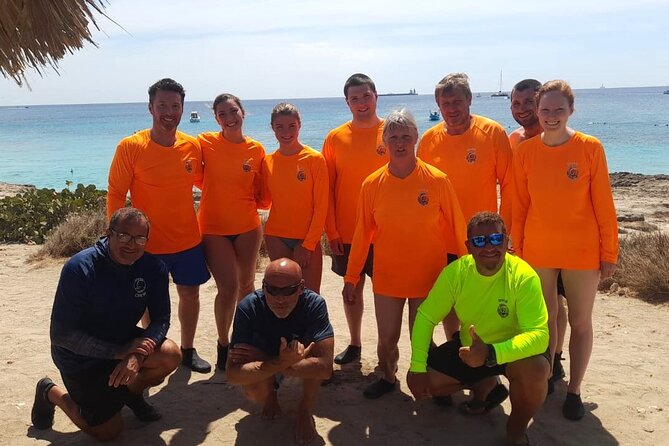
The best part of this Aruba scuba experience is that you can reach the underwater world without certification or a boat ride. After about 30 minutes of land instruction, you practice in shallow water, then continue farther out only when you feel ready. I like the one-instructor-to-two-diver ratio, and I like that patient guides such as Alonso, Alvaro, Steve, Jay, and Michel focus on keeping first-timers calm.
The main consideration is that this is a shore-based introductory session, not a full certification course or a trip to a dramatic offshore wreck. You also need to pass the medical questionnaire, pay the separate $7 BBO fee, and leave at least 18 hours between the activity and your flight.
Key points to know before booking
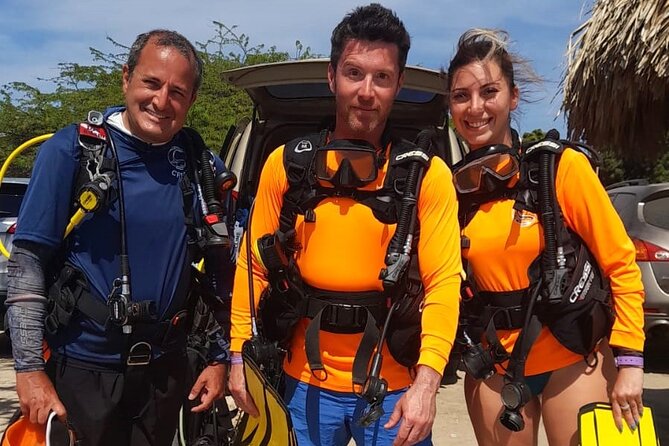
- Small groups matter: The maximum is four people, with no more than two non-certified participants per instructor.
- Tres Trapi keeps things gentle: The usual shore site offers calm, shallow conditions suited to learning basic skills.
- Expect real underwater time: The session lasts about two hours, and the underwater portion often runs around 45 minutes, depending on air use.
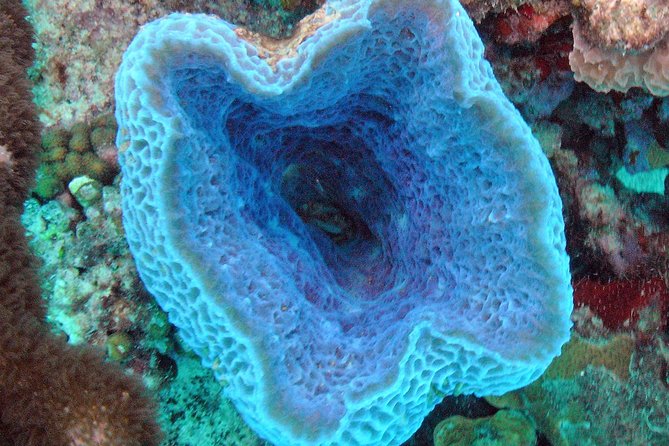
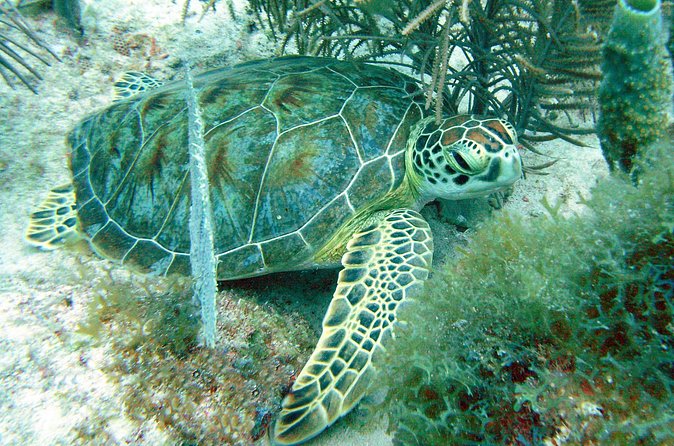
- Marine life can be excellent: Turtles, eels, pufferfish, octopuses, angel fish, schools of silver fish, and coral have all been seen.
- Medical clearance comes first: Check the PADI Discover Scuba or SDI Discovery Dive questionnaire before paying.
- It is best for curious beginners: You get a safe introduction, but you do not earn certification on this outing.
A gentle first step below Aruba’s surface
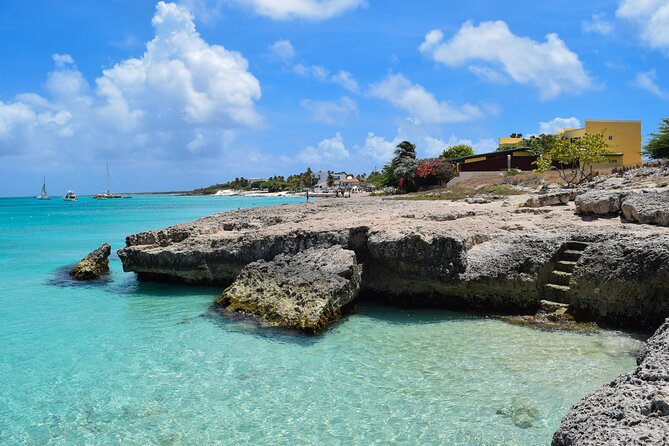
Aruba is known for clear water, warm conditions, and easy access to the sea. This session uses those strengths well. You do not need to board a boat, navigate open water, or already know how to manage a tank. You begin on land, learn the basics, and take each next step with an instructor close by.
The plan is simple. Meet at Tres Trapi Beach on L. G. Smith Boulevard at 2 pm, or arrange pickup from listed Palm Beach and Eagle Beach resorts, Harbor House, Renaissance resorts, or the cruise terminal. At the cruise terminal, the pickup point is across from the exit at a Citgo gas station.
The exact site may be Tres Trapi or Mangel Halto. The supplied details identify Tres Trapi as the meeting point and describe it as the usual beginner-friendly location. If conditions or operations call for Mangel Halto instead, confirm the final site with Pure Diving Aruba.
I like this format for anyone who has always wondered what scuba feels like but does not want to commit to a multi-day course. You get enough instruction to try the real activity, not just a quick swim with a mask.
More Scuba Diving for Beginners in the world
- First-Time Scuba Diving in Honolulu + Free Videos
★ 5.0 · 3,123 reviews - Beginner Scuba Diving with Turtles and Videos, San Juan
★ 5.0 · 1,743 reviews - Intro Diving 2 Stops For Beginners with Pick-up and Lunch – Hurghada
★ 5.0 · 1,146 reviews
The 30-minute briefing makes a real difference
Your first half-hour covers theory, equipment, and basic underwater procedures. This is the part that can feel slow when you are eager to get into the sea, but it is also where nervous beginners gain control.
You learn how to breathe through the regulator, clear your mask, equalize your ears, and handle the basic skills needed underwater. One participant described trying to remember all of these tasks at once: clearing the mask, breathing continuously, clearing the ears, and still having fun. That is a fair description of the mental load during a first session.
The instructors use clear demonstrations and, in at least one case, a storyboard-style teaching method. The goal is not to turn you into a certified scuba diver in one afternoon. It is to give you enough practical skill to stay calm, communicate, and respond to common beginner problems.
Alonso is repeatedly praised for his patience and steady coaching. Steve has also guided first-timers who arrived with anxiety, while Jay and Michel have handled the teaching side of the session. Names and staffing can change, but the important point is the close supervision built into the group size.
Getting comfortable in the shallows at Tres Trapi
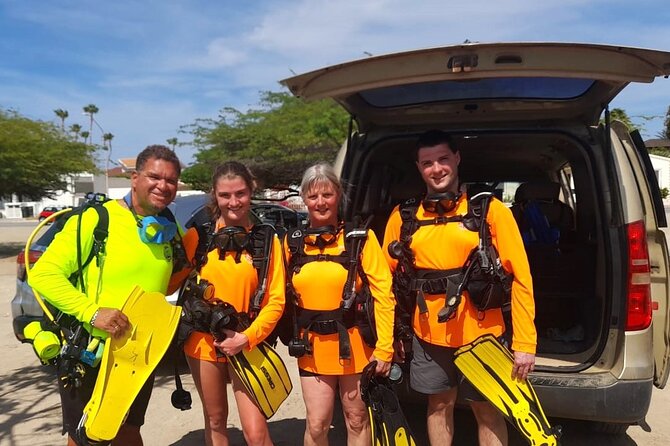
After the briefing, you receive your equipment: a BCD, regulator, weights, tank, mask, and fins. You may use your own mask and fins if you prefer, which is useful if you already know that rental masks tend to leak or fit poorly.
You then enter shallow water to practice the skills from the briefing. This gradual start is one of the strongest reasons to choose this outing instead of a boat-based first attempt. You can concentrate on breathing and equipment without immediately dealing with a ladder, current, deep water, or a long swim from a vessel.
The instructors watch how comfortable you are before moving farther out. If you are ready, you continue into deeper water to look at the coral and marine life. If you are not ready, the experience can remain shallower. One participant’s companion did not make it all the way down but was still able to snorkel above the group, while the instructor stayed attentive to her comfort.
That flexibility matters. Scuba is not a test of courage. If your ears will not clear or the regulator feels strange, forcing yourself lower is a poor choice. The guides’ responses suggest that staying shallow is treated as a reasonable option, not a failure.
What you might see under the water
Tres Trapi is not presented as an extreme site, and that is exactly why it works for beginners. The appeal is the combination of calm entry conditions and a surprising amount of life close to shore.
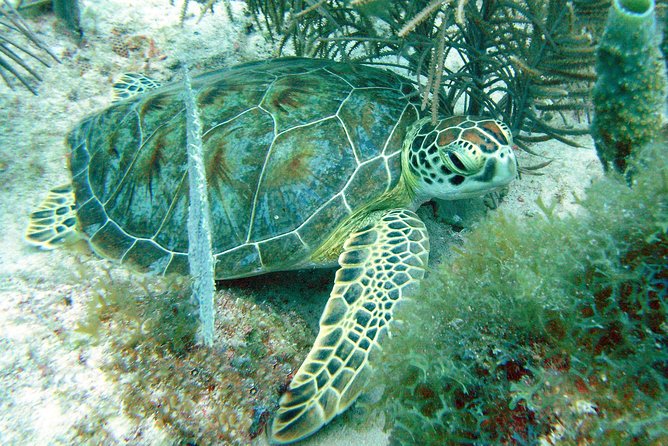
Possible sightings include sea turtles, eels, pufferfish, angel fish, schools of small tropical fish, flying fish, octopuses, and coral. One particularly memorable account included two turtles, an eel, a large school of silver fish, and a wall of coral. Another described following a turtle while seeing snakes and angel fish.
Wildlife is never guaranteed. Visibility can change with weather, and one session had murkier water for that reason. Still, the repeated turtle sightings make Tres Trapi especially appealing. The site also gives you a chance to see why scuba offers something different from snorkeling. You can move alongside the coral rather than only looking down from the surface.
Do not book this expecting a specific animal encounter or a dramatic offshore reef. The itinerary does not promise a set depth, exact route, or guaranteed turtle. Think of the marine life as a strong possibility within a calm instructional outing.
More Dives for Certified Divers in the world
- Two-Tank Morning Dive Trip for Certified Divers
★ 5.0 · 602 reviews - 2 Tank Lanai Cathedral Scuba Dive Via Boat for Certified Divers
★ 5.0 · 548 reviews - Wreck and Bridge Span Dive for Certified Divers
★ 5.0 · 521 reviews - Two-Tank Dive for Certified Diving in St Thomas
★ 5.0 · 456 reviews
Why the one-to-two ratio is worth paying for
The $114 price is not the cheapest way to see Aruba’s sea, especially when snorkeling is widely available. The value comes from the personal supervision and the equipment, instruction, and beginner support included in the session.
A maximum group of four sounds small, but the more important figure is one instructor for every two non-certified participants. That ratio lets the guide watch your breathing, position, ear clearing, and comfort more closely than a large commercial group could.
This is particularly useful if one person in your party is confident and another is anxious. The instructors can stay with the hesitant participant rather than moving everyone along at the same pace. A cautious beginner may only go a little deeper, while a more comfortable participant can continue exploring with the guide.
The session is also long enough to feel like a proper introduction. The total duration is about two hours, with roughly 30 minutes for instruction and often around 45 minutes in the water. Your air consumption determines the exact underwater time. Beginners usually use air faster, and tanks cannot be emptied completely.
I would consider the price fair for someone who wants a carefully supervised first attempt. If you only want a quick look at fish, snorkeling will cost less and demand less preparation. If you want to learn how scuba feels, the personal attention is the central value.
Shore access is easier, but the setting has limits
A shore entry removes several common complications. You do not spend time traveling to an offshore site, and you can start in shallow water. This helps if you are nervous about boats or if you want a straightforward introduction during a short Aruba visit.
The tradeoff is that the outing does not take you to a remote reef or wreck. One participant who had previously used boats initially expected less from a shore-based session, then found Tres Trapi more rewarding than anticipated. That reaction makes sense: the entry may be simple, but the water can still hold turtles, eels, schooling fish, and coral.
The site choice also depends on conditions. Tres Trapi is favored for its calm water and manageable depth, while Mangel Halto is another possible location. You should accept that the final setting may not match a postcard image or a precise wildlife wish list.
The afternoon start at 2 pm works well if you want your morning free for the beach, breakfast, or another Aruba activity. It is less convenient if you plan to fly the next day, since the safety guidance requires at least 18 hours between scuba and flying. A 2 pm session can make a morning flight the following day unsuitable.
Medical rules deserve attention before payment
Read the medical questionnaire before booking. The operator specifically points you toward the PADI Discover Scuba or SDI Discovery Dive form. A yes answer does not automatically mean you are barred, but it can mean you need written permission from a doctor.
The activity requires reasonable fitness and healthy respiratory and circulatory systems. Heart problems, unhealthy air spaces, alcohol, drugs, and certain medications can affect your ability to participate. If you take medication or have a medical concern, consult your doctor before arriving and bring written clearance if advised.
This is not unnecessary paperwork. Pressure changes and breathing underwater place real demands on your body. The one-star experience in the supplied information came from someone who learned only at the meeting point that a medical answer prevented participation. Checking first can save you disappointment and money.
The minimum age is 10. Most people can take part, but the medical requirements still apply to children and adults. Parents should consider how well a child can listen, follow instructions, and stay calm while wearing unfamiliar equipment.
Who will enjoy this Aruba activity most
I would choose this for:
- A first-time scuba participant who wants a controlled introduction.
- A couple with different comfort levels in the water.
- Families with children age 10 or older who meet the medical requirements.
- Cruise passengers looking for a shore-based afternoon activity.
- Snorkelers who want to experience the reef from below the surface.
- Anyone considering certification but not ready to commit to a full course.
It is less suitable if you want a deep site, a wreck, a long boat excursion, or a guaranteed animal encounter. It is also a poor choice if you have not checked the medical form or if you need to fly within 18 hours.
The activity can also work for someone with previous experience who wants an easy shore session. One participant with a long background in scuba still enjoyed the calm water and abundant marine life, though certified divers may find the instruction and depth limits basic.
Pickup, timing, and the small extra charge
The meeting point is Tres Trapi Beach, and the activity ends back there. Pickup is offered from Palm and Eagle resorts, Harbor House, Renaissance resorts, and the cruise terminal. Confirm the pickup arrangement when booking, since the listed locations are specific.
The advertised price is $114 per person. A separate BBO fee of $7 per person is not included, so budget $121 per person before any optional gratuity or other personal costs.
Confirmation arrives at booking, and free cancellation is available up to 24 hours before the 2 pm start time. Changes or cancellations inside that window are not refunded. Poor weather can lead to a new date or a full refund, which is important for a sea-based activity.
The small group is capped at four participants, so do not assume that a large party will all be handled together in one group. Ask how your booking will be arranged if you are traveling with more than four people.
Should you book it?
Book this session if you want a patient, closely supervised introduction to scuba in Aruba, especially if you value calm shore access over a boat ride. The strongest reasons are the one-to-two instructor ratio, the shallow skills practice, and the real chance to see turtles and coral without certification.
Skip it if your main goal is a deep offshore site or if your schedule leaves less than 18 hours before a flight. Check the medical questionnaire first, bring written clearance if needed, and remember the extra $7 BBO fee.
For a first attempt, this is a sensible choice. You get enough time to learn the basics, practice them in shallow water, and decide if you want to pursue full certification later.
FAQ
Do I need scuba certification to join?
No. This is designed for non-certified participants and includes basic theory, equipment instruction, shallow-water skills, and a supervised underwater session.
Where does the activity begin?
The listed meeting point is Tres Trapi Beach at L. G. Smith Boulevard 105 in Noord, Aruba. The activity ends back at the meeting point.
What time does it start?
The scheduled start time is 2 pm, and the full activity lasts approximately two hours.
How many people are in the group?
The maximum group size is four participants. For non-certified participants, the stated ratio is no more than two people per instructor.
What is included in the equipment?
The equipment includes a BCD, regulator, weights, tank, mask, and fins. You may use your own mask and fins if you prefer.
What is the minimum age?
The minimum age is 10 years.
How long must I wait before flying?
You must wait at least 18 hours after the scuba activity before flying.
Newest dives added in the world
- PADI Scuba Diver Course★ 5.0 · 30 reviews
- Fun Dives For Certified Divers★ 5.0 · 30 reviews
- Tulamben Diving Tour Shipwreck USS Bali★ 5.0 · 13 reviews
- Tulamben Diving USS Liberty Shipwreck Scuba Dive★ 5.0 · 186 reviews
- Bali: Tulamben Bay and the USAT Liberty Wreck Dive★ 4.9 · 58 reviews
- From Pattaya: Snorkeling or Beginner Scuba Diving Tour★ 4.1 · 68 reviews
- From Punta Cana: ScubaDoo, Snorkel & Glass Bottom Boat Tour★ 3.9 · 73 reviews
- Punta Cana Party Cruise with Snorkeling, Hooka Diving and Parasailing★ 4.5 · 79 reviews
Scuba Diving for Beginners, compared.
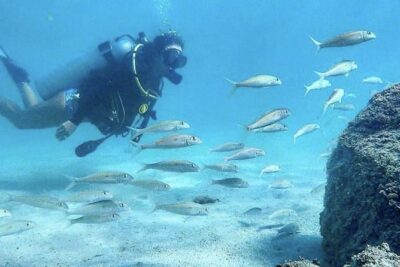
First-Time Scuba Diving in Honolulu + Free Videos
Read our review →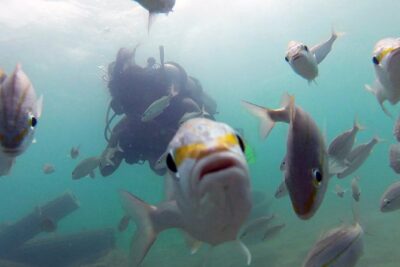
Beginner Scuba Diving with Turtles and Videos, San Juan
Read our review →
Intro Diving 2 Stops For Beginners with Pick-up and Lunch – Hurghada
Read our review →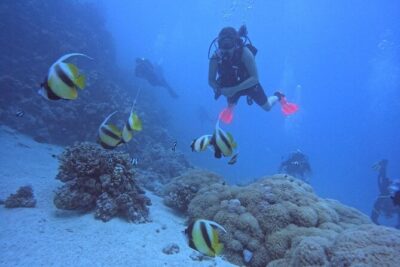
Intro Diving Beginner and Discover Red Sea Underwater
Read our review →
Beginner’s Dive at a Spot with Turtle Sightings
Read our review →
Scuba Diving Experience in Caldera for Beginners
Read our review →Browse the lists this dive appears in