
Reviewed · DIVES FOR CERTIFIED DIVERS
Maui Certified Shore Diving from Lahaina
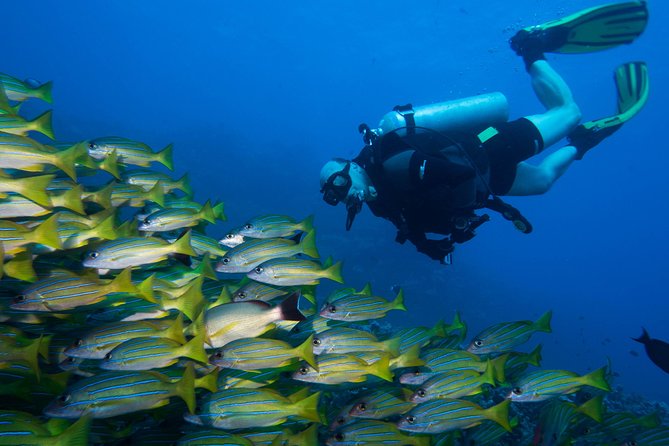
Maui’s shallow reefs can offer a surprisingly full underwater show: coral, tropical fish, eels, octopuses, and often sea turtles. Guides such as Gabi carry a writing tablet underwater, so you can learn the names of the fish as you go instead of trying to remember them later.
I like the small maximum group of four, which gives your instructor room to watch your comfort and buoyancy. I also like the naturalist approach, with guides such as Bruce, Phil, and Gabi pointing out creatures and explaining the local ecosystem. The main drawback is logistical: the advertised Lahaina address is not the actual meeting point, so you must confirm the beach location by phone or message before setting out.
Key points to know before booking
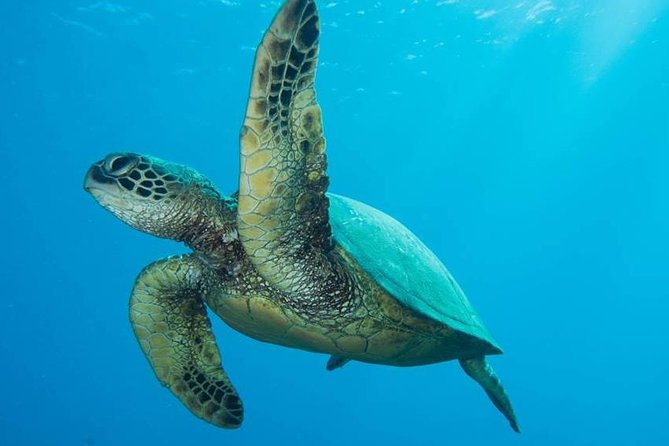
- Shallow reef setting: You swim from shore to a reef area with coral, rock formations, fish, eels, and possible sea turtles.
- Small group attention: The maximum is four participants, useful for new certified divers or anyone who has not been underwater recently.
- Flexible beach location: The site depends on ocean conditions, and you should receive directions the day before.
- Full basic equipment included: Tank, weights, belt, mask, fins, and scuba gear are supplied, along with water.
- Single outing by default: The booking covers one underwater session of about 2 hours 15 minutes; ask on the booking day about a two-tank option.
- Strict flight rule: Wait 18 hours after the activity before flying, taking a helicopter, or visiting Haleakala.
A short shore outing with plenty to see
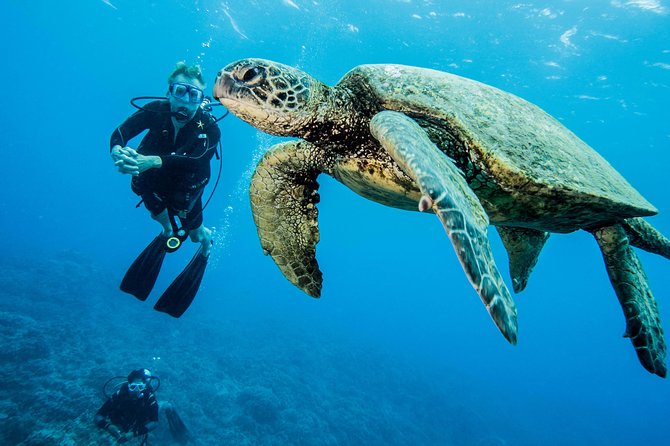
This is a focused Maui underwater session rather than an all-day boat trip. You meet your instructor at a beach selected for the day’s ocean conditions, prepare your equipment, review safety points, and enter from shore.
The swim to the reef is described as easy by past participants, with coral and rock formations close to the beach. That makes this a useful choice if you want a straightforward return to scuba without spending a full day on a boat. It also keeps the outing manageable for a first certified session after training.
Once you reach the shallow reef, your instructor leads the group at a pace suited to the conditions and the people in the water. You might see tropical reef fish, eels, octopuses, and sea turtles. Whales have also been heard underwater during the season, though that is a lucky extra rather than something to count on.
The standard plan is one session. The total time is about 2 hours 15 minutes, which includes preparation and the shore entry, not several hours underwater. If you want two tanks, you may request that on the day of booking, but the supplied information does not promise that the option will always be available.
More Dives for Certified Divers in the USA
- 2 Tank Lanai Cathedral Scuba Dive Via Boat for Certified Divers
★ 5.0 · 548 reviews - Wreck and Bridge Span Dive for Certified Divers
★ 5.0 · 521 reviews - Certified Diver: 2-Tank Deep Wreck and Shallow Reef Dive Off Oahu
★ 5.0 · 331 reviews
Why the guide matters more than the reef map
A shallow reef is not automatically easy to appreciate. Small fish disappear into rock, eels hide in crevices, and a well-camouflaged creature can be inches away without you noticing it. Your instructor is there to help you see what you would otherwise swim past.
Gabi has been especially attentive with participants, using a tablet to write the names of fish underwater. That simple touch changes the outing from a swim among colorful shapes into a guided lesson in Maui’s marine life. You can focus on watching rather than trying to communicate through hand signals alone.
Bruce has been praised for clear safety instruction and for showing people good places to explore around Lahaina. Phil has helped recently certified participants settle in with calm pointers during the session. These details matter because shore scuba leaves you managing your equipment, entry, and buoyancy while also taking in the reef.
The small group helps here. With no more than four people, the instructor has a better chance of noticing if you are uncomfortable, floating too high, or having trouble with your gear. One participant was very buoyant and needed extra weights. The guide carried additional weights and attached two to the buoyancy compensator. That is the kind of practical attention that can make a big difference underwater.
What the beach entry is really like
This is not a boat-based outing with a ladder, a planned mooring, and a quick drop into open water. You enter from a beach and swim toward the coral and rock formations. The exact beach changes because the team chooses a site based on daily ocean conditions.
That flexibility is sensible for Maui, where wind, surf, visibility, and shore conditions can change. It also means you should not treat the address shown during booking as your final destination. The company’s Lahaina building was destroyed in the wildfire, so the listed address is not where you should meet.
The team attempts to send the beach location the day before. If you do not receive that message, call or text before heading out. This is not a minor detail. Arriving at the old address could leave you searching for a business that is no longer there and possibly missing the start time.
Once you have the correct location, plan for a practical beach meeting rather than a resort-style check-in. Hotel pickup and drop-off are not included. You are responsible for reaching the beach and returning to your accommodation afterward.
Equipment and preparation
The basic scuba equipment is supplied. That includes the tank, weights, weight belt, mask, fins, and general scuba gear. Water is also provided.
You need to supply proof of certification. This is a certified scuba activity, not a beginner lesson for someone who has never completed training. The minimum age is 12, and participants should have a moderate level of physical fitness.
You also need to complete the online waiver before the activity. The operator asks for your shoe size in U.S. men’s sizing, so send that information promptly. Correct fin sizing is a small detail, but it matters during a shore entry and swim.
I would also bring the practical items you usually want for a beach outing: a swimsuit, towel, sun protection, and dry clothes. Those items are not listed as included, so you should not expect the operator to provide them.
Another way to get in the water in the USA:
- First-Time Scuba Diving in Honolulu + Free Videos
★ 5.0 · 3,123 reviews - Oahu Shark Dive
★ 5.0 · 2,903 reviews - Oahu: Shark Cage Dive on the North Shore
★ 4.8 · 1,485 reviews - Shark Cage Diving on Oahu’s North Shore
★ 5.0 · 1,391 reviews
A good choice for newly certified scuba participants
This outing suits you best if you have certification but limited experience in the ocean. Several participants used it as their first session after certification, and the guides provided extra instruction and reassurance.
That does not mean you can treat it as a casual tryout. You still need current certification and enough fitness for a shore entry, equipment handling, and swimming to the reef. If you have not been underwater recently, tell the instructor. The small group makes it easier for the guide to offer reminders and adjust the pace.
It can also work well for an experienced scuba participant who wants a short local session rather than a full boat day. You get a guided look at a shallow reef, with an instructor focused on finding marine life rather than simply leading you from one point to another.
I would be more cautious if you dislike swimming from shore, have mobility limits that make beach entries difficult, or want a deep-water or advanced wreck experience. The information provided describes a shallow reef ecosystem, not a technical or deep-water outing.
Marine life, with realistic expectations
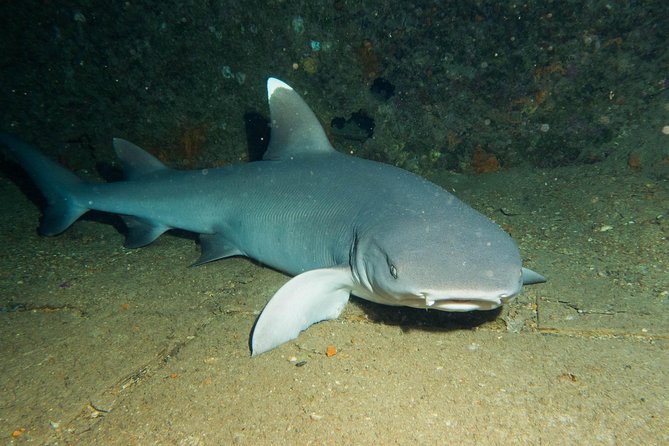
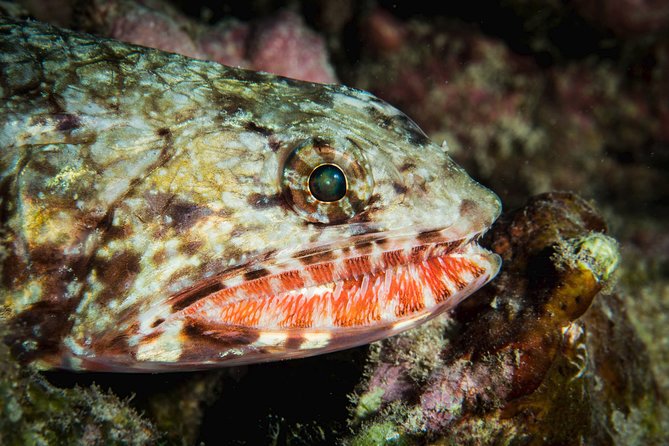
Sea turtles are one of the main draws, and they are frequently seen on this type of outing. You might also find eels, tropical fish, coral, rock formations, and an octopus. The guides’ ability to spot camouflaged creatures is part of the value.
Still, ocean wildlife follows its own schedule. No one can promise a turtle, octopus, or particular fish on a given morning or afternoon. The naturalist guiding helps you make the most of what is present, but this is not an aquarium with a guaranteed cast.
The underwater tablet is a clever teaching tool. When Gabi writes down fish names, you can connect the animal’s shape and behavior with a name before moving on. That is especially useful if you are new to reef identification or want more than a quick look at colorful fish.
The shallow setting may also help you feel less rushed. You are close to shore, and the focus is on observing the reef rather than covering a large distance. For many people, that low-key rhythm is exactly what makes the outing appealing.
Morning or afternoon timing
You can choose a morning or afternoon time. That flexibility helps you fit the session around other Maui plans, but the 18-hour no-fly rule should shape your schedule.
Do not book this for the same day as a flight, helicopter ride, or visit to Haleakala. The stated restriction requires an 18-hour wait after scuba before those activities. A morning session may be easier to fit into a trip if you want land activities later, but you still need to calculate the full waiting period.
I would also avoid placing this outing immediately before a tightly timed reservation. The session is listed at about 2 hours 15 minutes, but beach conditions and preparation can affect the pace. Give yourself room to find the confirmed meeting point and get settled without stress.
Is $199.99 a fair price?
The price is $199.99 per person. That is not a small add-on, but the value depends on what you want from your Maui day.
The fee covers a professional guide, tank, weights, belt, mask, fins, scuba equipment, and water. The group size is capped at four, which is important. You are not paying only for access to the reef. You are also paying for a trained instructor who watches the group, helps with equipment, identifies marine life, and adapts to individual needs.
The price makes more sense if you value personal attention and a short, guided outing. It is less compelling if you already have all your gear, prefer to explore independently, or want a longer two-session day. Since the standard booking is for one underwater session, ask about the two-tank possibility before relying on it as part of your plan.
For a newly certified participant, the guidance may be worth more than the equipment alone. For an experienced scuba participant, the strongest value is likely the small group and local knowledge.
Booking details that can affect your day
Confirmation arrives within 48 hours, subject to availability. The activity is offered in English, and mobile tickets are accepted.
Provide a phone number that will work on Maui and that you will check regularly. WhatsApp is also acceptable. If you will not have working mobile service, provide your hotel information. The team needs a reliable way to send the beach location and reach you if conditions change.
Free cancellation is available if you cancel at least 24 hours before the start time. Cancellations or changes made inside that window are not refunded or accepted. Since the meeting beach can change, keep your phone available and do not assume the original Lahaina address is correct.
The activity is typically booked about 11 days ahead. That is a useful planning guide, especially if you need a particular morning or afternoon time. I would reserve before arriving, then confirm the location the day before.
Who should book this Maui scuba outing?
I would recommend it to:
- A certified beginner who wants a calm, guided first ocean session after training.
- An experienced scuba participant who prefers a short shore outing.
- A small family or pair who values individual attention.
- Anyone interested in fish identification and local marine ecology.
- People who want morning or afternoon scheduling rather than a full-day boat commitment.
I would hesitate if you need hotel transportation, cannot manage a beach entry, or are planning to fly later the same day. I would also ask more questions if you want a guaranteed two-tank itinerary or a deep, advanced site.
My call: book it if personal guidance is your priority
I like this outing for its human scale. Four people maximum, a trained naturalist in the water, and guides who take time to point out creatures can make a shallow reef feel much more interesting. The attention from Gabi, Bruce, Phil, and the wider team is particularly useful for newly certified participants and anyone who has been out of the water for a while.
Book it if you are comfortable with a shore entry, can follow the certification and flight rules, and want a focused Maui marine-life session. Before you go, confirm your shoe size, submit the waiver, keep your phone active, and get the actual beach location. Those steps remove the main logistical headaches and leave you free to watch for turtles, eels, and the smaller creatures hiding in the reef.
FAQ
How long is the Maui shore scuba activity?
The activity lasts approximately 2 hours 15 minutes.
How many people can join the activity?
The maximum group size is four participants.
Is the activity suitable for children?
The minimum age is 12 years old.
Do I need scuba certification?
Yes. Every participant joining the certified activity must provide evidence of scuba certification.
What equipment is included?
The activity includes a tank, weights, weight belt, mask, fins, scuba equipment, and water.
Can I choose a morning or afternoon time?
Yes. Morning and afternoon activity times are offered.
Where do I meet the instructor?
The beach meeting point depends on daily ocean conditions. The team attempts to message you the day before with directions. Do not go to 94 Kupuohi Street, because the Lahaina building was destroyed in the wildfire. Call or text if you do not receive the location message.
Can I request a two-tank outing?
You may request a two-tank option on the day of booking. The standard activity is one underwater session.
How long must I wait before flying after the activity?
You must wait 18 hours after scuba before taking an airplane or helicopter, or visiting Haleakala.
Newest dives added in the USA
- Certified Divers: Best 2-Tank Wrecks & Reef Boat Dive All Inclusive From Waikiki★ 5.0 · 41 reviews
- One Tank Manta Night Dive and Snorkel★ 5.0 · 56 reviews
- Kauai’s Ultimate Dive Boat Adventure (for CERTIFIED Divers Only)★ 5.0 · 84 reviews
- Kauai’s Exclusive Morning Scuba Charter for Experienced Divers★ 5.0 · 47 reviews
- Certified Diver: 2-Tank Night Dive★ 5.0 · 61 reviews
- Snorkel Or Dive The Amazing Rainbow River Florida★ 5.0 · 116 reviews
- Guided Shallow 2 Tank Dive Trip for CERTIFIED SCUBA DIVERS ONLY!★ 5.0 · 123 reviews
- Deep Dive into Denver: Small-Group Walking Tour★ 4.8 · 119 reviews
Dives for Certified Divers, compared.
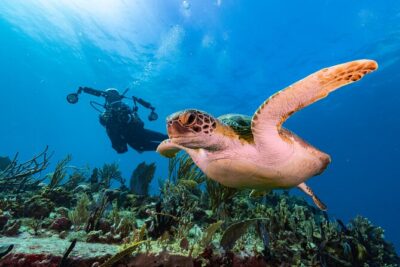
Two-Tank Morning Dive Trip for Certified Divers
Read our review →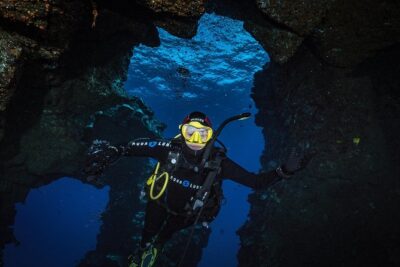
2 Tank Lanai Cathedral Scuba Dive Via Boat for Certified Divers
Read our review →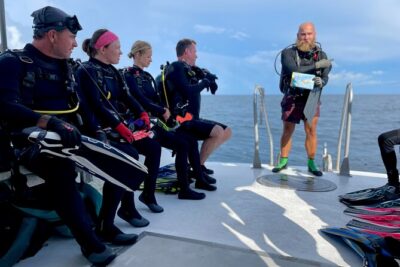
Wreck and Bridge Span Dive for Certified Divers
Read our review →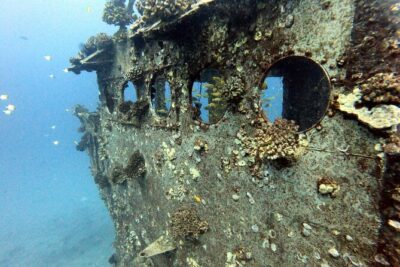
Certified Diver: 2-Tank Deep Wreck and Shallow Reef Dive Off Oahu
Read our review →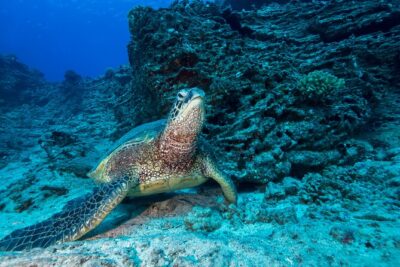
Certified Diver: 2-Tank Shallow Reef Dives off Oahu
Read our review →
2 Dives in the morning for certified divers in Bora Bora
Read our review →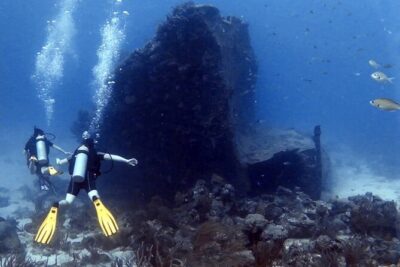
Aruba 2-Tank Dive Excursion for Certified Divers
Read our review →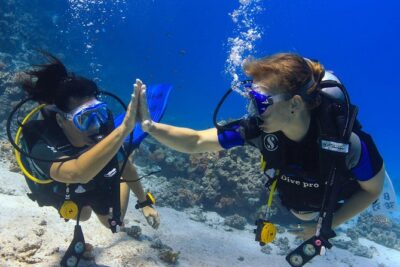
2-Dive adventure-Safe & Top-rated boat for Certified Divers
Read our review →Browse the lists this dive appears in