
Reviewed · DIVES FOR CERTIFIED DIVERS
Maui: Eco-Friendly Conservation Scuba Dive Certified Divers
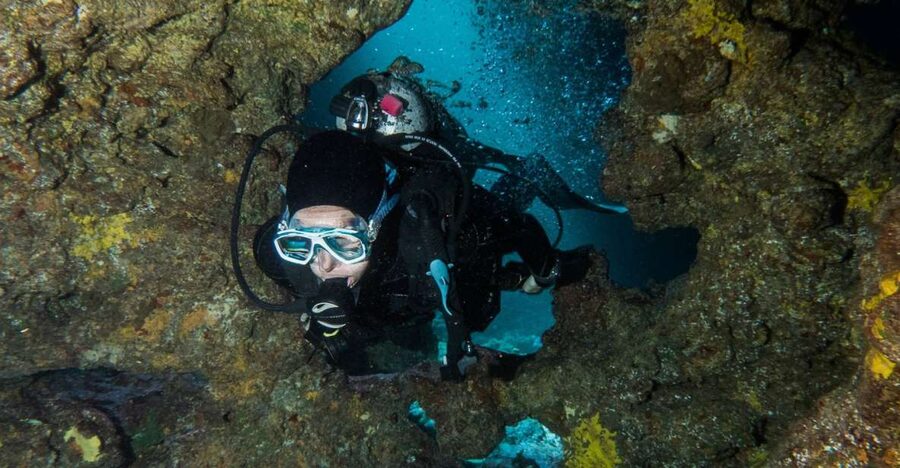
Maui’s reefs become more meaningful when you understand what you’re seeing. This three-hour SCUBA experience combines an underwater outing with a hands-on lesson in coral care, sea turtles, fish ID, and buoyancy, so the reef is more than a pretty backdrop.
I like the four-to-one participant limit, which gives your instructor room to tailor the session and help with skills. I also like the citizen-science angle: you learn practical ways to notice reef health and reduce your own impact. The main drawback is that you need Open Water Certification, and the meeting point is confirmed only the day before.
- Choose your focus: Study coral ecology, sea turtles, sharks, fish identification, reef cleanup, or buoyancy.
- Visit Maui reef sites: Past sessions with Ashley included Kahekili Beach and Mala Pier, with turtles, white-tip sharks, eels, trumpet fish, and tropical fish.
- Keep the group personal: No more than four participants are assigned to one instructor.
- Build useful skills: Improve buoyancy and learn how to move around marine life and coral with greater care.
- Plan around flight rules: You cannot fly within 24 hours after the underwater session.
- Bring proof of certification: Open Water Certification and a completed waiver are required.
A Conservation Lesson Before You Enter the Water
The session begins at the dive shop, where you meet your English-speaking instructor and choose the subject that interests you most. This workshop format matters. Instead of receiving one fixed talk, you can focus on the part of reef protection that fits your goals.
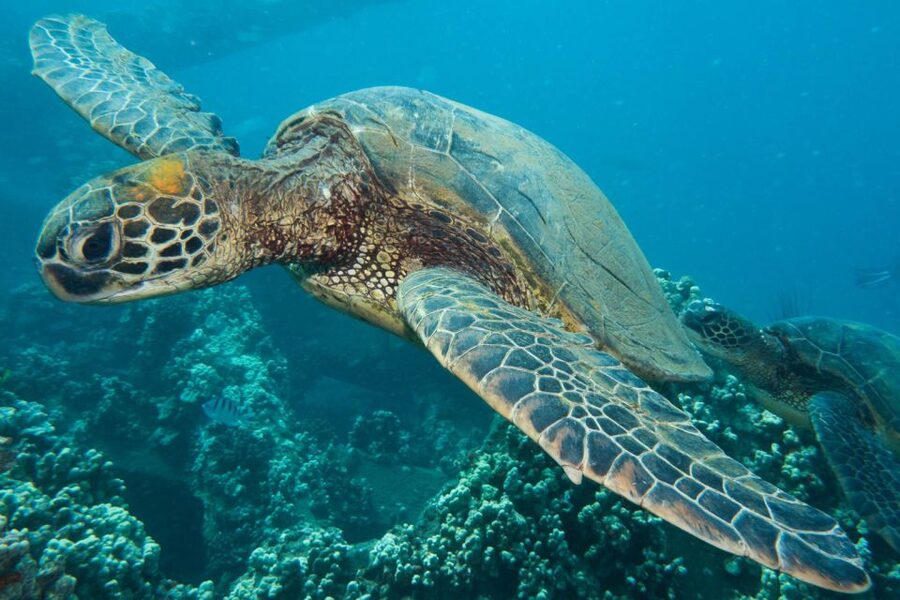
You might choose coral reef ecology if you want to understand how reefs support fish and other marine life. Sea turtle education is another option, with attention on turtle behavior and the role these animals play in Hawaiian waters. Shark education, fish identification, reef cleanup, and buoyancy are also available.
I like this flexible setup because it gives the outing a clear purpose. If you are already comfortable underwater, fish ID or reef ecology can add detail to what you see. If your skills feel rusty, buoyancy may be the better choice. Good buoyancy helps you avoid brushing against coral, stirring up sand, or using extra air.
The conservation message is practical rather than decorative. You learn how to act as a citizen scientist, meaning you pay closer attention to marine life and can contribute useful observations to efforts that protect ocean ecosystems. The activity does not promise that you will carry out a formal research project, so think of this as an introduction to responsible observation and conservation work.
Four Participants Keep the Session Personal
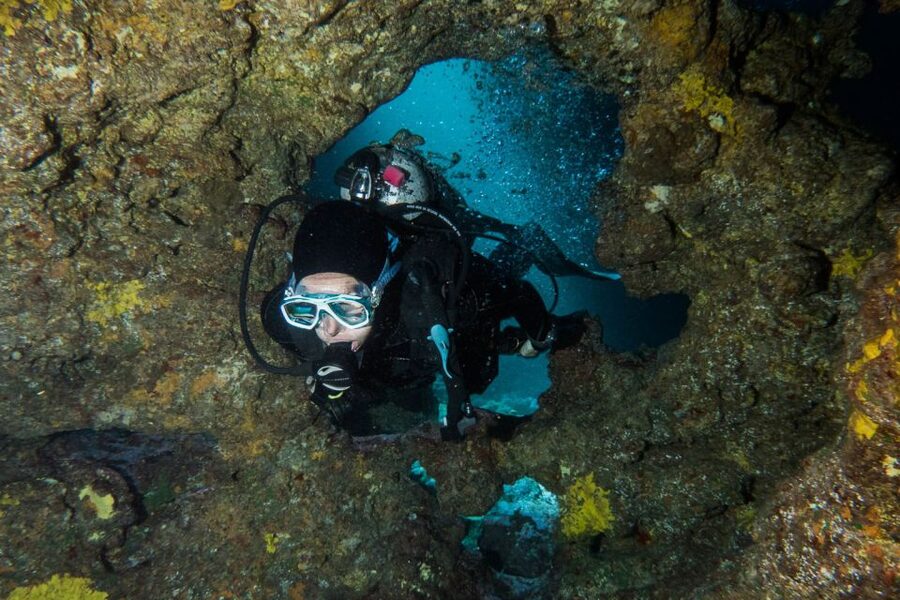
The maximum ratio is four participants for each instructor. That is one of the strongest features here, especially if you want time for questions or personal guidance.
A small group can also make the underwater portion calmer. You are not trying to keep up with a large crowd, and the instructor has a better chance to notice if you need help with buoyancy, equipment, or identifying marine life. This is especially useful if you have not used your certification recently.
A past session with Gabby included a participant who had not been underwater for some time. Patience was a key part of that outing. That detail is worth keeping in mind if you are certified but out of practice. You should still be comfortable meeting the certification requirement, but the small format may offer more support than a large group.
Ashley has also led the experience. Her sessions have included detailed discussion of animal behavior and reef ecosystems, along with two underwater outings at Kahekili Beach and Mala Pier. Guides can vary, and the specific site is not guaranteed, but the guide’s role is central to the experience.
More Dives for Certified Divers in the USA
- 2 Tank Lanai Cathedral Scuba Dive Via Boat for Certified Divers
★ 5.0 · 548 reviews - Small-Group Shark and Turtle Dive for Certified Divers
★ 5.0 · 219 reviews - Maui Certified Shore Diving from Lahaina
★ 5.0 · 107 reviews
Getting Ready at the Shop
You begin by meeting your instructor at the local shop. The exact meeting point and guide’s name are provided the day before, so you need to contact the operator and confirm the time rather than assuming the details are fixed at booking.
Bring proof of your Open Water Certification. You must also complete a waiver before the activity. Hotel pickup and drop-off are not included, so you are responsible for reaching the meeting point.
The available information does not specify a hotel transfer, meal, or personal equipment package, so ask the operator any gear questions before you go. The confirmed inclusions are the conservation-focused SCUBA experience and the four-to-one instructor ratio.
The session lasts three hours. That time includes the introduction, workshop discussion, gearing up, the underwater outing, and a post-session talk. The exact time spent underwater is not stated, so do not plan around a precise number of minutes below the surface.
Picking the Right Workshop Topic
Your choice of topic shapes the experience. Here is how I would think about each option:
Coral reef ecology: Choose this if you want the broadest picture. You will connect coral, fish, turtles, and other reef life into one working system. This is a good choice for first-time conservation-focused participants.
Sea turtle education: Maui is known for its turtle sightings, and this topic helps you pay attention to behavior rather than simply counting animals. You may see turtles, but wildlife encounters are never guaranteed.
Shark education: This gives you a way to understand sharks as part of the reef system. A past outing at Mala Pier included white-tip sharks, but that sighting should be treated as a possibility, not a promise.
Interactive fish identification: This is a good pick if you enjoy learning names and spotting differences among tropical fish. It can turn a general swim past the reef into a more alert search for shapes, colors, and behavior.
Reef cleanup: This topic connects the underwater outing with direct care for the marine setting. The supplied details do not promise a specific cleanup task or amount of collected debris, so ask what the session will involve when you confirm.
Buoyancy workshop: This may be the most useful choice for participants who want a clear skill lesson. Better buoyancy can help you conserve air and protect coral by keeping your body and equipment under control.
You may be able to select more than one topic. The description says you can choose one or more, but the exact amount of time given to each subject depends on the instructor and the session.
Kahekili Beach, Mala Pier, and Maui’s Reef Life
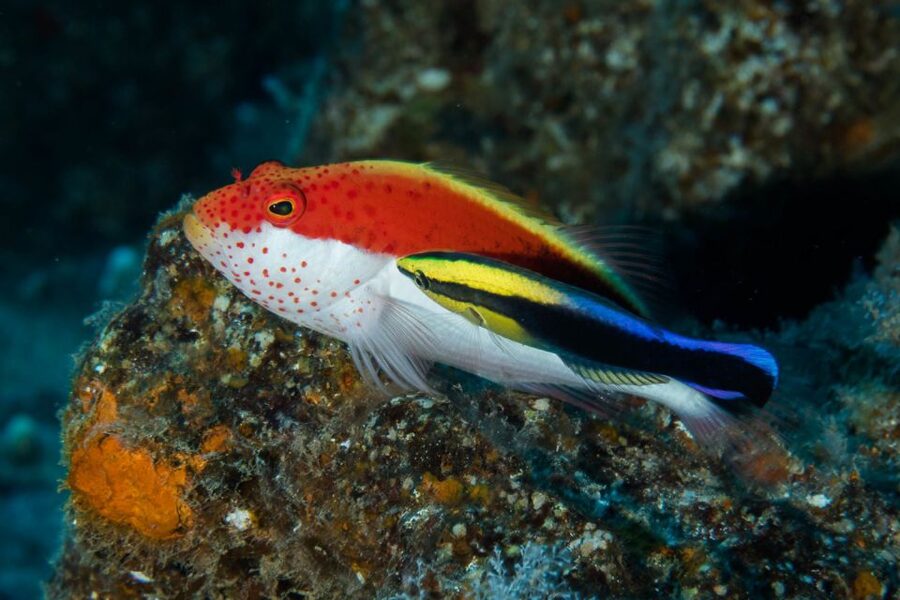
Past underwater outings have included Kahekili Beach and Mala Pier. These are examples of possible locations, not guaranteed stops for every booking.
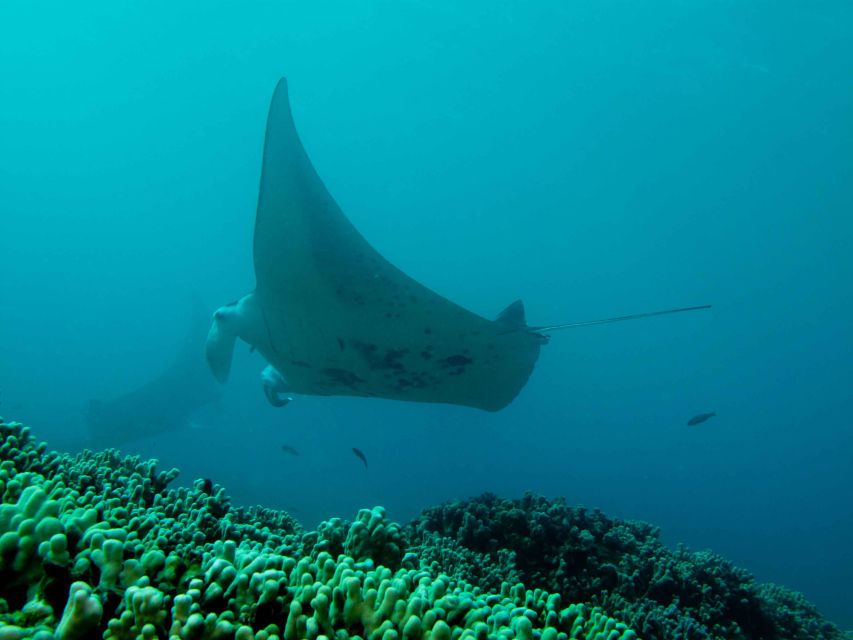
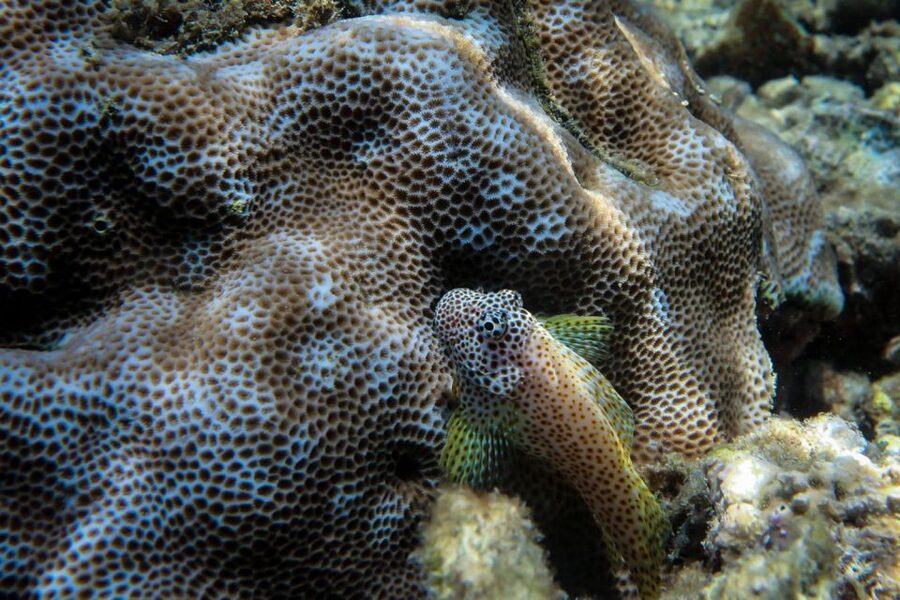
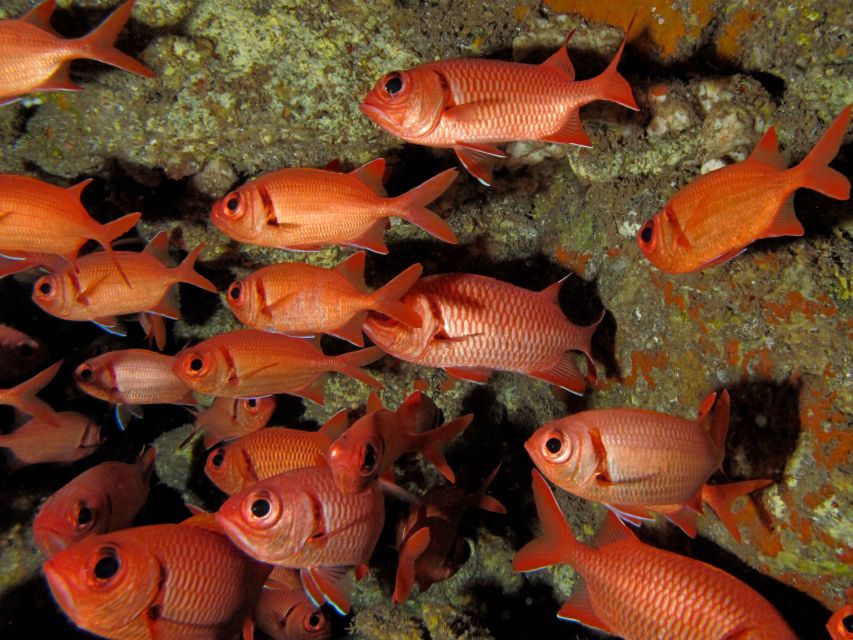
Mala Pier was especially active during one morning session. Wildlife included white-tip sharks, a family of fluke, eels, trumpet fish, and many sea turtles, along with other Hawaiian tropical fish. That is a strong range of sightings, but ocean conditions and animal behavior change from day to day.
The value of a guide becomes clear here. A turtle is easy to notice, but you may miss a fish tucked beside coral or fail to recognize how an animal is using the reef. An instructor can point out behavior, explain the surrounding ecosystem, and help you connect individual sightings to the larger reef community.
You should keep expectations realistic. The outing promises access to clear blue water, coral reefs, and Hawaiian fish, but it cannot guarantee a particular animal. The most reliable feature is the chance to learn how to observe marine life with more care.
More Dives for Certified Divers in Maui
- Guided Scuba Dive in Lahaina: Certified
★ 5.0 · 67 reviews - Turtle & Shark Scuba Dive in Lahaina: Certified
★ 5.0 · 60 reviews - Underwater Scooter Dive (Certified Divers Only) Makena Wailea
★ 5.0 · 10 reviews - Certified Divers! Scuba dive the Ka’anapali Coast and more!
★ 5.0 · 9 reviews
Why Buoyancy and Fish ID Matter
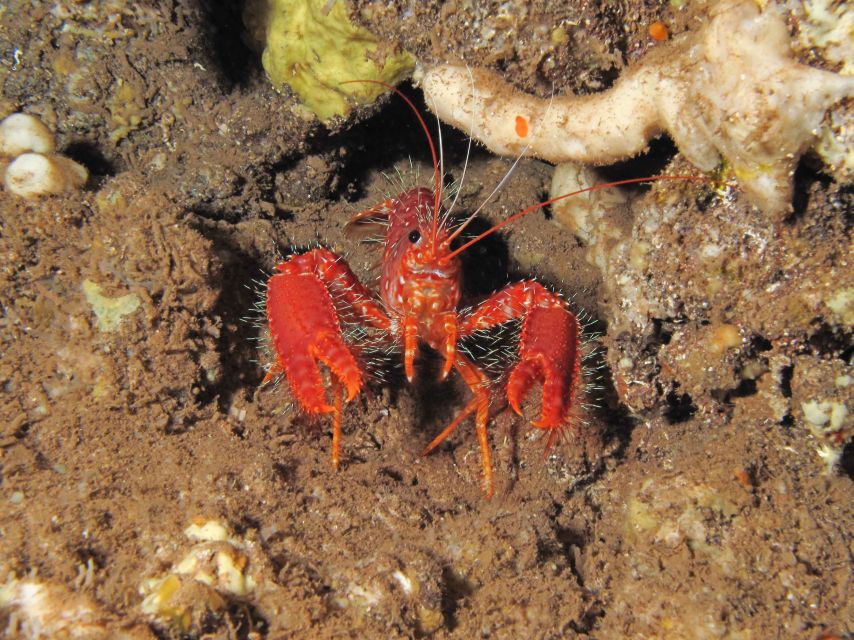
Conservation is not only about picking up litter. Your own movement underwater also matters.
When you control your buoyancy, you are less likely to touch coral with your fins, knees, or hands. You can hover rather than push off the bottom, and you may use less air while moving through the water. The session gives you a chance to work on that skill with direct input from an instructor.
Fish identification adds another layer. Once you know what you are looking at, you can notice which animals stay near the reef, which hide in crevices, and which move through open water. This turns the outing into an active lesson rather than a passive view.
The fish-identification portion is described as interactive. That suggests you will take part rather than simply listen to a talk at the shop. The specific fish covered will depend on what you encounter and what your instructor chooses to highlight.
The Post-Session Debrief
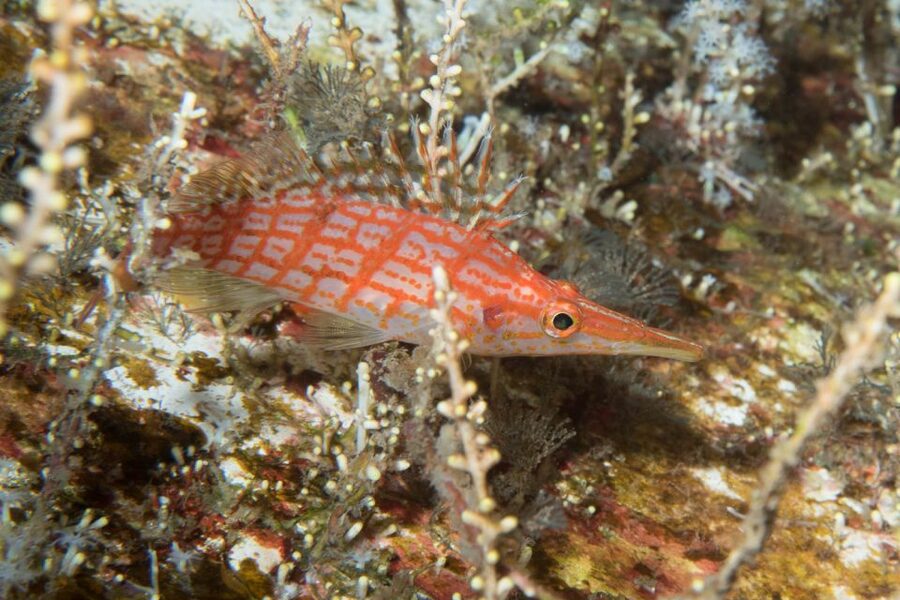
After the underwater portion, you have time to discuss the marine life and coral reefs you saw. Do not treat this as filler. It is where sightings can become useful knowledge.
You can review which animals appeared, ask about behavior, and connect the workshop topic to what happened in the water. If you selected buoyancy, this is also a natural point to discuss what felt easy or difficult.
Ashley’s sessions have been praised for explaining animal behavior and reef ecosystems, while Gabby has been noted for patience with a participant returning to SCUBA after time away. Those details point to an experience where the instructor’s teaching style may be just as important as the location.
Since the group is small, you should have a better chance to take part in this conversation. A larger group might move on quickly, while four participants allow more room for specific questions.
Is $199 a Fair Price?
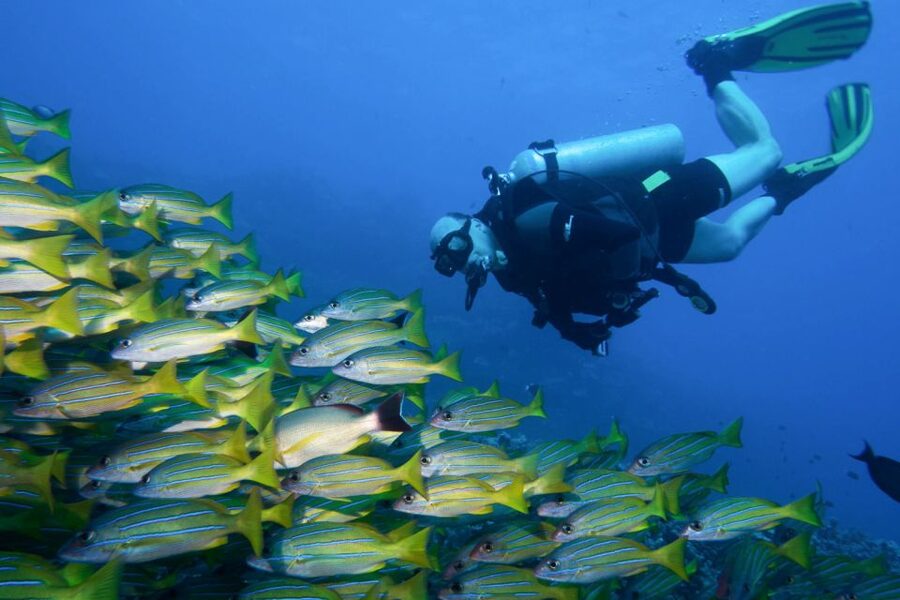
The price is $199 per person for three hours. That is not the cheapest way to spend a morning in Maui, but this is more than a basic underwater sightseeing trip.
You are paying for a certified instructor, a small group capped at four participants per instructor, a conservation workshop, the underwater session, and a post-session discussion. The value is strongest if you want instruction and environmental context rather than only time in the water.
The price makes less sense if you already have strong reef knowledge, do not want a workshop format, or simply want the longest possible underwater outing. The exact underwater duration is not given, so compare carefully with other certified SCUBA options if your main goal is bottom time.
For a certified participant who wants to improve buoyancy, identify fish, learn about turtles, or understand coral protection, the small group can justify the cost. You are buying access to personal instruction, not just a place on a boat or in a large group.
Who Will Get the Most From This Experience
This outing suits certified participants who enjoy learning as they go. It is especially useful for you if:
- You have Open Water Certification but have not been underwater recently.
- You want a small group instead of a crowded operation.
- You care about reef protection and want practical conservation guidance.
- You enjoy identifying fish and learning about animal behavior.
- You want help with buoyancy and underwater control.
- You prefer a guided educational outing over a purely recreational swim.
It may not suit you if you are not certified, want hotel transportation, or need a guaranteed site and guaranteed animal sightings. The activity is conducted in English, so you should be comfortable following instruction and taking part in an English-language workshop.
You also need to plan your travel schedule carefully. Flying within 24 hours after the underwater session is not permitted. That restriction can affect your final day on Maui, so leave the required interval before your flight.
Booking and Cancellation Details
The meeting point and guide’s name arrive the day before. Contact the operator to confirm both the location and the start time.
You can reserve now and pay later, which helps if you are arranging several Maui activities at once. Free cancellation is available up to 24 hours in advance for a full refund.
The activity is offered in English. Hotel pickup and drop-off are not included. Have your certification proof ready, complete the waiver, and ask about any equipment questions before arrival.
Should You Book the Maui Eco-Conservation Session?
Book it if you want your Maui SCUBA outing to teach you something useful. The four-to-one ratio, flexible workshop topics, and conservation focus give this experience more substance than a standard reef visit. Past sessions with Ashley and Gabby show how much the outing can benefit from a patient, engaged instructor.
I would choose the buoyancy workshop if your skills are rusty, fish identification if you enjoy spotting marine life, and coral ecology if you want the broadest lesson. Choose this experience with realistic expectations: the site and wildlife are not guaranteed, and the three-hour length does not state the exact time underwater.
For certified participants who value personal instruction and reef awareness, $199 is a reasonable price. For anyone seeking only a quick underwater look, a simpler option may fit better.
FAQ
Do I need SCUBA certification?
Yes. Proof of an Open Water Certification is required to participate.
How long does the experience last?
The activity lasts three hours. The exact amount of time spent underwater is not specified.
How many participants are in each group?
The experience is limited to four participants per instructor.
Which languages are offered?
The instructor-led activity is offered in English.
What conservation topics can I choose?
You can choose coral reef ecology, reef cleanup, sea turtle education, shark education, interactive fish identification, and a buoyancy workshop.
Can I choose more than one workshop topic?
Yes. The experience allows you to choose one or more eco-focused topics, with the instructor adapting the session to your interests.
Are hotel transfers included?
No. Hotel pickup and drop-off are not included.
When will I receive the meeting point?
The meeting point and guide’s name are provided the day before the activity. You should contact the operator to verify the time and location.
Can I fly after the activity?
You cannot fly within 24 hours after the underwater session.
What is the cancellation policy?
You can cancel up to 24 hours in advance for a full refund. You can also reserve now and pay later.
Newest dives added in Maui
- Underwater Scooter Dive (Certified Divers Only) Makena Wailea★ 5.0 · 10 reviews
- South Maui Discover Scuba Dive★ 5.0 · 46 reviews
- Private and Personalized Scuba Diving Adventures for All Experience Levels★ 5.0 · 62 reviews
- Scuba Diving in Maui with No Experience Needed★ 5.0 · 56 reviews
- Guided Scuba Dive in Lahaina: Certified★ 5.0 · 67 reviews
- PADI Scuba Lesson and Shore Dive in Maui★ 5.0 · 46 reviews
- Turtle & Shark Scuba Dive in Lahaina: Certified★ 5.0 · 60 reviews
- 3-Tank Dive Featuring the Molokini Crater★ 5.0 · 5 reviews
Dives for Certified Divers, compared.
Two-Tank Morning Dive Trip for Certified Divers
Read our review →
2 Tank Lanai Cathedral Scuba Dive Via Boat for Certified Divers
Read our review →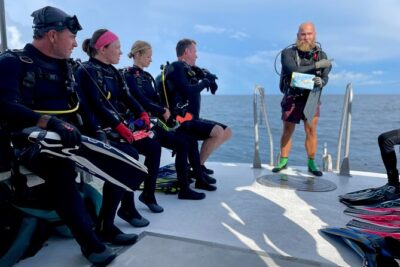
Wreck and Bridge Span Dive for Certified Divers
Read our review →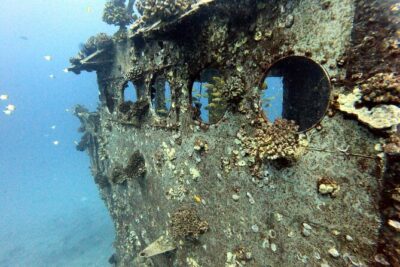
Certified Diver: 2-Tank Deep Wreck and Shallow Reef Dive Off Oahu
Read our review →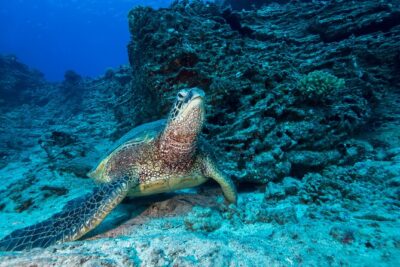
Certified Diver: 2-Tank Shallow Reef Dives off Oahu
Read our review →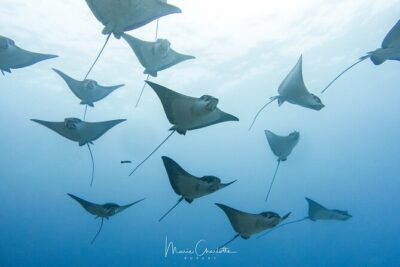
2 Dives in the morning for certified divers in Bora Bora
Read our review →
Aruba 2-Tank Dive Excursion for Certified Divers
Read our review →
2-Dive adventure-Safe & Top-rated boat for Certified Divers
Read our review →Browse the lists this dive appears in