
Reviewed · SHARK DIVES & CAGE DIVING
Oahu: Shark Cage Diving Experience
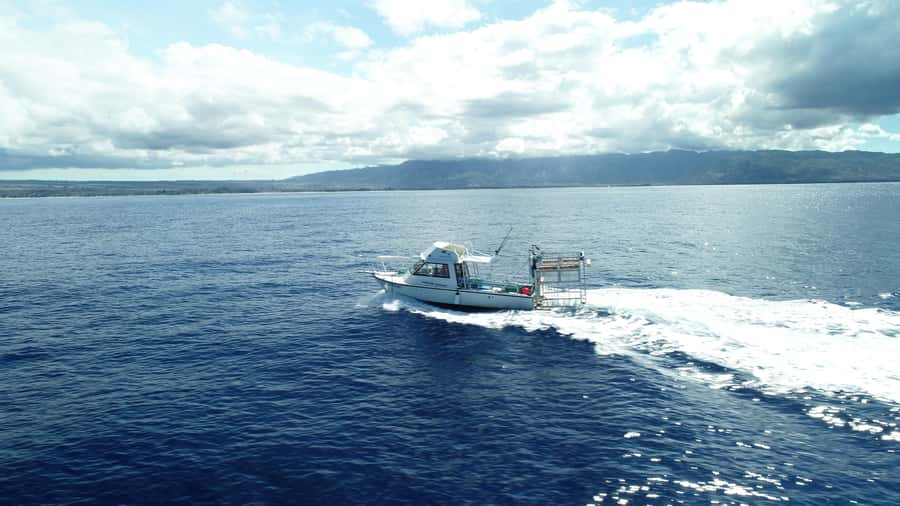
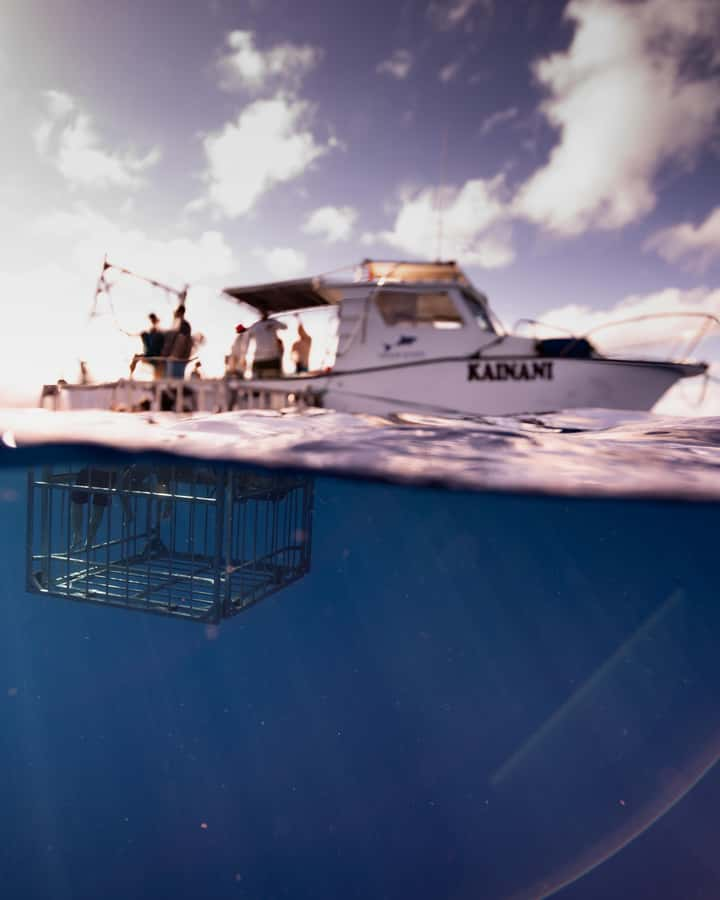
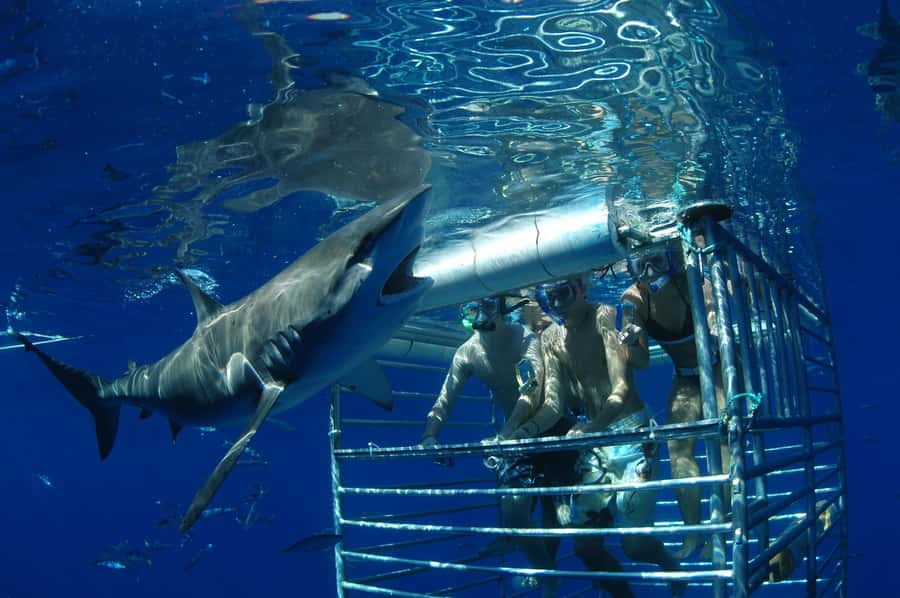
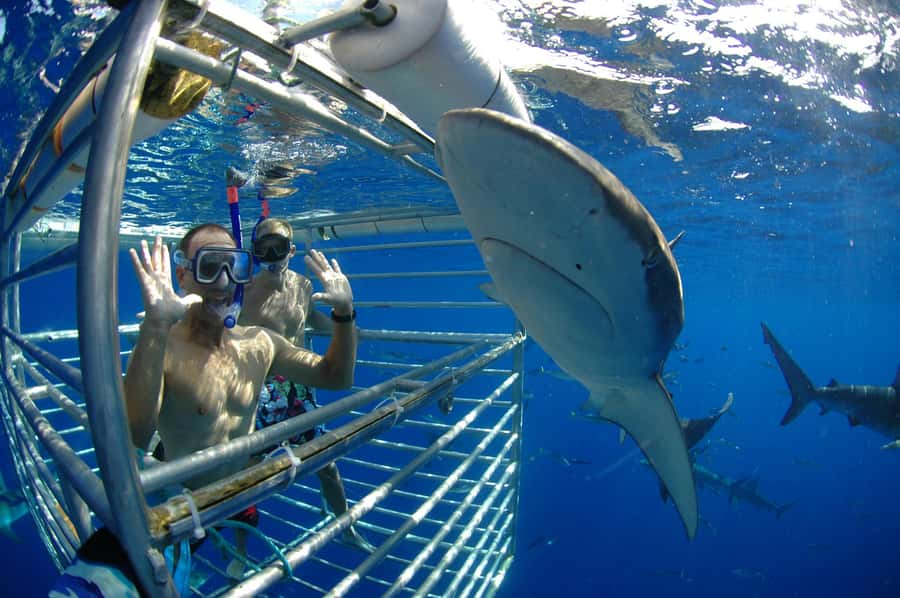
Three miles off Oahu’s North Shore, a floating cage puts you face to face with Galapagos and sandbar sharks in open ocean. You stay at the surface with a mask and snorkel while the sharks glide past the cage windows. No scuba experience is needed, which makes this a more approachable way to see them in their natural setting.
I like the strong education element, especially the explanation of shark biology, behavior, and their place in Hawaiian culture and mythology. I also like that your booking helps support shark research and conservation, rather than treating the animals as mere props for a thrill ride.
The main catch is the sea itself. Boat motion and open-water conditions can be rough, and one recent trip was canceled because of bad weather. If you get seasick, have back trouble, are not comfortable in water, or weigh more than the stated limit, this is not a good fit.
Key points to know before booking
- Sharks in their natural habitat: Look for Galapagos and sandbar sharks from a floating cage about three miles offshore.
- Surface snorkeling only: You use a mask and snorkel, with no scuba certification or previous scuba experience required.
- A real learning component: The crew covers shark behavior, biology, Hawaiian beliefs, and current research.
- A short but full outing: The experience lasts about two hours, with check-in 30 minutes before departure.
- Haleiwa is close by: You can pair the boat trip with food, shops, and sightseeing in town.
- Weather matters: Strong conditions can force a reschedule or cancellation, so keep some flexibility in your Oahu plans.
Heading three miles offshore from Oahu’s North Shore
The outing begins at the harbor, where you meet the local crew and receive a safety briefing. The exact meeting point can vary by booking option, so check your confirmation closely and arrive 30 minutes before the scheduled start.
From the harbor, the boat heads about three miles into the open ocean. That short distance changes the feel of the trip. You are not looking at sharks in a pool or a controlled aquarium setting. You are heading out to their normal marine environment, where the sea may be calm or quite lively.
The boat ride is part of the experience, but it is also the part most likely to test your stomach. A German participant described the swell as hard while still calling the outing worth doing, which is a useful warning rather than a reason to skip it automatically. If motion affects you, bring only what you need, drink water, and think carefully before booking. The supplied information specifically lists people prone to seasickness as unsuitable.
The boat carries you to the floating cage, where the crew explains the process before you enter the water. The trip lasts two hours in total, so this is a compact activity rather than an all-day commitment. That makes it easier to fit into a North Shore day, though you should not pack the rest of your schedule too tightly in case the sea slows things down.
More Shark Dives in the USA
- Oahu Shark Dive
★ 5.0 · 2,903 reviews - Oahu: Shark Cage Dive on the North Shore
★ 4.8 · 1,485 reviews - Shark Cage Diving on Oahu’s North Shore
★ 5.0 · 1,391 reviews
Meeting Galapagos and sandbar sharks at the cage
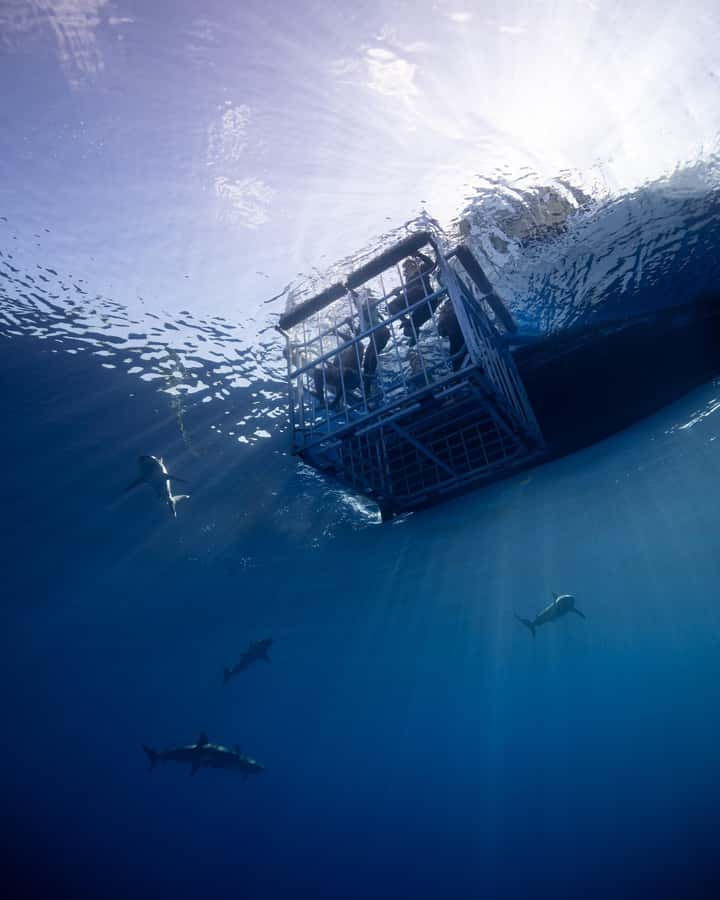
The cage floats at the surface, and you view the sharks through large plexiglass windows. With your face in the water and a mask and snorkel in place, you can watch the animals move below and around you without needing to descend.
That setup is important. You get the visual closeness of a shark encounter without the training, equipment, or breathing demands of scuba. You still need to be comfortable in the water, follow the crew’s instructions, and accept that the ocean is not a still viewing tank.
The sharks named for this experience are Galapagos sharks and sandbar sharks. Their movement is the main event. You may see them glide past the window, turn in the water, and come close enough for a striking look at their shape and behavior. The attraction is not a staged trick. The appeal comes from watching a wild animal pass through its own surroundings.
The cage gives you a clear boundary, but it does not remove every source of tension. You will still feel the boat move, see open water around you, and share the space with animals that are much larger and more powerful than you. That combination creates the thrill. If you want a completely calm and predictable animal encounter, choose an aquarium instead.
You should not touch the sharks or any marine life. Feeding animals is also not allowed. Flash photography is prohibited, so bring a camera only if you can use it without a flash and without losing your attention to the water.
Why the shark talk matters
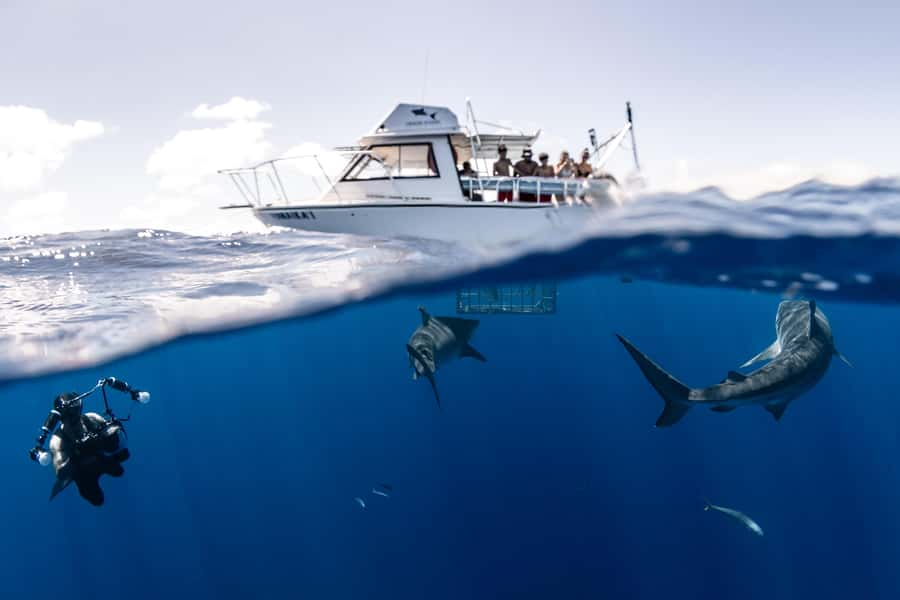
The safety briefing is paired with an education talk about shark biology and behavior. That changes the tone of the outing. You are not simply waiting for an animal to appear. You are given a framework for understanding what you see.
The crew also discusses the role of sharks in Hawaiian culture and mythology. This cultural context adds something a standard wildlife outing often misses. Sharks are not only predators in a dramatic story. In Hawaiian traditions, they can carry spiritual and familial meaning, and learning about that perspective helps you view the encounter with greater respect.
The activity also introduces ongoing shark research projects and conservation work. You may have the opportunity to participate in shark research, though the supplied details do not specify exactly what that participation involves. Think of this as a chance to learn how researchers and conservation groups study these animals, not as a promise of hands-on scientific work.
I particularly value this part because shark encounters can easily become all about fear. Good interpretation replaces some of that fear with curiosity. You begin watching how the animals move and respond instead of treating every appearance as a dramatic attack scene.
The conservation contribution is also relevant when you compare prices. Your $97 fee is not just paying for a boat seat and snorkeling equipment. It also supports a program that presents sharks as important parts of the marine environment and encourages guests to act as conservation ambassadors. You should still judge the value by the quality of the sea conditions and the amount of time you spend at the cage, since weather can affect the experience.
What the two-hour schedule feels like
The timing is simple:
- Check in 30 minutes before departure.
- Meet the crew and attend the safety briefing.
- Travel from the harbor to a location about three miles offshore.
- Enter or view the floating cage with a mask and snorkel.
- Watch for Galapagos and sandbar sharks through the plexiglass windows.
- Hear about shark science, Hawaiian culture, research, and conservation.
- Return to the harbor after roughly two hours.
The exact amount of time in the cage is not stated, so do not assume the full two hours will be spent in the water. The total includes the harbor process, boat travel, safety talk, and return trip.
That shorter format is useful for families with older children, couples, and anyone building a busy Oahu itinerary. It is also a good choice if you want one strong North Shore activity without giving up the rest of your day. The downside is that two hours can feel brief if sea conditions delay the journey or if you want a long snorkeling session.
After returning, you can continue in Haleiwa. The harbor is close to shops and attractions in town, making it easy to turn this into a half-day plan. The tour does not include food or drinks, so arrange those separately. Bring water with you, and plan to eat in Haleiwa before or after the boat trip.
Another way to get in the water in the USA:
- First-Time Scuba Diving in Honolulu + Free Videos
★ 5.0 · 3,123 reviews - Beginner Scuba Diving Experience with Video Package in Honolulu
★ 5.0 · 877 reviews - Safe and Educational Shark Dive from Haleiwa: Sharks Guaranteed
★ 5.0 · 553 reviews - 2 Tank Lanai Cathedral Scuba Dive Via Boat for Certified Divers
★ 5.0 · 548 reviews
What to bring, and what to leave behind
You should arrive with swimwear, a towel, sunscreen, a hat, water, and a camera. The operator supplies snorkel equipment, so you do not need to pack your own mask or snorkel.
Use reef-conscious habits with sunscreen and keep personal gear to a minimum. You cannot bring alcohol, drugs, weapons, sharp objects, or smoking and vaping products. Surfboards, skateboards, scooters, skates, fireworks, and explosive materials are also prohibited.
The restrictions around mobility equipment and strollers are significant. Non-folding wheelchairs, electric wheelchairs, non-folding strollers, mobility scooters, and baby carriages are not allowed. Assistance dogs are allowed, but ordinary pets are not.
The experience is not suitable for wheelchair users or people with back problems. Weight limits are listed at both 331 pounds and 350 pounds in the supplied information, so anyone near that range should confirm the current limit before paying. Children under the listed ages are excluded, with the information giving several age cutoffs from under 1 to under 5. Confirm the minimum age for your specific booking option.
Weather, cancellations, and the real risk of a rough day
The ocean controls this outing more than the operator does. The activity can be rescheduled because of weather, and a recent booking was canceled in poor conditions. Another person reported waiting for a refund after the organizer canceled.
That is frustrating, especially if the shark cage trip is one of the main reasons you visit the North Shore. I would not schedule it on the final morning of an Oahu vacation. Leave room for a rescheduled departure, and keep a backup plan for Haleiwa or another North Shore activity.
The cancellation policy gives you a practical safety net: you can cancel up to 24 hours ahead for a full refund. The reserve-now, pay-later option also helps if your plans are still moving around. Still, weather-related changes can affect your day even when you do everything correctly.
Sea conditions also affect comfort and visibility. A rough ride may make the trip feel exciting to one person and miserable to another. If you are prone to seasickness, this is one of the rare cases where the activity’s own restrictions should guide your decision.
Is $97 a fair price?
At $97 per person, this sits in a reasonable range for a two-hour boat-based wildlife activity, especially since the fee includes the safety talk, local crew, snorkel equipment, shark education, and a conservation contribution.
The value depends on what you want from the outing. If you simply want time in warm water with colorful fish, this is not the best use of your money. The central attraction is the close view of sharks, and the trip has a narrower focus than a general snorkeling cruise.
I think the price makes more sense because the experience combines three things: a boat ride into open water, a protected viewing encounter, and a guided lesson about sharks and Hawaiian culture. The conservation element gives the activity a purpose beyond getting an exciting photograph.
You should also remember the extra costs. Hotel pickup and drop-off are not included, and neither are food or drinks. You need to make your own way to the harbor, then budget for anything you want in Haleiwa afterward.
Who will enjoy this most
This works best for you if you are comfortable in water, curious about marine life, and interested in a controlled but genuinely thrilling wildlife encounter. You do not need scuba training, which opens the activity to many first-time participants.
It suits couples, older children who meet the age requirement, solo visitors, and families who want a memorable North Shore outing. The English-speaking crew provides the instruction, so you should be comfortable following safety information in English.
You may want to skip it if you dislike boat motion, have back trouble, cannot swim or remain comfortable in water, or want an easy-access activity. It also is not a good choice if you need a firm schedule, since weather can change the plan.
The experience has earned an overall rating of 4.6 from 46 bookings, with especially strong praise for the crew and the activity itself. One French participant singled out the skippers as attentive and excellent, while a January booking offered the blunt advice to do it. Those points match the practical appeal here: the staff interaction and the shark encounter are the reasons to book, not fancy onboard comforts.
Should you book the Oahu shark cage experience?
Book it if seeing sharks in open ocean is high on your Oahu list and you are happy to accept waves, weather risk, and a short, focused itinerary. The floating cage, surface snorkeling, and education talk make it less demanding than scuba while still giving you a close look at wild sharks.
Skip it if you are prone to seasickness, need accessible equipment, dislike unpredictable weather, or would rather spend your money on a longer snorkeling trip. If you book, choose a day with schedule flexibility, arrive early, bring a towel and water, and leave time for Haleiwa afterward.
For the right person, this is more than a quick thrill. It can replace some fear with understanding and give you a better sense of why sharks matter in Hawaiian culture and the wider ocean. That makes $97 a fair price for a compact North Shore adventure with a clear conservation message.
FAQ
How long does the shark cage experience last?
The activity lasts about two hours, including the harbor process, boat ride, briefing, time at the cage, and return trip.
How far offshore does the boat travel?
The boat travels about three miles offshore from Oahu’s North Shore.
What types of sharks might I see?
The experience is designed for viewing Galapagos sharks and sandbar sharks.
Do I need scuba experience?
No. Scuba experience is not required. You stay at the surface with a mask and snorkel while viewing the sharks from the floating cage.
What equipment is provided?
Snorkel equipment is included. You should bring your own swimwear, towel, sunscreen, hat, water, and camera.
Is food or drink included?
No. Food and drinks are not included, so plan to bring water and arrange meals separately.
Can weather cancel or change the activity?
Yes. The activity is subject to weather conditions and may be rescheduled if conditions are unsuitable.
How early should I arrive?
You should check in 30 minutes before the tour begins. The meeting point can vary depending on the option you book.
Can I cancel for a refund?
You can cancel up to 24 hours in advance for a full refund. A reserve-now, pay-later option is also available.
Newest dives added in the USA
- West Palm Beach: Beginner Scuba Diving Adventure with Videos★ 4.8 · 99 reviews
- Oahu: Waikiki Discovery Scuba Diving for Beginners★ 4.8 · 99 reviews
- Private Scuba Diving Expert-Led Excursion Training with Tour★ 4.5 · 9 reviews
- Santa Fe Deep Dive History Walking Tour★ 4.5 · 14 reviews
- Scuba Certification★ 5.0 · 77 reviews
- No Experience Required to Discover Scuba in Florida★ 5.0 · 51 reviews
- Small Group Guided Shore Dives in St. Andrews State Park, Florida★ 5.0 · 52 reviews
- 2 Tank Private SCUBA Party Diving Charter from Waikiki Hawaii★ 4.5 · 34 reviews
Shark Dives & Cage Diving, compared.
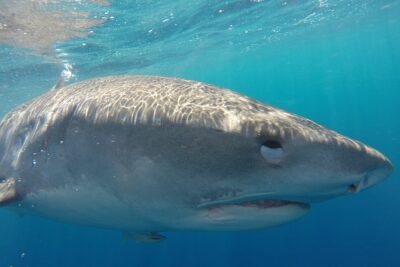
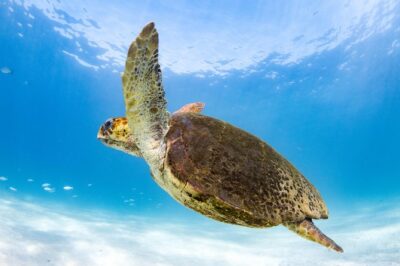
Swim with Whale Sharks in the Ningaloo Reef: 3 Island Shark Dive
Read our review →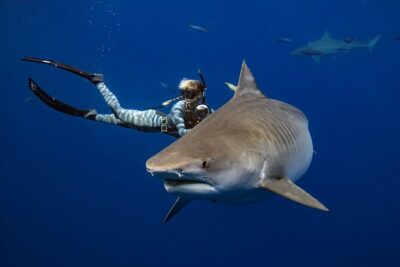
Safe and Educational Shark Dive from Haleiwa: Sharks Guaranteed
Read our review →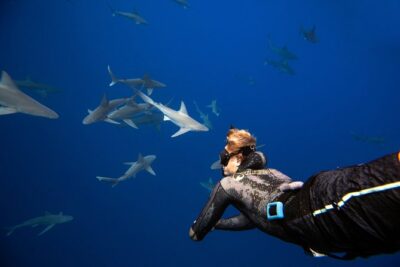
Dive with Sharks in Hawaii: Shark Tour from Haleiwa
Read our review →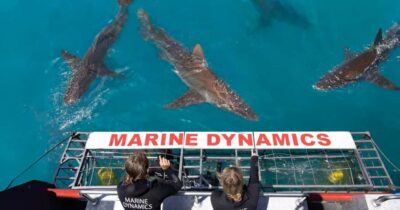
Gansbaai Eco-Friendly Shark Cage Diving Cruise
Read our review →
Half-Day White Shark Cage Diving from Gansbaai
Read our review →Browse the lists this dive appears in