
Reviewed · SCUBA DIVING
Tokyo Ikebukuro Morning Tour Dive into Japanese Culture
Tokyo’s famous sights can feel crowded and carefully polished. This morning outing takes a quieter route: you put on a kimono, take part in a tea ceremony, ride the cute IKEBUS, and wander Sugamo Jizo-dori while sampling local food. I especially like the kimono preparation and the 1,000-yen food certificate, which turn a simple neighborhood walk into a hands-on morning.
The main consideration is time. Four hours sounds generous, but dressing, tea, transport, temple visits, and food tasting fill the morning quickly. If you want long, unhurried shopping time in Sugamo, this tour may feel brisk. It works best for you if you want a guided introduction to everyday Tokyo with a traditional touch.
Key points at a glance
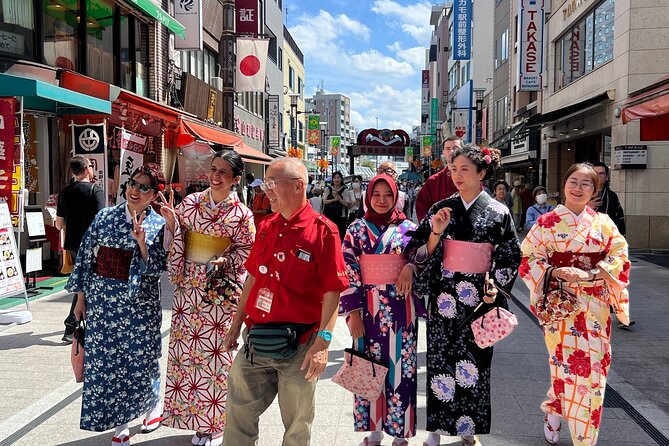
- Kimono dressing and tea ceremony: You do more than pose for photographs. The morning includes help putting on the kimono, matcha preparation, and a traditional tea experience.
- Sugamo Jizo-dori shopping street: Taste small local specialties and use the included 1,000-yen certificate as you walk.
- Togenukijizo Kogan Temple: Visit an important local temple and receive temple stamps in your new goshuincho book.
- IKEBUS connection: The bright neighborhood bus adds an easy, distinctly local way to connect Ikebukuro with Sugamo.
- Private group format: Only your group takes part, making it easier to ask questions and move at a comfortable pace.
- A quieter side of Tokyo: This is aimed at neighborhood life rather than the usual Asakusa or Odaiba circuit.
A traditional morning in modern Ikebukuro
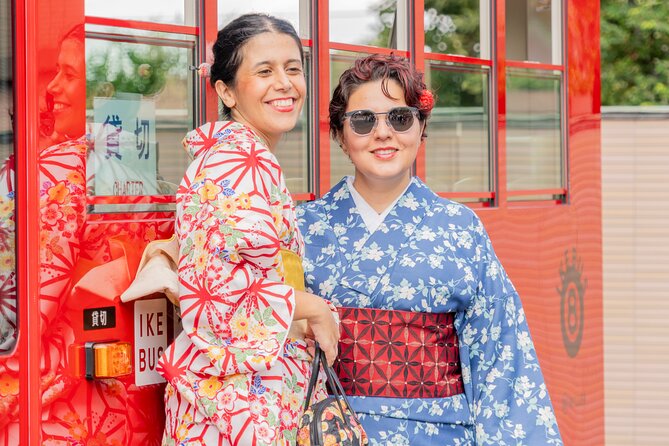
Ikebukuro is known for department stores, rail connections, anime shops, and bright city streets. This experience uses the district as a starting point, then shifts you toward Sugamo, a neighborhood with a slower and more local feel.
That contrast is the appeal. You begin near a major station, where getting oriented is fairly easy, but the morning is not built around department-store shopping or observation decks. Instead, you get a look at clothing, food, public transport, temple customs, and neighborhood routines in one compact outing.
The meeting point is the Ikebukuro East Tourist Information Center at 1-chōme-20-10 Higashiikebukuro, Toshima City. The start time is 9:00 am, and the activity finishes back at this same point. That return matters if you have a train reservation, a museum booking, or a full afternoon planned elsewhere in Tokyo.
Because this is a private activity, only your group participates. I see that as a real benefit for a cultural experience involving clothing and etiquette. You can ask questions without worrying about holding up a large group, and the staff can give more direct help during the kimono fitting.
More morning departures in Japan
- Two-Tank Morning Dive Trip for Certified Divers
★ 5.0 · 602 reviews - 2 Dives in the morning for certified divers in Bora Bora
★ 5.0 · 263 reviews - Two fun dives morning trip (Certified Divers only)
★ 5.0 · 170 reviews
What the kimono portion adds
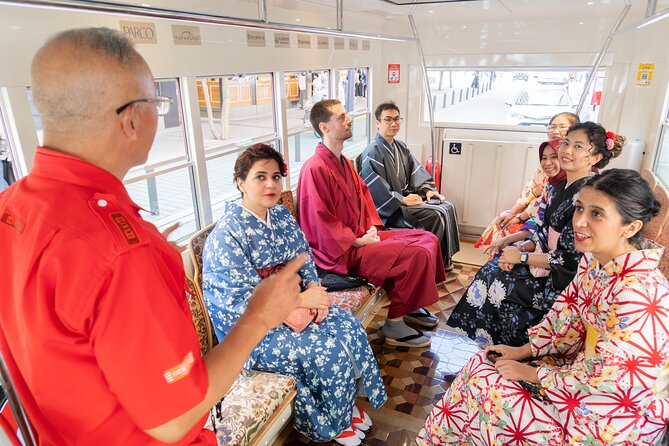
The kimono is not simply a costume handed over for a quick photograph. The experience includes preparation, and you should expect several layers. One participant described being surprised by how many layers are worn, which is useful to know before you arrive.
The dressing process gives the morning some substance. You learn that traditional clothing requires careful arrangement, not just a colorful outer robe. Staff may also help with hair accessories. Short hair is not a problem, since the experience includes examples of hair being made more festive with accessories.
I like this part because it slows you down. Tokyo usually rewards speed: trains run on tight schedules, crossings fill and empty, and popular sights encourage you to keep moving. Kimono dressing asks you to notice small details and accept a more deliberate pace.
There is also a practical issue. A kimono can restrict your stride and may feel warm or unfamiliar, so you should not expect to cover huge distances quickly. The itinerary is built around a short morning route, not a long city hike. Wear comfortable footwear suitable for walking, but keep in mind that the clothing experience is the main event.
The provided information does not name the guides, so I cannot identify individual staff members in advance. What is clear is that the kimono helpers provide hands-on assistance, including dressing and hair decoration.
Tea, matcha, and a moment of calm
The morning also includes a tea ceremony and matcha tasting. This is one of the most meaningful parts of the experience because it gives context to the clothing. You are not just wearing a kimono while visiting a shopping street. You also take part in a small traditional ritual while dressed for it.
Do not expect a long formal ceremony with extensive historical explanation unless your group is told otherwise. The available details describe a real taste of tea ceremony and matcha preparation, but they do not give a precise length or a full sequence of movements.
That uncertainty is worth keeping in mind. This is an introductory cultural activity, not a specialist tea-school lesson. For most visitors, that is probably the right balance. You get a clear first look at the process without dedicating half a day to a single formal art.
The tea portion also creates a pause between the city and the street. After dressing, you have time to focus on the preparation and taste rather than immediately rushing to the next sight. If you are traveling with someone who enjoys food, craft, or Japanese customs, this may be the part that gives the outing its strongest sense of place.
Riding the IKEBUS from Ikebukuro
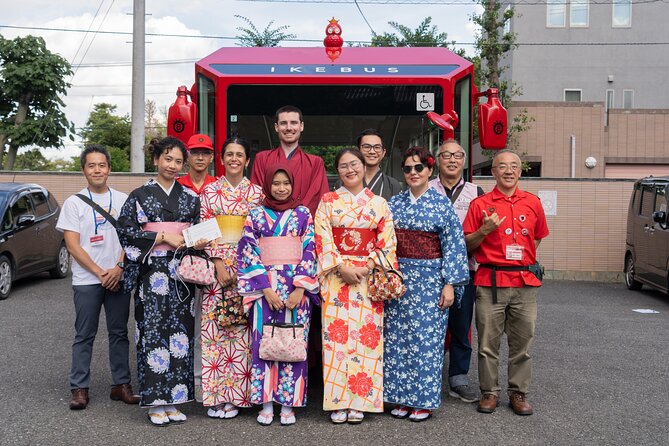
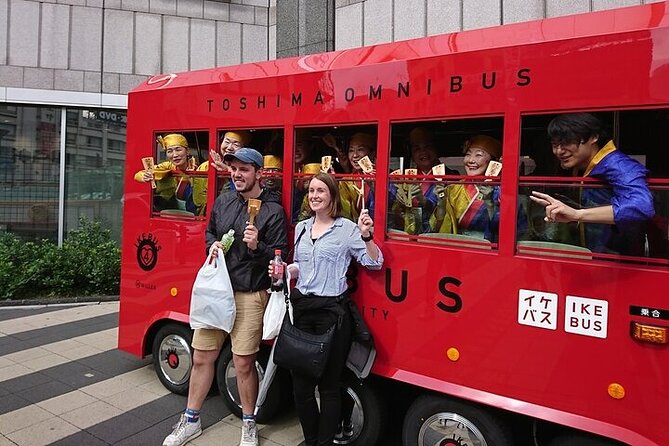
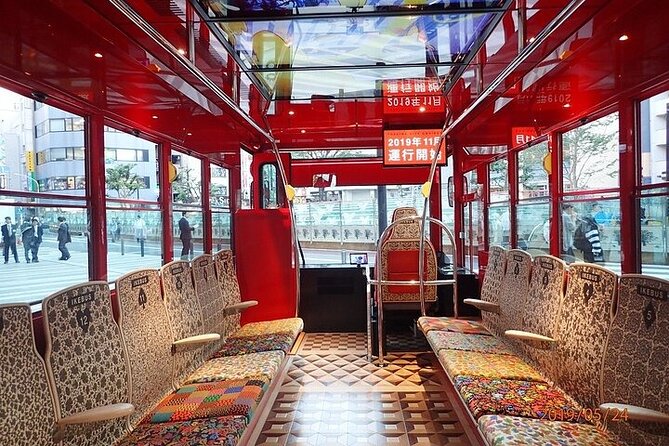
The IKEBUS is a small but memorable feature. It links the experience to Ikebukuro in a way that feels more personal than simply taking a standard train. The bus is described as cute, and it provides a pleasant change from underground transfers and crowded commuter platforms.
Transport is not the sole reason to book this activity, but it helps shape the morning. You start in one of Tokyo’s major commercial districts, then move toward Sugamo by neighborhood bus before exploring on foot. That transition lets you see two different sides of Toshima-ku in a short period.
The exact bus route and riding time are not specified, so you should not treat this as a dedicated sightseeing bus tour. It is better understood as part of the cultural outing, connecting the starting area with the local shopping street.
For visitors who have already covered Tokyo’s main attractions, this is a useful change of pace. You might see a side of the city that does not appear on a first-trip checklist, without having to plan complicated transport yourself.
More Scuba Diving in Japan
- Naha, Okinawa: Kerama Islands Full-Day Intro-Diving Trip
★ 4.6 · 203 reviews - Blue Cave Area Experience Diving!Free feeding & photo images Chinese guide available!1 group with a dedicated instructor
★ 4.5 · 89 reviews - From Naha Scuba Diving Trip in Kerama(for certified divers)
★ 5.0 · 46 reviews - EDOCCO Tea House–A Quick Dive into Japanese Traditional Culture
★ 5.0 · 34 reviews
Sugamo Jizo-dori and its local food
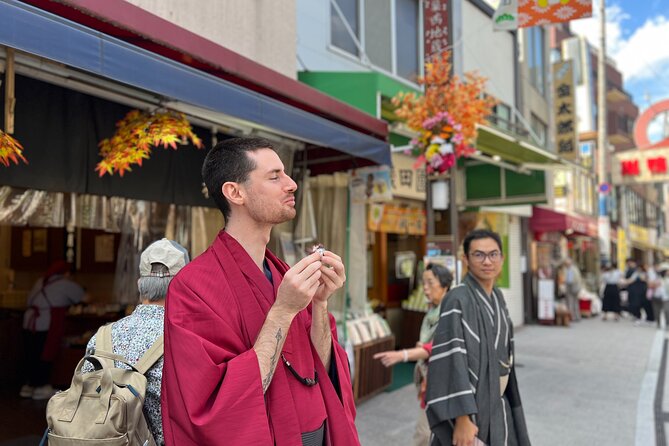
Sugamo Jizo-dori Shopping Street is the food-and-walking portion of the morning. The planned stop lasts about 30 minutes, and the focus is on tasting local specialties rather than completing a major shopping expedition.
You receive a 1,000-yen gift certificate that can be used for food while walking. That is a practical inclusion. Instead of paying the tour price and then discovering that every tasting costs extra, you have a modest food allowance built into the outing.
A certificate of 1,000 yen will not cover a full meal, and the tour does not present itself as lunch. Think of it as money for small bites and local treats. You can sample something unfamiliar without committing much cash, which is often the best way to approach a Japanese shopping street.
The short time limit is both useful and limiting. It keeps the four-hour schedule moving, but it also means you may need to choose quickly. If you want to browse every shop, stop for coffee, or shop for gifts, plan to return to Sugamo later on your own.
The street is especially appealing if you prefer ordinary neighborhood commerce to large tourist zones. You will find the experience more rewarding if you pay attention to food displays, small storefronts, and the rhythm of people shopping locally, rather than expecting a famous landmark at every turn.
Togenukijizo Kogan Temple and your goshuincho
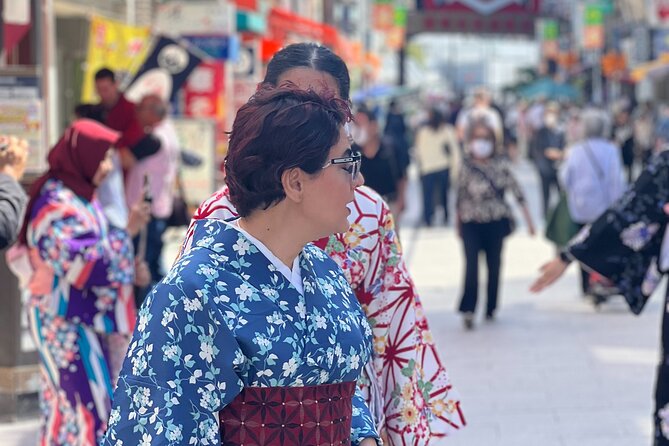
The second listed stop is Togenukijizo Kogan Temple, also known as Koganji Temple. The visit is scheduled for about 30 minutes, with no separate admission charge.
The temple adds a spiritual layer to the shopping street. Rather than simply passing through Sugamo for snacks, you stop at a place where visitors can pause, make a visit, and collect a temple stamp. The experience includes an original goshuincho book, giving you a physical record of the morning.
A goshuincho is designed to collect goshuin, the calligraphic stamps and inscriptions associated with temples and shrines. Here, you can receive temple stamps in the book provided as part of the activity. This is a better souvenir for many people than a generic key ring because it connects directly to the places you visited.
You should treat the book respectfully and follow the staff’s instructions about where and how stamps are added. The details of stamp fees are not provided, so I would not assume every possible inscription is covered beyond what the tour includes.
The temple stop is short. That suits you if you want a first introduction to goshuin culture, but it may not satisfy someone who wants a long religious or architectural study. The value is in the combination: kimono, tea, local food, and a temple stamp all fit together in one morning.
What the $128.77 price means
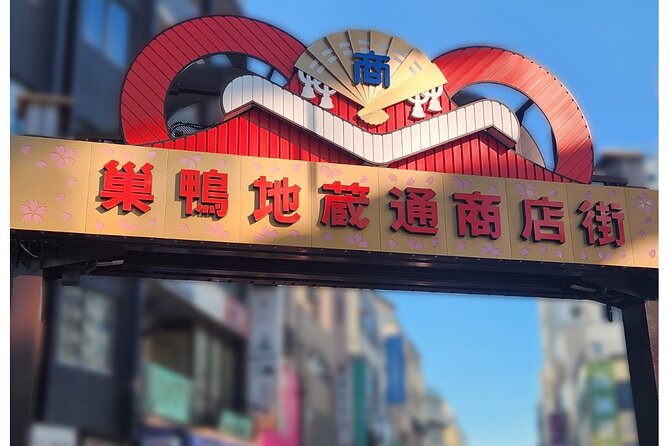
At $128.77 per person, this is not a cheap way to get from Ikebukuro to Sugamo. You are paying for a packaged cultural experience rather than transportation alone.
The price includes several elements that would be separate if arranged independently: kimono assistance, the tea experience, the private group format, the IKEBUS connection, the 1,000-yen food certificate, and the goshuincho book. The value improves if you want these parts but do not want to research clothing rentals, tea experiences, bus routes, and temple etiquette on your own.
The private format also affects the calculation. A larger group tour could cost less, but it would not offer the same level of personal attention during dressing or question time. If you are traveling as a couple, family, or small group and care about a relaxed introduction to Japanese customs, the higher price may feel reasonable.
On the other hand, budget-conscious visitors who mainly want to stroll Sugamo should skip the package and explore the neighborhood independently. The shopping street and temple are the core public sights, while the kimono and tea ceremony account for much of the added cost.
I would judge the price by asking one question: do you want a guided cultural morning, or do you simply want to see Sugamo? If it is the first, the inclusions make the price easier to justify. If it is the second, you are paying for extras you may not need.
Timing, group size, and practical planning
The activity lasts about four hours and begins at 9:00 am. Morning timing is a good fit for anyone who wants to keep the afternoon free for Ikebukuro shopping, museums, or another part of Tokyo.
The itinerary lists 30 minutes at Sugamo Jizo-dori and 30 minutes at Togenukijizo Kogan Temple. The remaining time covers the kimono preparation, tea ceremony, transport, and movement between activities. Because the schedule contains several separate pieces, arriving late could affect the whole morning.
Your mobile ticket is accepted, and confirmation is provided when you book. The meeting point is near public transportation, and the activity returns there at the end. Service animals are allowed, and most people can participate, though the clothing process and walking portion may be worth discussing in advance if you have mobility concerns.
No specific maximum group size is supplied. The activity is private, so only your own group takes part. That is a useful distinction from a small-group tour, where you would still share the pace with other bookings.
Cancellation is free if you cancel at least 24 hours before the local start time. Cancellations or changes made less than 24 hours ahead are not refunded or accepted.
Who will enjoy this morning most
I would recommend this outing to first-time visitors who want something more personal than a standard city sightseeing route. It is also a good fit for repeat visitors who have already seen Asakusa, Odaiba, and other major stops and want a less familiar neighborhood.
Families may appreciate the variety. The morning changes activity several times, from dressing to tea, bus travel, food tasting, and temple visits. Couples and small private groups may especially like the freedom to ask questions and share the kimono experience without strangers watching.
Food-minded visitors should note that the 1,000-yen certificate is for small local tastes, not a full meal. If you need a substantial breakfast or lunch, plan around the tour. The 9:00 am start also means you may want to eat something beforehand, depending on your routine.
This is less suitable for you if you dislike wearing layered clothing, prefer a fast sightseeing pace, or want several hours of independent shopping. It is also not the right choice if your main goal is a long formal tea lesson or an in-depth temple tour, since both are presented as introductory parts of a wider experience.
Should you book the Ikebukuro morning tour?
Book it if you want a compact, private introduction to Japanese customs with real neighborhood flavor. The strongest combination is the kimono preparation, matcha experience, IKEBUS ride, Sugamo food tasting, and goshuincho souvenir. Few short city activities connect all of those pieces.
Skip it if your priority is low-cost sightseeing or unrestricted time in Sugamo. You can visit the shopping street and Kogan Temple without paying for the cultural extras.
For the right person, this is a thoughtful four-hour use of a Tokyo morning. It gives you a reason to slow down, try small local foods, and see Ikebukuro and Sugamo as connected neighborhoods rather than isolated points on a map.
FAQ
Where does the tour begin?
It begins at the Ikebukuro East Tourist Information Center, located at 1-chōme-20-10 Higashiikebukuro, Toshima City, Tokyo 170-0013, Japan.
What time does the tour start?
The tour starts at 9:00 am.
Where does the experience end?
It ends back at the same meeting point in Ikebukuro.
How long does the tour last?
The experience lasts approximately four hours.
Is the tour private?
Yes. Only your group participates in this activity.
Is a mobile ticket available?
Yes. The experience includes a mobile ticket.
What is included for food?
You receive a 1,000-yen gift certificate that can be used for food while walking through the shopping district.
Do I receive a souvenir?
Yes. A goshuincho stamp book is included, and you can receive temple stamps in it during the visit to Togenukijizo Kogan Temple.
Is tea included?
Yes. The experience includes matcha preparation and a tea ceremony.
Can I cancel for a full refund?
Yes, if you cancel at least 24 hours before the local start time. Cancellations made less than 24 hours before the start are not refunded, and changes within that period are not accepted.
Newest dives added in Japan
- EDOCCO Tea House–A Quick Dive into Japanese Traditional Culture★ 5.0 · 34 reviews
- Tokyo Ikebukuro Evening Tour Dive into Japanese culture★ 5.0 · 15 reviews
- Deep Dive into the World of Daruma Dolls★ 5.0 · 4 reviews
- Boat entry diving at the Blue Cave in Onna Village, Okinawa!★ 5.0 · 4 reviews
- Deep Dive: Osaka Food Markets from Local to Luxurious!★ 5.0 · 31 reviews
- Blue Cave Introductory Dive–Private Guide, Boat Tour&Free Photos★ 5.0 · 34 reviews
- Naha: Full-Day Introductory diving & Snorkeling in the Kerama Islands, Okinawa★ 4.5 · 28 reviews
- Okinawa:Kerama Islands experience Diving/Snorkeling/WhaleWatching★ 4.5 · 16 reviews
Scuba Diving, compared.

Great Barrier Reef Snorkeling and Diving Cruise from Cairns
Read our review →
First-Time Scuba Diving in Honolulu + Free Videos
Read our review →

Diving Between Tectonic Plates – Meet on Location
Read our review →
Ocean Freedom Great Barrier Reef Luxury Snorkel and Dive Cruise
Read our review →
Beginner Scuba Diving with Turtles and Videos, San Juan
Read our review →
Your First Scuba Diving Experience in Turtle Area
Read our review →
Browse the lists this dive appears in