
Reviewed · PADI COURSES & CERTIFICATION
Scuba Diving in Boracay: SSI Basic Diver for Beginners
Breathing underwater for the first time is the main event here. SSI Basic Diver gives you a short, guided introduction to scuba without asking you to commit to a full certification course. You learn basic safety, wear the full kit, and get a taste of exploring below the surface.
I like two things right away: the course can count toward SSI Open Water Certification, and the price includes the equipment, instructor, boat trip, materials, fees, and taxes. It is a tidy way to test your interest without buying a long course.
The main consideration is the location information. The experience is described as Boracay, but the supplied details also name Catanduanes Province, so confirm the exact meeting point before booking. You also cannot fly for 24 hours after the session.
Key points to know before you book
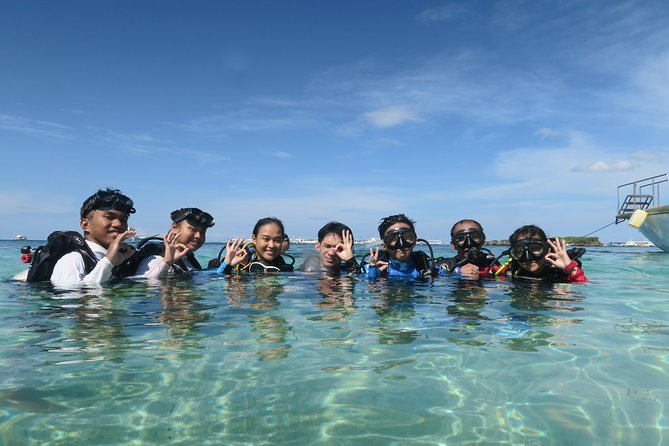
- Four hours is enough for a first taste: You learn basic skills without giving up a full day.
- No full certification is required: This is an introduction, not a replacement for SSI Open Water training.
- The equipment is provided: Mask, snorkel, fins, buoyancy jacket, tank, regulator, and monitoring instruments are included.
- A boat trip is part of the package: You get more than a pool-style equipment lesson.
- The instructors focus on calm, safe progress: The available feedback places strong emphasis on friendly, professional teaching.
- Plan around your flight: You must wait at least 24 hours after scuba activity before flying.
What SSI Basic Diver really gives you
This experience is best understood as a test drive. You are not signing up for a full scuba license, and four hours is not enough time to cover every skill needed for independent underwater trips. You are getting a controlled first look at the equipment, the breathing system, and the feeling of moving below the surface.
That distinction matters. Many people like the idea of scuba until they put a mask on, hear the regulator hiss, and discover that breathing underwater feels strange at first. Basic Diver gives you space to find out how you respond before spending more time and money on Open Water certification.
The course is also useful if you are traveling with someone who already enjoys scuba. You can try the activity yourself instead of watching from the boat or shore. If you like it, the session may be credited toward SSI Open Water Certification, giving your next course a useful starting point.
You should not expect a long expedition or an advanced underwater route. The value comes from the introduction: learning how the equipment works, following basic safety rules, and getting a short, supervised look at the underwater world.
More PADI Courses in the Philippines
- Scuba Diving in Boracay: SSI Basic Diver for Beginners
★ 5.0 · 20 reviews - Scuba Diver Course (PADI)
★ 5.0 · 18 reviews - DiveGurus – Open Water Diver Course SSI/PADI
★ 5.0 · 13 reviews
The first lesson: gear, breathing, and safety
Your instructor provides the main equipment, including a mask, snorkel, fins, buoyancy compensating jacket, scuba tank, regulator, and instruments that show depth and air supply. That list covers the kit you need for a beginner session, so you do not have to assemble your own setup.
The regulator is the part that lets you breathe from the tank. For a first-timer, this can be the biggest mental hurdle. You will need to stay calm, breathe steadily, and listen closely to the instructor. The mask helps you see underwater, while the fins make movement easier and more controlled.
The buoyancy jacket is especially important. It helps you manage your position in the water, rather than simply kicking up and down. You will be introduced to the basic idea of controlling your body with equipment and measured breathing, a skill that becomes more natural with practice.
The lesson also covers safety rules. These may feel simple, but they are the core of responsible scuba. You need to understand how to use the equipment, watch your depth and air supply, and follow your instructor’s directions. For a first session, careful teaching matters more than rushing toward a longer underwater period.
Bring swimwear and your attention. Materials are included, and complimentary coffee or tea is provided, but additional food and drinks are not part of the price. Hotel pickup is also not included, so check the meeting arrangement carefully.
Getting comfortable underwater for the first time
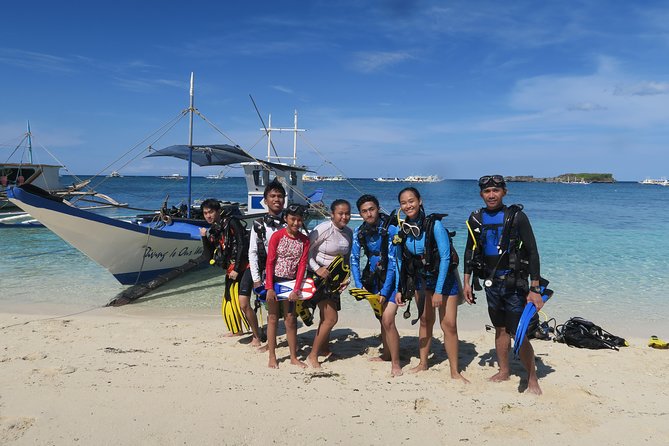
The most valuable part of the session is the transition from standing on land to breathing below the surface. You may feel awkward at first. The mask changes how your face feels, the tank adds weight, and the regulator gives breathing a different rhythm.
A good instructor does not treat this as a race. The available feedback gives special weight to personable, professional teaching, with time taken to help nervous beginners feel safe. That is important here. Someone who feels rushed may spend the whole session worrying about the equipment instead of noticing the underwater setting.
You should expect to learn basic movements and safety habits before you can enjoy the view fully. The goal is not to perform complicated skills. It is to become comfortable enough with the mask, fins, tank, and regulator that you can pay attention to what is around you.
The course is suitable for beginners who are curious but uncertain. If you already know that you dislike confined equipment, cannot tolerate a mask over your face, or feel uneasy about breathing through a regulator, this short format lets you find out without committing to a full certification program.
The boat trip and underwater session
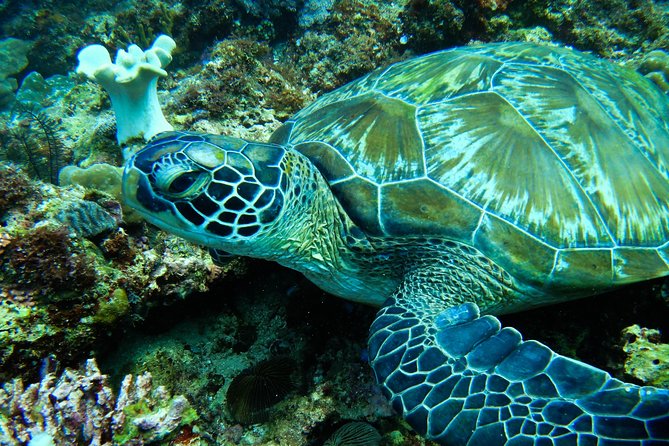
A boat trip is included, which gives the experience a stronger sense of occasion than a land-based equipment lesson. You will leave the starting point with your gear and instructor, then use the boat as part of the route to the underwater setting.
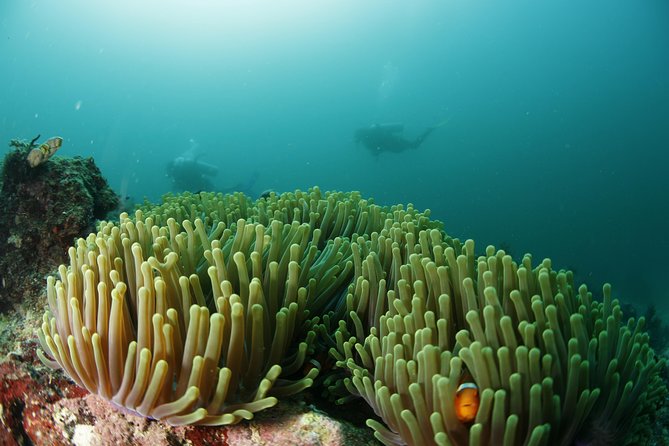
The details do not specify a particular reef, marine species, underwater site, boat size, or group size. I would not book this expecting one named attraction or a guaranteed wildlife sighting. The setting can add beauty and excitement, but the reliable part of the experience is the instruction and supervised practice.
Once in the water, the emphasis remains on safe basic scuba. You will use the supplied equipment, follow the instructor, and practice the core experience of moving and breathing underwater. For many people, that first calm breath below the surface is more memorable than any specific fish or coral formation.
The boat element also means you should think about comfort and timing. A four-hour schedule includes preparation, instruction, equipment use, and the boat portion, not four uninterrupted hours below the surface. That is normal for a beginner course. The learning and setup are part of the activity, not wasted time.
Another way to get in the water in the Philippines:
- Boracay: Helmet Diving Experience with Photos and Videos
★ 4.7 · 155 reviews - Cebu: Beach Scuba Diving Experience
★ 4.9 · 130 reviews - WaterColors – Discover Scuba Diving in Boracay
★ 5.0 · 127 reviews - Boracay: Introduction to Scuba Diving Experience
★ 4.8 · 104 reviews
Why the $63 price can make sense
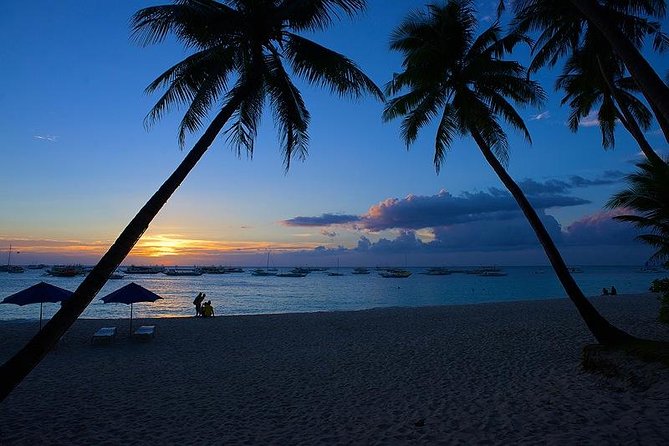
At $63 per person, this is a reasonable entry point if you want a guided introduction and do not yet know if full certification is right for you. The price includes materials, an instructor, scuba equipment, the boat trip, fees, and taxes. Those inclusions reduce the small add-on costs that can make short activities less attractive.
You also avoid buying or renting separate gear for a first attempt. The mask, snorkel, fins, buoyancy jacket, tank, regulator, and instruments are supplied. That makes the price easier to judge because the central parts of the experience are already covered.
The value is weaker if you already hold a scuba certification or have completed several supervised sessions. In that case, the basic lesson may feel too limited. It is aimed at the person who wants to test the water, learn the fundamentals, and decide what comes next.
Food and hotel pickup are not included. Those omissions are not unusual, but they matter when you plan your day. You will need to arrange your own way to the starting point and pay for any additional meals or drinks beyond the complimentary coffee or tea.
Who will get the most from this course
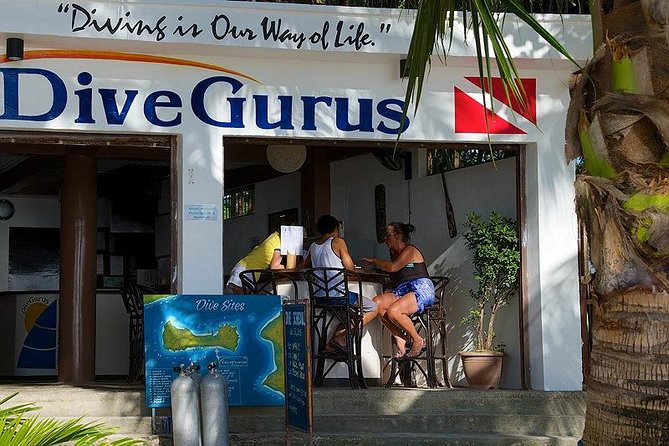
You should consider it if you are at least 10 years old, have no stated medical restrictions that prevent participation, and want a gentle introduction rather than a full license. It suits first-timers who are curious about scuba but still unsure about the commitment.
It is also a practical choice for a short stay. A four-hour session leaves room for other plans, though you must protect the 24-hour no-fly period afterward. If you are leaving the Philippines by air the next morning, this activity will not fit safely into your schedule.
The course is not suitable for children under 10, pregnant women, or people with pre-existing medical conditions. The supplied information does not give a detailed medical questionnaire, so you should take those restrictions seriously and ask the provider if you are unsure about your suitability.
Instruction is available in English, German, Tagalog, and Spanish. That language range can make a real difference when you are learning safety procedures. You should book the language that lets you understand instructions quickly and clearly.
What the teaching style seems to prioritize
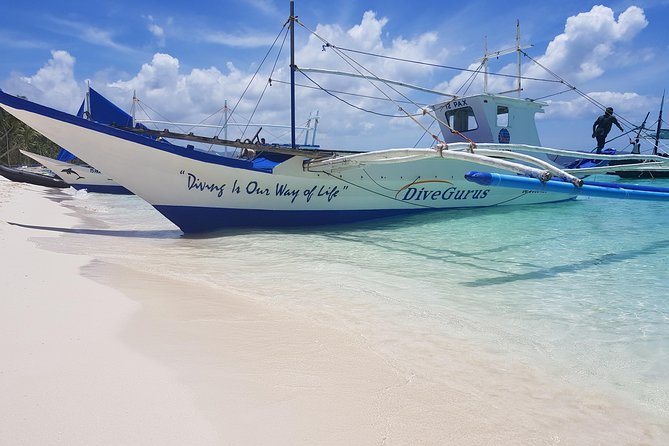
The strongest pattern in the available feedback is the instructor’s manner. The team is described as friendly, welcoming, organized, personable, and professional. One beginner account is especially useful: the participant began scared of scuba, then felt safe enough to recommend the experience strongly.
That is the right kind of praise for this activity. You do not need a theatrical guide. You need someone who explains the equipment clearly, watches your comfort level, and does not push you past your confidence. The course’s value depends heavily on that steady approach.
The provider is DiveGurus Diving Services Corporation. Individual instructor names are not supplied, so I cannot promise a particular guide. You can expect instruction in one of the four listed languages, but it is sensible to confirm the language and meeting details before you go.
The available feedback also points to an organized operation. That matters because scuba has many small steps: fitting equipment, checking the tank and regulator, listening to safety guidance, entering the water, and staying with the instructor. Good organization keeps those steps from feeling confusing.
Practical planning for a smooth morning or afternoon
Wear swimwear and arrive ready to listen. You do not need to bring scuba equipment, but you should not assume that hotel transport, lunch, or other drinks are covered. The package includes coffee or tea, while additional food and beverages cost extra.
Do not schedule a flight within 24 hours after the activity. This is the most important timing rule in the whole plan. A short four-hour course still counts as scuba activity, so leave a full buffer before air travel.
Also confirm the location. The experience is presented as scuba in Boracay, while the location field names Catanduanes Province. Those are different destinations, and a location mismatch can affect your hotel, ferry, flight, and daily schedule. Get the exact meeting point before finalizing your plans.
The activity offers free cancellation up to 24 hours in advance for a full refund. You can also reserve now and pay later, which is useful if your island schedule is still shifting. Those terms give you some room to adjust, but they do not remove the need to plan around the no-fly rule.
How this compares with full Open Water training
Basic Diver is shorter and less demanding than Open Water Certification. You get a first lesson and supervised underwater practice, but not the complete training needed for independent scuba. Think of it as an introduction that may help you decide if certification is worth pursuing.
That shorter format is its strength and its limit. You can fit it into a holiday and avoid a major commitment. At the same time, you should not leave expecting to book independent scuba trips immediately afterward.
The possible SSI credit adds useful value. If you decide to continue, some of what you learn here may support your Open Water course. Ask the instructor how the credit applies to your next step, since the supplied details do not explain the exact requirements or expiry period.
Should you book the SSI Basic Diver course?
Book it if you want your first supervised taste of scuba, value having the equipment and boat trip included, and can remain on the island for at least 24 hours afterward. The friendly, safety-minded teaching is a strong reason to choose this format, especially if you feel nervous about breathing underwater.
Skip it if you are looking for a full certification, a named reef, guaranteed marine life, or a long underwater excursion. It is a beginner introduction, not an advanced sea trip. Before paying, confirm the location discrepancy between Boracay and Catanduanes Province, then check that the four-hour schedule fits your plans.
For a curious first-timer at $63, the package offers a sensible way to find out if scuba is for you.
FAQ
How long does the SSI Basic Diver course last?
The course lasts four hours. This time includes instruction, equipment use, and the included boat trip.
Does this course require full scuba certification?
No. SSI Basic Diver is designed as an introduction and does not require full scuba certification.
Can the course count toward SSI Open Water Certification?
Yes. The experience can be credited toward SSI Open Water Certification.
What equipment is included?
The package includes a mask, snorkel, fins, buoyancy compensating jacket, scuba tank, regulator, and instruments for monitoring depth and air supply.
Is a boat trip included?
Yes. The package includes a boat trip.
What should I bring?
Bring swimwear. Materials and scuba equipment are provided.
How old must I be to participate?
You must be at least 10 years old. The activity is not suitable for children under 10.
Can I fly after the course?
You must not fly within 24 hours after scuba activity.
Is hotel pickup included?
No. Hotel pickup is not included.
What languages are available for instruction?
Instruction is available in English, German, Tagalog, and Spanish.
Is food included?
Additional food and beverages are not included. Complimentary coffee or tea is provided.
Can I cancel for a full refund?
Yes. You can cancel up to 24 hours in advance for a full refund.
More Scuba Diving for Beginners in the Philippines
- Beginner Freediving Course (with Bonus Session)
★ 5.0 · 18 reviews - Bohol: Discover Scuba Diving – No Experience Needed
★ 5.0 · 4 reviews - First-Time Scuba Diving in Honolulu + Free Videos
★ 5.0 · 3,123 reviews - Beginner Scuba Diving with Turtles and Videos, San Juan
★ 5.0 · 1,743 reviews
Newest dives added in the Philippines
- Discover Scuba Diving in Boracay with U/W Photo and Video★ 5.0 · 14 reviews
- Beginner Freediving Course (with Bonus Session)★ 5.0 · 18 reviews
- Discovery Freediving Program★ 5.0 · 37 reviews
- WaterColors – PADI Scuba Diver Certification in Boracay★ 5.0 · 12 reviews
- Discover Freediving One Amazing Day★ 4.5 · 4 reviews
- WaterColors – Kids’ Discover Scuba Diving in Boracay for 10 years old and up★ 4.0 · 3 reviews
- 2-Day Private Boracay PADI Open Water Diver Course★ 5.0 · 3 reviews
- DiveGurus -Scuba Diving for Kids(Ages 6-11yrs)★ 5.0 · 5 reviews
PADI Courses & Certification, compared.
Tossa de Mar: PADI Discovery Scuba Diving in Costa Brava
Read our review →
Full-Day Beginner Scuba Course with Private Tuition, Racha Yai
Read our review →
Heraklion: Beginner Scuba Diving Lesson with PADI Instructor
Read our review →
Discover Scuba Diving with No Certification in St Thomas
Read our review →
Try Dive – PADI Discover Scuba Diving in Tenerife
Read our review →
Browse the lists this dive appears in