
Reviewed · FREEDIVING
Discovery Freediving Program
The big appeal here is the gentle progression: theory first, pool practice second, open sea last. You are not simply handed fins and sent into the water. The day gives you time to understand breath-holding, get comfortable with the gear, and work through nerves before the sea session.
I like the small maximum group of 10, and I like that underwater photos and video are included. Coaches such as Joshua, Alroy, Debora, Daniel, and Joe are noted for patient instruction, especially when a beginner feels panic or struggles with equalization. The main consideration is timing: the optional yoga starts at 7:30 a.m., while the stated meeting time is 8:30 a.m., so confirm which parts apply to your booking.
Key points to know before booking
- Three-stage training: Learn the basics, practice in a pool, then use those skills in the sea.
- Calm coaching for beginners: Joshua, Alroy, Debora, Daniel, and Joe are specifically praised for patient instruction and confidence-building.
- Underwater memories included: Your open-sea session is recorded with photos or video.
- Bohol marine life: The area can offer coral, turtles, sardines, and, occasionally, whale sharks.
- Small group size: The activity accepts no more than 10 people.
- Good value at $70: Equipment, instruction, pool work, sea training, and recorded underwater moments are built into a one-day experience.
A measured first step into breath-hold training
Blue Freedom Apnea’s Discovery Freediving Program is designed as an introduction, not a full certification course. That distinction matters. You get a taste of the sport, learn basic technique, and find out how your body reacts below the surface without committing to several days of formal training.
The day begins with simple theory. You learn why relaxed breathing, body position, fin technique, and equalization matter. The teaching is meant to be approachable, and that is useful if your only previous experience is snorkeling. You do not need to arrive as an athlete or an experienced underwater swimmer.
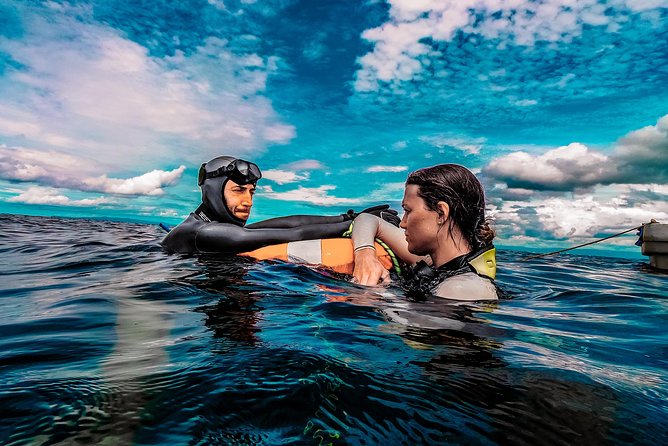
The instructors also place real emphasis on calmness. Joshua is praised for helping nervous beginners turn panic into control, while Alroy is repeatedly credited with giving clear tips and building confidence from one attempt to the next. That kind of coaching can make a major difference. Breath-hold activity is as much about staying relaxed as it is about physical ability.
The program is run by a freediving club with a community focus. You will find a social atmosphere rather than a formal resort excursion, with instructors and safety divers involved in the water session. For someone who wants to meet people who are serious about the sport, that setting may be more appealing than a quick snorkel trip.
More Freediving in the Philippines
- Beginner Freediving Course (with Bonus Session)
★ 5.0 · 18 reviews - Panglao: Napaling Reef and Sardines Freediving Experience
★ 4.9 · 16 reviews - Discover Freediving in Boracay
★ 4.9 · 7 reviews
The 7:30 a.m. yoga option and 8:30 meeting time
The published schedule lists an optional yoga session at 7:30 a.m., followed by the main meeting time at 8:30 a.m. Yoga is intended to loosen the body and settle your breathing before the day starts. It is optional, so you can skip it if you need a slower morning.
The meeting point is Panglao Chocolate Hills Hostel & Resort in Libaong, Panglao, Bohol. The activity returns to this same point at the end. The location is near public transportation, which is helpful if you are staying elsewhere on Panglao.
Because the timetable gives two different morning start points, ask Blue Freedom Apnea when booking if you want to attend the yoga session. The program is listed as lasting about one day, but the supplied schedule does not give a precise finishing time. Plan to keep most of the day free rather than squeezing in another major excursion.
9:00 a.m. theory: useful basics before the water
At 9:00 a.m., the group moves into the theory portion. This is not filler. You need to understand the basics before attempting breath-hold work, and the course uses this time to explain the skills you will later practice.
Expect an introduction to breathing, relaxation, equalization, and the use of fins and other equipment. The theory is described as straightforward, which suits a discovery session. You are given enough information to understand what you are doing without being buried in technical language.
Equalization deserves special attention. One participant enjoyed the activity but knew they needed more practice with equalization. That is a useful warning for you: reaching depth is not simply a matter of holding your breath longer. Pressure changes underwater can affect your ears, and the technique takes practice.
Do not judge the day by the deepest point you reach. For a beginner, learning to stay relaxed and use sound technique is more valuable than forcing a personal record. The coaches appear to encourage gradual progress rather than bravado.
10:00 a.m. pool practice with full equipment
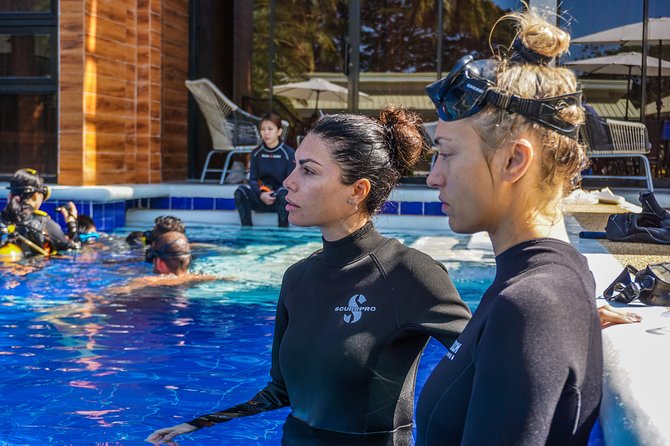
The pool session begins at 10:00 a.m. This is where the class shifts from explanation to movement. You get familiar with the freediving equipment and practice basic skills in a controlled setting before heading to the sea.
That order is one of the program’s strongest features. A pool gives you space to learn how the mask, fins, and other gear feel without the added distraction of waves or a large natural setting. You can focus on body position, kicking, breathing, and relaxation.
The school provides full sets of equipment, according to the information supplied. That makes the $70 price easier to assess, especially if you are new and do not own fins or other specialized gear. It also saves you from packing equipment for a single introductory session.
You should still treat the pool as a learning stage, not a guarantee that the sea session will feel easy. Open water adds more visual space and natural conditions. A good pool experience gives you a base, but you may still need time to settle once you move outside.
Another way to get in the water in the Philippines:
- Boracay: Helmet Diving Experience with Photos and Videos
★ 4.7 · 155 reviews - Cebu: Beach Scuba Diving Experience
★ 4.9 · 130 reviews - WaterColors – Discover Scuba Diving in Boracay
★ 5.0 · 127 reviews - Boracay: Introduction to Scuba Diving Experience
★ 4.8 · 104 reviews
11:00 a.m. open sea session in Bohol
At around 11:00 a.m., you head into the sea. This is the part most people picture when they book the program, but it works best because of the training that comes first.
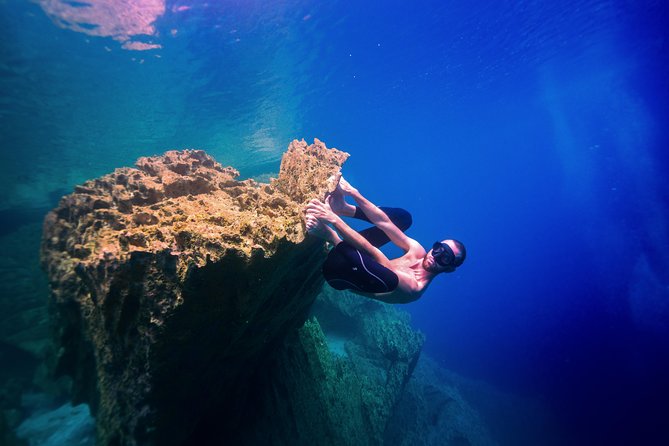
The sea around Bohol is known for marine life. Depending on conditions and location, you might see colorful coral, turtles, schools of sardines, and, occasionally, a whale shark. The information does not promise a particular animal, so book this for the instruction and underwater experience rather than a guaranteed wildlife sighting.
The program includes a final fun session after the core practice. This gives you room to enjoy the setting instead of spending the entire outing counting technique points. You can float, try the skills again, and take in the quiet below the surface.
Safety is built into the structure. The school uses professional instructors and safety divers in the water. That does not remove the need to listen carefully or respect your limits, but it gives a beginner a proper support system during the sea portion.
The group limit of 10 also matters here. A small class should make it easier for an instructor to watch individual technique and respond when someone needs help. It may not feel like a private lesson, but it is more personal than a large boat-based activity.
Underwater photos and video are part of the value
Your open sea session is recorded, with photos or video provided as part of the experience. This is a practical touch, not just a souvenir. You can see your body position, fin movement, and overall form after the session, which may help you understand what to improve.
There is also a simple emotional benefit. Beginners often do not know what they look like underwater because they are concentrating on breathing and staying calm. A short recording lets you remember the moment and share it with friends.
The photo service may require patience. The program’s feedback suggests that the shooter will retake images when an attempt does not come out well. Still, underwater photography depends on conditions, timing, and your own comfort in the water. Think of the recordings as an included bonus, not a polished professional photo shoot.
Coach Joshua is specifically praised for explaining what to do for photos and video. That can help you avoid the stiff, uncertain poses many first-time participants make. You will have a better chance of getting a useful image if you follow the coach’s instructions and stay relaxed.
Coaches who focus on calm progress
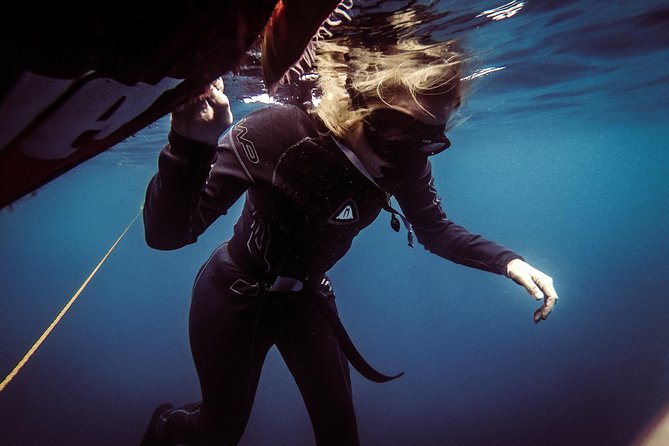
The strongest thread running through the program is the teaching style. Multiple instructors are identified by name in the experience feedback, including Joshua, Alroy, Debora, Daniel, and Joe.
Joshua is associated with helping beginners manage panic and with guiding them through underwater photos. Alroy receives particular praise for positive support, practical tips, and helping people improve from one attempt to the next. Debora is recognized for helping a first-time participant learn breath-hold technique. Daniel and Joe are praised for safe, thorough instruction in longer AIDA and Molchanovs courses.
That last point is worth handling carefully. The Discovery Program is an introductory experience, while AIDA and Molchanovs are separate training paths. The positive comments about those courses suggest a wider teaching background at the school, but you should not assume this one-day product includes certification.
The friendly, family-style atmosphere may suit you if you learn best with encouragement. It may be less ideal if you want a private, highly technical session focused only on speed or depth. The program’s tone is clearly welcoming and supportive.
What $70 gets you in Panglao
At $70 per person, the price covers more than a short look underwater. You receive instruction, a theory session, pool training, sea practice, equipment, instructor support, safety-diver support, and underwater photos or video.
That is solid value for a full-day introduction, especially if you would otherwise need to rent gear separately. The small group cap also adds value, since the experience is not built around moving a large crowd through the water.
The price becomes less attractive if you only want a quick swim and have no interest in learning technique. A simple snorkeling trip may suit that goal better. Here, you are paying for structured instruction and a chance to learn a new skill, not just for time in the sea.
There may also be a difference between an enjoyable first session and a lasting improvement in your ability. The program can introduce the fundamentals, but your equalization, relaxation, and breath-hold control will need more practice. One participant extended a planned one-day visit into three days, which suggests the first session can inspire people to continue, but additional days are separate from this booking.
Who will get the most from this program
This experience is a strong match for:
- First-time participants who want a guided introduction
- Snorkelers curious about staying underwater longer
- Visitors who want pool practice before entering the sea
- People who value patient coaching over a competitive atmosphere
- Anyone who wants photos or video from the session
- Solo visitors who enjoy a community setting
You should think twice if you dislike structured instruction or want a guaranteed whale shark sighting. The program is also not presented as a certification course, so choose a longer AIDA or Molchanovs course if formal qualification is your aim.
Most people can participate, according to the activity details, but that does not replace personal judgment. If you have concerns about breath-hold activity, water confidence, or physical limitations, ask the provider before booking.
Booking details that matter
The activity uses a mobile ticket, and confirmation is provided at booking. It accepts a maximum of 10 participants, which helps keep the class manageable.
The experience is booked, on average, 11 days ahead. That is not a rule, but it suggests you should avoid leaving your reservation until the last minute, particularly if your Panglao dates are fixed.
Cancellation is free up to 24 hours before the start time for a full refund. Changes or cancellations made inside that 24-hour window are not accepted for a refund. The cut-off follows local time in the Philippines, so check the exact start time before making changes.
Should you book Blue Freedom Apnea?
Book it if you want a friendly, carefully staged introduction to breath-hold activity and like the idea of combining theory, pool practice, and an open sea session. The strongest reasons are the calm coaching, small group size, supplied gear, and included underwater recordings.
I would especially choose it for a first attempt in Panglao, when confidence matters more than depth. Just confirm the yoga and meeting times, keep the day open, and remember that marine life sightings are possible rather than promised.
If you already have solid experience and want advanced depth training, this one-day program may feel basic. For a curious beginner, though, $70 buys a well-rounded first look at an underwater skill, with enough structure to help you relax and enough free time to enjoy Bohol’s sea.
FAQ
Where does the Discovery Freediving Program start?
It starts at Panglao Chocolate Hills Hostel & Resort in Libaong, Panglao, Bohol, Philippines.
What time does the main activity begin?
The stated meeting time is 8:30 a.m. An optional yoga session is listed for 7:30 a.m., so confirm with Blue Freedom Apnea if you plan to attend yoga.
How long does the experience last?
It lasts approximately one day.
What happens during the program?
You begin with freediving theory at 9:00 a.m., practice with equipment in a pool at 10:00 a.m., and enter the sea at about 11:00 a.m. for an open-water session and final fun session.
Is equipment provided?
Yes. The experience information states that Blue Freedom Apnea provides full sets of freediving equipment.
Are photos or videos included?
Yes. The open-water portion is recorded, and underwater photos or video are included.
How many people can join?
The activity accepts a maximum of 10 participants.
Is the activity suitable for beginners?
Yes. The program is designed for beginners as well as people with snorkeling experience, and most people can participate according to the activity information.
Where does the activity finish?
It finishes back at Panglao Chocolate Hills Hostel & Resort, the same point where it starts.
What is the cancellation policy?
You can cancel at least 24 hours before the local start time for a full refund. Cancellations or changes made less than 24 hours before the start time are not accepted for a refund.
Newest dives added in the Philippines
- Discover Scuba Diving in Boracay with U/W Photo and Video★ 5.0 · 14 reviews
- Beginner Freediving Course (with Bonus Session)★ 5.0 · 18 reviews
- WaterColors – PADI Scuba Diver Certification in Boracay★ 5.0 · 12 reviews
- Discover Freediving One Amazing Day★ 4.5 · 4 reviews
- WaterColors – Kids’ Discover Scuba Diving in Boracay for 10 years old and up★ 4.0 · 3 reviews
- 2-Day Private Boracay PADI Open Water Diver Course★ 5.0 · 3 reviews
- DiveGurus -Scuba Diving for Kids(Ages 6-11yrs)★ 5.0 · 5 reviews
- Boracay PADI Discover Scuba Diving★ 5.0 · 9 reviews
Freediving, compared.
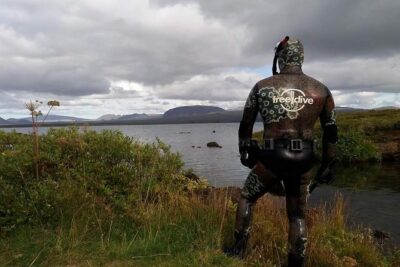
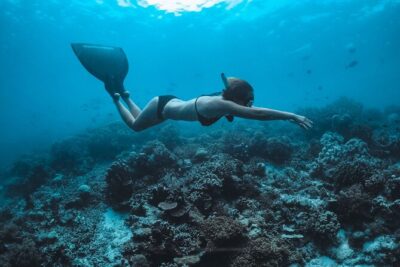
Snorkeling and Freediving Trip around Nusa Penida
Read our review →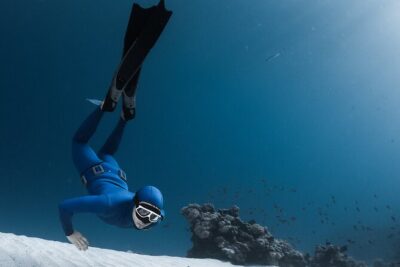
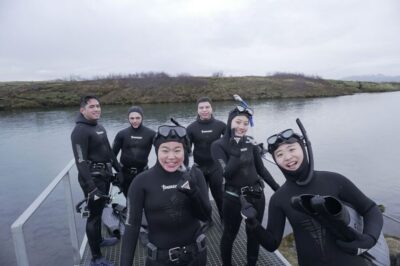
Freediving and Snorkeling at Yawasam and Talu Island
Read our review →
Freedive trip Koh Kood or Koh Rang National Park ( start at Ko Kut)
Read our review →
Freediving in Phuket – SSI – AIDA – Molchanovs – PADI
Read our review →Browse the lists this dive appears in